
REVIEW · CAPE TOWN, SOUTH AFRICA
Private Cape Malay Cooking Class in Cape Town with a Local Family
Some meals tell you where you are. This private Cape Malay cooking class brings you into Lorette and Desmond’s home in Grassy Park, where you learn family-style recipes instead of simply watching a chef work. I like the private format, which gives your group Lorette’s full attention, and I like the chance to share the finished meal with her and Desmond. The main drawback is location: transportation is not included, so you must make your own way to Grassy Park.
The three-hour visit has a comfortable rhythm: welcome drink, hands-on cooking, then lunch or dinner at the family table. You may prepare dishes such as chicken curry with mini rotis, bobotie, aromatic yellow rice, roasted vegetables, or malva pudding. The class costs $100 per person, which is a fair price if you value personal contact, a home setting, included drinks, and a full meal rather than a quick demonstration.
Key points at a glance
- Cook in Lorette’s family home: The house in Grassy Park was built by her father 44 years ago and later redesigned by Lorette and Desmond.
- Your group has the class to itself: This is a private activity, so the pace and questions can stay focused on your interests.
- Make two or three Cape Malay dishes: Possible recipes include chicken curry, mini rotis, bobotie, yellow rice, roasted vegetables, and malva pudding.
- Expect real hands-on work: You help prepare the food, including taking turns making rotis, rather than standing back for the whole session.
- Finish with a shared meal: Lunch or dinner, bottled water, alcoholic drinks, and gratuities are included.
- Meet in Grassy Park: The experience begins and ends at the meeting point, with no transportation provided.
Why a home kitchen makes this class different
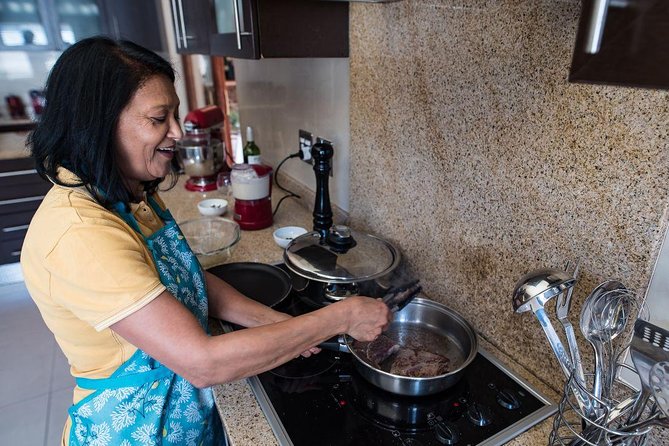
Cape Town has plenty of food experiences, but a private class inside a family home gives you a different kind of access. You are not being moved from station to station or placed in a large room with several unrelated groups. You arrive at Lorette and Desmond’s home in Grassy Park and spend the afternoon or evening with one family.
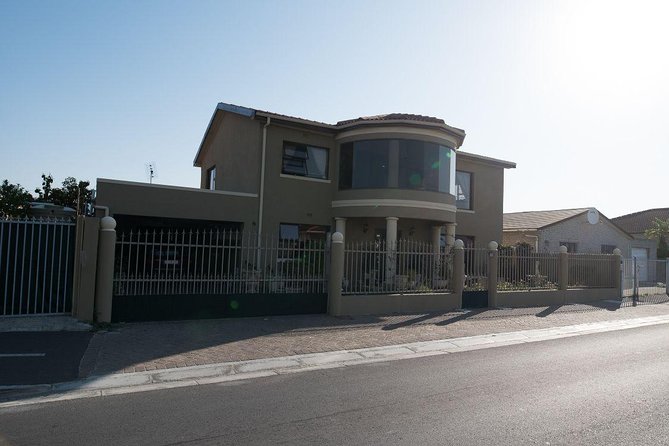
That setting matters. The house was built by Lorette’s father 44 years ago. After Lorette and Desmond married, she bought it from her parents and the couple redesigned and renovated it themselves. The home is now described as beautiful and modern, with a spacious kitchen suited to cooking together.
I like this detail because it gives the visit a personal anchor. You are not simply entering a rented demonstration space. You are seeing a home with family connections and a clear sense of continuity. Lorette’s parents, Rachel and Kenneth, also live on the property and may stop by to say hello.
That family presence is not guaranteed as a formal part of the class, but it can add a warm, informal touch. If meeting them matters to you, you can ask about it politely when you arrive. The class itself is led by Lorette, with Desmond joining the conversation and meal.
More Home Cooking Classes in South Africa:
- South African Cooking Class in Cape Town with a Local Family
★ 5.0 · 2 reviews - Khmer Cooking Class at a Local’s Home in Krong Siem Reap
★ 5.0 · 2,731 reviews - Local Home Korean Cooking Class & Market Adventure in Seoul
★ 5.0 · 1,024 reviews
Arriving in Grassy Park
The meeting point is in Grassy Park, Cape Town, postal code 7941. You need to arrange your own transportation because pickup and drop-off are not included. The activity ends back at the meeting point, so plan your return journey before the cooking begins.
The area is near public transportation, which gives you an option beyond arranging a private car. Still, the information provided does not specify the exact transport route, travel time, or pickup procedure. I would allow extra time for reaching the address and confirm the meeting details after booking.
That small bit of planning is important. This is a home visit, not a central city attraction with a large sign out front. You will want to arrive relaxed and on time, especially since the class is built around a private host’s schedule.
The class is also suitable for service animals. No other specific accessibility information is provided, so contact the provider if you need details about kitchen access or mobility arrangements.
A welcome drink before the cooking begins
The visit starts with a welcome drink. This gives you a moment to settle in, meet Lorette and Desmond, and get a sense of the house before moving into the kitchen.
That opening helps set the tone. You are not rushed straight into chopping onions or rolling dough. Instead, the first few minutes allow for introductions and conversation, which is useful if you want more than a recipe lesson.
Lorette is also a keen gardener and uses fresh herbs from her garden in her cooking. That connection between garden and kitchen adds a simple but meaningful detail. You get to see how herbs fit into the dishes, not just read a list of ingredients on a printed recipe.
The class does not promise a garden tour, so do not assume that this is a separate activity. The useful point is that fresh garden herbs can be part of the cooking and conversation.
Two to three dishes with plenty of participation
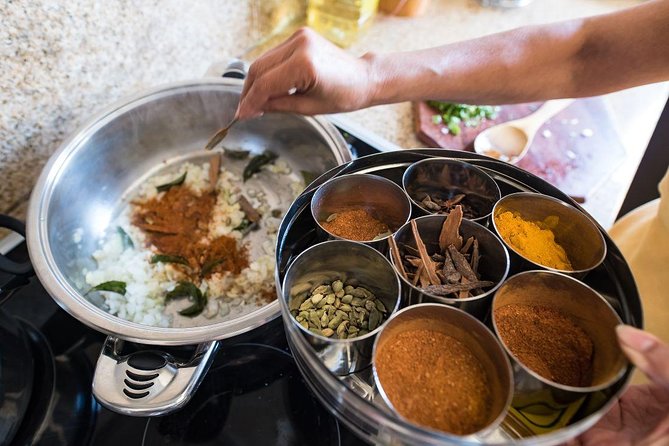
The cooking portion lasts about one to two hours. You can expect to make two or three traditional dishes, with the exact selection potentially varying.
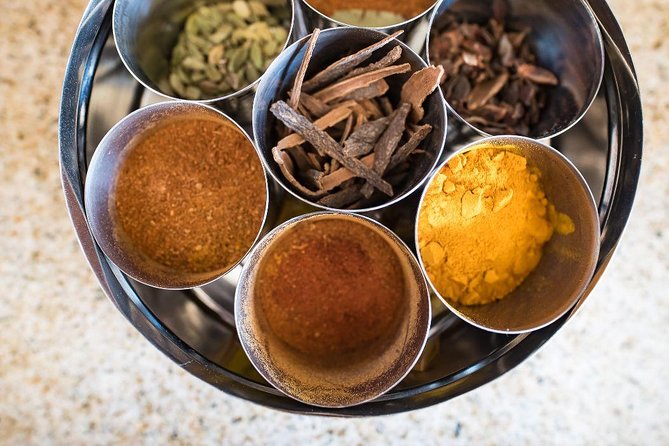
One possible menu includes mini rotis with chicken curry. Cape Malay roti is an unleavened flatbread served with chicken curry, and making it gives you a practical skill to take home. The class is not just about adding spices to a pot. The bread requires your hands, attention, and a willingness to have a few imperfect first attempts.
A particularly enjoyable part of the session is taking turns making rotis. That works well for couples, families, and small private groups because everyone gets a job. You are involved in the process rather than waiting for one person to do all the cooking.
Chicken curry is another likely focus. Lorette guides you through the method, including the preparation of the main dish. The cooking creates natural openings to ask about ingredients, seasoning, and the role of each step.
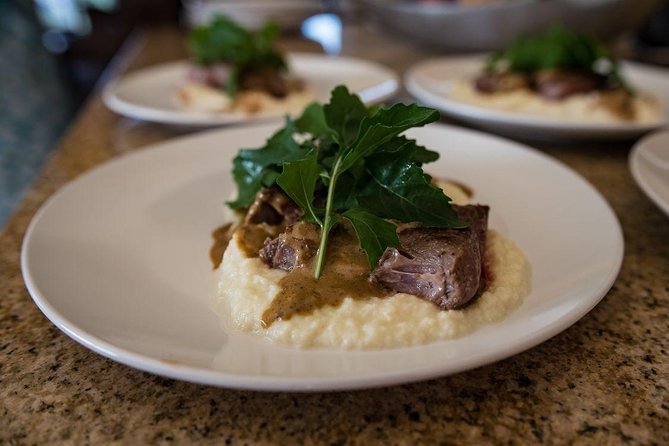
Another possible dish is bobotie, a South African specialty made with curried minced meat and baked under a savory custard. It may be served with aromatic yellow rice and roasted vegetables. This gives the meal a broader look at South African home cooking instead of limiting the class to one curry.
Malva pudding may also appear as the dessert. It is a sweet baked pudding, and one especially thoughtful touch involved preparing custard to accompany it for a diner who had enjoyed it that way before. The classic serving style may be without custard, but the flexibility shows that Lorette pays attention to individual preferences.
The exact menu is not fixed in the information provided, so do not book expecting all of these dishes at once. The promise is two or three traditional preparations, selected from possibilities such as these.
More Private Cooking Classes in South Africa:
- Private Authentic Cape Malay Cooking Class in Manenberg with Locals
★ 5.0 · 5 reviews - PRIVATE Authentic Balinese Cooking Class in Ubud at Putu’s Home
★ 5.0 · 644 reviews - Rome: Pasta Making Class with Tiramisu & Wine PRIVATE OPTION
★ 4.8 · 404 reviews - Private Market Tour & Cooking Class in Puerto Vallarta with Manu
★ 5.0 · 241 reviews
Conversation about Cape Malay food and culture
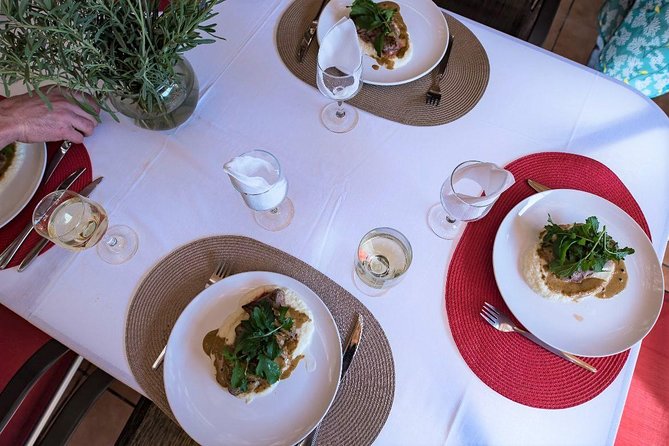
The class is also a cultural visit. As you cook and eat, Lorette and Desmond can talk with you about Malay food, history, and culture. The conversation is part of the value, especially if you want to understand the dishes beyond their ingredients.
This is where a private class earns its keep. In a large group, questions about family recipes, local habits, or the meaning of a dish can easily get lost. Here, your group can guide the conversation and spend more time on subjects that interest you.
You should expect an informal exchange rather than a formal lecture. The appeal is the family setting, the shared table, and the chance to ask questions as they arise. Several dishes also give you different entry points into South African cooking: flatbread, curry, baked bobotie, yellow rice, vegetables, and dessert.
I especially like that the meal is prepared with you, not simply presented to you. The distinction is important. You leave with a better sense of how the food comes together and why a family might prepare it in a certain way.
Sitting down to eat what you made
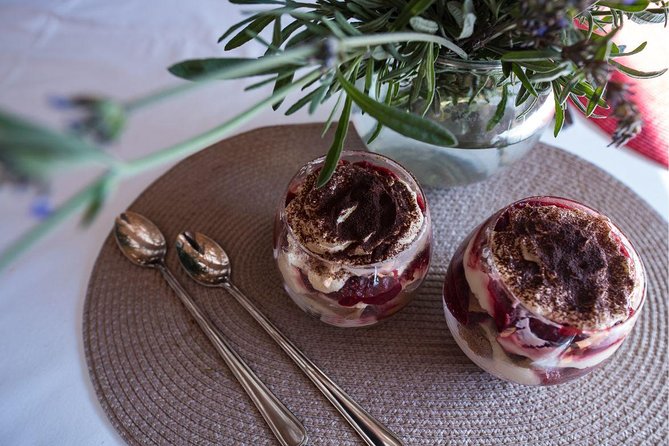
After the cooking, you share the meal with Lorette and Desmond. The eating portion turns the class into a social evening rather than a lesson that ends when the stove is turned off.
Lunch or dinner is included, as are bottled water, alcoholic beverages, and gratuities. That makes the $100 price easier to assess. You are paying for approximately three hours of private instruction, a home visit, ingredients, drinks, and a complete meal, not just access to a kitchen.
The value is strongest for people who enjoy conversation and personal contact. If you only want to learn one fast recipe, a cookbook or short market class may cost less. If you want a meal, a cultural exchange, and private instruction in one outing, the price is more reasonable.
The reviews of this experience consistently highlight the food, hospitality, and company. The strongest praise centers on Lorette’s welcoming manner, the quality of the meal, the fun of making rotis, and the useful recipes that can be tried at home.
That last point is practical. The class can continue after you leave if you receive the recipes used during your visit. One family came away with recipes they planned to prepare again, and another praised the chance to recreate the dishes at home. Ask for written recipes if they are not offered during the session.
How private cooking changes the pace
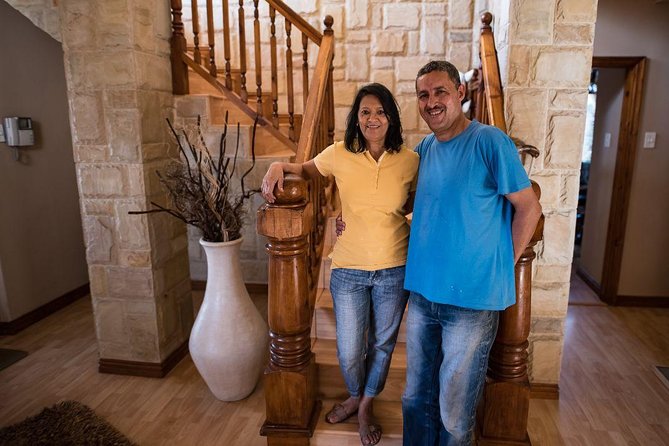
Because only your group participates, the experience can feel more relaxed than a standard group class. You have room to ask questions, repeat a step, or spend more time on the part of the meal that interests you.
This format is especially good for couples, families, or friends who want one shared activity. Everyone can take part, and the host can give more direct help than would be possible with a crowded class.
There is one tradeoff: private experiences depend heavily on the personalities of the people involved. If your group prefers a quiet, structured lesson with little conversation, a home-based class may feel more social than expected. The setting works best when you are comfortable talking with your hosts and eating with them afterward.
The class also has a flexible human quality. One account describes Lorette adapting dessert to suit a husband’s preference, even when he was too sick to attend. That kind of care is not a guaranteed service feature, but it suggests that the cooking is treated as hospitality, not merely a timed activity.
Who will get the most from this experience
I would recommend this class to you if you want to connect food with local family life. It is a strong choice for anyone who prefers small, personal experiences over sightseeing in a large group.
It suits:
- Couples looking for a shared Cape Town activity
- Families who want hands-on participation
- Home cooks interested in Cape Malay recipes
- Visitors who enjoy learning through conversation
- People who want a full meal as part of the experience
- Anyone curious about South African food beyond restaurant menus
It may be less suitable if you need a centrally located activity with included transportation. It may also disappoint you if you expect to prepare every dish listed, since the menu can include two or three selections rather than the full set.
The cooking lasts one to two hours, followed by the meal and conversation. That makes the total visit about three hours, so it is substantial enough to feel worthwhile without taking up an entire day.
Price, planning, and cancellation
At $100 per person, this is not the cheapest meal-related activity in Cape Town. But the fee includes a private class, drinks, lunch or dinner, and gratuities. You also receive the less tangible benefit of entering a family home and spending time with people who prepare this food as part of their own cooking tradition.
The experience is often booked about 66 days in advance. That suggests you should plan ahead, especially if your Cape Town schedule is tight or you need a particular date.
Confirmation is sent within 48 hours of booking, subject to availability. Free cancellation is available if you cancel at least 24 hours before the start time. Cancellations or changes made within 24 hours are not accepted for a refund, and the cutoff follows local time.
Should you book the Grassy Park cooking class?
Book it if you want private instruction, a home-cooked meal, and genuine conversation in one Cape Town experience. Lorette’s cooking, the family home, the chance to make rotis by hand, and the shared meal with Desmond give the visit a personal character that a standard restaurant meal cannot match.
Think twice if getting to Grassy Park is difficult, if you dislike social meals with hosts, or if you need a fixed menu. For everyone else, the $100 fee is reasonable for roughly three hours of hands-on cooking and hospitality. Arrange transportation in advance, arrive ready to participate, and ask about the recipes before you leave.
FAQ
How long does the cooking class last?
The full experience lasts approximately three hours. The cooking portion takes about one to two hours, followed by lunch or dinner and conversation.
Where does the experience take place?
It takes place at Lorette and Desmond’s home in Grassy Park, Cape Town, South Africa. The activity starts and ends at the Grassy Park meeting point.
Is transportation included?
No. Transportation is not included, so you must make your own way to the meeting point. The location is near public transportation.
Is this a private activity?
Yes. Only your group participates in the cooking class.
How many dishes will I make?
You can expect to learn how to make two or three traditional dishes. Possible dishes include mini rotis with chicken curry, bobotie, yellow rice, roasted vegetables, and malva pudding.
What is included in the $100 price?
The price includes the private cooking class, alcoholic beverages, bottled water, lunch or dinner, and gratuities.
Can I cancel for a full refund?
Yes, if you cancel at least 24 hours before the experience start time. Cancellations or changes made less than 24 hours before the start time are not accepted for a refund.
Just added around South Africa
- Langa Township and Bokaap Cooking Class Half Day Tour★ 5.0 · 4 reviews
- South African Cooking in Cape Town with Local Chef Richard★ 4.5 · 10 reviews
- Cape Town Shore Excursion| South African Cooking & Port Transfers★ 5.0 · 3 reviews
- Private Authentic Cape Malay Cooking Class in Manenberg with Locals★ 5.0 · 5 reviews
- South African Cooking Class in Cape Town with a Local Family★ 5.0 · 2 reviews
- Cape Malay/Creole Cooking Class and Local Shopping in Salt River★ 5.0 · 2 reviews
- Johannesburg: Pan-African Cooking & Dinning Experience★ 4.5 · 6 reviews
- GQ: City Walking Tour & African Cuisine Cooking Class★ 4.6 · 11 reviews
Home Cooking Classes, compared.
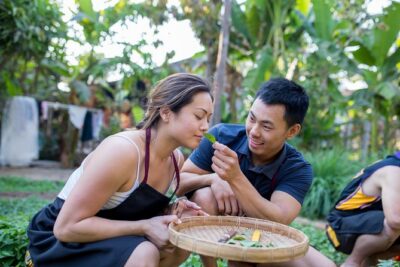
Khmer Cooking Class at a Local’s Home in Krong Siem Reap
Read our review →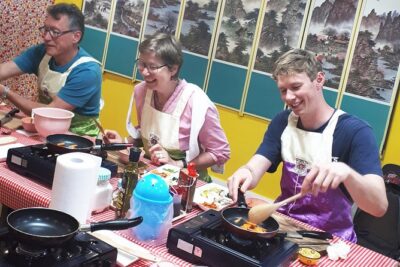
Local Home Korean Cooking Class & Market Adventure in Seoul
Read our review →
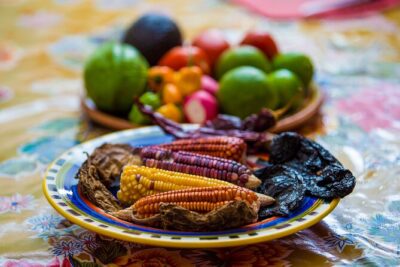
Mexican Cooking from Scratch in a Local Home in Tulum
Read our review →
Pastamama, Home Cooking Classes at Grace’s Home
Read our review →
Traditional Cooking Class & meal with Local Family
Read our review →
Lists this class appears in