
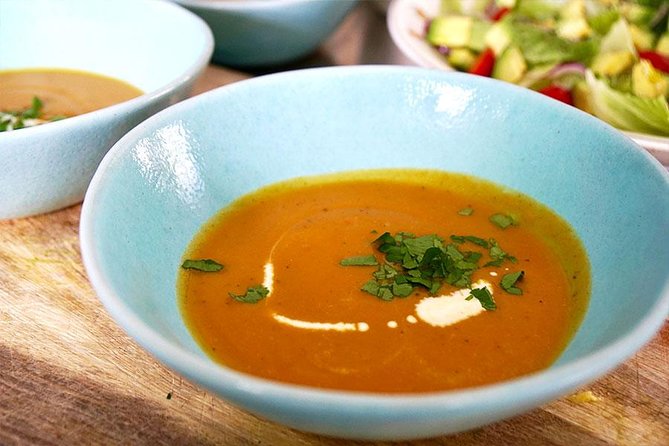
REVIEW · CAPE TOWN, SOUTH AFRICA
South African Cooking in Cape Town with Local Chef Richard
Come hungry, leave with new friends. This private three-hour experience brings you into the Cape Town home of chefs Richard and Gillian, where you watch traditional dishes come together, share wine at the table, and hear how Cape Malay, Afrikaans, English, and African traditions shape South African food. I especially like the personal menu planning and the chance to eat in a real local home rather than another restaurant.
I also like the relaxed choice of participation. You can simply watch and talk, or ask for a more hands-on role in the kitchen or beside the braai. The main drawback is the location in Wynberg. From the V&A Waterfront, the trip can take about 25 minutes in light traffic, but rush hour has stretched the journey to 1.5 hours, so transport timing matters.
Key points to know before booking
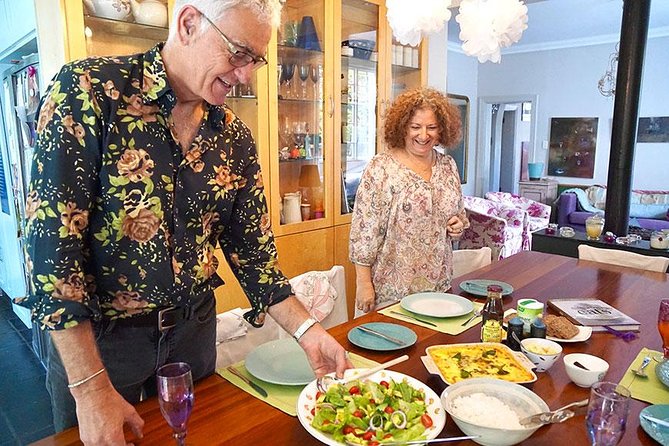
- Richard and Gillian host in their own home: You share the kitchen and dining space with local chefs and restaurant owners.
- The menu is planned around you: Tell the hosts about likes, dislikes, vegetarian needs, or other dietary restrictions before the meal.
- The cooking portion lasts about 1.5 hours: This is an interactive demonstration, not a formal cooking school with a fixed lesson plan.
- Braai may be part of the meal: Depending on the season and menu, you might help prepare rump steak, chicken, or other foods on the barbecue.
- Wine is part of the experience: Richard is also a winemaker and selects alcoholic beverages to accompany the meal.
- Allow extra time for the drive: The meeting point is in Wynberg, and traffic from central Cape Town can be unpredictable.
Why a home kitchen tells you more than a restaurant
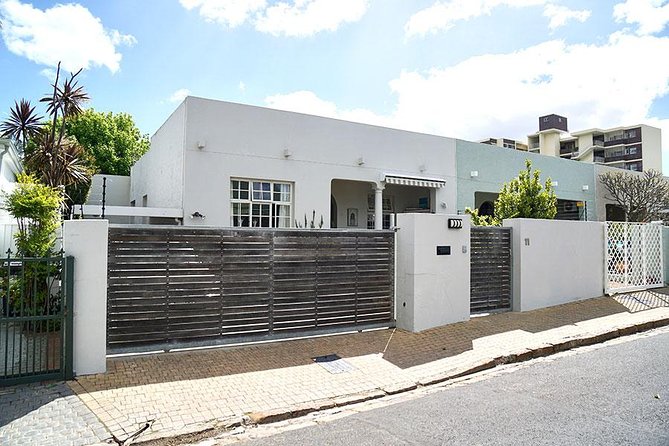
Cape Town has no shortage of restaurants, but a meal in a private home gives you a different view of local food. Here, the point is not only to eat a South African dish. You get to see how food fits into everyday life, family conversation, and social time.
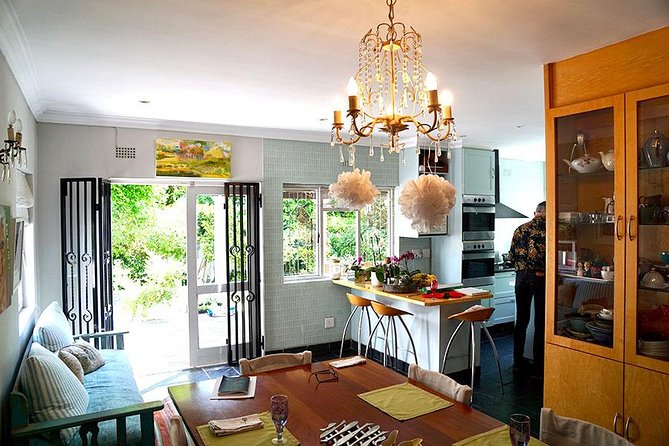
Richard and Gillian welcome you into a kitchen that is also the center of their home. Large indoor and outdoor dining tables, a working kitchen, and a braai area create a setting built for cooking and talking. That makes the experience feel social from the start rather than like a demonstration where you sit quietly and take notes.
I like that the couple are chefs and restaurant owners, but they are not presenting a polished stage show. The tone is informal. You can ask about ingredients, local eating habits, wine, or Cape Town itself. Several strong impressions from the experience focus on the hosts’ warmth, lively conversation, and willingness to make visitors feel like old friends.
That personal welcome is the main reason to choose this over a standard food tour. If you want a fast introduction to several restaurants, this is not the right format. If you want time with local people and a look at how South African food is prepared at home, it offers something harder to find in a normal dining room.
A few more cooking classes around South Africa worth a look
- Cape Town: Malay Cooking Class and Lunch in Bo-Kaap
★ 4.8 · 515 reviews - Authentic African Cuisine Cooking Experience
★ 5.0 · 236 reviews - Cape Town: Cape Malay Cooking Class in Bo-Kaap
★ 4.8 · 120 reviews
The first 90 minutes: cooking, conversation, and menu choices
The cooking demonstration lasts about 1.5 hours. Richard and Gillian show you how they prepare two or three South African dishes, explaining the ingredients and methods as they work.
You should not expect a formal professional class with printed recipes, individual workstations, or a strict lesson plan. The activity is designed as an interactive demonstration. You watch, ask questions, and take part as much as you like. If you want to chop, stir, season, or help at the braai, tell the hosts. If you would rather sit back with a drink and follow the conversation, that is fine too.
This flexibility is useful for couples or small private groups with different interests. One person can be more active in the kitchen while another spends time at the grill. A past booking described one person helping Gillian indoors while another joined Richard outside, which gives you a good sense of how the setup can work.
Before the menu is fixed, Richard and Gillian ask about your preferences. That is an important part of the experience, not just a small booking detail. You might be offered a selection that includes meat, stews, curry, or dessert, but you can tell the hosts what you are keen to learn.
Vegetarian food is available, and the hosts can accommodate other dietary restrictions if you explain them ahead of time. Do not wait until you arrive. Early notice gives them a better chance to shape the menu around your needs rather than making a last-minute adjustment.
South African dishes with several cultural influences
South African food cannot be reduced to one national recipe. The menu may draw from Cape Malay, Afrikaans, English, and African cooking traditions. That mix is one of the most useful parts of the evening because you learn how different communities have shaped the country’s food.
You might encounter bredie, a slow-cooked stew; curry influenced by Cape Malay cooking; or meat prepared over the braai. These dishes show different sides of South African home cooking. A stew offers a lesson in slow, comforting food, while a curry brings a different balance of spice and aroma. The braai adds the outdoor, social side of the meal.
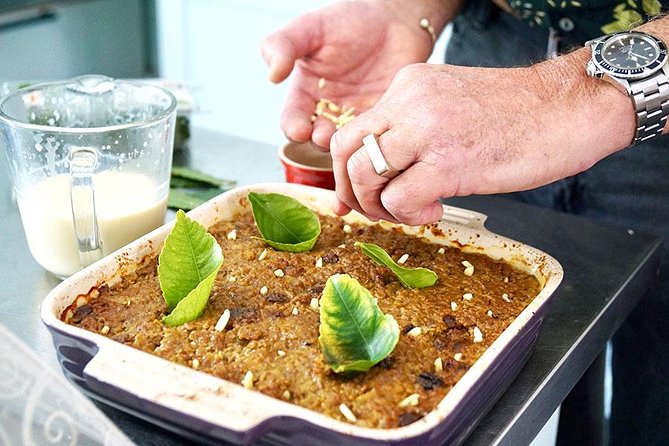
Possible dishes include rump steak cooked on the braai, chicken stuffed and braised in a fresh tomato sauce, and malva pudding for dessert. The precise menu depends on the season and your preferences, so do not book expecting every example to appear at one meal.
Malva pudding is a particularly appealing possibility for anyone with a sweet tooth. It is a traditional South African dessert and gives the cooking demonstration a clear finish. The meal is not only about watching meat cook over a fire. It can also include a complete progression from savory food to dessert.
The hosts place emphasis on good ingredients. That matters here because the experience is built around simple, recognizable food rather than a long list of restaurant-style courses. You get to see how careful preparation, good produce, and time over heat shape the final meal.
The braai is more than a barbecue
If the braai is included in your menu, it may be the most social part of the experience. In South Africa, cooking over the fire is closely linked with spending time together. The food is important, but so is the gathering around it.
Richard and Gillian consider the braai one of their favorite meals and social activities. You might help prepare rump steak or another seasonal dish, then talk while it cooks. This gives the evening a different rhythm from the indoor demonstration, with the cooking spread across the home and outdoor space.
The braai is also a useful way to understand why certain foods matter locally. It is not simply a barbecue technique added for tourists. It is part of how many South Africans spend time with family and friends. If you enjoy food experiences that explain the customs behind a dish, this portion adds real value.
Still, braai availability is seasonal, so you should treat it as a possibility rather than a guarantee. The menu is tailored to the time of year and your preferences. Ask about it when the hosts contact you before the meal.
Same place, a different thing to cook:
- Cape Town: Bo-Kapp Walking Tour and Malay Cooking Class
★ 4.7 · 105 reviews - Cape Town: Authentic African Cuisine Cooking Experience
★ 4.9 · 31 reviews - Private Cape Malay Cooking Class in Cape Town with a Local Family
★ 5.0 · 24 reviews - GQ: City Walking Tour & African Cuisine Cooking Class
★ 4.6 · 11 reviews
Sitting down to eat with Richard and Gillian
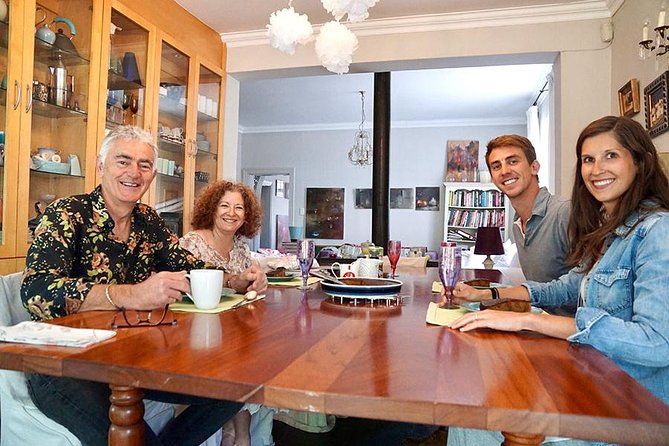
After the cooking, you sit down to eat the two or three dishes prepared during the demonstration. Lunch or dinner is included, along with wine, other alcoholic beverages, and bottled water. Gratuities are also included in the listed price.
The meal is designed for conversation. Richard can speak about local wines, while both hosts can offer suggestions about Cape Town beyond the kitchen. This is where the private format pays off. You are not trying to catch a guide’s comments while walking through a crowded market. You have time to ask follow-up questions and let the conversation develop naturally.
The strongest praise for this experience centers on the combination of food and company. The hosts are repeatedly described as friendly, generous, and easy to talk with. The meal itself receives equally strong praise, but the food would not have the same effect without the home setting.
I would choose this experience for an evening when you want to slow down. It is not a quick stop between sightseeing appointments. The cooking takes about 1.5 hours, and the meal and conversation add more time. That relaxed pace is the appeal, but it also means you should keep the rest of your schedule open.
There is a pet dog in the home. The dog can be placed in another room during the experience, so mention any concern to the hosts in advance. Service animals are allowed.
Getting to Wynberg from central Cape Town
The meeting point is in Wynberg, Cape Town, and hotel pickup and drop-off are not included. You arrange your own taxi or Uber.
The trip from central Cape Town can be easy and inexpensive by taxi or Uber when traffic is moving. One estimate puts the journey from central Cape Town at about 25 minutes. That figure can change sharply during rush hour, with one visitor needing 1.5 hours from the Waterfront.
My practical advice is simple: avoid scheduling this too close to another fixed activity. Give yourself generous travel time, especially if you are staying near the V&A Waterfront or central city. Arriving late would cut into the cooking demonstration, and that is one of the most useful parts of the experience.
The activity ends back at the meeting point. Since it is private, only your group takes part, which removes the need to wait for other participants or adjust to a large tour group’s pace.
Is $76 a fair price?
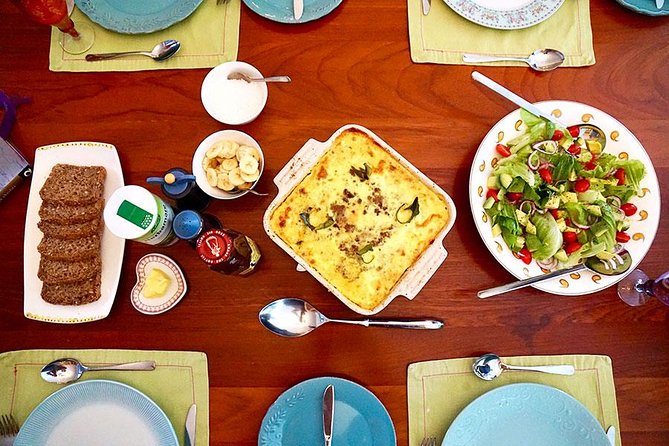
At $76 per person, this costs more than buying a casual meal in Cape Town. That comparison misses the point, though. The price includes a private cooking demonstration, a full lunch or dinner, alcoholic drinks, bottled water, local hosting, and gratuities.
You are also paying for access to a private home and for time with two people who cook professionally and can talk about local food and wine. A restaurant meal gives you a plate. This experience gives you the preparation, the story behind the food, and the company around the table.
The value is strongest for a private group that would otherwise book several food-related activities. You get a meal and a cooking experience in one three-hour appointment. The personalized menu is another advantage, especially if you have dietary needs or a strong interest in one type of dish.
The value is weaker if you want a hands-on culinary course. The experience is primarily a demonstration, and you may not spend the whole time cooking yourself. You can ask for more participation, but anyone seeking technical instruction, recipe sheets, or a professional kitchen setup should adjust expectations.
Who will enjoy this Cape Town experience most?
I would recommend it to couples, families, and small private groups who care more about conversation and local connection than ticking off another attraction. It is particularly well suited to anyone who enjoys home cooking, wine, barbecue, and learning how several cultural traditions meet on one table.
It also works well for people who have already seen Cape Town’s main sights and want an evening with a different pace. The hosts’ local tips can help you understand the city beyond the standard tourist route.
Food-focused visitors should benefit most, especially if you contact Richard and Gillian with a clear idea of what you want to learn. Ask about braai dishes, curry, bredie, malva pudding, or vegetarian options when the menu is being planned.
I would be more cautious about booking if your main goal is a formal cooking lesson. This is a visit to a local home with an interactive demonstration, not a professional training session. I would also be careful about travel time from the Waterfront. Traffic is the one practical issue that could affect an otherwise relaxed evening.
Booking details worth knowing
The experience is usually reserved about 61 days ahead, which suggests that planning early is sensible, particularly if your Cape Town dates are fixed. Confirmation is provided at booking, and mobile tickets are accepted.
You can cancel for a full refund if you do so at least two full days before the local start time. Cancellations within two days are not refunded, and late changes are not accepted.
Tell the hosts about dietary restrictions, allergies, or your preferred level of participation before arrival. You can also ask about the likely menu and whether the braai will be part of the meal. Those few messages can make the evening fit your interests much better.
Should you book it?
Book this experience if you want a personal Cape Town evening built around food, wine, and conversation. Richard and Gillian’s home setting, flexible menu, and easygoing hospitality are the main attractions, while the chance to learn about Cape Malay, Afrikaans, English, and African food traditions gives the meal more meaning.
Skip it if you want a hands-on cooking school, a central meeting point, or a short activity that fits neatly between sightseeing stops. For everyone else, the $76 price is fair because it covers both the meal and the rare chance to share a local home with people who genuinely enjoy feeding and talking with others.
FAQ
Where does the cooking experience take place?
It takes place in Wynberg, Cape Town, at the home of hosts Richard and Gillian. The activity ends back at the same meeting point.
How long does the experience last?
The total experience lasts approximately three hours. The cooking demonstration itself takes about 1.5 hours, followed by the shared lunch or dinner.
Is this a hands-on cooking class?
It is mainly an interactive cooking demonstration rather than a professional cooking class. You can ask to take a more hands-on role, but the amount of participation is flexible.
What food might be prepared?
Possible dishes include braai-cooked rump steak, chicken stuffed and braised in fresh tomato sauce, bredie, curry, and malva pudding. The exact menu depends on the season and your preferences.
Are vegetarian meals and dietary restrictions accommodated?
Yes. A vegetarian option is available, and the hosts can accommodate other dietary restrictions if you tell them at the time of booking.
Is transportation from my hotel included?
No. Hotel pickup and drop-off are not included. You need to arrange your own taxi or Uber to the Wynberg meeting point.
Just added around South Africa
- Private Cape Malay Cooking Class in Cape Town with a Local Family★ 5.0 · 24 reviews
- Langa Township and Bokaap Cooking Class Half Day Tour★ 5.0 · 4 reviews
- Cape Town Shore Excursion| South African Cooking & Port Transfers★ 5.0 · 3 reviews
- Private Authentic Cape Malay Cooking Class in Manenberg with Locals★ 5.0 · 5 reviews
- South African Cooking Class in Cape Town with a Local Family★ 5.0 · 2 reviews
- Cape Malay/Creole Cooking Class and Local Shopping in Salt River★ 5.0 · 2 reviews
- Johannesburg: Pan-African Cooking & Dinning Experience★ 4.5 · 6 reviews
- GQ: City Walking Tour & African Cuisine Cooking Class★ 4.6 · 11 reviews
Cooking Classes, compared.

Half-Day Thai Cooking Class at Organic Farm in Chiang Mai
Read our review →

3 in 1 Cooking Class near Navona: Fettuccine, Ravioli & Tiramisu
Read our review →
Pasta & Tiramisu Cooking Class with Unlimited Wine
Read our review →
Hanoi Cooking Class: Culture, Local Market & Meaning CSR Impact
Read our review →
5 Traditional Dishes Hanoi Cooking Class with Market Trip
Read our review →
Cooking Class and Lunch at a Tuscan Farmhouse with Local Market Tour from Florence
Read our review →
Cooking Class, Market & Thai Herbs Garden Tour
Read our review →Lists this class appears in