
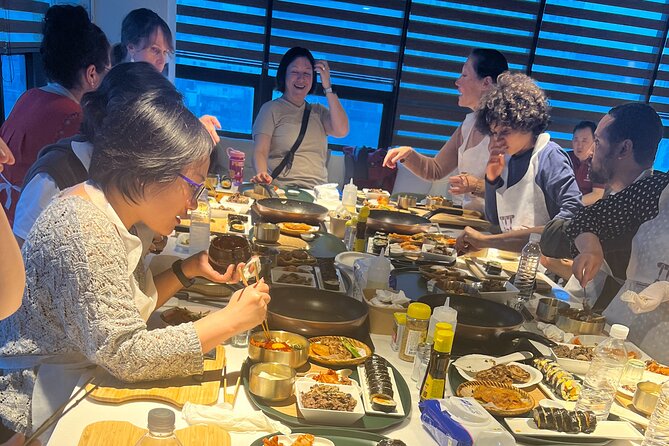
REVIEW · SEOUL, SOUTH KOREA
Korean Cooking at Seoul Cooking Club
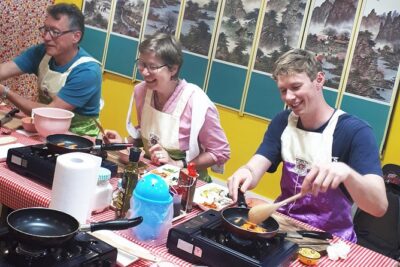
Come hungry, leave with recipes. Seoul Cooking Club offers a friendly 2.5-hour introduction to Korean food, with plenty of hands-on preparation, a large shared meal, and helpful explanations of how familiar Korean dishes are made. You cook in a small group of no more than 12 people, which gives the instructors room to help without making the class feel crowded.
I especially like the wide range of dishes, from savory pancakes and japchae to bulgogi, bibimbap, gimbap, and dessert. I also like the careful attention to dietary needs, with vegan, vegetarian, pescatarian, gluten-free, and halal options available. The main consideration is that this is aimed at beginners, and much of the food is prepared in advance, so experienced cooks may find it closer to guided assembly than a full kitchen lesson.
What makes this Seoul cooking class worth your time
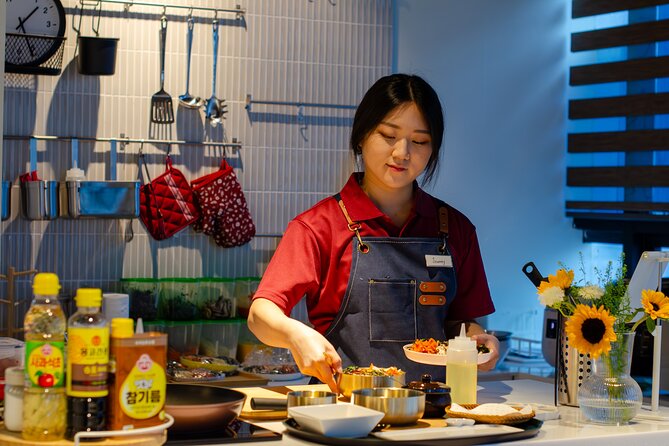
- Seven or more Korean dishes in one sitting: Depending on the menu, you might prepare gimbap, bibimbap, japchae, bulgogi, three kinds of jeon, dessert, and other small tastes.
- A small group of up to 12 people: The size allows instructors such as Olivia, Sally, Elly, or Grace to offer personal help.
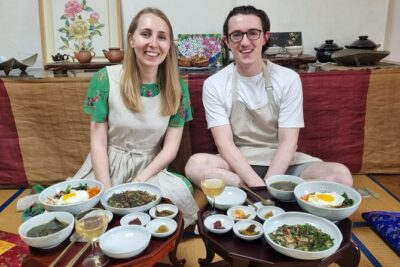
- A proper meal after the cooking: The portions are generous, and you may have enough food to pack away for later.
- Dietary requests are welcomed: Vegan, vegetarian, pescatarian, gluten-free, halal, and some allergy-related needs can be accommodated.
- Useful souvenirs: A recipe cookbook is provided, and some sessions have also included a small tote bag.
- A central Jongno meeting point: The class begins and ends at 71-6 Jongno 2(i)-ga, near public transportation.
Starting in Jongno with Korean flavors
The class meets at 71-6 Jongno 2(i)-ga in Seoul’s Jongno District. Since the location is near public transportation and the activity returns to the same place, you do not need to arrange a complicated transfer after the meal.
The timing is another practical advantage. At about two and a half hours, this fits neatly into a morning, afternoon, or evening in Seoul. You can book it as brunch, lunch, or dinner, so it works well on a day when you want a break from palaces, shopping, or long walks through the city.
The opening part introduces the ingredients and basic ideas behind Korean food. This matters because Korean dishes often rely on a few strong foundations: fermented flavors, sesame, garlic, soy sauce, chili, scallions, and carefully balanced sweet and savory notes. The class is not only about following steps. It helps you recognize the flavors you will see later on restaurant menus.
I like this kind of introduction early in a Seoul visit. After learning how dishes are built, bibimbap, japchae, jeon, and bulgogi become easier to identify when you order them elsewhere.
More Korean Cooking Classes in Seoul:
- Local Home Korean Cooking Class & Market Adventure in Seoul
★ 5.0 · 1,024 reviews - Master Korean traditional cooking with a Kimchi chef
★ 5.0 · 385 reviews - Seoul: Korean Cooking Class at a Local Home and Market Tour
★ 5.0 · 348 reviews
Preparing a full Korean spread
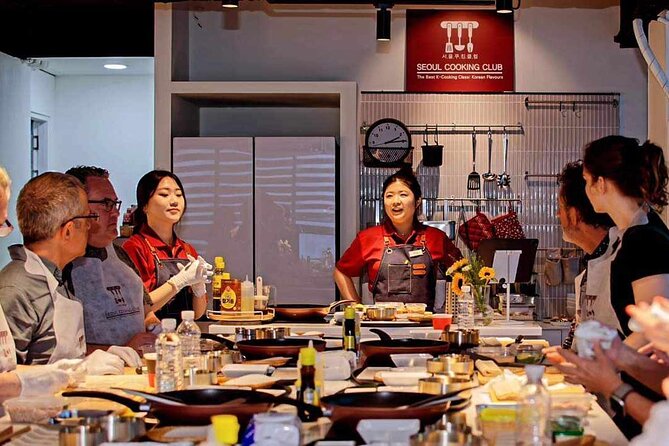
The exact menu can vary, but the class usually covers a generous selection rather than one single recipe. A typical session can include gimbap, three types of jeon, bibimbap, japchae, bulgogi, several small tastes, and dessert.
Gimbap: the careful rolling lesson
Gimbap looks simple until you try to roll it neatly. The lesson gives you a chance to work with the rice, fillings, and seaweed while learning how to keep the roll firm and easy to slice.
This is one of the most useful dishes to practice because it is familiar street and picnic food in Korea, yet the technique is not always obvious from eating it. Elly has been especially praised for explaining each step clearly and offering practical tips that beginners can repeat at home.
You should expect guidance rather than a race. The instructors demonstrate the process, then help you correct the shape and filling balance. It is a good example of the class’s general approach: make the technique manageable, then let you taste the result.
Jeon: three kinds of Korean pancake
Jeon are savory Korean pancakes, often made with vegetables, seafood, or other fillings. Preparing three varieties gives the class a nice comparison of texture and flavor instead of reducing Korean pancakes to one recipe.
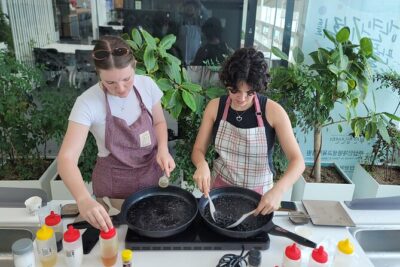
This part is fun for beginners because the results arrive quickly in the pan. It also gives you a useful feel for batter, oil, and seasoning. The class focuses on getting food onto the table successfully, so you should not expect a long lesson in restaurant-level frying technique.
A few more cooking classes around Seoul worth a look
- Seoul: Korean Cooking at Seoul Cooking Club!
★ 5.0 · 311 reviews - Seoul: Taste of Korea, Authentic Home Style Cooking Class
★ 4.9 · 166 reviews - Seoul: Royal Seoul Cooking Class in a 100-Year-Old Hanok
★ 5.0 · 96 reviews - Seoul: Kimchi Dishes Cooking Class with Wine Pairing
★ 4.7 · 38 reviews
Japchae: balancing noodles and vegetables
Japchae combines chewy glass noodles with vegetables and seasoning. It is a mild but flavorful dish, and the class uses it to show how Korean cooking can be fragrant without relying only on chili heat.
The important lesson here is balance. Too much sauce can overwhelm the noodles, while too little leaves the dish flat. The instructor explains the ingredients and lets you taste as you work, which is more useful than simply handing you a finished plate.
Bibimbap: building a bowl with contrast
Bibimbap is one of the best dishes for understanding Korean food. Rice, vegetables, seasoning, and sauce come together in one bowl, but each part still contributes a different taste and texture.
You get to see how separate ingredients become one meal. That helps explain why Korean food often feels varied even when a dish looks straightforward. The class also gives you a chance to adjust flavors, an especially helpful habit if you plan to recreate the food at home.
Bulgogi: a familiar Korean classic
Bulgogi is a popular choice for first-time Korean cooks. The sweet-savory seasoning is accessible, and the cooking process gives you a clear sense of how marinade changes meat.
It is worth noting that the menu is adaptable. If you do not eat beef or pork, or if you follow a vegan, vegetarian, pescatarian, halal, or gluten-free diet, tell the operator in advance. The class is designed to serve different dietary needs, but your request still needs to be communicated clearly when booking.
Ten flavors, dessert, and a very large meal
The experience promises a tasting of about ten Korean flavors, including appetizers, main dishes, and dessert. That variety is a major strength. You are not spending the entire class on one item, so you get a broad introduction to Korean ingredients and meal structure.
Dessert provides a pleasant change after the savory dishes. The class also includes Korean drinks such as water, tea, and, in at least one session, sujeonggwa, a sweet cinnamon and ginger punch. These small additions help make the meal feel like more than a cooking demonstration.
Plan your appetite carefully. Several people found the portions so generous that they packed food to take away. If you eat a full meal just before arriving, you may spend the final part of the class wishing you had left room.
The food is shared after preparation, which also gives the class a social side. Solo visitors can meet other people without needing to force conversation, while couples and families have a simple activity to enjoy together.
How much cooking do you really do?
This is the most important point for setting expectations. The class is hands-on, but it is designed for accessible results within a short session. Ingredients are prepared in advance, and some components may already be cooked.
For a first Korean cooking lesson, that is sensible. Prepping every ingredient from scratch would take much longer and would leave less time for tasting, cultural explanation, and eating. The setup also helps a group of 12 move through several dishes without confusion.
Still, an experienced home cook may want more knife work, sauce-making, and independent cooking. One less enthusiastic assessment described the session as closer to assembling than cooking. I would take that seriously if your main goal is advanced technique.
For most people, the trade-off works. You learn the shape of several dishes, practice key steps, and leave with recipes you can try again. Beginners are unlikely to feel lost, and the instructors offer clear demonstrations rather than assuming prior kitchen skills.
The instructors make the difference
The strongest part of the class is the teaching style. Olivia is praised for being clear, patient, and friendly. Sally receives similar praise for her upbeat manner and straightforward instruction. Elly is especially good at breaking down gimbap and answering questions about Korean culture. Grace is noted for explaining the purpose of ingredients and the foundations of Korean flavor.
Those details matter because a cooking class can become stressful when instructions move too quickly. Here, the small group and supportive teaching style help keep the mood relaxed. You are encouraged to taste, adjust, and ask questions instead of simply copying the person beside you.
The class also works for people who do not cook often. You do not need professional equipment or strong kitchen confidence. The recipes are explained in a way that makes them feel possible at home, even if you are starting with limited experience.
A good choice for families, couples, and solo visitors
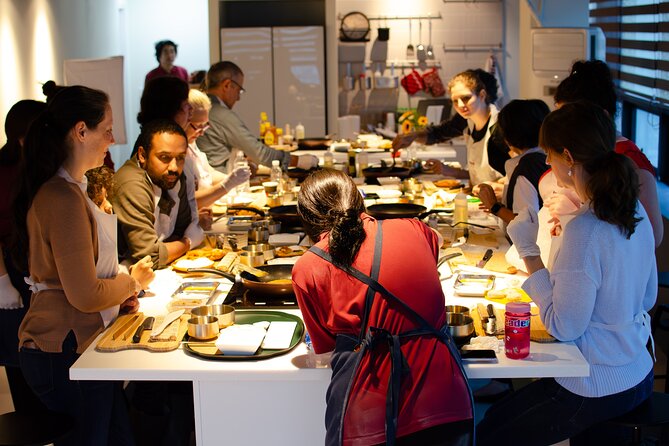
Families can get a lot from this activity. A family of five can work together, learn about unfamiliar ingredients, and finish with enough food for the next day. It is a useful rainy-day option when sightseeing outdoors is less appealing.
Couples will find it easy to share the work without spending the whole class watching a demonstration. You can divide tasks, compare results, and sit down to a meal that you helped prepare.
Solo visitors also fit naturally into the group. The class offers an easy way to meet people while doing something practical. It is less formal than a guided city tour and more structured than simply sitting at a restaurant.
I would be more cautious about booking it for someone seeking an advanced culinary workshop. The class prioritizes accessibility, variety, and social enjoyment over detailed knife skills, professional methods, or long explanations of one dish.
Dietary needs and practical comfort
The operator lists vegan, vegetarian, pescatarian, gluten-free, and halal choices. Allergy requests can also be accommodated, as shown by the successful handling of a peanut allergy and restrictions against beef and pork.
You should still provide dietary information when booking rather than waiting until you arrive. The class prepares many dishes in a shared setting, so clear communication is the best way to avoid confusion.
Service animals are allowed, and confirmation is received when you book. The mobile ticket is convenient for moving around Seoul without printing paperwork. The experience begins and ends at the listed Jongno address, and public transportation is nearby.
Is $109 good value?
At $109 per person, this is not the cheapest meal in Seoul. You can eat very well in the city for much less, especially at a casual restaurant.
The value comes from the combination of food, instruction, cultural context, and variety. In roughly 150 minutes, you may prepare seven or more dishes, taste around ten Korean flavors, sit down to eat, and take home recipes. Some sessions also provide a cookbook and tote bag, while the generous portions may cover another meal.
For someone who wants only dinner, the price is high. For someone who wants a structured introduction to Korean food and does not want to work out which ingredients to buy or how to use them, the price is easier to justify.
The class currently carries a 5.0 rating from 220 ratings, with 100 percent recommending it. That matches the main strengths: friendly teaching, lots of food, clear instructions, and a relaxed setting.
Booking, cancellation, and timing advice
You can cancel for a full refund up to 24 hours before the scheduled start time. Cancellations or changes made inside that 24-hour window are not refunded or accepted, and the cut-off uses Seoul local time.
I would book earlier in your visit if learning Korean food will help you order during the rest of your stay. The class has been booked more than five times in the past week, and the 12-person limit keeps the experience personal.
Arrive ready to eat, but do not arrive stuffed. Wear something comfortable for a food-focused activity, and keep space in your plans afterward if you want to walk off a very substantial meal.
Should you book Seoul Cooking Club?
You should book this class if you want a friendly, accessible introduction to Korean food with a lot of tasting and a meal at the end. It suits first-time visitors, families, couples, solo visitors, and anyone who wants recipes they can try at home.
I would skip it only if you want advanced cooking technique or a fully scratch-made kitchen lesson. For everyone else, the mix of gimbap, jeon, japchae, bibimbap, bulgogi, dessert, cultural explanation, and generous portions makes this a strong use of one afternoon or evening in Seoul.
FAQ
How long does the Korean cooking class last?
The experience lasts approximately 2 hours and 30 minutes.
Where does the class begin and end?
It begins at 71-6 Jongno 2(i)-ga, Jongno District, Seoul, South Korea, and ends back at the same meeting point.
How many people can join the class?
The maximum group size is 12 people.
What dishes might I prepare?
The menu can include gimbap, bibimbap, japchae, bulgogi, three types of jeon, appetizers, dessert, and other Korean flavors. The exact selection may vary.
Can dietary requirements be accommodated?
Yes. Vegan, vegetarian, pescatarian, gluten-free, and halal options are available. Some allergies and restrictions can also be accommodated when communicated in advance.
Is the food included?
Yes. You prepare and eat the food during the class, including appetizers, main dishes, dessert, and a range of Korean flavors.
What is the cancellation policy?
You can cancel at least 24 hours before the start time for a full refund. Cancellations or changes made less than 24 hours before the experience are not refunded.
Just added around Seoul
- Seoul: Korean Kimchi Cooking Class in the Heart of the City★ 5.0 · 3 reviews
- Seoul: Premium Korean Feast Cooking Class★ 5.0 · 3 reviews
- Seoul: Kimchi Dishes Cooking Class with Wine Pairing★ 4.7 · 38 reviews
- Seoul: Korean Cooking Class with Local Grocery Shopping★ 5.0 · 13 reviews
- Seoul: Korean Home Visit, Cooking & Cultural Experience★ 5.0 · 2 reviews
- Seoul: Cooking Class and Tour with Michelin-Trained Chef★ 5.0 · 11 reviews
- Seoul: Authentic Korean Cooking Class and Market Tour★ 5.0 · 6 reviews
- (Seoul) Korean Cooking Class with a Professional Chef★ 5.0 · 14 reviews
Korean Cooking Classes, compared.
Local Home Korean Cooking Class & Market Adventure in Seoul
Read our review →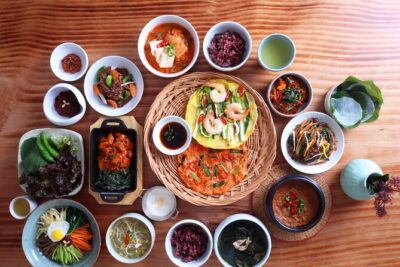
Master Korean traditional cooking with a Kimchi chef
Read our review →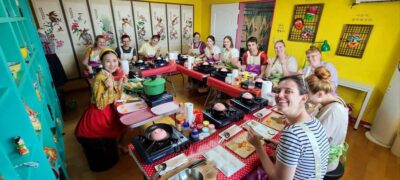
Korean Cooking Class at a Local Home and Market Tour
Read our review →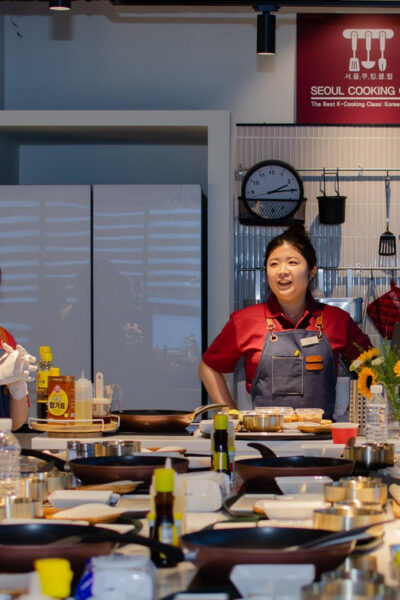
Busan Tailored Korean cooking class (Vegan OK)with market tour
Read our review →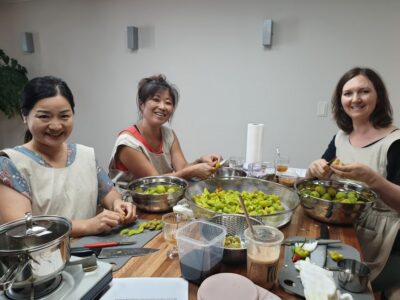
Small-Group Traditional Korean Food Cooking Class
Read our review →
Lists this class appears in