
REVIEW · SOUTH KOREA
Seoul: Authentic Korean Cooking Class and Market Tour
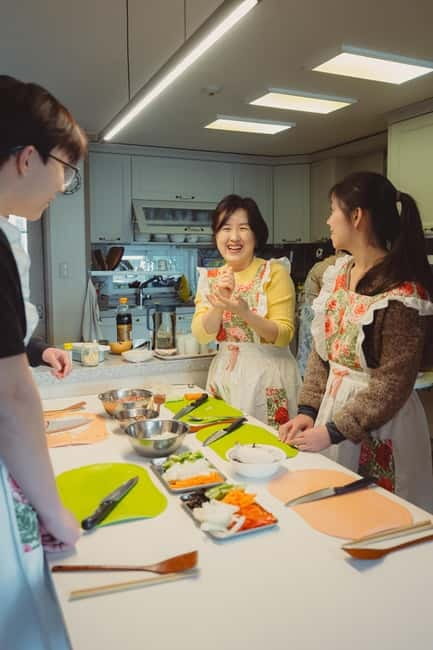
Start with the market, not the mixing bowl. This 210-minute Seoul experience pairs a small local market tour with hands-on cooking in a Korean home, giving you a useful look at ingredients before you sit down to eat. I like that you help choose the dishes, and I like the chance to shop for fresh produce and seasonings with your host rather than simply following a fixed recipe.
The class takes place in a home filled with traditional hand-embroidered works, followed by homemade lunch, dessert-making, and tea. The main consideration is the schedule: you need to reach Sillim Station by 10:30 a.m., and the experience takes most of the late morning and early afternoon.
Key points at a glance
- A market visit comes first: You learn about Korean ingredients while shopping with your host and picking up seasonal produce and seasonings.
- You help choose the menu: Possible dishes include bulgogi, bibimbap, and kimchi pancakes, with room to ask about other Korean foods.
- The class is limited to four people: This keeps the cooking personal and allows time for questions.
- Lunch takes place in a traditional home: The house includes a room decorated with hand-embroidered works and is also connected to the host’s family.
- Dessert and tea finish the visit: You make a traditional Korean dessert, then sit down for a slower tea-time.
- The meeting point is specific: Find Cafe Mignon inside Sillim Station, before exiting through a station gate.
Why this Seoul cooking class feels different
Many cooking classes begin with a prepared worktable and ingredients already measured out. This one begins at Sillim Station and moves into a local market, so you see the food before it becomes lunch.
That order matters. Korean cooking depends on small choices: the freshness of vegetables, the kind of seasoning used, and the balance between sweet, salty, spicy, and savory flavors. Walking through the market gives you a clearer sense of what goes into everyday Korean meals.
You are not just shown a row of ingredients. Your host explains cultural details and points out typical foods sold in the market. You also shop together, which gives the first part of the experience a practical purpose. If you later try to cook Korean food at home, this can help you recognize produce and seasonings that may otherwise seem unfamiliar.
The group limit is four people. I see this as one of the strongest features because a cooking class can become awkward when too many people crowd around one work surface. Here, you have a better chance to ask how a dish is prepared, why an ingredient matters, or how to adjust a recipe.
The class is conducted in English. Ann is identified as the host in the available comments, and her friendly manner is praised along with the relaxed pace of the cooking. The class is designed to feel like time spent with a local family, not a formal demonstration where you watch from the edge of the room.
More Korean Cooking Classes in Seoul:
- Local Home Korean Cooking Class & Market Adventure in Seoul
★ 5.0 · 1,024 reviews - Master Korean traditional cooking with a Kimchi chef
★ 5.0 · 385 reviews - Seoul: Korean Cooking Class at a Local Home and Market Tour
★ 5.0 · 348 reviews
Meeting at Sillim Station at 10:30 a.m.
Your meeting point is inside Sillim Station, station number 230 on Seoul’s Line 2. The instructions are unusually exact, which is helpful in a large subway system.
After passing through the ticket turnstile, do not exit the station yet. Look for Cafe Mignon, a take-out cafe inside the station, and meet in front of it. The host will be holding a Sobaan cooking sign.
Give yourself enough time to find the correct part of the station. Sillim is a busy transport point, and the key detail is that the meeting takes place before you choose an exit. If you walk out onto the street first, you will need to retrace your steps.
The start time is 10:30 a.m. The experience lasts 210 minutes, so you should expect to finish around 2 p.m. That makes it a substantial half-day activity rather than a quick class squeezed between major sights.
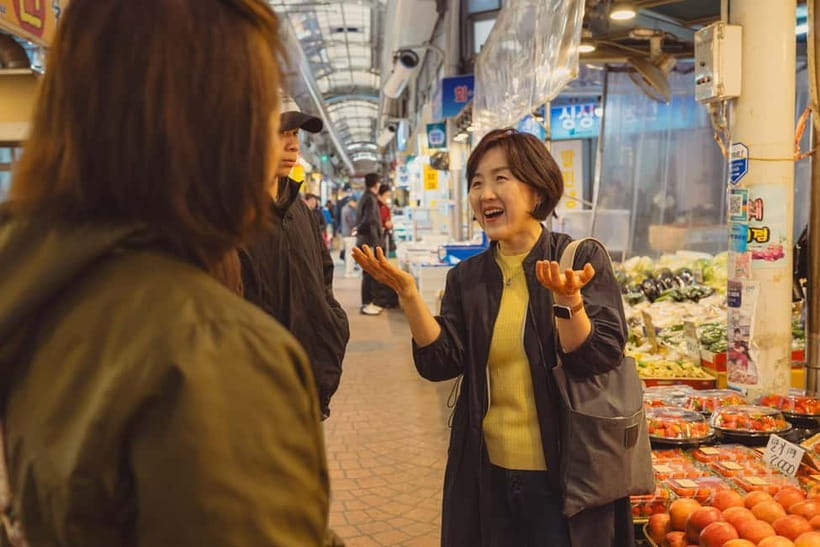
Shopping for Korean ingredients at the local market
The market walk is more than a short stop to buy vegetables. It is the part of the experience that gives the cooking context.
You can expect to see Korean ingredients and common seasonings while your host explains how they are used. The focus is on fresh produce, traditional flavors, and foods connected to the dishes you will prepare. Seasonal ingredients are part of the shopping, so the exact products can vary.
That flexibility is a plus. Korean food is not locked to one unchanging set of ingredients. What is fresh and available can shape the meal, just as it does in a home kitchen. You get a better understanding of Korean cooking when you see those choices being made at the market.
The walk also adds cultural detail. Your host points out typical market foods and explains their background, including the role they play in Korean cooking. This is useful if you want more than a recipe. You begin to understand how Korean meals are built and why certain ingredients appear again and again.
I would pay close attention during this section if you enjoy food shopping or plan to visit Korean markets on your own later. Ask about seasonings, preparation, and storage. The group is small, so this is a good place to make the experience specific to your interests.
The possible drawback is that the market portion may not appeal as much if you want a class that goes straight to cooking. It is a walking and shopping experience first, followed by the kitchen work. For most people, that added time is what makes the class feel more connected to daily life.
Cooking dishes you choose at a Korean home
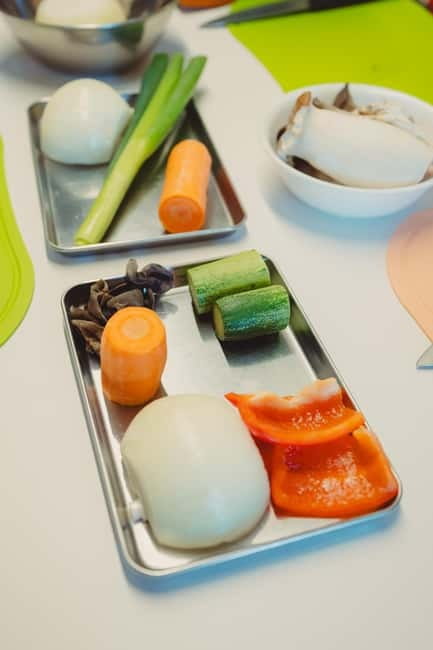
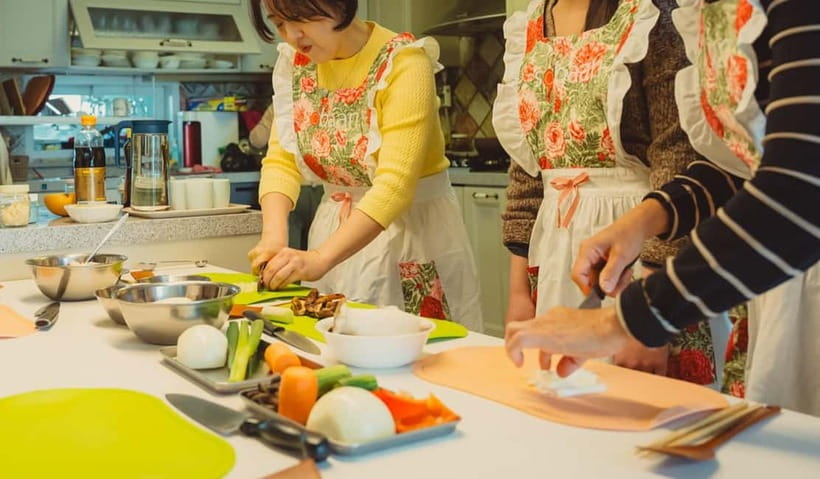
After the market, you head to a Korean house where the cooking takes place. The home includes traditional hand-embroidered works, giving the setting a strong personal and cultural character.
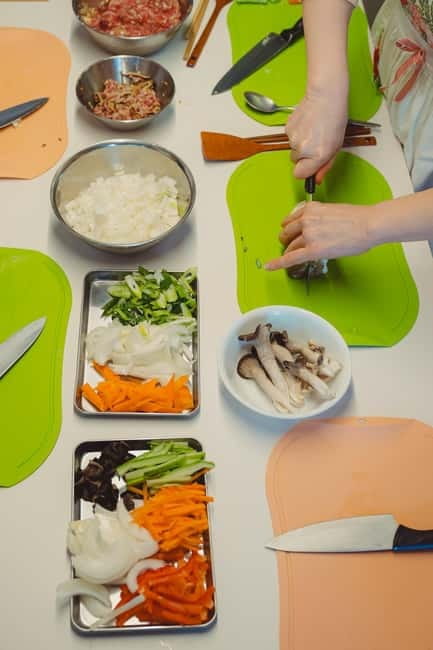
The menu is not presented as a single fixed meal. You can choose among dishes such as bulgogi, bibimbap, and kimchi pancakes, or ask about another dish you are curious about. This matters because a class is more useful when you cook food you actually want to understand.
Bulgogi gives you a chance to work with one of Korea’s best-known seasoned meat dishes. Bibimbap introduces the idea of combining rice, vegetables, and other toppings in one bowl. Kimchi pancakes offer a different kind of lesson, showing how familiar Korean ingredients can become a simple shared dish.
The exact menu depends on your choices and what is suitable for the class. You should not assume you will prepare every example listed. The important point is that your input helps shape the cooking.
The pace is described as unhurried. I like that detail because cooking classes can sometimes rush through chopping, seasoning, and timing. A slower pace gives you more room to watch the method and repeat it yourself.
One especially personal detail is the connection with the host’s mother. The class takes place in her home, and she has welcomed people there during the experience. That adds a family element without requiring the class to become a staged performance. You are learning in a real home setting, surrounded by embroidery and household details.
The cooking room is also described as beautiful and filled with hand-embroidered work. This is not just decoration. It gives the meal a visual link to Korean craft traditions and makes lunch feel like part of a wider introduction to Korean culture.
More Cooking Classes with a Market Tour in Seoul:
- Hanoi Cooking Class: Culture, Local Market & Meaning CSR Impact
★ 5.0 · 5,147 reviews - 5 Traditional Dishes Hanoi Cooking Class with Market Trip
★ 5.0 · 4,890 reviews - Cooking Class and Lunch at a Tuscan Farmhouse with Local Market Tour from Florence
★ 5.0 · 4,831 reviews - Chiang Mai: Cooking Class, Market & Thai Herbs Garden Tour
★ 4.9 · 4,824 reviews
Homemade lunch in an embroidery-filled room
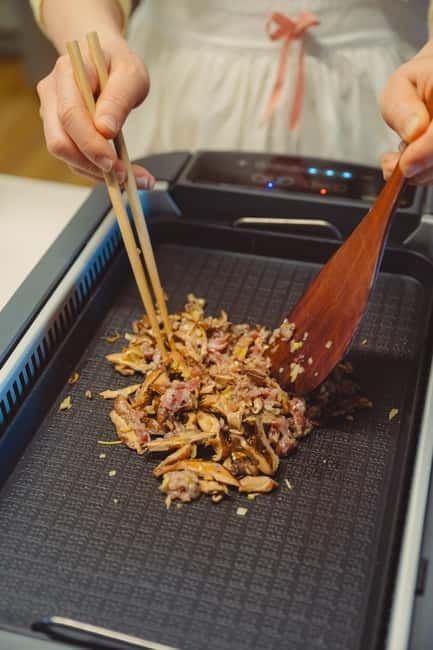
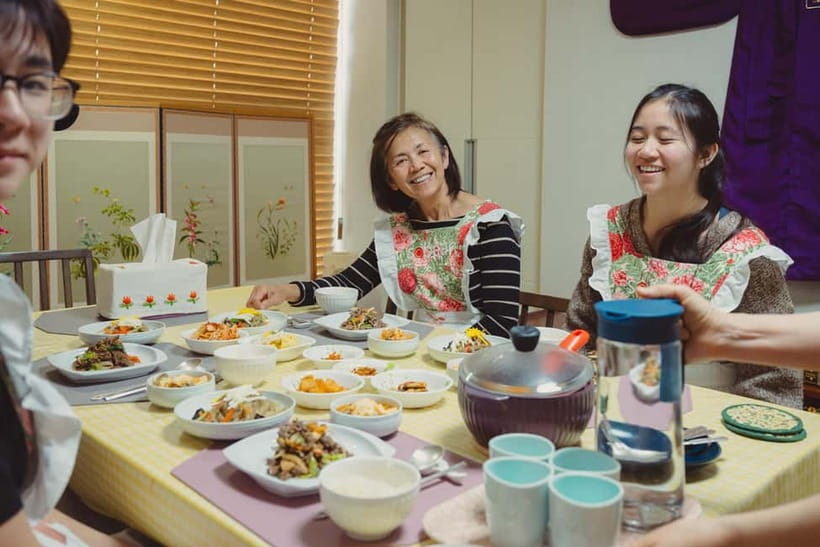
Once the cooking is finished, you sit down to eat the food you helped prepare. This is the natural payoff of the market and kitchen portions.
A homemade lunch lets you taste the results while the techniques are still fresh. You can connect the seasoning you saw at the market with the food on your plate. That connection is harder to get in a restaurant, where the preparation remains behind the kitchen door.
The meal also gives the class a social rhythm. You shop together, cook together, then eat together. That sequence feels more like being welcomed into someone’s home than attending a short demonstration.
The setting is an important part of the appeal. The embroidery-filled room provides a calm place for lunch and later tea, with a clear sense of family and craft. If you are interested in Korean culture beyond palaces and shopping districts, this is one of the more personal ways to spend a few hours.
Keep your expectations sensible. This is a small home cooking experience, not a restaurant meal with a long menu or formal service. The value comes from participation, conversation, and the chance to eat food made during the class.
Making dessert and slowing down over tea
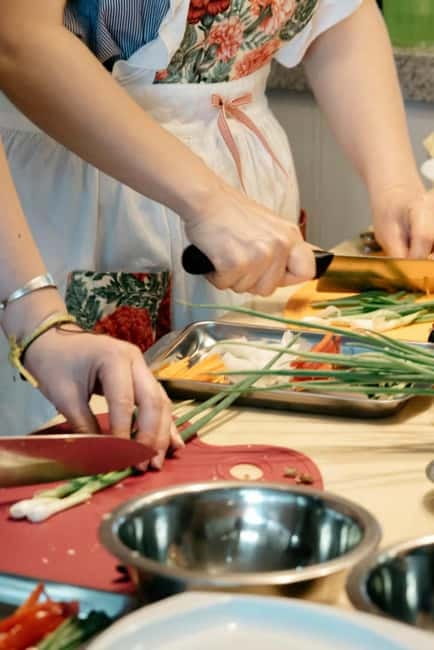
The final part of the experience is traditional dessert-making followed by tea-time. That ending is well chosen. After the active work of market shopping and cooking, you get a quieter chance to sit and talk.
The specific dessert is not stated in advance, so do not book expecting one particular sweet. You will make a traditional Korean dessert together, then enjoy it with tea in the decorated room.
This section may be especially appealing if you want to understand the structure of a Korean meal. Dessert and tea are not treated as an afterthought. They provide a gentle finish and give the visit a more complete shape.
It also makes the experience feel less rushed. You are not pushed out as soon as lunch ends. Instead, the class leaves room for a final shared moment, which is often when cultural questions and personal conversation come most naturally.
If you prefer constant activity, tea-time may feel slow. I would see that as part of the point. The experience is built around hospitality, and sitting down together is one of the clearest expressions of that.
Is $69 a fair price?
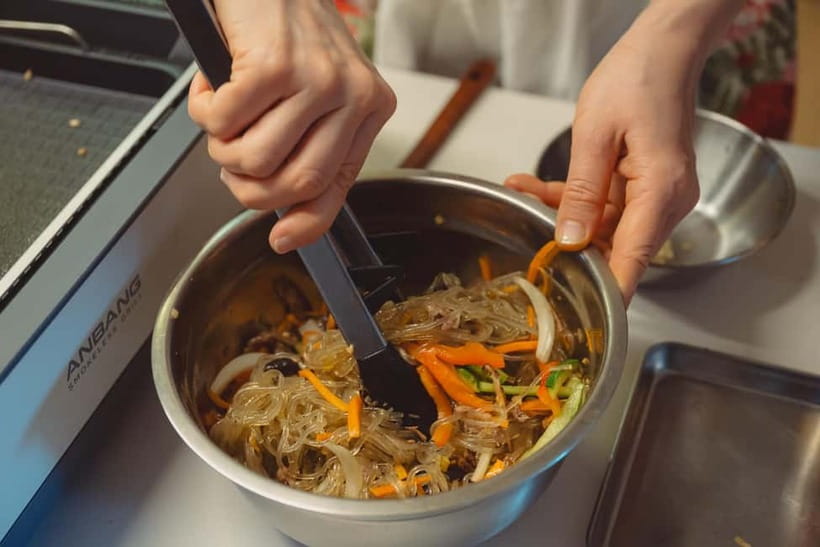
At $69 per person, this is not the cheapest way to eat in Seoul. You can buy a Korean meal for far less, and a short cooking class may cost less as well.
The comparison changes when you count what is included. The price covers a guided market walk, ingredient shopping, instruction in a Korean home, the food you prepare for lunch, dessert-making, and tea. It also includes a small group capped at four people.
That combination makes the price reasonable for someone who values personal instruction and cultural access. You are paying for several connected activities rather than a single meal or one-hour lesson.
The strongest value comes from the host’s involvement. You are not simply handed ingredients and shown a recipe. You receive explanations at the market, help choose dishes, and cook at a relaxed pace. The home setting adds another layer that a standard studio class may not provide.
I would be more cautious if your main goal is quantity. This is not a food crawl or a market tour focused on tasting many prepared dishes. It is a focused experience built around learning, cooking, and sharing a meal.
Who will enjoy this experience most?
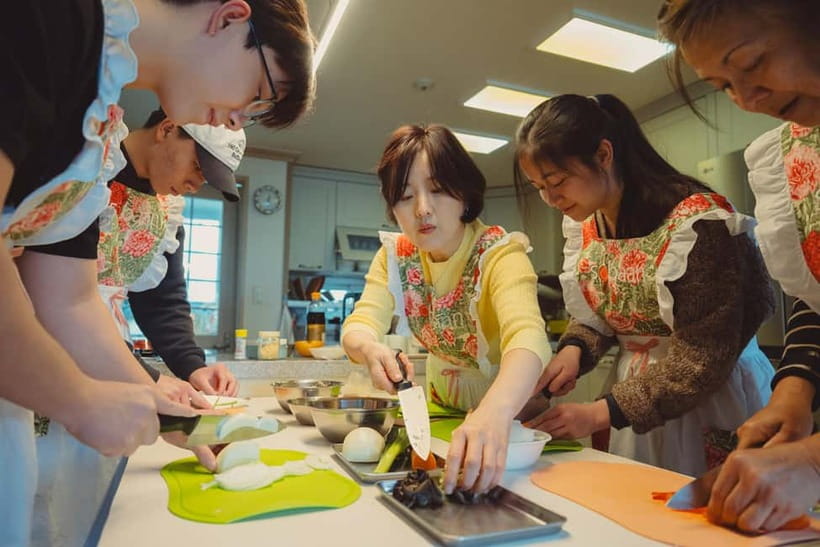
This class suits you if you want to understand Korean food through everyday ingredients and home cooking. It is also a good fit if you prefer a small group and like asking questions as you go.
Food-focused visitors will get the most from the market section and the chance to choose dishes. First-time visitors to Seoul may appreciate the personal introduction to Korean flavors, especially if the food culture feels unfamiliar.
The class also works well for couples, friends, or solo visitors who enjoy social activities. With only four people, the setting should feel more personal than a large group workshop.
It may not suit you if you want a fast activity near Seoul’s biggest central sights. Sillim Station is the meeting point, and the class occupies 210 minutes. You should also be ready to participate, rather than simply watch a chef prepare everything.
The experience is listed as wheelchair accessible. English is the stated language, and the host or greeter is English-speaking. Those details make the class easier to consider for visitors who need an accessible activity and clear communication.
Booking details worth knowing before you go
You can cancel up to 24 hours in advance for a full refund. You can also reserve now and pay later, which helps if your Seoul schedule is still changing.
Check the available starting time when booking, even though the stated meeting time is 10:30 a.m. Plan your route to Sillim Station carefully and locate Cafe Mignon inside the station before the day begins if possible.
Because the group is limited to four people, availability may be tighter than for a large class. That small size is central to the experience, so it is worth booking ahead if the date matters to you.
Should you book this Korean cooking class?
I would book this experience if you want a personal, food-centered introduction to Seoul and prefer a home setting to a polished cooking studio. The combination of market shopping, flexible dishes, family connection, homemade lunch, dessert, and tea gives the visit a clear sense of place.
The best reasons to choose it are the four-person limit, the chance to help select the menu, and the unhurried time in a Korean home. Ann’s warm hosting and the presence of her mother add a human touch that many short activities miss.
Skip it if you want a quick class, a fixed menu, or a food tour packed with tastings. For everyone else, $69 is a fair price for nearly three and a half hours of cooking, eating, and cultural exchange.
FAQ
Where does the experience meet?
Meet inside Sillim Station, station number 230 on Seoul’s Line 2, at 10:30 a.m. After passing through the ticket turnstile, find Cafe Mignon before exiting the station. The host will be holding a Sobaan cooking sign.
How long does the experience last?
The experience lasts 210 minutes, or three and a half hours.
What dishes can I cook?
Possible dishes include bulgogi, bibimbap, and kimchi pancakes. You can choose dishes with your host, and you may ask about other Korean foods you would like to learn.
Is lunch included?
Yes. The experience includes a homemade Korean lunch prepared during the cooking class.
Is dessert included?
Yes. You will make a traditional Korean dessert and enjoy it with tea during tea-time.
How many people are in the group?
The experience is limited to four participants. The class is conducted in English, and wheelchair access is available.
Just added around Seoul
- Seoul: Korean Kimchi Cooking Class in the Heart of the City★ 5.0 · 3 reviews
- Seoul: Premium Korean Feast Cooking Class★ 5.0 · 3 reviews
- Seoul: Kimchi Dishes Cooking Class with Wine Pairing★ 4.7 · 38 reviews
- Seoul: Korean Cooking Class with Local Grocery Shopping★ 5.0 · 13 reviews
- Seoul: Korean Home Visit, Cooking & Cultural Experience★ 5.0 · 2 reviews
- Seoul: Cooking Class and Tour with Michelin-Trained Chef★ 5.0 · 11 reviews
- (Seoul) Korean Cooking Class with a Professional Chef★ 5.0 · 14 reviews
- Seoul: Royal Seoul Cooking Class in a 100-Year-Old Hanok★ 5.0 · 96 reviews
Cooking Classes with a Market Tour, compared.

Hanoi Cooking Class: Culture, Local Market & Meaning CSR Impact
Read our review →
5 Traditional Dishes Hanoi Cooking Class with Market Trip
Read our review →
Cooking Class and Lunch at a Tuscan Farmhouse with Local Market Tour from Florence
Read our review →
Cooking Class, Market & Thai Herbs Garden Tour
Read our review →
Authentic Cooking Class with Market & Farm Visit
Read our review →
Paella Cooking Experience & Boqueria Market Tour
Read our review →
Cooking Class Hoi An:Local Market, Basket Boat, Fishing & Cooking
Read our review →
Hoi An Cooking Class(Market,BasketBoat Crabfishing&Cooking Class)
Read our review →Lists this class appears in