
REVIEW · SOUTH KOREA
Seoul: Royal Seoul Cooking Class in a 100-Year-Old Hanok
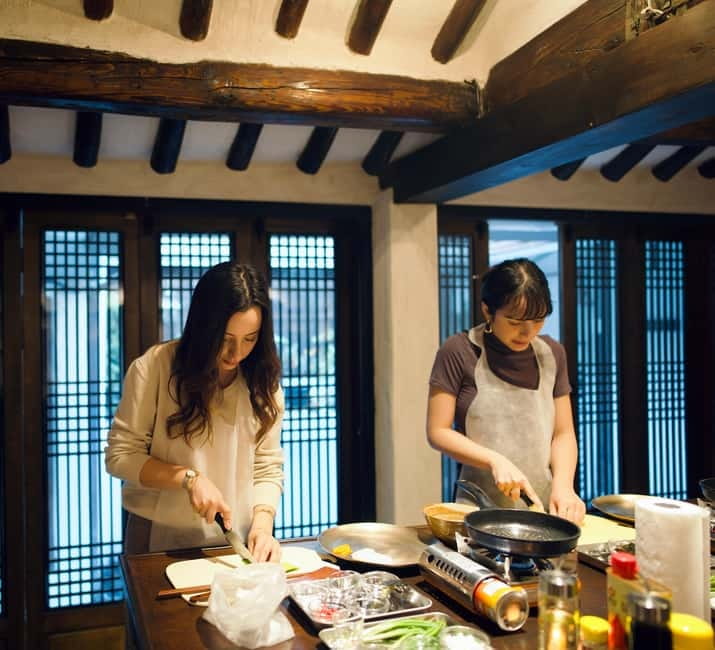
Korean food tastes better when you help make it. This two-hour class brings you into a lovingly restored 100-year-old hanok near Insadong and the palaces, where certified chefs teach LA galbi, fresh kimchi, haemul pajeon, and tangpyeongchae. I especially like the tiny group size, capped at six, and the way cooking leads naturally into a full Korean meal served on handcrafted bangjja bronzeware.
I also like the cultural side of the class. Chef Park, known as Ricky in some sessions, explains the background of the dishes and Korean dining customs in clear English. The main consideration is timing: although the advertised length is two hours, the meal and conversation can run longer, so I would not schedule a tightly timed attraction immediately afterward.
The best parts of this Seoul cooking class
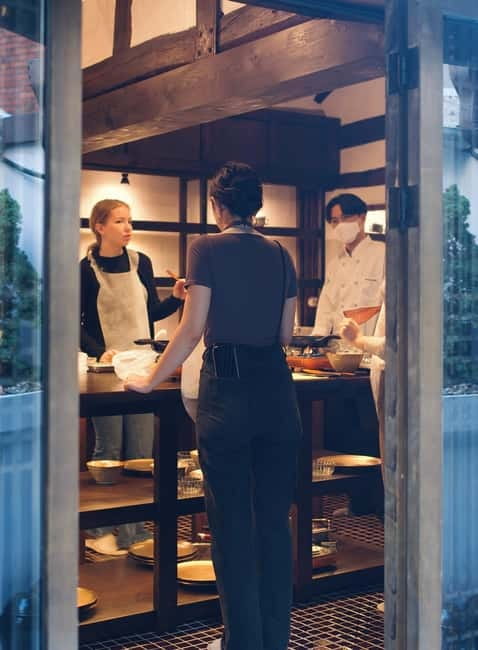
- A 100-year-old hanok near Insadong: You leave the city noise behind and cook in a historic home just behind the Insadong Ibis Ambassador Hotel.
- A maximum of six people: The small class gives the chef time to check each person’s work, which helps beginners feel at ease.
- A practical Korean menu: LA galbi, fresh kimchi, haemul pajeon, and tangpyeongchae offer a useful introduction to Korean flavors.
- Bangjja bronzeware at the table: You do not simply eat what you make. You sit down to a traditional meal served on handsome Korean metal tableware.
- Makgeolli and dessert included: A glass of freshly brewed makgeolli and traditional sweets round out the meal.
- Flexible food choices with advance notice: The standard menu uses beef ribs, but you can request dak galbi or a vegetarian option when booking.
Finding the hanok behind Insadong
The meeting point is at 25 Samil-daero 32ga-gil, Jongno-gu, Seoul, written in Korean as 서울시 종로구 삼일대로 32가길 25. The house is directly behind the Insadong Ibis Ambassador Hotel.
That last detail matters. Seoul has several Ibis hotels, so make sure your map pin and taxi instructions refer to Insadong, not another property. I would save both the English and Korean address before leaving your hotel. The location puts you in central Jongno, close to traditional streets and major palace sights, making this easy to pair with a day of sightseeing.
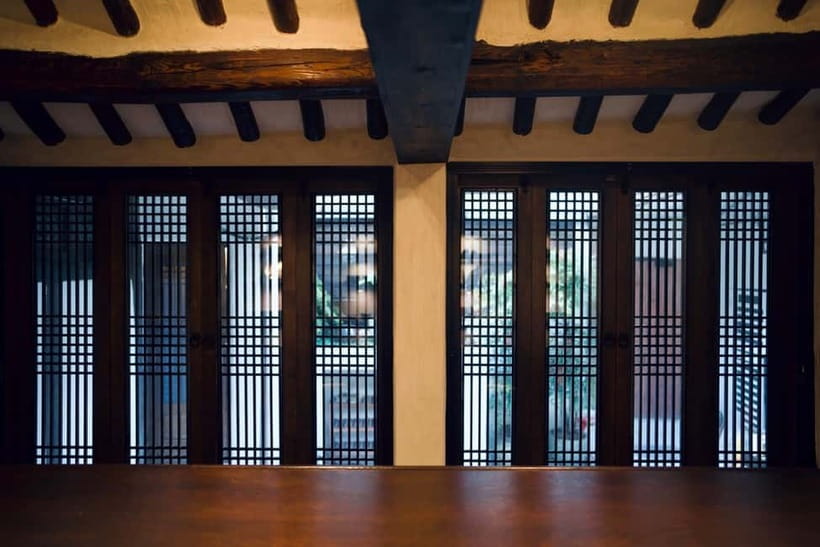
The approach is part of the charm. Tall buildings surround the hanok, but the cooking space offers a quieter setting with old architectural character and modern practical touches. You get a taste of Seoul’s past without giving up a clean, organized place to cook.
This is not a large commercial kitchen with rows of workstations. The small home setting makes the class feel personal. If you are traveling alone, the limited group size also helps. The instructor has room to speak with you, watch your technique, and draw you into the conversation.
A few more cooking classes around Seoul worth a look
- Local Home Korean Cooking Class & Market Adventure in Seoul
★ 5.0 · 1,024 reviews - Master Korean traditional cooking with a Kimchi chef
★ 5.0 · 385 reviews - Seoul: Korean Cooking Class at a Local Home and Market Tour
★ 5.0 · 348 reviews
What happens during the two-hour class
The session begins with an introduction to the home, the menu, and the cooking plan. The chefs teach in English, and the class is designed for all skill levels. You do not need to arrive with Korean cooking experience, or much cooking experience at all.
Ingredients are prepared and portioned for the class, which keeps the pace friendly. You still take part in the work, but you are not asked to spend half the session measuring every ingredient or searching for equipment. That balance lets you focus on Korean methods, flavors, and the reasons behind each dish.
The instructor explains each step before you try it. Chef Park has been praised for patient, clear teaching, especially with beginners. The class also leaves room for questions, which is useful when you want to understand what can be recreated at home.
The cooking is hands-on, but it is not meant to be a serious professional lesson. Think of it as a well-run introduction to Korean home-style and royal-inspired cooking. The recipes are approachable enough for a first-time cook, yet interesting enough for someone who already enjoys working in the kitchen.
LA galbi gives the meal its centerpiece
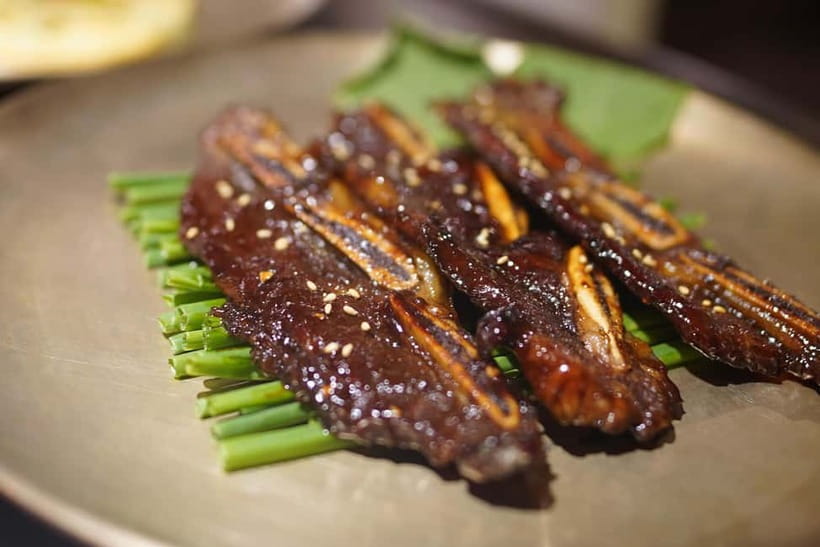
The default main dish is LA galbi, Korean-style beef short ribs. This is the dish to expect unless you request another option in advance.
The ribs give the class a satisfying centerpiece because they show how Korean cooking builds flavor through seasoning and preparation rather than complicated technique alone. You will learn the basics under guidance, then eat the result as part of the finished meal.
If you prefer chicken, ask for dak galbi when booking. Vegetarians can also request a vegetarian menu. Do not wait until you arrive, since the standard menu is based on beef ribs and the kitchen needs notice to make a suitable change.
This advance request is especially important for allergies and food restrictions. The provider asks you to share those details ahead of time. One participant with dietary needs had a modified menu while still taking part in the cooking, but you should communicate clearly before the class.
Fresh kimchi and pajeon make the menu useful
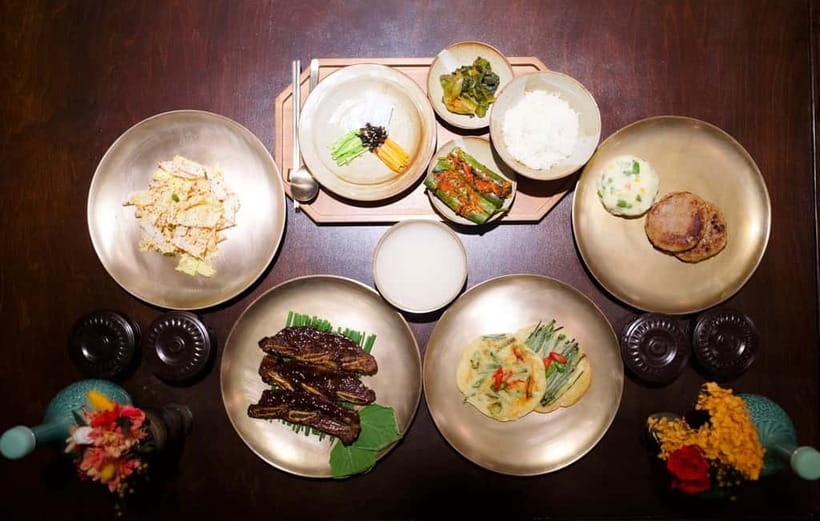
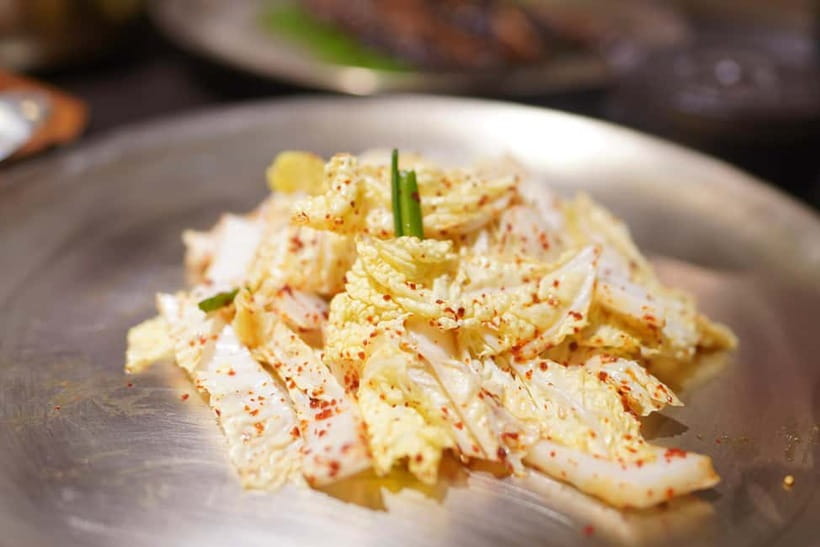
Fresh kimchi is one of the most appealing parts of this menu because it gives you a direct introduction to a Korean staple without requiring a long fermentation project. You work with fresh ingredients and learn how seasoning creates the familiar balance of heat, salt, and acidity.
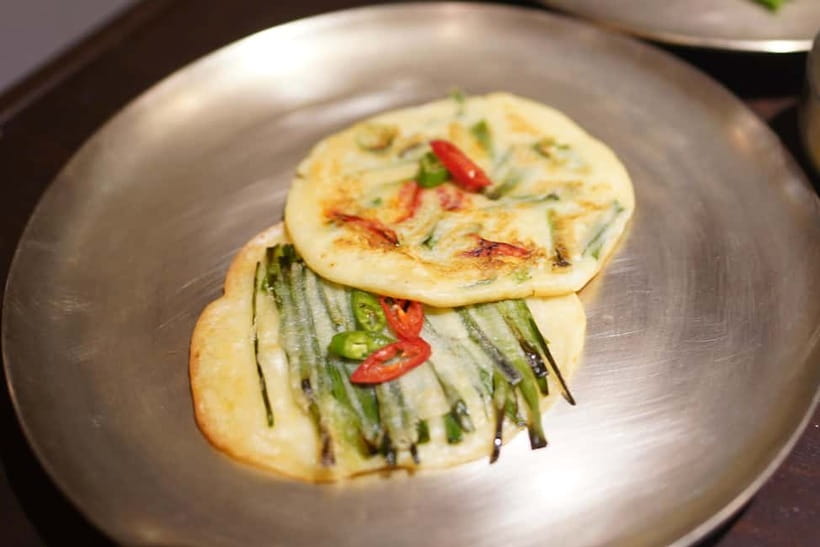
Haemul pajeon, a seafood and green onion pancake, adds a different cooking experience. It is a good class dish because it combines simple ingredients with a technique that benefits from a few clear tips. The final result is familiar enough to enjoy immediately but distinct enough to make the lesson memorable.
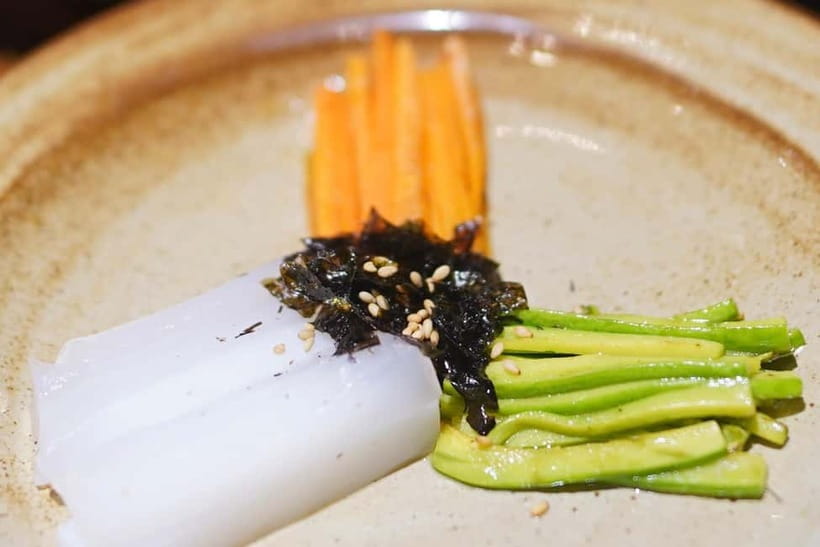
Tangpyeongchae brings another texture and presentation to the table. Together, the dishes show that Korean food is not just about chili or barbecue. You get meat, vegetables, seafood, fresh seasoning, and composed presentation in one sitting.
I like this menu for visitors who want recipes they can try again at home. Several dishes are described as straightforward to recreate, and the class focuses on methods rather than simply handing you a plate at the end.
Same place, a different thing to cook:
- Seoul: Korean Cooking at Seoul Cooking Club!
★ 5.0 · 311 reviews - Korean Cooking at Seoul Cooking Club
★ 5.0 · 220 reviews - Seoul: Taste of Korea, Authentic Home Style Cooking Class
★ 4.9 · 166 reviews - Seoul: Kimchi Dishes Cooking Class with Wine Pairing
★ 4.7 · 38 reviews
Dining on bangjja bronzeware
The meal feels special because the dining stage is treated as part of the lesson. After cooking, you sit down and eat from handcrafted bangjja bronzeware, a traditional Korean metal tableware style associated with formal dining.
The plates add weight and ceremony to the meal. You are not rushing through a snack between sightseeing stops. You have made the food, learned how it fits into Korean culture, and now see it served in a traditional setting.
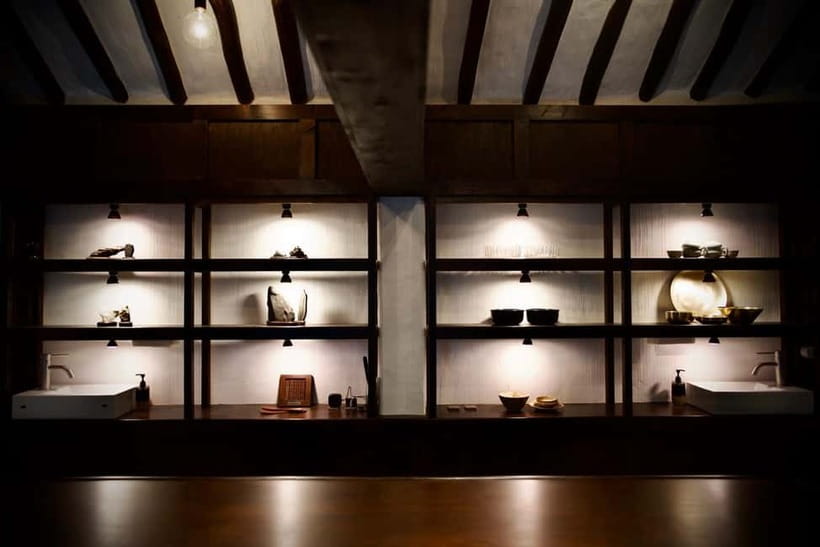
The hanok helps here. Its warm, restored interior gives the meal a sense of place that a standard cooking studio would not provide. The setting is attractive, but it does not appear to be presented as a museum piece. It is a working culinary space, so the atmosphere combines heritage with comfort.
That balance is one of the strongest reasons to choose this experience. You get cultural context without a lecture hall, and a meal without the impersonal feel of a large food tour.
Makgeolli and dessert finish the meal
The class includes a glass of freshly brewed makgeolli, Korea’s traditional rice-based alcoholic drink. This is a small inclusion, but it helps connect the meal to Korean dining customs.
Traditional Korean desserts are also served at the end. The exact selection is not specified, so you should think of this as an assortment rather than a named dessert tasting. It gives the class a proper finish and adds another taste beyond the savory dishes.
If you do not drink alcohol, the booking information does not specify a substitute for the makgeolli. You may wish to ask ahead if that matters to you. The dessert portion is included, but the focus of the experience remains the cooking and shared meal.
Why the six-person limit matters
A maximum of six people is more than a marketing detail. It changes how much help you can receive.
In a large class, a beginner may spend too much time watching from the side. Here, the chef can move around the table, correct small mistakes, and keep the pace together. The compact group also makes it easier to chat with the instructor and the other people in the room.
The class works well for couples, solo visitors, and small family groups with older children. Children under 10 are not accepted, so this is not a preschool-friendly activity. Older children and teenagers may enjoy it, especially if they are willing to follow kitchen instructions and take part in the meal.
The social side is gentle rather than forced. The cooking gives everyone something to talk about, and the shared meal keeps the mood relaxed. Solo visitors may find the format less awkward than joining a large food tour, while couples get a useful shared activity that is more memorable than another restaurant dinner.
The cultural teaching is a major strength
The best part of the class may be the explanation around the food. Chef Park is praised for connecting the recipes with Korean culture, dining traditions, and the story of the hanok.
You learn why a dish matters, not only how to prepare it. That context makes the meal easier to remember. A recipe on a printed page is useful, but a recipe tied to a place, a tradition, and a meal you cooked yourself has a better chance of staying with you.
The teaching style is described as warm, funny, and patient. English is the class language, and the instructor is comfortable guiding people with very different cooking backgrounds.
The class also leaves room for local advice. Some sessions have included recommendations for restaurants and nearby activities. Since the home is in Jongno, you can use the class as a starting point for exploring Insadong and the palace district.
Is $96 good value?
At $96 per person, this is not a bargain cooking lesson. You are paying more than you would for a basic group class in a modern teaching kitchen.
The price makes more sense when you count what is included: a certified English-speaking chef, a maximum of six people, the use of a historic hanok, several dishes, the meal you prepare, bangjja bronzeware, makgeolli, and traditional desserts. You are also paying for a cultural experience, not just ingredients and kitchen time.
For me, the small group is the key value. Personalized instruction is hard to get in a cheaper class, and the setting adds something you cannot reproduce in an ordinary studio. If your main aim is to learn a large number of recipes as cheaply as possible, this may feel expensive. If you want a polished two-hour introduction to Korean food and culture near the palace area, the cost is easier to justify.
One practical note: allow extra time. The stated duration is two hours, but the cooking, meal, conversation, and cultural explanations can extend beyond that. A relaxed schedule will help you enjoy the experience rather than watching the clock.
Who should book this experience?
I would choose this class if you want more than a restaurant meal but do not want a demanding culinary course. Beginners are well served because the instructions are clear and the recipes are designed to be manageable.
It is also a good pick for:
- Couples looking for a shared activity in central Seoul
- Solo visitors who prefer a small, friendly group
- Food lovers who want recipes they can repeat at home
- Visitors interested in Korean culture and traditional homes
- Families with children aged 10 and older
- Anyone planning to visit Insadong or the nearby palaces
You may want another activity if you dislike group dining, have strict dietary needs that cannot be confirmed in advance, or need to finish at a precise time. The class is intimate, but it is still a shared experience rather than a private lesson.
Booking details worth knowing
The class costs $96 per person and lasts about two hours, with starting times dependent on availability. English instruction is provided, and the class is limited to six participants.
The standard menu includes beef LA galbi. Request dak galbi or a vegetarian option when you book, and report allergies or food restrictions in advance.
Cancellation is free up to 24 hours before the activity for a full refund. You can also reserve now and pay later, which helps if your Seoul plans are still shifting.
Should you book the Seoul hanok cooking class?
Yes, if you value setting, personal teaching, and a meal with cultural meaning. The combination of a 100-year-old hanok, a six-person class, Korean royal-style dishes, bangjja tableware, makgeolli, and dessert gives the experience a clear identity.
I would book it early in your Seoul stay if possible. You will leave with food memories, several recipes to try at home, and useful ideas for eating and sightseeing in Jongno. Just confirm the correct Insadong meeting point, request any menu change before arrival, and keep your schedule open beyond the advertised two hours.
FAQ
Where does the cooking class take place?
It takes place at 25 Samil-daero 32ga-gil, Jongno-gu, Seoul, directly behind the Insadong Ibis Ambassador Hotel. Be sure to use the Insadong hotel, since Seoul has several Ibis properties.
How long does the activity last?
The advertised duration is two hours. The cooking, meal, and conversation can take longer, so avoid scheduling another activity immediately afterward.
What dishes will I cook?
The standard menu includes LA galbi, fresh kimchi, haemul pajeon, and tangpyeongchae. LA galbi uses beef ribs unless you request dak galbi or a vegetarian option in advance.
Is the class taught in English?
Yes. English instruction is provided by certified chefs.
How many people are in each class?
The class is limited to a maximum of six participants.
Are food allergies and dietary restrictions accepted?
You should report allergies and food restrictions before the class. A chicken or vegetarian menu can be requested when booking, but the standard menu is beef LA galbi.
Just added around Seoul
- Seoul: Korean Kimchi Cooking Class in the Heart of the City★ 5.0 · 3 reviews
- Seoul: Premium Korean Feast Cooking Class★ 5.0 · 3 reviews
- Seoul: Kimchi Dishes Cooking Class with Wine Pairing★ 4.7 · 38 reviews
- Seoul: Korean Cooking Class with Local Grocery Shopping★ 5.0 · 13 reviews
- Seoul: Korean Home Visit, Cooking & Cultural Experience★ 5.0 · 2 reviews
- Seoul: Cooking Class and Tour with Michelin-Trained Chef★ 5.0 · 11 reviews
- Seoul: Authentic Korean Cooking Class and Market Tour★ 5.0 · 6 reviews
- (Seoul) Korean Cooking Class with a Professional Chef★ 5.0 · 14 reviews
Cooking Classes, compared.

Half-Day Thai Cooking Class at Organic Farm in Chiang Mai
Read our review →

3 in 1 Cooking Class near Navona: Fettuccine, Ravioli & Tiramisu
Read our review →
Pasta & Tiramisu Cooking Class with Unlimited Wine
Read our review →
Hanoi Cooking Class: Culture, Local Market & Meaning CSR Impact
Read our review →
5 Traditional Dishes Hanoi Cooking Class with Market Trip
Read our review →
Cooking Class and Lunch at a Tuscan Farmhouse with Local Market Tour from Florence
Read our review →
Cooking Class, Market & Thai Herbs Garden Tour
Read our review →Lists this class appears in