
REVIEW · OSAKA, JAPAN
Sushi Making Osaka! Popular Sushi Class in Japan!
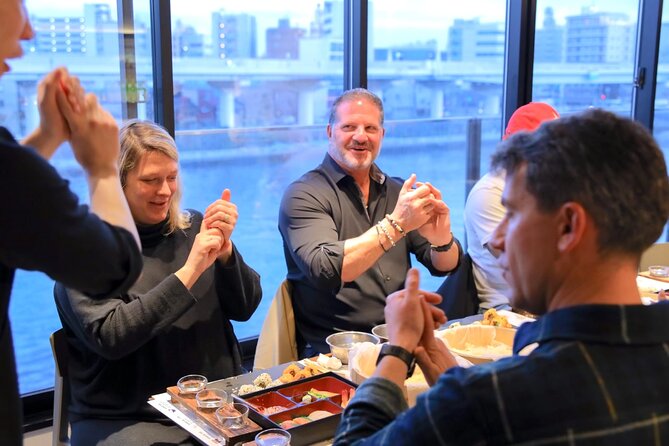
Sushi is better when you make it. This lively 90-minute Osaka class combines a short lesson on sushi culture with hands-on practice, then lets you eat what you prepare. I like the small maximum of 10 people and the clear English instruction, which keep the class personal rather than factory-like. The main consideration is that the class takes place at one fixed location, so you will need to find your own way to Higashishinsaibashi.
I also like the value. At about $35.75 per person, your fee covers the instructor, ingredients, and a filling meal. You learn both nigiri and maki, not just one simple roll. If you need a special menu, contact the provider before booking, since changes cannot be made on the day.
Key points at a glance
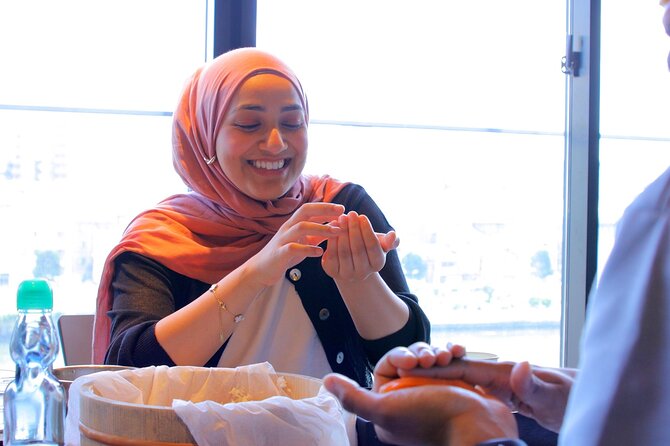
- Make two classic sushi styles: Practice nigiri, the hand-shaped style, and maki, sushi rolled with rice and fillings.
- A compact, friendly group: The class accepts a maximum of 10 people, with plenty of room for questions and encouragement.
- Learn, cook, then eat: The first half covers sushi background and preparation, while the second half is devoted to eating your creations.
- Fresh ingredients and a full meal: Several people found the portions generous enough to replace lunch or dinner.
- Useful for beginners: Instructors such as Hayato and Takara are praised for patient, easy-to-follow guidance.
- Good Shinsaibashi base: The class meets at 1-chōme-16-20 Higashishinsaibashi, close to public transportation and shopping.
Making sushi in the heart of Osaka
This class meets in Higashishinsaibashi, one of Osaka’s most useful bases for food, shopping, and sightseeing. The meeting address is Sushi Making Osaka, 1-chōme-16-20 Higashishinsaibashi, Chuo Ward, Osaka, 542-0083.
You receive a mobile ticket, and the activity begins and ends at the same place. Hotel pickup is not included, so plan to reach the class independently. The area is near public transportation, and the location works well if you want to pair the lesson with shopping or a meal in central Osaka.
Finding a small cooking venue in a busy district can take a little care. One person specifically found the location harder to spot than expected, so do not leave the search until the last minute. Keep the address ready on your phone, and allow enough time to get your bearings before the start.
The location also gives the class a practical advantage. You do not lose half a day crossing Osaka for a short activity. Afterward, you can continue exploring nearby streets and historic places without arranging another transfer.
More Sushi and Japanese Classes in Osaka:
- Osaka: Ramen and Gyoza Cooking Class in Dotonbori
★ 5.0 · 378 reviews - Osaka Cooking Class: Okonomiyaki &Japanese cuisines experience
★ 5.0 · 261 reviews - Osaka: Roll and Authentic Sushi Making Class in Dotonbori
★ 4.9 · 239 reviews
The opening lesson: sushi beyond a simple roll
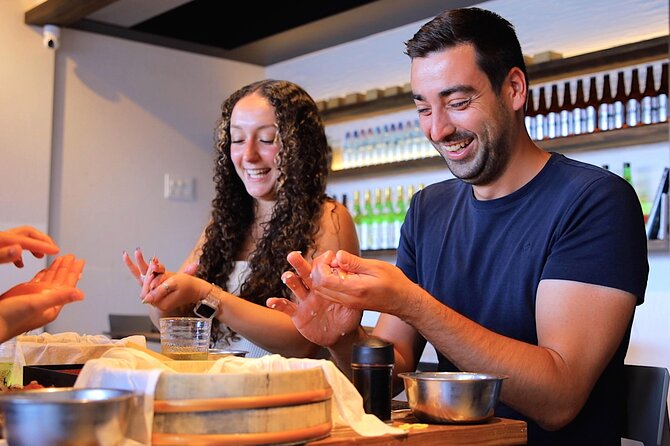
The class begins with an introduction to sushi and its place in Japanese food culture. This is not a long academic lecture. The format is short, friendly, and designed to get you working with rice and ingredients quickly.
That brief background matters because sushi is more than raw fish placed on rice. You begin to see the difference between nigiri and maki, and you get a basic sense of why both forms became so familiar in Japan and abroad.
The lesson may include games or trivia, which helps keep the mood light. You are not expected to arrive with cooking skills. The emphasis is on taking part, asking questions, and learning through doing.
This opening is especially useful if you are visiting Japan for the first time. Food classes can sometimes focus only on recipes, while this one connects the activity to Japanese culture without asking you to sit through a lengthy talk.
Nigiri practice with a beginner-friendly pace
Nigiri is the hand-shaped sushi style most people picture first: rice formed by hand with an ingredient placed on top. It is also described here as one of the oldest and most standard forms of sushi.
The instructor guides you through the basic technique step by step. Expect your first pieces to look less tidy than the examples. That is part of the fun, and the teaching style is built for beginners rather than trained cooks.
Hayato is named as one of the instructors, and his approach is described as encouraging and easy to follow. Takara is also praised for friendly, helpful instruction. The individual instructor can vary, but the teaching style appears consistent: clear directions, humor, and support when your rice refuses to cooperate.
Nigiri gives you a useful lesson in restraint. You are handling rice, shaping it, and pairing it with an ingredient rather than burying everything under sauces or toppings. Even if your pieces are not restaurant-perfect, you get a better feel for the care behind a good sushi plate.
Rolling maki without the usual kitchen stress
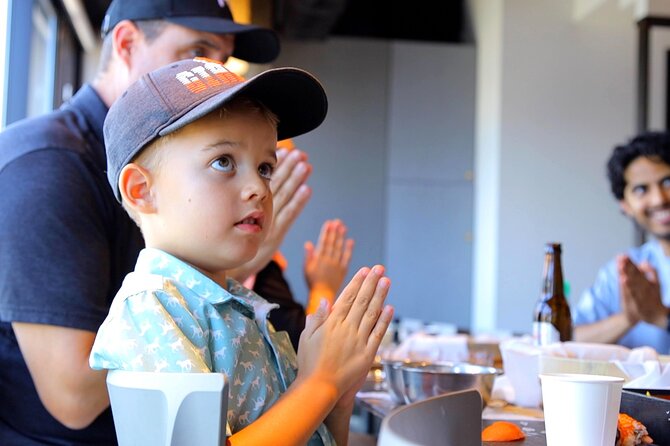
The second main style is maki, often called roll sushi. Here, ingredients are arranged with rice and rolled together. It is familiar around the world, but making it yourself shows how much pressure and timing affect the final shape.
The instructor demonstrates the process before you try. You can make several pieces and repeat the technique, rather than producing one roll and moving on. The class is meant to let you make as much as you like within the available ingredients and time.
That repeat practice is where the class earns its keep. You are not simply watching a demonstration and taking a photo. You work with the ingredients, make mistakes, adjust your technique, and see your finished sushi improve.
The setup is intended for a small group, with reports of tables seating around eight and an official maximum of 10 people. That size is large enough to meet other people but small enough for the instructor to keep an eye on your work.
Same place, a different thing to cook:
- Ramen and Gyoza Cooking Class in Osaka
★ 5.0 · 202 reviews - Osaka Sake Tasting with Takoyaki Cooking
★ 5.0 · 156 reviews - Osaka: Cooking Class Ramen & Gyoza Course in Nanba
★ 4.9 · 86 reviews - Osaka: Gluten-Free Ramen and Gyoza Cooking Class
★ 5.0 · 42 reviews
Fresh ingredients, plenty of food, and the best part
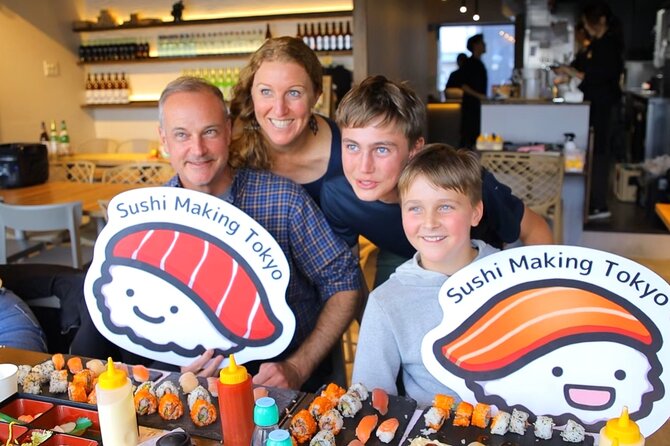
The preparation leads directly to the meal. You eat the sushi you make, which gives the class a satisfying finish and keeps the experience from feeling like a craft demonstration with no reward.
Ingredient quality receives repeated praise. The food is described as fresh, tasty, and plentiful. One useful tip is to arrive hungry, since the amount can be enough for a full meal rather than a small sample.
You also get to choose from a range of ingredients, though the supplied information does not provide a complete ingredient list. That means you should not assume a particular fish, filling, or topping will be available on your date.
Eating your own work changes the mood. A crooked roll becomes part of the story, and a piece that turns out well feels like a small victory. For families, couples, and mixed-age groups, this shared meal gives everyone a common focus.
The class can also suit people who do not usually enjoy formal cooking lessons. You are not asked to prepare a complicated multi-course menu. The task is focused, social, and short enough to fit into a busy Osaka day.
English instruction that keeps the class moving
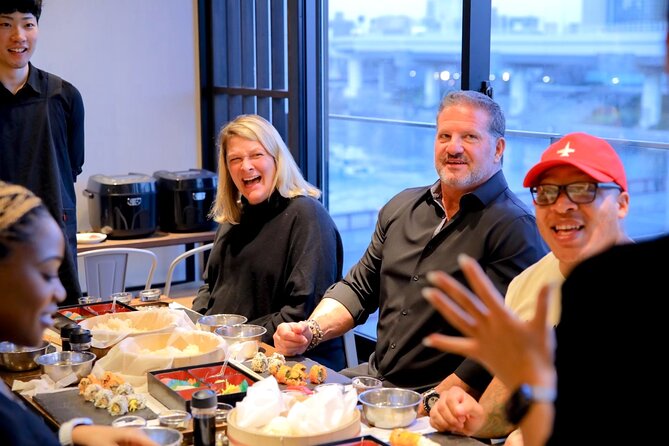
The staff are local and present the class in clear English. That is important for a technique-based activity, since sushi preparation depends on small hand movements and timing. A vague explanation can leave you staring at a pile of rice, but the teaching here is repeatedly described as simple and easy to follow.
The instructors also bring energy to the room. Descriptions of funny, warm, and welcoming staff come up often, with Hayato singled out for keeping beginners relaxed. That tone matters more than polished presentation. You need to feel comfortable asking for another demonstration or admitting that your roll has gone wrong.
The class is interactive from the beginning. You are not just watching a chef work at the front. You receive ingredients, follow the demonstrations, and shape the food yourself.
Still, this is a short class, not a professional sushi apprenticeship. You will learn basic preparation and presentation, but not the full craft of fish sourcing, knife work, rice seasoning, or restaurant-level technique. I would view the lesson as an enjoyable introduction that gives you skills to try again at home.
Special menus and dietary planning

The standard menu is available as a gluten-free option. Vegan and vegetarian versions are also offered, along with halal and allergy-related options.
For allergy arrangements, the supplied details say that meat, nuts, fruits, and dairy are not used in the allergy menu. The provider does not accept specific ingredient requests, so you should not expect to design a completely custom plate.
The key rule is timing. If you need a menu change, contact the provider when you make the reservation. The class cannot handle these changes on the day, which is a reasonable limit for a small food activity with ingredients prepared in advance.
If you have strict dietary needs, read the options carefully and contact the provider before paying. Do not rely on explaining everything after you arrive. A little planning protects both your meal and the pace of the class.
What the $35.75 price really buys
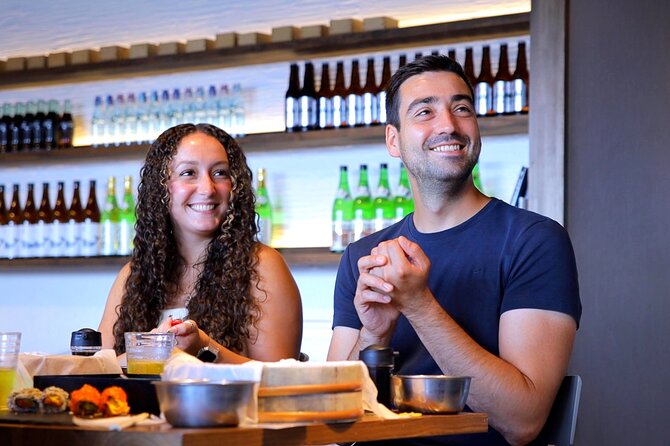
At around $35.75, this is priced as an affordable food activity in central Osaka. The fee includes an English-speaking instructor, all cooking-class ingredients, and the sushi you make and eat.
That package is stronger than a quick tasting. You receive instruction, a cultural introduction, hands-on practice with two styles, and enough food to function as a meal. The small group size adds value because you are not lost in a large demonstration.
The class is also efficient. At about 1 hour and 30 minutes, it can fit before an afternoon visit or between other plans. You do not need to devote an entire day to it.
The price does not include transportation or hotel pickup. That is normal for a short activity in a central district, but you should include the cost and time of reaching Higashishinsaibashi when comparing options.
The value is best for someone who wants participation rather than the lowest possible meal price. If all you want is sushi to eat, an Osaka restaurant will give you food faster. If you want a meal plus a skill and a cultural explanation, this class makes better sense.
Who will enjoy this Osaka activity most
I would recommend this class to first-time visitors who want a relaxed introduction to Japanese food. You do not need previous kitchen experience, and the instructions are designed for people making sushi for the first time.
It also works well for couples, families with older children, and groups that enjoy doing something together. The class has enough food to satisfy adults, and the interactive format gives younger participants a clear task.
Food lovers will appreciate the chance to handle the ingredients rather than simply order a finished plate. You may also enjoy it if you want to take a technique home and try it again.
The class is less suitable if you want an advanced culinary course. It is also not ideal for a schedule with no flexibility, since a fixed start time and a central meeting point require some planning.
People with dietary restrictions can join if they arrange the correct menu ahead of time. The lack of same-day changes means you should treat this as a booking detail, not a casual request at the door.
Pairing the class with the rest of Osaka
Because the activity begins and ends in Higashishinsaibashi, it is easy to build the lesson into a central Osaka day. The area has shopping nearby, and public transportation makes it practical to continue elsewhere afterward.
You might schedule the class before an evening meal, but remember that it can provide a full lunch or dinner itself. Eating beforehand could leave you too full to enjoy the sushi you make.
The class also gives you a useful starting point for asking about local food. One participant received a recommendation for Hanahana, an okonomiyaki restaurant, and found it excellent. That kind of local suggestion can be valuable when you want to try another Osaka specialty after making sushi.
Do not confuse this with a walking tour. The activity ends back at the meeting point, and any sightseeing after class is self-guided. Its strength is the compact food lesson, not a broad tour of the city.
Booking timing and cancellation details
This experience is booked about 26 days ahead on average, so popular dates may fill well before your visit. If your Osaka schedule is fixed, booking early is sensible.
Free cancellation is available when you cancel at least 24 hours before the start time. A cancellation inside that window is not refunded, and changes made less than 24 hours before the activity are not accepted.
The cut-off follows local Osaka time. Check your confirmation carefully, especially if you are arranging the class from another time zone.
Final verdict: Should you book it?
Book this class if you want a short, social food activity that gives you a real role in the meal. The strongest reasons are the small group, friendly English-speaking staff, fresh ingredients, and the chance to make both nigiri and maki. The price is fair because it includes instruction and enough sushi for a proper meal.
I would skip it only if you want an advanced sushi course, need extensive ingredient customization, or prefer a completely spontaneous plan. For most first-time visitors, couples, and families with room in their Osaka schedule, this is an easy and enjoyable way to connect food with Japanese culture.
FAQ
How long does the sushi class last?
The activity lasts approximately 1 hour and 30 minutes.
What types of sushi will I make?
You will learn to make nigiri sushi and maki sushi, also known as roll sushi.
Is food included in the price?
Yes. The fee includes the cooking-class ingredients and the sushi meal you prepare.
Is the class taught in English?
Yes. An English-speaking instructor leads the class, and the staff are described as speaking English clearly.
Where does the class meet?
The meeting point is Sushi Making Osaka at 1-chōme-16-20 Higashishinsaibashi, Chuo Ward, Osaka, 542-0083, Japan. The class ends at the same location.
Can I request a special dietary menu?
Yes. Gluten-free, vegan, vegetarian, halal, and allergy menus are available. You must contact the provider when booking, since same-day menu changes are not accepted and specific ingredient requests cannot be accommodated.
Just added around Osaka
- Osaka Sake Tasting with Takoyaki Cooking★ 5.0 · 156 reviews
- Okonomiyaki&Takoyaki for Families:Osaka Street Food Festival★ 5.0 · 4 reviews
- Osaka Okonomiyaki Cooking Experience for Families & Groups★ 4.9 · 8 reviews
- Osaka: Sashiko Japanese Craftsmanship Workshop★ 5.0 · 31 reviews
- Osaka : Exclusive Tea Ceremony & Wagashi Cooking★ 5.0 · 2 reviews
- Osaka: Okonomiyaki Cooking Class with Beer or Soft Drink★ 4.9 · 9 reviews
- Osaka: Cooking Class & Sake Tasting with Local Market Visit★ 4.8 · 31 reviews
- Osaka: Gluten-Free Ramen and Gyoza Cooking Class★ 5.0 · 42 reviews
Japanese & Sushi Cooking Classes, compared.
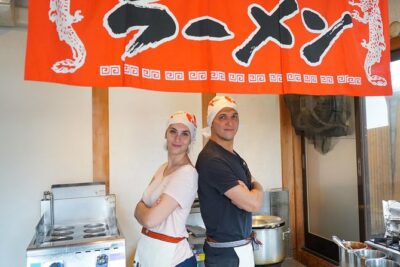
Ramen Cooking Class at Ramen Factory in Kyoto
Read our review →
Ramen & Gyoza Cooking Class in Tokyo with Local Supermarket Visit
Read our review →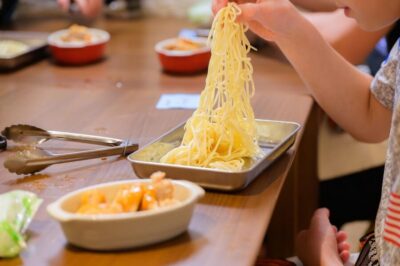
Ramen Cooking Class at a Ramen Factory with Souvenir
Read our review →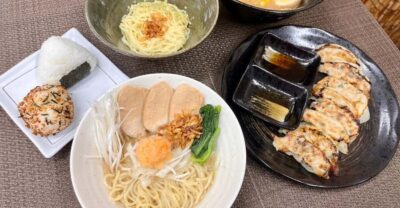
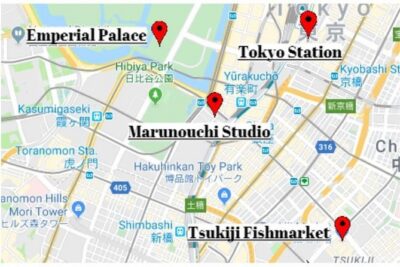
Tokyo Tsukiji Fish Market Tour and Sushi Making Lesson
Read our review →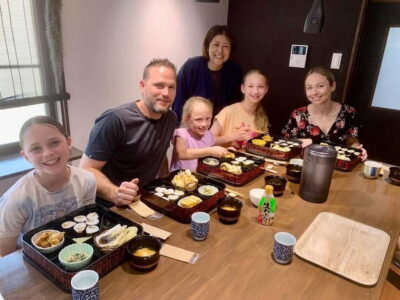
Japanese Washoku Bento Small Group Cooking Class
Read our review →
Easy Ramen Cooking Experience in Kabukicho, Shinjuku
Read our review →Lists this class appears in