
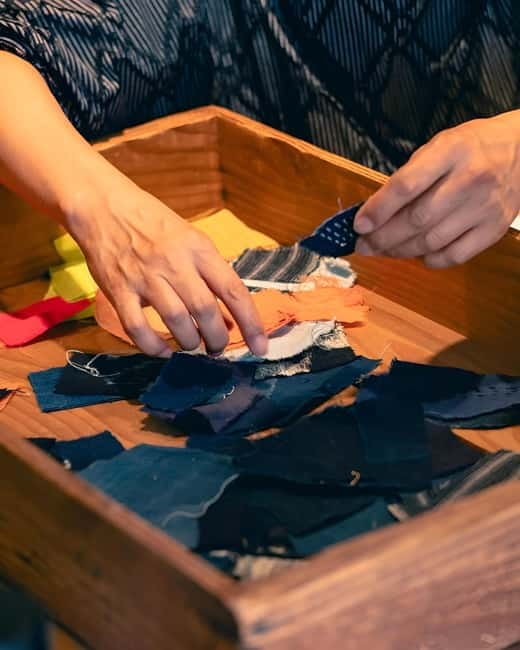
REVIEW · HONSHU, JAPAN
Osaka: Sashiko Japanese Craftsmanship Workshop
Slow stitching can be the best souvenir. This two-hour Osaka workshop introduces you to Sashiko, a Japanese needlework tradition once used to mend and strengthen everyday clothing. I like the hands-on format and the chance to leave with a useful handmade piece, not just a few photos. I also like the small group, limited to eight people, which gives the instructor time to help with individual stitching.
The main consideration is simple: this is a craft lesson, not a sightseeing tour. You will spend most of the two hours seated with fabric, thread, and needle. The workshop also needs at least two participants unless you pay a 3,000-yen solo supplement, switch dates, or accept a refund.
The setting adds to the appeal. The workshop takes place in a traditional old house, with wooden stairs and exposed framework noted by participants. Instructor June, also referred to as Jun in the available information, teaches in English and Japanese. One session also included Nene, who was praised for making English instruction easy to follow.
Key Things to Know Before You Book

- Your project is a Sashiko coaster: You practice geometric stitching on a small, manageable item that you can take home.
- Sashiko began as practical mending: Farmers and fishermen used the stitch work to reinforce clothing and add warmth.
- The class is limited to eight people: This keeps the lesson personal and gives you room to ask questions.
- The old house is part of the experience: Wooden stairs and traditional framework give the workshop a distinctly Japanese setting.
- Cash can help in the shopping corner: JunAle goods, sewing kits, hand-dyed threads, and clothing are available, with discounts for cash payments.
- Plan for two hours of focused work: It is calm and creative, but not a quick drop-in demonstration.
What Sashiko Means and Why It Matters
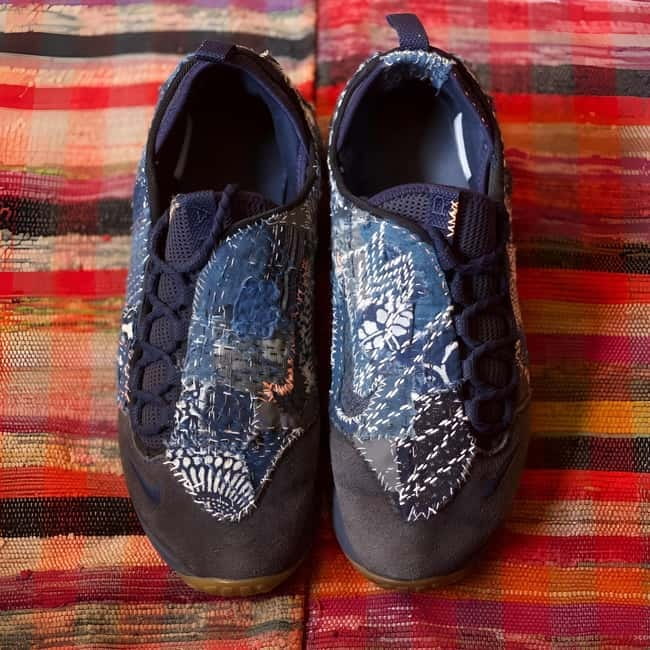
Sashiko translates roughly as little stabs, a plain name for a stitch with a long working life. During the Edo period, from 1603 to 1868, people in rural Japan used repeated stitches to repair worn clothing, reinforce fabric, and provide extra insulation during cold weather.
That practical beginning is important. Sashiko was not first made as decoration for display. It grew from making clothing last longer, especially in communities where fabric and clothing were valuable. The neat geometric designs came from a useful need, then developed into a respected art form.
Regional patterns took on their own shapes and meanings. Some motifs relate to nature, protection, good fortune, or daily life. During this class, you learn about that background while making your own small piece. This gives the stitching more meaning than simply following lines on cloth.
I like this balance between function and beauty. You are not being asked to admire an object behind glass. You are using the same basic process to make something with your own hands, even if your first stitches are not perfectly even.
More Sushi and Japanese Classes in Osaka:
- Sushi Making Osaka! Popular Sushi Class in Japan!
★ 5.0 · 500 reviews - Osaka: Ramen and Gyoza Cooking Class in Dotonbori
★ 5.0 · 378 reviews - Osaka Cooking Class: Okonomiyaki &Japanese cuisines experience
★ 5.0 · 261 reviews
Arriving at the Traditional Osaka Workshop
Transportation to the venue is not included, so you arrange your own way there. With advance notice, the team can meet you at Kyobashi Station. That is a useful option if you want help finding the workshop, especially if you are carrying luggage or are not comfortable navigating Osaka’s rail system.
The studio itself is described as homely and easy to reach by train. Its old-house character is one of the details that gives the class a sense of place. You might notice wooden stairs and traditional framework before the needles come out, so allow yourself a few extra minutes to arrive without rushing.
The meeting point should be confirmed when you book, particularly if you expect a station welcome. The supplied information names Kyobashi Station for an arranged meeting, but it does not give a full street address here.
The First Part: History, Tools, and Basic Stitches
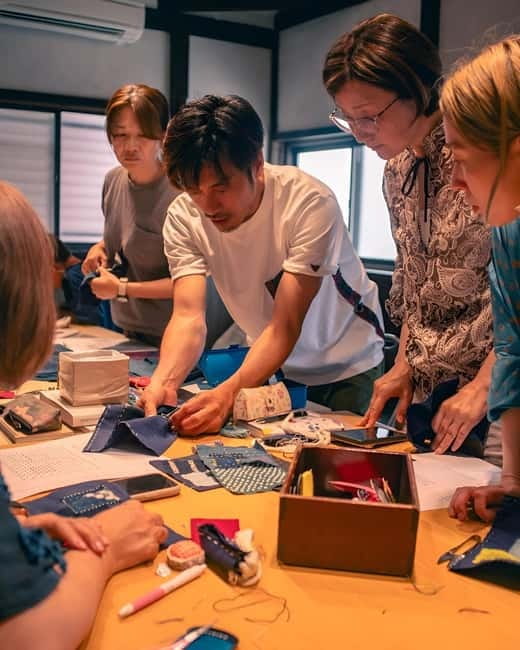
The session begins with an introduction to Sashiko’s origins and purpose. You learn how a repair technique used by working communities became a recognized Japanese craft, and you get some context for the geometric motifs you will use.
All the required supplies are provided. That includes fabric, needles, thread, and Sashiko-specific tools, so you do not need to pack a sewing kit from home. The instructor then demonstrates the basic stitches and explains how to work the pattern with care.
The demonstration matters because Sashiko has a particular rhythm. You are not simply scribbling a design across cloth. The spacing, direction, and repeated marks help create the clean look of the finished pattern. Beginners can watch first, then copy the movement on their own fabric.
English and Japanese instruction are available. The feedback also suggests that the teaching is patient and encouraging. One participant who came with teenagers said the instructor supported everyone well, while another noted that an extra stitch was introduced when the group finished early. That is a nice touch for people who already sew and want a little more than the basic exercise.
Making Your Geometric Coaster

The main project is a Sashiko coaster. It is a smart choice for a first class because the item is small enough to finish in two hours, yet large enough to show the structure of the stitching.
You begin by working through the pattern with the supplied thread and needle. The repeated geometric lines make the process easy to understand, but the work still asks for patience. If you pull the thread too tightly, the cloth can pucker. If your spacing wanders, the pattern changes character. That is part of the lesson, not a reason to worry.
June guides you through the technique and can correct your hand position or stitch spacing as you work. The small group helps here. With no more than eight participants, you should have a better chance of getting personal help than in a large craft class.
The sewing itself has a quiet, steady quality. One participant described the class as meditative, and that fits the project. Osaka can be an energetic city, but for these two hours you focus on one small section of cloth at a time. The activity suits people who enjoy making things slowly, including complete beginners and experienced sewers.
If you finish early, you may receive an additional stitch to try. This is particularly useful for keen handcrafters who would otherwise be waiting while the rest of the group completes the coaster.
Same place, a different thing to cook:
- Osaka: Roll and Authentic Sushi Making Class in Dotonbori
★ 4.9 · 239 reviews - Ramen and Gyoza Cooking Class in Osaka
★ 5.0 · 202 reviews - Osaka Sake Tasting with Takoyaki Cooking
★ 5.0 · 156 reviews - Osaka: Cooking Class Ramen & Gyoza Course in Nanba
★ 4.9 · 86 reviews
The Old House and the Studio Atmosphere

The room is not described as a polished modern craft school, and that is a plus for this particular activity. The traditional house helps connect the lesson to Japanese material culture. Wooden stairs and visible framework were memorable parts of the setting for one family group.
The atmosphere is consistently described as friendly, calm, and open. That matters because sewing in a group can feel awkward if you are worried about making mistakes. Here, the tone appears to be supportive rather than formal. You can work at your own pace and ask for help when needed.
This also makes the class suitable for families with older children and teenagers, couples, friends, and solo makers. A birthday group used the workshop as a celebration, while other participants came simply to try a Japanese craft. It is a good option for a rainy afternoon or for a break from temples, shopping, and long walks.
What You Take Home
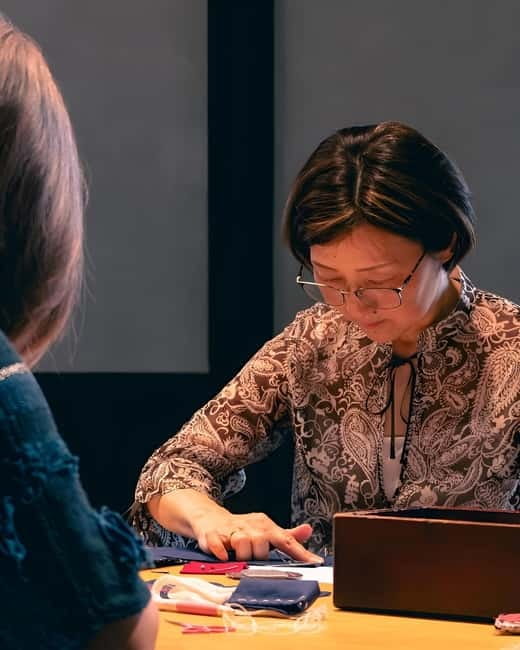
At the end, you take home your completed Sashiko item, usually a coaster. It will be a small object, but it carries more personal value than a mass-produced souvenir because you made it yourself.
You also leave with the basic skills to continue stitching at home. The lesson gives you a starting point for future projects rather than treating the coaster as a one-time activity. If you become interested, you can buy sewing kits and hand-dyed threads in the adjacent shopping corner.
The shop also carries JunAle original goods and clothing. Cash payments receive discounts, so bring some yen if you think you may want supplies or a small extra purchase. The shopping area is optional, and you are not required to buy anything to take part in the class.
Price, Group Size, and Overall Value
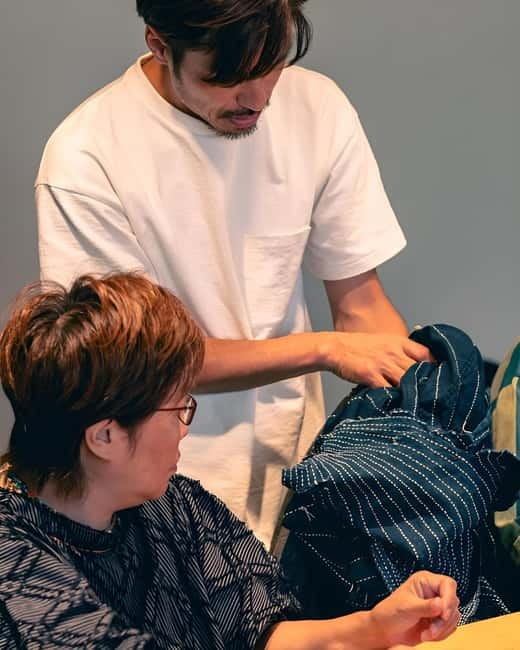
At $67 per person, the workshop is not the cheapest two-hour activity in Osaka. It does include the instruction, all materials, the finished project, and cultural background, so the value depends on what you want from your time.
If you only want a quick souvenir, you can find less expensive items in Japan. If you want to understand how a traditional craft works and make something under guidance, the price is more reasonable. You are paying for the teaching and the chance to work with proper materials, not just for the coaster itself.
The group limit of eight improves that value. Individual attention is especially useful if you have never sewn before. Experienced sewers may find the basic lesson familiar, but the cultural context and chance to learn an additional stitch can make it worthwhile.
The two-hour length is also well judged. It is long enough to learn the method and finish a small project, but short enough to fit beside other Osaka plans. You should not expect to complete a large textile or master Sashiko in one visit. Think of it as a carefully paced introduction.
Who Will Enjoy This Most
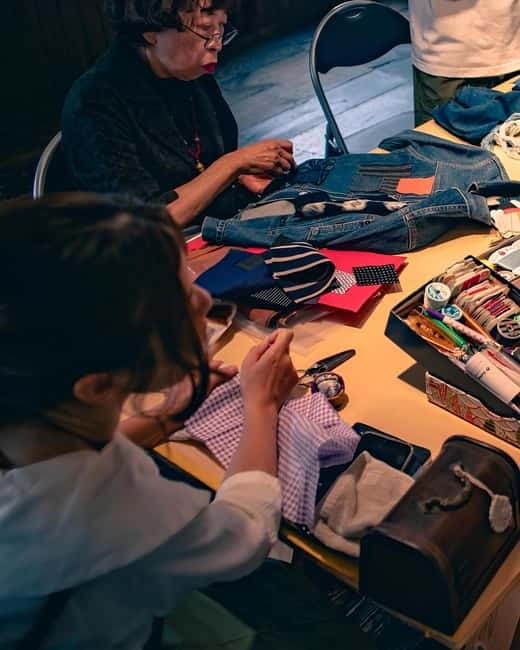
I would recommend this class to people who like practical cultural experiences. It suits you if you enjoy handcrafts, want a break from busy sightseeing, or prefer bringing home something made rather than bought.
It is also a good match for:
- Beginners who want patient guidance
- Experienced sewers looking for a Japanese technique
- Families with teenagers
- Couples and friends seeking a calm shared activity
- Solo visitors who do not mind the minimum-participant policy
- Anyone interested in Japanese clothing, repair, or textile traditions
You may want to skip it if you dislike seated activities, have no interest in sewing, or want a fast-paced cultural attraction. The class asks for concentration and patience. A crooked line is not a disaster, but the process rewards people who enjoy careful work.
The workshop is wheelchair accessible, though the traditional house includes wooden stairs according to the information provided. If mobility is a concern, ask the provider for current access details before booking so the arrangement matches your needs.
Planning Your Visit
The workshop lasts two hours, with starting times based on availability. Transportation is not included, so check the route to the venue and arrange the Kyobashi Station meeting option in advance if needed.
The cancellation policy allows a full refund when you cancel at least 24 hours before the start. You can also reserve now and pay later, which helps if your Osaka schedule is still changing.
Solo booking needs a little extra attention. The provider tries not to charge more for one person, but the class requires at least two participants. If that minimum is not met, you can move to another date, pay the 3,000-yen solo supplement, or receive a full refund.
Should You Book the Sashiko Workshop?
Book it if you want a small, personal connection to Japanese culture and like the idea of learning with your hands. The strongest reasons are the calm teaching style, the traditional setting, the useful background on Sashiko, and the handmade coaster you take home.
I would especially choose it for a rainy day, a family outing with teens, or a slower afternoon between major Osaka sights. The $67 price makes the most sense when you value instruction and cultural context, not just the finished object.
Skip it if you want a broad Osaka tour or a quick photo stop. This is a focused craft lesson. For the right person, that focus is exactly why it works.
FAQ
How long does the Sashiko workshop last?
The workshop lasts two hours.
How much does the workshop cost?
The listed price is $67 per person.
What will I make during the class?
You will create a Sashiko textile piece, such as a coaster, using geometric patterns.
Are tools and materials provided?
Yes. Fabric, needles, thread, and other required Sashiko tools are included.
What languages are available?
Instruction is available in English and Japanese.
Can I attend alone?
You can book as a solo participant, but at least two participants are normally needed. If that minimum is not met, you may switch to another date, pay a 3,000-yen solo supplement, or receive a full refund.
Just added around Osaka
- Osaka Sake Tasting with Takoyaki Cooking★ 5.0 · 156 reviews
- Okonomiyaki&Takoyaki for Families:Osaka Street Food Festival★ 5.0 · 4 reviews
- Osaka Okonomiyaki Cooking Experience for Families & Groups★ 4.9 · 8 reviews
- Osaka : Exclusive Tea Ceremony & Wagashi Cooking★ 5.0 · 2 reviews
- Osaka: Okonomiyaki Cooking Class with Beer or Soft Drink★ 4.9 · 9 reviews
- Osaka: Cooking Class & Sake Tasting with Local Market Visit★ 4.8 · 31 reviews
- Osaka: Gluten-Free Ramen and Gyoza Cooking Class★ 5.0 · 42 reviews
- Osaka: Japanese Cooking Class with Matcha Experience★ 5.0 · 4 reviews
Japanese & Sushi Cooking Classes, compared.

Ramen Cooking Class at Ramen Factory in Kyoto
Read our review →
Ramen & Gyoza Cooking Class in Tokyo with Local Supermarket Visit
Read our review →
Ramen Cooking Class at a Ramen Factory with Souvenir
Read our review →
Sushi Making Osaka! Popular Sushi Class in Japan!
Read our review →
Tokyo Tsukiji Fish Market Tour and Sushi Making Lesson
Read our review →
Japanese Washoku Bento Small Group Cooking Class
Read our review →
Lists this class appears in