
REVIEW · OSAKA, JAPAN
Ramen and Gyoza Cooking Class in Osaka
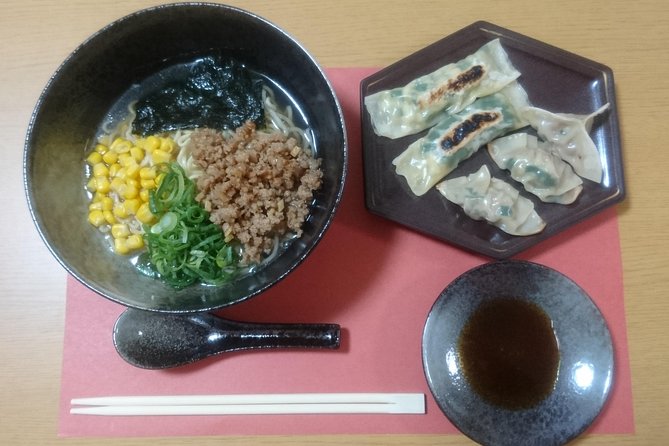
Make noodles, then eat your homework. This hands-on class teaches you to make ramen from scratch and two types of gyoza, all in about two and a half hours. I like the small-group format, which allows the chef to watch your technique, and I like that you receive a printed recipe so the meal does not end when you leave Osaka.
The price is $79.59 per person, a fair deal for a full meal, ingredients, instruction, dessert, and kitchen use. The main point to check is the meeting information: the experience is described as being in Nishinomiya, but the listed meeting point is in Osaka’s Kitahorie area. Confirm the exact address and start time before setting out.
Key points to know before booking
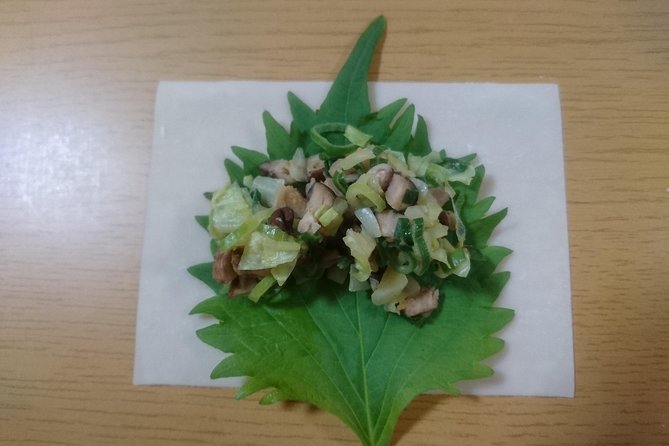
- You make three Japanese staples from scratch: ramen, classic round pork gyoza, and crispy rectangular vegetable gyoza.
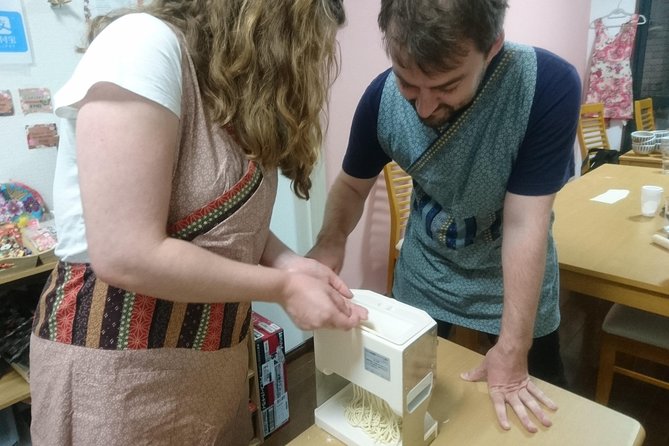
- The class is designed to be hands-on: you work with noodles, soup, fillings, wrappers, and cooking equipment rather than simply watching a demonstration.
- Chef-led instruction is a major strength: Keigo is praised for clear explanations, good humor, and practical tips, while other sessions may feature Fumi, Fumiko, Sakura, or another member of the team.
- The meal is part of the experience: you eat the ramen and dumplings you prepare, with green tea and a seasonal dessert afterward.
- Vegetarian adjustments are possible: ask in advance so the team can plan suitable ingredients, such as soy meat or seaweed stock.
- The class is useful beyond Osaka: recipes are provided, and the methods are simple enough for a capable home cook to try again.
What this Osaka cooking class actually gives you
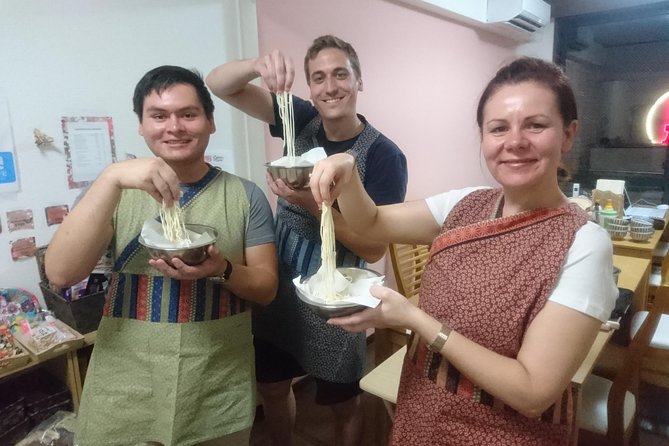
Many food classes in Japan focus on presentation, with the instructor doing most of the work. This one is built around participation. You prepare the food yourself, with guidance at each stage and access to the required equipment.
That matters because ramen and gyoza look simple on the table but involve several small decisions. The class covers the noodles, soup, toppings, dumpling filling, folding, and cooking. You are not just learning a recipe. You are learning how timing and texture affect the finished meal.
The session lasts about two hours and thirty minutes. That is long enough to cover several techniques without turning the class into an all-day project. The pace is organized, but the feedback suggests you should not feel hurried. The chef and assistant keep an eye on each person and help when a step needs correcting.
The setup is in a private kitchen with space for cooking and eating. It is described as clean and well prepared, with utensils and ingredients arranged before the lesson begins. You can bring luggage to the location, which is useful if this class falls between hotel checkout and your next train or check-in.
More Sushi and Japanese Classes in Osaka:
- Sushi Making Osaka! Popular Sushi Class in Japan!
★ 5.0 · 500 reviews - Osaka: Ramen and Gyoza Cooking Class in Dotonbori
★ 5.0 · 378 reviews - Osaka Cooking Class: Okonomiyaki &Japanese cuisines experience
★ 5.0 · 261 reviews
Starting with ramen noodles, soup, and toppings
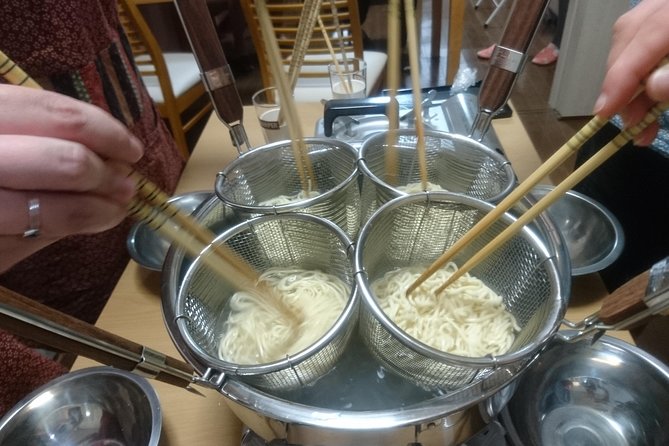
The ramen portion begins with the elements that make up the bowl: noodles, soup, and toppings. Making noodles from scratch gives you a clearer sense of the work behind a food that is often eaten quickly at a restaurant.
The instruction is broken into manageable steps. Chef Keigo is repeatedly praised for explaining not only what to do, but why each step matters. That is useful at home, where you may not have the same equipment or ingredients and need to judge texture for yourself.
You should expect a practical lesson rather than a lecture about regional ramen styles. The focus is on producing a tasty bowl and building skills you can repeat. The cooking team also explains the ingredients and how they contribute to flavor.
The soup can be adapted for vegetarian needs when arranged ahead of time. One successful adjustment used soy meat and seaweed stock. That does not mean every dietary request can be handled, so contact the provider before booking if you have allergies or strict restrictions.
After the noodles and soup are ready, you add toppings and assemble your bowl. The timing is important. Noodles can lose their best texture if they sit too long, so the class gives you a practical lesson in coordinating several components at once.
Two gyoza styles, two different skills
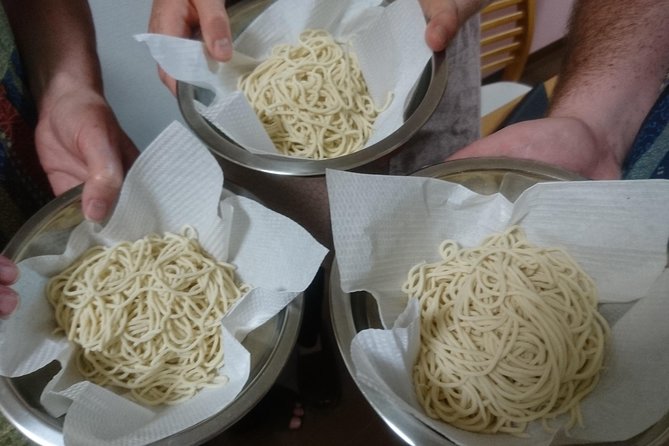
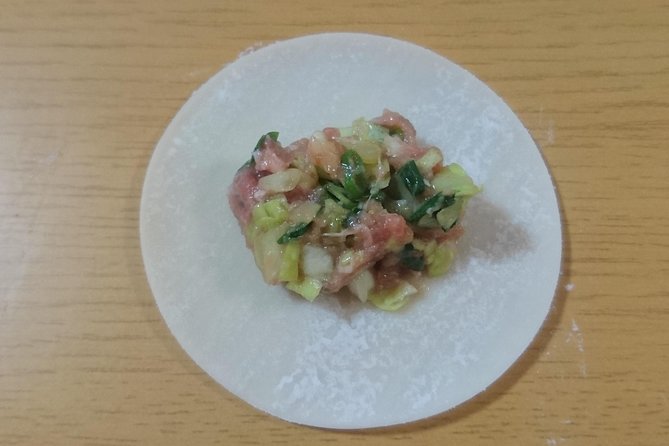
The gyoza section gives the class extra value because you make two distinct dumpling styles. The first is a classic round pork gyoza. The second is a crispy rectangular vegetable gyoza.
That contrast keeps the lesson from feeling repetitive. The pork version introduces the familiar filled dumpling, while the vegetable version changes the shape and texture. You get to practice handling the filling, shaping the wrapper, and cooking the dumplings until the outside is crisp.
Folding gyoza can be awkward at first. The useful part of a small class is that the chef can correct your technique before you waste a whole batch. The instruction is described as clear and easy to follow, even for people without much cooking experience.
You should not feel that you need to be a serious home cook. The class suits beginners, but experienced cooks can still pick up useful points about ingredients, dumpling texture, and timing. One of the strongest reasons to book is that you leave with enough confidence to try the recipes again instead of treating the activity as a one-time novelty.
The meal at the end is part of the value
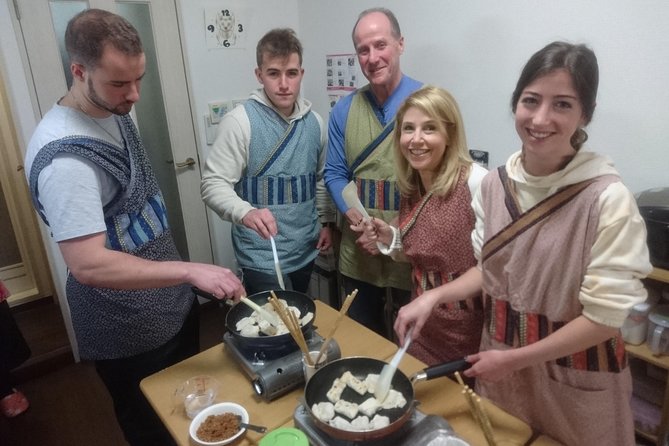
Once the cooking is complete, you sit down and eat what you made. This is more satisfying than being handed a tasting portion because you have seen every stage, from raw ingredients to finished bowl and dumplings.
The meal includes the ramen and both gyoza styles, along with green tea and a seasonal dessert. Ingredients for the main meal and dessert are included in the price. Additional drinks and personal expenses are not included.
The dessert changes with the season, so do not book expecting a particular sweet. That small change is worth accepting because it allows the class to use ingredients that fit the time of year.
Sharing the finished meal with the group also gives the class a social side. The setting is small enough for conversation, but the experience is still centered on food rather than forced entertainment. Several sessions include photos taken during the cooking, with images sent afterward.
A few more cooking classes around Osaka worth a look
- Osaka Sake Tasting with Takoyaki Cooking
★ 5.0 · 156 reviews - Osaka: Cooking Class Ramen & Gyoza Course in Nanba
★ 4.9 · 86 reviews - Osaka: Gluten-Free Ramen and Gyoza Cooking Class
★ 5.0 · 42 reviews - Osaka: Cooking Class & Sake Tasting with Local Market Visit
★ 4.8 · 31 reviews
The instructors make a real difference
The most praised feature is the teaching. Keigo is frequently described as patient, funny, organized, and easy to understand. He speaks excellent English and explains the reasons behind each stage instead of rushing through a set of instructions.
Other sessions have been led by Fumi, Fumiko, Sakura, or another assistant. The names suggest that the exact instructor can vary, but the consistent theme is attentive guidance and a friendly manner. Tomiko has also helped people find the venue by waiting outside the building, a thoughtful touch if the address proves difficult to spot.
That personal help matters in a cooking class. A recipe sheet tells you what to do, but a teacher can show you how the dough should feel, how to shape a dumpling, or when a cooking step looks ready. The class also appears well organized, with tools and ingredients prepared before you begin.
The tone seems relaxed rather than formal. You can ask questions, work at your own pace within the group, and receive help without needing advanced Japanese cooking experience.
Group size and the feel of the room
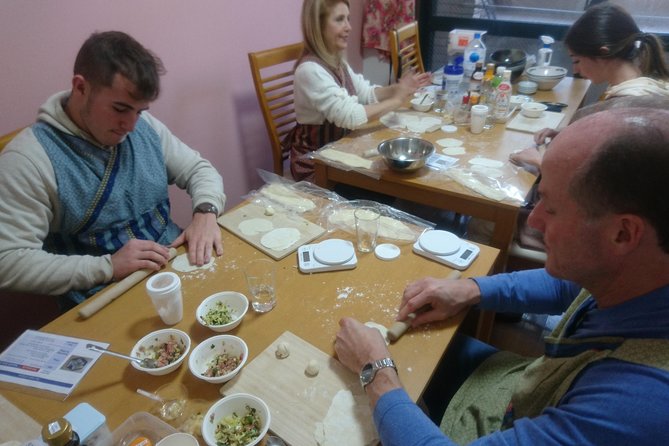
The experience is promoted as a small-group class, with a maximum of six in the main description. Another piece of booking information lists a maximum of twelve travelers, so the stated capacity is not fully consistent.
I would treat this as a point to confirm before booking if group size is important to you. A six-person class should feel quite personal, with more direct help from the chef. A larger group could still be enjoyable, but individual attention may be less frequent.
The small private-kitchen setting is especially useful for families, couples, and anyone who prefers an activity where you can ask questions freely. It also suits first-time cooks because the instructor can check everyone’s progress.
You should expect some standing, handling ingredients, and repeated dumpling folding. The activity is not described as physically demanding, but it is still a practical kitchen lesson rather than a seated tasting.
Is $79.59 a good price?
At $79.59 per person, this is not the cheapest meal you can buy in Osaka. You could eat ramen and gyoza for far less. The value comes from the combination of food, instruction, equipment, recipes, dessert, and time with a local chef.
I think the price works best if you want an activity as well as lunch or dinner. You are paying to make the meal, not simply consume it. The printed recipe adds lasting value, especially if you plan to recreate the dishes at home.
The class is also a reasonable choice for a family or couple looking for a shared activity. You get a complete meal at the end, so the cost is easier to justify than a short demonstration with only a small sample.
The value is less convincing if you mainly want a quick meal or already have extensive ramen and gyoza-making experience. In that case, the attraction is the social setting and the chance to learn local techniques, not the food alone.
Location, timing, and practical planning
The listed meeting point is Banix Kitahorie, at Systema Gallery in Nishi Ward, Osaka, with the address given as 3-chome 6-2 Kitahorie, Osaka 550-0014. The activity ends back at the meeting point.
At the same time, the class is described as a Nishinomiya experience. Since those are different areas, check the confirmation carefully before you leave. The provider confirms bookings within 48 hours, subject to availability, so use that confirmation to verify the exact place and arrival instructions.
The meeting point is near public transportation. Hotel pickup and drop-off are not included, so you are responsible for reaching the kitchen and returning to your accommodation.
The mobile ticket makes it easy to keep the booking on your phone. I would still save the address, start time, and confirmation where you can access them without relying on a weak signal.
You can cancel for a full refund if you do so at least 24 hours before the local start time. Cancellations or changes made within 24 hours are not refunded or accepted.
Dietary needs and ingredient changes
Vegetarian options are available if you notify the team in advance. The cooking team has adapted the class with soy meat and seaweed stock, showing that the menu can change when arrangements are made early.
Ingredients may vary by season. That affects the dessert and possibly some supporting ingredients, but the core lesson remains ramen plus two gyoza styles.
If you have a serious allergy, ask before booking rather than assuming a substitution will be possible. The supplied information confirms vegetarian adjustments, but it does not promise a fully allergy-free kitchen or list every dietary option.
Who will enjoy this most?
I would recommend this class to you if you want to eat well and learn a skill at the same time. It is a strong fit for:
- Couples looking for a shared Osaka activity
- Families with children who enjoy practical food experiences
- Beginners who want patient, step-by-step teaching
- Home cooks who want recipes they can repeat
- Vegetarian diners who contact the team before arrival
- Anyone who has already eaten plenty of ramen and wants to understand how it is made
It may not suit you if you dislike hands-on cooking, have limited time between other plans, or want a quiet meal with no group activity. You should also confirm the location if your schedule is built around a specific Osaka neighborhood.
Should you book the ramen and gyoza class?
Yes, I would book it if the meeting location works for your schedule and you want more than a restaurant meal. The class combines useful instruction, a filling meal, dessert, and recipes for later. The teaching is the strongest reason to choose it, especially with Keigo’s clear explanations and the team’s patient support.
Before paying, confirm the exact address, class size, instructor, and dietary arrangements. If those details fit, $79.59 buys a well-rounded food experience with a practical reward: you can make the dishes again after Japan.
FAQ
How long does the ramen and gyoza class last?
The class lasts approximately two hours and thirty minutes.
What foods will I make?
You will make ramen from scratch, including noodles, soup, and toppings. You will also make two types of gyoza: classic round pork gyoza and crispy rectangular vegetable gyoza.
Is the meal included?
Yes. Ingredients for the class and the resulting lunch or dinner are included. Green tea and a seasonal dessert are also provided.
Are vegetarian options available?
Yes, vegetarian options are available if you notify the provider in advance. Examples of adjustments include soy meat and seaweed stock.
Do I receive recipes?
Yes. A printed recipe is included for you to take home.
Are cooking equipment and utensils provided?
Yes. You can use the kitchen utensils and equipment needed for the class.
Where does the class meet?
The listed meeting point is Banix Kitahorie at Systema Gallery, 3-chome 6-2 Kitahorie, Nishi Ward, Osaka 550-0014. The experience is also described as being in Nishinomiya, so confirm the exact location in your booking confirmation.
Does the activity include hotel pickup?
No. Hotel pickup and drop-off are not included.
How large is the class?
The main description gives a maximum of six people, while additional booking information lists a maximum of twelve. Confirm the expected group size if this is important to you.
Can I cancel for a refund?
Yes. You can receive a full refund if you cancel at least 24 hours before the experience’s local start time. Cancellations and changes made less than 24 hours before the start are not refunded or accepted.
Just added around Osaka
- Osaka Sake Tasting with Takoyaki Cooking★ 5.0 · 156 reviews
- Okonomiyaki&Takoyaki for Families:Osaka Street Food Festival★ 5.0 · 4 reviews
- Osaka Okonomiyaki Cooking Experience for Families & Groups★ 4.9 · 8 reviews
- Osaka: Sashiko Japanese Craftsmanship Workshop★ 5.0 · 31 reviews
- Osaka : Exclusive Tea Ceremony & Wagashi Cooking★ 5.0 · 2 reviews
- Osaka: Okonomiyaki Cooking Class with Beer or Soft Drink★ 4.9 · 9 reviews
- Osaka: Cooking Class & Sake Tasting with Local Market Visit★ 4.8 · 31 reviews
- Osaka: Gluten-Free Ramen and Gyoza Cooking Class★ 5.0 · 42 reviews
Japanese & Sushi Cooking Classes, compared.
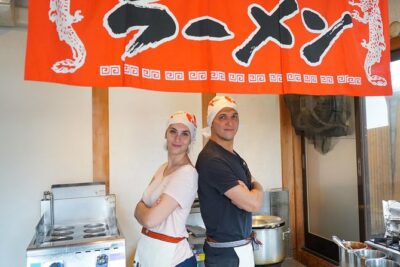
Ramen Cooking Class at Ramen Factory in Kyoto
Read our review →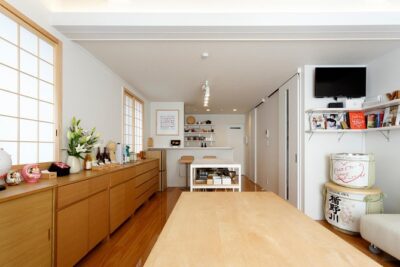
Ramen & Gyoza Cooking Class in Tokyo with Local Supermarket Visit
Read our review →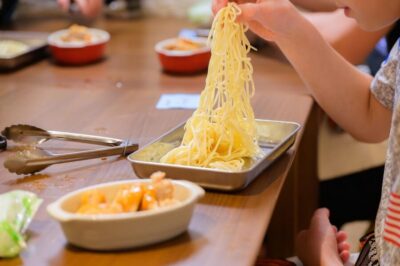
Ramen Cooking Class at a Ramen Factory with Souvenir
Read our review →
Sushi Making Osaka! Popular Sushi Class in Japan!
Read our review →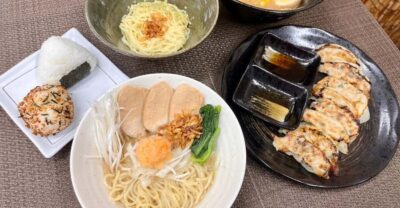
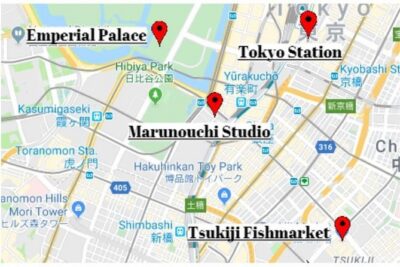
Tokyo Tsukiji Fish Market Tour and Sushi Making Lesson
Read our review →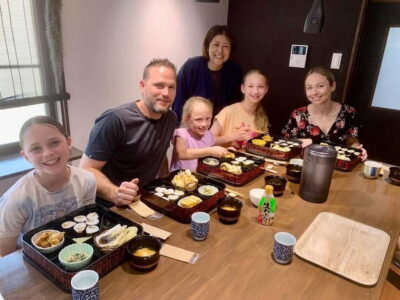
Japanese Washoku Bento Small Group Cooking Class
Read our review →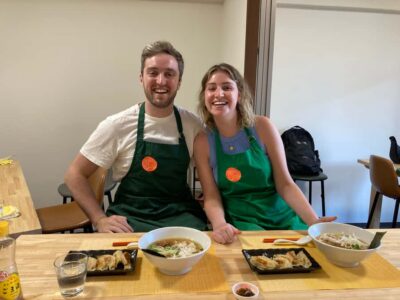
Lists this class appears in