
REVIEW · KYOTO, JAPAN
Izakaya Style Cooking Class
Small dishes, big flavor. This Kyoto class gives you a practical way to understand Japanese food beyond sushi and teriyaki, with hands-on instruction in dashi, sauces, seasonal ingredients, and casual izakaya cooking. I especially like the chance to take the recipes home and the friendly, well-organized teaching style praised by people who have taken the class. One thing to watch: the menu changes with the season, and sake offered with dinner may cost extra.
The three-hour session costs $71.63 per person and includes ingredients, an English-speaking instructor, an apron, and dinner. The group limit is eight, although one class was described as fairly large, so you should confirm the final group size if personal attention is your top concern.
What Makes This Kyoto Cooking Class Worth Your Afternoon
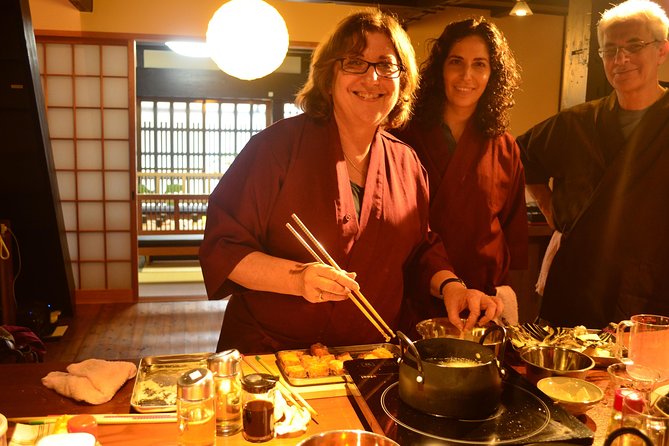
- You learn dashi from the ground up: Japanese soup stock is a building block for many dishes, sauces, and soups.
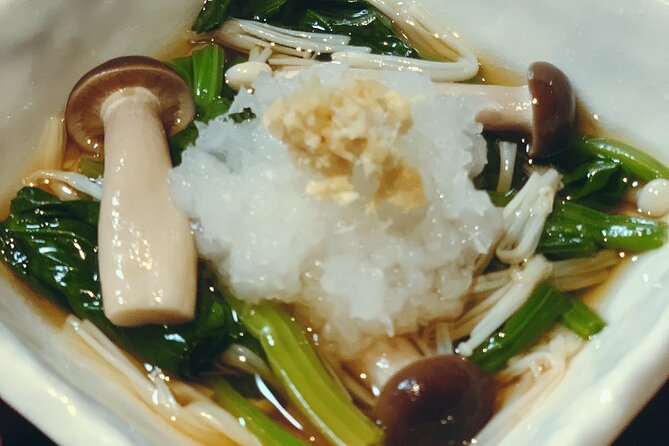
- The menu goes beyond familiar Japanese food: Possible dishes include sesame spinach, teriyaki yellowtail, vegetable chowder, mushroom tempura, and vegetable rice.
- You cook several dishes in one session: Some classes prepare six dishes, giving you a broad introduction rather than a lesson focused on one recipe.
- You eat what you prepare: Dinner comes after the cooking, so the class feels like a meal as well as a lesson.
- You receive recipes to use at home: The value continues after Kyoto, especially if you enjoy cooking for family and friends.
- The setting is a traditional wooden house: The class takes place at a Kyoto cooking studio, with the location supplied when you book.
Starting at 2pm in a Kyoto Cooking Studio
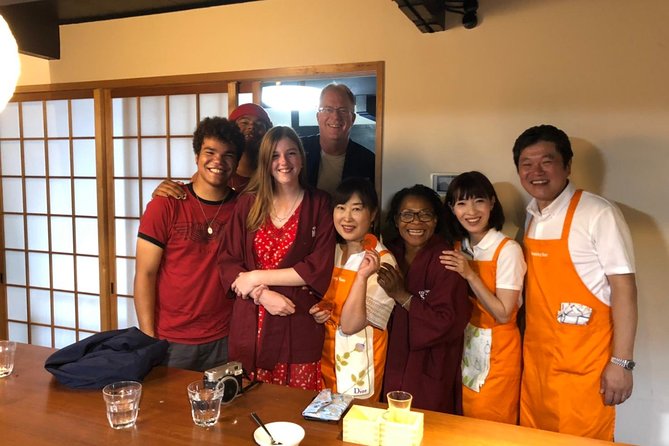
The experience begins at 2pm at Cooking Sun, listed at 679 Funayacho, Shimogyo Ward, Kyoto, 600-8466. The cooking studio is described as a traditional wooden house, which suits the subject better than a polished hotel kitchen would. You are not simply watching a chef perform in front of you. You are entering a working lesson built around Japanese home cooking.
The exact studio location is provided at booking, so check your confirmation before setting out. The activity begins and ends at the meeting point, with no hotel pickup or drop-off. Since the class starts in the afternoon and lasts about three hours, it fits neatly between morning sightseeing and an evening walk or meal in Kyoto.
The room is set up for practical work. Aprons are provided, and the ingredients are included. Several people praised the preparation and organization, noting that ingredients were ready to use and the instructors kept the work moving without making the class feel rushed.
That preparation matters. Japanese cooking can involve many small components, sauces, cuts, and garnishes. If every vegetable and seasoning had to be prepared from scratch, you would spend much of the afternoon waiting. Here, the staff handles some of the advance work so you can focus on techniques and flavor.
More Drinks Tours in Kyoto:
- Kyoto: Afternoon Japanese Izakaya Cooking Class
★ 4.9 · 241 reviews - Authentic Japanese Cooking Experience at Izakaya restaurant
★ 4.2 · 5 reviews - Ramen and Sushi Cooking Class with Sake Pairing Set in Tokyo
★ 5.0 · 291 reviews
Why Izakaya Food Is More Than Japanese Tapas
Izakaya is often compared with tapas because the meal usually involves several small dishes shared over drinks. That comparison helps, but it does not tell the whole story. An izakaya is also part of everyday Japanese social life, used for casual meals and small gatherings at a reasonable price.
The tradition is linked to sake shops in the Edo period. Shops that sold sake began serving food as a way to encourage people to stay and drink. Over time, that combination of modest dishes, shared plates, and sake became a familiar part of eating out in Japan.
The class uses this background to explain why the food is prepared in small portions and why several different flavors work well together. You are not only learning recipes. You are learning the logic of a Japanese meal: balance, seasonality, careful seasoning, and several dishes that complement each other.
That context is one of the class’s better features. You can find Japanese food all over Kyoto, but understanding how home-style dishes fit together helps you order with more confidence later. It also gives you a better chance of recognizing the role of dashi, sesame, soy-based sauces, and seasonal vegetables.
Learning Dashi and Japanese Seasoning
The lesson begins with ingredients and seasoning techniques. Dashi, the basic Japanese soup stock, receives special attention. This is important because dashi appears in many Japanese dishes, yet it is easy for a visitor to overlook. It gives soups and sauces a savory base without relying on heavy seasoning.
The instructor demonstrates how the stock is prepared, then explains how it is used in the dishes that follow. You can ask questions as you work, which is useful if you want to recreate the recipes later. Several people specifically valued the explanations of sauces, condiments, and Japanese cooking tools.
The class is designed for different skill levels. Beginners can follow the demonstrations and receive help with the knife work and preparation. More experienced cooks can pay closer attention to flavor combinations, equipment, and methods that may not appear in standard Western recipes.
The instruction is in English. That does not mean every cooking term will feel familiar, but it does make the class accessible to English-speaking visitors. The instructors are described as patient, funny, welcoming, and attentive, with Keiko and her team receiving particular praise for clear explanations and careful organization.
Cooking Six Dishes With Help Along the Way
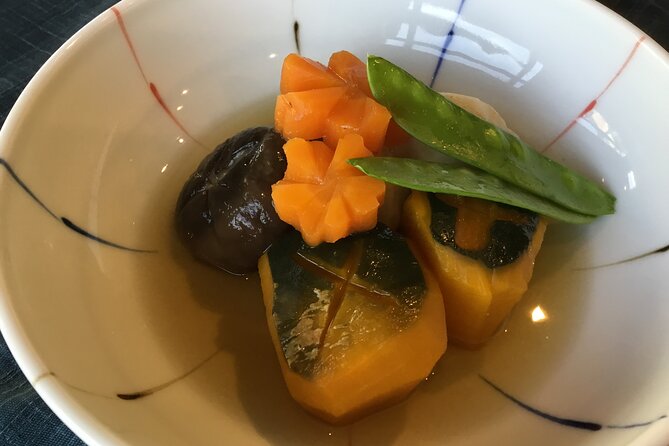
The menu changes according to seasonal ingredient availability, so you should not book expecting one fixed list of dishes. Possible examples include spinach with sesame sauce, teriyaki yellowtail, vegetable chowder, mushroom tempura, and rice with vegetables.
Several classes have prepared six dishes in total. Other examples mentioned include cucumber salad, pumpkin soup, pasta, and mochi dessert. The pasta is worth noting because one person preferred to learn a Japanese noodle dish instead. This is a minor but useful warning: the menu is Japanese-inspired and seasonal, but it may not always match your idea of a classic izakaya spread.
The variety is a major strength. Rather than spending three hours on one complicated dish, you sample several styles of cooking. You might work with soup, vegetables, seafood, fried food, rice, and dessert in one afternoon, depending on the menu.
The food is presented as healthy and approachable, and the recipes are not described as technically difficult. That makes the class a good choice if you want dishes you can realistically make again. You will not leave with a restaurant trick that requires rare equipment and a full professional kitchen.
The staff also helps maintain the pace. People praised the way the instructors delivered ingredients, cleaned work areas, answered questions, and moved the group from one recipe to the next. That support is especially useful when several dishes are cooking at once.
A few more cooking classes around Kyoto worth a look
- Ramen Cooking Class at Ramen Factory in Kyoto
★ 5.0 · 1,937 reviews - Kyoto: Ramen Cooking Class at a Ramen Factory with Souvenir
★ 4.9 · 532 reviews - Kyoto: Ramen, Gyoza, and Onigiri Cooking Class
★ 5.0 · 445 reviews - Kyoto: Japanese Washoku Bento Small Group Cooking Class
★ 5.0 · 380 reviews
Sitting Down for Dinner After the Lesson
When the cooking is finished, you sit down with the group and eat the food you made. This gives the class a clear payoff, and it lets you taste how the separate dishes work together as a meal.
Come hungry. One family with children reported eating a substantial amount of food, and several people described the meal as delicious and filling. The dinner is included in the price, along with the ingredients needed for cooking.
Drinks require a little care. One person accepted a glass of sake after being offered it and later learned that it cost 600 yen per glass. The charge itself was not the problem, but the price was not made clear at the time. My advice is simple: ask before accepting any sake or other drink not clearly included.
This is also a social part of the experience. You cook and eat with the other people in the group, which can make the afternoon more enjoyable if you like meeting visitors from different countries. If you prefer a private lesson or a quiet meal, the shared format may feel less suitable.
Group Size, Teaching Style, and Personal Attention
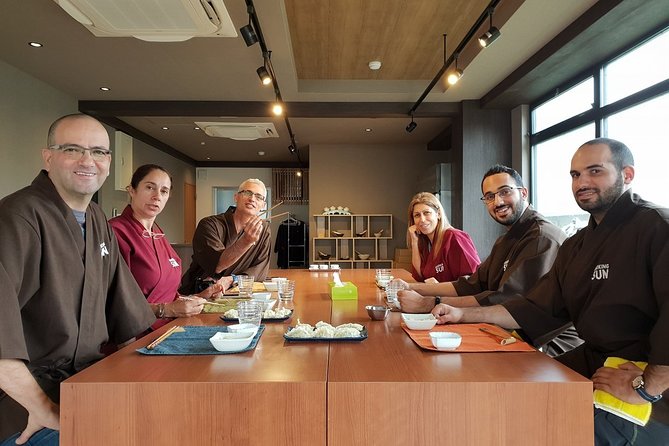
The maximum is eight people per booking, and the activity also lists a maximum of eight participants. That is small enough for a hands-on class, though the actual experience can depend on the group size and instructor team.
The strongest praise centers on the teachers. People repeatedly described the staff as organized, patient, encouraging, and easy to communicate with. The instructors work together, helping with ingredients, answering questions, and keeping the kitchen tidy.
One class included four people, including children aged 10 and 12, and the entire group was able to follow the instruction. Another family appreciated that vegetarian needs were handled without fuss. People with allergies also reported that the staff accommodated them well.
You should still provide all dietary requirements when booking. The class can adjust to some needs, but you should not assume that every menu will suit every diet. The menu changes with available ingredients, and clear advance notice gives the cooking team time to prepare.
The class can suit children, families, beginners, and experienced cooks. It is also a good way to meet people without giving up an entire day. The afternoon schedule leaves room for sightseeing before or after, while the shared dinner adds a relaxed end to the lesson.
What You Take Home Besides Dinner
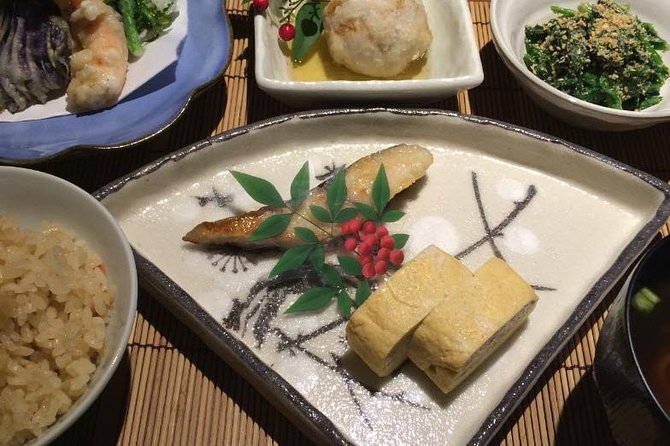
The recipes are one of the most useful parts of the experience. Many cooking classes are enjoyable in the moment but hard to repeat because the instructions are vague or the ingredients are difficult to identify. Here, the goal is to give you recipes you can prepare for friends and family at home.
The lesson also gives you a better understanding of Japanese ingredients and tools. People valued learning how different condiments work, how Japanese equipment is used, and how to build flavor through stock and seasoning.
I would pay attention to the details that make the recipes practical. Ask the instructor which ingredients have easy substitutes, where to find them at home, and how to adjust the dishes if you cannot buy the exact Japanese product. The class is a good place to ask these questions because the instructor can explain the intended flavor while you are still working with the ingredients.
You can also ask for Kyoto tips after the class. The experience specifically encourages questions about recommendations for the rest of your visit. That makes the final part of the afternoon useful for planning a meal, neighborhood walk, or other activity.
Price, Timing, and Overall Value
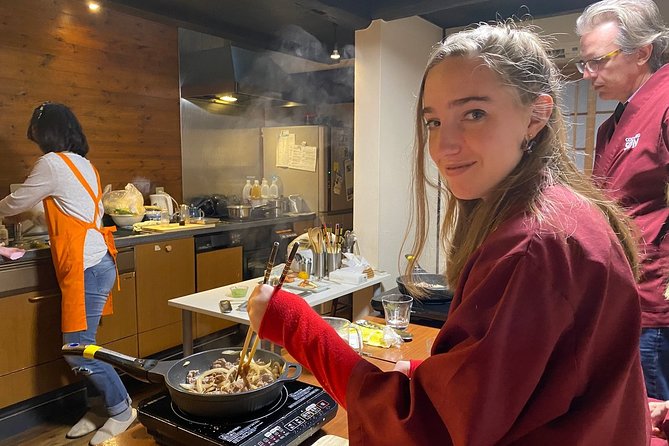
At $71.63 per person, this is not the cheapest meal in Kyoto, but it includes about three hours of instruction, all cooking ingredients, an apron, and dinner. You are paying for a meal plus a hands-on cultural activity and recipes you can reuse.
The value is strongest if you want to cook. If you only want to taste Japanese food, a casual izakaya meal will cost less and give you a wider restaurant menu. If you want to understand how the food is made, ask questions, and prepare several dishes yourself, the class earns its price.
The 99 percent recommendation rate and 4.9 rating from 219 ratings suggest a very dependable experience, though no class is perfect for everyone. The changing menu means you may receive dishes you love, or you may get a pasta course when you hoped for noodles. The group format also means the level of personal attention depends partly on the number of people present.
Free cancellation is available up to 24 hours before the 2pm start time. Inside that window, the payment is not refunded, and changes are not accepted. Keep the local Kyoto cut-off time in mind when making plans.
Who Should Book This Cooking Sun Class?
I would recommend it to anyone who wants a practical introduction to Japanese home cooking rather than a restaurant meal with a story attached. It is especially suited to beginners, families, curious cooks, and people who enjoy taking recipes home.
It is also a strong choice if your trip needs an activity that works in any weather. The class takes place indoors, lasts about three hours, and combines instruction, food, and conversation.
You may want to skip it if you need a strictly fixed menu, a private class, or a completely alcohol-free experience unless you confirm those details in advance. People with allergies and dietary restrictions should give clear notice when booking, even though several participants received helpful accommodations.
Should You Book This Kyoto Izakaya Class?
Yes, if you want to do more than photograph Japanese food. The class teaches the basics of dashi, seasoning, sauces, and several home-style dishes, then lets you eat the results. The staff’s organization and friendly teaching receive consistent praise, and the recipes give the experience a useful life after your trip.
Book it with two small cautions. Confirm the studio details before you go, and ask the price of any drink offered during dinner. Also remember that the seasonal menu can change. If you accept those limits, this is a well-priced, hands-on way to spend an afternoon in Kyoto.
FAQ
Where does the izakaya cooking class take place?
The listed meeting point is Cooking Sun, 679 Funayacho, Shimogyo Ward, Kyoto, 600-8466, Japan. The exact cooking studio location is provided when you book.
What time does the class start?
The class starts at 2pm local time.
How long does the experience last?
The cooking class lasts approximately three hours.
What is included in the price?
The price includes dinner, all ingredients for cooking, an English-speaking cooking instructor, and an apron.
Is hotel pickup included?
No. Hotel pickup and drop-off are not included. The activity begins and ends at the meeting point.
How many people can join?
The maximum is eight people per booking, and the activity lists a maximum of eight participants.
Is the class taught in English?
Yes. An English-speaking cooking instructor leads the class.
What dishes will you cook?
The menu varies with seasonal ingredient availability. Possible dishes include spinach with sesame sauce, teriyaki yellowtail, vegetable chowder, mushroom tempura, and rice with vegetables. Some classes prepare six dishes.
Can you share dietary requirements?
Yes. You should advise the operator of specific dietary requirements when booking. The class information also states that service animals are allowed.
Can you cancel for a full refund?
Yes, if you cancel at least 24 hours before the experience start time. Cancellations made less than 24 hours before the start time are not refunded, and changes inside that period are not accepted.
Just added around Kyoto
- Kyoto Udon & Tempura Cooking Class with Professional Chefs★ 3.8 · 3 reviews
- Kyoto: Morning Japanese Bento Cooking Class★ 5.0 · 149 reviews
- Kyoto: Wagashi (Japanese sweets) Cooking near Fushimiinari★ 5.0 · 40 reviews
- Kyoto Home Cooking Class &Supermarket tour near Fushimiinari★ 5.0 · 31 reviews
- Kyoto: Cooking class, learning how to make authentic sushi★ 4.2 · 9 reviews
- Kyoto: Authentic Sushi Making Cooking Lesson★ 5.0 · 103 reviews
- Authentic Japanese Cooking Experience at Izakaya restaurant★ 4.2 · 5 reviews
- Gyoza Cooking Class in Kyoto: Traditional Japanese Dumplings★ 5.0 · 12 reviews
Cooking Classes, compared.
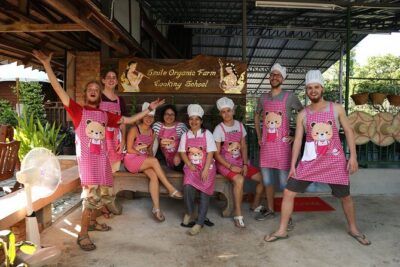
Half-Day Thai Cooking Class at Organic Farm in Chiang Mai
Read our review →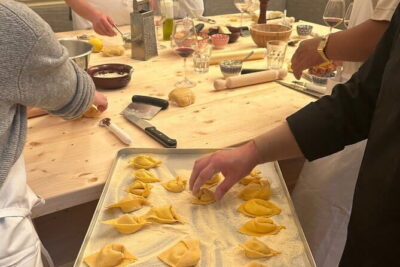
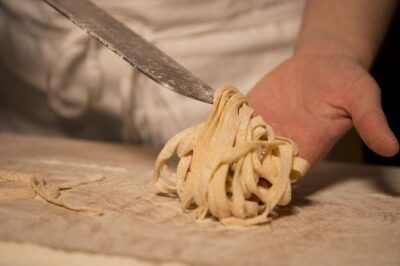
3 in 1 Cooking Class near Navona: Fettuccine, Ravioli & Tiramisu
Read our review →
Pasta & Tiramisu Cooking Class with Unlimited Wine
Read our review →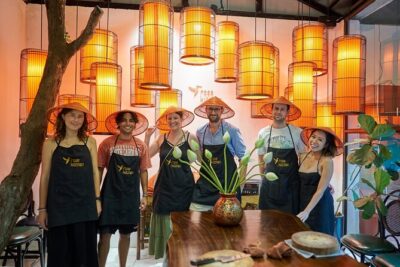
Hanoi Cooking Class: Culture, Local Market & Meaning CSR Impact
Read our review →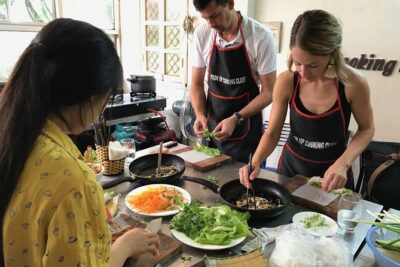
5 Traditional Dishes Hanoi Cooking Class with Market Trip
Read our review →
Cooking Class and Lunch at a Tuscan Farmhouse with Local Market Tour from Florence
Read our review →
Cooking Class, Market & Thai Herbs Garden Tour
Read our review →Lists this class appears in