
REVIEW · WESTERN CAPE, SOUTH AFRICA
Cape Town: Malay Cooking Class and Lunch in Bo-Kaap
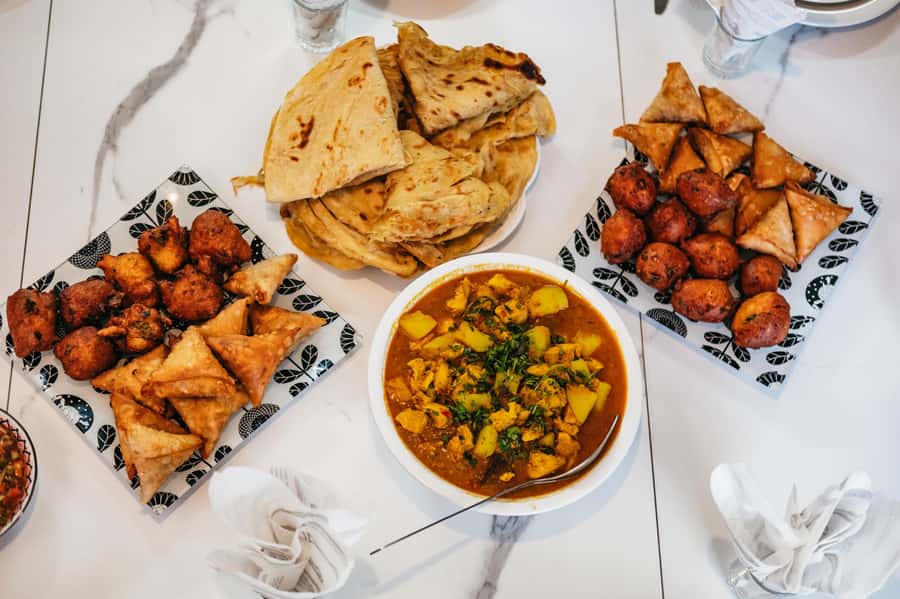
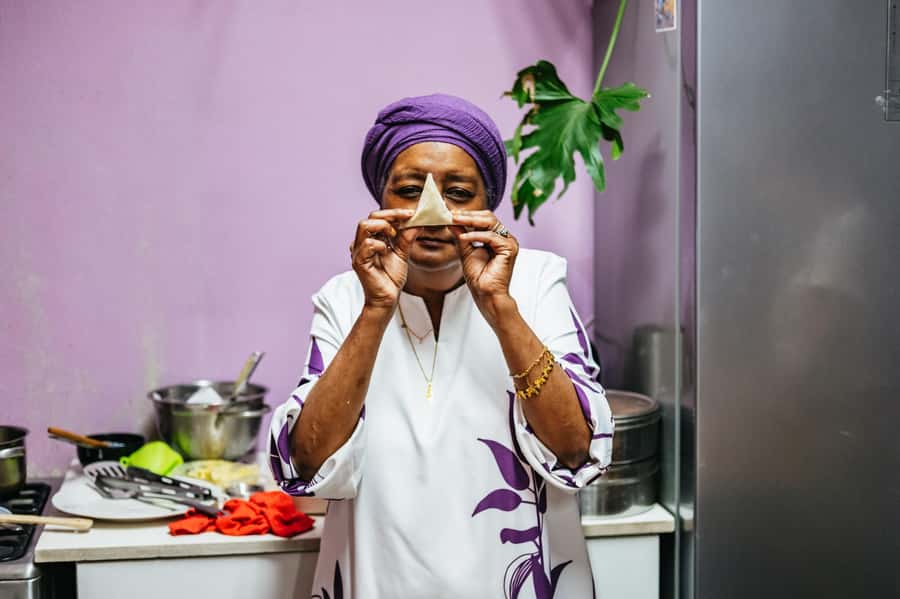
Bo-Kaap puts its story on your plate. This 150-minute class brings you into a local home to cook Cape Malay food with Faldela, a warm and funny teacher who explains the spices, traditions, and personal stories behind each dish. I like the genuine home setting and the way the class ends with a generous lunch you helped prepare. The colorful houses on Wale Street add a memorable Cape Town setting before the cooking even begins.
The main consideration is that this is a social class, not a private chef lesson. A large group can mean less individual cooking time, and one early arrival had to wait outside before the start. Still, the relaxed format, shared meal, and strong value make this one of the more personal food experiences in Cape Town.
Key points at a glance
- Cook in Bo-Kaap: The class takes place in a local home near the colorful houses of Wale Street.
- Learn Cape Malay cooking: You may prepare curries, stews, roasts, rotis, samosas, salads, juice, and dessert.
- Meet Faldela: Her humor, family stories, and practical spice advice are central to the experience.
- Eat what you make: Ingredients, equipment, lunch, and soft drinks are included in the $49 price.
- Bring an appetite: The food is served as a full shared meal, and portions appear generous.
- Plan for a group setting: It is interactive and welcoming, but individual cooking time may vary.
Why Bo-Kaap makes the class special
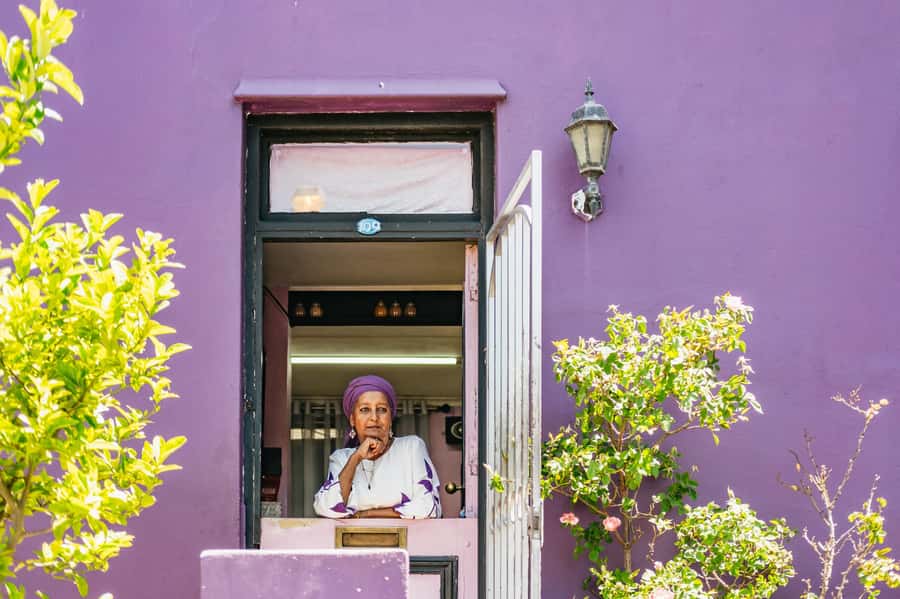
Bo-Kaap is more than a photogenic row of brightly painted houses. The neighborhood climbs the lower slopes of Signal Hill and is closely linked with Cape Town’s Cape Malay community. Meeting at 109 Wale Street places you right in the area rather than in a hotel kitchen or a cooking school designed mainly for tourists.
The colors are part of the appeal. Hot pink, burnt orange, and other bold shades make the streets easy to recognize, and you have a chance to take photographs before or around the class. I would allow a little time to look around the meeting area, but keep the cooking appointment in mind and do not treat the class as an open-ended neighborhood tour.
The food tells an even bigger story. Cape Malay cooking developed through the meeting of African traditions with the cooking of Malaysian and Indonesian people brought to the Cape by the Dutch in the 17th and 18th centuries. That history is not presented as a dry lecture. It comes through in the ingredients, the cooking methods, and Faldela’s stories about local life and heritage.
More Lunch Trips in South Africa:
- Cooking Class and Lunch at a Tuscan Farmhouse with Local Market Tour from Florence
★ 5.0 · 4,831 reviews - Paris Cooking Class and Lunch with Wine plus Market Visit Option
★ 5.0 · 1,024 reviews - Austrian Apple Strudel Cooking Class including Lunch in Salzburg
★ 5.0 · 929 reviews
Meeting Faldela at 109 Wale Street
The class begins at 109 Wale Street in Schotsche Kloof, Cape Town. From there, you meet your chef instructor and enter the home where the cooking takes place. The home setting is important because it changes the tone from a formal demonstration to a shared afternoon in someone’s kitchen.
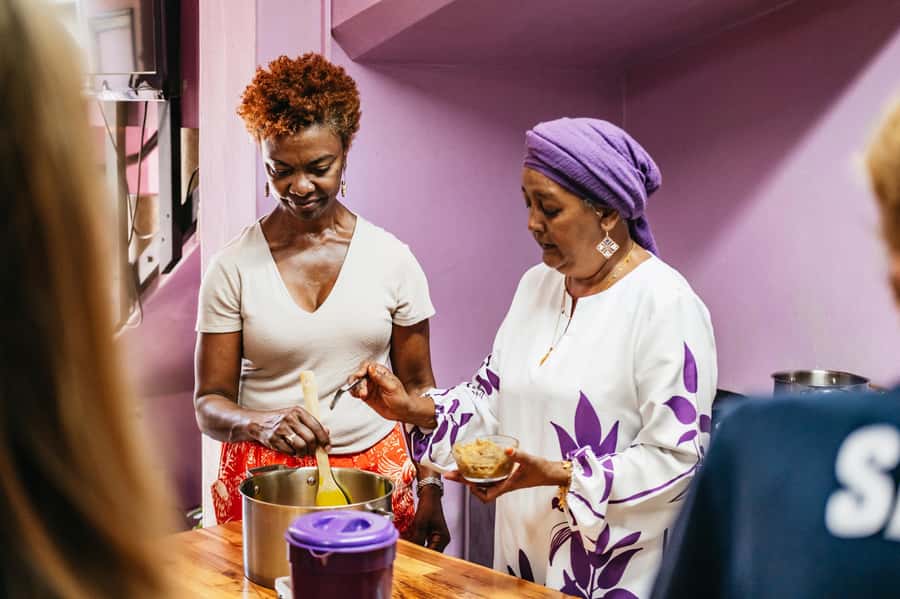
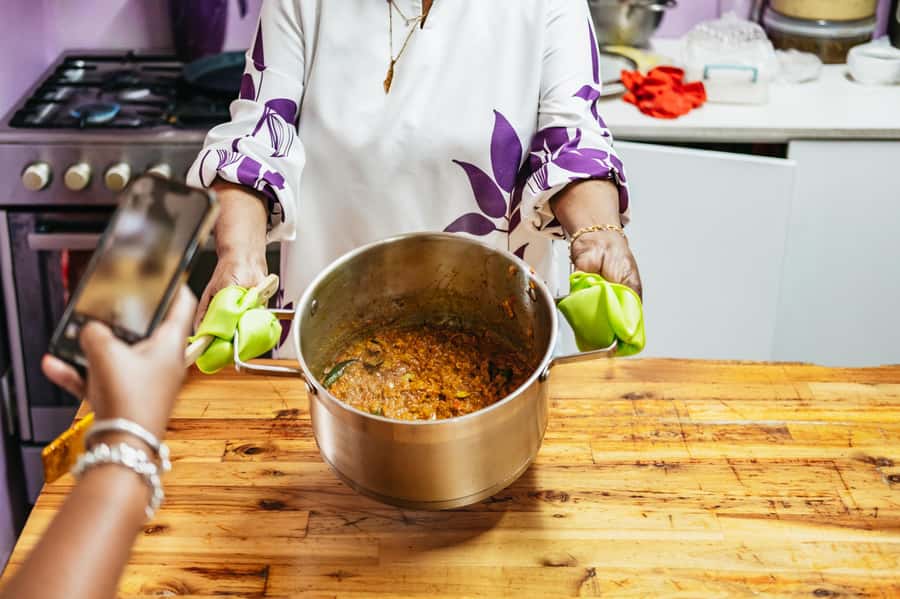
Faldela receives especially strong praise for her humor and warmth. She remembers names, asks about where people come from, and uses personal stories to explain the food. Her daughter and sister may also help with the class, adding to the family feel described by people who took part.
This is a good choice if you are traveling alone. The shared cooking naturally gives you a way to meet people from different countries and age groups without needing to force conversation. Couples and friends will also find it easy to join in, since the format encourages everyone to work together.
One practical point is timing. Arriving 30 minutes early may leave you waiting outside, so I would aim to reach 109 Wale Street close to the scheduled start rather than far ahead of it. Transportation is not included, so you need to arrange your own way to the meeting point.
Spices, stories, and the Cape Malay kitchen
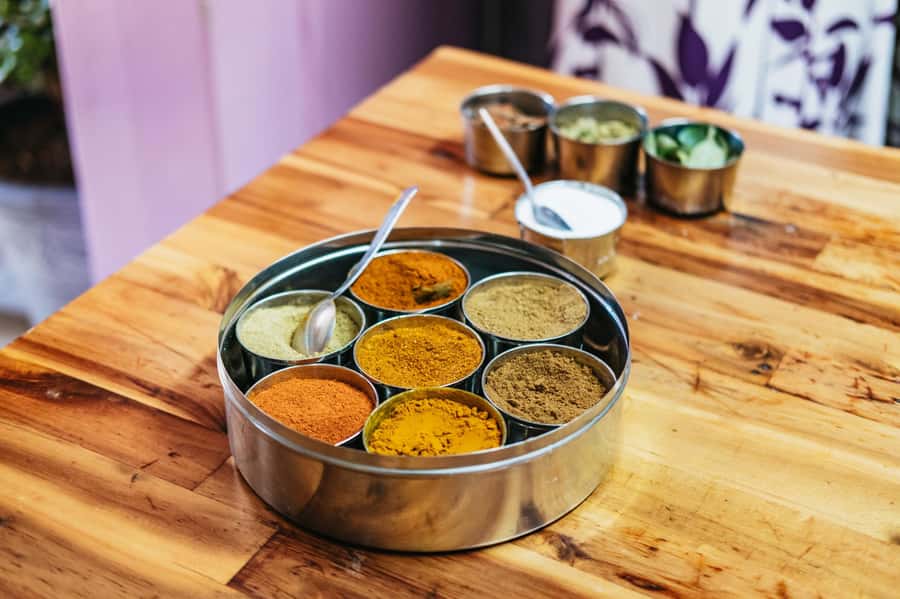
The cooking lesson focuses on the techniques and ingredients that give Cape Malay food its particular character. You might work with ginger, fennel, star anise, tamarind, and turmeric, the spice that gives many dishes their warm color and aroma.
Faldela does more than tell you which ingredient goes into the pot. She explains why spices are used and discusses their possible health and medicinal benefits. That extra context makes the class more useful for anyone who wants to cook the food again at home, rather than simply enjoy a meal for one afternoon.
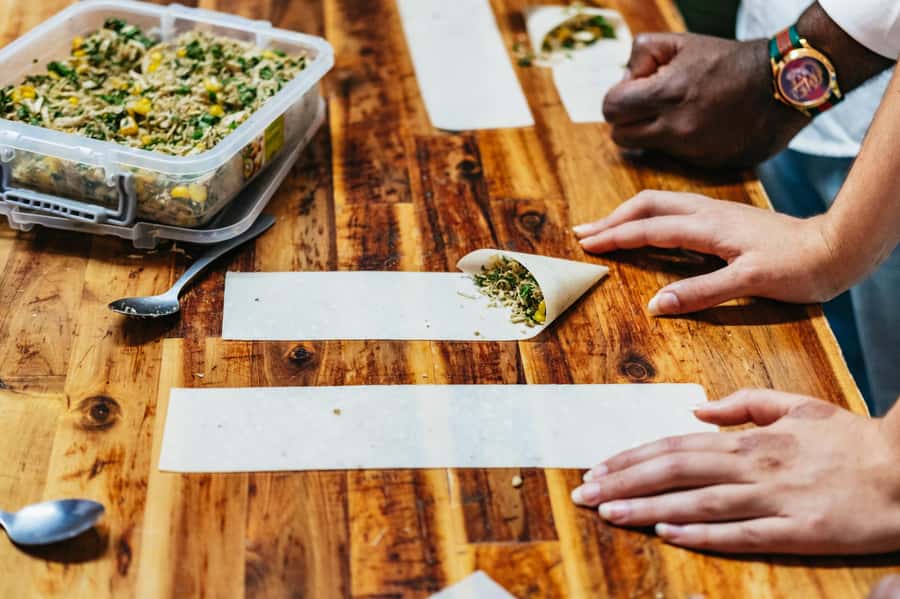
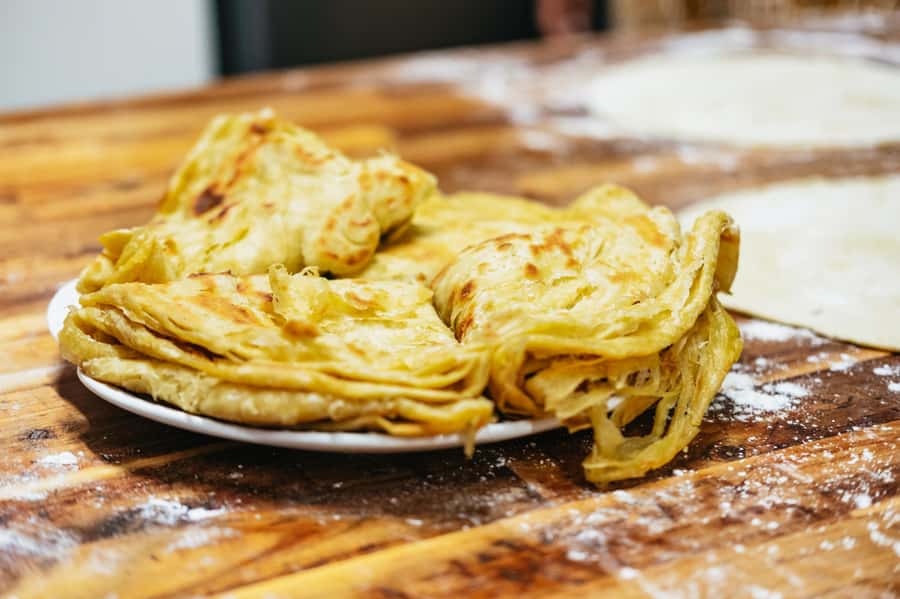
The menu can include sauce-heavy curries, stews, roasts, rotis, samosas, salads, juice, and dessert. The exact dishes may vary, so you should not book expecting one fixed menu unless the operator confirms it beforehand. The supplied examples suggest a broad meal rather than a single recipe.
The class is designed for beginners. You do not need cooking experience, and the tone is described as relaxed rather than demanding. Faldela’s humor helps keep the lesson light, while her step-by-step explanations give you enough guidance to follow along.
If you have dietary requirements, mention them when booking or before the class. Faldela has accommodated dietary needs with ease according to the supplied feedback, but advance notice is still the sensible approach.
What you actually do during the 150 minutes
The full activity lasts two and a half hours, including the cooking and lunch. That gives enough time for instruction, preparation, conversation, and sitting down to eat without turning the experience into an all-day commitment.
At the start, you get oriented to the kitchen and the food. The instructor introduces the ingredients and explains the role of the spices. This is where you begin to understand that Cape Malay cooking is not simply about making something hot. Sweet, sour, aromatic, and savory flavors work together.
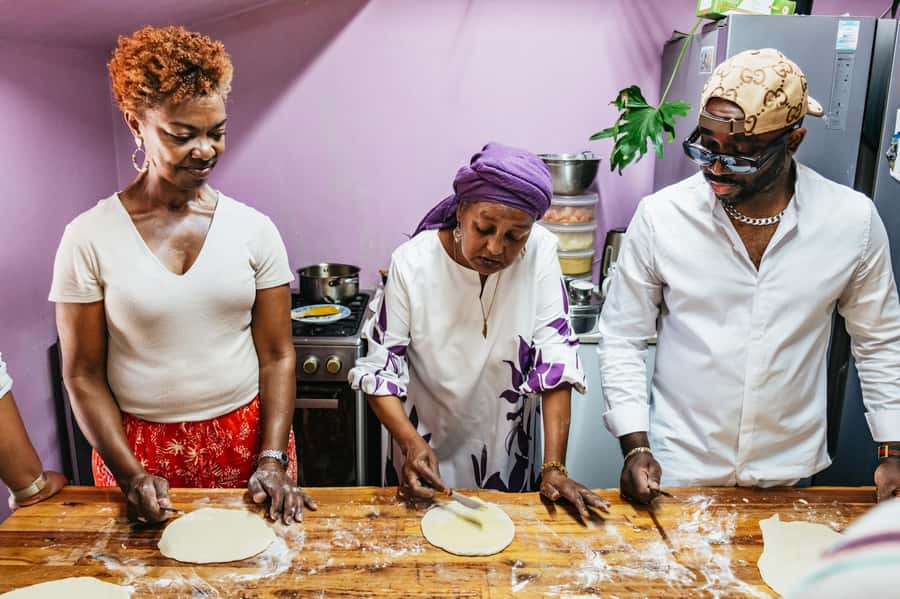
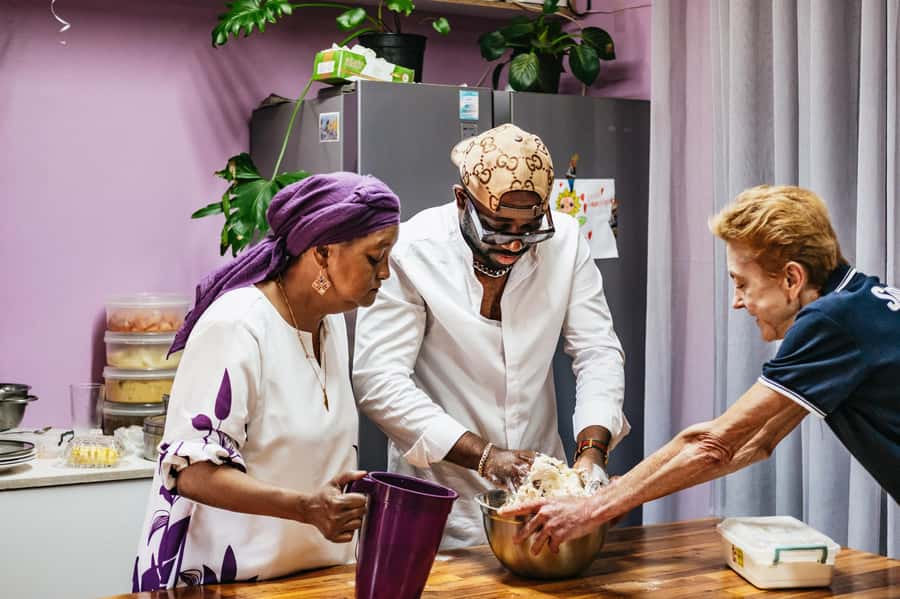
Next comes the hands-on preparation. You might help shape rotis, prepare samosas, build a curry, or work on accompanying dishes. The level of individual involvement depends on the size of the group. One person described a large group with less individual cooking, while other feedback points to an interactive class where everyone took part.
That difference matters. If you want a private lesson where you personally prepare every stage of every dish, this may not be the right format. If you prefer a friendly group activity with plenty of explanation and a chance to try several tasks, the class should suit you well.
The final stage is the meal. You sit down with the people from the class and eat the food prepared together, with soft drinks included. The shared table is not an afterthought. It is the point where the class becomes a social experience, with conversation continuing after the burners and chopping boards are no longer the focus.
A few more cooking classes around South Africa worth a look
- Authentic African Cuisine Cooking Experience
★ 5.0 · 236 reviews - Cape Town: Cape Malay Cooking Class in Bo-Kaap
★ 4.8 · 120 reviews - Cape Town: Bo-Kapp Walking Tour and Malay Cooking Class
★ 4.7 · 105 reviews - Cape Town: Authentic African Cuisine Cooking Experience
★ 4.9 · 31 reviews
The lunch is the payoff
The lunch receives some of the strongest praise. The food is often described as delicious, abundant, and better than similar dishes found at markets or restaurants. That is partly because you have seen the work behind it, but the cooking itself also seems to be a major strength.
The meal may include more than the main curry or stew. Salads, juice, dessert, rotis, and samosas have all been part of the experience described in the supplied details. You should come hungry, since the class is built around eating a substantial meal rather than sampling a few small bites.
I also like that recipes may be shared after the class. This gives the $49 price value beyond the afternoon itself. You leave with a way to attempt the dishes at home, even if your first curry does not quite match Faldela’s.
The recipe point is worth clarifying before you leave. One person specifically wished for the recipes, while several others said recipes were provided afterward. If taking home the instructions is important to you, ask about them during the class so there is no confusion.
Is $49 good value?
At $49 per person, this is a fair price for a 150-minute activity that includes the cooking class, ingredients, equipment, chef instruction, lunch, and soft drinks. You are not paying only for a meal. You are also paying for time in a local home, cultural explanation, hands-on preparation, and the chance to learn recipes you can use later.
The value is strongest if you want several parts of a Cape Town experience in one outing. You see Bo-Kaap, learn about Cape Malay food and heritage, meet a local host, cook, and eat. A restaurant meal might cost less, but it would not include the instruction or the personal connection.
It is less suitable if your main aim is sightseeing. The class begins and ends at 109 Wale Street, but the scheduled neighborhood element is limited. You see the area around the home and can photograph the colorful houses, yet this is primarily a food experience.
The reserve-now-and-pay-later option can help if you are still arranging your Cape Town schedule. Free cancellation is available up to 24 hours before the activity for a full refund. Those terms are useful, but I would still check the available start time before booking because the duration and meeting point need to fit your day.
Who will enjoy this Cape Town activity?
I would recommend it most strongly to people who want contact with local life without signing up for a long tour. The class offers a personal setting, but it remains easy to fit into a busy Cape Town itinerary.
It suits:
- First-time visitors who want more than landmarks and photographs
- Solo visitors who enjoy meeting people over food
- Couples and friends looking for a relaxed shared activity
- Beginners who want clear guidance rather than a demanding culinary course
- Anyone interested in spices, family recipes, and Cape Malay culture
- People who enjoy eating a full lunch after a hands-on activity
Families may also enjoy the class, though the information provided does not set a specific minimum age. If you are booking for children, confirm age requirements and the level of participation before paying.
The experience is wheelchair accessible, which makes it more useful for people who need step-free access. Since the activity takes place in a private home, it is still sensible to confirm any specific mobility needs in advance.
Small drawbacks to consider
The class is not perfect for every style of visitor. Group size can affect how much you personally cook. In a large group, you may spend more time watching, stirring, tasting, and talking than handling every ingredient yourself.
The class also has a firm social character. If you dislike group meals or prefer quiet sightseeing, two and a half hours in a home kitchen may feel long. The humor and conversation are a major part of the appeal, so the best fit is someone comfortable with a friendly, shared atmosphere.
Alcohol is not included and is not allowed, along with smoking, pets, and drugs. Soft drinks are provided, so you do not need to purchase a beverage for lunch.
There is no included transportation. You are responsible for getting to 109 Wale Street and returning afterward. Since the meeting point is specific, check your route and allow enough time to arrive close to the starting time.
How this fits into a Cape Town itinerary
The class works well on a day when you want a break from major sights. It gives you a different view of Cape Town through food and community, rather than another lookout, museum, or bus route.
You can pair it with time around Bo-Kaap, especially if you want photographs of the painted houses and a short walk around the lower Signal Hill area. Keep your schedule flexible enough to enjoy the meal afterward. Rushing away immediately would miss much of the conversation that makes the home setting worthwhile.
The 150-minute length is also practical. It is long enough to feel substantial, but short enough to combine with another activity later in the day. I would avoid scheduling something that begins immediately afterward, since cooking times and the shared lunch are the core of the experience.
Should you book the Bo-Kaap cooking class?
Yes, if you want an affordable, personal way to learn about Cape Town through food. The best reasons to book are Faldela’s welcoming teaching style, the home setting, the chance to cook with fragrant Cape Malay spices, and the full lunch included in the price.
Think twice if you want a private lesson, a fixed menu, or a detailed walking tour of Bo-Kaap. The group format means your hands-on time can vary, and the neighborhood visit is secondary to the cooking.
For most visitors, I would consider this a strong choice. At $49, you get a meal, a lesson, a local host, cultural context, and recipes to try at home. Come close to the start time, bring an appetite, mention dietary needs ahead of time, and leave room in your day for an unhurried meal.
FAQ
Where does the cooking class meet?
The meeting point is 109 Wale Street, Schotsche Kloof, Cape Town. The class also returns to 109 Wale Street.
How long does the experience last?
The activity lasts 150 minutes, or two and a half hours, including the cooking class and lunch.
What is included in the $49 price?
The price includes the cooking class, ingredients, equipment, chef instructor, lunch, and soft drinks.
Do I need cooking experience?
No. The class is suitable for beginners, and the instruction is presented in a relaxed, supportive way.
What food might I learn to prepare?
The dishes may include stews, roasts, sauce-heavy curries, rotis, samosas, salads, juice, and dessert. The exact menu may vary.
Is the class wheelchair accessible?
Yes, the activity is listed as wheelchair accessible.
Can I cancel the booking?
You can cancel up to 24 hours in advance for a full refund. A reserve-now-and-pay-later option is also available.
Just added around South Africa
- Private Cape Malay Cooking Class in Cape Town with a Local Family★ 5.0 · 24 reviews
- Langa Township and Bokaap Cooking Class Half Day Tour★ 5.0 · 4 reviews
- South African Cooking in Cape Town with Local Chef Richard★ 4.5 · 10 reviews
- Cape Town Shore Excursion| South African Cooking & Port Transfers★ 5.0 · 3 reviews
- Private Authentic Cape Malay Cooking Class in Manenberg with Locals★ 5.0 · 5 reviews
- South African Cooking Class in Cape Town with a Local Family★ 5.0 · 2 reviews
- Cape Malay/Creole Cooking Class and Local Shopping in Salt River★ 5.0 · 2 reviews
- Johannesburg: Pan-African Cooking & Dinning Experience★ 4.5 · 6 reviews
Cooking Classes, compared.
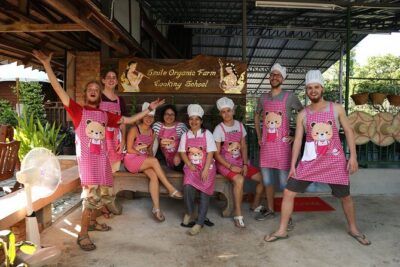
Half-Day Thai Cooking Class at Organic Farm in Chiang Mai
Read our review →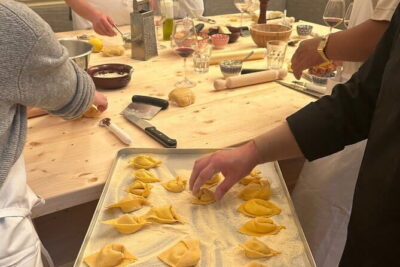
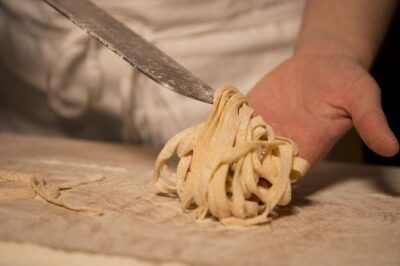
3 in 1 Cooking Class near Navona: Fettuccine, Ravioli & Tiramisu
Read our review →
Pasta & Tiramisu Cooking Class with Unlimited Wine
Read our review →
Hanoi Cooking Class: Culture, Local Market & Meaning CSR Impact
Read our review →
5 Traditional Dishes Hanoi Cooking Class with Market Trip
Read our review →
Cooking Class and Lunch at a Tuscan Farmhouse with Local Market Tour from Florence
Read our review →
Cooking Class, Market & Thai Herbs Garden Tour
Read our review →Lists this class appears in