
REVIEW · WESTERN CAPE, SOUTH AFRICA
Cape Town: Cape Malay Cooking Class in Bo-Kaap
Come hungry, leave with a story. This two-hour class brings you into a Bo-Kaap family home to cook a three-course Cape Malay meal with a local host. I like the hands-on work with spices, samosas, chilli bites, flatbread, and curry, and I like that the meal comes with a personal lesson about Cape Malay culture and family life. It is more than a restaurant lunch, but it still ends with one.
The main thing to know is that this is a shared cooking class, not a private kitchen station for every person. Some dishes, including dessert, may be prepared ahead of time, and one dining area involves steep stairs, which can be difficult if you have a back or mobility problem.
Key points before you book
- Cook in a Bo-Kaap family home: The setting gives the class a personal feel that a commercial kitchen cannot match.
- Learn through real participation: You help prepare dishes rather than simply watching a demonstration.
- Expect Cape Malay comfort food: Common class dishes include samosas, chilli bites, roti or flatbread, and a chicken or beef curry.
- The meal is part of the lesson: After cooking, you sit down with your host for lunch, soft drinks, and conversation.
- Budget $52 per person: That covers the class, meal, and soft drinks, but not transportation.
- Allow for shared work and stairs: The class is communal, and the dining space may require walking down steep stairs.
Why Bo-Kaap makes the cooking class special
Bo-Kaap is one of Cape Town’s best places to connect food with community. The class takes place in the historic neighborhood, inside the home of a local resident. That setting matters. You are not just hearing that Cape Malay food is tied to family and tradition. You are sitting at the family table after preparing it.
Your host also shares a first-hand account of Bo-Kaap and Malay culture. The talk may cover family customs, the local community, ingredients, cooking tools, and the ways recipes are passed down. I like this approach because the food does not arrive without context. You learn why the meal matters to the people who make it.
The experience provider is Cape Malay Cook Up, and several hosts have led sessions over time. Names appearing in the feedback include Shafeeqah, Jacinda, Jasmina, Fuad, and others. The hosts are repeatedly praised for warmth, patience, and clear instruction. English and Afrikaans are spoken.
A few more cooking classes around South Africa worth a look
- Cape Town: Malay Cooking Class and Lunch in Bo-Kaap
★ 4.8 · 515 reviews - Authentic African Cuisine Cooking Experience
★ 5.0 · 236 reviews - Cape Town: Bo-Kapp Walking Tour and Malay Cooking Class
★ 4.7 · 105 reviews
Two hours of cooking, step by step
The class begins when you meet your host at the Bo-Kaap home. The tone is informal and social. You are welcomed into the kitchen, introduced to the ingredients, and shown how the class will work.
Do not expect a formal cooking school with individual workstations and a chef barking timed instructions. One helpful description of the format is that the whole class works together on the starters and main course. You might chop, mix, fold, shape, stir, or help prepare a shared dish while the host keeps the work moving.
That arrangement has a clear benefit: you can talk with the other people in the class while learning. It also means you may not personally complete every part of every recipe. If you want to practice each dish from start to finish, this format may feel less thorough than a private lesson.
Starters: samosas and chilli bites
The starter course is where the class becomes especially practical. Samosas are a popular example, and you may learn how to fold them so the filling stays inside during cooking. That small technique is exactly the sort of useful kitchen tip that can turn a good class into one you remember.
Chilli bites are another dish associated with the sessions. The work is manageable for mixed-age and mixed-skill groups, including teenagers. You are encouraged to take part instead of standing back while the host does everything.
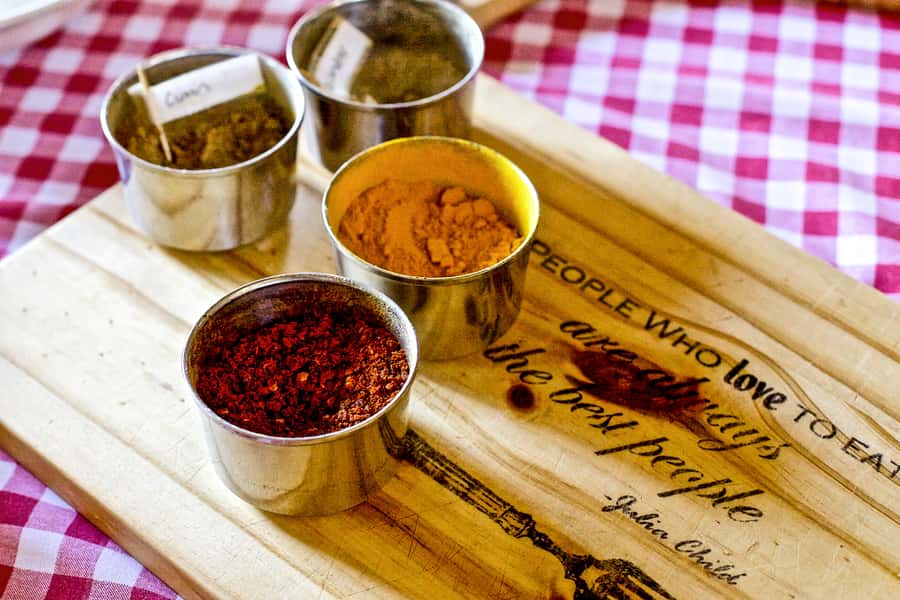
The ingredients are authentic, and the host explains how spices are used. You may also hear where certain ingredients can be bought in Cape Town. That is valuable if you want to repeat the meal at home rather than leave the recipes behind with your holiday photos.
Flatbread and roti
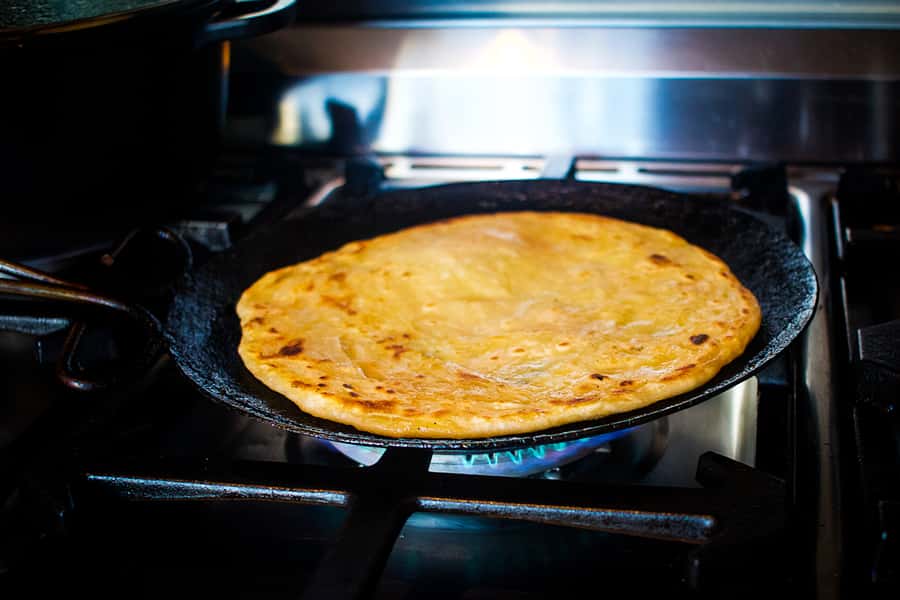
The class may also include flatbread or roti. Making bread adds a hands-on part to the meal, since you work with dough and learn how it is handled before cooking.
The exact tasks can vary depending on the class, but the point is the same: you take part in the preparation, then eat what you helped make. That connection makes the meal feel more satisfying than ordering the same food from a menu.
Same place, a different thing to cook:
- Cape Town: Authentic African Cuisine Cooking Experience
★ 4.9 · 31 reviews - Private Cape Malay Cooking Class in Cape Town with a Local Family
★ 5.0 · 24 reviews - GQ: City Walking Tour & African Cuisine Cooking Class
★ 4.6 · 11 reviews - South African Cooking in Cape Town with Local Chef Richard
★ 4.5 · 10 reviews
Curry and the main course
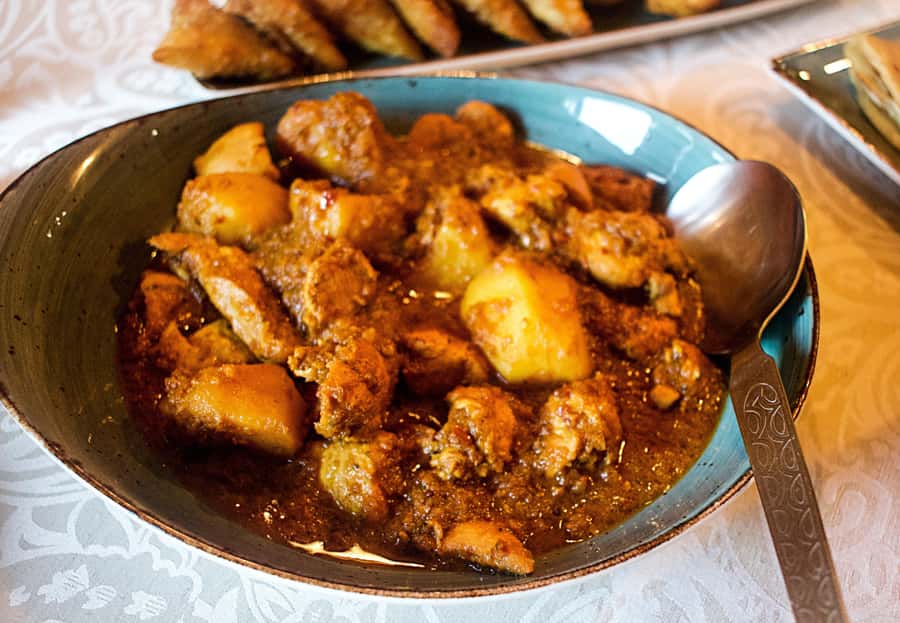
The main dish is a Cape Malay curry, with chicken or beef appearing in the available examples. The class focuses on the spices, methods, and ingredients that give Cape Malay cooking its character.
This is not presented as a fiery eating challenge. The emphasis is on building flavor and understanding how the ingredients work together. Your host explains the process while the group prepares the dish, then the curry is served as part of the final meal.
I appreciate that the cooking lesson is tied to the everyday food of the host and family. You are not being shown a theatrical version of local cooking for entertainment. You are learning how familiar dishes are prepared in a home setting.
The meal afterward is the real payoff
Once the food is ready, you sit down with your host and the rest of the class. Lunch and soft drinks are included in the price. The meal usually includes the dishes prepared during the session, such as a starter, bread, and curry.
The dining portion gives the class its social heart. Conversation can turn to family, local traditions, community life, and the story of Cape Malay food. Several hosts are praised for making people feel at home, and that warmth is a major reason this experience receives such strong marks.
One important detail: dessert may be prepared before the class rather than made with the group. A description of the format makes clear that the starters and main course receive the hands-on attention, while dessert is ready ahead of time. That is not a deal breaker, but you should book this for the cooking and conversation, not for a full pastry lesson.
What Cape Malay cooking adds to the meal
Cape Malay cooking reflects the history and culture of the Cape Malay community. In this class, you learn through spices, family recipes, and the way dishes are prepared together.
The lesson is not just a list of ingredients. It explains what makes Malay cooking different from other South African dishes. The host may discuss the tools used in the kitchen, how spice combinations are handled, and how popular foods such as samosas and curry fit into local life.
That cultural background gives the meal more meaning. You can taste the difference between a dish made for a restaurant menu and one connected to a household tradition. I also like the chance to ask questions directly, especially if you want to understand how the food fits into family gatherings or ordinary home cooking.
A warm host matters here
The strongest part of this experience is the host. Good cooking instruction depends on patience, and the available feedback repeatedly praises hosts who guide mixed-nationality groups without making beginners feel awkward.
Shafeeqah is praised for explaining both the food and the history of Bo-Kaap, while other hosts are described as gracious, organized, friendly, and attentive. One host accommodated dietary restrictions, which is encouraging, though you should still raise your needs when booking or before the class begins.
The home setting can also make the experience feel personal. You are welcomed into a place connected to the host’s family, rather than entering a generic activity room. That personal contact is the part you cannot easily reproduce by buying a cookbook or eating curry at a restaurant.
The format is social, not private
This class suits you if you enjoy meeting new people and sharing tasks. It has worked well for families, couples, solo visitors, and teenagers. The shared format creates easy conversation because everyone is handling ingredients and waiting for the meal together.
You should not expect a quiet, private lunch. The exact group size is not provided, but the activity is clearly designed for a class rather than one-on-one instruction. You may need to wait for your turn with a task, and some people will be more confident in the kitchen than others.
That is part of the charm, but it is also the main limitation. If you want a detailed lesson in every technique, ask in advance how much individual participation is possible. If your main goal is a friendly cultural experience with good food, the group format works well.
Price, timing, and practical value
At $52 per person, the class includes two hours of instruction, a three-course meal, and soft drinks. Transportation is not included, so you need to arrange your own way to Bo-Kaap.
I consider the price fair for the combination of food, instruction, and personal cultural exchange. A restaurant meal would cover the eating, but not the cooking practice or time with a local family. A standard sightseeing walk might explain Bo-Kaap, but it would not give you a meal you prepared yourself.
The value depends on how much you take part. If you arrive expecting a quick lunch, you may find the class unnecessary. If you enjoy food, local stories, and learning a few techniques you can use at home, the price is easier to justify.
You can reserve now and pay later, which helps if your Cape Town schedule is still changing. Free cancellation is available up to 24 hours before the activity for a full refund. Starting times vary, so check availability before building the class into your day.
Important comfort notes about the home setting
The class is held in a home, not a purpose-built attraction. That makes it feel genuine, but it can also mean less uniform access than you would find in a modern cooking school.
One person had difficulty with steep stairs leading to the dining area because of a severe back injury. Take that seriously. If stairs are a concern, ask the provider about the route and dining arrangement before booking.
The class is conducted in English or Afrikaans. Alcohol and drugs are not allowed. Soft drinks are included, but other drinks and transportation are not listed as part of the experience.
Who will enjoy this most?
I would recommend the class to you if you fit one or more of these descriptions:
- You want to eat Cape Town food in a local home rather than only in restaurants.
- You enjoy participating, even if you are not an experienced cook.
- You want cultural background along with a recipe lesson.
- You are traveling with family or teenagers who need an activity with a clear payoff.
- You like meeting people from different countries around a shared meal.
- You want a two-hour activity that combines food, conversation, and place.
It may be less suitable if you need a private lesson, cannot manage steep stairs, or dislike shared kitchen work. It may also disappoint you if you expect to prepare every course from beginning to end, since dessert can be made ahead of time.
Should you book the Bo-Kaap cooking class?
Yes, if you want a personal introduction to Cape Malay food and community life. The best parts are the family-home setting, the chance to fold samosas and prepare curry yourself, and the meal shared with a host who can explain the food from personal experience.
Before you book, confirm any dietary restrictions and ask about the stairs if mobility matters. Also remember that transportation is your responsibility. With those points covered, this is a strong-value Cape Town activity for food lovers, families, and anyone who prefers a real conversation over another quick photo stop.
FAQ
Where does the Cape Malay cooking class take place?
The class takes place in the historic Bo-Kaap neighborhood of Cape Town, inside a local resident’s family home.
How long does the experience last?
The cooking class lasts two hours.
What is included in the $52 price?
The price includes the cooking class, lunch, and soft drinks.
Is transportation included?
No. You need to arrange your own transportation to and from the Bo-Kaap location.
What food will I prepare?
The class prepares a three-course Cape Malay meal. Examples include samosas, chilli bites, flatbread or roti, and chicken or beef curry. Dessert may be prepared ahead of time.
What languages are spoken?
The host or greeter speaks English or Afrikaans.
Can I cancel or pay later?
You can cancel up to 24 hours in advance for a full refund. You can also reserve now and pay later, subject to availability and booking terms.
Just added around South Africa
- Private Cape Malay Cooking Class in Cape Town with a Local Family★ 5.0 · 24 reviews
- Langa Township and Bokaap Cooking Class Half Day Tour★ 5.0 · 4 reviews
- South African Cooking in Cape Town with Local Chef Richard★ 4.5 · 10 reviews
- Cape Town Shore Excursion| South African Cooking & Port Transfers★ 5.0 · 3 reviews
- Private Authentic Cape Malay Cooking Class in Manenberg with Locals★ 5.0 · 5 reviews
- South African Cooking Class in Cape Town with a Local Family★ 5.0 · 2 reviews
- Cape Malay/Creole Cooking Class and Local Shopping in Salt River★ 5.0 · 2 reviews
- Johannesburg: Pan-African Cooking & Dinning Experience★ 4.5 · 6 reviews
Cooking Classes, compared.
Half-Day Thai Cooking Class at Organic Farm in Chiang Mai
Read our review →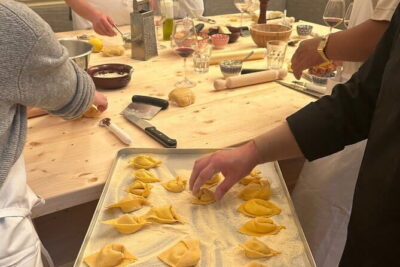
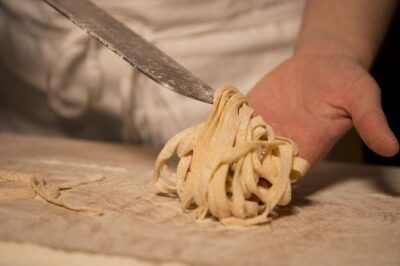
3 in 1 Cooking Class near Navona: Fettuccine, Ravioli & Tiramisu
Read our review →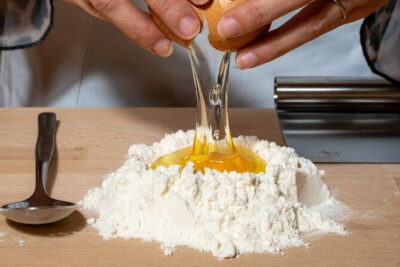
Pasta & Tiramisu Cooking Class with Unlimited Wine
Read our review →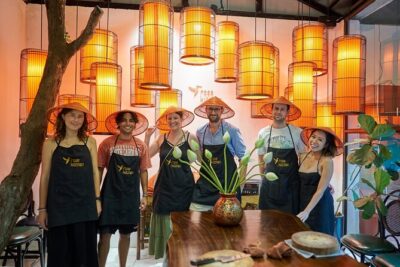
Hanoi Cooking Class: Culture, Local Market & Meaning CSR Impact
Read our review →
5 Traditional Dishes Hanoi Cooking Class with Market Trip
Read our review →
Cooking Class and Lunch at a Tuscan Farmhouse with Local Market Tour from Florence
Read our review →
Cooking Class, Market & Thai Herbs Garden Tour
Read our review →Lists this class appears in