
REVIEW · CHARLESTON, USA
Hands-on Cooking Class in Charleston
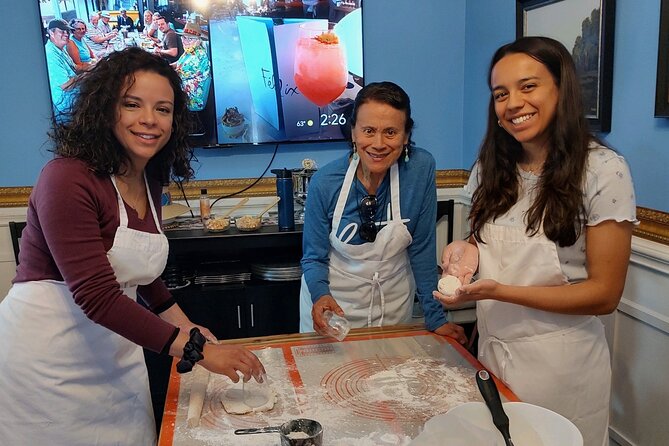
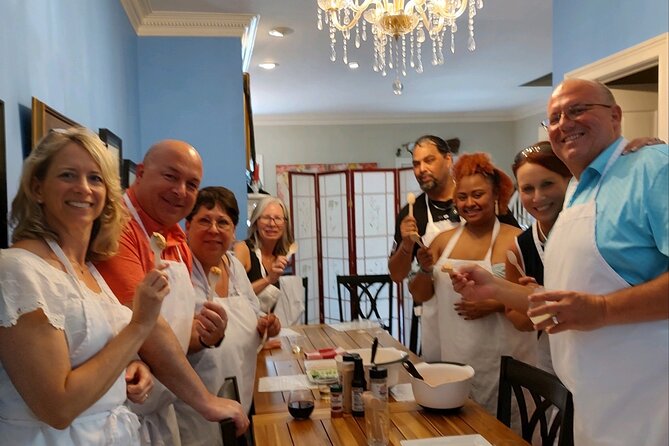
Biscuits can tell a Charleston story. This two-hour kitchen class gives you practical time with three Lowcountry recipes, local food history, and a shared meal in a charming 19th-century dining room. I especially like the hands-on format and the way instructors such as Martha connect each dish to Charleston culture. The class is also friendly to beginners, so you do not need much kitchen experience.
I also like the choice of morning or afternoon menus. The main drawback is that the class can include up to 16 people, and one person found that a larger group meant less time at the worktable. At $99 per person, the price is fair if you value instruction, food, and local context together, but it may feel high if you want a serious cooking-school setting.
Key points to know before booking
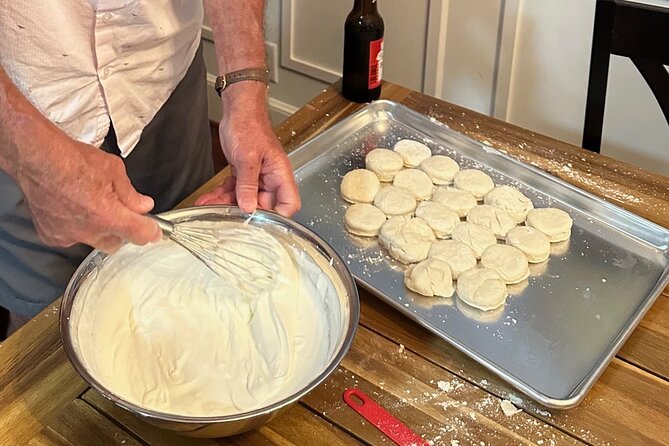
- Two distinct menus: The morning class makes Huguenot torte, buttermilk biscuits, and pimento cheese. The afternoon class makes Charleston red rice, skillet cornbread, and seasonal cobbler.
- Martha gets frequent praise: Her warm teaching style, clear instructions, and Charleston food stories are a major part of the appeal.
- Beginner-friendly cooking: You chop, mix, and season the dishes yourself, with all ingredients and supplies provided.
- A meal follows the work: You eat the food prepared during class with coffee or tea service.
- Plan on two hours: The class ends back at 184 E Bay Street, and the full session may run longer than a shorter tour listing suggests.
- Book food allergies in advance: An allergy accommodation was handled successfully when the operator had advance notice.
A Charleston kitchen lesson, not just a demonstration
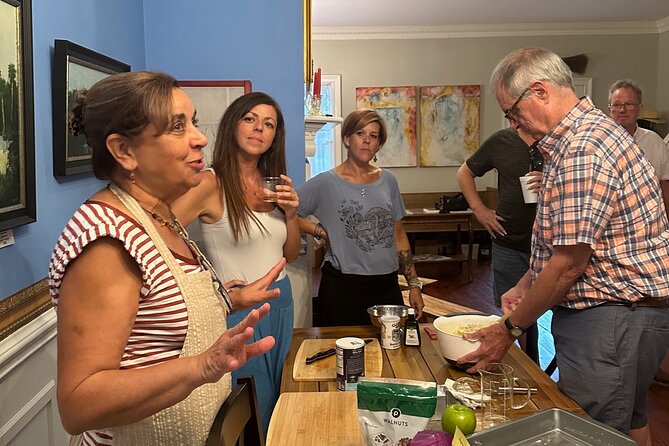
Many food activities let you taste local specialties while someone else does the work. This one asks you to pick up a knife, stir a bowl, season a dish, and help bring the recipes together. That small difference changes the experience. You leave with more than a memory of Charleston food. You have a better chance of making some of it again at home.
The class is run by Charleston Culinary Tours, a long-running food tour company in the city. A Lowcountry Culinary Expert leads the session, explaining both the method and the background of each dish. The teaching is not presented as formal culinary school training. It is more relaxed, social, and practical.
That makes the class a good fit for couples, families, friends, and solo visitors who want an activity with some conversation built in. Several people have especially enjoyed the chance to meet others while cooking. A 16-year-old also took part successfully, which suggests that older children and teenagers can get something from the class if they are willing to participate.
You should expect a welcoming setting rather than a professional restaurant kitchen. One candid assessment found the setup pleasant but not comparable to a full cooking school. That is a fair way to view it. You are here to learn Charleston food traditions and enjoy lunch or a light meal, not to train for a restaurant job.
A few more cooking classes around the USA worth a look
- New Orleans Demonstration Cooking Class with Meal
★ 5.0 · 3,000 reviews - New Orleans Hands-On Cooking Class with Meal
★ 5.0 · 1,183 reviews - Undiscovered Charleston: Half Day Food, Wine & History Tour with Cooking Class
★ 5.0 · 948 reviews
Starting at 184 E Bay Street
The meeting point is 184 E Bay St, suite 103, Charleston, South Carolina 29401. The location is near public transportation, which helps if you are staying elsewhere in the city and do not want to drive.
The activity begins and ends at the same address. That makes it easy to fit into a day of sightseeing, but give yourself room around the two-hour session. A past timing note pointed out that the class can take the full two hours rather than a shorter one-and-a-half-hour estimate. I would not schedule another important activity immediately afterward.
Once inside, you can expect a charming 19th-century dining room rather than a sprawling cooking facility. The setting adds character and gives the final meal a proper sense of place. It also helps explain the class’s appeal: you are not simply standing at a counter for a quick lesson, then leaving with a paper cup.
The group size can reach 16 people. That is small enough for a social class, but it is not an intimate private lesson. The instructor divides up the work so that people can take part, yet your amount of direct cooking may depend on the group and the task at hand. If you want maximum time with every recipe, ask about the expected group size before booking.
The morning menu: three Lowcountry classics
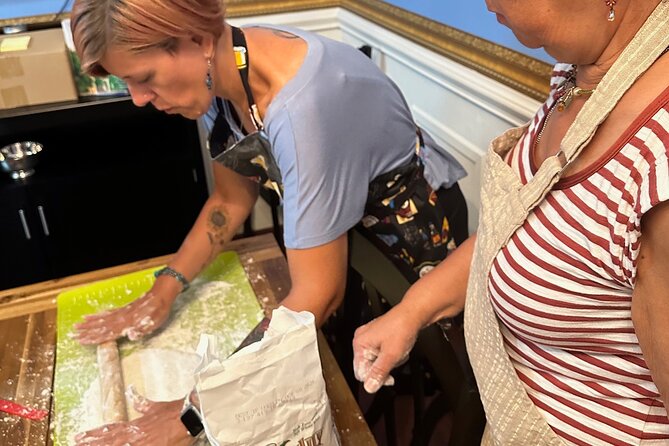
The morning class is the strongest choice if you want a taste of old Charleston baking and spreads. You prepare Huguenot torte, buttermilk biscuits, and pimento cheese.
Huguenot torte
The Huguenot torte is an apple and walnut dessert with a clear Charleston connection. It gives the class a sweet centerpiece and a chance to learn about the roots of a regional recipe.
The dish has been a highlight for many people, especially because the finished dessert is easy to appreciate even if you do not bake often. You learn the basic preparation while hearing about the recipe’s place in local food culture. The result is more distinctive than a generic cake or cookie lesson.
If you enjoy desserts, the morning class has a strong advantage here. The torte also feels like the kind of dish you can bring into your own holiday or family cooking routine.
Same place, a different thing to cook:
- New Orleans: Cajun and Creole Cooking Class
★ 4.9 · 730 reviews - Hands-on Cajun Roux Cooking Class in New Orleans
★ 5.0 · 356 reviews - Hands-On Hawaiian Imu Cooking and Cultural Dining Experience
★ 5.0 · 95 reviews - Farm to Table Cooking Class at Kulaniapia Falls
★ 4.5 · 36 reviews
Buttermilk biscuits
The biscuits may be the practical star of the morning. The instructor shares techniques for getting them right, and biscuit-making is one of the skills people most often hope to repeat at home.
This is useful because biscuits look simple but can be surprisingly fussy. The class gives you a chance to see how the dough is handled instead of reading a recipe and guessing. Beginners are welcome, and the teaching style is designed to make the process feel manageable.
If you want a takeaway skill rather than only a one-time treat, choose the morning session. You receive recipes for all three dishes, so the lesson does not end when you leave the dining room.
Pimento cheese
Pimento cheese is the quickest and most familiar of the three recipes for many people, but the class gives it local context. You prepare the spread yourself and learn about its place in Southern food traditions.
It also balances the menu nicely. The biscuits provide a warm baked element, the torte supplies dessert, and the pimento cheese brings a savory component. Together, the three dishes feel like a small tour through Charleston’s home-style cooking rather than three unrelated recipes.
The afternoon menu: rice, cornbread, and cobbler
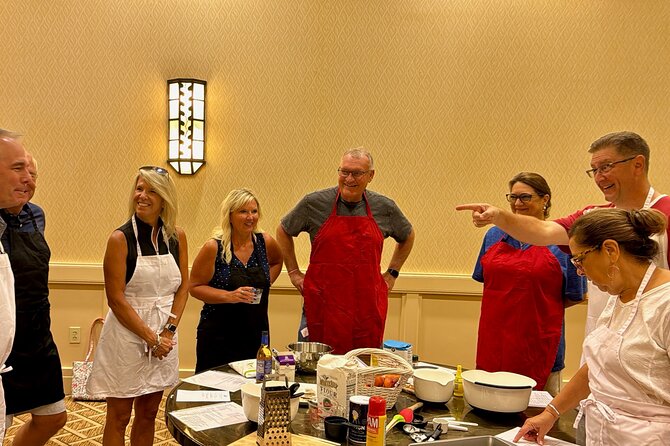
The afternoon class changes the focus from breakfast and spread-making to savory Lowcountry cooking. The menu includes Charleston red rice, skillet cornbread, and a seasonal cobbler.
Charleston red rice
Red rice is the most substantial dish on the afternoon menu. It gives you a direct connection to Lowcountry cooking and the ingredients shaped by the region’s past.
The recipe also offers a useful lesson in how a simple rice dish can carry cultural meaning. You are not just preparing a side dish. You are learning one of the foods associated with Charleston’s regional table.
Because the exact seasonal ingredients can vary, the afternoon menu may have a slightly different feel from one date to another. The core focus remains Charleston red rice, which gives the session its regional anchor.
Skillet cornbread
Skillet cornbread brings another Southern staple into the class. Like biscuits, it is familiar enough to feel approachable, but technique still matters.
The dish pairs naturally with the red rice and makes the afternoon class feel more like a savory meal. If you prefer cooking over baking sweets, this menu will likely suit you better than the morning option.
Seasonal cobbler
The seasonal cobbler rounds out the afternoon menu. The word seasonal matters here, since the fruit or flavor may change depending on what is available.
That variation is a plus if you want food tied to the time of year, though it means you should not book expecting one exact fruit. The cobbler provides a simple dessert after the savory dishes and keeps the afternoon class balanced.
Martha and the value of a good instructor
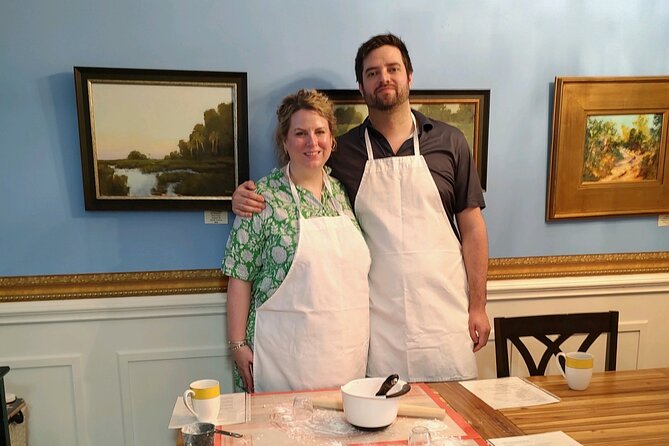
The instructor can make or break a hands-on class. Here, Martha receives the strongest praise, along with support from instructors and helpers such as Mimi and Beth on different sessions.
Martha’s appeal is not only that she can explain a recipe. She connects the food to Charleston’s past, the source of ingredients, and the customs surrounding each dish. Her style is described as warm, clear, professional, and easygoing. That combination matters when you are working in an unfamiliar kitchen with people you have just met.
The instructions are intended to be concise and easy to follow. That helps if you are not a confident cook. One person who rarely cooks still enjoyed the class because the atmosphere felt approachable and the teacher offered practical guidance rather than making anyone feel behind.
The historical material also gives the class more purpose. You learn why the dishes matter to the region, not only how to mix or bake them. For many people, that is the part that separates this from an ordinary recipe lesson.
Still, the class depends heavily on the instructor and the group. A smaller session may feel more personal. A full class can be lively and social, but you may have less individual time. The teaching is a major strength, yet it cannot completely overcome a crowded work area.
Eating what you prepare
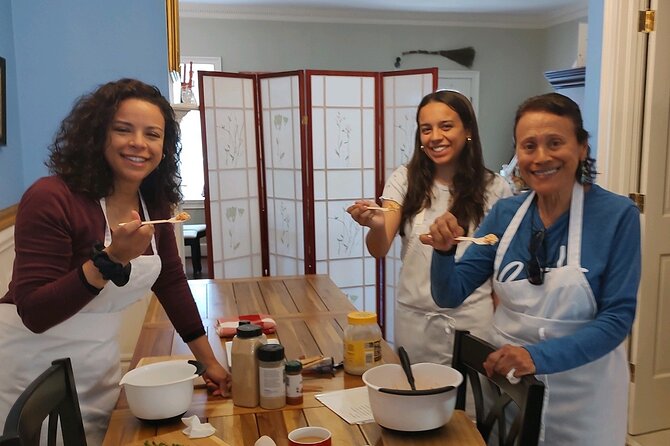
After the cooking, you sit down and enjoy the food made during the activity. Coffee and tea are included, which works especially well with the morning menu and the Huguenot torte.
This shared meal is an important part of the price. You are not paying only for a demonstration and a recipe card. You receive ingredients, supplies, instruction, food, and a setting where you can sit with the people from the class and enjoy the results.
The meal also gives you time to compare notes and talk with other participants. The social side is not forced, but the format naturally encourages conversation. That can be especially pleasant on a solo visit or during a trip with a partner who enjoys meeting new people.
Do not expect a large restaurant-style spread beyond the dishes prepared in class. The menu is built around three recipes, and the point is to eat the fruits of your work. If you want a full multi-course restaurant meal, book a restaurant separately.
Is $99 a fair price?
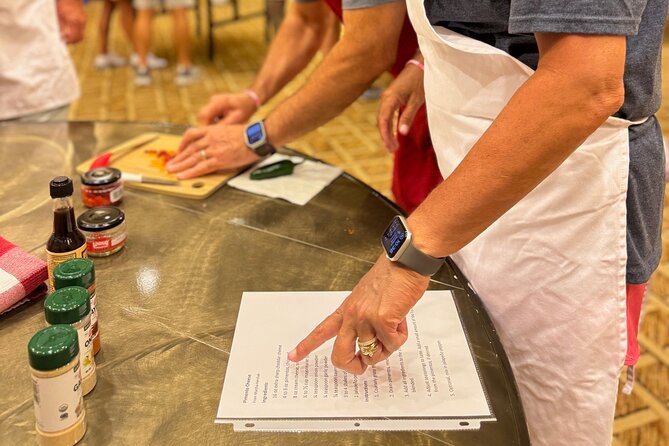
At $99 per person, this is not a budget snack stop. The value depends on how you use the two hours.
I think the price is reasonable for someone who wants several things at once: a cooking lesson, local food context, a meal, drinks, and a social activity. All ingredients and supplies are included, and the food you prepare is served during the class. The recipes also give you a way to continue the experience at home.
The value is weaker if you already know these dishes well or if you want advanced kitchen training. The recipes are approachable and relatively simple. That is a benefit for beginners, but a serious home cook may want more technical instruction.
The morning and afternoon menus also improve the value for repeat visitors. You can take one class on one visit and return for the other menu later. Someone who already knows how to make biscuits may prefer the red rice and cornbread session.
Who should book this Charleston activity?
I would recommend the class to:
- Couples looking for a relaxed activity beyond sightseeing
- Families with older children or teenagers who like practical activities
- Friends celebrating a birthday or taking a short Charleston break
- Solo visitors who enjoy meeting people through food
- Beginners who want recipes they can repeat at home
- Returning Charleston visitors who want more local food context
I would hesitate if you dislike group activities, want a private lesson, or expect a professional kitchen with advanced equipment. The class is social and educational, but it is not designed as elite chef training.
Food allergies should be discussed before booking. An allergy was accommodated successfully when advance notice was provided, but the operator cannot promise every adjustment without time to prepare.
The class is offered in English and comes with a mobile ticket. It is recommended by 99 percent of those who have rated it, with a five out of five rating from 83 reviews. You can cancel for a full refund up to 24 hours before the start time. Cancellations or changes inside that window are not refunded, and the activity may be rescheduled or refunded if its minimum number is not reached.
The practical choice: morning or afternoon?
Choose the morning class if biscuits, baking, and pimento cheese sound like your idea of Charleston comfort food. It has the most obvious breakfast appeal and includes the dessert that has drawn especially strong praise, the apple and walnut Huguenot torte.
Choose the afternoon class if you prefer savory regional food. Charleston red rice and skillet cornbread give you a better look at the Lowcountry table, while the seasonal cobbler keeps dessert in the mix.
If your schedule allows, do not assume one menu covers the whole experience. The menus are different, and returning for the other session would give you six separate recipes rather than three.
Should you book the Hands-on Cooking Class in Charleston?
Yes, if you want an easygoing activity that combines food, local stories, and practical cooking. I like that the class does not require you to be a skilled cook, and I like that you eat what you prepare instead of simply watching an instructor work.
Book it with realistic expectations. This is a friendly group workshop, not a private cooking school. The best choice is to select the menu that matches your interests, allow the full two hours, give advance notice about allergies, and leave space afterward rather than rushing to your next appointment.
For a first visit, I would choose the morning class for the biscuit lesson and Huguenot torte. If you have already done Charleston’s classic food tours, the afternoon menu may offer the more useful change of pace.
FAQ
Where does the cooking class meet?
The class meets at 184 E Bay St, suite 103, Charleston, SC 29401, USA.
How long does the activity last?
The activity lasts approximately two hours.
Does the class return to the starting point?
Yes. The activity ends back at the meeting point.
What is included in the price?
The price includes all ingredients and supplies, coffee and or tea, and the prepared food enjoyed during the activity.
What does the morning class menu include?
The morning menu includes Huguenot torte, buttermilk biscuits, and pimento cheese.
What does the afternoon class menu include?
The afternoon menu includes Charleston red rice, skillet cornbread, and seasonal cobbler.
Do I need cooking experience?
No. The class is designed to be hands-on and approachable for cooks of all experience levels.
How many people can join the class?
The activity allows a maximum of 16 participants.
Can I cancel for a refund?
Yes. You can cancel at least 24 hours before the start time for a full refund. Cancellations or changes made less than 24 hours before the start time are not refunded.
Just added around the USA
- Sushi Making Cooking Class at a Local Brewery in Charlotte★ 5.0 · 2 reviews
- Authentic Asian Cooking Class in NYC (Includes 4-Course Meal)★ 5.0 · 8 reviews
- Hands-On Hawaiian Imu Cooking and Cultural Dining Experience★ 5.0 · 95 reviews
- Farm to Table Cooking Class at Kulaniapia Falls★ 4.5 · 36 reviews
- Baumkuchen Campfire Baking Class★ 5.0 · 3 reviews
- French Cooking Class in Baltimore (Includes 3-Course Meal)★ 5.0 · 2 reviews
- Private Atlanta Cooking Class with a Fun Local Chef Naina★ 5.0 · 2 reviews
- Thai Cooking Class in Fullerton, California★ 5.0 · 3 reviews
Cooking Classes, compared.

Half-Day Thai Cooking Class at Organic Farm in Chiang Mai
Read our review →

3 in 1 Cooking Class near Navona: Fettuccine, Ravioli & Tiramisu
Read our review →
Pasta & Tiramisu Cooking Class with Unlimited Wine
Read our review →
Hanoi Cooking Class: Culture, Local Market & Meaning CSR Impact
Read our review →
5 Traditional Dishes Hanoi Cooking Class with Market Trip
Read our review →
Cooking Class and Lunch at a Tuscan Farmhouse with Local Market Tour from Florence
Read our review →
Cooking Class, Market & Thai Herbs Garden Tour
Read our review →Lists this class appears in