
REVIEW · BIG ISLAND OF HAWAII, USA
Farm to Table Cooking Class at Kulaniapia Falls
Fresh food tastes better when you pick it. At Kulaniapia Farms, you walk through volcanic-soil gardens, harvest much of your lunch, and prepare a plant-based meal in a beautiful farm setting. I especially like the small group of up to eight and the chance to see farm-to-table work up close. The main consideration is that the instructor or volunteer may do more of the actual cooking than you expect.
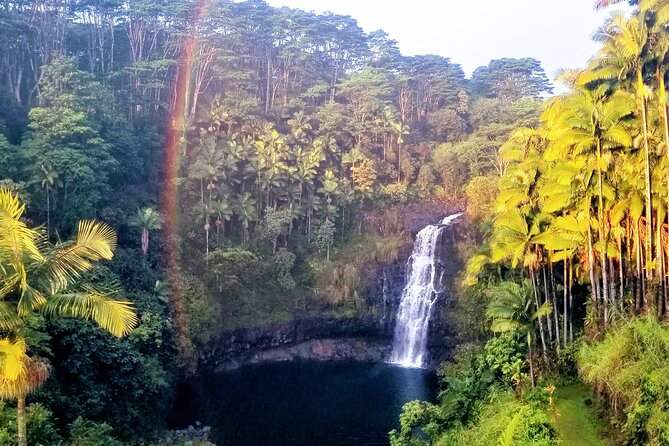
I also like the setting, with views toward Hilo Bay and Mauna Kea, plus access to the waterfall grounds before or after the meal. The four-hour experience costs $169 per person, so it is not a cheap lunch, but the price covers a guided farm visit, ingredients, instruction, and the meal itself. Wear closed-toe, flat shoes, since the farm paths can be uneven and weedy.
Key points at a glance
- Harvest your own lunch: More than 90 percent of the meal uses seasonal produce grown at Kulaniapia Farms.
- Small-group format: The maximum is eight people, though groups of four to six may feel especially comfortable.
- A scenic cooking location: You prepare lunch in a refurbished barn with views toward the ocean, Hilo Bay, and Mauna Kea.
- More than a cooking lesson: You may also see goats, collect eggs, sample bananas or coffee, and walk toward the waterfall.
- Plant-based focus: The menu changes with the farm harvest, so expect fresh produce rather than a fixed restaurant-style dish.
- Allow a full morning: The class starts at 9:30 a.m. and lasts about four hours, ending back at the meeting point.
A farm morning near Hilo
The experience begins at 100 Kulaniapia Drive in Hilo at 9:30 a.m. Kulaniapia Falls is home to both an inn and a working farm, so you are not arriving at a generic cooking studio. The setting gives the class its character from the first few minutes.
You may be greeted by a friendly dog, with the sound or sight of the waterfall nearby. From there, a member of the farm community leads you through the gardens and explains what grows in this tropical setting.
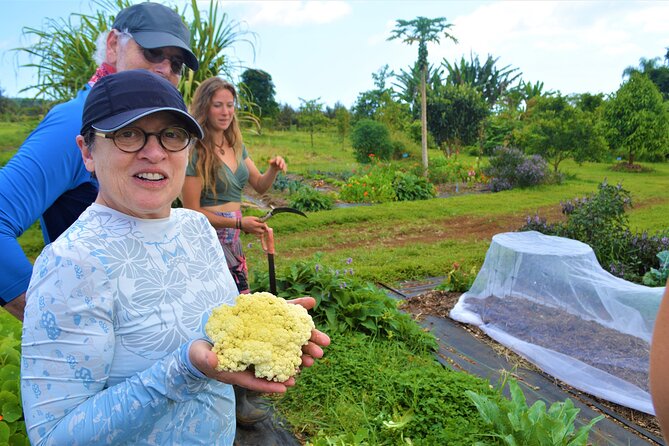
The key idea is simple: your lunch begins in the soil. Instead of receiving a basket of preselected vegetables, you help choose and harvest the produce that will later appear on your plate. That connection makes the meal feel more personal, even if you already cook often at home.
The farm grows in rich volcanic soil, and the tropical setting allows for an impressive range of produce. The exact ingredients depend on the season and what is ready to pick that day. This means the menu is flexible, not fixed, which is part of the appeal but may disappoint anyone hoping for a specific dish.
More Farm Cooking Classes in the USA:
- Half-Day Thai Cooking Class at Organic Farm in Chiang Mai
★ 5.0 · 19,087 reviews - Cooking Class and Lunch at a Tuscan Farmhouse with Local Market Tour from Florence
★ 5.0 · 4,831 reviews - Chiang Mai: Authentic Cooking Class with Market & Farm Visit
★ 4.9 · 4,546 reviews
Picking ingredients from the gardens
The farm walk is not just a quick photo stop before cooking. You spend time learning about the growing operation and selecting vegetables for lunch. In some sessions, the group also collects eggs, feeds goats, eats bananas straight from the tree, and samples local coffee.
Those extra moments help explain how food reaches the table in a small agricultural operation. You see the work behind the meal instead of treating the farm as decoration.
I would expect the garden walk to be relaxed rather than strenuous, but you should still dress for outdoor ground. Uneven paths and weedy areas make tennis shoes or other closed-toe, flat shoes a smart choice. Sandals and smooth-soled shoes are poor choices here.
The farm visit also gives you a reason to ask questions. You can learn how the staff manages crops, how seasonal produce shapes the menu, and how the property connects food production with the surrounding environment. The quality of the experience depends partly on the person leading your group. Previous sessions have included guides and cooks such as Natalie, Davey, Adrian, and Ayden, with especially warm praise for their friendly, helpful approach.
Cooking in the refurbished barn
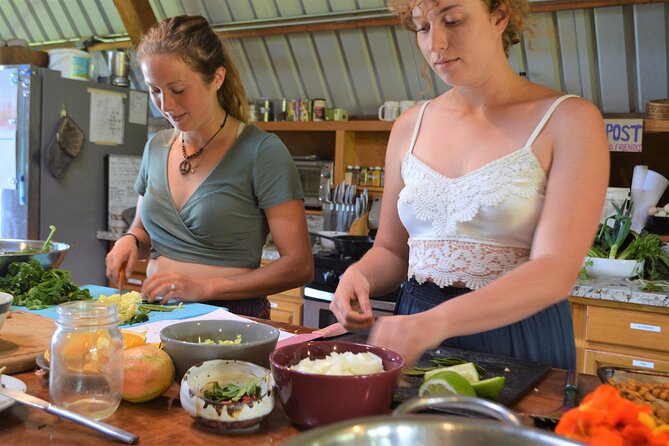
After harvesting, you return to the refurbished barn to prepare lunch. The kitchen is on the second floor, and the views are a major part of the setting. You may look toward the ocean, Hilo Bay, and Mauna Kea while washing, chopping, and assembling the food.
The menu centers on farm-fresh produce, with more than 90 percent of the meal coming from what you help harvest. The result is a plant-based lunch that may include a changing mix of vegetables and other farm ingredients.
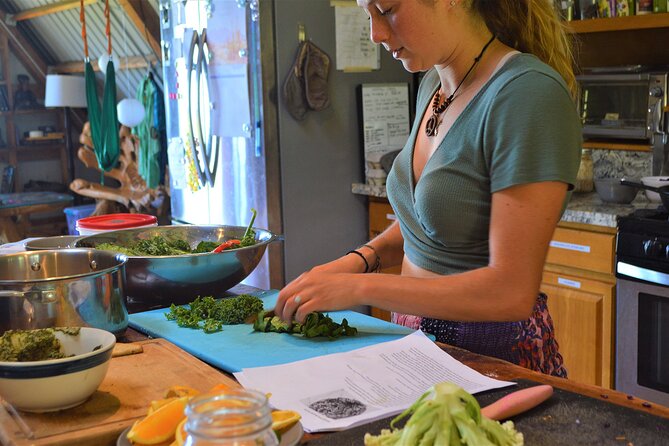
You receive the equipment and supplies needed for harvesting and preparation. The class is designed to be hands-on, so you should expect to wash, cut, mix, and help build the meal. It is not a formal culinary school session, and the atmosphere is casual rather than polished.
Here is the important qualification: the division of work can vary. In one session, the group prepared the vegetables while a farm volunteer handled most of the actual cooking. If you want to control every stage of a recipe, ask how much cooking participants will do at the start. If you are happy to learn through harvesting, preparation, and conversation, this arrangement should not be a major problem.
The strongest sessions appear to pair the group with an enthusiastic guide and a capable cook. Davey received particular praise for his kitchen knowledge, while Natalie was noted for her farm tour. Adrian was described as lively from arrival through lunch, and Ayden brought strong energy to the garden portion. Since staff members rotate, your exact experience may differ.
What makes the lunch worthwhile
The value is not just the plate of food. You are paying for access to a working farm, a guided harvest, a small-group activity, the cooking space, and a meal made from ingredients you helped select.
Fresh produce also changes the rhythm of lunch. You are less likely to rush through it because you have seen where the ingredients grew and helped prepare them. The food has a clear story, and the meal becomes a practical lesson in using what is available rather than shopping from a rigid recipe list.
The class also sends you home with plant-based recipes and more confidence in the kitchen. Since the menu changes, you may learn broad techniques rather than one exact recipe. That is useful if you want to cook with seasonal produce at home.
Still, $169 per person is a serious price for a four-hour activity. I think it makes the most sense for people who value the setting, farm access, small group, and personal instruction. If you only want a cooking class or a low-cost lunch, you can find cheaper options elsewhere.
A customary gratuity of $20 per guest is not included. Plan for that extra cost if you want to follow the usual tipping guidance for this activity.
A few more cooking classes around the USA worth a look
- New Orleans Demonstration Cooking Class with Meal
★ 5.0 · 3,000 reviews - New Orleans Hands-On Cooking Class with Meal
★ 5.0 · 1,183 reviews - Undiscovered Charleston: Half Day Food, Wine & History Tour with Cooking Class
★ 5.0 · 948 reviews - New Orleans: Cajun and Creole Cooking Class
★ 4.9 · 730 reviews
The waterfall and property setting
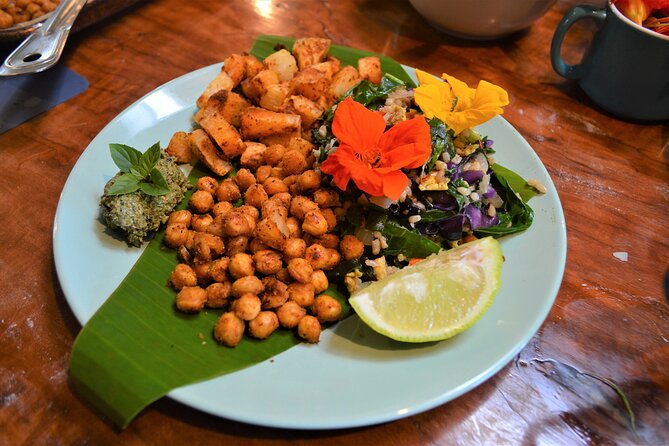
Kulaniapia Falls adds a second layer to the morning. The farm sits on the grounds of the Inn at Kulaniapia Falls, and you can see the waterfall before or after the cooking session. A short walk toward the river may also be part of the day.
The waterfall is not simply a backdrop for the class. It helps make the outing feel like a full Big Island experience, combining food, gardens, water, and mountain views in one place.
You should keep your expectations practical. The main focus is the farm and lunch, not a dedicated waterfall hike or a long nature tour. If the waterfall is your top reason for booking, treat it as an added feature rather than the central event.
The grounds also include bamboo gardens, and the property offers several pleasant places to pause. That makes the morning appealing for couples and families who want something gentler than a demanding outdoor excursion.
Group size and the feel of the class
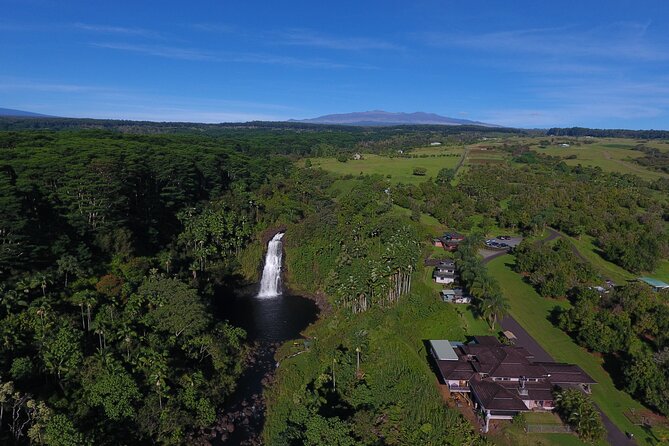
The maximum group size is eight. That limit matters because a farm walk and shared kitchen can become awkward when too many people are involved. With eight or fewer, you have a better chance to ask questions, handle ingredients, and hear the guide.
A group of four to six may offer the best balance. It is large enough for conversation but small enough to keep the cooking process manageable. A group of four has been described as particularly comfortable.
The tone is casual and social. You may spend time talking with the farm team, sharing tasks, and eating together. This suits couples, friends, solo visitors, and families who like participatory activities.
It may not suit someone seeking a tightly scripted demonstration with exact timings and advanced culinary instruction. Staff members are volunteers or rotating farm workers in some sessions, so the teaching style can vary. Think of it as a friendly farm workshop, not a professional chef certification class.
The best fit for different visitors

I would recommend this experience most strongly to people who enjoy food with a sense of place. You get more from it if you like gardens, seasonal cooking, farm work, and meals that develop from whatever is ready to harvest.
It also works well for:
- Couples looking for a relaxed morning activity
- Families who want a hands-on food experience
- Friends who enjoy cooking and conversation
- Solo visitors who prefer a small social group
- Anyone curious about plant-based meals
- People staying in or near Hilo who want a local activity without a full-day commitment
Children may enjoy the goats, bananas, vegetable picking, and waterfall setting, but the provided information does not specify a minimum age or special child arrangements. If you are booking with young children, confirm suitability before paying.
This is less ideal for visitors with serious mobility concerns, because the farm includes uneven ground and weedy areas. The activity details do not provide formal accessibility information, so ask the provider directly if you need specific accommodations.
Timing, booking, and cancellation
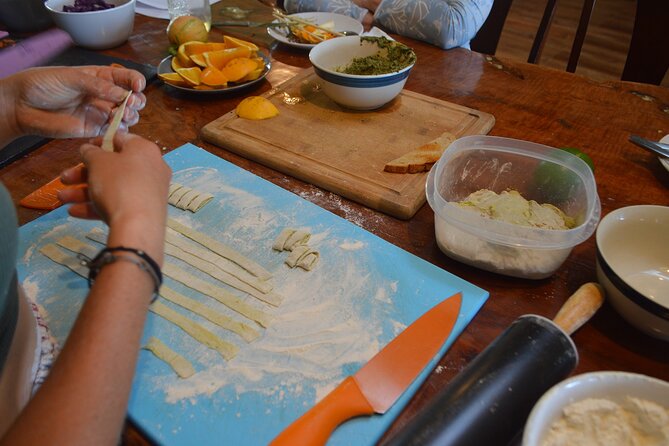
The class starts at 9:30 a.m. and lasts about four hours. Since it includes a garden walk, harvesting, preparation, and lunch, allow the whole morning rather than planning a tight appointment afterward.
The experience is often reserved well ahead of time, with an average booking lead time of about 46 days. If your Hilo schedule is fixed, booking early is sensible, especially because the group is capped at eight.
You receive confirmation when you book, and the ticket is mobile, so you do not need a printed voucher. The activity is offered in English and ends back at the starting point.
Free cancellation is available if you cancel at least 24 hours before the local start time. Cancellations or changes inside that window are not refunded or accepted. The class also needs a minimum number of participants, and if the provider cancels because that number is not reached, you are offered another date or experience, or a full refund.
How to prepare for the morning
Wear flat, closed-toe shoes with a good grip. You will walk through outdoor farm areas, and keeping your feet protected matters more here than looking polished.
Choose comfortable clothing that can handle dirt, plant debris, or a little mess. The provided information does not specify a dress code, but a farm activity is not the place for your finest resort outfit.
Arrive ready to participate. The more willing you are to harvest, chop, ask questions, and share tasks, the more you are likely to enjoy the class.
You should also arrive with flexible expectations about the food. The meal is based on seasonal produce, so you cannot count on a particular vegetable or recipe. That uncertainty is part of the farm-to-table idea.
Should you book the Kulaniapia Farms cooking class?
Book it if you want a small, scenic, hands-on farm experience near Hilo and you care as much about where lunch comes from as how it tastes. The waterfall, bamboo gardens, ocean views, tropical produce, and refurbished barn give the morning a sense of place that a standard cooking studio cannot match.
I would hesitate only if you want advanced chef instruction, a fixed menu, or full control of the cooking. The $169 price also requires genuine interest in the whole experience, not just the meal.
For couples, families, food-focused solo visitors, and friends, this is a memorable way to spend a Hilo morning. Book early, wear sturdy shoes, and ask at the beginning how much of the cooking you will handle. If those terms suit you, Kulaniapia Farms offers a genuine connection between the garden and your plate.
FAQ
Where does the cooking class meet?
The experience begins at 100 Kulaniapia Drive, Hilo, Hawaii 96720.
What time does the class start?
The class starts at 9:30 a.m.
How long does the experience last?
It lasts approximately four hours.
Where does the experience end?
The activity ends back at the meeting point.
What kind of food will I prepare?
You will prepare a fresh plant-based lunch using seasonal produce from the farm. More than 90 percent of the meal comes from ingredients you help harvest.
Is lunch included?
Yes. Lunch is included, and you make it together using farm-fresh produce.
Are harvesting tools and cooking supplies provided?
Yes. The farm provides what you need to harvest and prepare the meal.
How many people can join the class?
The maximum group size is eight people.
Is the class offered in English?
Yes. The experience is offered in English.
What should I wear?
Wear tennis shoes or other closed-toe, flat shoes because the farm includes uneven ground and weedy areas.
Is gratuity included in the price?
No. A gratuity of $20 per guest is typical for this activity.
Can I cancel for a full refund?
Yes, if you cancel at least 24 hours before the experience starts. Cancellations made less than 24 hours before the start time are not refunded.
Just added around the USA
- Hands-on Cooking Class in Charleston★ 5.0 · 83 reviews
- Sushi Making Cooking Class at a Local Brewery in Charlotte★ 5.0 · 2 reviews
- Authentic Asian Cooking Class in NYC (Includes 4-Course Meal)★ 5.0 · 8 reviews
- Hands-On Hawaiian Imu Cooking and Cultural Dining Experience★ 5.0 · 95 reviews
- Baumkuchen Campfire Baking Class★ 5.0 · 3 reviews
- French Cooking Class in Baltimore (Includes 3-Course Meal)★ 5.0 · 2 reviews
- Private Atlanta Cooking Class with a Fun Local Chef Naina★ 5.0 · 2 reviews
- Thai Cooking Class in Fullerton, California★ 5.0 · 3 reviews
Farm & Countryside Cooking Classes, compared.

Half-Day Thai Cooking Class at Organic Farm in Chiang Mai
Read our review →
Cooking Class and Lunch at a Tuscan Farmhouse with Local Market Tour from Florence
Read our review →
Authentic Cooking Class with Market & Farm Visit
Read our review →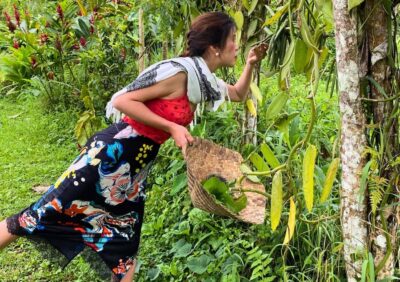
Hands-On Cooking Class & Farmhouse Tour on the Amalfi Coast
Read our review →Lists this class appears in