
REVIEW · NEW ORLEANS, USA
New Orleans Demonstration Cooking Class with Meal
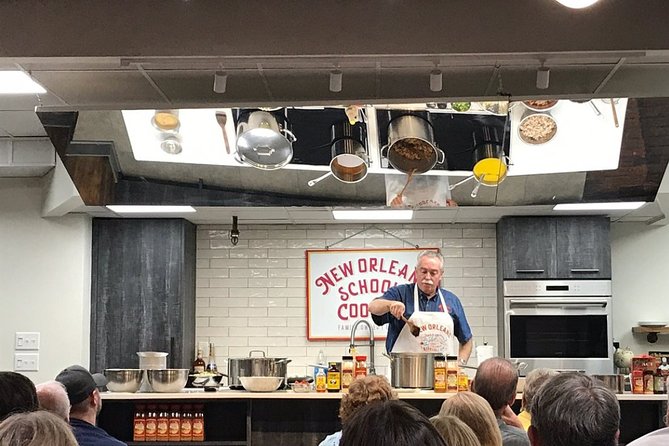
New Orleans puts lunch onstage. This two-hour demonstration at the New Orleans School of Cooking pairs classic Creole food with stories about Louisiana culture, all inside a converted 19th-century molasses warehouse. I especially like the generous tasting portions and the lively chefs, including instructors such as Lynn, Eric, Austin, Dianne, Vivian, and Terri. The main caution is size: this can be a large class, with as many as 68 people, so it is not the quiet, hands-on lesson some cooks may expect.
At $43 per person, the value is strong because you receive a full meal, one local beer, iced tea, coffee, water, and recipes to take home. I also like that the class works for noncooks. You watch the food being made, ask questions, and leave with a better sense of roux, spices, and the small differences between Cajun and Creole cooking. The tradeoff is simple: you do no cooking yourself, and a big room can become noisy if people nearby keep talking.
Key details before you book
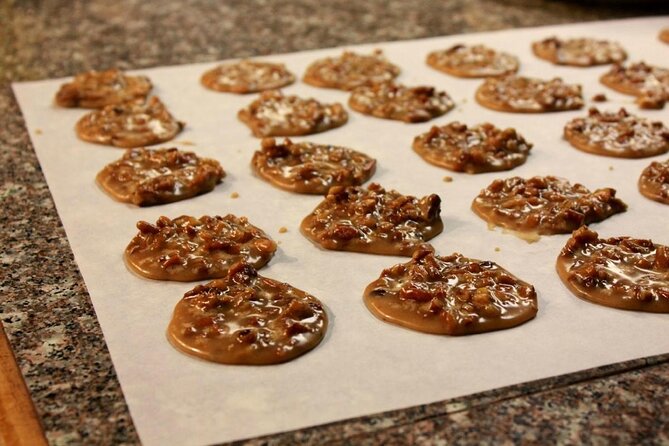
- A full Louisiana meal is part of the lesson: Expect generous samples of dishes such as gumbo, jambalaya, shrimp or chicken Creole, crawfish étouffée, and dessert.
- The class is demonstration-only: The chef cooks while you watch, explains each step, and answers questions. There is no hands-on preparation.
- The setting has real New Orleans character: The school occupies a converted 19th-century molasses warehouse on St. Louis Street in the French Quarter.
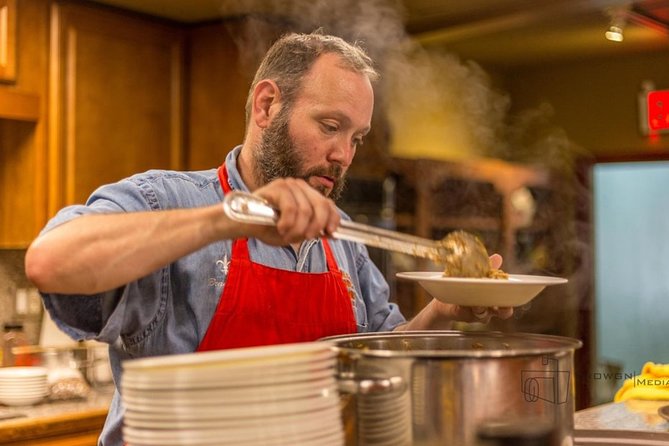
- The chef matters: The teaching style changes by instructor, but chefs such as Lynn, Eric, Austin, Dianne, Vivian, Terri, and René have been praised for humor, storytelling, and clear instruction.
- You get more than recipes: The lesson covers Louisiana food traditions, the role of the roux, spice blends, and the cultural differences between Cajun and Creole cooking.
- Plan for a large room: The maximum group size is 68, and one class had about 48 people. Arrive ready for a social, public presentation rather than an intimate workshop.
Starting at the School of Cooking on St. Louis Street
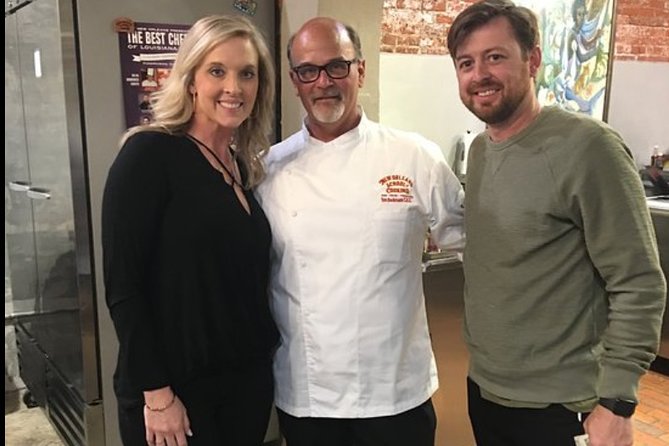
The experience begins at 524 St. Louis Street, in the French Quarter. You check in at the New Orleans School of Cooking, then take a seat among other food lovers in the old molasses warehouse.
That setting gives the class a useful sense of place. This is not a polished hotel conference room with a generic cooking show. You are in a building tied to the city’s commercial past, surrounded by the streets and architecture of the French Quarter. The school is near public transportation, and the activity ends at the same location, so it is easy to fit into a day of sightseeing.
Give yourself enough time to arrive without rushing. The class is popular and can fill well ahead of time, with bookings often made about 24 days in advance. Your confirmation arrives when you book, and the mobile ticket makes entry straightforward.
A few more cooking classes around the USA worth a look
- New Orleans Hands-On Cooking Class with Meal
★ 5.0 · 1,183 reviews - Undiscovered Charleston: Half Day Food, Wine & History Tour with Cooking Class
★ 5.0 · 948 reviews - New Orleans: Cajun and Creole Cooking Class
★ 4.9 · 730 reviews
The first lesson: Cajun, Creole, and the Louisiana kitchen
The chef begins with the story behind the food. Louisiana cooking grew from several cultural influences, and the class explains how those influences shaped the dishes on your plate.
You will hear about the difference between Cajun and Creole cooking. The distinction is not always as neat as a one-line definition, so the class is a good place to ask questions. The chef connects the food to Louisiana people, places, and customs instead of treating gumbo or jambalaya as recipes floating free of their setting.
The presentation style is a major part of the experience. Lynn has been praised for combining cooking instruction with New Orleans history. Eric is known for a lively approach and strong command of the recipes. Austin has been singled out for stories, jokes, and detailed explanations, while Vivian and Terri have also earned praise for keeping the room engaged.
That variety matters. A demonstration class depends heavily on the instructor’s voice and timing. The best chefs make the two hours feel like a cooking lesson, a history talk, and a small stage show at once. You may also find that one chef explains a recipe differently from another, which helps explain why repeat visitors can return for another menu.
Why the roux matters more than the recipe card
The most useful cooking lesson is likely the discussion of roux. This mixture of fat and flour forms the base of many Louisiana dishes, and the chef explains why its color, cooking time, and handling affect the final flavor.
You will also learn how spices build the character of the food. Seasoning is not treated as a mysterious secret. The chefs explain the role of spice blends and show how diners can adjust their food at the table.
One useful detail: the dishes are not made especially hot. Seasoning blends, including Joe’s Stuff in original, Bayou Blend, and hot versions, are placed on the table so you can adjust your serving. That approach makes sense for a large class with different tastes, though someone expecting fire straight from the pot might find the food mild until adding more seasoning.
The chef prepares the dishes live, step by step. You can ask questions as the work proceeds, which gives the lesson a practical feel even though you are not handling the knife or stirring the pot yourself. The recipes you receive afterward help turn the class from a pleasant meal into something you can attempt at home.
Gumbo, jambalaya, and the main meal
The menu changes, but the sample menu gives you a good idea of the range. A class might begin with corn and crab bisque, then move through gumbo, jambalaya, shrimp or chicken Creole, and crawfish étouffée.
You are not simply handed one small taste at the end. The portions are described as generous, and the meal is intended to fill you. That is one reason the $43 price feels fair. A regular restaurant meal would cost a similar amount, but here the price also includes the demonstration, instruction, drinks, and take-home recipes.
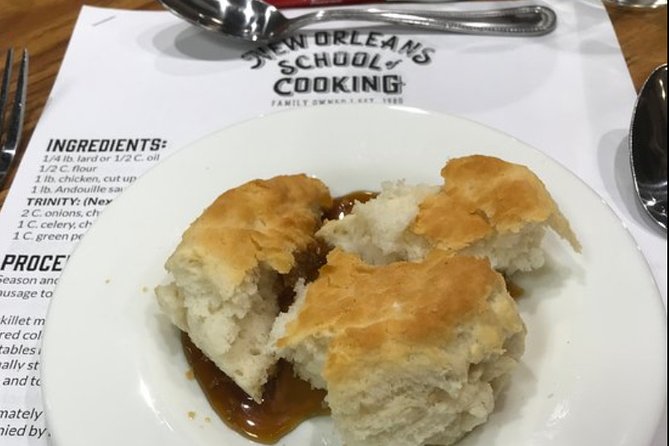
Gumbo is a good example of how the lesson works. You see the base being built and learn how the roux and seasoning support the finished dish. Jambalaya lets the chef discuss a different approach to combining rice, meat, seafood, and vegetables. Crawfish étouffée offers another look at the sauces and cooking methods associated with south Louisiana.
Other possible savory dishes include shrimp and artichoke soup or shrimp Creole. Since the menu is not fixed to one list, you should treat the published dishes as possible examples rather than a guarantee of every item. If you have your heart set on a particular dish, check the menu for your chosen date.
Same place, a different thing to cook:
- Hands-on Cajun Roux Cooking Class in New Orleans
★ 5.0 · 356 reviews - Hands-On Hawaiian Imu Cooking and Cultural Dining Experience
★ 5.0 · 95 reviews - Hands-on Cooking Class in Charleston
★ 5.0 · 83 reviews - Farm to Table Cooking Class at Kulaniapia Falls
★ 4.5 · 36 reviews
Dessert arrives with a little theater

The sweet course may include bread pudding, bananas Foster, pralines, or pecan pie. These desserts help show that Louisiana cooking is not only about dark roux and seafood.
Bananas Foster can add a bit of showmanship, especially when the chef demonstrates the flaming dessert. It is a memorable finish, but the value goes beyond the spectacle. You see how a familiar dessert becomes part of New Orleans restaurant culture and learn techniques that are manageable in a home kitchen.
Pralines are another useful takeaway. They are strongly associated with New Orleans, and the demonstration gives you a chance to understand how the candy is made rather than simply buying one from a shop. Pecan pie and bread pudding round out the meal with familiar Southern flavors.
By the end, you should expect to feel well fed. Several dishes are served, and you can pair them with coffee, iced tea, water, and one local beer. The beer is included, but additional alcohol is not listed as part of the experience.
What the large class feels like in practice
The biggest question is group size. The activity can take up to 68 people, and a class of roughly 48 has been reported. That is large enough to affect the mood and the sound level.
A busy room can be part of the fun. You are surrounded by people who came for food, and the social energy fits New Orleans. The chef can create a lively event rather than a formal lecture.
But you should choose this class with realistic expectations. If you want personal coaching, quiet concentration, or time to practice each technique, this will not provide it. The class is demonstration-only, and a nearby conversation may make it harder to hear. Sit where you can follow the chef clearly, and do not hesitate to ask questions when the instructor invites them.
The chefs generally compensate with strong presentation skills. René, Eric, Lynn, Austin, Dianne, Vivian, and Terri have all been praised for humor, warmth, and clear explanations. Still, no instructor can control every conversation in a room of this size.
Dietary restrictions and what you can actually eat
The school can accommodate some dietary restrictions, but you need to call the reservations line after booking and tell the stewards at check-in.
For a $5 charge paid at check-in, you can receive gumbo z’herbes and Creole z’herbes as substitutions. These alternatives are vegan, gluten-free, and nut-free. They are discussed in the class and supplied with recipes, but they are not the dishes being demonstrated.
This distinction matters. The school cannot alter the recipes prepared during the demonstration. Depending on your restrictions, you might be able to eat the soup but not the main course. Ask in advance rather than assuming every sample can be adjusted.
The class may suit people with some dietary needs, but it is not a fully customizable cooking workshop. If your restrictions are complex, call before committing to the date.
Price, tips, and what you take home
At $43, this is one of the more practical food experiences in New Orleans. The price includes the two-hour cooking presentation, a full spread of samples, one local beer, iced tea, coffee, water, and recipe copies.
The value is strongest if you want both a meal and an activity. You are not paying only for food, and you are not sitting through a lecture with a tiny taste at the end. The chef prepares several dishes, and you eat what has just been made.
Bring money for a 15 to 20 percent tip. Gratuity is not included, and the instructors do much of the work that makes the class enjoyable.
You can also earn a diploma by submitting photos of yourself cooking the recipes at home. That is a nice incentive for anyone who wants to keep the class going after New Orleans. More important, the recipe packet gives you a practical way to try gumbo, jambalaya, or a dessert in your own kitchen.
Who will enjoy this most
I would recommend the class to first-time visitors who want a useful introduction to Louisiana food without spending a full day on a food tour. It also suits couples, families, solo visitors, and friends who want an indoor activity with a meal built in.
You do not need to be a serious cook. In fact, the class works well for the person in your group who prefers eating to cooking. The presentation, stories, and samples give noncooks plenty to enjoy.
Experienced home cooks can pick up useful ideas too, especially around roux, seasoning, and the cultural background of the recipes. Repeat visitors may find another class worthwhile because menus and instructors can change.
I would hesitate if your main goal is hands-on training. You will not chop vegetables, stir the gumbo, or prepare your own plate. I would also think twice if large groups make it hard for you to concentrate.
Booking, weather, and cancellation notes
Free cancellation is available up to 24 hours before the start time for a full refund. Changes or cancellations made within 24 hours are not accepted and are not refunded.
The activity may also be canceled if poor weather prevents it from operating or if the minimum number of participants is not reached. In those cases, you are offered another date or experience, or a full refund.
The class ends back at the School of Cooking. Since the meeting point is in the French Quarter and near public transportation, you can pair it with sightseeing before or after, but leave enough time to get there and check in calmly.
Should you book the New Orleans cooking class?
Book it if you want a filling meal, local food instruction, and New Orleans storytelling in one reasonably priced stop. The strongest reasons are the generous samples, the lively chefs, the recipe handouts, and the chance to learn how dishes such as gumbo and jambalaya are built.
Skip it if you want private instruction or hands-on cooking. The room can be large, and the food may be mild until you season it yourself. For most people who enjoy eating, learning, and a little kitchen theater, this is a smart two-hour addition to a French Quarter visit.
FAQ
How long does the New Orleans cooking class last?
The demonstration lasts approximately two hours.
Is this a hands-on cooking class?
No. It is a demonstration class. The chef prepares the food while you watch, learn, and ask questions.
What food might be served?
Possible dishes include corn and crab bisque, gumbo, jambalaya, shrimp or chicken Creole, shrimp and artichoke soup, crawfish étouffée, bread pudding, bananas Foster, pralines, and pecan pie. The exact menu may vary.
Are drinks included?
Yes. The experience includes coffee, iced tea, water, and one local beer.
Can dietary restrictions be accommodated?
Some can be accommodated. After booking, call the reservations line and tell the stewards at check-in. For a $5 fee, vegan, gluten-free, and nut-free gumbo z’herbes and Creole z’herbes substitutions are available. These dishes are discussed but not demonstrated.
What is the cancellation policy?
You can cancel at least 24 hours before the start time for a full refund. Cancellations or changes made less than 24 hours before the class are not refunded.
Just added around the USA
- Hands-on Cooking Class in Charleston★ 5.0 · 83 reviews
- Sushi Making Cooking Class at a Local Brewery in Charlotte★ 5.0 · 2 reviews
- Authentic Asian Cooking Class in NYC (Includes 4-Course Meal)★ 5.0 · 8 reviews
- Hands-On Hawaiian Imu Cooking and Cultural Dining Experience★ 5.0 · 95 reviews
- Farm to Table Cooking Class at Kulaniapia Falls★ 4.5 · 36 reviews
- Baumkuchen Campfire Baking Class★ 5.0 · 3 reviews
- French Cooking Class in Baltimore (Includes 3-Course Meal)★ 5.0 · 2 reviews
- Private Atlanta Cooking Class with a Fun Local Chef Naina★ 5.0 · 2 reviews
Cooking Classes, compared.
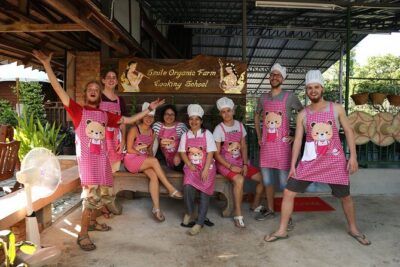
Half-Day Thai Cooking Class at Organic Farm in Chiang Mai
Read our review →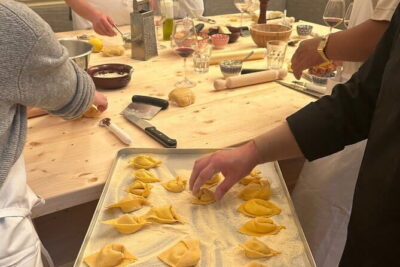
3 in 1 Cooking Class near Navona: Fettuccine, Ravioli & Tiramisu
Read our review →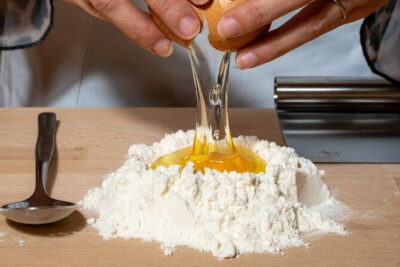
Pasta & Tiramisu Cooking Class with Unlimited Wine
Read our review →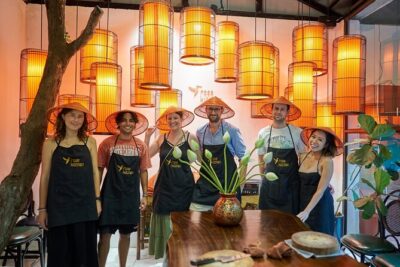
Hanoi Cooking Class: Culture, Local Market & Meaning CSR Impact
Read our review →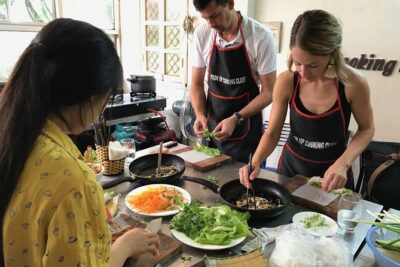
5 Traditional Dishes Hanoi Cooking Class with Market Trip
Read our review →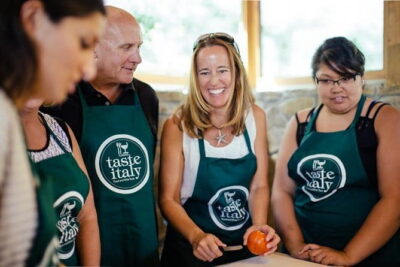
Cooking Class and Lunch at a Tuscan Farmhouse with Local Market Tour from Florence
Read our review →
Cooking Class, Market & Thai Herbs Garden Tour
Read our review →Lists this class appears in