
REVIEW · CAPE TOWN, SOUTH AFRICA
Authentic African Cuisine Cooking Experience
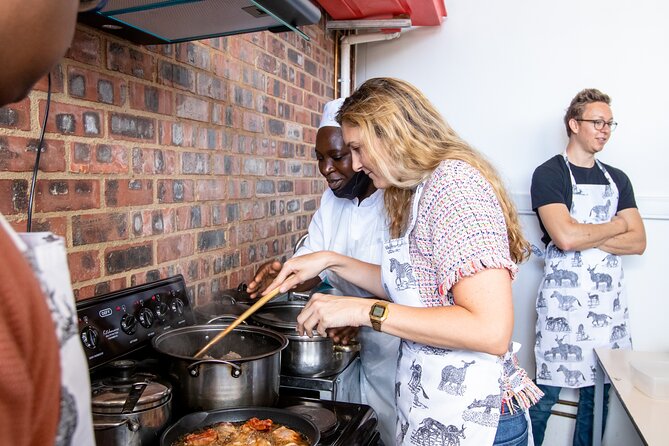
Come hungry, leave with recipes. This 2.5-hour cooking class at Pahari African Restaurant in Salt River offers more than a meal: you help prepare one from start to finish, learn where the dishes come from, and eat communally with your hosts. I like the warm, personal format and the chance to make several traditional dishes rather than watching one quick demonstration. The main thing to consider is that the cooking may feel fairly basic if you are already an experienced home cook.
The class is led by Caleb and Florence, whose friendly approach is a major part of the experience. Caleb introduces the history, ingredients, and meaning behind the food, while Florence guides the practical cooking. The small maximum of 10 people helps keep the lesson social and hands-on, although the exact amount of cooking each person does may depend on the group.
You begin with African drinks and starter snacks, then prepare sadza, chicken stew, beef bones with green vegetables, peanut-butter vegetables, chakalaka, and sugar beans. Vegetarian and vegan choices are available. Afterward, everyone sits down to share the meal, followed by African tea or coffee. At $57.51 per person, that is a fair price for a full meal, drinks, instruction, cultural background, and a private-feeling evening.
Key points to know before booking
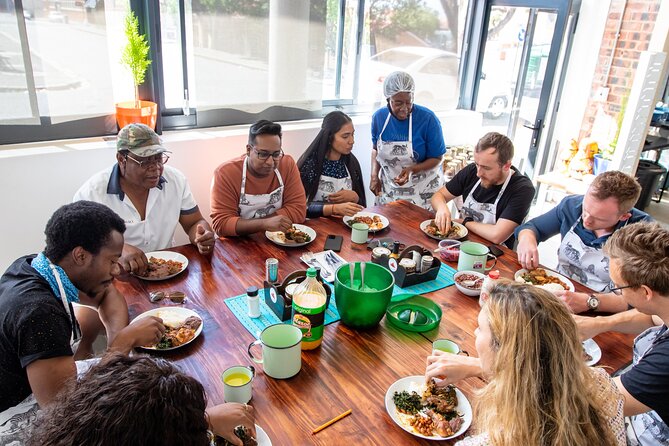
- You cook a full spread: The menu includes sadza, chicken stew, chakalaka, sugar beans, vegetables with peanut butter, and meaty beef bones.
- Caleb and Florence set a welcoming tone: Their warmth and personal stories are central to the experience.
- The meal is shared communally: You do not simply collect a plate and leave. You eat together in the style of an African home.
- Vegetarian and vegan options are available: Tell the hosts about your needs so the menu can be adjusted.
- The group is capped at 10 people: This keeps the class smaller than many commercial food tours.
- Use the restaurant name for your Uber: Pahari African Restaurant is at 121 Cecil Road in Salt River, and an accurate destination helps avoid confusion.
Why this cooking class feels different
Many cooking classes are built around a polished kitchen, a recipe sheet, and a quick meal at the end. This one puts the social part of cooking closer to the center. You are welcomed with drinks and African snacks, hear about the food before touching the ingredients, then take part in preparing a group meal.
I like that the menu is not limited to one famous dish. You get a look at several parts of a Southern African-style spread: a maize-based staple, meat dishes, leafy vegetables, beans, and a spicy vegetable relish. That gives you a better sense of how different foods work together at the table.
The class also has a strong home-style feel. Each person has a chance to contribute, and the meal is eaten communally. That format matters because the food is presented as part of everyday culture and family tradition, not just as a collection of restaurant specialties.
The setting is Pahari African Restaurant at 121 Cecil Road in Salt River. It is near public transportation, and the activity begins and ends at the restaurant. You do not need to arrange private transportation, since that is not included, but you can reach the meeting point by public transport or a ride service.
A few more cooking classes around South Africa worth a look
- Cape Town: Malay Cooking Class and Lunch in Bo-Kaap
★ 4.8 · 515 reviews - Cape Town: Cape Malay Cooking Class in Bo-Kaap
★ 4.8 · 120 reviews - Cape Town: Bo-Kapp Walking Tour and Malay Cooking Class
★ 4.7 · 105 reviews
Starting with drinks, snacks, and food stories
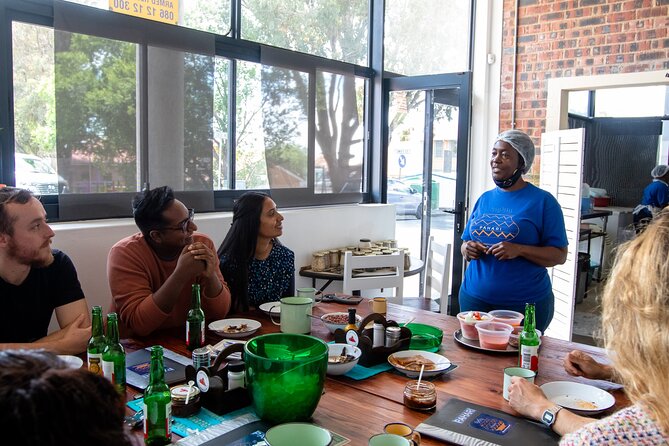
The opening is designed to ease you into the experience. You receive a selection of African drinks and starter snacks before the main cooking begins. This gives you a chance to settle in, meet the hosts, and get a first taste of the flavors used in the meal.
Caleb explains the background of African cuisine, its ingredients, and the way recipes have been passed through generations. He also discusses the history and nutritional value of some starters. This part is especially useful if you know little about the foods on the menu.
Expect the conversation to be as important as the recipes. The hosts explain what the dishes mean and how they fit into African cooking traditions. You may learn more from this introduction than from a standard recipe card, especially if you want to understand why certain ingredients appear together.
One thing to keep in mind is the broad wording of African cuisine. Africa contains many regional food traditions, and this class does not claim to represent every one of them. The dishes here offer a particular home-style African cooking experience, with sadza, chakalaka, beans, stews, and vegetables forming the heart of the menu.
Getting your hands dirty with the main dishes
The practical section is built around a group effort. You learn how to prepare several dishes, with each person contributing to one or more parts of the meal. The hosts demonstrate the process and guide you through the work, so you do not need advanced culinary skills.
Sadza, the mealie pap staple
Sadza, also called mealie pap, is a maize-based staple served with many meals in Southern Africa. Its plain, filling character makes it a useful partner for stews, vegetables, and sauces.
Preparing it helps you understand how a simple staple anchors the rest of the meal. The class is not only about strong spices or unusual ingredients. It also shows how texture and balance matter when several dishes are served together.
Same place, a different thing to cook:
- Cape Town: Authentic African Cuisine Cooking Experience
★ 4.9 · 31 reviews - Private Cape Malay Cooking Class in Cape Town with a Local Family
★ 5.0 · 24 reviews - GQ: City Walking Tour & African Cuisine Cooking Class
★ 4.6 · 11 reviews - South African Cooking in Cape Town with Local Chef Richard
★ 4.5 · 10 reviews
Chicken stew
The chicken stew brings a familiar main dish into the broader meal. You help prepare it as part of the shared menu, then taste it alongside sadza and vegetables.
This is a good part of the class for cooks who want something they can recreate at home. The flavors are approachable, and the dish gives you a clear example of how a stew can work with a maize-based staple.
Beef bones with green vegetables
The beef-bone dish is one of the more distinctive items on the menu. It combines meaty beef bones with green vegetables, offering a hearty preparation that may be less familiar to some visitors.
If you are an adventurous eater, this is one of the dishes to pay attention to. If you prefer lean meat or do not eat beef, the vegetarian and vegan alternatives should make the meal easier to enjoy. Ask about substitutions when you arrive.
Vegetables with peanut butter
Peanut butter adds body and a gentle nutty flavor to the green vegetables. This dish is a useful reminder that African cooking is not defined only by meat and heat.
The preparation also gives you something different from the stew and beef dishes. The final meal has varied textures and flavors, with the vegetables providing a softer, more savory counterpoint to the starch and meat.
Chakalaka and sugar beans
Chakalaka is a seasoned vegetable relish that brings color and spice to the plate. Sugar beans add another substantial, plant-based element and help round out the meal.
Together, these dishes make the menu feel generous rather than symbolic. You are not tasting a single small sample. You are helping prepare a spread with enough variety to show how the dishes complement each other.
How much cooking will you actually do?
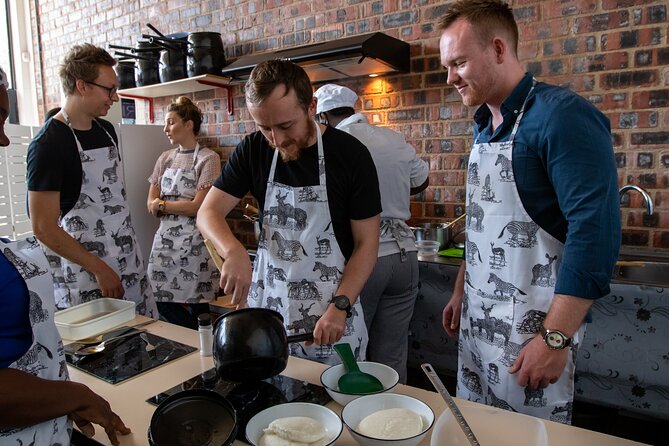
This is a hands-on class, but it is not presented as an advanced chef training session. The group works through demonstrations and shared tasks, and everyone has an opportunity to contribute.
That makes the experience accessible for families, couples, work groups, and people who rarely cook. Children aged 11 and 14 were reported to enjoy the class, including the chance to eat with their hands. The atmosphere is meant to be relaxed and social rather than strict or technical.
Experienced cooks should set their expectations accordingly. One clear criticism is that the class may be too basic for someone looking for complex knife work, advanced sauces, or professional-level instruction. You are paying for the combination of food, culture, hospitality, and participation, not for a demanding culinary course.
The level of personal involvement may also vary. In a small group, you may get more time with the ingredients. In a larger group of up to 10, some tasks will naturally be shared. I would book this for the cultural exchange and meal as much as for the cooking technique.
The communal meal is the real finish
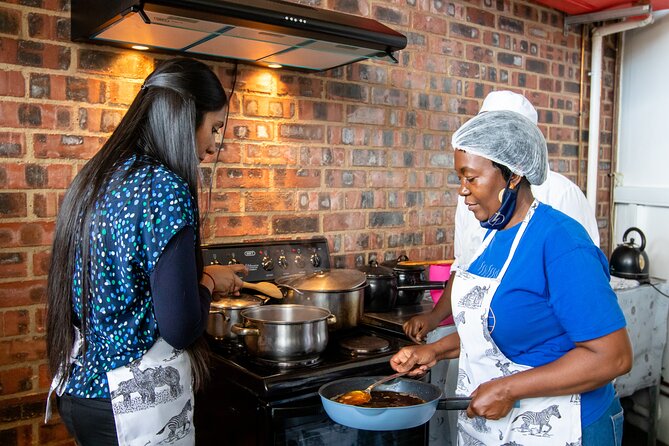
After the food is prepared, you sit down and eat together. This communal approach is one of the strongest parts of the experience because it turns the class into a social evening rather than a lesson that ends when the cooking stops.
Eating together also lets you taste the dishes as a complete meal. Sadza makes more sense with stew and vegetables beside it. Chakalaka adds a sharper, spiced element, while beans and peanut-butter vegetables provide substance without relying on meat.
The hosts are praised for making people feel at home. That warmth appears throughout the experience, from the welcome drinks to the conversation at the table. If you enjoy meeting local hosts and sharing a meal, this part may matter more to you than the cooking itself.
The class ends with an African hot beverage, either tea or coffee. It is a small but fitting final touch after a full meal.
Price, timing, and practical value
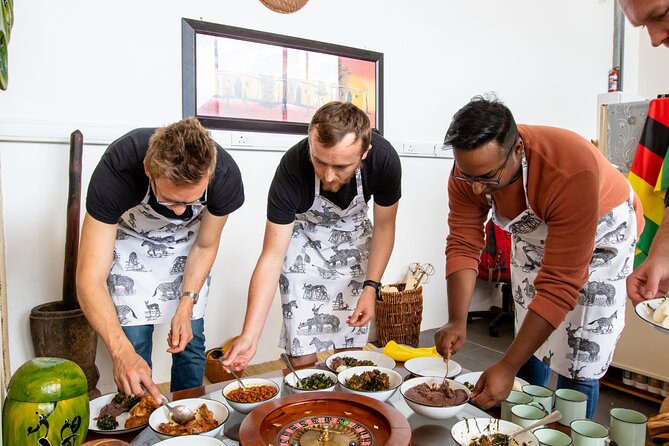
The price is $57.51 per person, and the experience lasts about two hours and 30 minutes. Included are snacks, alcoholic beverages, lunch, dinner, and coffee or tea. Since the class combines a lesson and a substantial meal, the price compares well with a standard restaurant dinner, particularly if you value the cultural explanation and personal hosting.
The word lunch or dinner depends on the scheduled time, but the format remains the same: welcome refreshments, instruction, cooking, a shared meal, and a hot drink. Since the activity is booked on average 33 days ahead, popular dates may fill early. If it fits your Cape Town plans, arranging it before arrival is sensible.
The meeting point is Pahari African Restaurant, 121 Cecil Road, Salt River, Cape Town, 7925. The experience ends at the same location. Public transportation is nearby, but private transportation is not part of the package.
For a ride service, enter the restaurant name and full address carefully. An Uber driver who knows Pahari African Restaurant can make the trip simple, but giving the driver the correct destination is useful because Salt River has many streets and businesses.
You receive confirmation at booking, and the activity has a maximum of 10 people. Free cancellation is available if you cancel at least 24 hours before the start time. Changes or cancellations inside that window are not accepted for a refund.
Who will enjoy it most?
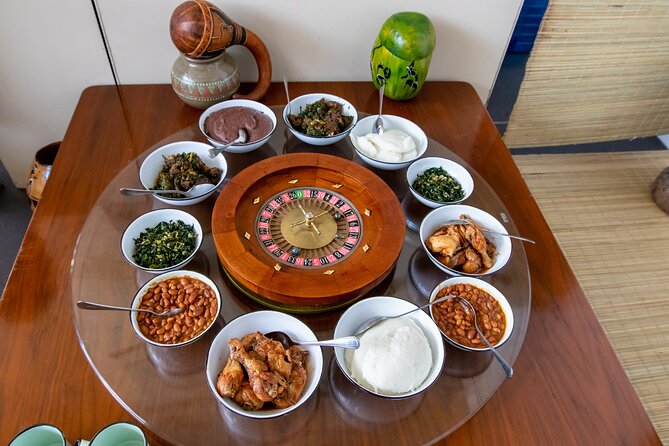
I would recommend this class to you if you want food to be a way into culture. It suits couples, families, small groups of friends, work colleagues, and solo visitors who enjoy joining a social table.
It is also a good first food activity in Cape Town. The meal introduces several dishes at once, and the hosts explain the background behind them. You leave with a better idea of how the cuisine is organized, not just a memory of one restaurant plate.
Families should take note of the relaxed, participatory format. Children who enjoy helping in the kitchen, tasting unfamiliar foods, and eating communally may have a great time. The class also offers vegetarian and vegan options, which makes it more flexible than a meat-centered food tour.
I would be less likely to recommend it if your main goal is advanced cooking technique. The class is geared toward basic cooks and cultural learning. It is also not the best fit if you want a fast demonstration with little conversation, since the hospitality and shared meal are central to the experience.
Should you book the African cooking experience?
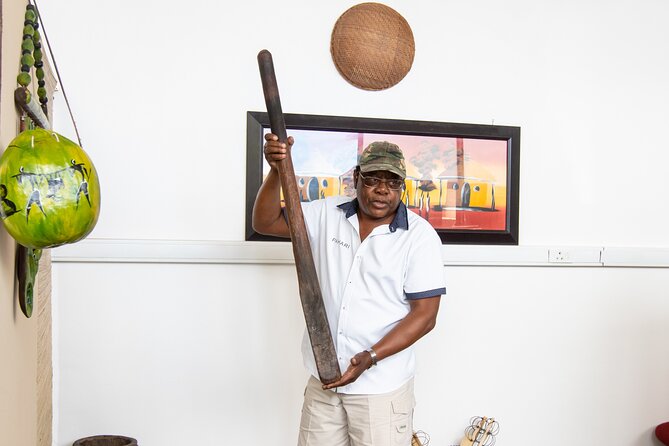
Book it if you want a warm, personal evening built around food, stories, and shared work. The combination of Caleb’s explanations, Florence’s cooking guidance, a wide menu, and the communal meal gives you much more than a simple dinner.
The strongest reasons to go are the friendly hosts, the chance to prepare several dishes, the vegetarian and vegan flexibility, and the feeling of eating in a home rather than passing through a food stall. The main caution is that experienced cooks may find the instruction simple.
At $57.51, this is good value for a two-and-a-half-hour experience that includes drinks, snacks, a full meal, and cultural context. If you want an authentic-feeling introduction to African home cooking in Cape Town, I would put this on your itinerary.
FAQ
Where does the cooking experience take place?
It takes place at Pahari African Restaurant, 121 Cecil Road, Salt River, Cape Town, 7925, South Africa.
How long does the experience last?
The experience lasts approximately two hours and 30 minutes.
How many people can join the class?
The activity has a maximum of 10 people.
What dishes will I learn to make?
You will learn to make sadza, also called mealie pap, meaty beef bones with green vegetables, chicken stew, green vegetables with peanut butter, chakalaka, and sugar beans.
Are vegetarian and vegan options available?
Yes. Vegetarian and vegan options are available.
What is included in the price?
The price includes coffee or tea, alcoholic beverages, lunch, dinner, and snacks.
Can I cancel for a refund?
Yes. You can cancel at least 24 hours before the experience start time for a full refund. Cancellations or changes made less than 24 hours before the start time are not accepted for a refund.
Just added around South Africa
- Private Cape Malay Cooking Class in Cape Town with a Local Family★ 5.0 · 24 reviews
- Langa Township and Bokaap Cooking Class Half Day Tour★ 5.0 · 4 reviews
- South African Cooking in Cape Town with Local Chef Richard★ 4.5 · 10 reviews
- Cape Town Shore Excursion| South African Cooking & Port Transfers★ 5.0 · 3 reviews
- Private Authentic Cape Malay Cooking Class in Manenberg with Locals★ 5.0 · 5 reviews
- Cape Malay/Creole Cooking Class and Local Shopping in Salt River★ 5.0 · 2 reviews
- South African Cooking Class in Cape Town with a Local Family★ 5.0 · 2 reviews
- Johannesburg: Pan-African Cooking & Dinning Experience★ 4.5 · 6 reviews
Cooking Classes, compared.
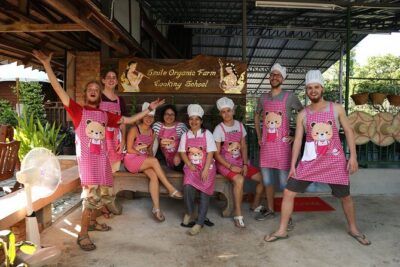
Half-Day Thai Cooking Class at Organic Farm in Chiang Mai
Read our review →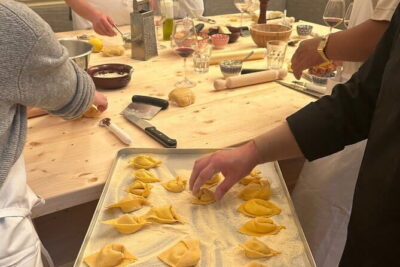
3 in 1 Cooking Class near Navona: Fettuccine, Ravioli & Tiramisu
Read our review →
Pasta & Tiramisu Cooking Class with Unlimited Wine
Read our review →
Hanoi Cooking Class: Culture, Local Market & Meaning CSR Impact
Read our review →
5 Traditional Dishes Hanoi Cooking Class with Market Trip
Read our review →
Cooking Class and Lunch at a Tuscan Farmhouse with Local Market Tour from Florence
Read our review →
Cooking Class, Market & Thai Herbs Garden Tour
Read our review →Lists this class appears in