
REVIEW · CAPE TOWN, SOUTH AFRICA
South African Cooking Class in Cape Town with a Local Family
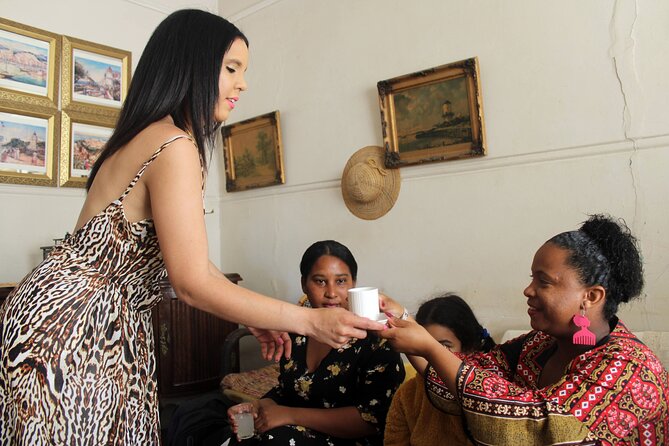
Food opens doors quickly. This private class brings you into Annika’s 1934 Victorian-style home in Kensington, about 10 kilometers from Cape Town’s city center, for hands-on South African cooking and a shared meal. I like the personal setting and the chance to learn family recipes rather than simply eat a restaurant version of them. I also like that the menu can include Cape Malay and African Township dishes, with vegetarian, vegan, lactose-free, and gluten-free choices available.
The main consideration is location. Hotel pickup is not included, so you must make your own way to Kensington and return to the meeting point afterward. The cooking itself lasts about 1.5 hours within an experience of roughly three hours, so this is best for people who enjoy conversation, participation, and a relaxed meal rather than a fast sightseeing stop.
Key points at a glance
- A private class in a 1934 Victorian home: You cook and eat in Annika’s personal setting in Kensington, not in a commercial cooking studio.
- Cape Malay and African Township dishes: Depending on the menu, you might prepare samosas, bobotie, akni, curry, or chakalaka.
- Family cooking knowledge: Annika learned traditional dishes from her mother and grandmother and trained at culinary school.
- A meal you help create: The class ends at the dining table, where you share the appetizer and main dish you prepared.
- Dietary needs are supported: Vegetarian, vegan, lactose-free, and gluten-free options are available if requested at booking.
- A useful three-hour pace: You have enough time to cook, talk, and eat, but the visit will take much of an afternoon or evening.
Arriving in Kensington, 10 kilometers from central Cape Town
The experience takes place in Kensington, a multicultural neighborhood outside the central city area. The home is about 10 kilometers from Cape Town’s center, and the meeting point is given as Kensington, Cape Town, 7405.
That distance is easy enough to manage by local transport or a taxi service, but you need to plan it yourself. Since there is no hotel pickup or drop-off, allow extra time to reach the neighborhood and find the exact home. Confirmation is sent within 48 hours of booking, subject to availability, so I would wait for the confirmed meeting details before setting off.
The setting matters. A private home gives the class a different feel from a standard tourist kitchen. You are not just watching a demonstration in a purpose-built room. You are entering Annika’s family environment, a Victorian-style house built in 1934, and learning food in the place where it is actually cooked and served.
That intimacy also means the experience may feel less polished than a large cooking school. There may not be a formal reception area, printed lesson plan, or theatrical demonstration. For me, that is part of the appeal, as long as you prefer a personal visit over a tightly staged class.
More Home Cooking Classes in South Africa:
- Private Cape Malay Cooking Class in Cape Town with a Local Family
★ 5.0 · 24 reviews - Khmer Cooking Class at a Local’s Home in Krong Siem Reap
★ 5.0 · 2,731 reviews - Local Home Korean Cooking Class & Market Adventure in Seoul
★ 5.0 · 1,024 reviews
Meeting Annika and hearing the family story
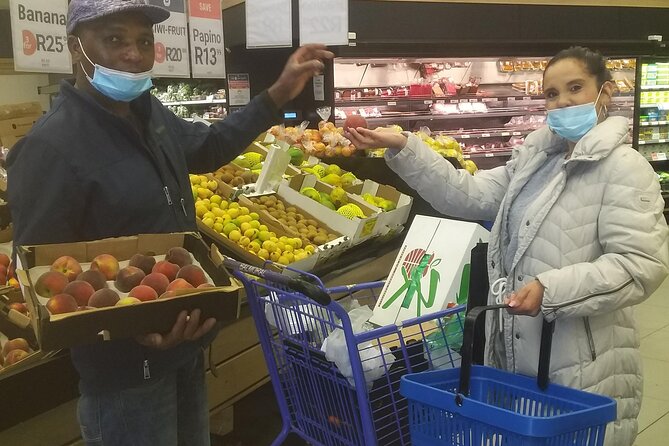
Annika grew up in Cape Town in a multicultural family with South African and Danish roots. Her interest in cooking began in childhood, and she learned authentic South African dishes from her mother and grandmother. She has also graduated from culinary school, giving her both family knowledge and formal training.
That combination is useful. Family recipes often carry small details that are difficult to find in a cookbook, while culinary training can make a lesson easier to follow. You can expect the class to include more than measurements and cooking times. Annika can also explain how different food traditions meet in Cape Town and how dishes connect to South African family life.
The private format helps here. Only your group takes part, so you can ask questions without competing with a large roomful of people. You can also tell Annika about your cooking interests, dietary needs, or preferences in advance. The experience is personalized, but the available menu still depends partly on the season.
The 1.5-hour cooking class
The hands-on class lasts about 1.5 hours. You will prepare an appetizer and a main dish, working with Annika rather than simply sitting back while someone else cooks.
For the appetizer, the choices include samosas or bobotie. Samosas offer a practical introduction to seasoning, filling, and shaping. Bobotie is a baked dish associated with Cape Malay cooking, and learning it gives you a taste of the sweet, savory, and spiced combinations that make the cuisine distinctive.
The main dish may be one of several options:
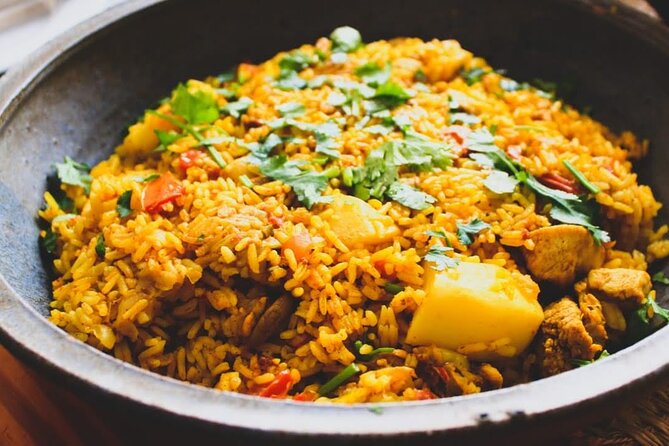
- Akni, a chicken or beef pulao
- Chicken or beef curry
- Chakalaka, a spicy tomato and bean relish
This range gives the class some flexibility. Akni introduces you to a rice-based dish with meat and seasoning. Curry offers a familiar format with South African character. Chakalaka is especially useful for a vegetarian meal, since it centers on tomatoes, beans, and spice rather than meat.
The menu is not fixed in the information provided, and it may vary with the season. That is worth keeping in mind if you are booking because you want one particular dish. Contact the provider before booking if a certain recipe is important to you, and give clear details about allergies or dietary restrictions at the same time.
One especially appealing part of the class is the from-scratch approach. The strongest praise focuses on taking part in food preparation and learning Annika’s mother’s cooking secrets. That suggests you should expect to be involved, not merely handed a recipe at the end. If you enjoy chopping, mixing, shaping, seasoning, and asking questions, you will get more from the visit.
Cape Malay flavors and African Township food
The class introduces two important parts of Cape Town’s food culture: Cape Malay cooking and African Township delicacies. These terms are not just menu labels. They point to the way South African food reflects different communities, family traditions, and local adaptation.
Cape Malay food is often associated with fragrant spices, curries, samosas, and dishes such as bobotie. African Township cooking brings another set of home-style traditions, including foods such as chakalaka. You will not cover the whole of South African cuisine in three hours, but you will get a focused look at dishes that are strongly linked to Cape Town’s cultural mix.
I like this approach because it moves beyond the usual restaurant introduction. You are not only tasting food after it has been prepared by a chef. You are learning how the dish is made and hearing about the traditions behind it. The lesson may also help you understand why South African cooking does not fit neatly into one category.
Still, keep your expectations sensible. The menu choices mean that your exact experience will depend on what is available and what you request. If you want a broad survey of the country’s food, this class is too short. If you want a close look at a few home-cooked dishes, the focus works well.
A few more cooking classes around South Africa worth a look
- Cape Town: Malay Cooking Class and Lunch in Bo-Kaap
★ 4.8 · 515 reviews - Authentic African Cuisine Cooking Experience
★ 5.0 · 236 reviews - Cape Town: Cape Malay Cooking Class in Bo-Kaap
★ 4.8 · 120 reviews - Cape Town: Bo-Kapp Walking Tour and Malay Cooking Class
★ 4.7 · 105 reviews
Sitting down for the meal you helped prepare
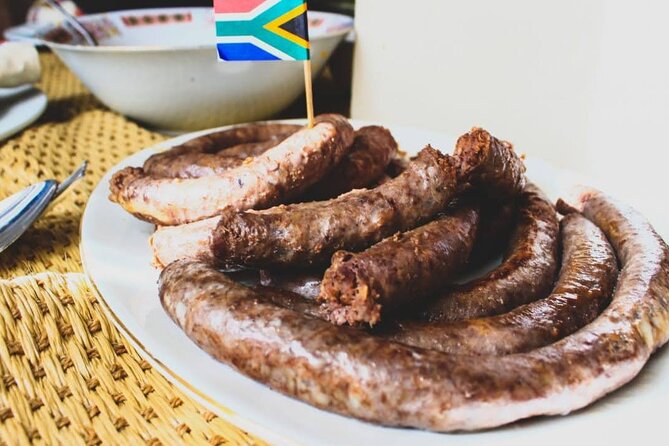
After the cooking lesson, you join Annika at the table and eat the dishes you made. This shared meal is not an extra add-on. It is the natural finish to the class and gives the cooking a clear purpose.
Food usually tastes different when you have handled the ingredients yourself. You pay closer attention to the texture, seasoning, and preparation because you know what went into it. The meal also gives you more time to talk about South African cuisine and culinary customs without the pressure of a formal lesson.
Alcoholic beverages are included, along with the cooking class, home-cooked meal, taxes, fees, and gratuities. That makes the $82 price easier to assess. You are paying for a private activity, personal instruction, a meal, drinks, and a local home setting, not just a plate of food.
The price is not the cheapest way to eat in Cape Town. If your only goal is to sample a local dish, a restaurant will likely cost less and take less time. But the value improves if you want a private class, direct conversation with a local host, and the chance to reproduce the recipes at home. Group discounts may also be available, which can make the cost more reasonable for a small party.
Dietary options and menu planning
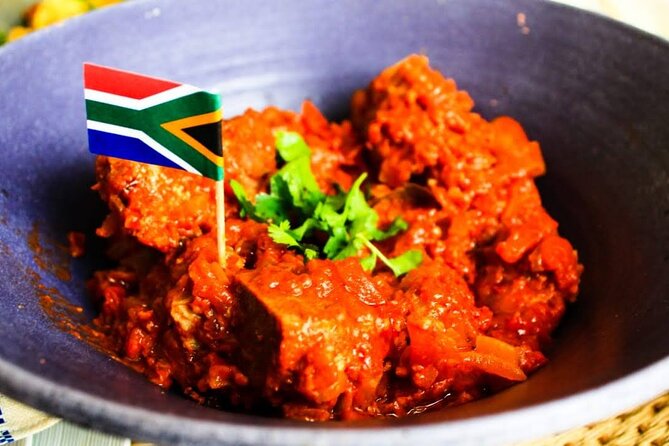
Vegetarian, vegan, lactose-free, and gluten-free options are available. This is a real strength, but it depends on giving notice at the time of booking. Do not wait until you arrive to explain an allergy or strict dietary requirement.
You should also mention cooking preferences in advance. The provider specifically asks for allergies, dietary restrictions, and preferences before the experience. That allows Annika to adjust the menu when possible and helps avoid confusion during a private meal.
The menu may change by season, so flexibility is useful. You might not receive the exact combination you imagined from the sample dishes. In exchange, you get food that can be prepared with the ingredients available at that time.
Timing, group size, and practical planning
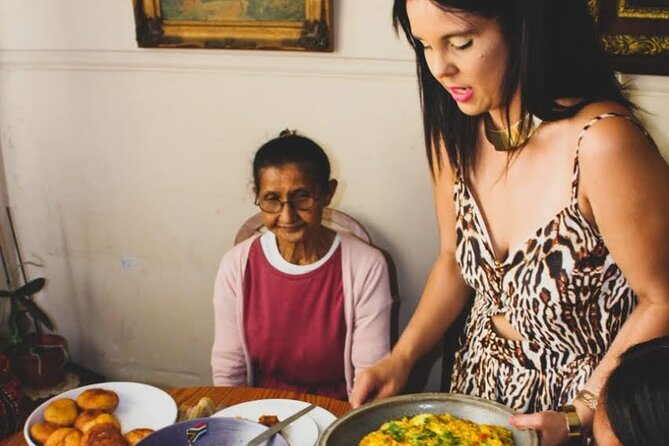
The full activity lasts about three hours, while the cooking portion is about 1.5 hours. The remaining time allows for arrival, conversation, and the shared meal. Plan this as a proper part of your day, not as a quick stop between major Cape Town sights.
The activity ends back at the Kensington meeting point. Since transportation is not included, you must arrange both directions. The location is near public transportation, which gives you another option besides a taxi, but exact transport advice is not provided, so check your route before leaving.
This is a private activity for your group only. That makes it a good fit for couples, families, and friends who want a quieter visit. It also suits people who may feel lost in a large class, since you can ask Annika to slow down or explain a technique again.
The experience allows service animals. Confirmation arrives within 48 hours of booking, subject to availability. Free cancellation is available if you cancel at least 24 hours before the start time. Changes or cancellations made inside that window are not accepted for a refund, so keep the local start time in mind.
Who will get the most from this class?

I would choose this experience if you care about the people and traditions behind a meal. It suits home cooks who want recipes they can try again, food-focused visitors who prefer participation to passive sightseeing, and anyone curious about the mix of Cape Malay and African Township cooking.
It is also a strong choice for a private celebration or a small family outing. The format gives you time to talk, and children or less experienced cooks can take part at a pace that may be harder to manage in a large public class.
You may want to skip it if you have only one free hour in Cape Town, dislike cooking, or want a fixed menu guaranteed in advance. The class takes place outside the center, requires independent transportation, and offers a seasonal menu rather than one rigid recipe list.
The experience has only a small number of published ratings, so I would not treat the perfect score as proof that every visit will be identical. The specific praise is useful, though: the strongest point is the chance to prepare food from scratch and learn family cooking secrets. That is exactly where this experience earns its price.
Should you book the Kensington cooking class?
Book it if you want a personal, food-centered afternoon with a local host and you are happy to travel beyond central Cape Town. Annika’s family background, culinary training, and home setting give the class a clear sense of place.
Before paying, confirm your dietary needs, ask about the dishes likely to be served, and plan transport to Kensington. At $82 per person, it makes the most sense when you value the private instruction, meal, drinks, and cultural conversation as one complete experience. For a simple lunch, it is expensive. For a hands-on introduction to Cape Town cooking in a real home, it offers solid value.
FAQ
Where does the cooking class take place?
It takes place in Annika’s Victorian-style home in Kensington, Cape Town, 7405, about 10 kilometers from the city center.
How long does the experience last?
The full experience lasts approximately three hours. The South African cooking class itself lasts about 1.5 hours.
What dishes might I learn to prepare?
The appetizer may be samosas or bobotie. The main dish may be akni with chicken or beef, chicken or beef curry, or chakalaka.
Is the meal included?
Yes. The experience includes the private cooking class and the home-cooked meal you help prepare.
Are alcoholic drinks included?
Yes. Alcoholic beverages are included in the price.
Can dietary restrictions be accommodated?
Vegetarian, vegan, lactose-free, and gluten-free options are available. You should provide details about allergies, restrictions, or cooking preferences when booking.
Is transportation from my hotel included?
No. Hotel pickup and drop-off are not included. The activity starts and ends at the Kensington meeting point.
Can I cancel for a full refund?
Yes, if you cancel at least 24 hours before the experience starts. Cancellations or changes made less than 24 hours before the start time are not refunded or accepted.
Just added around South Africa
- Private Cape Malay Cooking Class in Cape Town with a Local Family★ 5.0 · 24 reviews
- Langa Township and Bokaap Cooking Class Half Day Tour★ 5.0 · 4 reviews
- South African Cooking in Cape Town with Local Chef Richard★ 4.5 · 10 reviews
- Cape Town Shore Excursion| South African Cooking & Port Transfers★ 5.0 · 3 reviews
- Private Authentic Cape Malay Cooking Class in Manenberg with Locals★ 5.0 · 5 reviews
- Cape Malay/Creole Cooking Class and Local Shopping in Salt River★ 5.0 · 2 reviews
- Johannesburg: Pan-African Cooking & Dinning Experience★ 4.5 · 6 reviews
- GQ: City Walking Tour & African Cuisine Cooking Class★ 4.6 · 11 reviews
Home Cooking Classes, compared.
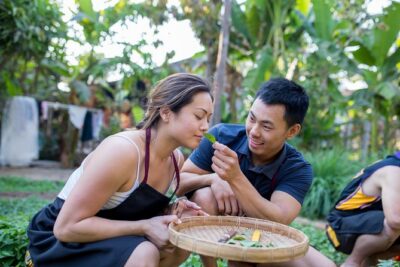
Khmer Cooking Class at a Local’s Home in Krong Siem Reap
Read our review →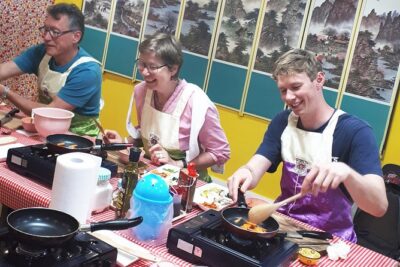
Local Home Korean Cooking Class & Market Adventure in Seoul
Read our review →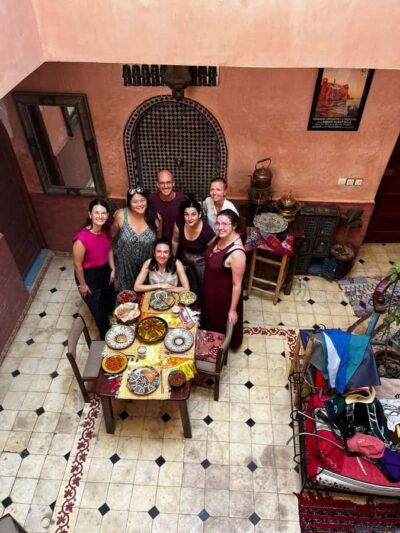
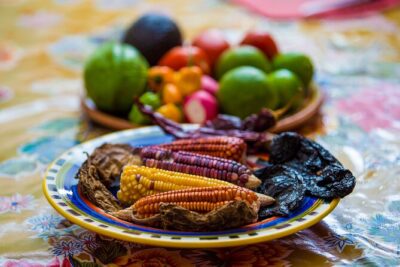
Mexican Cooking from Scratch in a Local Home in Tulum
Read our review →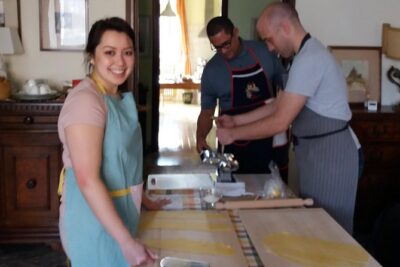
Pastamama, Home Cooking Classes at Grace’s Home
Read our review →
Traditional Cooking Class & meal with Local Family
Read our review →
Lists this class appears in