
REVIEW · SOUTH KOREA
Seoul: Korean Kimchi Cooking Class in the Heart of the City
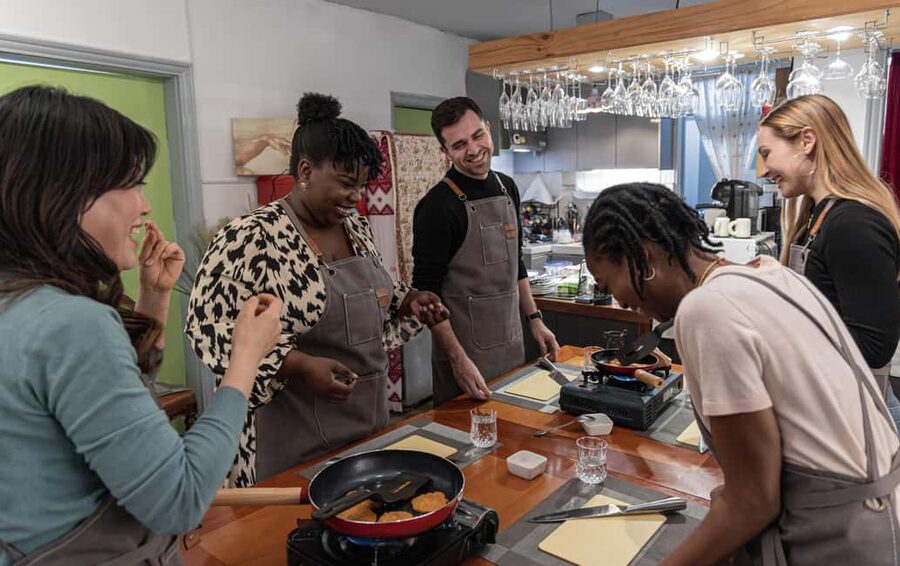
Kimchi becomes dinner, not just a side dish. This two-hour Seoul cooking class gives you hands-on practice with three Korean preparations, from crisp kimchi pancake to cool white kimchi with noodles. I like the small group of no more than eight people and the central location near Gyeongbokgung Palace. I also like that the class explains how to find Korean ingredients in your own city, so the lesson can continue after your holiday.
The main drawback is the mixed accessibility information. The activity details call the experience wheelchair accessible, but the important notes say the provider cannot accommodate wheelchair users or people needing special assistance. I would confirm this directly before booking. The $86 price is also not cheap for a two-hour class, though it includes food, a drink, instruction, and a secret dish.
Key points at a glance
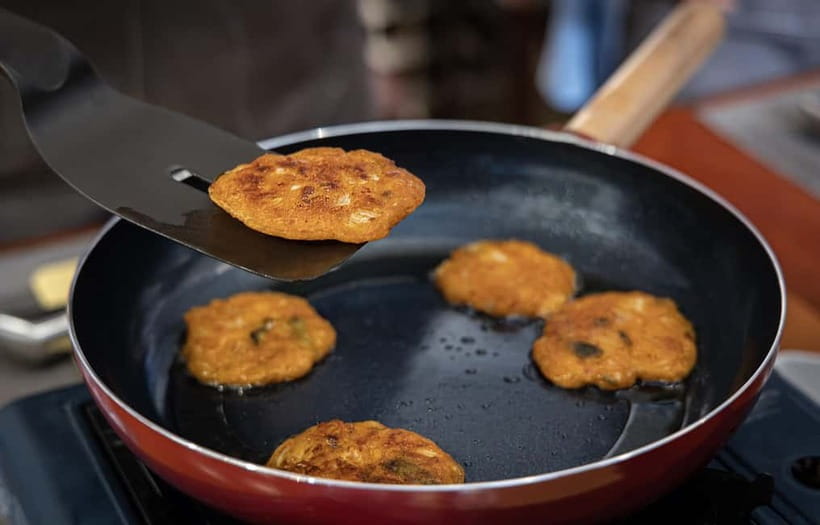
- Three different kimchi dishes: Make kimchi-buchimgae, kkakdugi fried rice with bacon and egg, and baek-kimchi with broth and noodles.
- A small English-speaking class: The group is limited to eight people, which should leave room for questions and individual help.
- Near Gyeongbokgung Palace: The meeting point is about 200 meters from Exit 2 of Gyeongbokgung Station.
- More than a cooking lesson: The chef covers fermentation, flavor balance, Korean meal structure, and how to locate ingredients back home.
- Food beyond kimchi: Makgeolli or a nonalcoholic drink is included, along with a secret dish. The experience information also lists samples of cheeses, eggplant parmigiana, and lemon amaretti cookies.
- Plan carefully for access needs: The provider says special assistance and wheelchair access cannot be accommodated, despite another description saying the venue is accessible.
Why this class works for first-time kimchi cooks
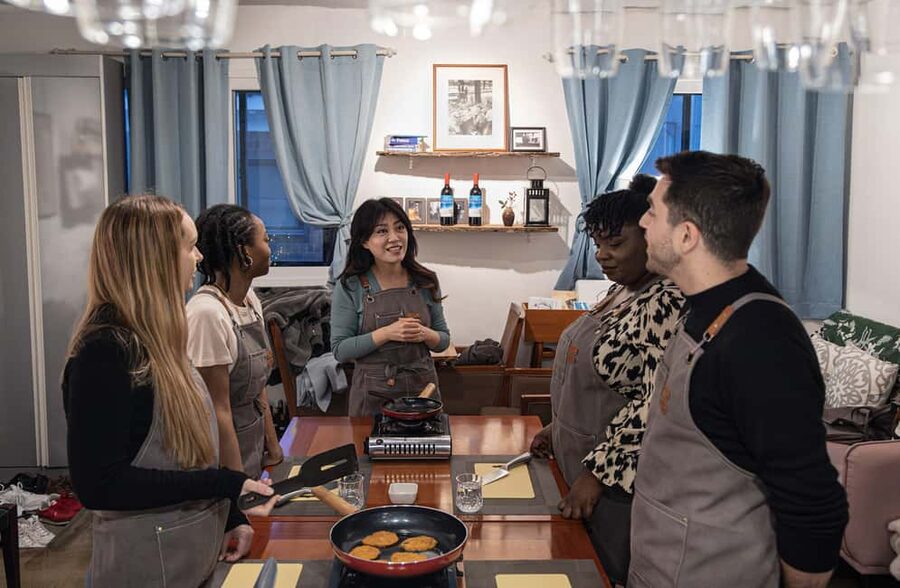
Kimchi can seem simple when it arrives in a small dish beside a Korean meal. In practice, it brings salt, sourness, heat, sweetness, crunch, and fermentation into the same bite. This class helps you understand how those qualities are used rather than asking you to memorize a recipe and hope for the best.
I like the range of dishes. You do not spend two hours making one large batch of cabbage kimchi. Instead, you work with cabbage, radish, and white kimchi, then see how the results function in pancakes, fried rice, and noodles.
That variety matters. A beginner can learn that kimchi is not one fixed flavor. Cabbage kimchi gives a savory, fermented punch. Radish kimchi adds a firm crunch. White kimchi offers a gentler, non-spicy style with a light broth. The class gives you three useful ways to bring kimchi into a meal.
The instruction is in English, and the format is intended for all cooking levels. One verified participant described the experience as relaxed and comfortable for both beginners and more experienced home cooks. That is useful context for anyone who worries about keeping up in a working kitchen.
More Korean Cooking Classes in Seoul:
- Local Home Korean Cooking Class & Market Adventure in Seoul
★ 5.0 · 1,024 reviews - Master Korean traditional cooking with a Kimchi chef
★ 5.0 · 385 reviews - Seoul: Korean Cooking Class at a Local Home and Market Tour
★ 5.0 · 348 reviews
Finding the meeting point near Gyeongbokgung
The class meets on the third floor at 36 Jahamun-ro 7-gil in Jongno District. From Exit 2 of Gyeongbokgung Station, walk straight for about 200 meters, then turn left when you reach Woori Bank.
Pass the well-known bar Cham. The building has Cuisine La Cle restaurant on the first floor, and the class is upstairs on the third floor. This is a practical meeting point for a day in Jongno, especially if you are visiting Gyeongbokgung Palace before or after cooking.
Give yourself enough time to find the building. The venue is described as a secret location, and the class takes place above a restaurant rather than in a large, obvious cooking school. The supplied Google Maps link can help, but I would still save the address and arrive early.
The neighborhood adds value to the experience. You are not being sent far from central Seoul for a cooking demonstration. You can pair the lesson with palace grounds, nearby traditional streets, or other sights in Jongno. Pickup and drop-off are not included, but the subway access keeps the logistics simple.
Washing hands and setting up for the meal
The class begins by meeting the chef, washing hands, and learning the basic skills needed for a Korean meal. The opening is practical rather than theatrical. You should expect to work with ingredients and cooking steps fairly quickly.
The chef introduces local ingredients and explains how you might find them in your own city. This is one of the strongest parts of the class for a home cook. A recipe is more useful when you know what to substitute, where to shop, and which ingredients create the main flavor.
The experience also focuses on fermentation and the balance between bold and subtle tastes. That does not mean every part of the lesson is devoted to the science of fermentation. Rather, you learn how fermented ingredients change a dish and how kimchi pairs with other foods.
A small class makes a difference here. With a maximum of eight people, you have a better chance of seeing the chef’s technique and asking about texture, seasoning, or cooking time. The class is not designed as a private lesson, but it is more personal than a large demonstration.
Kimchi-buchimgae, the crisp first dish
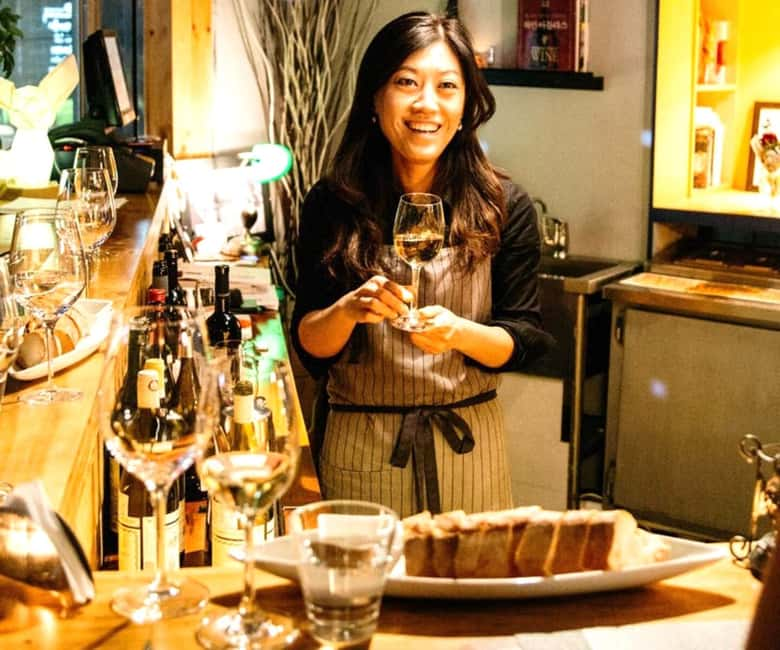
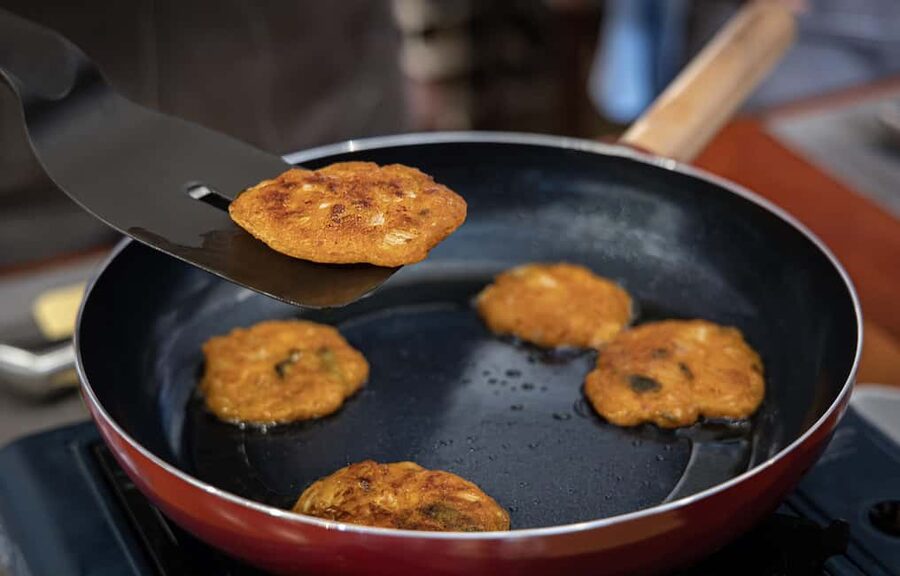
The first named dish is kimchi-buchimgae, a Korean kimchi pancake. It is savory and crisp, with fermented cabbage providing the main flavor.
This is an excellent introduction because pancakes show kimchi in a familiar form. You can focus on the contrast between a browned outside and a soft interior while learning how the sour and spicy notes of kimchi change during cooking.
The dish also teaches restraint. Kimchi already brings seasoning, so the rest of the mixture has to support it rather than bury it. The class description emphasizes balancing strong and gentle flavors, and this pancake is a natural place to see that principle at work.
For you, the useful takeaway is versatility. Kimchi does not need to be served cold from a jar. It can become the centerpiece of a quick savory dish, making the recipe practical for a simple meal at home.
More City Tours in Seoul:
- Rome: Fettuccine Pasta Cooking Class in Rome’s City Center
★ 4.8 · 2,414 reviews - Small-group Mekong Floating Market Day Trip from Ho Chi Minh City
★ 5.0 · 886 reviews - Mexican Cooking Class with Food Market Visit in Mexico City
★ 5.0 · 506 reviews - Pink City Cooking Class
★ 5.0 · 452 reviews
Kkakdugi turns into fried rice
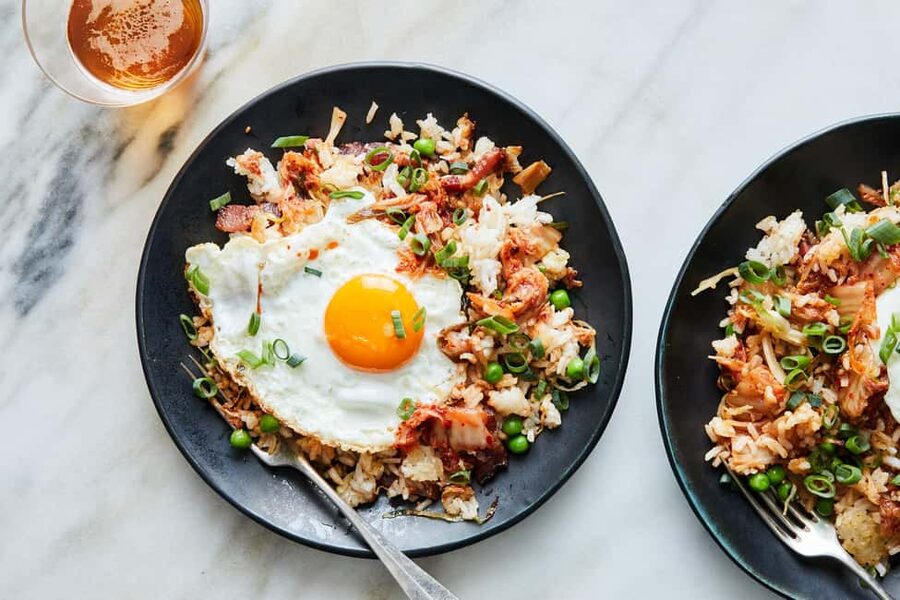
Next comes kkakdugi, the cube-shaped radish kimchi known for its crunch. You prepare the radish kimchi and then use it in a hearty stir-fried rice dish with bacon and a golden fried egg.
This is probably the most filling part of the class. The bacon adds richness, while the radish provides texture and fermented seasoning. The egg supplies a soft, familiar finish. It is a clear example of how Korean cooking builds a complete meal from a few strongly flavored components.
The supplied details also refer to a classic stir-fry with seasonal vegetables. The exact vegetables may change, since the itinerary and menu depend on availability. That flexibility is worth remembering if you have a specific expectation about the final plate.
I appreciate the lesson hidden in this dish. Kimchi is not only an accompaniment. It can season rice, vegetables, and meat in one pan. If you cook at home, this is the recipe style most likely to become a regular weeknight option.
Baek-kimchi brings a cooler, gentler finish
The third preparation is baek-kimchi, or white kimchi. Unlike the spicy red varieties many people first associate with Korea, baek-kimchi is a non-spicy version served with a delicate broth and noodles.
This gives the class a useful change of pace. After the assertive flavors of kimchi pancake and radish kimchi fried rice, the white kimchi dish shows how fermentation can be refreshing and restrained.
The noodles and broth also underline the importance of texture in Korean food. You are not simply sampling another preserved vegetable. You are building a composed dish in which liquid, noodles, and kimchi work together.
If you avoid spicy food, pay close attention to this portion. It may be the most comfortable dish for your palate, though the class still centers on kimchi and Korean seasonings. For dietary needs, contact the provider ahead of time rather than waiting until the class begins.
Makgeolli, nonalcoholic drinks, and the secret dish
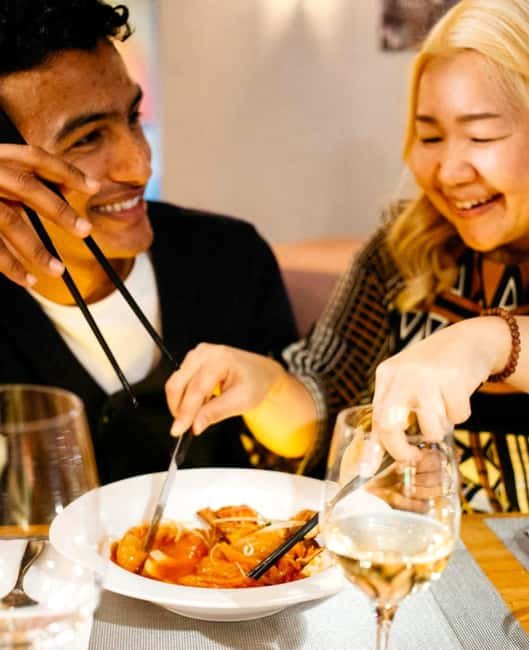
Makgeolli, a Korean rice wine, is included with the class. You can request an alcohol-free drink instead. Water is also provided.
The drink helps connect the cooking lesson to the way a meal is enjoyed, not just the way it is prepared. If you choose makgeolli, remember that the legal drinking age is 18. Anyone with alcohol restrictions can take the nonalcoholic option without losing the main cooking experience.
There is also a secret dish. Its contents are not specified, so you should treat it as a bonus rather than a reason to book. The element adds a little surprise to the meal, but the three named kimchi dishes are the dependable core.
The experience information also highlights samples of cheeses, eggplant parmigiana, and lemon amaretti cookies. These items do not appear in the detailed kimchi menu, so I would not assume they replace any of the Korean dishes or that they are served at a particular point. They may be part of the wider food offering connected with the experience.
What the $86 price really covers
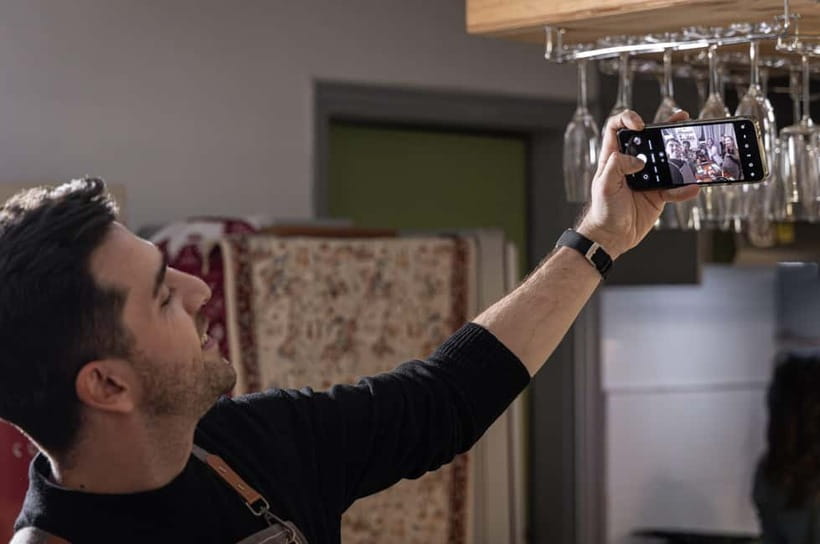
At $86 per person, this class costs more than a casual Korean meal. The value depends on what you want from your time in Seoul.
You are paying for a two-hour, English-language lesson in a small group, plus three prepared kimchi dishes, a classic stir-fry, baek-kimchi, a drink, water, and a secret dish. The price also covers the chance to cook rather than simply watch. That combination makes it easier to justify for visitors who want a food activity with practical skills.
The group limit of eight is important. A cheaper, larger demonstration may offer less contact with the chef and fewer chances to handle the ingredients yourself. Here, the small format should make the lesson more useful if you want to repeat the dishes at home.
Still, the price may feel high if your main goal is a full meal. The activity lasts about two hours, and the menu can change according to availability. If you judge value only by portion size, a restaurant will cost less. If you value instruction, cultural context, and recipes you can use later, the calculation looks better.
Who should book this experience
I would recommend this class to first-time visitors who want a food activity close to major Seoul sights. It suits people who enjoy learning by doing and home cooks looking for practical ways to use kimchi.
It is also a good choice for mixed cooking abilities. The class is designed for beginners and experienced cooks, and the small group should help the chef give guidance at different levels.
People who dislike fermented or spicy flavors may find parts of the menu challenging. Baek-kimchi offers a milder option, but the central subject remains kimchi. You should also contact the provider in advance about allergies, dietary restrictions, or ingredient concerns.
The class may not suit anyone who needs wheelchair access or special assistance. The information is contradictory, with one section calling the activity wheelchair accessible and another clearly stating that wheelchair users and people with mobility impairments cannot be accommodated. Treat the restriction as the safer guidance and ask the provider before paying.
You can cancel up to 24 hours before the start time for a full refund, and reserve now while paying later. Those terms are useful if your Seoul schedule is still shifting, but they do not change the need to confirm the venue and access arrangements.
Should you book the Seoul kimchi class?
Book it if you want more than a meal and like the idea of learning three distinct uses for kimchi in a friendly group. The location near Gyeongbokgung Palace, English instruction, included makgeolli or a nonalcoholic drink, and practical shopping guidance make the $86 easier to defend.
Skip it if you want a quick, inexpensive tasting, need guaranteed wheelchair access, or have strict dietary requirements that you have not discussed in advance. For everyone else, this is a focused way to connect Korean food culture with recipes you can repeat after leaving Seoul.
FAQ
How long does the Korean kimchi cooking class last?
The class lasts two hours.
Where does the class meet?
It meets on the third floor at 36 Jahamun-ro 7-gil in Jongno District, Seoul. The building has Cuisine La Cle restaurant on the first floor.
How do I reach the meeting point by subway?
From Exit 2 of Gyeongbokgung Station, walk straight for about 200 meters, turn left at Woori Bank, pass the bar Cham, and continue to the building.
What dishes will I prepare?
You will prepare kimchi-buchimgae, or kimchi pancake, kkakdugi, or radish kimchi, and a stir-fried rice dish with bacon and a fried egg. You will also prepare baek-kimchi with broth and noodles.
Is a drink included?
Yes. Makgeolli, Korean rice wine, is included. You can choose an alcohol-free drink instead, and water is provided.
Is the class taught in English?
Yes. The instructor language is English.
Can wheelchair users join the class?
The information is contradictory. One section describes the activity as wheelchair accessible, but the important notes say the provider cannot accommodate wheelchair users or people needing special assistance. Contact the provider before booking to confirm.
Can I cancel for a refund?
Yes. You can cancel up to 24 hours in advance for a full refund.
Just added around Seoul
- Seoul: Premium Korean Feast Cooking Class★ 5.0 · 3 reviews
- Seoul: Kimchi Dishes Cooking Class with Wine Pairing★ 4.7 · 38 reviews
- Seoul: Korean Cooking Class with Local Grocery Shopping★ 5.0 · 13 reviews
- Seoul: Korean Home Visit, Cooking & Cultural Experience★ 5.0 · 2 reviews
- Seoul: Cooking Class and Tour with Michelin-Trained Chef★ 5.0 · 11 reviews
- Seoul: Authentic Korean Cooking Class and Market Tour★ 5.0 · 6 reviews
- (Seoul) Korean Cooking Class with a Professional Chef★ 5.0 · 14 reviews
- Seoul: Royal Seoul Cooking Class in a 100-Year-Old Hanok★ 5.0 · 96 reviews
Korean Cooking Classes, compared.
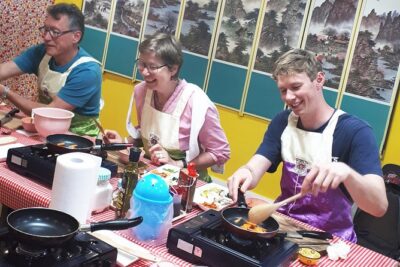
Local Home Korean Cooking Class & Market Adventure in Seoul
Read our review →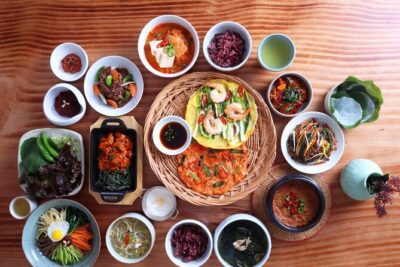
Master Korean traditional cooking with a Kimchi chef
Read our review →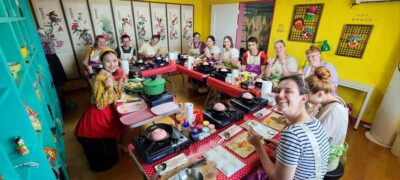
Korean Cooking Class at a Local Home and Market Tour
Read our review →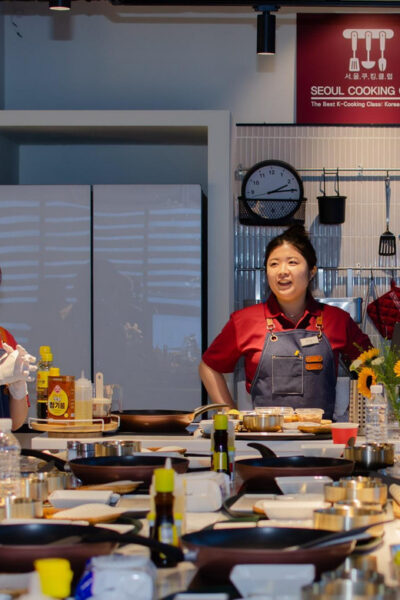
Busan Tailored Korean cooking class (Vegan OK)with market tour
Read our review →
Small-Group Traditional Korean Food Cooking Class
Read our review →Lists this class appears in