
REVIEW · SOUTH KOREA
Seoul: Taste of Korea, Authentic Home Style Cooking Class
Come hungry, leave with recipes. This three-hour Seoul cooking class gives you a friendly, hands-on way to understand Korean home cooking, not just eat it in restaurants. I like the personal teaching from Chef Jennifer and the fact that you cook at your own station, rather than simply watching a demonstration. I also like the generous meal, with seasonal banchan, traditional drinks, dessert, and leftovers when there is too much to finish.
The main consideration is the menu. Budae jjigae, or army stew, includes ingredients such as Spam, hot dogs, beans, and other pantry foods. That dish has a clear Korean story, but it may not match your idea of a traditional Korean meal. Vegetarian and some other dietary adjustments can be made, but tell the host before class.
Key points at a glance
- Four Korean dishes in one class: Depending on the session, you may prepare gimbap, tteokbokki, haemul pajeon, and budae jjigae.
- Chef Jennifer teaches in English: She demonstrates each step, watches your work, and explains the food customs behind each dish.
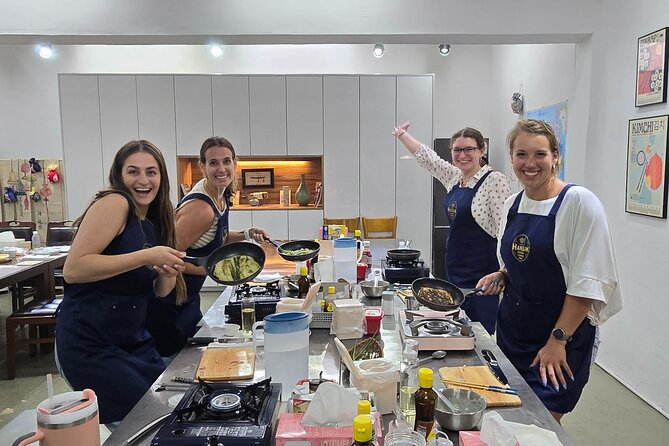
- Your own cooking station: Ingredients are mostly portioned in advance, keeping the class tidy and easy to follow.
- A very full table: Expect snacks, drinks, side dishes, dessert, and the food you prepare yourself.
- Small groups capped at 10: Groups can be much smaller, which gives you more direct help.
- Good value at $89: You get a full meal, hands-on instruction, recipes by email, and a cultural lesson in one three-hour visit.
What this Seoul cooking class is really like
Hansik means Korean food, but it also points to the habits and balance behind a Korean meal. This class uses cooking to show you how several familiar dishes fit into daily life, celebrations, street food, and modern Korean food culture.
The tone is warm rather than formal. Chef Jennifer is described as patient, funny, encouraging, and easy to follow. She also takes photographs during the session and sends recipes by email, two useful extras if you want to recreate the meal at home.
You are not expected to be an experienced cook. The ingredients are prepared and portioned ahead of time, and the equipment is set out at each station. That removes much of the stress of chopping, measuring, and finding unfamiliar Korean ingredients while you are still learning what they are.
The class is held in English, and the group size is limited to 10. In practice, some sessions have been especially small, including groups of two or four. That matters because Korean cooking can involve several small steps, and individual attention makes it easier to ask about texture, spice, or ingredient swaps.
A few more cooking classes around Seoul worth a look
- Local Home Korean Cooking Class & Market Adventure in Seoul
★ 5.0 · 1,024 reviews - Master Korean traditional cooking with a Kimchi chef
★ 5.0 · 385 reviews - Seoul: Korean Cooking Class at a Local Home and Market Tour
★ 5.0 · 348 reviews
Finding the studio near Gyeongbokgung Station
The meeting point is Gyeongbokgung Subway Station on Orange Line 3, Exit 2. From there, walk straight for about five minutes toward Woori Bank. The studio is in a small alley between the bank and the K-Pop Store.
Give yourself a little extra time to find the alley. The directions are clear enough once you reach the bank, but this is not a large, obvious storefront facing the main road. Meeting near Gyeongbokgung also makes the class easy to pair with palace sightseeing, though you should allow enough time to return to the station area.
The cooking space is described as clean, spacious, and fitted with separate cooking stations. That may sound like a small detail, but it improves the class. You can work at your own pace, keep your ingredients organized, and focus on the technique instead of crowding around one counter.
Welcome drinks and a relaxed start
The class begins with drinks and Korean snacks. You may be served water, tea or coffee, traditional snacks, and Sikhye, a sweet Korean rice drink. Makgeolli, a lightly alcoholic rice wine, is also included.
This opening gives Jennifer time to introduce the food and the group before the cooking begins. It is a pleasant way to learn the names and flavors of Korean drinks without having to order unfamiliar items in a restaurant.
The alcohol is worth noting for practical reasons. Makgeolli is included, but the experience also includes nonalcoholic drinks, so you can enjoy the class without drinking alcohol. The supplied details do not state an age policy or a separate drink substitution policy, so ask in advance if that matters to you.
Cooking four dishes, one step at a time
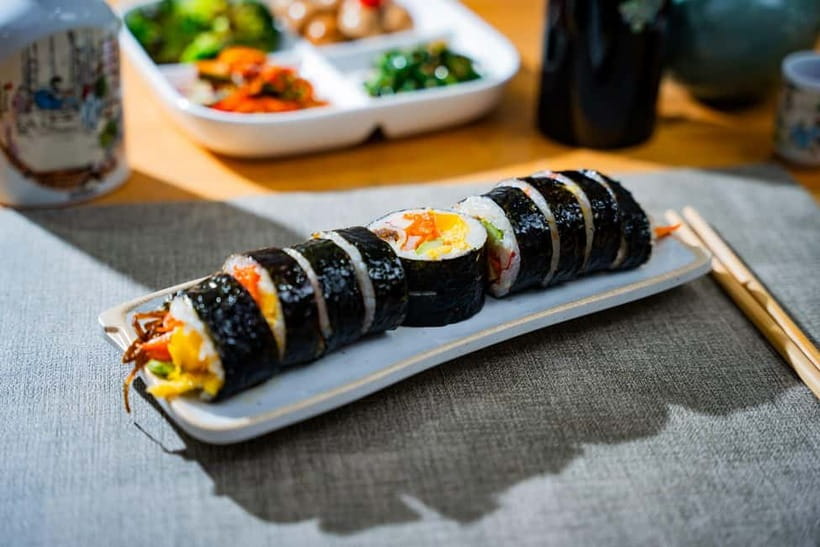
The class is built around four Korean dishes. The menu described includes gimbap, tteokbokki, haemul pajeon, and budae jjigae, though the focus may vary slightly by session.
Same place, a different thing to cook:
- Seoul: Korean Cooking at Seoul Cooking Club!
★ 5.0 · 311 reviews - Korean Cooking at Seoul Cooking Club
★ 5.0 · 220 reviews - Seoul: Royal Seoul Cooking Class in a 100-Year-Old Hanok
★ 5.0 · 96 reviews - Seoul: Kimchi Dishes Cooking Class with Wine Pairing
★ 4.7 · 38 reviews
Gimbap: Korean rolls made by hand
Gimbap is rice and fillings rolled in dried seaweed, then sliced into neat rounds. It looks simple once finished, but rolling the seaweed tightly and arranging the filling well takes a little practice.
This is one of the most useful dishes to learn at home because the ingredients are adaptable. The class shows you the basic method, how to portion the filling, and how to make the rolls hold together. One of the best parts is that Jennifer chooses recipes that are realistic to repeat in your own kitchen.
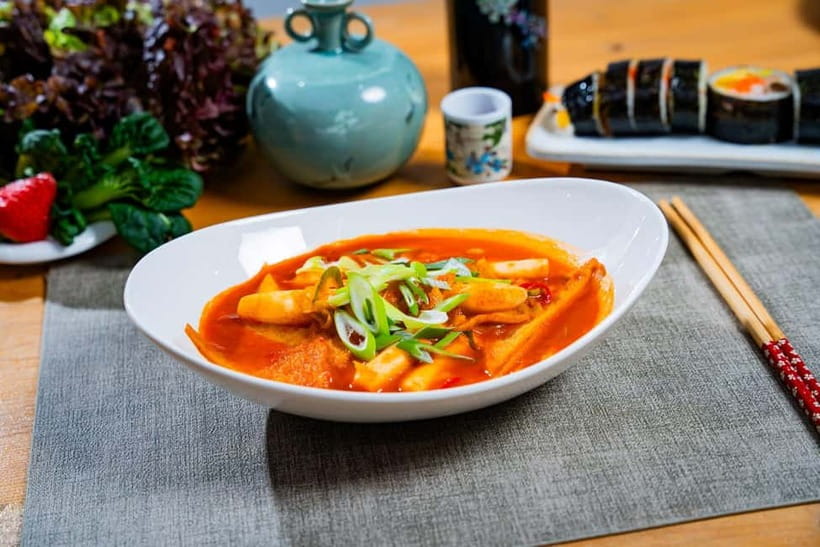
Tteokbokki: chewy rice cakes with heat
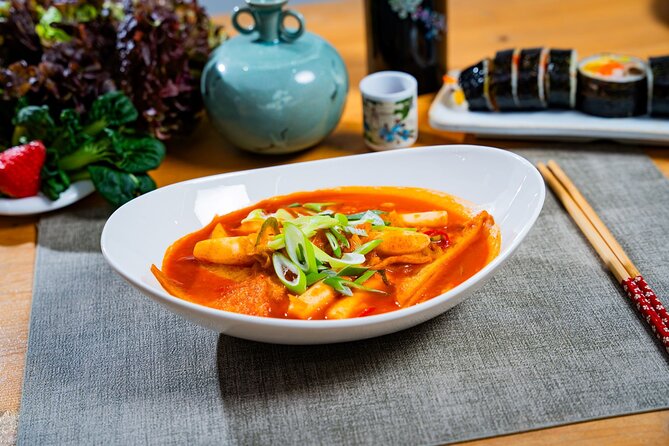
Tteokbokki uses rice cakes with gochujang, Korea’s red chili paste. The texture is chewy, and the sauce brings the familiar sweet, spicy flavor associated with this popular Korean street food.
For many first-time cooks, the useful lesson is not just how to combine the ingredients. It is learning how the sauce comes together and how to control the balance of spice and sweetness. You get to taste the result immediately, which makes it easier to understand what you are aiming for when cooking it later.
Haemul pajeon: a crisp seafood and green onion pancake
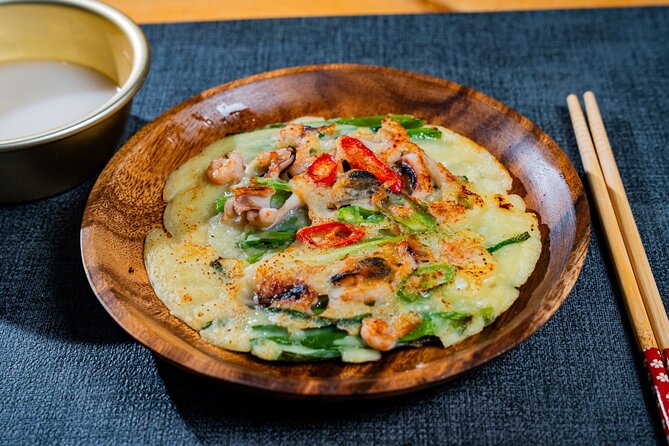
Haemul pajeon is a savory pancake made with seafood and green onions. It is a good class dish because you learn several small but important skills: spreading the batter, arranging the toppings, and cooking the pancake until the outside is properly browned.
This dish also works well at the communal table. Cut into pieces, it is easy to share with the group alongside the other foods. If you do not eat seafood, ask about a substitute before booking or before the class begins.
Budae jjigae: a modern Korean stew with a serious backstory
Budae jjigae translates roughly as army stew. It developed around food available near United States military bases after the Korean War, combining Korean ingredients with processed foods such as Spam and hot dogs.
The dish is filling and easy to assemble, but it is not a rustic old palace recipe. That distinction matters. If you want a lesson in how Korean food changes with history and circumstance, budae jjigae is a fascinating choice. If you came hoping to cook only classic dishes made from traditional ingredients, it may be the least appealing part of the menu.
One participant specifically suggested replacing the army stew with another dish. That is a fair criticism, especially for people who avoid processed meat. On the other hand, the stew gives the class a useful reminder that Korean food is not frozen in the past. It includes home cooking, street food, festive dishes, and newer combinations.
The teaching style makes the difference
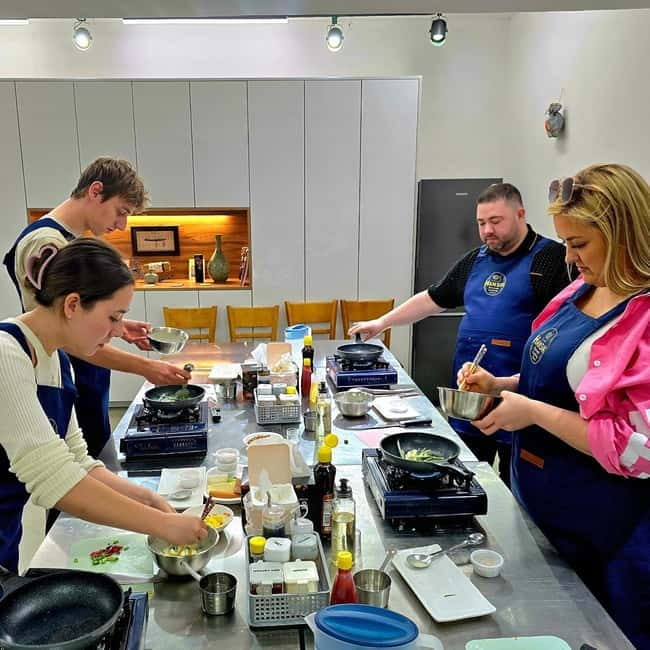
The strongest part of the class is the instruction. Jennifer demonstrates the process, explains the ingredients, and then lets you work through each step. She checks on individual stations without making the session feel rushed.
That approach suits beginners. You can follow a clear sequence rather than trying to copy a fast professional cook. Several people found the recipes simple enough to repeat at home, and Jennifer explains ratios for making larger portions.
The class also has a social side. You cook with other people, share food, and have time for conversation. Solo visitors may find this especially useful, since the small group creates an easy setting for meeting other people without making the activity feel like a forced social event.
Parents with older children can also consider it. Two children, ages 11 and 13, were able to cook and enjoy the class. The information does not provide a minimum age, so families should confirm that point before booking.
A full Korean meal, not just a tasting
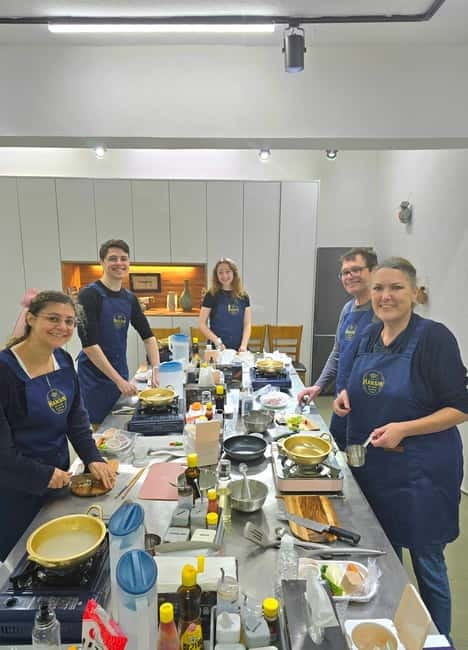
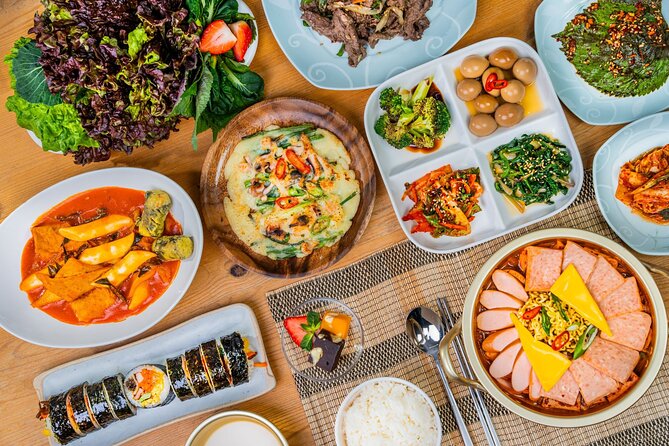
You do not simply prepare one small plate and leave. The food is served as a full meal with Korean seasonal banchan, or side dishes, plus drinks and dessert.
Banchan helps explain how Korean meals work. The main dish is only part of the table. Small side dishes bring different colors, textures, and flavors, and they make the meal feel more complete than a single large entrée.
The portions can be generous. Several people found themselves very full, and the host provides bags for food you cannot finish. One useful improvement would be sturdier containers for soup, since bags are not ideal for transporting leftover budae jjigae.
The class may also include extra food beyond the dishes you prepare. One session included stir-fried pork with lettuce, a homemade rice drink, and dessert. Exact extras can vary, but you should plan to eat a substantial meal rather than a light snack.
Dietary needs and menu questions
Vegetarian substitutions have been made successfully, and a guest who did not eat red meat received an alternative. That is encouraging, but you should still state your needs when booking or contact the provider ahead of time.
The supplied information does not promise accommodation for every allergy or dietary restriction. Seafood, gochujang, wheat, alcohol, and processed meats may appear in the food or drinks, so ask specific questions if you have an allergy or strict diet.
Do not assume that a vegetarian version will taste exactly like the standard dish. The class can adjust ingredients, but the cooking process and final flavors may change. Clear communication before the session gives the chef time to prepare properly.
Is $89 a fair price?
At $89 per person, this is not the cheapest cooking lesson in Seoul. It is also more than the cost of buying a few street-food dishes. The value comes from the amount packed into three hours.
You receive hands-on instruction from a professional chef, all ingredients and equipment, a meal of the food you prepare, seasonal side dishes, snacks, traditional drinks, dessert, and recipes by email. You also get a cultural explanation of the dishes rather than a recipe sheet alone.
The small group helps justify the price. A class capped at 10 is more useful than a large demonstration where you can barely see the work surface. Smaller sessions provide even more attention, though the class size depends on the date.
I would consider this good value if you want both a meal and a practical activity. It is less compelling if you only want a quick introduction to Korean food or if you have no interest in cooking after your holiday.
Timing, cancellation, and who should book
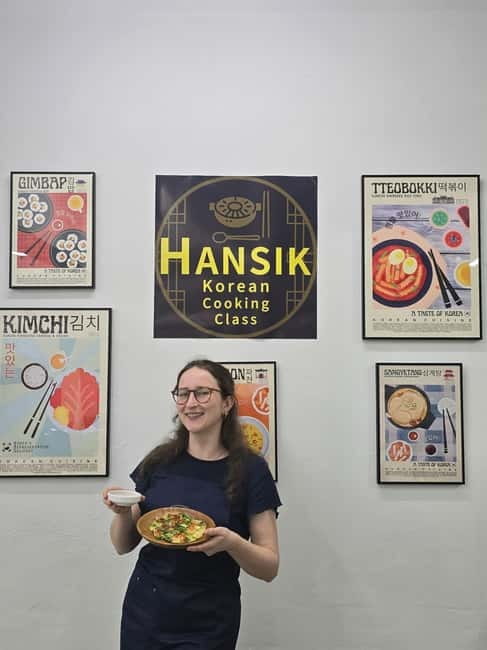
Morning and evening sessions are available, so you can fit the class around palace visits, shopping, or a night in Seoul. The advertised duration is three hours, although one participant described finishing after about two and a half hours. Plan on a half-day commitment, especially if you want time for the meal and photographs.
You can cancel up to 24 hours before the class for a full refund, and the reserve-now, pay-later option keeps your plans flexible. Check the available start times when choosing your date.
I would recommend this class to:
- First-time visitors who want more than restaurant meals
- Solo visitors looking for a friendly small-group activity
- Families with older children
- Couples who enjoy cooking together
- Anyone hoping to recreate Korean dishes at home
- Vegetarians who confirm substitutions in advance
I would be more cautious if you dislike seafood, spicy food, processed meat, or group cooking. You may still enjoy the class, but ask about the menu before paying.
Should you book the Hansik Korean Cooking Class?
Yes, if you want a generous, friendly cooking lesson with real participation. The best reasons to book are the patient instruction, separate cooking stations, small groups, and the chance to eat four dishes with banchan, drinks, and dessert.
The main weakness is the menu’s mix of traditional and modern dishes. Budae jjigae may not fit every palate, and the class can leave you very full. Still, at $89, the combination of food, teaching, cultural context, and recipes makes this a strong choice for visitors who want to take a piece of Seoul’s food culture home with them.
FAQ
How long does the Korean cooking class last?
The advertised duration is three hours. One session was completed in about two and a half hours, so the exact pace can vary.
Where is the meeting point?
Meet at Gyeongbokgung Subway Station on Orange Line 3, Exit 2. Walk straight for about five minutes toward Woori Bank. The studio is in a small alley between the bank and the K-Pop Store.
Is the class taught in English?
Yes. The instructor language is English.
What dishes can you learn to cook?
The class includes dishes such as gimbap, tteokbokki, haemul pajeon, and budae jjigae. The featured dishes may vary by session.
Are drinks and dessert included?
Yes. The experience includes bottled water, tea and coffee, Sikhye, Makgeolli, Korean snacks, and Korean desserts. A full-course meal with seasonal banchan is also included.
Can dietary requirements be accommodated?
Vegetarian substitutions and a no-red-meat adjustment have been provided. Contact the provider in advance with your specific dietary needs, since the information does not guarantee accommodation for every allergy or restriction.
Just added around Seoul
- Seoul: Korean Kimchi Cooking Class in the Heart of the City★ 5.0 · 3 reviews
- Seoul: Premium Korean Feast Cooking Class★ 5.0 · 3 reviews
- Seoul: Kimchi Dishes Cooking Class with Wine Pairing★ 4.7 · 38 reviews
- Seoul: Korean Cooking Class with Local Grocery Shopping★ 5.0 · 13 reviews
- Seoul: Korean Home Visit, Cooking & Cultural Experience★ 5.0 · 2 reviews
- Seoul: Authentic Korean Cooking Class and Market Tour★ 5.0 · 6 reviews
- (Seoul) Korean Cooking Class with a Professional Chef★ 5.0 · 14 reviews
- Seoul: Cooking Class and Tour with Michelin-Trained Chef★ 5.0 · 11 reviews
Cooking Classes, compared.
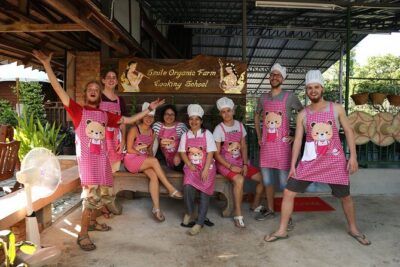
Half-Day Thai Cooking Class at Organic Farm in Chiang Mai
Read our review →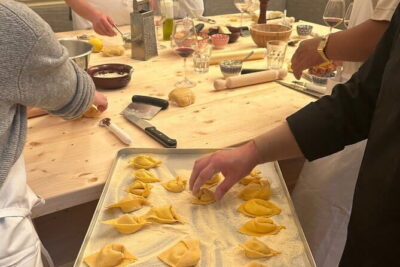
3 in 1 Cooking Class near Navona: Fettuccine, Ravioli & Tiramisu
Read our review →
Pasta & Tiramisu Cooking Class with Unlimited Wine
Read our review →
Hanoi Cooking Class: Culture, Local Market & Meaning CSR Impact
Read our review →
5 Traditional Dishes Hanoi Cooking Class with Market Trip
Read our review →
Cooking Class and Lunch at a Tuscan Farmhouse with Local Market Tour from Florence
Read our review →
Cooking Class, Market & Thai Herbs Garden Tour
Read our review →Lists this class appears in