
REVIEW · SOUTH KOREA
Seoul: Korean Cooking Class with Local Grocery Shopping
Fresh food, friendly teachers, and a local market make this class a fine introduction to Korean home cooking. I especially like the chance to shop at Mangwon Market, where daily life feels more local than at tourist-heavy Gwangjang, and the small group keeps the cooking personal. The class is also designed for beginners, so you do not need kitchen confidence to join.
I like that Phoebe and Rachel are praised for making the instructions easy to follow and the atmosphere warm. The recipe booklet, drinks, meal, and ingredients are all included, which helps justify the $89 price. The main consideration is timing: the market visit is offered only with morning classes, and the 150-minute session includes walking as well as cooking.
Key points at a glance
- Mangwon Market first: Shop for ingredients in a neighborhood market used by local residents, not just sightseeing crowds.
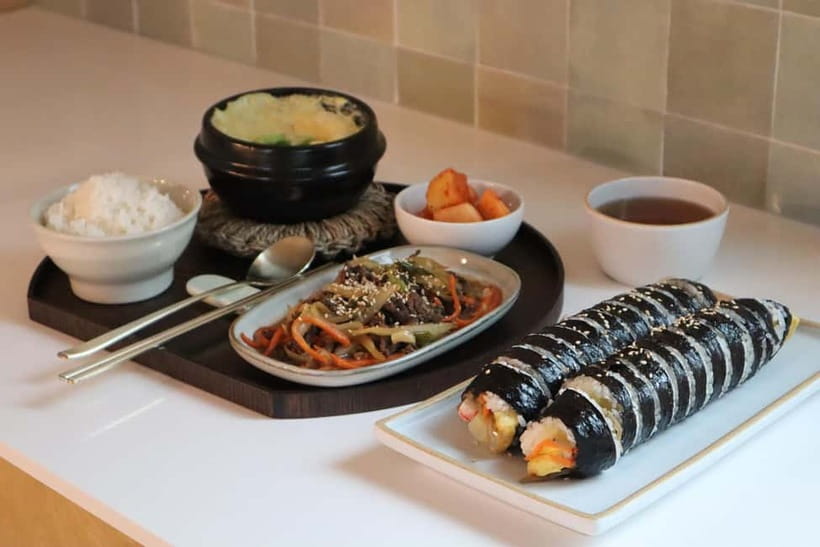
- Three Korean dishes: Prepare bulgogi, gyeran-jjim, and kimbap during one hands-on session.
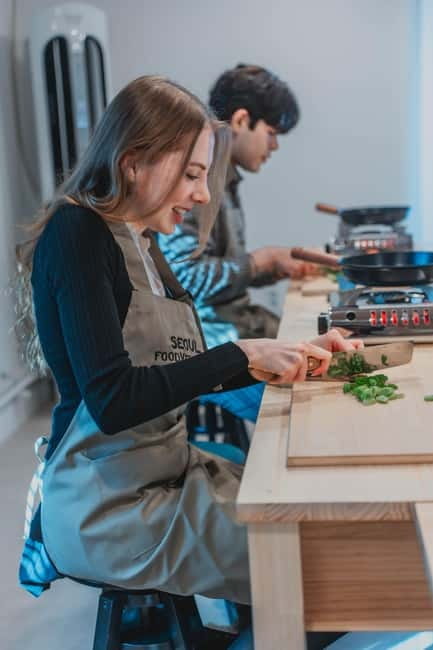
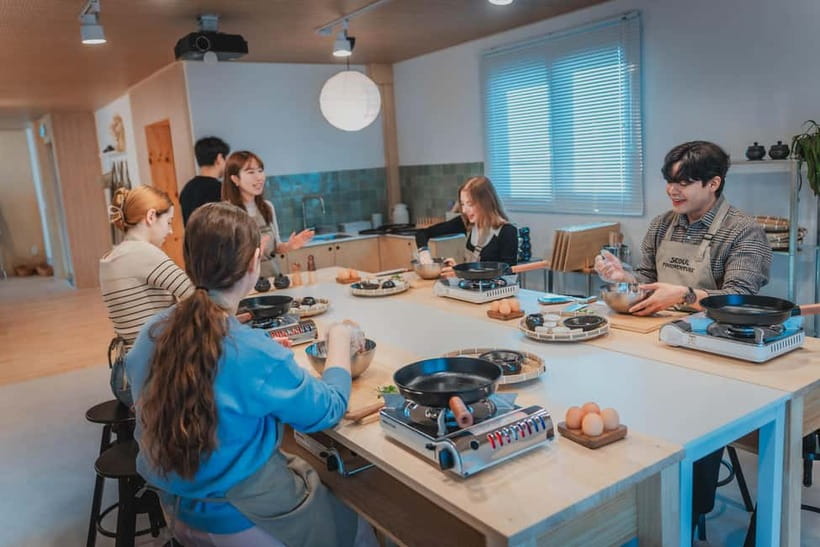
- Small group format: With a maximum of eight participants, you get room to cook and ask questions.
- Beginner-friendly teaching: Phoebe and Rachel explain the steps clearly, even if you rarely cook.
- A full meal included: Eat bulgogi and steamed egg, then roll kimbap for the meal or a picnic.
- Han River option: Take leftover kimbap nearby and enjoy it picnic-style, like many Seoul residents do.
Starting near Mangwon Market and Mangwon Station
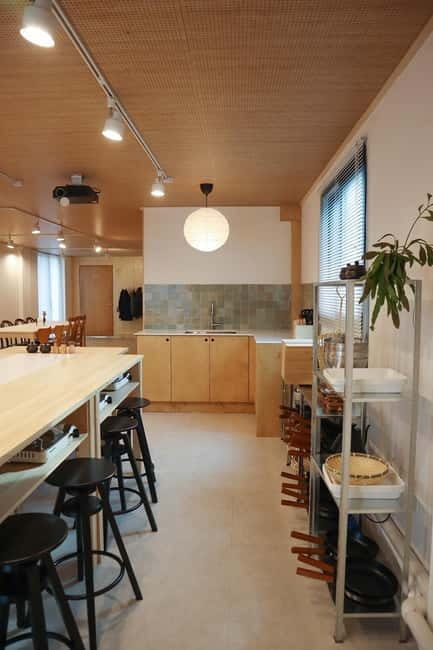
The class begins at the Seoul Foodventure studio on the fourth floor of 8 World Cup-ro 13-gil in Mapo-gu. It is just steps from Mangwon Station Exit 2 and close to Mangwon Market, with Hongdae also within a short distance.
That location matters. You are not spending a long morning crossing Seoul before the activity starts. Search for Seoul Foodventure on Google or Naver to find the studio, and allow enough time to locate the correct building and reach the fourth floor.
The activity lasts 150 minutes. That is long enough to include the market, cooking, eating, and conversation without turning into an all-day commitment. If you have a packed Seoul schedule, this is easier to fit in than a full food tour or a long formal cooking school.
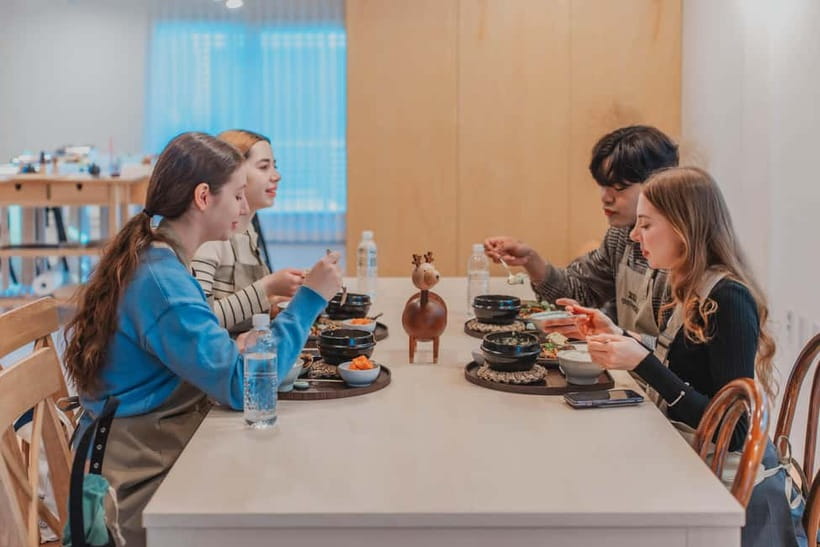
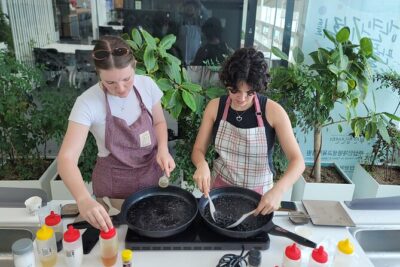
The group is limited to eight people. I see that as one of the biggest advantages. Cooking becomes awkward when too many people crowd around one counter, but a group of this size should give you a proper turn with the ingredients and equipment. It also leaves room for casual conversation without making the class feel like a private lesson.
The teaching language is English. Phoebe and Rachel receive repeated praise for being warm, helpful, and clear. That combination is useful in a cooking class, where a vague instruction can leave you wondering if the meat should be sliced, mixed, or simply admired.
More Korean Cooking Classes in Seoul:
- Local Home Korean Cooking Class & Market Adventure in Seoul
★ 5.0 · 1,024 reviews - Master Korean traditional cooking with a Kimchi chef
★ 5.0 · 385 reviews - Seoul: Korean Cooking Class at a Local Home and Market Tour
★ 5.0 · 348 reviews
Shopping like a local at Mangwon Market
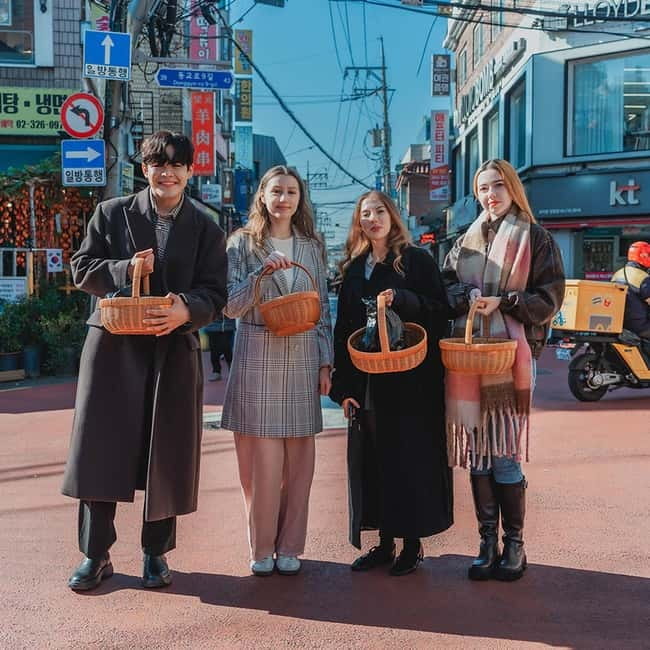
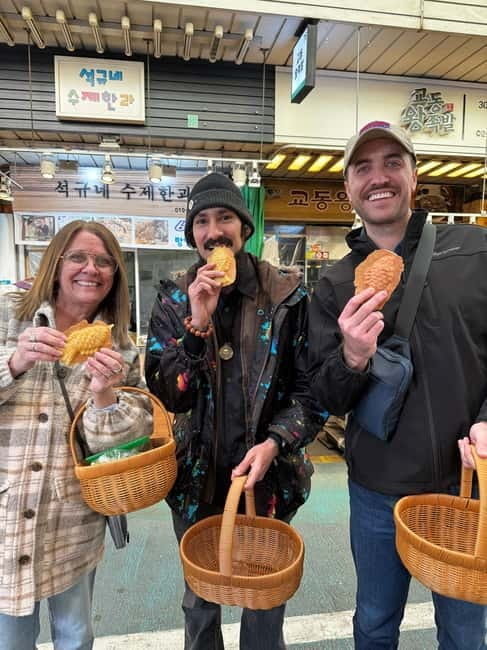
For morning classes, the experience begins with a guided visit to Mangwon Market. The market is a working neighborhood food stop, and that gives the visit a different feel from a sightseeing-only market.
You pick out the ingredients needed for the cooking session. This turns shopping into part of the lesson instead of a quick walk past food stalls. You get a better sense of what goes into Korean home meals and how ingredients appear before they reach a restaurant table.
Mangwon is often considered a more local alternative to Gwangjang Market. That does not mean it lacks interest. It means the focus is less on a famous tourist route and more on everyday shopping. You might find unfamiliar products, packaged drinks, fresh produce, and other items that make Korean food culture easier to understand in practical terms.
One useful detail from the experience is the local rice drink introduced during the market visit. It made enough of an impression that one participant continued looking for it during the rest of the Seoul trip. That is exactly the kind of small food discovery a market visit can provide.
The market portion does require walking, so comfortable shoes are a good idea. If you book an afternoon class, check the schedule carefully because the market tour is available only in the morning. The cooking class still takes place, but you should not assume the market visit is included at every start time.
Bulgogi: the centerpiece of the home meal
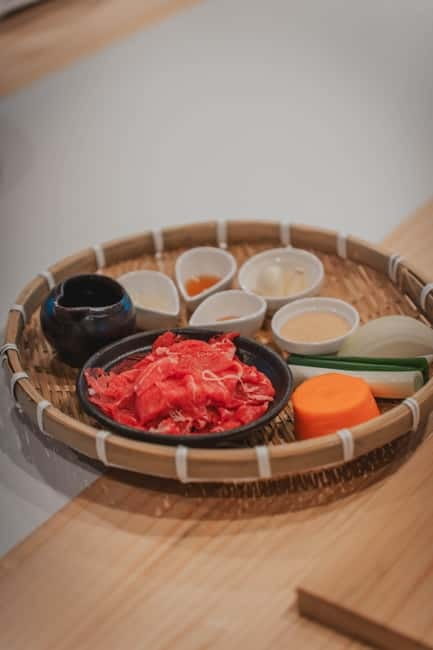
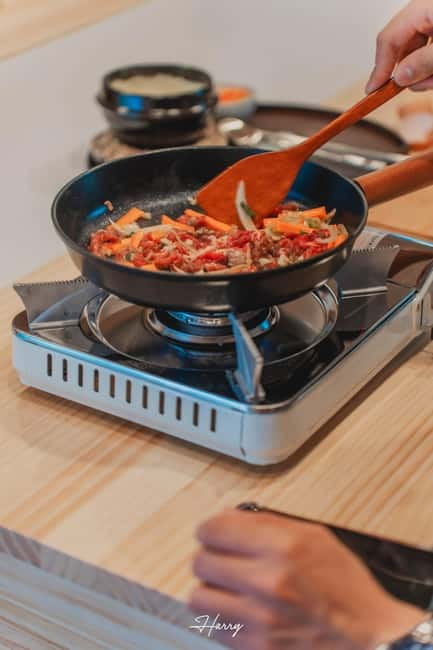
Bulgogi is the main dish of the meal, and it gives the class a useful look at Korean home cooking. The dish centers on marinated beef, so the lesson should help you understand how seasoning and preparation work together rather than simply handing you a finished plate.
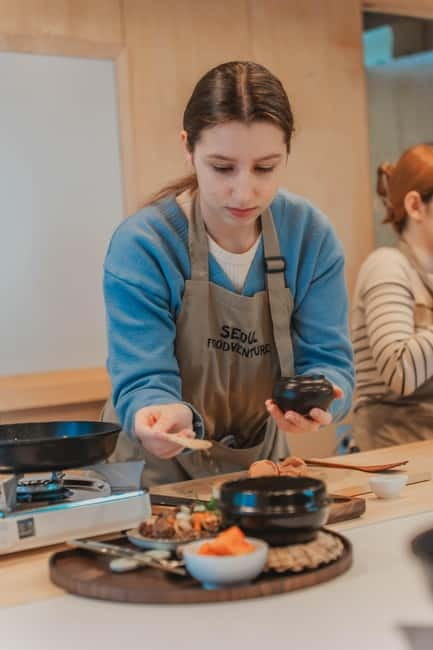
The value here is that you prepare the food yourself. You can follow the process, ask questions, and take home a recipe booklet for later use. The class is not built only around watching a teacher demonstrate. You are expected to cook.
Bulgogi is also a practical dish to learn because it works well as part of a shared meal. You eat it with the gyeran-jjim, making the class meal feel more like Korean home food than a collection of unrelated samples.
If you are already comfortable in the kitchen, you may find the pace relaxed rather than technically demanding. That is not a flaw for most people. This class aims to make Korean cooking approachable, not to test professional knife skills or turn you into a restaurant chef in two and a half hours.
Gyeran-jjim brings soft comfort to the table
Gyeran-jjim is steamed egg, known for its light and fluffy texture. It is a useful dish to include because it shows a gentler side of Korean food. Bulgogi has a strong savory presence, while steamed egg adds something soft and simple to the meal.
The class presents gyeran-jjim as comfort food, and that is a good reason to learn it alongside bulgogi. You leave with more than one dramatic dish. You also learn a quieter home staple that can fit into an ordinary meal.
This is likely one of the more helpful recipes for a beginner. The dish does not depend on complicated presentation, and the class is designed for people who may have never cooked before. Phoebe and Rachel are praised for giving instructions that are easy to understand, which should help you focus on the cooking rather than worry about getting lost in the process.
The final meal includes bulgogi and gyeran-jjim. Drinks are included as well, so you are not paying separately for a basic beverage while you eat.
A few more cooking classes around Seoul worth a look
- Seoul: Korean Cooking at Seoul Cooking Club!
★ 5.0 · 311 reviews - Korean Cooking at Seoul Cooking Club
★ 5.0 · 220 reviews - Seoul: Taste of Korea, Authentic Home Style Cooking Class
★ 4.9 · 166 reviews - Seoul: Royal Seoul Cooking Class in a 100-Year-Old Hanok
★ 5.0 · 96 reviews
Rolling kimbap and planning a picnic
The third dish is kimbap, the familiar Korean rice roll often enjoyed as a picnic or portable snack. Here, you roll the kimbap yourself after preparing the other dishes.
Kimbap adds a hands-on challenge without making the class too serious. Getting a neat roll takes some coordination, but the goal is to learn and enjoy the process, not produce a perfect food photograph. If your first roll is a little crooked, it will still be lunch.
The class encourages you to take any leftover kimbap to the nearby Han River. You can spread out a mat, relax, and eat outside in the Korean picnic style. This part is optional, but it gives the food a natural ending. Instead of finishing the class and immediately moving on to the next subway stop, you have a chance to connect the meal with a familiar Seoul pastime.
The Han River picnic is not described as a separate guided activity, so you should treat it as an idea for after the class rather than a fully arranged excursion. Still, it is a smart suggestion. Kimbap was made to travel well, and a riverfront picnic gives you a calm way to continue the afternoon.
What the 150-minute schedule feels like
The experience has a clear rhythm:
- Meet at the studio near Mangwon Station.
- Visit Mangwon Market if you choose a morning class.
- Select ingredients for the cooking session.
- Prepare bulgogi, gyeran-jjim, and kimbap.
- Sit down for a Korean-style meal.
- Take extra kimbap to the Han River if you wish.
The exact amount of time spent at each stage is not specified, so you should not expect a minute-by-minute itinerary. The important point is that the market and meal are not add-ons to a short demonstration. They form part of a compact food experience.
At 150 minutes, the class should suit people who want substance without giving up an entire day. It may feel short if you want a slow market stroll and long cooking conversation, but the small group and three dishes make good use of the time.
Is $89 a fair price?
At $89 per person, this is not the cheapest way to eat Korean food in Seoul. You can buy a meal for far less. The value comes from combining several parts: a market visit, ingredients, instruction, a cooked meal, drinks, a recipe booklet, and a small group.
You are also paying for access to a more personal experience. A restaurant can serve you bulgogi, but it will not show you how the ingredients were selected or how the dishes come together in a Korean home-style meal. A large market tour may introduce you to food, but it may not give you time to cook it yourself.
The price makes the most sense if you enjoy learning through food and expect to use the recipes afterward. It is less appealing if you only want a quick lunch or if you already know these dishes well.
The maximum of eight participants strengthens the value. You are less likely to spend the whole class watching from behind someone else. The included meal also means you are not paying $89 for a demonstration followed by another food bill.
Who should book this cooking class?
I would recommend it to first-time visitors who want a friendly introduction to Korean food without a demanding culinary background. Families, couples, solo participants, and small groups can all fit the format, provided everyone is comfortable with a shared class.
It is especially well suited to beginners. The instructions are designed to be accessible, and the class lets you learn three recognizable dishes in one sitting. If you cook at home, the recipe booklet gives the experience value beyond the day itself.
Food-focused visitors will get the most from the market. Mangwon provides a glimpse of ordinary shopping and gives you a chance to notice ingredients you might otherwise pass without understanding.
You may want to choose another activity if your priority is a long guided tour, advanced cooking technique, or a large number of dishes. This is a friendly introduction to Korean home cooking, not an intensive professional course.
The experience is listed as wheelchair accessible, though the market visit involves walking. If you have mobility needs, contact the provider before booking so you can confirm that the market route and studio setup suit you. You should also share allergies or dietary restrictions in advance.
Practical details before you go
Morning timing matters because only morning classes include the market tour. If that visit is the part that interests you most, select a morning starting time rather than assuming every class follows the same schedule.
Wear comfortable shoes. The walk through Mangwon Market is not a long trek, but it is part of the experience and you will be on your feet.
The meeting point is the Seoul Foodventure studio, not the market entrance. Search for Seoul Foodventure on Google or Naver, and remember the address is on the fourth floor at 8 World Cup-ro 13-gil.
The activity is taught in English. Booking offers free cancellation up to 24 hours before the start time, and you can reserve now and pay later. Those terms are useful if your Seoul plans may change.
The current rating is 5 out of 5 from 13 reviews. The strongest praise centers on the warm staff, clear explanations, tasty food, and the interest of the local market. One participant specifically found the group of eight a good size for cooking and conversation, which matches the practical strength of this format.
Should you book it?
Book this class if you want to do more than eat Korean food. The market visit, three recipes, small group, and included meal create a well-rounded experience at a reasonable price for a hands-on activity.
Choose a morning class if Mangwon Market is important to you. Bring comfortable shoes, disclose dietary needs early, and leave room afterward for a Han River kimbap picnic.
Skip it if you want advanced instruction or the lowest-cost meal in Seoul. For most people seeking an easy, personal introduction to Korean home cooking, though, Seoul Foodventure offers a useful mix of food, local shopping, and good company.
FAQ
Where does the cooking class meet?
It meets at the Seoul Foodventure studio on the fourth floor of 8 World Cup-ro 13-gil, Mapo-gu, Seoul, Korea.
How can I find the studio?
Search for Seoul Foodventure on Google or Naver. The studio is close to Mangwon Station Exit 2 and Mangwon Market.
How long does the experience last?
The activity lasts 150 minutes.
Is the Mangwon Market visit included with every class?
The market tour is available only for morning classes.
Which dishes will I prepare?
You will prepare bulgogi, gyeran-jjim, and kimbap.
Is a meal included?
Yes. The experience includes a meal, either lunch or dinner, along with drinks.
Is the class suitable for beginners?
Yes. The class is designed for all skill levels, including people who have never cooked before.
Is the activity taught in English?
Yes. English instruction is provided.
Can I cancel for a full refund?
You can cancel up to 24 hours in advance for a full refund. You can also reserve now and pay later.
Just added around Seoul
- Seoul: Korean Kimchi Cooking Class in the Heart of the City★ 5.0 · 3 reviews
- Seoul: Premium Korean Feast Cooking Class★ 5.0 · 3 reviews
- Seoul: Kimchi Dishes Cooking Class with Wine Pairing★ 4.7 · 38 reviews
- Seoul: Korean Home Visit, Cooking & Cultural Experience★ 5.0 · 2 reviews
- Seoul: Cooking Class and Tour with Michelin-Trained Chef★ 5.0 · 11 reviews
- Seoul: Authentic Korean Cooking Class and Market Tour★ 5.0 · 6 reviews
- (Seoul) Korean Cooking Class with a Professional Chef★ 5.0 · 14 reviews
- Seoul: Royal Seoul Cooking Class in a 100-Year-Old Hanok★ 5.0 · 96 reviews
Korean Cooking Classes, compared.
Local Home Korean Cooking Class & Market Adventure in Seoul
Read our review →
Master Korean traditional cooking with a Kimchi chef
Read our review →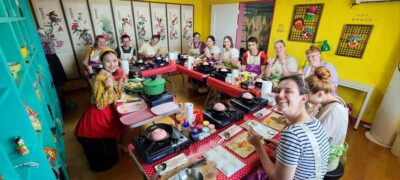
Korean Cooking Class at a Local Home and Market Tour
Read our review →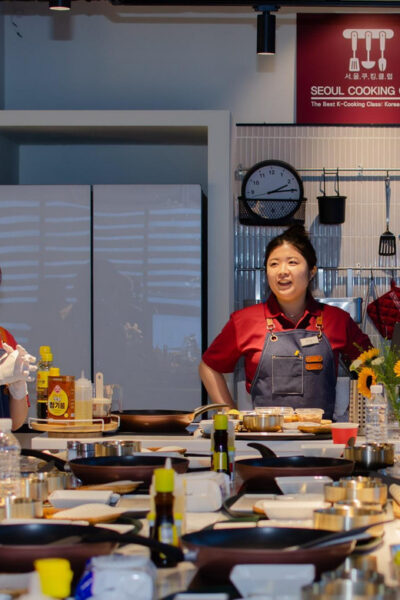
Busan Tailored Korean cooking class (Vegan OK)with market tour
Read our review →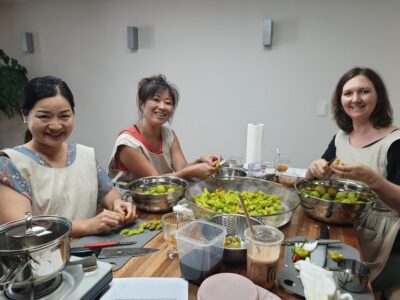
Small-Group Traditional Korean Food Cooking Class
Read our review →Lists this class appears in