REVIEW · HONSHU, JAPAN
Osaka: Cooking Class & Sake Tasting with Local Market Visit
Food opens Osaka fast. This four-hour class takes you from a neighborhood supermarket to a small cooking studio, where you make niku-sui, okonomiyaki, and gyoza with an English-speaking guide. I like the market visit because it shows you the everyday ingredients behind the meal, and I like the relaxed format, where cooking, drinks, questions, and conversation all share the table. The main drawback is that gluten-free meals are not available.
The strongest part is the personal care. Guides such as Chie, Eri, Emi, Akko, and Linda have helped make this a warm, easygoing experience, with practical cooking advice and plenty of Osaka and Japan talk along the way. You also leave with recipes and photos, which gives the class value after lunch is over.
This is a small group of no more than seven, so you should expect hands-on time rather than a demonstration from the other side of a room. Plan to arrive early at the FamilyMart near Minami Morimachi Station, since late arrivals cannot join or receive a refund.
Key points to know before booking
- Three Osaka dishes in one class: Make niku-sui, okonomiyaki, and gyoza, then sit down for the meal you prepared.
- A real supermarket stop: Shop for the ingredients with your guide and see products used in ordinary Osaka kitchens.
- Three canned drinks included: Choose alcoholic or non-alcoholic drinks, with tea served during the class.
- Small group, maximum seven people: The size makes it easier to ask questions, fold dumplings, and work directly with the guide.
- Recipes and tour photos afterward: You can recreate the meal at home and receive pictures by email.
- Not suitable for every diet or mobility level: Gluten-free options are unavailable, allergies cannot be guaranteed, and some locations may be hard to access with a wheelchair or stroller.
Why this Osaka cooking class works
Osaka is often called Japan’s kitchen, and this class gives that nickname a practical meaning. You are not simply handed a plate of okonomiyaki and told that it is a local specialty. You shop for ingredients, prepare the food, cook it, and eat it with the people who helped make it.
That order matters. A supermarket can tell you plenty about daily life in Osaka without requiring a museum ticket or a long lecture. Your guide can point out the products needed for the recipes, explain what to look for, and help you connect the finished dishes with the ingredients you just saw on the shelves.
The class takes place at MagicalTrip’s cooking studio. It is designed to feel friendly rather than formal. You can choose background music, chat while you work, and ask questions about food, Osaka, or other parts of Japan.
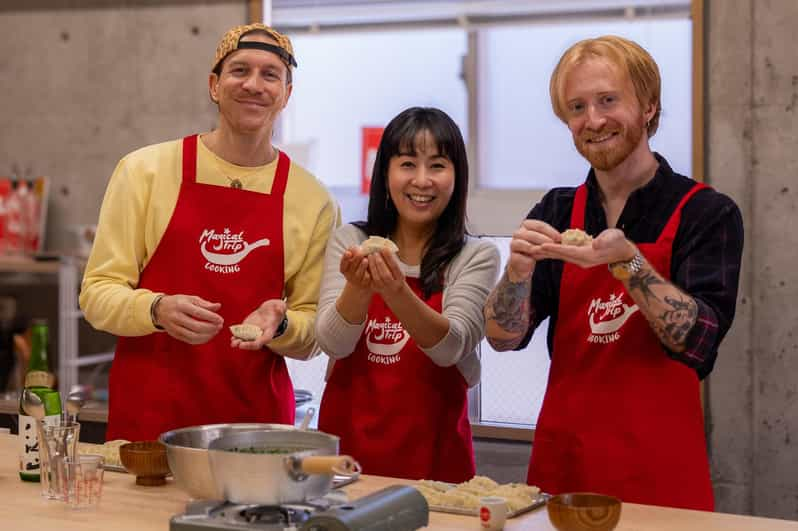
The small group limit of seven is a useful middle ground. You get the social feel of a shared class, but the guide can still keep an eye on your knife work, batter, dumpling folds, and cooking times. If you are alone, it offers an easy way to meet people. If you are with family or friends, you still have room to work together without taking over the whole kitchen.
More Cooking Classes with a Market Tour in Japan
- Tokyo Tsukiji Fish Market Tour and Sushi Making Lesson
★ 5.0 · 390 reviews - Tokyo Washoku 4-hour Cooking Class: From Market to Table
★ 5.0 · 253 reviews - Tokyo: Tsukiji Market Walking Tour & Sushi Cooking Class
★ 4.6 · 122 reviews
The supermarket visit gives the meal a local frame
Your meeting point is in front of a FamilyMart, about one minute from Exit 4 of Minami Morimachi Station. From there, the group visits a local supermarket to buy fresh ingredients for the dishes.
This is a short part of the experience, but it may be the most revealing for anyone curious about ordinary Japanese life. The class is not built around rare or hard-to-find ingredients. Instead, the recipes use items you can understand and, in many cases, find in a well-stocked shop back home.
I like this approach because it makes the cooking feel useful. You are not only learning how to copy a dish in Osaka. You are also seeing how the dish begins, what ingredients matter, and how a local cook shops for a meal.
The supermarket stop also helps you get your bearings before the class begins. Guides can answer questions about products and local customs while you move through the store. It is a simple way to begin talking with your guide before everyone starts chopping.
The walking involved is worth noting. The experience may include places that are difficult for wheelchairs or strollers, and it is not recommended if you have mobility problems. A private tour is suggested for anyone who needs extra support.
Niku-sui is the quiet star of the menu
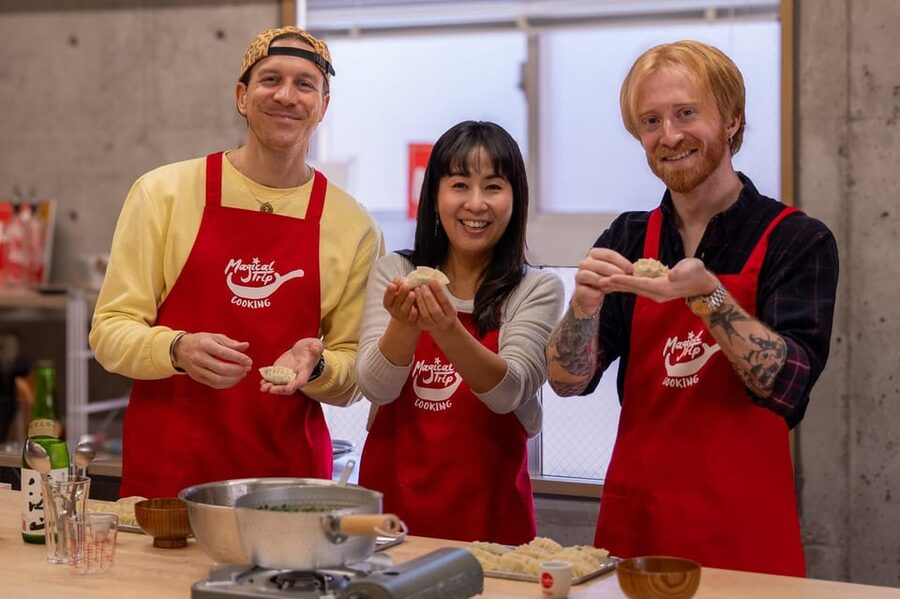
Niku-sui is a beef soup associated with Osaka. It may not be as famous internationally as okonomiyaki, but that is part of its appeal. You get to try a dish that many visitors might miss if they only follow the best-known food stops.
The soup also gives the class a useful lesson in restraint. It is built around a few straightforward ingredients, so preparation and balance matter. Your guide walks you through the process step by step, making it manageable even if you rarely cook Japanese food.
This is one reason the class suits beginners. You do not need to arrive with knife skills or experience making Japanese dishes. The guide explains the work clearly and keeps the pace social rather than competitive.
Because the meal includes three dishes, the soup provides a change of pace from the more hands-on folding and griddling later in the class. It also gives you a warm, substantial part of lunch before the final meal comes together.
Okonomiyaki puts Osaka on your plate
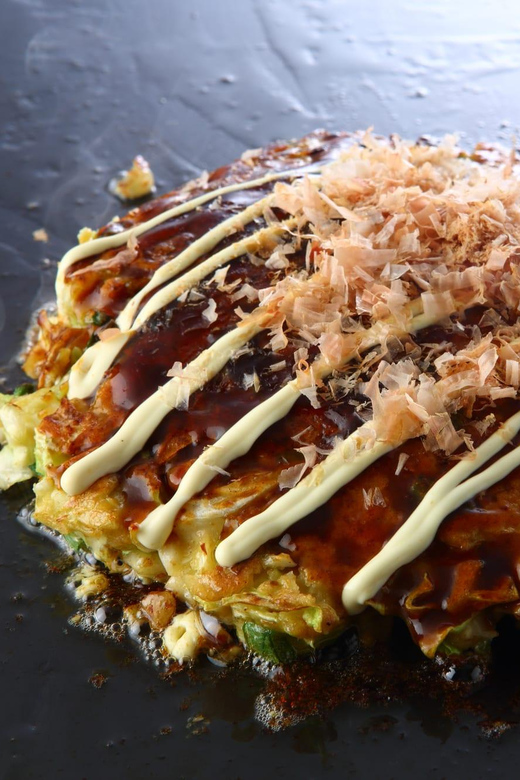
Okonomiyaki is Osaka’s best-known contribution to the casual food table. The name is often explained as cooking what you like on a savory pancake, and personal variations are part of the fun.
In this class, you prepare the ingredients and learn how the dish comes together rather than watching someone make it for you. That hands-on work helps explain why okonomiyaki is such a social food. The process leaves room for choices, conversation, and a little kitchen improvisation.
I would not book this class expecting a restaurant-style tasting menu. The appeal is making a generous home-style lunch with guidance. You may find the result less polished than a specialist restaurant’s version, but you gain a better sense of how the food fits into everyday cooking.
The class is especially well suited to couples, families with older children, friends, and solo participants who enjoy working around a shared table. Anyone over 12 can join, since the class involves cutting and heating.
More Cooking Classes with a Market Tour in Osaka:
- Hanoi Cooking Class: Culture, Local Market & Meaning CSR Impact
★ 5.0 · 5,147 reviews - 5 Traditional Dishes Hanoi Cooking Class with Market Trip
★ 5.0 · 4,890 reviews - Cooking Class and Lunch at a Tuscan Farmhouse with Local Market Tour from Florence
★ 5.0 · 4,831 reviews - Chiang Mai: Cooking Class, Market & Thai Herbs Garden Tour
★ 4.9 · 4,824 reviews
Folding gyoza turns lunch into a group activity
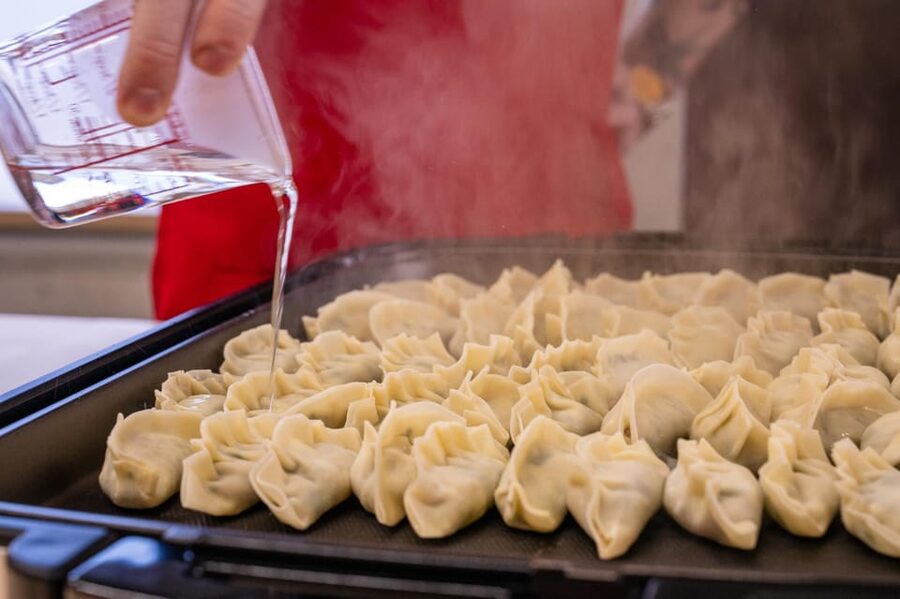
Gyoza brings the most playful task to the class. You fold the dumplings yourself, and the activity gives everyone something to do with their hands while the conversation continues.
Do not worry if your first dumpling looks a little uneven. The point is not to produce identical parcels. Your guide shows you the technique, and you can work out your own rhythm as the group prepares the meal.
This is also where the small group size earns its keep. With up to seven participants, the guide can help with the folding and answer questions without leaving half the table waiting. The task works well for friends and families because it is collaborative, but solo participants can join in just as easily.
The finished gyoza provides a satisfying contrast of textures, with a crisp cooked side and juicy filling. Since you make the dish from the start, the meal feels earned, not simply served.
Drinks keep the four hours relaxed
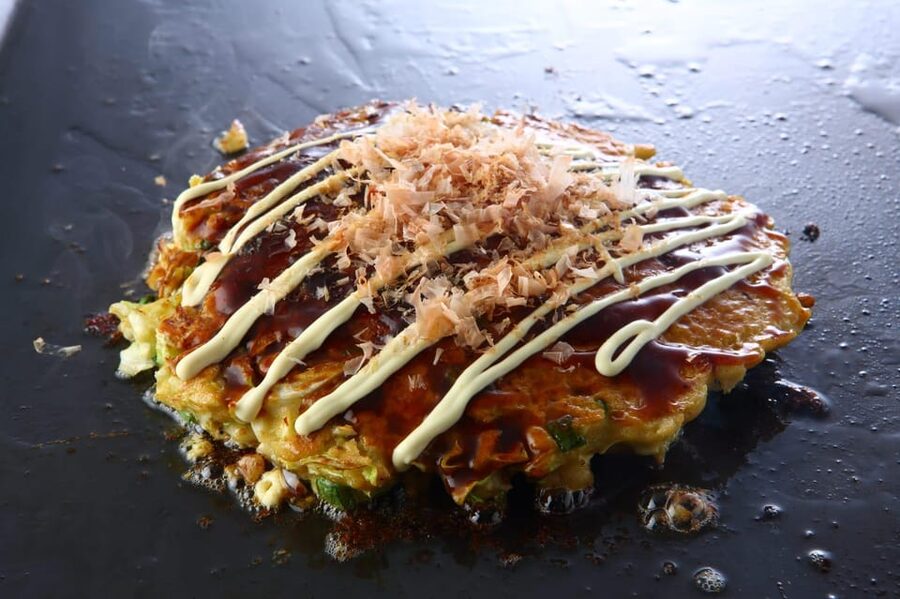
The price includes three canned drinks, and you can choose alcoholic or non-alcoholic options. Local sake and beer are part of the experience, with soft drinks available too. Tea is served during the class.
This is not a separate sake seminar, so you should not expect an advanced lesson in brewing regions, tasting notes, or production methods. Instead, the drinks are used as part of the meal and the conversation. That makes the format easygoing and approachable, especially if you want a taste of Japanese drinking culture without booking a formal tasting.
You can use the drink time to ask your guide about Osaka food, Japanese customs, or places to visit. Chie has been especially praised for explaining Japanese products and regional culture in a way that makes the cooking feel connected to the country around you. Eri has also been noted for answering questions about Osaka and local culture while keeping the class calm and fun.
Alcohol is optional. If you do not drink, the included non-alcoholic choices mean you can still take part fully.
The guides shape the experience
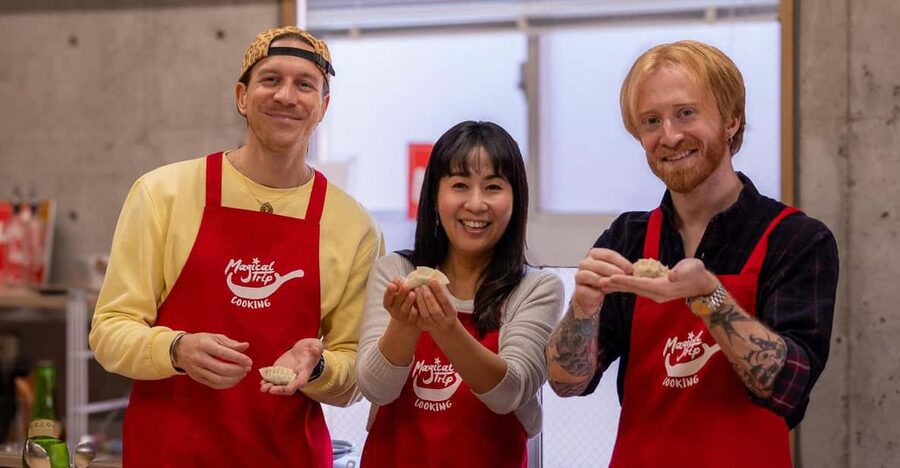
The recipes are important, but the guide will determine how comfortable and useful the class feels. The named guides associated with this experience include Chie, Eri, Emi, Akko, and Linda.
Chie has been praised for making the food easy to follow while adding background on Japanese products, regional differences, and history. Eri’s style has been described as friendly and helpful, with a calm atmosphere, music choices, and plenty of time for questions.
Emi has helped participants through all three recipes and answered general questions about Osaka. Akko has been especially warm and encouraging during the shared cooking and meal. Linda even decorated the room for a Christmas class and helped arrange an extra sake purchase, showing the kind of personal touch you might receive from a host who enjoys looking after the group.
Guide assignments can vary, so do not book expecting a particular person unless the booking system confirms it. The common thread is a friendly, personal approach rather than a rigid lesson.
What the $90 price really covers
At $90 per person, this is not the cheapest lunch in Osaka. You can eat okonomiyaki, gyoza, or soup for less if your only goal is to fill up.
The value comes from the full four-hour format. Your price covers the local supermarket visit, instruction for three dishes, all ingredients, lunch, tea, three canned drinks, an English-speaking guide, tour photos, and recipes for later use.
That is a good package for someone who wants an activity as well as a meal. You are paying for access to a small class, instruction, conversation, and a cultural explanation of the food. If you cook at home, the recipe downloads add practical value because you can use the skills again instead of leaving the experience in Osaka.
The price makes less sense if you dislike group cooking, do not want to drink or chat, or simply want a quick meal. In that case, a restaurant will be faster and cheaper. For a half-day activity with lunch included, though, the cost is reasonable.
Dietary needs and practical limits
Vegans and vegetarians are welcome, but you must provide your dietary needs or allergies at least one day in advance. Same-day changes cannot be accommodated.
Gluten-free options are not available. The class also cannot guarantee an allergy-free meal because food is prepared in external kitchens. Substitutions may not always be possible, though the team will try to compensate at other stops.
That means you should contact the provider before booking if your diet is strict. Do not assume that a vegetarian request automatically covers every ingredient or preparation method.
Wear clothes suited to cooking, cutting, and heating. Osaka’s weather can be extreme, with summer highs listed as high as 40°C and winter lows as low as -5°C, so dress for the season during the walking portion.
Arrive early. The start is strict, and late arrivals cannot join, reschedule, or receive a refund. Free cancellation is available up to 24 hours in advance, and you can reserve now and pay later if you want to keep your plans flexible.
Who should book this class?
I would choose this experience if you want more than a restaurant meal and like learning by doing. It is a particularly good fit for first-time visitors to Osaka who want a friendly introduction to local food without committing to a full culinary course.
It also works well as a final-day activity. You get lunch, a relaxed cultural experience, recipes to take home, and a chance to ask for Osaka tips before leaving. One mother and adult daughter used it on their last day and found the meal generous and filling.
Families should note the minimum age of 12. Couples and friend groups will enjoy the shared tasks, while solo participants can count on a small setting that makes conversation easier.
I would look elsewhere if you need gluten-free food, require guaranteed allergy protection, use a wheelchair or stroller, or prefer a quiet, formal demonstration. The cooking involves cutting and heat, and the walking route may not suit everyone.
Should you book the Osaka cooking class?
Book it if you want to understand Osaka through its everyday food. The supermarket visit, three practical recipes, small group, included drinks, and friendly guides give you more than a meal. You get a useful look at how local dishes are prepared and a set of recipes you can actually try at home.
At $90, the class is best viewed as a four-hour food and culture activity, not a cheap lunch. For most visitors who enjoy cooking, conversation, and a drink with their meal, it is a strong value. Just check the dietary limits, prepare for some walking, and arrive early at Minami Morimachi Station.
FAQ
How long does the Osaka cooking class last?
The experience lasts four hours and includes the supermarket visit, cooking, lunch, drinks, and time with an English-speaking guide.
Where is the meeting point?
Meet in front of the FamilyMart located about a one-minute walk from Exit 4 of Minami Morimachi Station.
What dishes will I cook?
You will prepare niku-sui, okonomiyaki, and gyoza. The class includes lunch made from the dishes you prepare.
Are drinks included?
Yes. Three canned drinks are included, and you can choose alcoholic or non-alcoholic options. Tea is also served during the experience.
Can vegans and vegetarians join?
Yes, vegans and vegetarians are welcome. You must share dietary needs or allergies at least one day in advance, and gluten-free options are not available.
Is the class suitable for children?
Participants must be over 12 because the cooking includes cutting and heating. The group is limited to seven participants.
More Food and Drink Trips in Osaka
- Okonomiyaki&Takoyaki for Families:Osaka Street Food Festival
★ 5.0 · 4 reviews - Small Group Cooking Class & Market Food Tour in Florence
★ 5.0 · 1,574 reviews - Pasta Making & Wine Tasting with Dinner in Frascati from Rome
★ 5.0 · 1,326 reviews - Paella Cooking Class, Wine Tasting & Central Market in Valencia
★ 5.0 · 1,150 reviews
More Drinks Tours in Osaka
- Osaka Sake Tasting with Takoyaki Cooking
★ 5.0 · 156 reviews - Osaka: Okonomiyaki Cooking Class with Beer or Soft Drink
★ 4.9 · 9 reviews - Ramen and Sushi Cooking Class with Sake Pairing Set in Tokyo
★ 5.0 · 291 reviews - Kyoto: Afternoon Japanese Izakaya Cooking Class
★ 4.9 · 241 reviews
Just added around Osaka
- Osaka Sake Tasting with Takoyaki Cooking★ 5.0 · 156 reviews
- Okonomiyaki&Takoyaki for Families:Osaka Street Food Festival★ 5.0 · 4 reviews
- Osaka Okonomiyaki Cooking Experience for Families & Groups★ 4.9 · 8 reviews
- Osaka: Sashiko Japanese Craftsmanship Workshop★ 5.0 · 31 reviews
- Osaka : Exclusive Tea Ceremony & Wagashi Cooking★ 5.0 · 2 reviews
- Osaka: Okonomiyaki Cooking Class with Beer or Soft Drink★ 4.9 · 9 reviews
- Osaka: Gluten-Free Ramen and Gyoza Cooking Class★ 5.0 · 42 reviews
- Osaka: Japanese Cooking Class with Matcha Experience★ 5.0 · 4 reviews
Cooking Classes with a Market Tour, compared.

Hanoi Cooking Class: Culture, Local Market & Meaning CSR Impact
Read our review →
5 Traditional Dishes Hanoi Cooking Class with Market Trip
Read our review →
Cooking Class and Lunch at a Tuscan Farmhouse with Local Market Tour from Florence
Read our review →
Cooking Class, Market & Thai Herbs Garden Tour
Read our review →
Authentic Cooking Class with Market & Farm Visit
Read our review →
Paella Cooking Experience & Boqueria Market Tour
Read our review →
Cooking Class Hoi An:Local Market, Basket Boat, Fishing & Cooking
Read our review →