
REVIEW · LOUISIANA, UNITED STATES
New Orleans: Hands-on Cajun Roux Cooking Class
Roux turns dinner into a New Orleans lesson. This three-hour French Quarter class makes Cajun and Creole cooking practical, social, and easy to follow. I especially like the hands-on format and the chance to prepare three full dishes, not just watch a chef work. The main thing to consider is the $157 price, which is fair for a meal, drinks, instruction, and a small group, but high if you want only a quick demonstration.
I also like the friendly teaching style reported from the kitchen. Chef Raymond brings music and energy to the room, while Chef Jason and Chef Mark are praised for clear explanations, history, humor, and keeping everyone involved. You should come hungry, since the class ends with a proper meal, not a few sample bites.
The class takes place in Suite 101 on the ground level of the French Quarter. It is taught in English, welcomes up to 10 participants, and is wheelchair accessible. Children over 10 may attend if they truly want to cook. Children under 10 cannot book this experience.
Key points about the New Orleans roux class
- Three Louisiana dishes in three hours: You make chicken and andouille sausage gumbo, shrimp etouffee, and bananas Foster.
- The roux is the main lesson: You prepare both a dark roux for gumbo and a light roux for etouffee.
- You learn the Cajun Holy Trinity: Chopping onion, celery, and bell pepper gives you the base used in many Louisiana dishes.
- Small groups keep you involved: With no more than 10 participants, you should have room to take part instead of simply watching.
- Drinks are included: Wine, beer, sodas, and bottled water are available during the class.
- You eat what you cook: The experience includes lunch or dinner, so there is no need to plan a separate meal afterward.
Why this French Quarter cooking class is worth your time
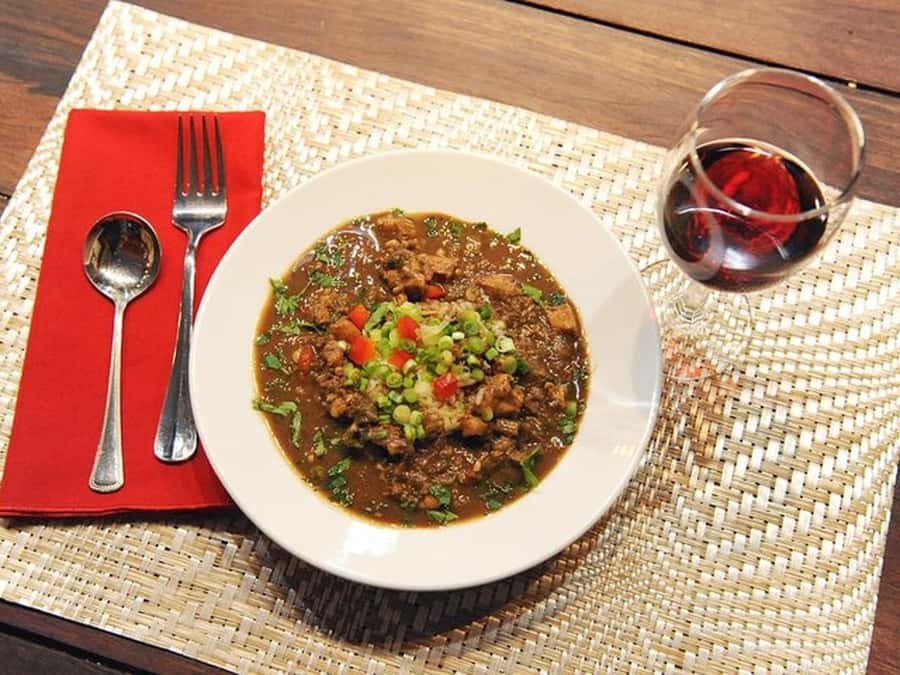
New Orleans gives you plenty of ways to eat gumbo. This class offers something more useful: a chance to understand how the dish comes together. You are not just handed a bowl and told that roux is important. You make it yourself, watch its color change, and learn why the timing matters.
That practical approach is the strongest reason to book. You leave with three recipes, a better sense of Cajun and Creole seasoning, and techniques you can try at home. The class also explains the story behind the dishes, which helps you understand why gumbo and etouffee are more than standard restaurant menu items.
The small group size matters. A maximum of 10 people gives the chef a better chance to answer questions, correct a technique, and keep each person involved. The experience is still social, but it should not feel like sitting at the back of a large demonstration.
The setting also helps. You are in the French Quarter, New Orleans’ best-known food district, so the class fits neatly into a day of exploring the city. Transportation is not included, and you must make your own way to Suite 101 on the ground level. Plan that short journey before the class so you arrive ready to cook.
A few more cooking classes around the USA worth a look
- New Orleans Demonstration Cooking Class with Meal
★ 5.0 · 3,000 reviews - New Orleans Hands-On Cooking Class with Meal
★ 5.0 · 1,183 reviews - Undiscovered Charleston: Half Day Food, Wine & History Tour with Cooking Class
★ 5.0 · 948 reviews
Starting with the Cajun Holy Trinity
The class begins with an introduction to New Orleans cooking and the basic seasonings that shape Cajun and Creole food. One of the first lessons is the Cajun Holy Trinity: onion, celery, and bell pepper.
You chop and prepare these ingredients yourself. This sounds simple, but it gives you a useful foundation. The mixture appears in many Louisiana dishes, and learning how to prepare it helps you recognize the flavor base when you cook at home.
This early prep also introduces mise en place, the habit of getting every ingredient ready before you start cooking. That is especially helpful with roux. Once the heat is on, you need to pay attention rather than hunt for a missing ingredient.
At this point, the class takes a relaxed turn with a first glass of wine. Beer, sodas, and bottled water are also included, so you can choose a drink that suits you. Alcohol is part of the experience, but it is not the only option.
Making the dark roux for chicken and andouille gumbo
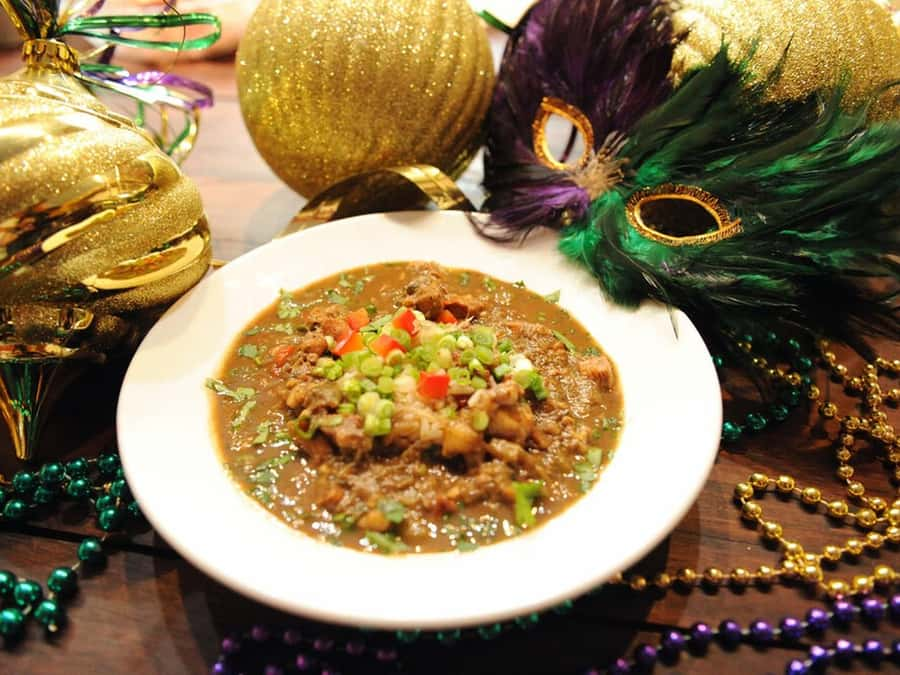
The gumbo is the first major cooking project. You learn to make a dark roux, which gives the dish its deep color and roasted flavor. This is the part of the class that requires the most care. Roux can change quickly, so the lesson is not just about stirring. It is about reading color, texture, and smell.
The gumbo includes chicken and andouille sausage. Andouille brings a smoky, seasoned flavor, while the chicken makes the dish familiar and filling. You work through the cooking process before the gumbo is plated for the meal.
I like this order because the gumbo can take center stage while you move on to the next dish. It also lets you compare the dark roux with the lighter roux used later. That contrast is one of the best teaching tools in the class.
The cooking school’s instructors use a friendly, lively approach. Chef Raymond is described as enthusiastic, with music playing while the group works on the roux. Chef Jason is praised for explaining the process clearly, adding jokes and New Orleans stories, and keeping everyone involved. Chef Mark is also noted for careful instruction and a fun manner.
The exact instructor may vary, but the teaching style appears to be warm rather than formal. If you prefer a silent, highly technical kitchen lesson, the music and conversation may feel less focused. If you want cooking to feel social, that atmosphere is a real advantage.
Preparing shrimp etouffee with a lighter roux
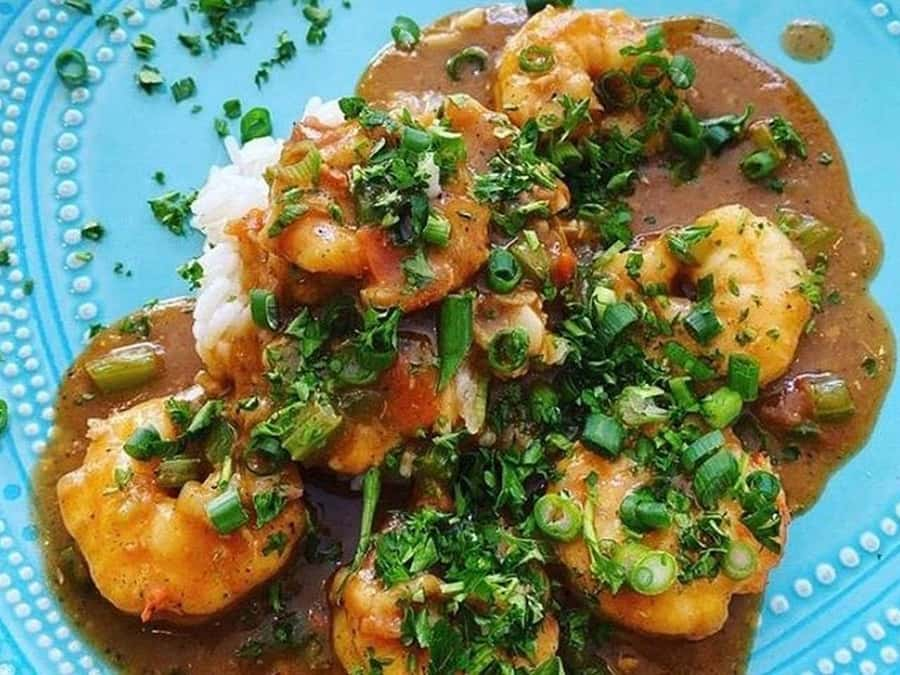
Next comes shrimp etouffee, made with a light roux. The change from the gumbo’s dark roux gives you a useful comparison. You can see how the color and cooking time affect the final dish, rather than treating roux as one fixed recipe.
Etouffee is a good choice for a class because it shows a different side of Louisiana cooking. The shrimp bring a lighter seafood flavor, while the roux and seasonings provide the sauce. The instructor explains the steps and helps you prepare the dish before plating.
This section also gives you another chance to practice the Holy Trinity and the idea of organized prep. You are building a sauce with several moving parts, but the class breaks the work into manageable stages.
The practical value is high here. Many cooking classes give you one centerpiece recipe. This class gives you two savory dishes with different roux styles. Once you know the method, you can use it as a base for your own variations at home.
Keep in mind that the class is taught in English. That should be fine for most English-speaking participants, but the experience does not list other language options. The instruction is designed for participation, so you should expect to listen, chop, stir, and follow directions rather than sit back.
Same place, a different thing to cook:
- New Orleans: Cajun and Creole Cooking Class
★ 4.9 · 730 reviews - Hands-on Cajun Roux Cooking Class in New Orleans
★ 5.0 · 356 reviews - Hands-On Hawaiian Imu Cooking and Cultural Dining Experience
★ 5.0 · 95 reviews - Hands-on Cooking Class in Charleston
★ 5.0 · 83 reviews
Sitting down to the meal you prepared
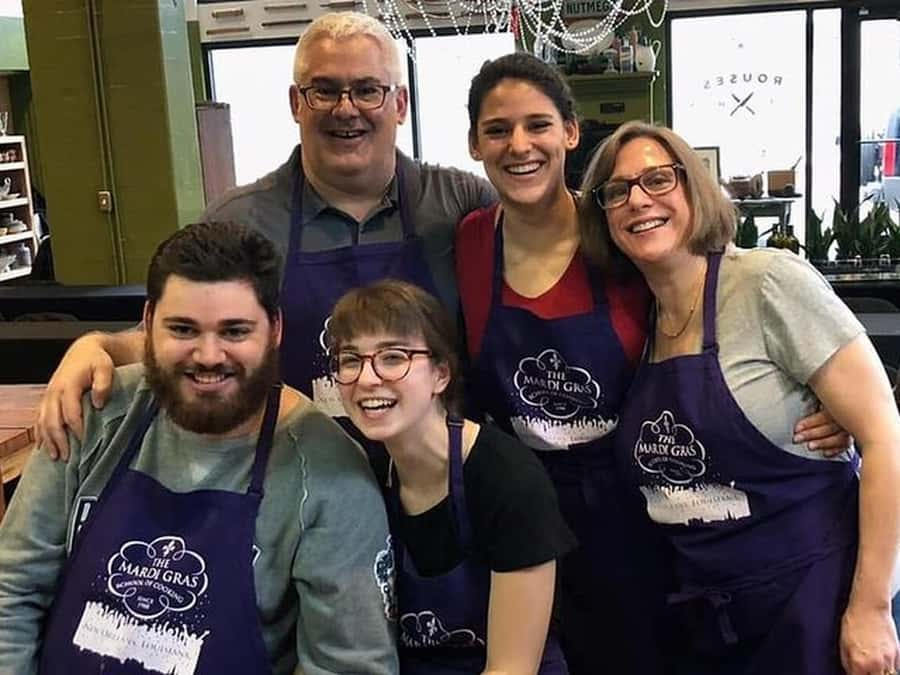
After the cooking is complete, the dishes are properly plated and you sit down to eat. The included meal is an important part of the $157 price. You are not paying only for a recipe lesson and a small taste. You prepare gumbo, etouffee, and dessert, then enjoy the results as lunch or dinner.
That makes the class a practical choice for a special occasion or a day when you want one main activity. You can treat it as both a cooking lesson and a meal in the French Quarter.
The food also gives you a way to judge the techniques while they are fresh. You can notice the difference between the dark gumbo roux and light etouffee roux, then ask questions before you leave. That is more useful than trying to remember a quick demonstration several hours later.
The only caution is appetite and timing. The class lasts three hours, and the meal comes after the cooking work. Come ready to eat, as one participant put it in practical terms. If you need a quick lunch between sightseeing stops, this is not the right format.
Finishing with bananas Foster
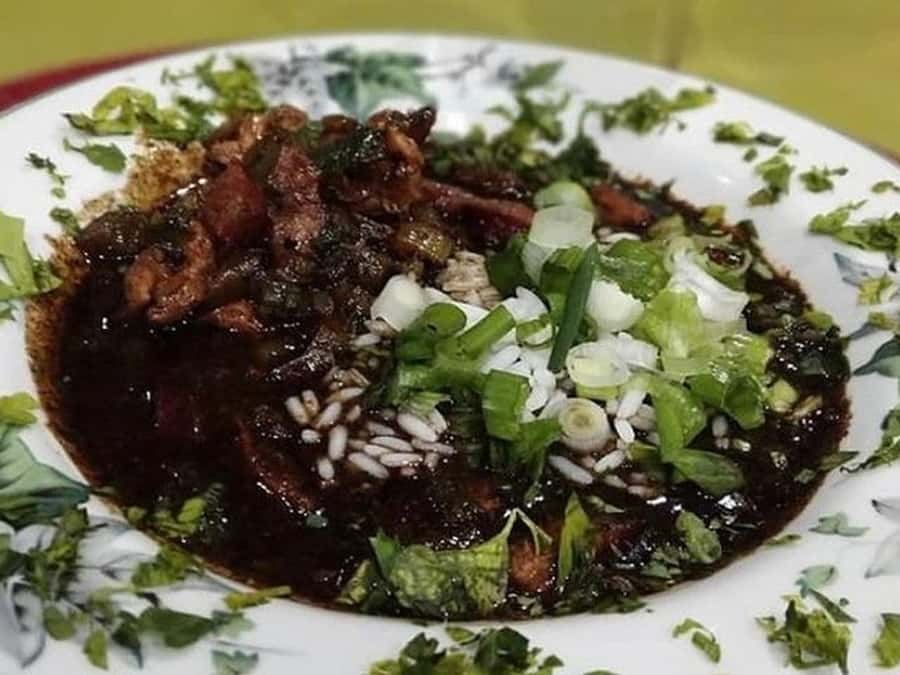
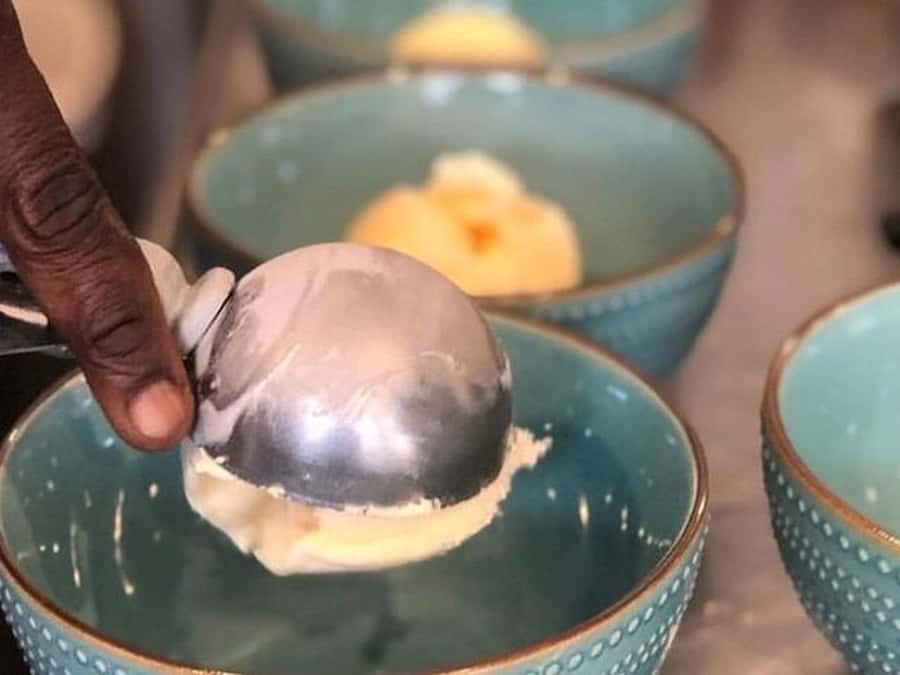
Bananas Foster comes at the end, and it is likely to be the most playful part of the class. You are shown a reliable method for making the dessert at home, with the aim of giving you something you can serve to friends and family.
It is a smart finish because the dessert is distinct from the two savory dishes. After working with roux, sausage, chicken, and shrimp, you get a sweet course that rounds out the meal.
The recipe is presented as fool-proof, but you should still pay attention to the instructions. Desserts can look simple and still depend on timing. The point is to learn a repeatable method rather than watch a chef perform a flashy trick.
Bananas Foster also adds value for home cooks who want a recipe that feels special without requiring a long list of advanced techniques. Along with gumbo and etouffee, it gives you a small Louisiana menu to recreate after your trip.
What the $157 price really includes
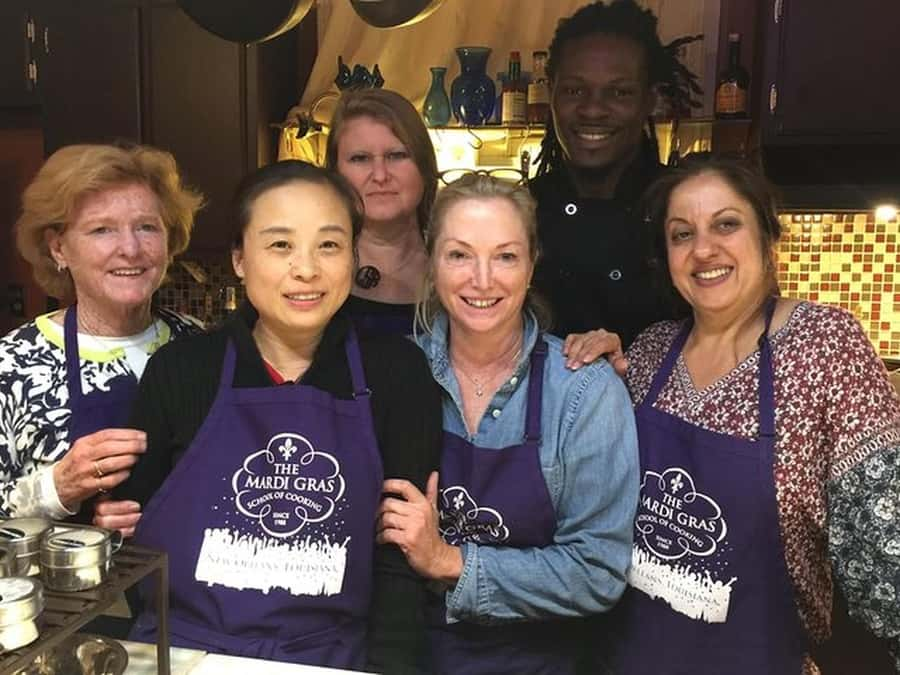
At $157 per person, this is not a budget meal. The price makes more sense when you count everything included: three hours of instruction, hands-on preparation, a full lunch or dinner, alcoholic drinks, sodas, bottled water, and a group limited to 10 people.
You are also paying for access to professional cooking methods and local food knowledge. The class teaches how to build flavor, manage two kinds of roux, organize ingredients, and understand the background of the dishes. For someone who wants to cook Cajun or Creole food at home, that is more useful than paying for a standard restaurant meal.
The value is weaker if you mainly want to eat gumbo in the French Quarter. You can find Louisiana food elsewhere in the city without spending this much or giving up three hours. This experience earns its price through participation and instruction.
I would compare it with the cost of a quality meal plus a small-group activity. If you enjoy cooking, the package is reasonable. If you are not interested in chopping, stirring, and following a recipe, choose a restaurant instead.
Group size, age rules, and access
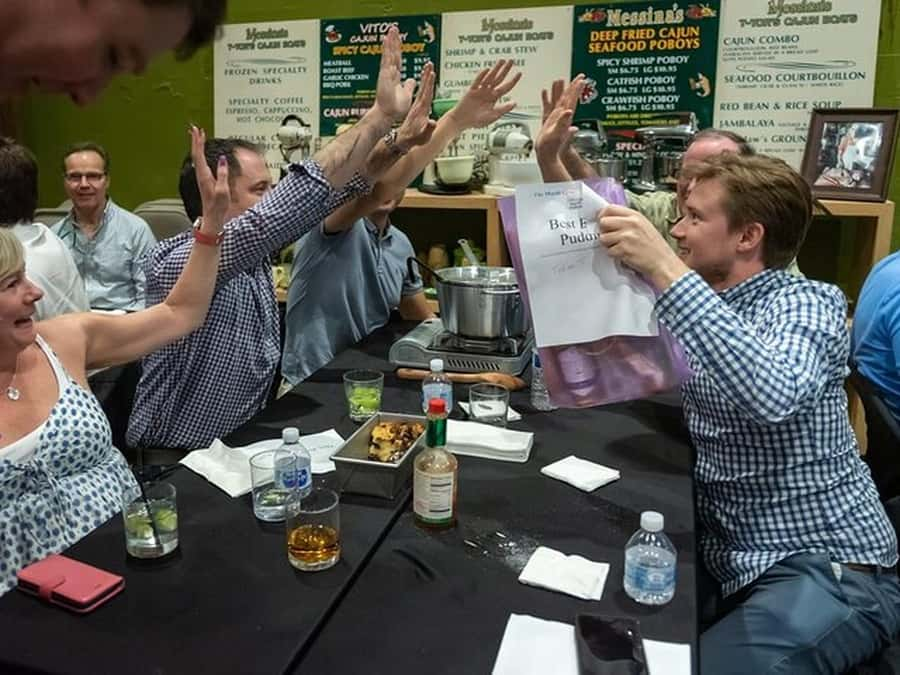
The group is limited to 10 participants. That is small enough for personal attention, but still large enough for a friendly shared activity. The comments about Chef Raymond, Chef Jason, and Chef Mark all point to instructors who keep the room involved with stories, humor, music, and clear steps.
Children over 10 may book, but they must be willing to participate and genuinely like cooking. This is not a sit-and-watch activity for younger children. Children under 10 are not permitted.
The class is wheelchair accessible and held on the ground level in Suite 101. That removes stairs as a concern, though you should still confirm any personal access needs when booking if you require more specific arrangements.
The class language is English. Drinks include wine and beer along with nonalcoholic choices, so you do not need to drink alcohol to take part.
Free cancellation is available up to 24 hours before the activity for a full refund. You can also reserve now and pay later, which helps if your New Orleans schedule is still shifting.
Who should book this New Orleans cooking experience
I would choose this class if you want an active food experience rather than another restaurant reservation. It suits couples, friends, solo participants, and families with older children who enjoy cooking.
It is especially good for you if you want to understand what makes Cajun and Creole food different. The two roux lessons, the Holy Trinity, the seasoning discussion, and the background of the dishes give you a useful base for cooking after the trip.
The class may also work well for a small celebration. The drinks and relaxed tone make it social, while the recipes give everyone something to do. You do not need to arrive as an experienced cook. The teaching is designed to be clear and easy to follow.
I would skip it if you dislike group activities, do not want alcohol or food-centered plans, or need a fast meal. Three hours is a meaningful block of time, and the $157 cost asks you to value the lesson as much as the food.
Final verdict: book it if you want to cook, not just eat
The New Orleans Fantasy Cooking Experience is a strong pick for anyone who wants a real hand in making Louisiana food. You prepare gumbo, shrimp etouffee, and bananas Foster, learn two roux methods, eat a full meal, and take home techniques that can actually be used.
The best parts are the small group, the lively teaching, and the clear focus on cooking from start to finish. The main drawbacks are the high price, the three-hour commitment, and the need to arrange your own transportation to the French Quarter venue.
Book it if you are curious about Cajun and Creole cooking and want a social class with drinks and a substantial meal. Skip it if your priority is simply finding an inexpensive bowl of gumbo.
FAQ
How long does the cooking class last?
The class lasts three hours.
How much does the experience cost?
The price is $157 per person.
Where does the class meet?
The class meets in Suite 101 on the ground level in New Orleans’ French Quarter.
What dishes will I prepare?
You will prepare chicken and andouille sausage gumbo, shrimp etouffee, and bananas Foster.
Are drinks included?
Yes. Wine, beer, sodas, and bottled water are included.
Is a meal included?
Yes. The experience includes lunch or dinner, and you eat the dishes prepared during the class.
Is the class suitable for children?
Children over 10 may attend if they are willing to participate and enjoy cooking. Children under 10 are not permitted.
Is the venue wheelchair accessible?
Yes. The cooking class is wheelchair accessible.
Can I cancel for a refund?
Yes. You can cancel up to 24 hours in advance for a full refund.
Just added around the USA
- Hands-on Cooking Class in Charleston★ 5.0 · 83 reviews
- Sushi Making Cooking Class at a Local Brewery in Charlotte★ 5.0 · 2 reviews
- Authentic Asian Cooking Class in NYC (Includes 4-Course Meal)★ 5.0 · 8 reviews
- Hands-On Hawaiian Imu Cooking and Cultural Dining Experience★ 5.0 · 95 reviews
- Farm to Table Cooking Class at Kulaniapia Falls★ 4.5 · 36 reviews
- Baumkuchen Campfire Baking Class★ 5.0 · 3 reviews
- French Cooking Class in Baltimore (Includes 3-Course Meal)★ 5.0 · 2 reviews
- Private Atlanta Cooking Class with a Fun Local Chef Naina★ 5.0 · 2 reviews
Cooking Classes, compared.

Half-Day Thai Cooking Class at Organic Farm in Chiang Mai
Read our review →

3 in 1 Cooking Class near Navona: Fettuccine, Ravioli & Tiramisu
Read our review →
Pasta & Tiramisu Cooking Class with Unlimited Wine
Read our review →
Hanoi Cooking Class: Culture, Local Market & Meaning CSR Impact
Read our review →
5 Traditional Dishes Hanoi Cooking Class with Market Trip
Read our review →
Cooking Class and Lunch at a Tuscan Farmhouse with Local Market Tour from Florence
Read our review →
Cooking Class, Market & Thai Herbs Garden Tour
Read our review →Lists this class appears in