
REVIEW · LOUISIANA, UNITED STATES
New Orleans: Cajun and Creole Cooking Class
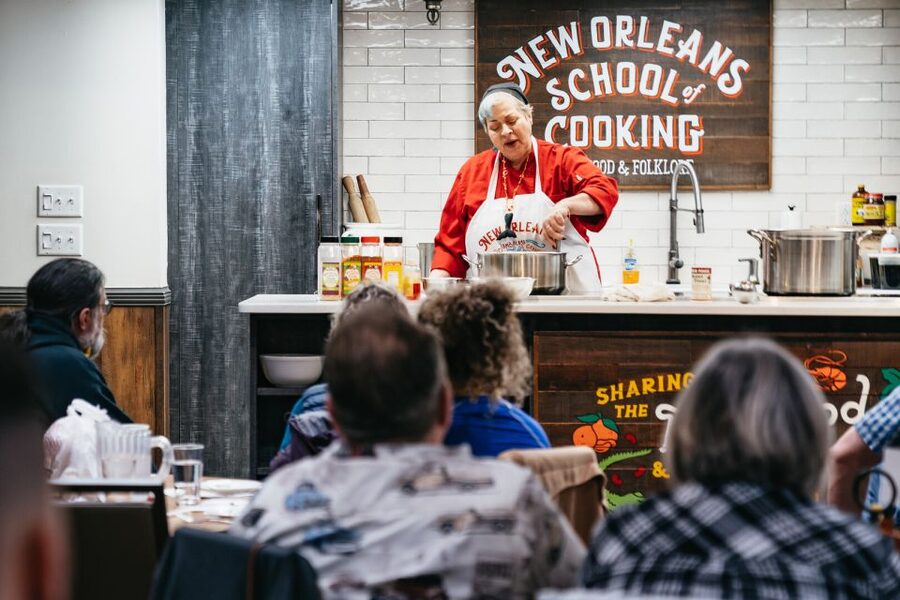
Come hungry, leave with recipes. This two to two-and-a-half-hour experience in a renovated early-1800s molasses warehouse gives you a lively introduction to New Orleans food, folklore, and local hospitality. I like the generous meal, which can include gumbo, jambalaya, pralines, and other regional favorites, and I like the way the chefs connect each dish to the people and traditions of Louisiana.
The $40 price is strong value because it covers a chef-led demonstration, a three or four-course meal, drinks, recipe copies, and a store coupon. My one caution is important: despite the name, this is generally a cooking demonstration, not a hands-on class. You watch the chef cook rather than chop, stir, or cook your own dish.
Key points at a glance
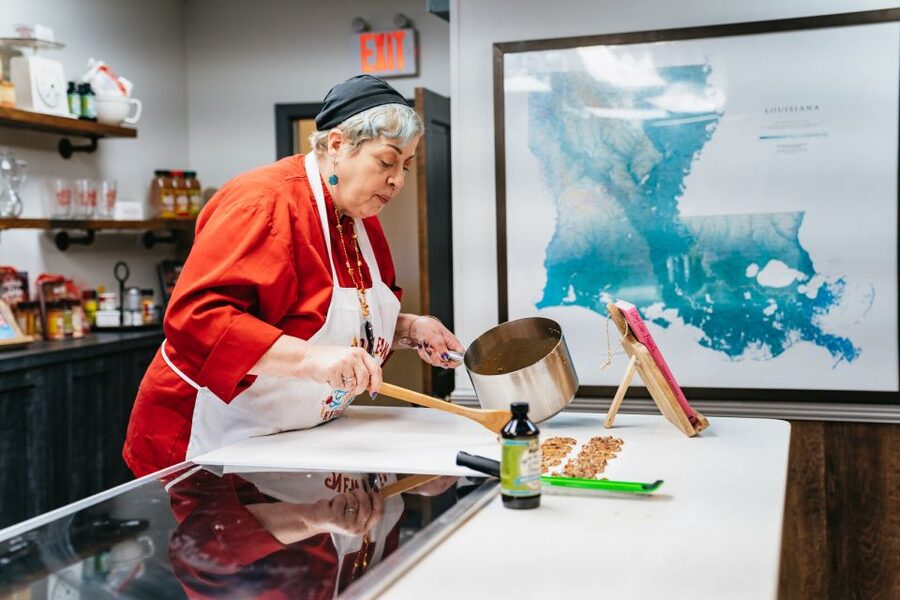
- Historic French Quarter setting: The class takes place inside a renovated molasses warehouse built in the early 1800s.
- A full Cajun and Creole meal: Depending on the day, you may eat gumbo, jambalaya, etouffee, shrimp creole, red beans and rice, dessert, and pralines.
- Stories with your lunch: Chefs explain how New Orleans culture, folklore, migration, and cooking traditions meet at the table.
- The food is the main event: Portions are large enough that you may not want a full meal right afterward.
- Recipes for home: You receive copies of the dishes prepared in class, plus a coupon for the general store.
- A demonstration, not a practical workshop: This suits anyone who prefers to watch and taste, but it may disappoint you if you expect hands-on cooking.
Entering the old molasses warehouse
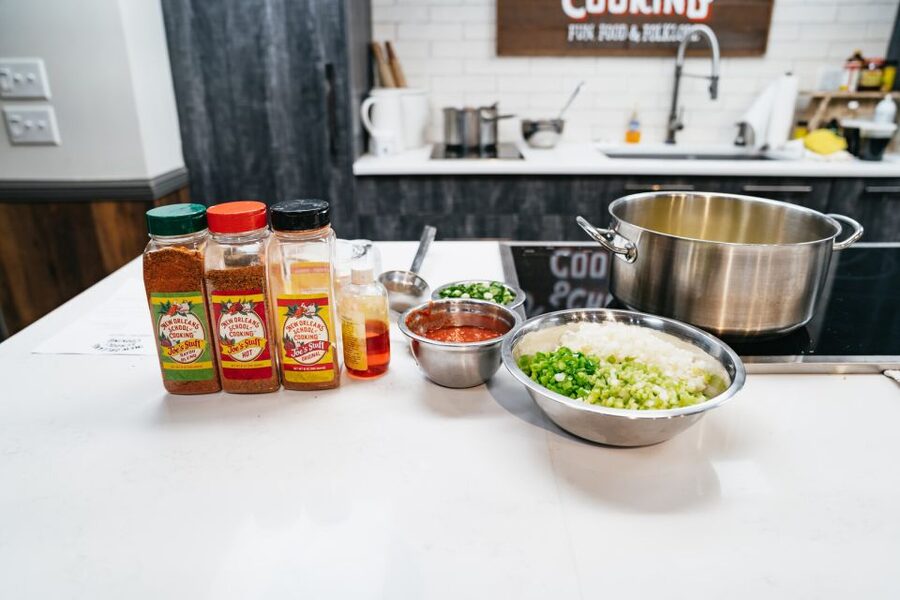
You check in at the register inside the New Orleans School of Cooking General Store. The store itself is part of the experience, with locally sourced products and the school’s well-known Joe’s Stuff Creole Seasoning. You can browse before or after class, but save serious shopping for the end so you do not carry bags into the demonstration.
The setting adds something that a generic cooking studio could not. This is a renovated warehouse dating from the early 1800s, in the heart of the French Quarter. You are not simply watching a recipe in a modern classroom. You are learning about food in a place tied to the city’s commercial past.
The class runs in the morning or afternoon. The 10 a.m. session includes hot coffee, along with Dixie beer, iced tea, and lemonade. The afternoon class includes Dixie beer, iced tea, and lemonade, but not the morning coffee. Do not bring your own drinks, since drinks are listed as not allowed.
A few more cooking classes around the USA worth a look
- New Orleans Demonstration Cooking Class with Meal
★ 5.0 · 3,000 reviews - New Orleans Hands-On Cooking Class with Meal
★ 5.0 · 1,183 reviews - Undiscovered Charleston: Half Day Food, Wine & History Tour with Cooking Class
★ 5.0 · 948 reviews
The first course is a lesson in New Orleans
The chef begins by setting the food in context. This is where the class earns much of its value. You learn about Cajun and Creole cooking, the history of New Orleans, and the folklore that surrounds familiar dishes.
The distinction between Cajun and Creole food can feel confusing when you first arrive in Louisiana. The class helps put those terms into a practical food context, rather than turning them into a dry lecture. You hear how local culture and cooking developed together, then watch those ideas appear in the pot, pan, and dessert dish.
The chef-led format also gives you room to ask questions. Several instructors are praised for stopping to explain a technique or answer something unrelated to the dish. That makes the session feel less like a fixed script and more like a conversation with a New Orleans cook.
The instructors change by class. Chefs named in recent sessions include Austin, Eric, Lynn, Dianne Honoré, Harriet, Michael, Rene, Chef T, and others. The personalities differ, but the strongest classes pair clear food instruction with humor and storytelling. Chef Austin, Chef Eric, Lynn, and Dianne Honoré, also known as Gumbo Marie, are especially noted for keeping the room engaged.
What you actually do in the cooking class
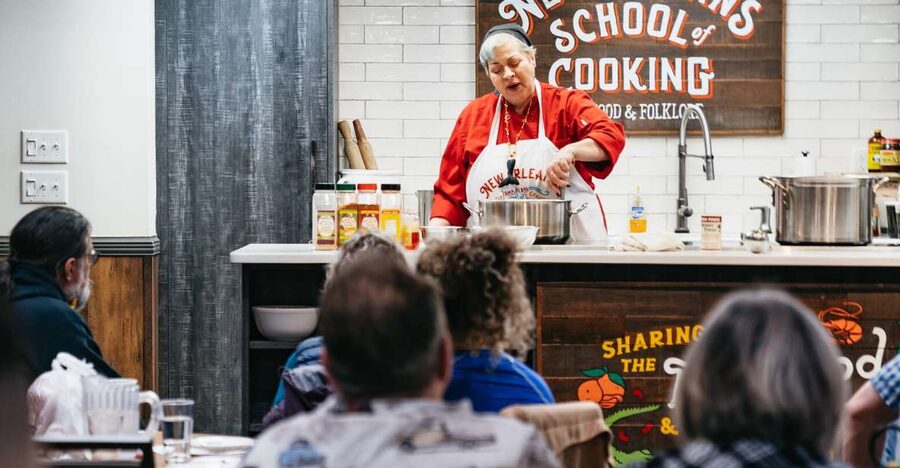
Here is the key point: you generally watch the chef prepare the dishes. You do not usually receive a cutting board, cook your own pot of gumbo, or work through each stage at a station.
Some people love this arrangement. You can focus on the chef’s explanations, see the full process without pressure, and eat several dishes while they are prepared. It is also a good choice for families or mixed-age groups who may not want a physically demanding activity.
If you came expecting a hands-on workshop, you may feel misled. The title cooking class suggests participation, while the actual format is a cooking demonstration with tastings and a meal. The difference should be clear before you book.
Still, watching has its benefits. You can see how the chef builds flavor, talks through the order of preparation, and explains why particular ingredients matter. The recipes you take home let you practice later, when you have time to work at your own pace.
The menu changes by day, so plan your booking
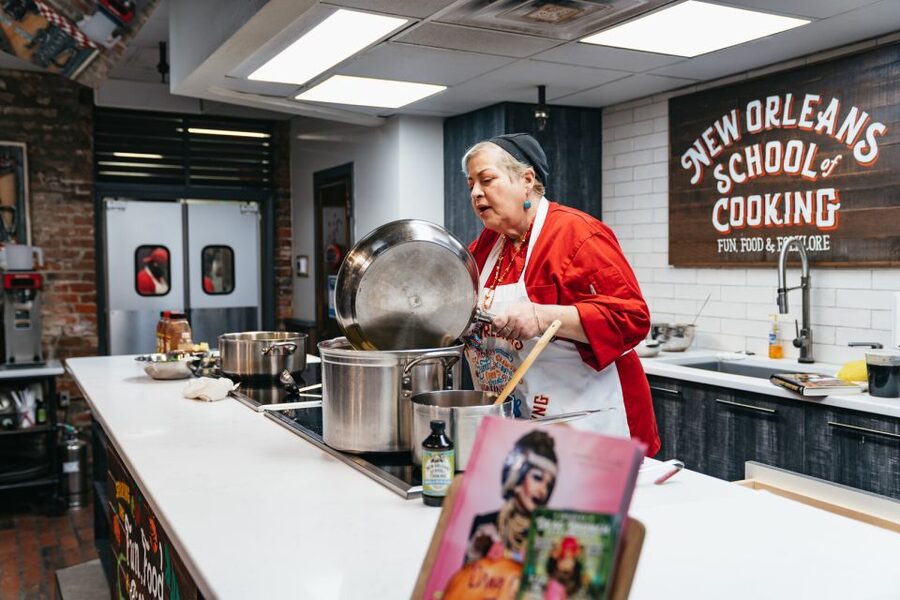
The menu is not the same every day. Check the schedule before booking if a particular Louisiana dish matters to you.
Same place, a different thing to cook:
- Hands-on Cajun Roux Cooking Class in New Orleans
★ 5.0 · 356 reviews - Hands-On Hawaiian Imu Cooking and Cultural Dining Experience
★ 5.0 · 95 reviews - Hands-on Cooking Class in Charleston
★ 5.0 · 83 reviews - Farm to Table Cooking Class at Kulaniapia Falls
★ 4.5 · 36 reviews
Morning classes at 10 a.m.
The morning menu changes across the week:
- Saturday, Sunday, and Wednesday: Gumbo, jambalaya, bread pudding, and pralines
- Monday: Gumbo, red beans and rice, pecan pie, and pralines
- Tuesday: Gumbo, jambalaya, bananas Foster, and pralines
- Thursday: Corn and crab bisque, shrimp Creole, bananas Foster, and pralines
- Friday: Crawfish etouffee, shrimp and artichoke soup, bread pudding, and pralines
This session is the better pick if you want the broadest meal, since it may include three or four courses plus dessert. It also includes hot coffee. The Saturday, Sunday, and Wednesday combination of gumbo, jambalaya, bread pudding, and pralines is a particularly useful introduction to the school’s style.
Afternoon classes at 2 p.m.
The afternoon menu is shorter but still substantial:
- Saturday: Crawfish etouffee, shrimp and artichoke soup, and pralines
- Sunday and Tuesday: Corn and crab bisque, chicken etouffee, and pralines
- Monday, Thursday, and Friday: Gumbo, jambalaya, and pralines
- Wednesday: Gumbo, chicken Creole, and pralines
The afternoon option fits well after a morning of sightseeing. Just remember that the food portions can be large. If you choose the 2 p.m. class, you may not want a full dinner later.
Gumbo, jambalaya, and the dishes worth watching
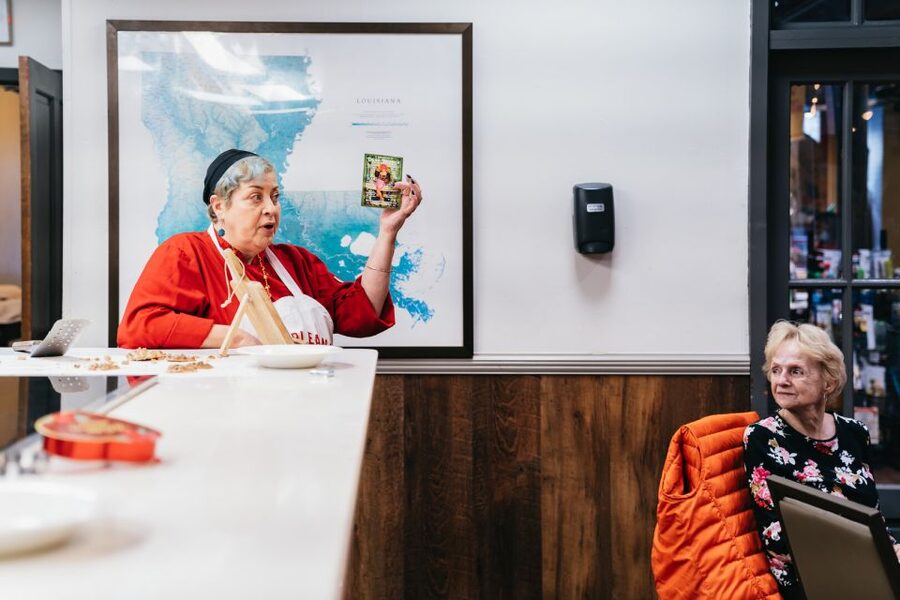
Gumbo is often the star. It is a useful dish for learning how Louisiana cooking works because the final bowl depends on several stages rather than one quick flourish. The chefs explain the dish while preparing it, giving you a chance to understand the logic behind the recipe.
Many diners single out the gumbo as the best dish they eat during their New Orleans stay. That is a strong claim in a city with plenty of restaurants, but it also tells you what to pay attention to. Listen for the explanations about seasoning and preparation, then compare the finished bowl with restaurant versions later in your trip.
Jambalaya brings a different lesson. It is hearty, filling, and familiar enough to make the cooking process easy to follow. Red beans and rice, when offered, gives you another view of everyday Louisiana cooking rather than only festival food.
Etouffee, shrimp Creole, corn and crab bisque, and shrimp and artichoke soup add variety across the weekly schedule. Seafood appears often, so check the menu carefully if you have an allergy or avoid shellfish. The chefs have provided alternatives for some diners with shellfish allergies, but you should raise dietary concerns before the class rather than rely on a last-minute adjustment.
Dessert is not an afterthought. Bread pudding, pecan pie, bananas Foster, and pralines rotate through the schedule. Pralines appear regularly and make a useful final lesson because they show the sweet side of New Orleans cooking in a compact form.
Stories, humor, and the character of the chef
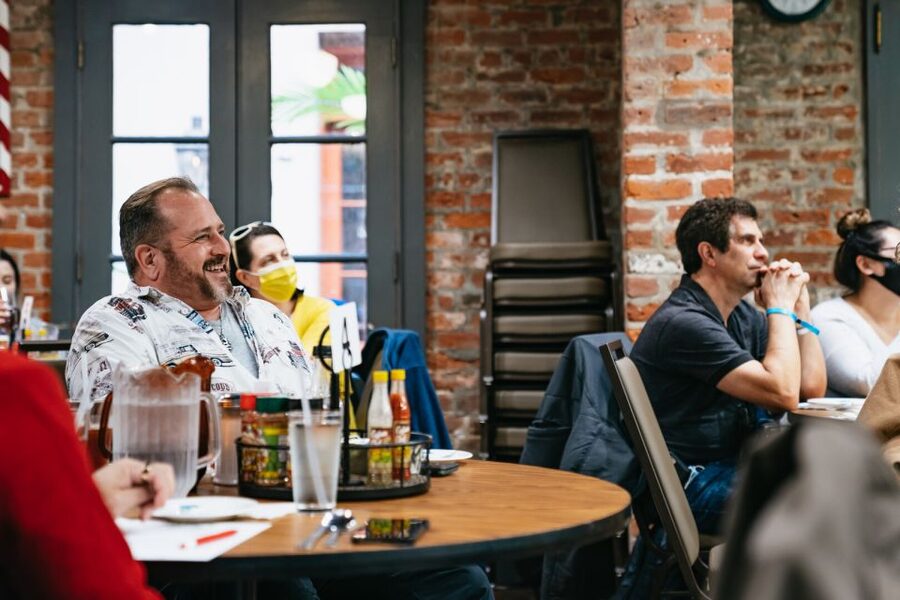
The instructor can shape the entire afternoon. When the chef is lively, the demonstration becomes part food lesson, part local storytelling session, and part comedy hour.
Chef Austin is praised for high energy and humor. Chef Eric is noted for being both entertaining and clear when explaining dishes and their background. Lynn is described as warm, funny, and engaging, while Dianne Honoré is praised for bringing together food, history, and fun. Harriet is remembered for her energy and good teaching. These details matter because you are spending up to 150 minutes watching one person work.
You should not expect every class to have the same tone. The chef assigned to your session may be quiet, theatrical, highly conversational, or somewhere in between. The food and structure remain the main constants.
One practical concern is sound. At least one diner found it difficult to hear everything and suggested a microphone. If you have hearing trouble, sit close to the demonstration area and ask staff for a better seat. A funny story is only useful if you can catch the punch line.
Eating the finished dishes
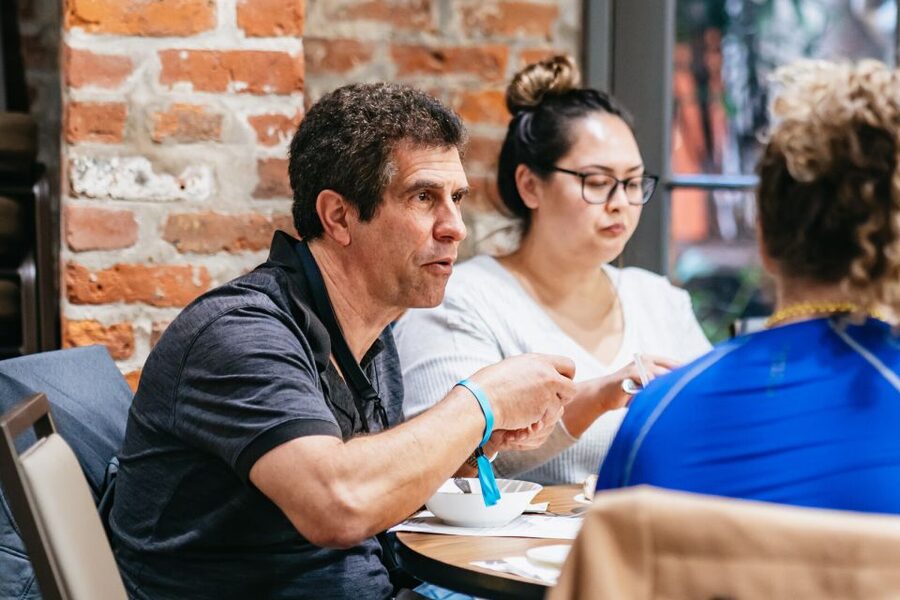
The meal comes as the cooking progresses, so you get to taste what you have just watched being prepared. This is more satisfying than receiving a plate at the end with no explanation attached.
The portions are generous. Plan the class as a real meal, not a small tasting. If you attend with teenagers or a larger group, you may find this especially helpful because everyone gets food and entertainment in one stop.
Drinks add to the value. Dixie beer, iced tea, and lemonade are included. The 10 a.m. class also includes hot coffee. The setup is relaxed, and you can focus on the food rather than ordering or paying for several separate courses.
I would not schedule an expensive restaurant lunch immediately after the morning class. You may want a light dinner after the afternoon session instead. The meal is filling enough to affect the rest of your day.
The recipes and the general store
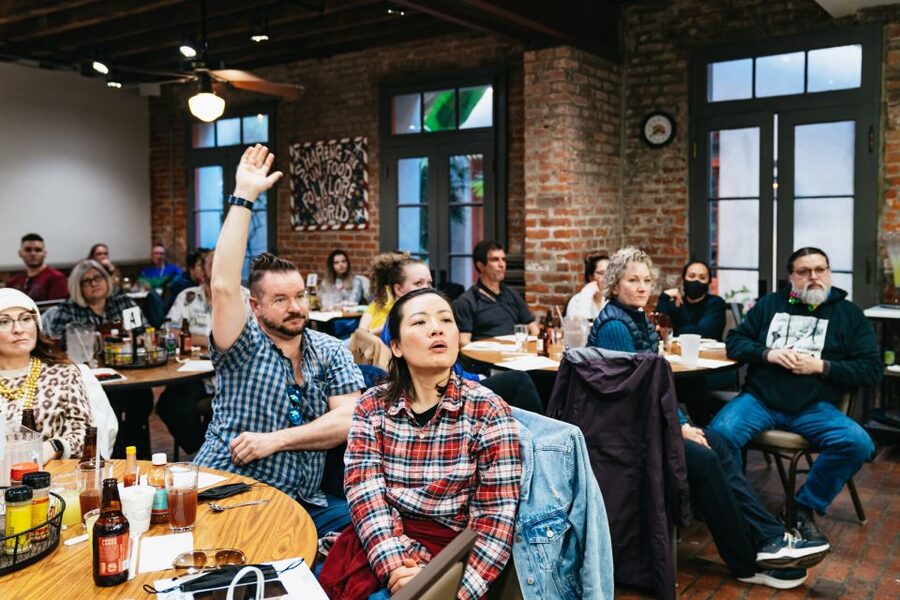
At the end, you receive copies of the recipes used in class. This changes the experience from a one-time meal into something you can repeat at home.
The recipe sheets are especially useful if you enjoyed the gumbo, jambalaya, or pralines but would not remember the proportions and order of preparation. You can use the class as a preview, then try the dishes later for friends and family.
You also receive a coupon for the general store. The store carries local products, including Joe’s Stuff Creole Seasoning, and several people buy seasonings or cooking books to take home. That shopping stop is convenient, though it can tempt you to spend more after the class.
I suggest browsing first and buying later. The coupon gives you a reason to return to the shelves after eating, when you know which flavors and seasonings you actually want.
Is $40 good value?
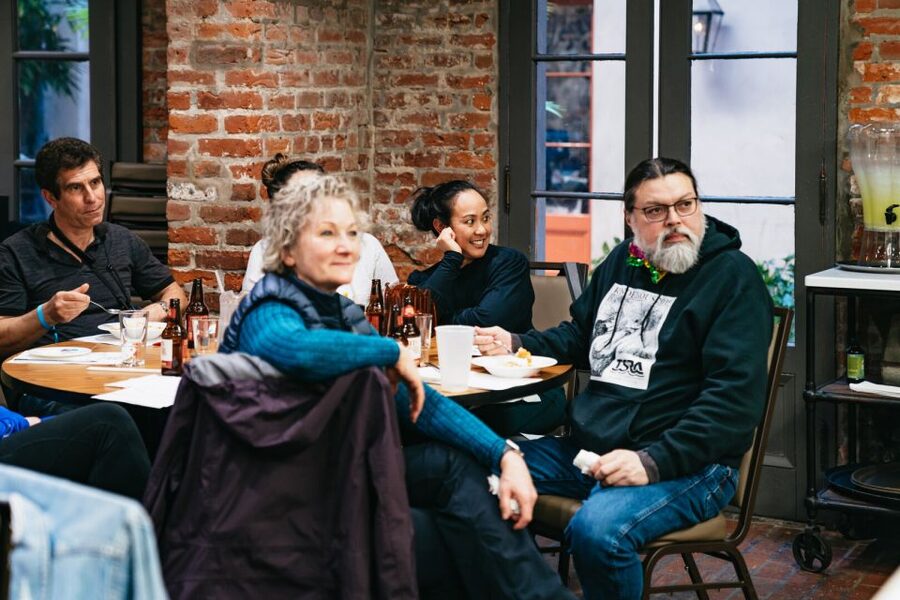
At $40 per person, this is a solid food experience for New Orleans. You receive instruction, a three or four-course meal, drinks, recipes, and a store coupon. A comparable restaurant meal can cost a similar amount without the stories, demonstration, or take-home material.
The value depends on what you want from a class. If your main goal is to eat Cajun and Creole food while learning how it fits into local culture, the price is easy to justify. If you want several hours of hands-on kitchen work, $40 may not feel like the right use of your money because you are mainly observing.
There is also no hotel pickup or drop-off. That is not a major issue because the meeting point is the general store in the French Quarter, but you need to make your own way there and arrive ready to check in at the register.
Free cancellation up to 24 hours before the start gives you some flexibility, and you can reserve now and pay later. The experience is wheelchair accessible, and instruction is in English.
Who should book this experience?
I would choose this for a first visit to New Orleans, especially if you want a gentle introduction to local food before trying restaurants across the city. It also works well for families, couples, groups of friends, and anyone who enjoys food stories as much as food preparation.
The class suits you if you:
- Want a filling meal with local drinks
- Enjoy history and folklore alongside cooking
- Prefer to watch a professional rather than cook under instruction
- Need a relaxed indoor activity in the French Quarter
- Want recipes and seasonings to take home
- Are interested in trying several Louisiana dishes in one sitting
I would think twice if you need a hands-on class, dislike seafood, or want complete control over ingredients. Check the daily menu and tell the school about allergies before attending.
Should you book the New Orleans School of Cooking?
Yes, if you treat it as a food demonstration and lunch, not a practical cooking workshop. The setting is atmospheric, the portions are generous, the recipes are useful, and the best chefs turn the session into an entertaining lesson about New Orleans culture.
For the fullest meal, I would consider a 10 a.m. class, especially on a day offering gumbo, jambalaya, bread pudding, and pralines. For a later schedule, the 2 p.m. class works well after sightseeing. Check the menu first, arrive hungry, sit where you can hear clearly, and leave room in your suitcase for Joe’s Stuff seasoning.
FAQ
Is this a hands-on cooking class?
No. The experience is generally a cooking demonstration. You watch the chef prepare the dishes, hear explanations and stories, then eat the finished food.
How long does the experience last?
The class lasts between two and two and a half hours, depending on the session and schedule.
What food might be served?
Menus vary by day. Possible dishes include gumbo, jambalaya, red beans and rice, crawfish etouffee, chicken etouffee, shrimp Creole, corn and crab bisque, shrimp and artichoke soup, bread pudding, pecan pie, bananas Foster, and pralines.
Are drinks included?
Yes. Dixie beer, iced tea, and lemonade are included. Hot coffee is included with the 10 a.m. class only.
Where do I check in?
Enter the New Orleans School of Cooking General Store and check in at the register.
Are recipes provided?
Yes. You receive copies of the recipes prepared during the class, along with a coupon for the general store.
Just added around the USA
- Hands-on Cooking Class in Charleston★ 5.0 · 83 reviews
- Sushi Making Cooking Class at a Local Brewery in Charlotte★ 5.0 · 2 reviews
- Authentic Asian Cooking Class in NYC (Includes 4-Course Meal)★ 5.0 · 8 reviews
- Hands-On Hawaiian Imu Cooking and Cultural Dining Experience★ 5.0 · 95 reviews
- Farm to Table Cooking Class at Kulaniapia Falls★ 4.5 · 36 reviews
- Baumkuchen Campfire Baking Class★ 5.0 · 3 reviews
- French Cooking Class in Baltimore (Includes 3-Course Meal)★ 5.0 · 2 reviews
- Private Atlanta Cooking Class with a Fun Local Chef Naina★ 5.0 · 2 reviews
Cooking Classes, compared.
Half-Day Thai Cooking Class at Organic Farm in Chiang Mai
Read our review →
3 in 1 Cooking Class near Navona: Fettuccine, Ravioli & Tiramisu
Read our review →
Pasta & Tiramisu Cooking Class with Unlimited Wine
Read our review →
Hanoi Cooking Class: Culture, Local Market & Meaning CSR Impact
Read our review →
5 Traditional Dishes Hanoi Cooking Class with Market Trip
Read our review →
Cooking Class and Lunch at a Tuscan Farmhouse with Local Market Tour from Florence
Read our review →
Cooking Class, Market & Thai Herbs Garden Tour
Read our review →Lists this class appears in