REVIEW · CHIANG MAI PROVINCE, THAILAND
Chiang Mai: HALF-DAY COOKING COURSE at a Thai Cooking Farm
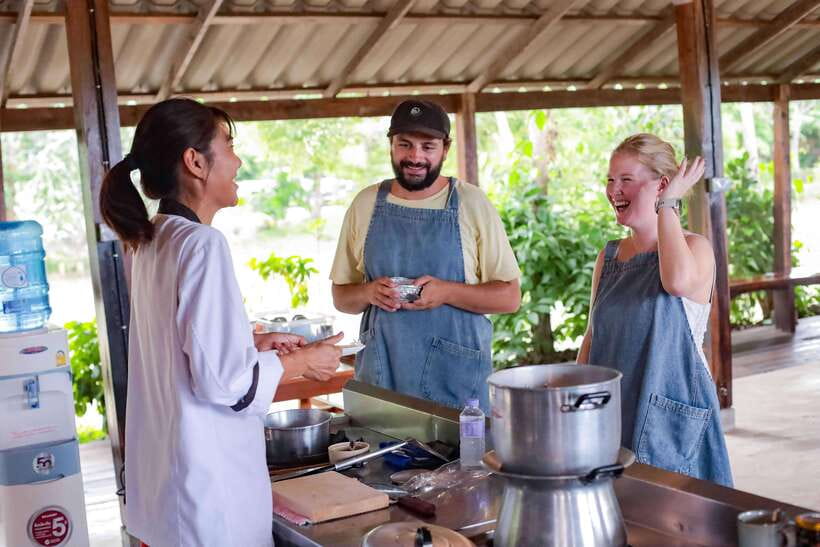
Thai food is easier than it looks. At the Rice Barn Thai Cooking Farm, you begin with a local market visit, then cook several classic dishes at your own station under the guidance of an English-speaking chef. I especially like the hands-on format and the chance to learn what familiar Thai ingredients look like before they reach the wok. The garden setting, clean work areas, and generous meal make this a pleasant change from another day of sightseeing.
The main consideration is the amount of food. You may prepare four or five dishes, depending on the session, and eat them all afterward. That is excellent value, but do not eat a large breakfast or lunch first. I also like that hotel pickup and drop-off are included, though the six-hour schedule takes a serious slice of your Chiang Mai day.
Key points at a glance
- Start at a local market: Learn about Thai vegetables, herbs, spices, fruit, and coconut milk before cooking.
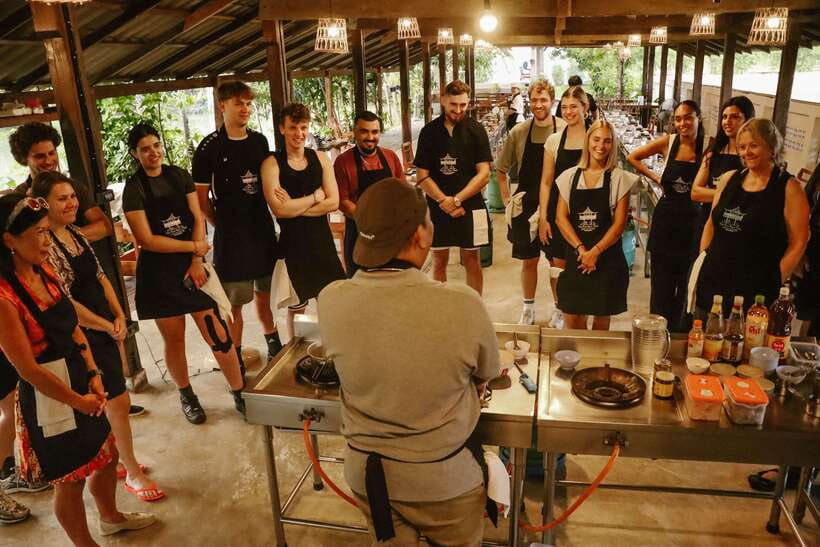
- Cook at your own station: Every participant handles the preparation and cooking, with demonstrations and close guidance.
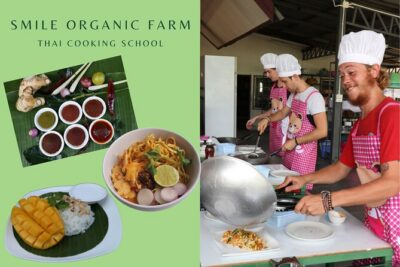
- Prepare a full Thai meal: Dishes commonly include tom yum soup, pad Thai, cashew chicken, mango sticky rice, and a choice of green or Panang curry.
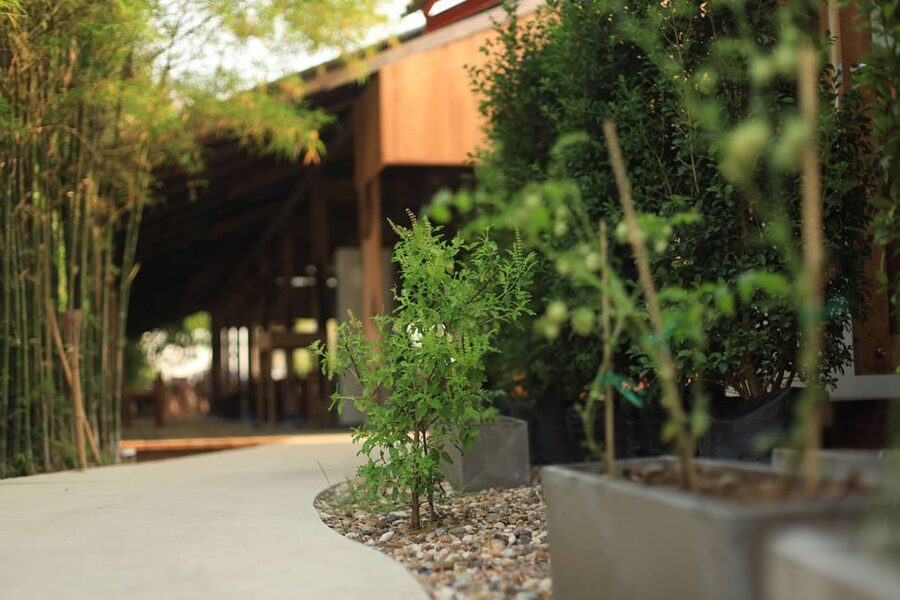
- Enjoy a farm setting: The Rice Barn has an open-air kitchen, surrounding gardens, and a calm rural feel outside central Chiang Mai.
- Good value at $28: Transport, ingredients, tea or coffee, instruction, food, and a recipe e-book are included.
- Expect lively teaching: Instructors such as Oily, Timi, Katie, Gobby, and Goppy are praised for humor, patience, and clear demonstrations.
From Chiang Mai hotel to local market
The day begins with pickup at your Chiang Mai hotel in an air-conditioned vehicle. That small detail matters. Chiang Mai traffic and heat can make a transfer tiring, so having transport arranged lets you focus on the experience rather than finding a taxi or navigating an unfamiliar route.
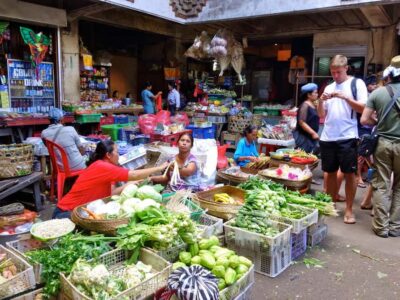
The first stop is a local market. This is not just a quick ingredient grab. Your instructor introduces the produce and seasonings used later in the class, helping you connect the finished dishes with the raw ingredients. You might see Thai vegetables, fresh herbs, fruit, curry ingredients, and the components used to make coconut milk.
Several sessions include an explanation of how coconut milk is made, which is a useful bit of food culture that many short cooking classes skip. The market also gives you a chance to ask questions before the cooking starts. If you have seen galangal, kaffir lime leaves, Thai basil, or unfamiliar chilies on a restaurant menu, this is the moment to put names and appearances together.
I like this opening because it gives the meal some context. Pad Thai does not simply appear as a plate of noodles. You begin to see how Thai cooking balances herbs, spice, sweetness, sourness, and texture.
The market visit is also practical for anyone who wants to shop later. One participant returned to the same market to buy produce after the class, and the included transport was even used for a requested drop-off. That is not guaranteed as part of the standard plan, but it shows how useful the market stop can be beyond the class itself.
More Farm Cooking Classes in Chiang Mai
- Half-Day Thai Cooking Class at Organic Farm in Chiang Mai
★ 5.0 · 19,087 reviews - Chiang Mai: Authentic Cooking Class with Market & Farm Visit
★ 4.9 · 4,546 reviews - Chiang Mai: Cooking Class with Organic Farm at Mama Noi
★ 4.9 · 1,151 reviews
The Rice Barn kitchen and farm setting
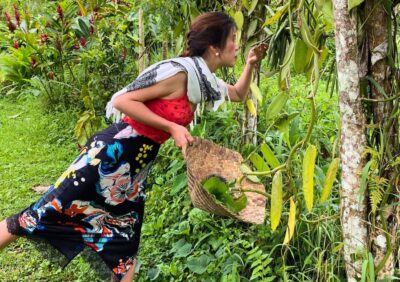
After the market, you continue to the Rice Barn Thai Cooking Farm. The cooking area is described as an open-air kitchen beside gardens and cultivated plots. Some of the farm’s own produce grows nearby, and one session included views of local farmers preparing soil for sticky rice.
The setting adds more than a pretty backdrop. Thai food is built around fresh produce, and seeing plants growing near the kitchen helps explain why herbs and vegetables matter so much in the cooking. You are not simply working in a city classroom with ingredients laid out under fluorescent lights.
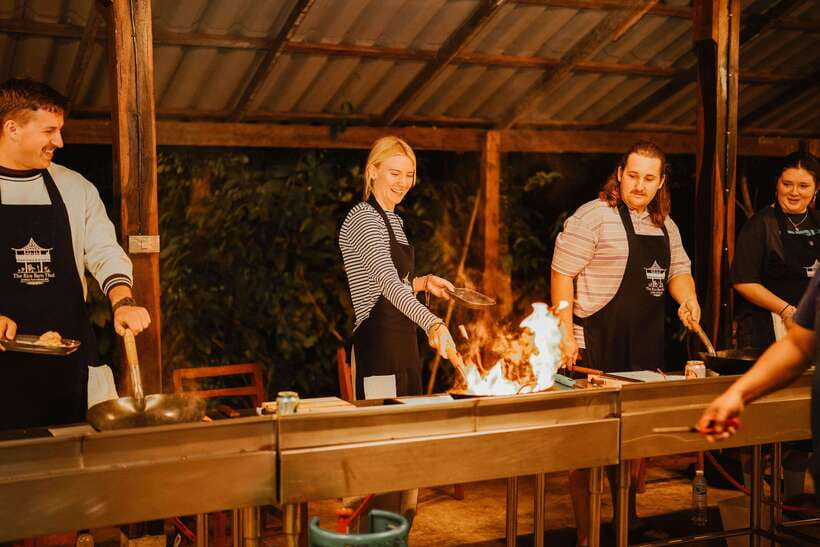
The facilities also receive consistent praise for being clean and well organized. Each person has an individual stainless steel workstation, and the cooking areas are arranged so you can follow the demonstration and then work on your own dish. Toilets are described as clean, and drinks such as water, soda, or beer may be available for purchase.
The open-air format has a few practical implications. It can feel more relaxed than a formal culinary school, but conditions may vary with the weather. Chiang Mai can be hot, so light clothing and comfortable shoes make sense. The course is active, with repeated chopping, stirring, frying, and moving between demonstration and cooking stations.
Group size can vary. One session had eight people, while the kitchen appeared large enough to accommodate more. A smaller group should allow more direct attention, but the individual stations help keep the experience practical even when the class is fuller.
Cooking five dishes from scratch
The class is built around participation. Your instructor demonstrates each recipe, explains what is happening and why, and then sends you to your own station to make it. You are not simply watching a chef prepare lunch while taking notes.
The exact menu can vary, but the commonly reported lineup includes:
- Tom yum soup
- Pad Thai
- Green curry or Panang curry
- Cashew stir-fried chicken
- Mango sticky rice
Some sessions describe four dishes plus sticky rice prepared in front of the group. Other sessions include five dishes that you cook or help prepare yourself. Check the menu offered for your date if one particular dish matters to you.
Tom yum soup
Tom yum introduces the bright, sharp side of Thai cooking. You work with aromatic ingredients and learn how the soup gets its balance of sour, spicy, salty, and savory flavors. This is the kind of recipe that benefits from an instructor explaining the order of ingredients, since timing affects both aroma and texture.
More Farm Cooking Classes in Thailand
- Full Day Thai Cooking at Farm (Chiang Mai)
★ 5.0 · 1,127 reviews - Cooking Class with Organic Farm in Chiang Mai at Mama Noi
★ 5.0 · 502 reviews - Evening Cooking Class in Organic Farm with Local Market Tour
★ 5.0 · 394 reviews - Cooking Morning Class Chiang Mai Visit Organic Garden and Market
★ 5.0 · 211 reviews
Pad Thai
Pad Thai is a smart choice for a class because it is familiar, quick to cook, and easy to compare with restaurant versions. The demonstration helps you see how the noodles, sauce, vegetables, and protein come together in the pan. You can then adjust the result under supervision rather than trying to guess at home.
Green or Panang curry
The curry choice gives you a useful look at two related but distinct Thai styles. Green curry is generally known for its herbal, chili-led character, while Panang is often thicker and more rounded. The class lets you prepare one of them, so this is worth checking if you have a firm preference.
Cashew chicken
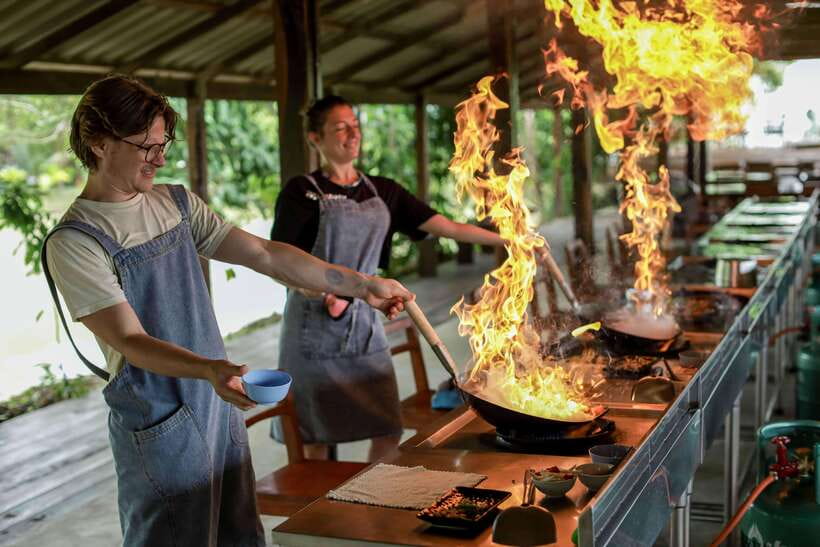
This dish is a highlight for many people because it is lively to cook and, in one session, included flambéing. That part is handled with instruction, not guesswork. It adds a little drama to the class without turning the activity into a cooking show where you remain on the sidelines.
Mango sticky rice
Dessert gives the meal a sweet finish and shows how simple ingredients can be handled carefully. Sticky rice is sometimes prepared in front of the group rather than entirely at each workstation. Even so, it completes the menu and gives you another recipe to recreate at home.
The ingredients are supplied in measured portions, which keeps the class moving. That is good for beginners and anyone who wants a relaxed afternoon. It also means you may not get much practice judging quantities or building a sauce from an empty pantry. One participant would have preferred a more challenging dish and more freedom to select quantities after the demonstration.
That is the central trade-off. This is a confidence-building class, not an advanced culinary course. You will likely leave feeling ready to make Thai food for friends, but an experienced home cook may want more improvisation.
The instructors make the difference
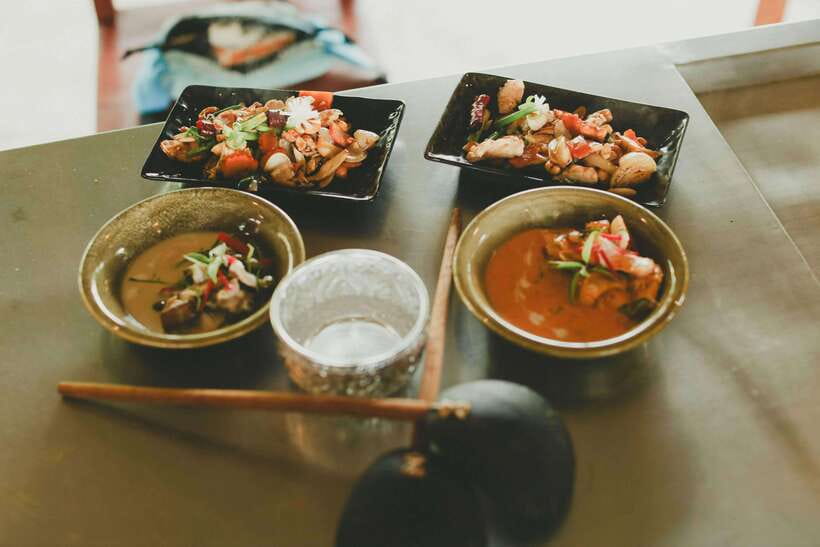
The teaching style is one of the strongest parts of the experience. Oily, Timi, Katie, Gobby, Goppy, and other instructors are repeatedly praised for being funny, patient, organized, and clear. Names and spellings can vary between sessions, but the pattern is consistent: the class relies heavily on energetic teachers who keep the pace friendly.
Katie is described as both entertaining and attentive, including when a participant needed gluten-free adjustments. Oily is praised for explaining ingredients and cooking methods with humor. Timi is often singled out for making demonstrations easy to follow and keeping the group laughing. Gobby and Goppy are noted for creating an easy group atmosphere without taking over the cooking.
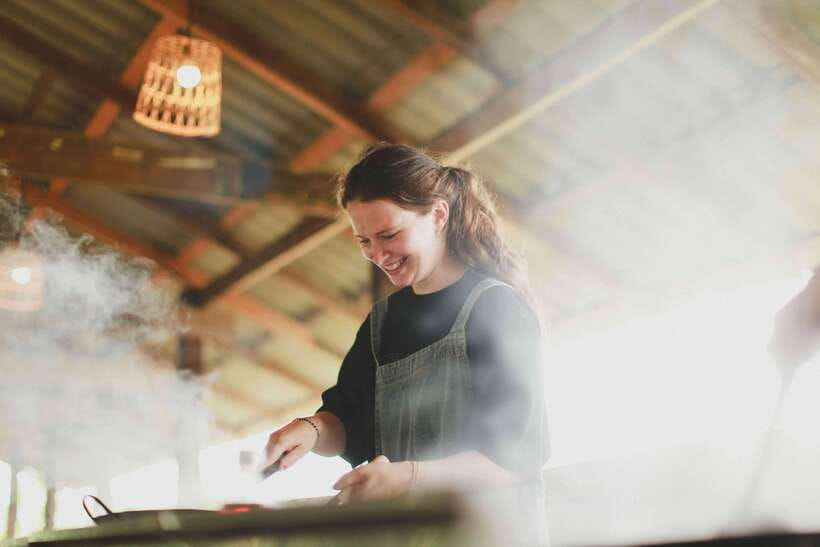
That balance matters. A cooking class can become stressful if the instructor rushes you or assumes you already know how to handle a wok. Here, the demonstrations are followed by supervised practice, so you can ask for help as you work.
The group style also suits solo visitors. You cook individually, but the shared demonstrations and meal make it easy to meet people. At the same time, you can keep the experience fairly self-contained if you prefer to concentrate on your own food.
How much food and value you get for $28
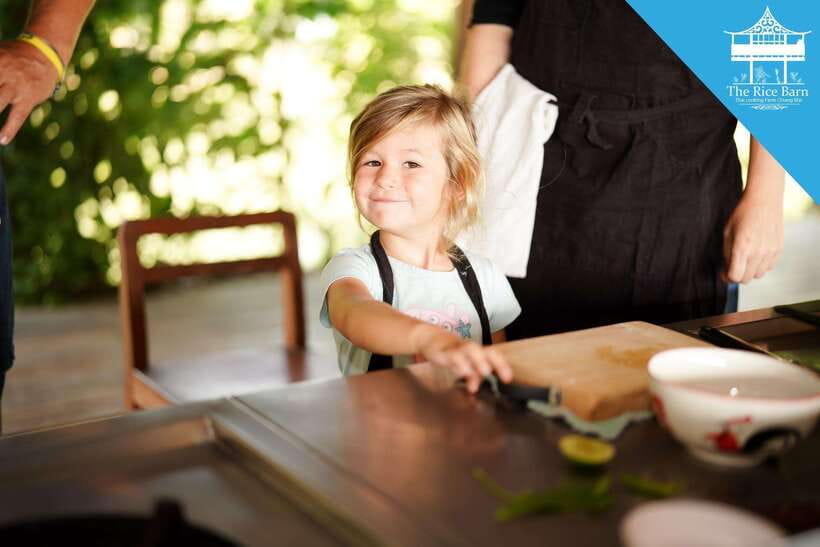
At $28 per person, this is strong value if you want both an activity and a meal. The price includes hotel transportation, ingredients, cooking instruction, coffee or tea, the dishes you prepare, and a color recipe e-book. A six-hour experience at that price costs less than many restaurant meals once you count the transport and several full dishes.
The food is not a token tasting. You may cook four or five dishes and eat until you are full. Several people specifically note that the portions are plentiful, so plan your appetite accordingly. The practical value continues after the class because the e-book includes the recipes you made and additional recipes beyond the day’s menu.
The e-book is especially useful for beginners. You do not have to write notes while chopping or remember every instruction from a busy demonstration. If you want to repeat the meal at home, you have a clear reference.
There can also be a photographer during the class. Photos may be available for purchase, with consent. This is optional, but it lets you focus on cooking instead of asking a companion to document every step.
What to know before you book
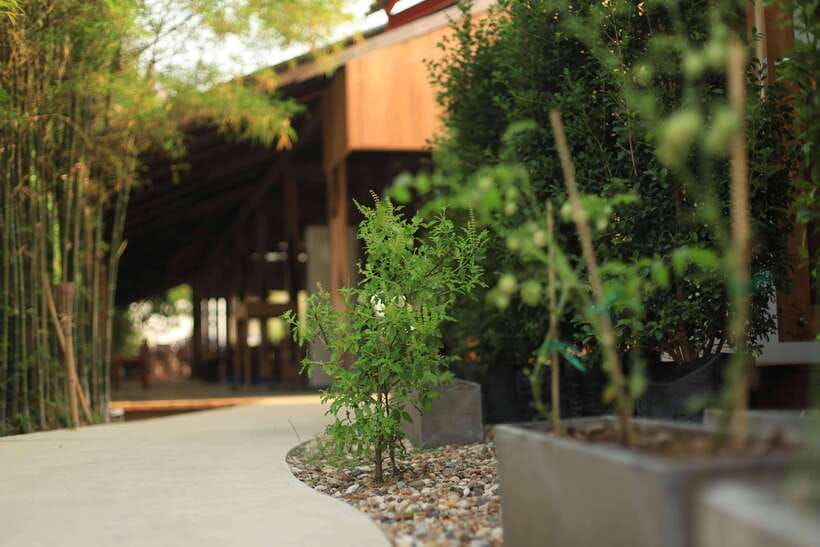
The course lasts six hours, so it is not a quick two-hour lesson squeezed between temple visits. The morning or afternoon and evening options give you some flexibility, but you should leave enough space around the booking for transport and the full cooking sequence.
Hotel pickup is included in Chiang Mai, and the transport receives very strong marks for reliability. Still, provide accurate accommodation details and watch for the pickup instructions, since the activity begins with the transfer rather than at the farm itself.
English is the teaching language. The instructors use demonstrations as well as spoken explanations, which helps if you learn best by watching. The class is suitable for different cooking abilities, from people who rarely use a wok to confident home cooks looking for Thai recipes.
Tell the provider about dietary needs before the course. Gluten-free adjustments were handled carefully for one participant, but the available information does not promise that every dietary requirement can be accommodated. Do not assume that a substitution will be possible without asking.
The course offers free cancellation up to 24 hours before the start time, and you can reserve now and pay later. Those terms are useful if your Chiang Mai schedule is still shifting, but confirm the current conditions at booking.
Who will enjoy this class most?
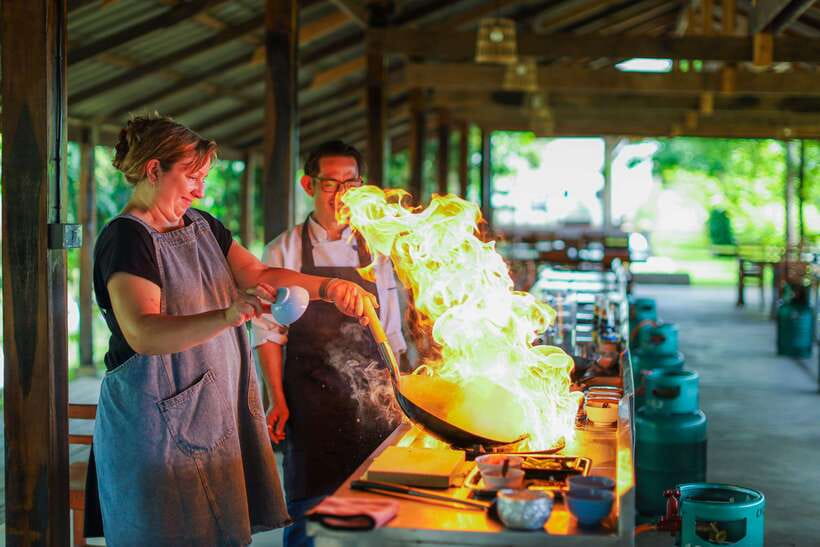
I would recommend it most strongly to first-time visitors who want a cultural activity that produces something useful. You learn about ingredients, see a local market, spend time outside the city center, and leave with recipes you can use at home.
It is also a good choice for couples, friends, families, and solo visitors. The instructors are reported to work well with children, and the individual stations mean everyone can take part rather than watching one person cook.
Food lovers should enjoy the variety, especially if you want to compare Thai dishes beyond restaurant ordering. The class is also a sensible pick for anyone nervous about Thai cooking. Measured ingredients and close supervision remove much of the guesswork.
I would hesitate only if you want advanced technique, a small private lesson, or a menu focused on northern Thai specialties. Khao soi, a signature Chiang Mai dish, is specifically wished for by one participant but is not listed among the regular dishes. The class teaches popular Thai staples rather than promising a specialist northern cuisine workshop.
Should you book the Rice Barn cooking course?
Yes, if you want a practical, social, and filling half-day in Chiang Mai. The combination of market visit, clean individual stations, farm setting, strong instruction, transport, and five-course meal gives you more than a standard demonstration.
Book it with realistic expectations. You are learning reliable Thai home cooking, not training as a professional chef. The portions are generous, the schedule is long, and measured ingredients keep things accessible rather than challenging.
For $28, I consider it one of the better-value food activities in Chiang Mai. Choose the morning or evening time that fits your plans, arrive hungry, mention dietary needs in advance, and be ready to cook. You may leave with a full stomach, a useful recipe book, and enough confidence to put Thai curry on your own dinner table.
FAQ
How long does the Chiang Mai cooking course last?
The experience lasts six hours, including hotel pickup, the local market visit, cooking instruction, and the meal.
Is hotel transportation included?
Yes. Round-trip transportation in an air-conditioned vehicle is included, with pickup from your hotel in Chiang Mai.
What language is the class taught in?
The instructor teaches in English.
What dishes will I cook?
The menu commonly includes tom yum soup, pad Thai, cashew chicken, mango sticky rice, and a choice between green curry and Panang curry. The exact menu can vary by session.
Do I cook at my own station?
Yes. The course is hands-on, and each person has an individual cooking station.
Are ingredients and cooking materials included?
Yes. All cooking materials and ingredients are included, along with coffee or tea and a color recipe e-book.
Can I cancel the booking?
You can cancel up to 24 hours in advance for a full refund. The activity also offers a reserve-now-and-pay-later option.
More Half-Day Experiences in Chiang Mai
- Half-Day Cooking Class with Market Tour
★ 5.0 · 163 reviews - Half-Day Thai Cooking Class on a Local Farm Near Chiang Mai
★ 4.9 · 32 reviews - Half-Day Chiang Mai Cooking Class: Make Your Own Thai Foods
★ 5.0 · 17 reviews - Half-Day Thai Cuisine Cooking Experience in Chiang Mai
★ 4.0 · 5 reviews
More Thai Cooking Classes in Chiang Mai
- Chiang Mai: Cooking Class, Market & Thai Herbs Garden Tour
★ 4.9 · 4,824 reviews - Thai and Akha Cooking Class in Chiang Mai
★ 5.0 · 4,358 reviews - We Cook Thai Home Garden Cooking School
★ 4.9 · 378 reviews - Morning Thai Cooking with Grandma – Market Visit & Farm Tour
★ 5.0 · 148 reviews
Just added around Chiang Mai
- Aroidee’s Farm-Fresh Thai Cooking Experience★ 5.0 · 8 reviews
- Signature Thai Cooking Course★ 5.0 · 79 reviews
- Private Half-Day Thai Cooking Class in Chiang Mai★ 5.0 · 4 reviews
- Half Day Guided Thai Cooking Class in Chiang Mai★ 5.0 · 13 reviews
- Online Thai and Akha Cooking Class★ 5.0 · 70 reviews
- Private Virtual Thai Cooking Class★ 5.0 · 9 reviews
- Northern Thai Cooking Class in Chiang Mai in a Countryside Home★ 5.0 · 2 reviews
- 5 Hour Morning Thai Cooking Course★ 5.0 · 31 reviews
Farm & Countryside Cooking Classes, compared.
Half-Day Thai Cooking Class at Organic Farm in Chiang Mai
Read our review →
Cooking Class and Lunch at a Tuscan Farmhouse with Local Market Tour from Florence
Read our review →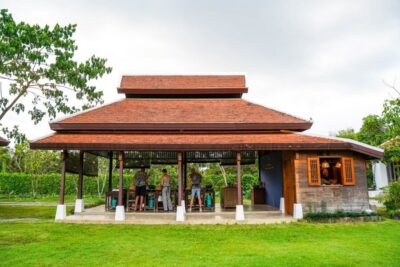
Authentic Cooking Class with Market & Farm Visit
Read our review →