
REVIEW · HONSHU, JAPAN
Master Washoku: 5 Core Techniques for Authentic Cooking
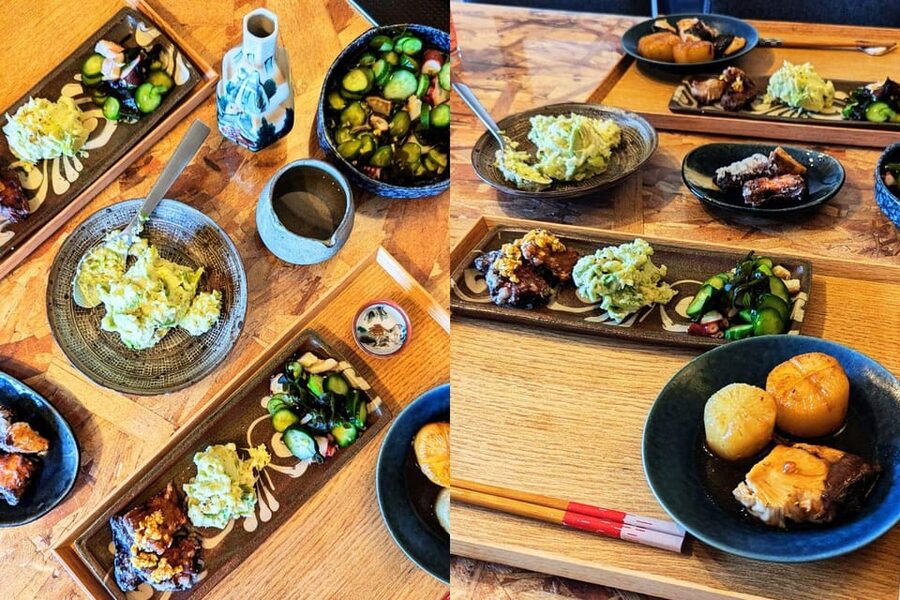
Good food makes Japan easier to understand. This three-hour Osaka class takes you beyond sushi and tempura, with hands-on lessons in grilling, simmering, marinating, and pickling. I like the small group of four, which gives you room to ask questions, and I like the useful menu, from wasabi potato salad to mixed-rice onigiri. The optional sake tasting adds a thoughtful extra layer.
The main consideration is that this is a cooking lesson, not a restaurant meal with a show attached. You will chop, season, cook, and clean as part of the process. The meeting point can also vary by booking option, so check the exact location before setting out.
Key Points Before You Book
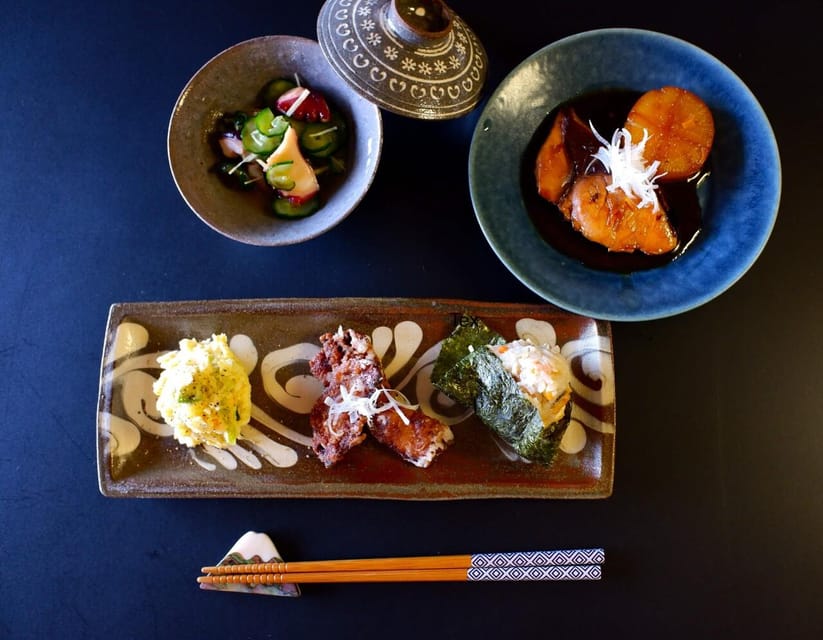
- Five dishes, five useful techniques: Cook potato salad, octopus and cucumber vinegar salad, fish tatsuta-age, simmered yellowtail with daikon, and mixed-rice onigiri.
- Small class size: A maximum of four participants allows for personal guidance from Yuki, the English and Japanese-speaking chef.
- Osaka cooking with professional training: The chef brings 4.5 years of experience from a Michelin Bib Gourmand izakaya.
- Optional sake pairing: Taste two chilled sakes and one warm sake, including Junmai and Junmai Ginjo styles from the same brand.
- Home-style setting: The class takes place in a comfortable apartment near central Osaka, giving the lesson a personal, relaxed feel.
- Useful trip extras: Ingredients, equipment, apron, tea, water, and digital photos are included.
Why This Osaka Cooking Class Is Worth Your Time
Osaka is famous for eating, but you get more from its food culture when you learn how the flavors are built. This class focuses on the quiet mechanics behind Japanese home cooking: balancing salty soy sauce with sweet mirin, using sake for depth, preparing daikon so it turns tender, and treating vinegar as a seasoning rather than a sharp afterthought.
That focus makes the class useful long after your holiday ends. You are not only preparing five snacks and small dishes. You are learning a set of methods you can repeat in your own kitchen with ingredients available outside Japan.
I also like the scale. With only four participants, Yuki can pay attention to knife work, seasoning, timing, and presentation. That matters in a class built around technique. A large demonstration group might let you watch, but this format asks you to take part.
The setting is a comfortable apartment near central Osaka rather than a formal culinary school. That gives the class a home-cooking feel, which suits the menu. It also means you should expect a personal teaching environment, not a polished restaurant dining room.
The class is taught in English and Japanese. The chef’s background includes 4.5 years at a Michelin Bib Gourmand izakaya, so you get instruction shaped by professional kitchen experience without losing the relaxed pace of a small home lesson.
More Sushi and Japanese Classes in Osaka:
- Sushi Making Osaka! Popular Sushi Class in Japan!
★ 5.0 · 500 reviews - Osaka: Ramen and Gyoza Cooking Class in Dotonbori
★ 5.0 · 378 reviews - Osaka Cooking Class: Okonomiyaki &Japanese cuisines experience
★ 5.0 · 261 reviews
The First Lesson: Building Japanese Flavor
Japanese cooking can look simple on the plate. A few ingredients may produce a dish that tastes balanced and complete. The hard part is knowing how much seasoning to use and when to add it.
The class works with familiar foundations such as soy sauce, mirin, and sake. You learn how these ingredients work together rather than treating them as interchangeable bottles. Soy sauce contributes salt and umami, mirin adds sweetness and shine, and sake helps round out sauces and marinades.
This is one of the most useful parts of the experience for a first-time Japanese cook. You do not need a long list of rare products to begin. The emphasis is on technique, timing, and balance.
Expect cultural context along with the food preparation. The class explains how everyday Japanese dishes fit into washoku, the broader tradition of balanced Japanese cooking. It is a good choice if you want food knowledge without sitting through a formal lecture.
Wasabi Garlic Potato Salad: A Familiar Dish With Osaka Character
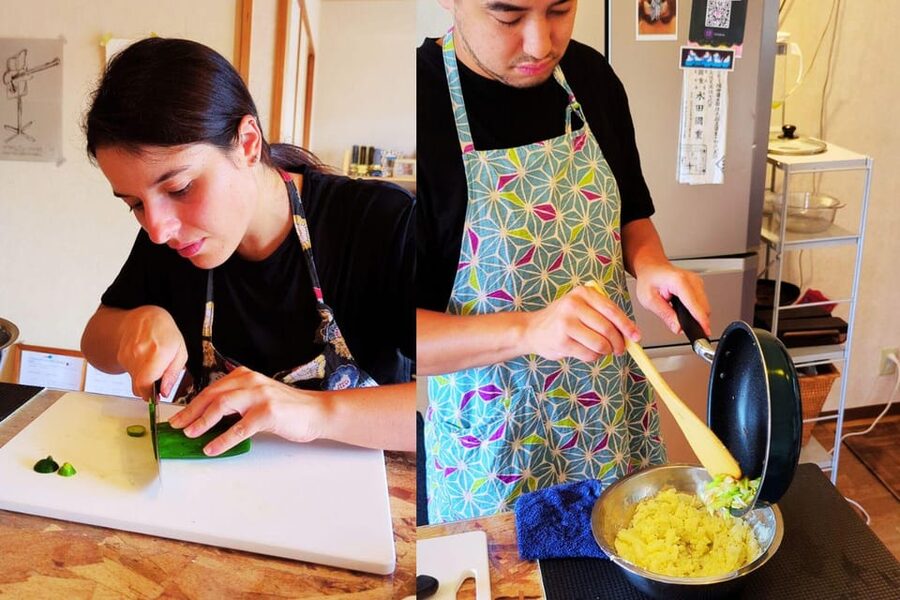
The first dish is wasabi garlic potato salad, a Japanese izakaya favorite with extra heat and aroma. Potato salad may sound ordinary, but this version shows how a familiar Western-style dish became part of casual Japanese dining.
The wasabi gives the salad a clean, sharp kick. Garlic adds weight. The result is the sort of small dish that works well with a drink and teaches a simple lesson: Japanese food is not limited to delicate flavors.
This is also a friendly starting point because the ingredients and method are approachable. You can pay attention to texture, seasoning, and the balance between creamy potato and sharper flavors without worrying about complicated cooking equipment.
I would expect this dish to suit people who are new to Japanese cooking. It gives you an early success and introduces the izakaya style, where several small dishes are shared with drinks rather than served as one large main course.
Octopus and Cucumber Vinegar Salad: The Most Refreshing Plate
The octopus and cucumber vinegar salad is likely to be one of the class favorites. It combines cool cucumber, chewy octopus, and a bright vinegar dressing. The dish is refreshing, but the real lesson is balance.
Vinegar salads are common in Japanese cooking because they provide contrast alongside grilled, fried, or simmered food. Here, you learn how to make a dressing that is lively without becoming harsh. That is a small skill, but it can improve many meals at home.
This dish has earned especially strong praise for its flavor. If you are unsure about octopus, the preparation gives it a clean, light setting rather than burying it under heavy sauce.
The salad also shows why a Japanese meal benefits from different textures. The cucumber brings crunch, while the octopus provides a firmer bite. It is a modest dish with a clear purpose on the table.
A few more cooking classes around Osaka worth a look
- Ramen and Gyoza Cooking Class in Osaka
★ 5.0 · 202 reviews - Osaka Sake Tasting with Takoyaki Cooking
★ 5.0 · 156 reviews - Osaka: Cooking Class Ramen & Gyoza Course in Nanba
★ 4.9 · 86 reviews - Osaka: Gluten-Free Ramen and Gyoza Cooking Class
★ 5.0 · 42 reviews
Fish Tatsuta-age: Marinating Before the Frying
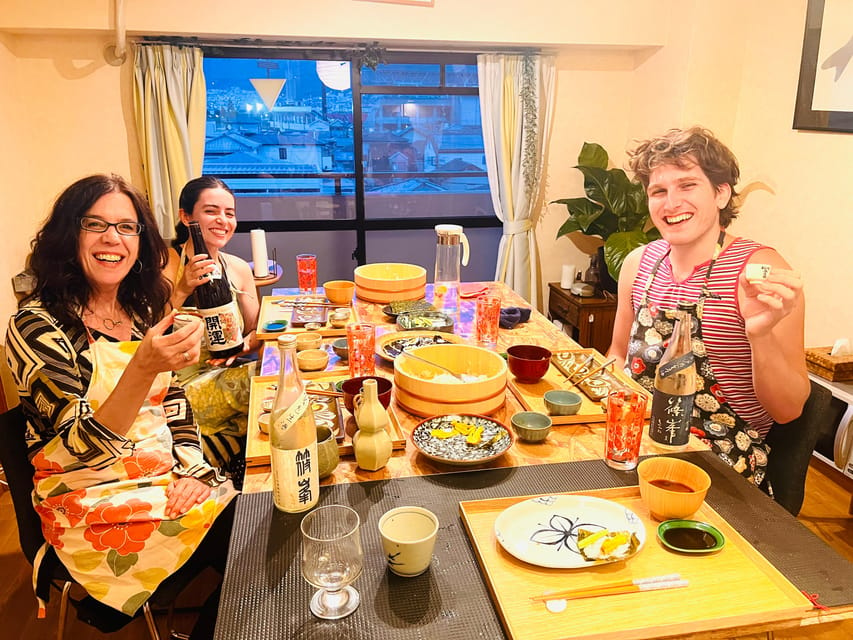
Fish tatsuta-age introduces marinating and frying. The fish is seasoned before cooking, then finished with a scallion sauce. The outside should be crisp, while the inside stays tender enough to pair with the bright sauce.
The point is not just to fry fish. You learn how a marinade can season the fish before it reaches the pan and how a fresh sauce can keep a fried dish from feeling heavy.
This is also the class’s natural sake companion. The salty, crisp fish works well with the optional tasting, especially if you enjoy pairing food with drinks. The dish gives you a practical example of how Japanese cooks build contrast: crisp against tender, fried against fresh, savory against sharp.
If you are cautious about cooking fish, this is a useful part of the lesson because the chef can guide you through the process in a small group. The exact fish may depend on the class setup, but the featured dish is fish tatsuta-age with scallion sauce.
Simmered Yellowtail and Daikon: Slow Cooking Without Fuss
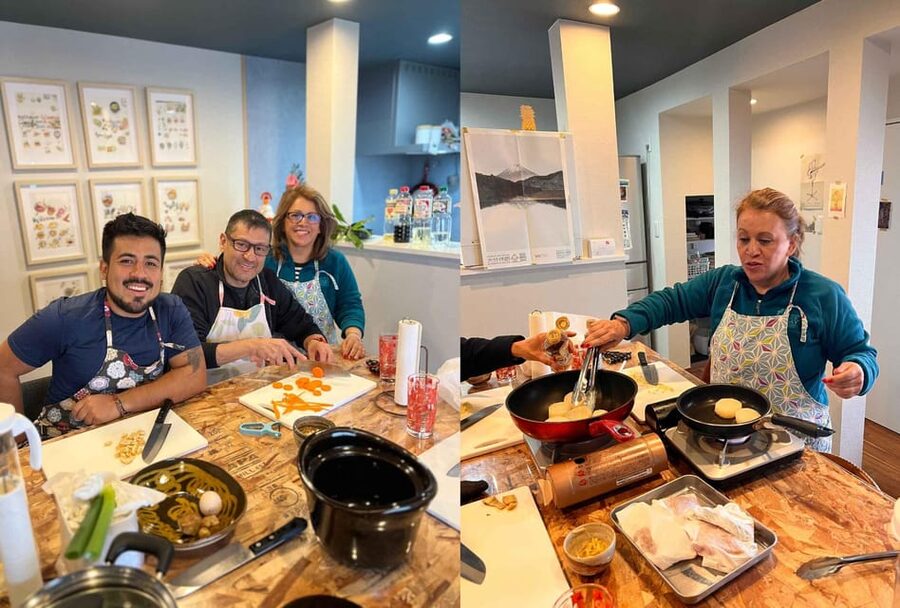
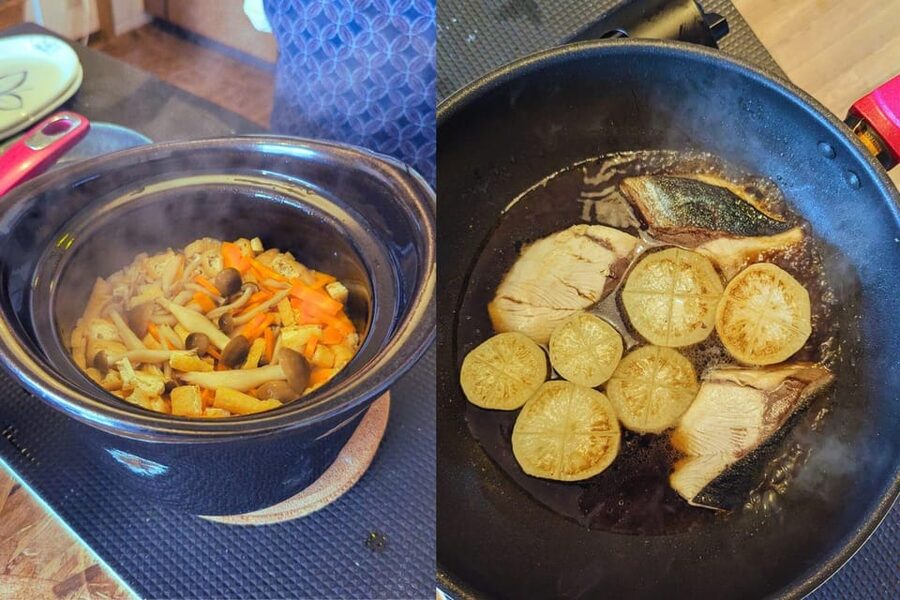
Simmered yellowtail with daikon is the most traditional-feeling dish on the menu. It uses a familiar Japanese method in which the ingredients cook gently in a seasoned liquid until the flavors settle into the food.
Daikon can be bland when handled poorly. Proper simmering turns it tender and lets it absorb the sauce. Yellowtail brings a fuller flavor, creating a dish that feels more substantial than the salads and fried appetizer.
This section is valuable because simmering rewards patience rather than showy technique. You learn how a few well-chosen ingredients can make a complete dish. It also gives you a home-cooking recipe that can work on a cooler evening after you return from Japan.
The dish provides a useful contrast with the tatsuta-age. One is crisp and quickly cooked. The other depends on gentle heat and time. Together, they show two very different ways to handle fish.
Mixed-Rice Onigiri: Finishing With Comfort Food
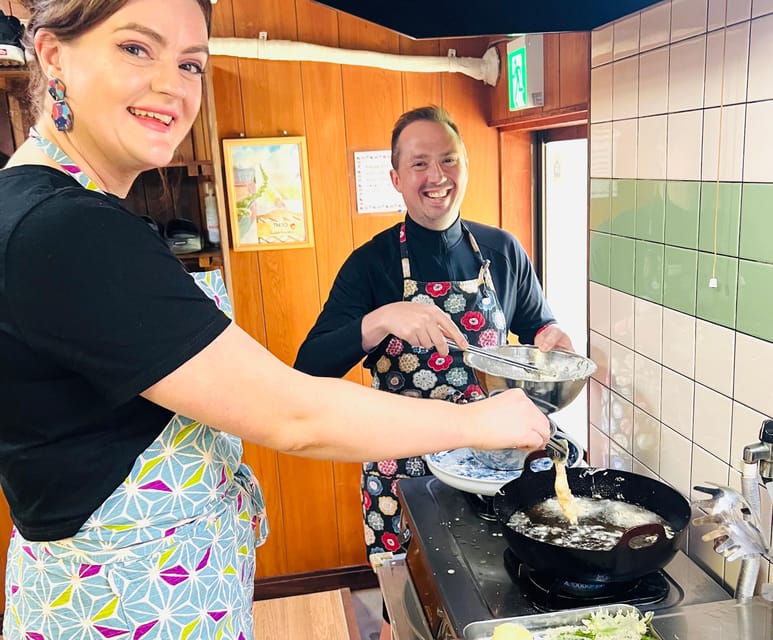
The class ends with mixed-rice onigiri. Rather than making plain rice and wrapping it in seaweed, you prepare seasoned mixed rice, then shape it by hand into a compact snack.
Onigiri is one of Japan’s most practical foods. It travels well, feels satisfying without being heavy, and can be made with countless fillings and seasonings. Learning the shaping technique gives you something you can repeat for picnics, packed lunches, or quick meals.
Ending with rice also makes sense from a cooking perspective. After several strongly flavored small dishes, the onigiri brings the meal back to a comforting staple. You leave with a better sense of how rice anchors Japanese food.
This is a hands-on skill, so the small group matters again. The chef can help you get the shape right and show you how to handle the rice without crushing it.
The Optional Sake Tasting: Three Styles, Two Temperatures
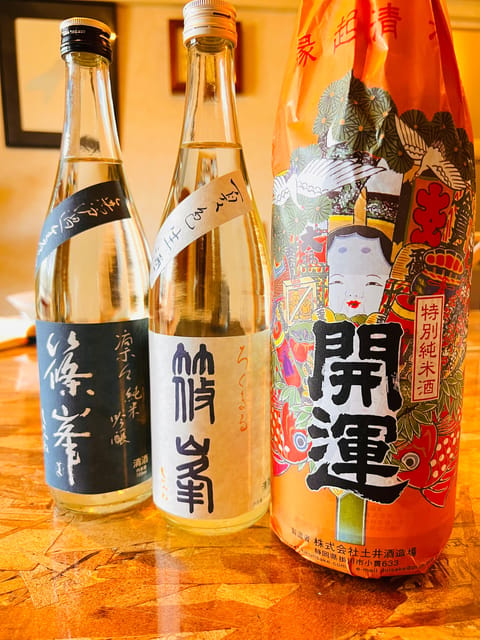
The sake pairing is optional, which is a sensible arrangement. You can take the cooking class without alcohol, or add a guided tasting of three premium sakes for a fuller food experience.
The tasting includes two chilled sakes from the same brand: one Junmai and one Junmai Ginjo. Comparing them side by side gives you a clearer sense of how sake styles differ. You are not simply sampling three unrelated drinks.
The third sake is served warm. This lets you notice how temperature changes aroma, texture, and flavor. It is a useful introduction if you usually drink sake chilled and have never considered warm sake.
Tea and water are included, so you are not limited to alcohol during the class. If you choose the pairing, remember that you are combining three tastings with a full cooking session. People who prefer to focus entirely on the food can skip this option without losing the main lesson.
What the Three Hours Feel Like
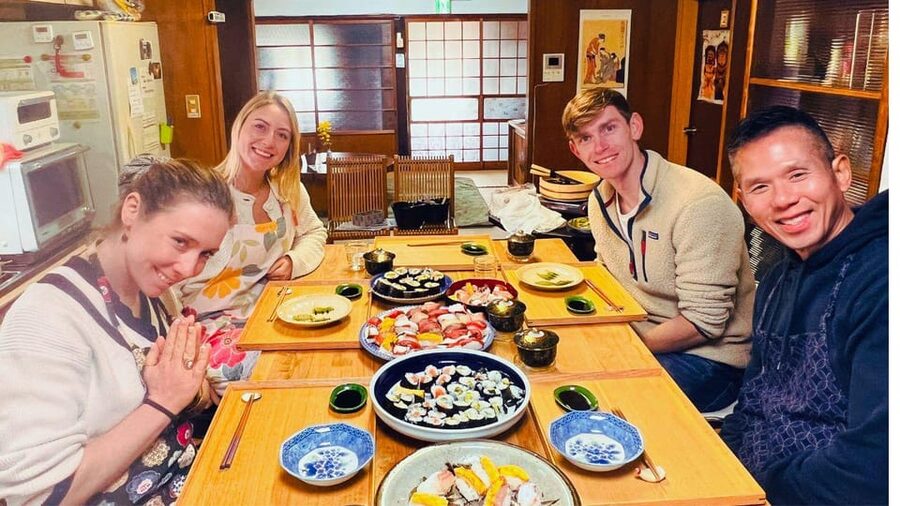
Three hours is long enough to cook five dishes without rushing, but short enough to fit into an Osaka sightseeing day. You will move between preparation, cooking, tasting, and instruction rather than sitting through a single extended demonstration.
The small group should keep the pace personal. Yuki is described as attentive and engaging, and that matters because cooking classes can feel very different depending on how much guidance the instructor gives. Here, you can expect direct help rather than simply watching from the edge of the room.
The recipes are designed to be manageable. One participant described the class as educational with simple, easy-to-follow recipes, which is exactly the right standard for a holiday cooking lesson. You want to learn enough to cook at home, not leave with a recipe that requires a professional kitchen.
The menu also has a good rhythm. You begin with a simple izakaya snack, move through a cool vinegar salad and crisp fish, tackle a simmered dish, then finish with rice. That variety keeps the class from feeling repetitive.
Cost, Group Size, and What You Get
At $109 per person, this is not the cheapest meal in Osaka. It is also more than the cost of buying the five dishes at a casual restaurant. The value comes from the instruction, ingredients, equipment, cultural explanation, sake option, and the chance to cook rather than simply eat.
The maximum group size of four improves that value. You are paying for access to the chef as well as the food. If you have never handled certain Japanese ingredients or methods, the opportunity to ask questions and receive corrections can be worth more than a larger, cheaper group class.
Your fee includes all cooking ingredients and equipment, an apron, complimentary water and tea, and digital photos. Transportation to the venue is not included, and the meeting point may vary depending on the option you book. Check those details before you plan the class around another activity.
Free cancellation is available up to 24 hours before the class for a full refund. You can also reserve now and pay later, useful when your Osaka schedule is still changing.
Who Should Book This Experience
I would recommend this class to curious eaters who want practical skills, not just a meal. It is particularly well suited to first-time visitors who want to understand Japanese food beyond famous restaurant dishes.
It also fits people who enjoy izakaya food, small plates, and sake. The menu offers enough range to keep experienced cooks interested, while the recipes remain approachable for beginners.
Families and mixed-skill groups may appreciate the relaxed instruction and small class size, though the provided information does not specify a minimum age. If you have food allergies, contact the chef in advance. Adjustments can be made as much as possible, but you should not assume every ingredient can be replaced.
This is less suitable if you want a completely passive activity or a quick demonstration. You will be involved from start to finish, and the home-style apartment setting may feel too informal if you are seeking a formal culinary institute.
Should You Book It?
Book it if you want a compact, personal introduction to washoku that you can carry home in your cooking habits. The best reasons are the four-person limit, Yuki’s attentive teaching style, the five varied dishes, and the chance to compare chilled and warm sake.
Skip it if your schedule is too tight for three hours, you do not want to cook during your holiday, or you are looking mainly for an elaborate restaurant meal. For most food-focused visitors to Osaka, though, the $109 price is fair for a lesson that combines dinner, culture, and skills you can use again.
FAQ
Where does the cooking class take place?
The class takes place in a comfortable apartment near central Osaka. The exact meeting point may vary depending on the option you book.
How long does the experience last?
The class lasts three hours. Starting times depend on availability.
How many people can join the class?
The group is limited to four participants, allowing for personal attention from the chef.
What dishes will I cook?
You will prepare wasabi garlic potato salad, octopus and cucumber vinegar salad, fish tatsuta-age with scallion sauce, simmered yellowtail with daikon, and mixed-rice onigiri.
Is the sake tasting included?
The sake tasting is optional. If you select it, you will taste two chilled sakes, one Junmai and one Junmai Ginjo from the same brand, plus one warm sake.
What language is the class taught in?
Instruction is available in English and Japanese.
Are ingredients and cooking equipment provided?
Yes. Cooking ingredients, equipment, aprons, water, tea, and digital photos are included. Transportation to the venue is not included.
Just added around Osaka
- Osaka Sake Tasting with Takoyaki Cooking★ 5.0 · 156 reviews
- Okonomiyaki&Takoyaki for Families:Osaka Street Food Festival★ 5.0 · 4 reviews
- Osaka Okonomiyaki Cooking Experience for Families & Groups★ 4.9 · 8 reviews
- Osaka: Sashiko Japanese Craftsmanship Workshop★ 5.0 · 31 reviews
- Osaka : Exclusive Tea Ceremony & Wagashi Cooking★ 5.0 · 2 reviews
- Osaka: Okonomiyaki Cooking Class with Beer or Soft Drink★ 4.9 · 9 reviews
- Osaka: Cooking Class & Sake Tasting with Local Market Visit★ 4.8 · 31 reviews
- Osaka: Gluten-Free Ramen and Gyoza Cooking Class★ 5.0 · 42 reviews
Japanese & Sushi Cooking Classes, compared.
Ramen Cooking Class at Ramen Factory in Kyoto
Read our review →
Ramen & Gyoza Cooking Class in Tokyo with Local Supermarket Visit
Read our review →
Ramen Cooking Class at a Ramen Factory with Souvenir
Read our review →
Sushi Making Osaka! Popular Sushi Class in Japan!
Read our review →
Tokyo Tsukiji Fish Market Tour and Sushi Making Lesson
Read our review →
Japanese Washoku Bento Small Group Cooking Class
Read our review →
Lists this class appears in