
REVIEW · MARRAKESH-SAFI, MOROCCO
Marrakech cooking class
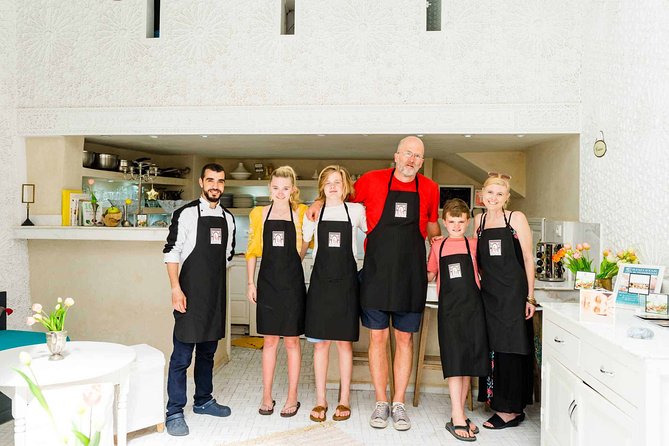
Moroccan cooking starts at the market. This four-hour class combines ingredient shopping at Place de l’Horloge with hands-on cooking in a family home, giving you a useful look at how everyday Moroccan meals come together. I especially like the chance to buy ingredients with your hosts and the warm, personal teaching style of Khadija and Hussein.
The class also earns points for flexibility. You may cook couscous, or choose dishes such as tajine, briwate, zaalouk, and Moroccan bread. The main drawback is that the description contains mixed location references to Marrakech and Essaouira, so I would confirm the exact meeting point before booking.
Key points at a glance
- Shop at Place de l’Horloge: Begin by choosing fresh ingredients from local vendors before cooking.
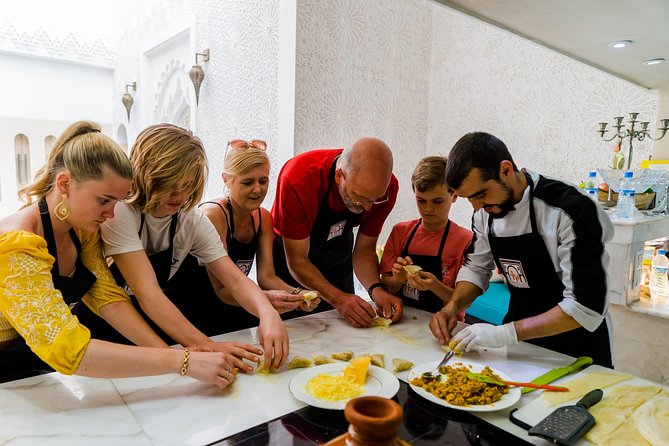
- Learn in a family home: Khadija and Hussein teach recipes passed down through their family.
- Make more than couscous: The core lesson focuses on couscous, while other dishes may be available by arrangement.
- Eat what you prepare: Lunch, Moroccan mint tea, and the finished dishes are included.
- Use three languages: Instruction is available in French, English, and Arabic.
- Allow four hours: The class has enough time for shopping, preparation, cooking, and a shared meal.
Starting at Place de l’Horloge
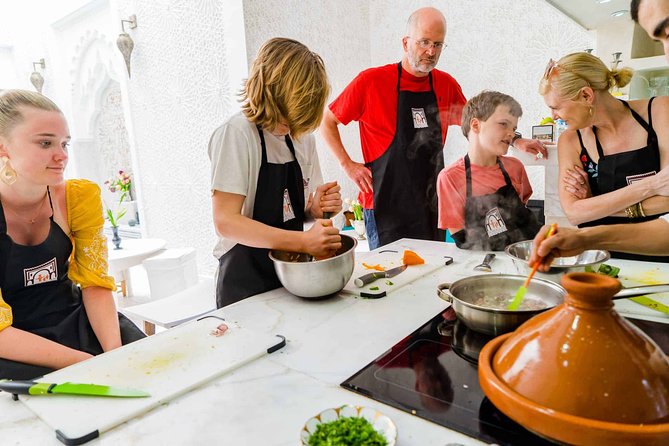
The class begins at Place de l’Horloge, where you meet before heading into the local market. This is more than a quick stop for supplies. You get to see how the meal takes shape before anyone reaches for a knife or lights the stove.
You and your hosts select the ingredients together. The shopping portion has included fresh chicken and the other items needed for the meal, giving you a direct connection between the market and the plate. That link matters. Moroccan cooking often depends on the quality and balance of a few basic ingredients, and buying them with a local cook helps you understand what goes into the dish.
I like this start because it gives the class a clear sense of place. You are not simply handed a bowl of premeasured ingredients in a demonstration kitchen. You take part in the decisions, then carry those ingredients into the next stage.
The market visit may also be the most active part of the morning. Place de l’Horloge can be lively, and you should be ready for a public meeting area rather than a quiet, formal pickup point. The supplied information says your full name will be shown for identification, but it does not explain exactly how. I would watch your booking instructions closely and confirm the meeting procedure if anything seems unclear.
A few more cooking classes around Morocco worth a look
- Marrakech: Moroccan Cooking Class with Pickup
★ 4.6 · 1,862 reviews - Marrakech: Traditional Moroccan Cooking Class & Market Visit
★ 4.8 · 1,861 reviews - Marrakesh: Moroccan Dishes Cooking Class with a Local Chef
★ 5.0 · 1,615 reviews
From mint tea to family recipes
After the shopping, you return to the family home for tea and cooking. Moroccan mint tea is not just a welcome drink here. It sets the pace for the rest of the class, which is built around conversation, shared preparation, and eating together.
The hosts use family recipes passed down through generations. That does not mean you will receive a formal lesson in every part of Moroccan cuisine. It does mean the cooking is rooted in household practice rather than presented as a staged tourist performance.
Khadija and Hussein receive especially strong praise for their kindness, availability, and teaching. Their approach appears friendly and patient, with clear guidance as you work. That is important in a cooking class. A charming host can make the meal pleasant, but a good instructor also shows you what to do and lets you take part.
The class is offered in French, English, and Arabic. If you are comfortable in any of those languages, communication should be straightforward. The available information does not specify the class size, so you should not assume a small private lesson or a large group. The family-home setting suggests a personal format, but the exact number of participants is not stated.
Learning to prepare Moroccan couscous
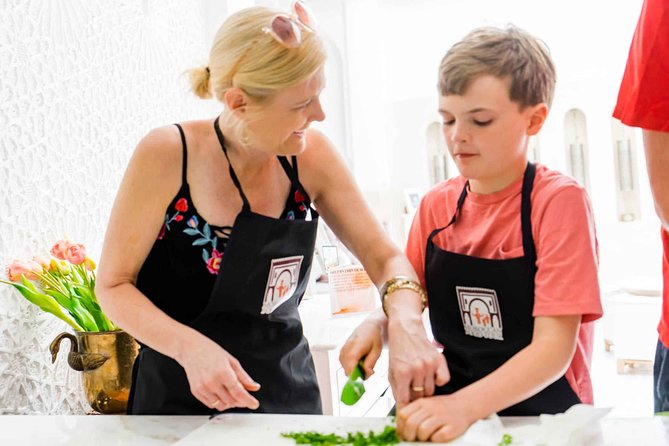
Couscous is the main culinary focus described for the class. You work through the dish step by step, from preparation to cooking, while your hosts explain the traditional method.
This is a useful choice for a lesson because couscous looks simple but requires care. The grains, vegetables, meat, seasoning, and cooking liquid need to come together at the right pace. A good class shows you not only what to add, but also how the parts are handled before they reach the serving plate.
You should expect to do real preparation rather than simply watch. The highlights promise a hands-on class, and the meal is prepared together. The precise recipe, ingredients, and meat options are not fixed in the supplied details, so the final dish may depend on the choices made during the market visit.
That flexibility is one of the class’s better features. You can ask about the meal before shopping and make your preferences known. It also means you should not book expecting one rigid menu unless the provider confirms it in advance.
Other dishes you may cook
Couscous is not the only possibility. A previous class menu included tajine, briwate, zaalouk, and Moroccan bread. The cooking session allowed participants to choose what they wanted to make, then shop for the ingredients with their hosts.
That gives you a broader taste of Moroccan home cooking. Tajine introduces the slow-cooked style associated with Morocco. Briwate adds a pastry-based dish, while zaalouk offers a vegetable preparation. Moroccan bread rounds out the meal with something made by hand rather than purchased ready to serve.
These options also make the class more appealing to repeat visitors. If you have already eaten couscous several times in Morocco, you may prefer to ask about a menu built around tajine or zaalouk. If you are new to Moroccan food, a mixed menu lets you compare different textures and cooking methods in one sitting.
Keep in mind that these dishes are not all guaranteed in the standard description. Ask Khadija and Hussein what is available when you meet, or contact Rak Adventure before the class if a particular dish matters to you.
Same place, a different thing to cook:
- Moroccan Cooking Class & Marrakech Market Visit with Chef Khmisa
★ 5.0 · 1,504 reviews - Half-Day Cooking Class with Local Chef Laila in Marrakech
★ 5.0 · 952 reviews - Marrakech: Moroccan Cooking Class with a Local Family
★ 4.9 · 668 reviews - Marrakech: Moroccan Cuisine Cooking Class in Local Home
★ 4.8 · 508 reviews
Eating lunch in the family home
Once the food is ready, you sit down for lunch and eat the dishes you helped prepare. Lunch is included in the price, along with the ingredients, tea, and cooking class.
This shared meal is the heart of the activity. You get to taste the results while the preparation is still fresh in your mind. You can connect the finished dish with the chopping, seasoning, folding, stirring, or shaping that came before it.
The meal has been praised as one of the strongest parts of the day. The setting matters here. Eating in a family home feels different from receiving a plate at a restaurant, especially when the people serving you also guided you through the preparation.
Tea accompanies the meal, including Berber mint tea in the description. Moroccan mint tea adds a familiar local touch, and it returns the focus to conversation after the work in the kitchen.
There is one small limitation. Dessert is not included among the listed features, and a past participant specifically noted that dessert would have been a welcome addition. If you have a sweet tooth, plan to find dessert elsewhere rather than expecting it as part of this lunch.
What the $76 price includes
At $76 per person, this is not the cheapest way to eat in Marrakech. It is also not simply a restaurant lunch. Your fee covers a four-hour activity, ingredient shopping, the cooking lesson, tea, and lunch.
The strongest value comes from the combination. You receive a market visit, instruction, a meal, and direct time with local hosts in one booking. If you would otherwise pay separately for a market tour and a cooking class, the price becomes easier to justify.
The ingredients are included as part of the class, so you do not need to budget extra for the food you prepare. The finished meal also replaces the cost of lunch that day.
Value depends on what you want from a food activity. If you mainly want a quick meal, $76 is high. If you want to learn several techniques, take part in the shopping, and spend time with a Moroccan family, the cost is more reasonable.
The class also has a practical benefit beyond the day itself. You may leave with a better sense of how Moroccan dishes are assembled, which can help you order with more confidence at other meals. The description does not promise printed recipes or a take-home cookbook, so do not assume those are included.
A friendly teaching style from Khadija and Hussein
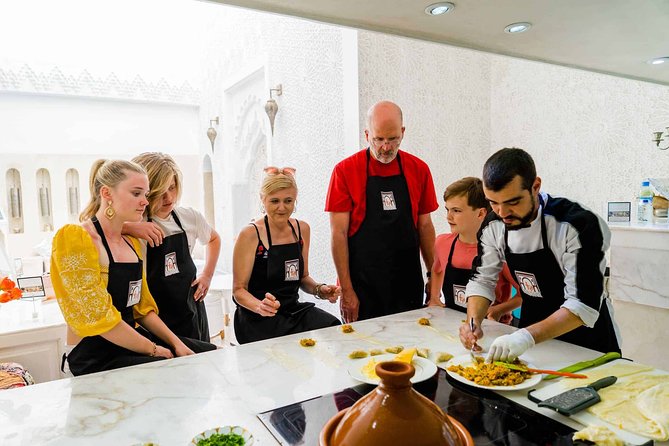
The people leading the class shape the experience as much as the food. Khadija and Hussein are repeatedly praised for their kindness, patience, and willingness to share their home.
One useful detail is that they do not appear to force every participant into one set menu. The option to choose dishes and shop for the ingredients together gives you some control over the pace and content of the class.
That is helpful for mixed groups. One person may want to focus on couscous, another may be curious about bread, and someone else may prefer a vegetable dish such as zaalouk. The final choices still need to be confirmed, but the format leaves room for a conversation rather than a fixed script.
The tone seems best suited to people who enjoy social contact. You should expect to talk, cook alongside others, and share a meal. If you prefer to watch quietly from the side, you may find the hands-on format less comfortable.
Timing, language, and booking flexibility
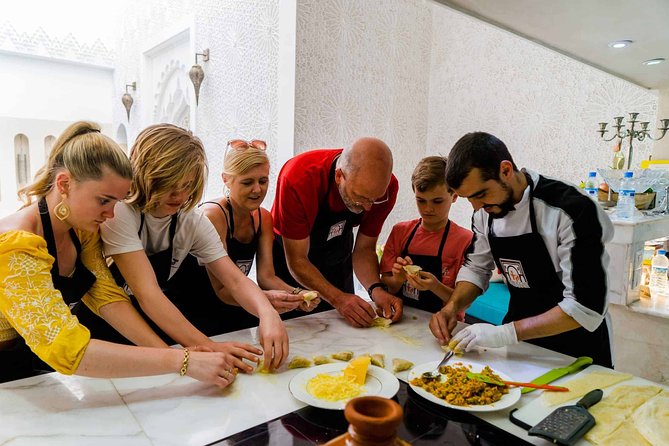
The activity lasts four hours. That gives you time for the market, tea, food preparation, cooking, and lunch without squeezing every step into a short demonstration.
Starting times vary, so you need to check availability for your preferred day. The class does not list a specific daily departure time in the supplied details.
Instruction is available in English, French, and Arabic. This is useful for international visitors, though you should choose the language that lets you ask the most questions. Cooking terms and kitchen instructions can move quickly, especially when several dishes are being prepared.
You can cancel up to 24 hours in advance for a full refund. The reserve-now-and-pay-later option lets you hold a place without paying immediately, which is helpful when your Marrakech plans are still shifting.
One point needs checking: the main location is given as Marrakesh-Safi and the meeting point is Place de l’Horloge, while part of the description refers to Essaouira. Since these are not the same city, confirm the exact location with Rak Adventure before you finalize your plans. This is the most important practical question raised by the description.
Who will enjoy this class most
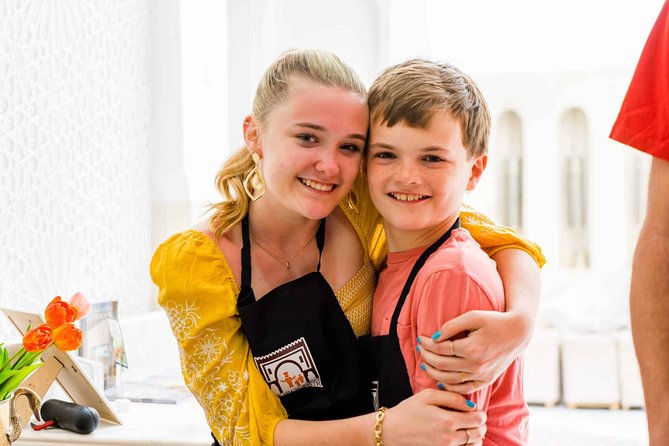
I would recommend this class to you if food is one of the main ways you understand a place. You get more than a recipe. You see ingredients selected in a local market, prepare them with guidance, and eat the result with the people who taught you.
It is also a good fit for couples, families, and small groups of friends who want an activity with conversation built in. The flexible menu may appeal to people with a particular interest in tajine, bread, or vegetable dishes.
You should consider another option if you need a guaranteed menu, a stated group size, a dessert course, or a highly polished professional kitchen. Those details are not promised here.
The class may also suit first-time visitors who feel unsure about Moroccan food. You can ask questions while the dishes are being prepared, then use that knowledge at later meals. Experienced cooks may enjoy the family recipes, but should confirm whether the lesson will cover techniques they have not already practiced.
Should you book the Marrakech cooking class?
Book it if you want a personal, food-centered afternoon rather than a short demonstration. The combination of market shopping, hands-on preparation, family recipes, mint tea, and lunch gives the $76 price a fair level of value.
I would contact Rak Adventure first to confirm the city, exact meeting instructions, and the dishes planned for your date. Once those points are clear, Khadija and Hussein’s warm teaching style makes this a strong choice for anyone who wants to cook, eat, and share time with local hosts.
FAQ
Where does the cooking class begin?
The activity begins at Place de l’Horloge, where you meet before shopping for ingredients with your hosts.
How long does the class last?
The class lasts four hours, including the market visit, cooking lesson, and meal.
How much does the class cost?
The listed price is $76 per person.
Is lunch included?
Yes. Lunch is included, along with the ingredients used for the class and tea.
Is the market shopping included?
Yes. Ingredient purchase is included, and you shop for the food with your hosts before cooking.
What food will I prepare?
The main lesson focuses on traditional Moroccan couscous. Other dishes that have been prepared include tajine, briwate, zaalouk, and Moroccan bread, with menu choices possible according to the available information.
Can I choose what to cook?
The class has allowed participants to choose dishes they wanted to prepare. Confirm your preferred menu with the hosts, since the exact options are not guaranteed in the general description.
What languages are available?
The instructors offer the class in French, English, and Arabic.
Can I cancel the booking?
You can cancel up to 24 hours before the activity for a full refund.
Can I reserve now and pay later?
Yes. The reserve-now-and-pay-later option lets you book without paying at the time of reservation.
Just added around Morocco
- Private Tagine Cooking Class in Chefchaouen with Lunch★ 5.0 · 5 reviews
- 3-Hour Cooking Class overlooking the Blue City★ 5.0 · 36 reviews
- Moroccan Cooking Class with a Local Family & Market Visit★ 5.0 · 16 reviews
- Chefchaouen Private Cooking Class with Mountain View★ 5.0 · 16 reviews
- Chefchaouen Cooking Class★ 5.0 · 4 reviews
- Traditional Cooking Courses in Casablanca★ 5.0 · 2 reviews
- Market Tour & Moroccan Cooking Class in Casablanca with Transfers★ 5.0 · 18 reviews
- Private CousCous Cooking Class in a Traditional Family Home★ 5.0 · 7 reviews
Cooking Classes, compared.

Half-Day Thai Cooking Class at Organic Farm in Chiang Mai
Read our review →

3 in 1 Cooking Class near Navona: Fettuccine, Ravioli & Tiramisu
Read our review →
Pasta & Tiramisu Cooking Class with Unlimited Wine
Read our review →
Hanoi Cooking Class: Culture, Local Market & Meaning CSR Impact
Read our review →
5 Traditional Dishes Hanoi Cooking Class with Market Trip
Read our review →
Cooking Class and Lunch at a Tuscan Farmhouse with Local Market Tour from Florence
Read our review →
Cooking Class, Market & Thai Herbs Garden Tour
Read our review →Lists this class appears in