
REVIEW · HONSHU, JAPAN
Katsu Curry OR Bento Making Cooking Class & Local Shop Tour
Food is the quickest way into daily Japan. This Osaka cooking experience combines a short tour near Osaka Tenmangu Shrine with hands-on lessons for katsu curry or bento, making it a useful choice if you want more than a meal photo. I like the local shop visits, where ingredients come with cultural context, and the small-group format, limited to eight people. The main consideration is the price: at $83 per person, this costs more than simply eating lunch, though you also receive instruction, a neighborhood walk, and a meal you prepare yourself.
I also like that the class is built around food you can make again at home. Guides such as Yuka, Miyako, and Tomoko have been praised for patient explanations and friendly answers, including plenty of questions from children. The advertised session lasts about 150 minutes, but starting times vary, so check the schedule carefully when booking.
Key points to know before you book
- Meet at Osaka Tenmangu Shrine: The correct meeting place is in front of the large main gate, not the smaller rear gate.
- Choose katsu curry or bento: You learn one of these dishes step by step, then eat the food you prepared.
- Visit a few neighborhood shops: The first part introduces Japanese ingredients and explains how they fit into local food culture.
- English instruction is included: Translation assistance helps you understand what you are seeing and cooking.
- Small groups keep the lesson personal: The activity is limited to eight participants, with one past booking described as a class of no more than six.
- Plan ahead: You need to reserve at least 24 hours in advance, and cancellation is free up to 24 hours before the class.
Starting at Osaka Tenmangu Shrine
Your meeting point is in front of the large main gate of Osaka Tenmangu Shrine. That detail matters. Shrines often have more than one entrance, and going to the small back gate could leave you searching while the group moves on.
Osaka Tenmangu gives the outing a useful sense of place before the cooking begins. You are not simply dropped into a kitchen with a recipe card. You start near a major local religious site, then move through the surrounding area with your guide. The shrine itself is part of the setting rather than a long sightseeing stop, so you should not book this expecting an extended shrine tour.
The activity is conducted in English, and translation help is provided during the shop visits. That makes a difference when an ingredient has a name or use that is hard to explain with a quick translation. You can ask why something is used, how it fits into a Japanese meal, or how to find a similar item at home.
More Sushi and Japanese Classes in Osaka:
- Sushi Making Osaka! Popular Sushi Class in Japan!
★ 5.0 · 500 reviews - Osaka: Ramen and Gyoza Cooking Class in Dotonbori
★ 5.0 · 378 reviews - Osaka Cooking Class: Okonomiyaki &Japanese cuisines experience
★ 5.0 · 261 reviews
The local shop walk before cooking
The opening walk visits a few local shops. The exact shops can vary, but the purpose is clear: you get an introduction to Japanese ingredients before handling them in the kitchen.
I like this order. When you see an ingredient first in a shop, the cooking lesson has more meaning later. You are not just chopping, mixing, or assembling food. You have already heard something about where the ingredients come from or how people use them in everyday meals.
This part is also useful for anyone who wants to shop for Japanese food after the class. Your guide can explain items that may look unfamiliar, and you can ask questions in English. It is a modest neighborhood walk, not a full market tour, so keep your expectations in check. You will visit a few shops rather than spend hours browsing a large food market.
The shop stop adds a cultural layer without taking over the class. Damian from Ireland especially enjoyed the local temple and shop visits with Yuka, who also talked about Japan and the area during the cooking session. That combination of food information and local conversation is one of the strongest reasons to choose this activity.
Choosing between katsu curry and bento
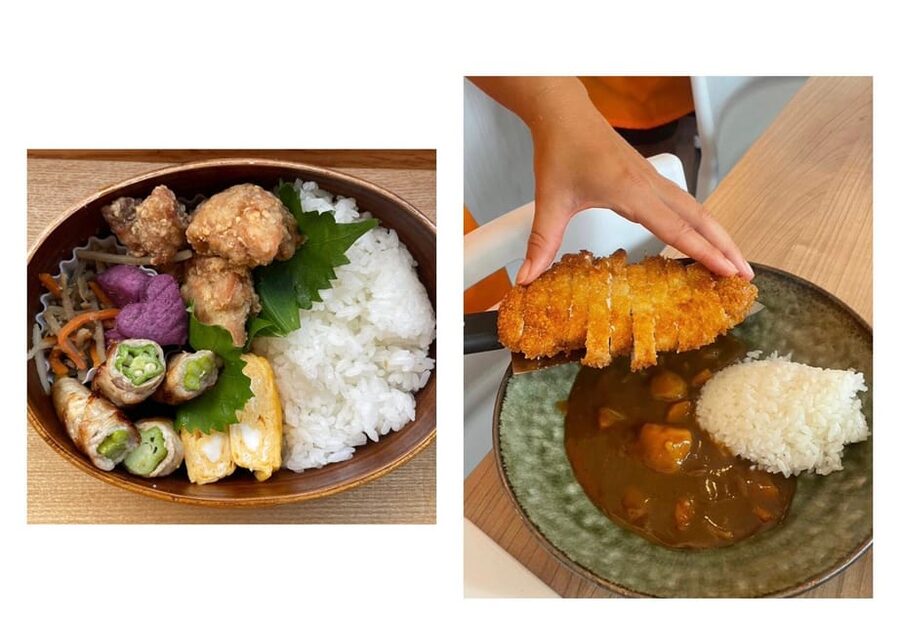
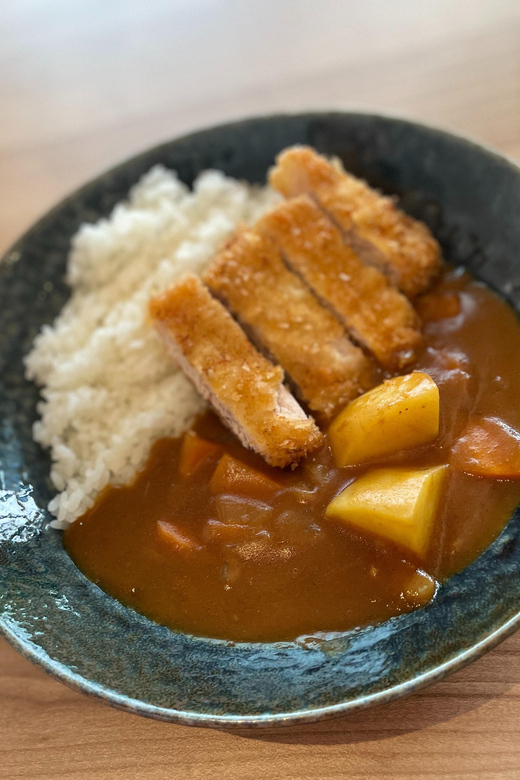
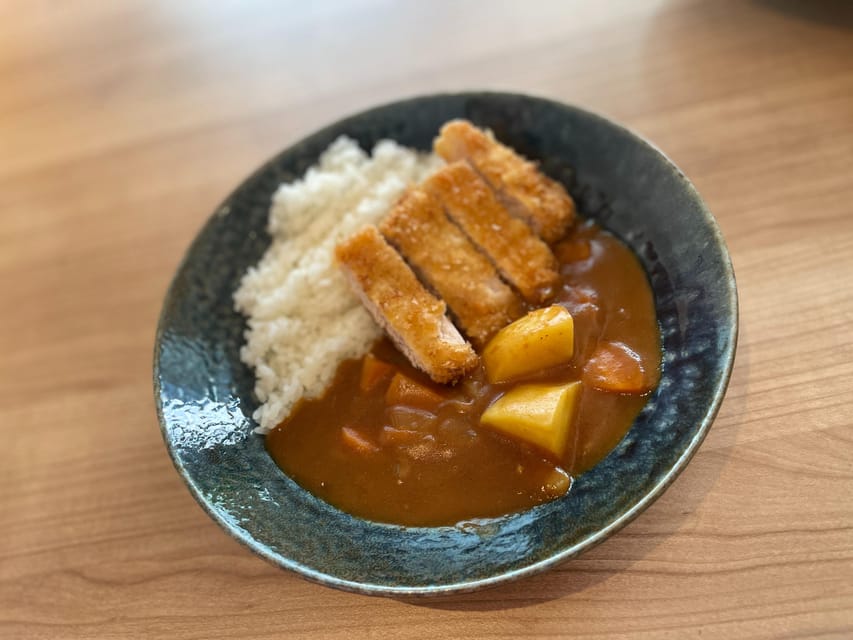
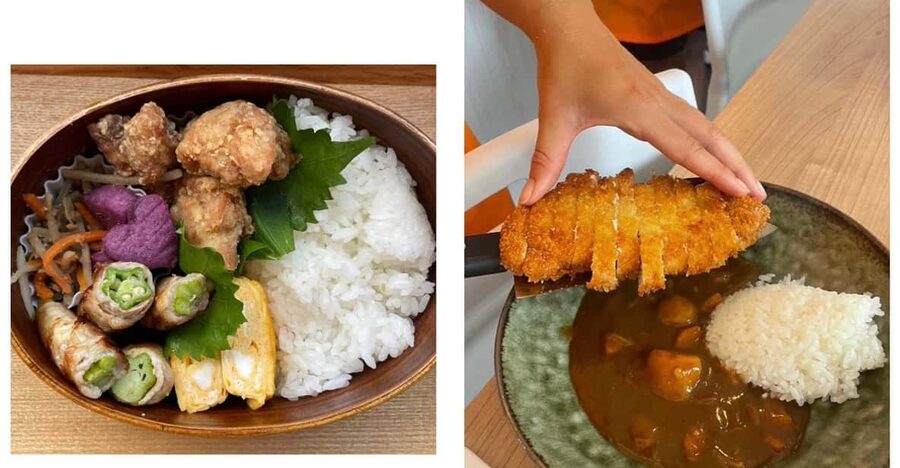
The central decision is whether to make katsu curry or a bento box. Both are familiar Japanese dishes, but they offer different kinds of lessons.
Katsu curry gives you a complete comfort-food meal. You learn how the components come together, then sit down to eat the curry you prepared. It is a good pick if you want a hearty dish and a recipe that works well for a family meal at home.
Bento offers a different kind of satisfaction. The meal is arranged in a box, so the lesson includes not only cooking but also putting the finished food together neatly. Malisa from Australia particularly enjoyed making the bento and described a real sense of achievement in assembling the box.
If you are bringing children, bento may have an extra appeal because the finished meal feels like a project. Daniela from Chile brought her family to the katsu curry class and found that Yuka was patient with the children’s many questions. The class is designed for all ages, from young children to seniors, but parents should still decide which dish best suits their group.
The available choice may depend on the reservation or the day, so confirm the option when you book. The important point is that you are learning one substantial dish rather than sampling a long menu.
What the 150-minute kitchen lesson feels like
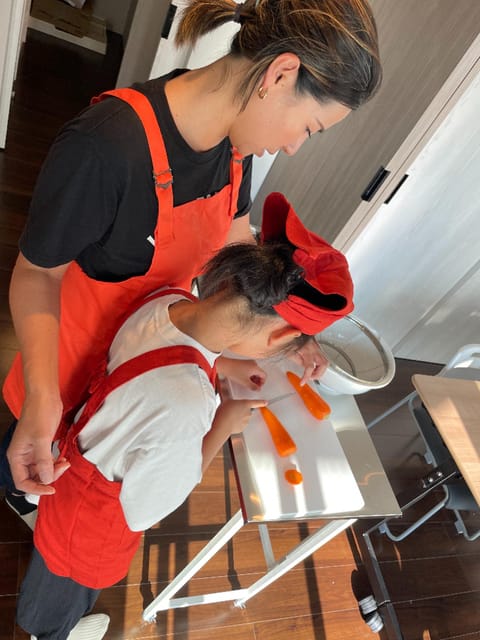
Once the shop visit is finished, the group moves to the kitchen for the hands-on part. The guide explains each stage, then gives you the chance to prepare the food yourself.
The teaching style is step by step. That is helpful if you do not cook Japanese food often, since you can ask questions before moving on. You are not expected to watch a demonstration from the corner of the room and hope you remember everything later.
The class also leaves room for conversation. You can ask about Japanese food, customs, daily life, or the area around Osaka Tenmangu. Yuka was praised for answering questions with patience and warmth, while Tomoko helped one participant with food recommendations beyond the class itself. Miyako was also praised for making the lesson engaging and informative.
The small group is important here. The advertised limit is eight participants, and one booking described a class with no more than six. A small number of people gives you a better chance to receive help with technique and to ask questions without interrupting a large demonstration.
There is one practical point to remember: this is not a professional chef course. The goal is to teach you home cooking you can repeat, not to train you in restaurant methods. That is a strength for most visitors, especially if you want something practical rather than formal.
More Indian Cooking Classes in Osaka:
- Indian Cooking Class in an Authentic Local Home – Learn 6 Dishes
★ 5.0 · 195 reviews - New Delhi: Indian Cooking Class in a Local Home
★ 5.0 · 65 reviews - Mumbai: Indian Cooking Class & Cultural Delights
★ 5.0 · 38 reviews - New Delhi: Traditional Indian Cooking Class & Market Visit
★ 5.0 · 32 reviews
Eating what you made
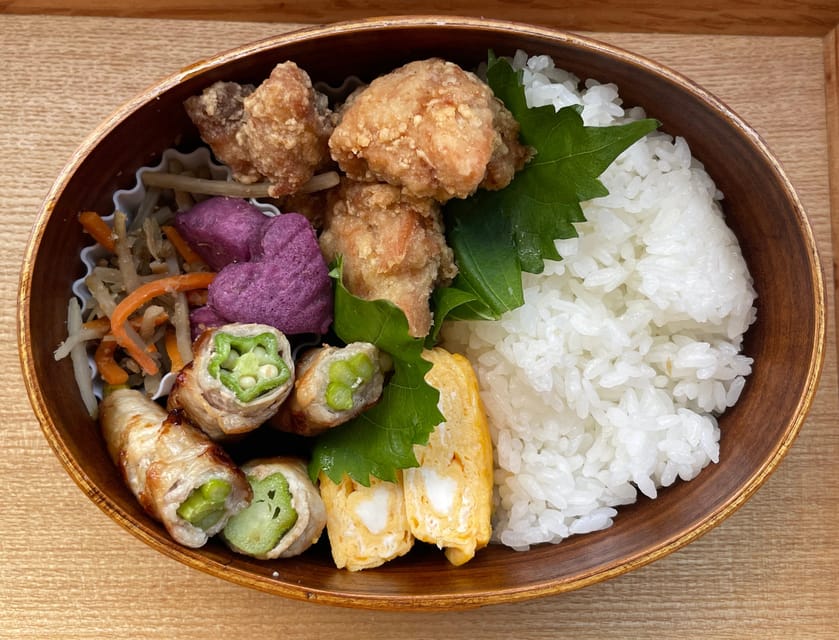
The reward comes at the end, when you eat the katsu curry or bento you prepared. Steve from the United Kingdom enjoyed making the lunchbox and then sitting down to eat it. That simple finish gives the class a clear beginning, middle, and end.
Food is included in the $83 price. Drinks other than water are optional, and sake tasting is also optional. This means you are not paying for an alcohol-focused event. The main value is the lesson, the local walk, the food, and the chance to speak with an English-speaking guide.
The meal also gives you a useful test of what you learned. You can think about which steps were easy, which need more practice, and what ingredients you would need at home. The class aims to leave you with dishes that are realistic to recreate, rather than something requiring rare equipment or a professional kitchen.
Do not expect a large restaurant-style spread. You choose between two main formats and eat the dish connected to your lesson. For someone who wants a long tasting menu, this will feel limited. For someone who wants to make and understand one meal, it is a sensible setup.
The value of $83 per person
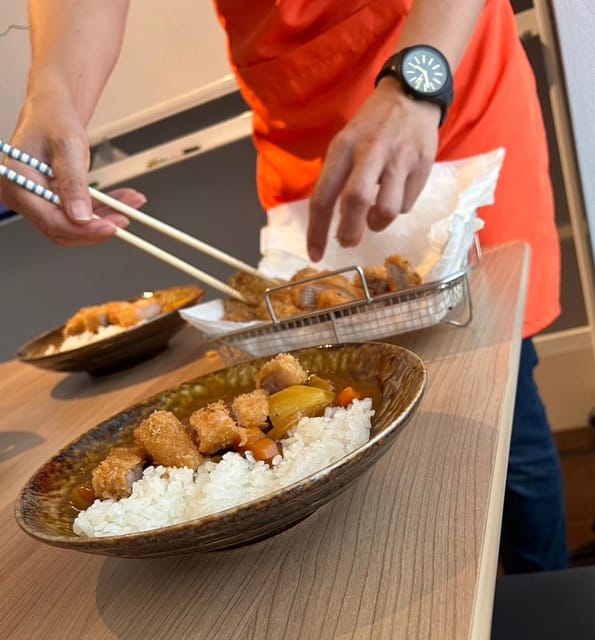
At $83 per person, this is not a budget lunch. You could eat katsu curry or buy a bento for far less in Osaka.
The price makes more sense when you count what is included: a local walk, a few shop visits, English instruction, translation help, hands-on cooking, the meal, and conversation about Japanese life. You are paying for access and guidance as much as for the food.
I would consider it good value if you are curious about cooking, visiting Osaka with children, or looking for an activity that does not depend on good weather. It is also useful early in a Japan trip because the shop visit and ingredient explanations may help you feel more comfortable buying Japanese food later.
The value is weaker if you only want lunch or already cook Japanese food confidently. In that case, the cultural conversation and neighborhood walk need to be the main reason for booking. Sake tasting and other drinks cost extra, so include that in your budget if you want them.
The class has a 4.9 rating from 11 bookings, with praise focused on the food, the guides, the friendly atmosphere, and the practical nature of the lesson. That is a small sample, but the feedback is notably consistent.
Who will enjoy this Osaka activity most
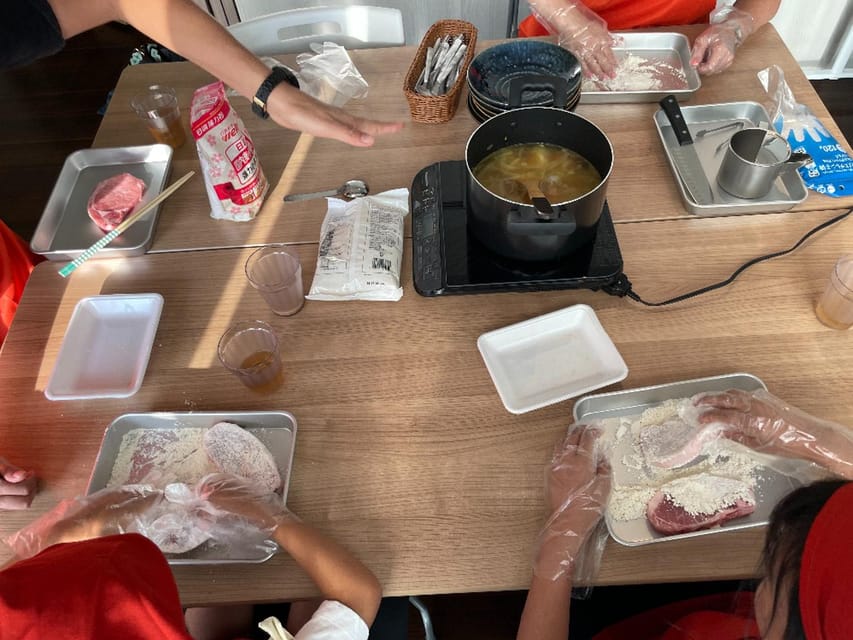
This experience suits several types of visitors:
- Families who want an activity where children can ask questions and take part.
- First-time visitors seeking a friendly introduction to Japanese food customs.
- Home cooks who want recipes and methods they can use after returning home.
- Couples or solo visitors who prefer a small class over a large group demonstration.
- Anyone who enjoys meeting local people and learning through conversation.
It may be less suitable for visitors with very limited time. The cooking session lasts about two and a half hours, and you should allow extra time to reach the meeting point and get oriented at the shrine.
It is also not the best fit if you need a highly specialized dietary program. The provided details do not specify vegetarian, vegan, allergy, or other dietary alternatives. If that matters to you, ask the provider before paying.
The class is taught in English, which makes it a good option for English-speaking visitors. Still, cooking involves watching, touching, and doing, so you will be learning through more than language alone.
Practical planning for your day in Osaka
Book at least 24 hours ahead. The activity requires advance reservation, and free cancellation is available up to 24 hours before the start time. You can also reserve now and pay later, which helps if you are still arranging your Osaka schedule.
Check the start time carefully because the listed duration information includes 150 minutes and availability extending to one day. The actual cooking session is described as 2.5 hours, but the schedule can vary.
Arrive at the large main gate of Osaka Tenmangu Shrine. Do not go to the small back gate. If you use a map app, compare the entrance view with the meeting instructions rather than relying only on the shrine name.
Wear something comfortable for walking and cooking. The supplied details do not state a dress code or equipment list, so the provider is the right source for questions about clothing, ingredients, or special needs.
You can add drinks other than water, including sake tasting, but these are optional. If your group includes children or anyone avoiding alcohol, the main activity remains focused on food and conversation.
Should you book the Osaka Cooking Base class?
Book it if you want a personal, practical introduction to Japanese home cooking rather than a quick food stop. The local shop walk, small group, English support, and patient guides such as Yuka, Miyako, and Tomoko give the experience more substance than a basic recipe lesson.
I would especially recommend it for families, solo visitors, and anyone who likes bringing a skill home from a trip. Choose katsu curry for a filling shared meal, or bento if arranging a finished lunchbox sounds more appealing.
Skip it if $83 feels too high for a meal, if you want a full market tour, or if you are looking for advanced culinary training. For most visitors who value conversation, practical cooking, and a taste of ordinary Osaka life, the price is justified.
FAQ
Where does the cooking class meet?
You meet in front of the large main gate of Osaka Tenmangu Shrine. Be careful not to go to the small back gate.
How long does the experience last?
The cooking session is described as 150 minutes, or about 2.5 hours. Check the available start times when booking.
Which dishes can I learn to make?
You can choose between katsu curry and a bento box. The class teaches one option step by step.
Is the class taught in English?
Yes. English instruction is provided, along with translation assistance during the local shop visits.
How many people can join?
The activity is limited to eight participants. One booking described the class as taking no more than six people, so the group may sometimes be smaller than the advertised maximum.
Are drinks included?
Water is included, while drinks other than water and sake tasting are optional extras. Food, including the katsu curry or bento you make, is included.
Just added around Osaka
- Osaka Sake Tasting with Takoyaki Cooking★ 5.0 · 156 reviews
- Okonomiyaki&Takoyaki for Families:Osaka Street Food Festival★ 5.0 · 4 reviews
- Osaka: Sashiko Japanese Craftsmanship Workshop★ 5.0 · 31 reviews
- Osaka Okonomiyaki Cooking Experience for Families & Groups★ 4.9 · 8 reviews
- Osaka : Exclusive Tea Ceremony & Wagashi Cooking★ 5.0 · 2 reviews
- Osaka: Okonomiyaki Cooking Class with Beer or Soft Drink★ 4.9 · 9 reviews
- Osaka: Cooking Class & Sake Tasting with Local Market Visit★ 4.8 · 31 reviews
- Osaka: Gluten-Free Ramen and Gyoza Cooking Class★ 5.0 · 42 reviews
Japanese & Sushi Cooking Classes, compared.
Ramen Cooking Class at Ramen Factory in Kyoto
Read our review →
Ramen & Gyoza Cooking Class in Tokyo with Local Supermarket Visit
Read our review →
Ramen Cooking Class at a Ramen Factory with Souvenir
Read our review →
Sushi Making Osaka! Popular Sushi Class in Japan!
Read our review →
Tokyo Tsukiji Fish Market Tour and Sushi Making Lesson
Read our review →
Japanese Washoku Bento Small Group Cooking Class
Read our review →
Lists this class appears in