
REVIEW · JAVA, INDONESIA
From Garden to Table: Indonesian Cooking Class in Yogyakarta
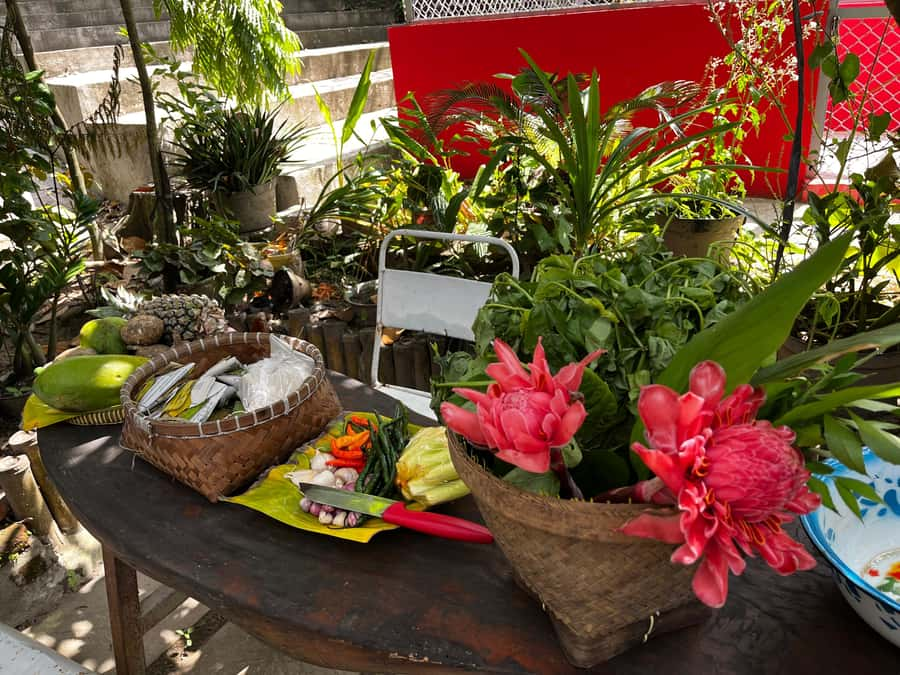
Good food starts with a garden. I like the chance to pick herbs and flowers with Endah before cooking, and I like the warm family setting that makes the five-hour class feel personal rather than staged. The main drawback is practical: the cooking area is not air-conditioned, so Yogyakarta’s heat may test your patience.
I also like that you do real preparation instead of simply watching a chef work. You smell rhizomes, handle spices, make sambals, and eat the meal you helped prepare. Still, the many dishes can be prepared in a shared sequence, so the cooking process may feel less orderly if you want one recipe explained from start to finish.
At $46 per person, this is a strong value for a private class that includes food, drinks, ingredients, equipment, and recipes sent afterward. Endah and her family add the cultural exchange, while the cats and garden keep the mood relaxed. Just bring a little patience, an appetite, and perhaps a personal fan.
Key Points to Know Before Booking
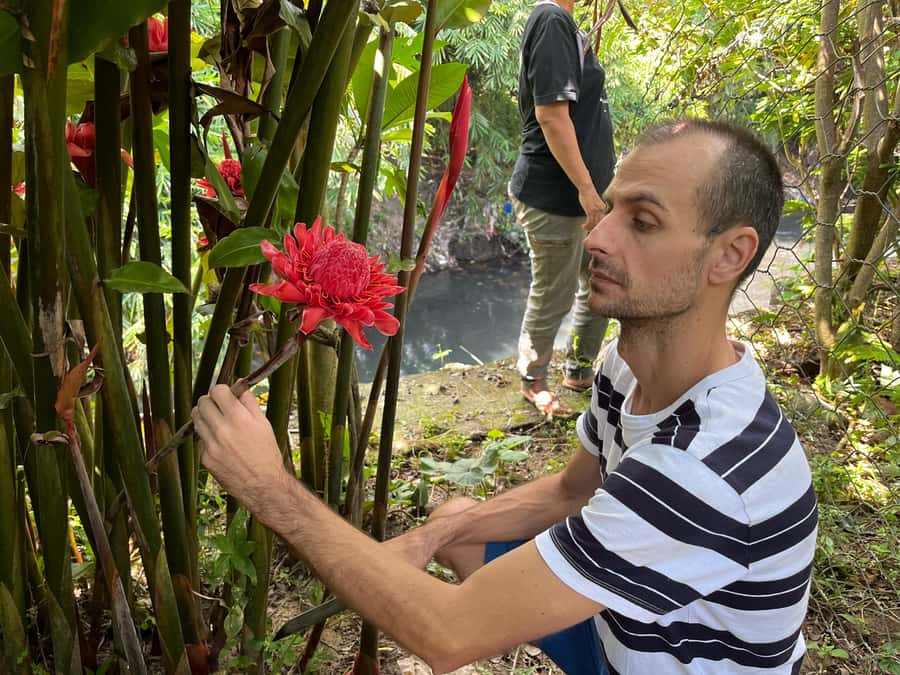
- Garden harvest first: You pick herbs, vegetables, and flowers from Endah’s garden before cooking.
- Six local dishes: The menu includes vegetable rujak, fried chicken with curry leaves, tofu, tempeh, Balinese lemongrass chili sauce, and fruit rujak.
- A true private class: The session is designed for a private group, with menu choices sent after booking.
- Recipes for your kitchen: You receive the recipes afterward, making it possible to repeat the dishes at home.
- Family-style hospitality: Endah and her family welcome you with drinks, snacks, conversation, and plenty of food.
- Plan for warm conditions: The cooking space has no air-conditioning, according to one detailed account.
A Five-Hour Start in Endah’s Garden
The experience begins with a welcome drink. You can choose tamarind turmeric, tamarind sugar, or lemongrass tea, all flavors that quickly put you in the right part of the world. A snack may also appear, with lemper mentioned as one welcome bite, and some participants have received fresh bananas or home-brewed coffee as an extra taste of the household.
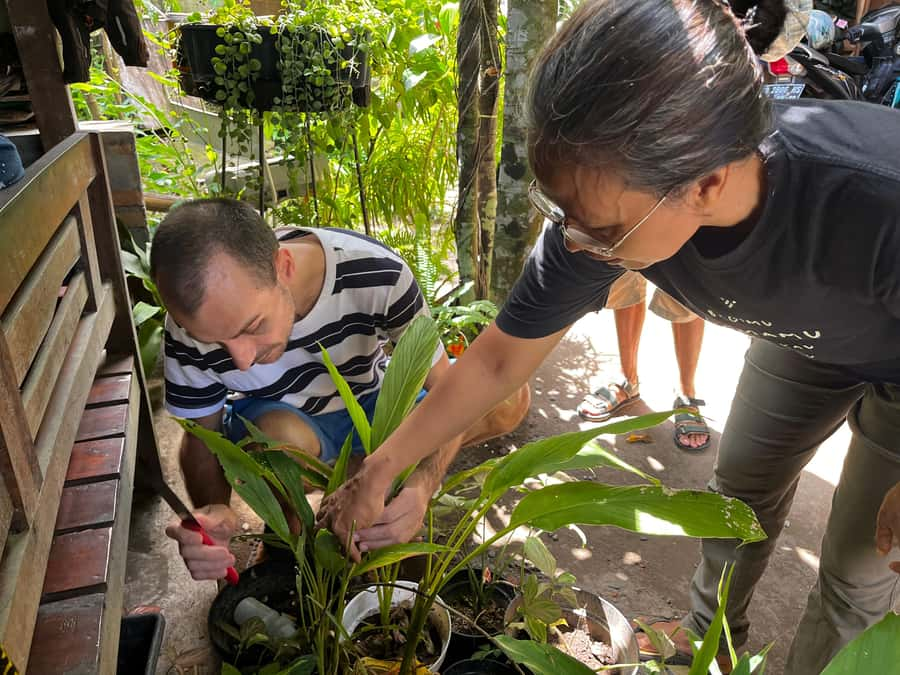
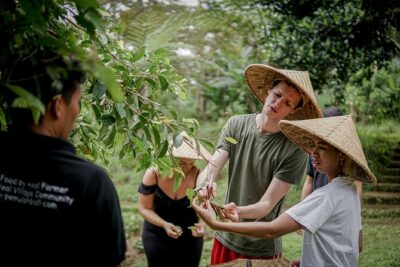
Then Endah takes you into the garden. This is more than a quick photo stop. You handle the leaves, herbs, flowers, vegetables, rhizomes, and spices that give Indonesian cooking its strong character. Endah explains what grows there and how the ingredients are used.
I like this opening because it gives you a useful frame for the meal. In many cooking classes, ingredients arrive already washed and measured, stripped of their connection to the soil. Here, you can see the path from garden to chopping board. You also get a better sense of why Indonesian food can require so many separate ingredients for one dish.
The garden portion should suit anyone curious about plants and local food traditions. It is also a quiet break from Yogyakarta’s busy streets. Cute cats add to the home setting, though this is not an animal-focused activity. They are part of the atmosphere, not a scheduled attraction.
More Balinese Cooking Classes in Indonesia:
- Ubud: Balinese Cooking Class at an Organic Farm
★ 5.0 · 1,786 reviews - Ubud Cooking Class Bali with Balinese Chef
★ 5.0 · 1,609 reviews - PRIVATE Authentic Balinese Cooking Class in Ubud at Putu’s Home
★ 5.0 · 644 reviews
Handling Rhizomes, Spices, and Fresh Ingredients
Indonesian cooking depends on more than heat and coconut milk. The flavor often comes from a careful mix of fresh aromatics, ground spices, herbs, chilies, and sauces. The class gives you time to touch, smell, and process these ingredients rather than treating them as anonymous items on a shopping list.
That sensory work matters. A piece of ginger-like rhizome, a curry leaf, or a lemongrass stalk tells you something different when you hold it and smell it before cooking. I find this kind of instruction more useful than a long lecture because you leave with practical recognition skills for markets and grocery shops.
You also discuss Indonesian culture while preparing the food. The conversation is part of the point. The class brings people from different backgrounds together around a shared meal, and the private format allows more room for questions than a large demonstration class.
English is the teaching language. Endah’s warm style is central to the experience. She has been described as greeting people like friends and involving them quickly in the work. You should expect a friendly, home-based lesson rather than a polished culinary school with formal stations and strict timing.
Six Dishes, Plenty of Chopping, and Serious Eating
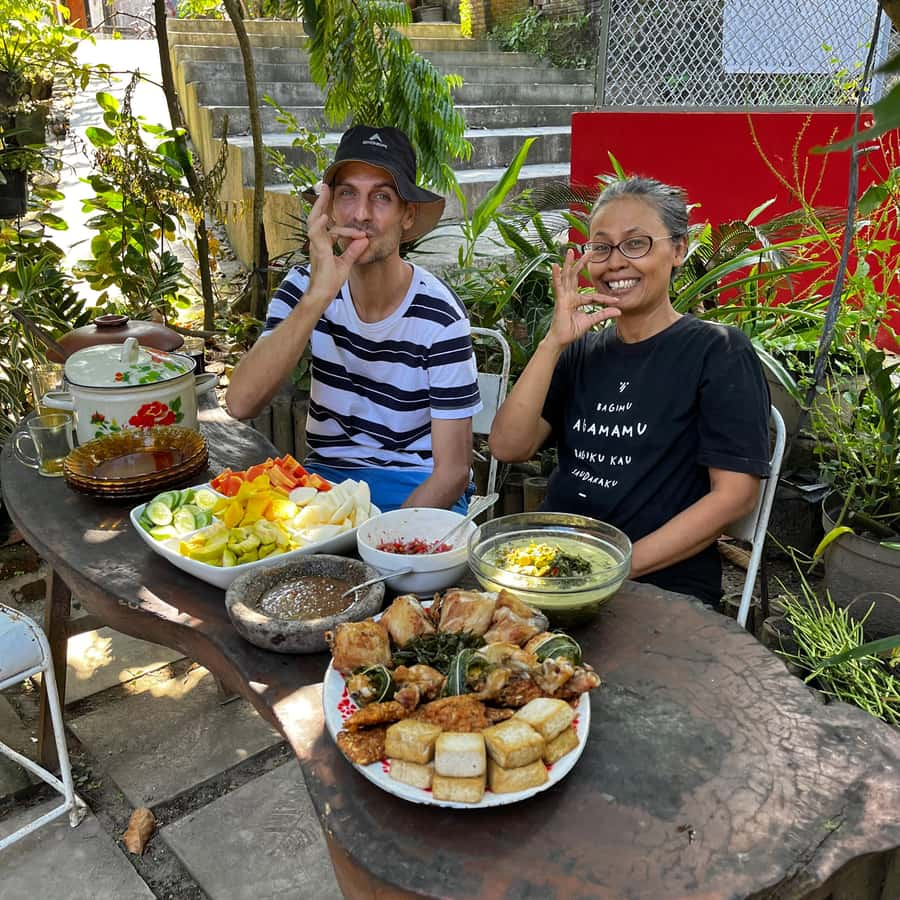
The standard meal features six local dishes:
- Vegetable rujak with peanut sauce
- Fried chicken with curry leaves
- Fried or boiled tofu
- Tempeh
- Balinese lemongrass chili sauce
- Local fruit rujak
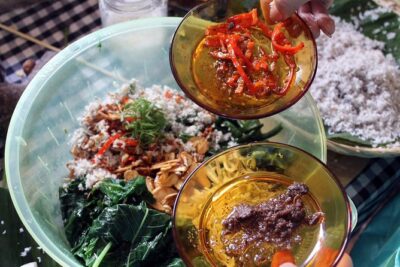
This is a generous spread for one class. Rujak gives you a sweet, sharp, spicy element, while tofu and tempeh bring familiar plant-based staples to the table. Fried chicken adds a more substantial main dish, and the lemongrass chili sauce supplies the heat and fragrance that many people associate with Indonesian food.
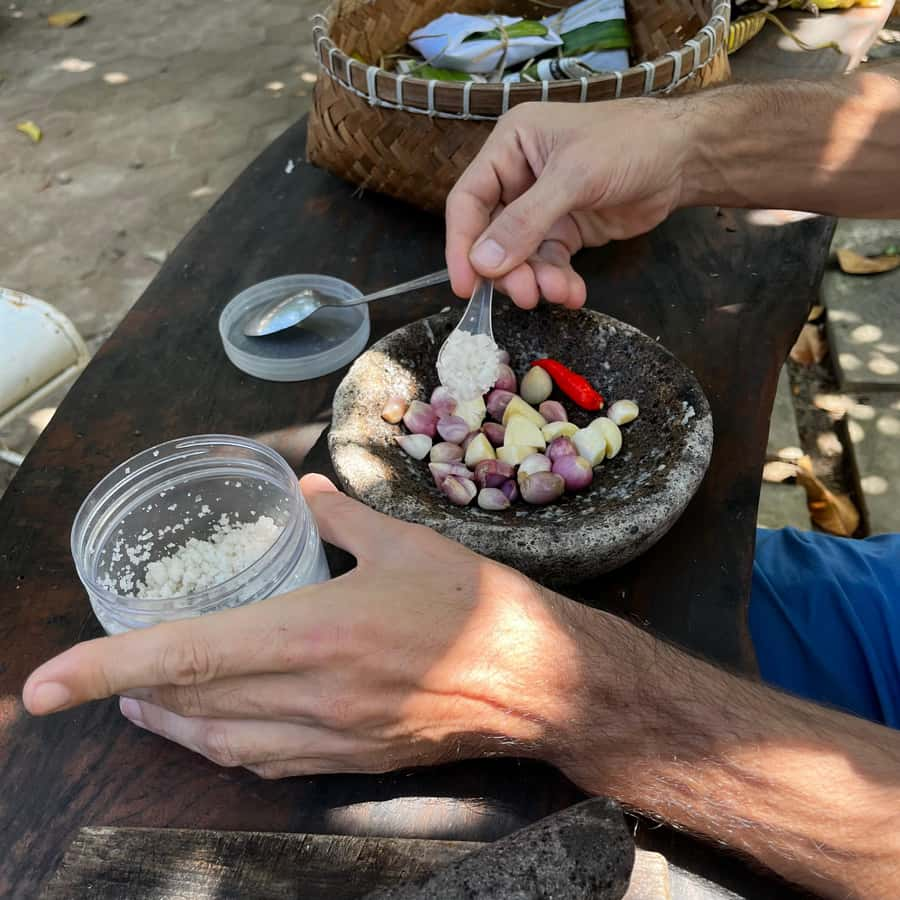
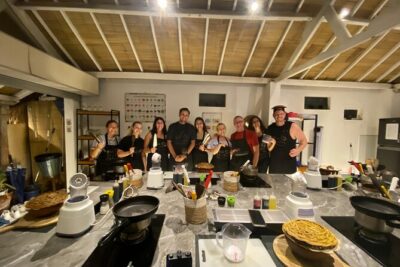
The class does not treat cooking as a spectator sport. You help prepare the food, including ingredients for sambal and the cooking of kroepoek in some sessions. You may be involved in chopping, grinding, mixing, frying, and assembling, depending on the menu chosen.
One useful detail is that Endah pays attention to spice levels. Indonesian chili sauces can be powerful, but you do not have to prove anything to the sambal. Tell her what you can handle. The menu can be adjusted for your preferences, especially in a small private group.
The full menu range is sent after booking, and there are several menu options to choose from. One account refers to seven menu choices, while the advertised meal describes six dishes. The sensible move is to check the available menus before the class and choose the dishes you most want to learn.
The options may extend beyond the standard list. One participant prepared rawon, the dark beef soup associated with East Java, after receiving a customized menu. That suggests the class can sometimes adapt well to a private group’s interests, but you should confirm your preferred dishes in advance rather than assume every regional recipe is available.
How the Cooking Flow Works
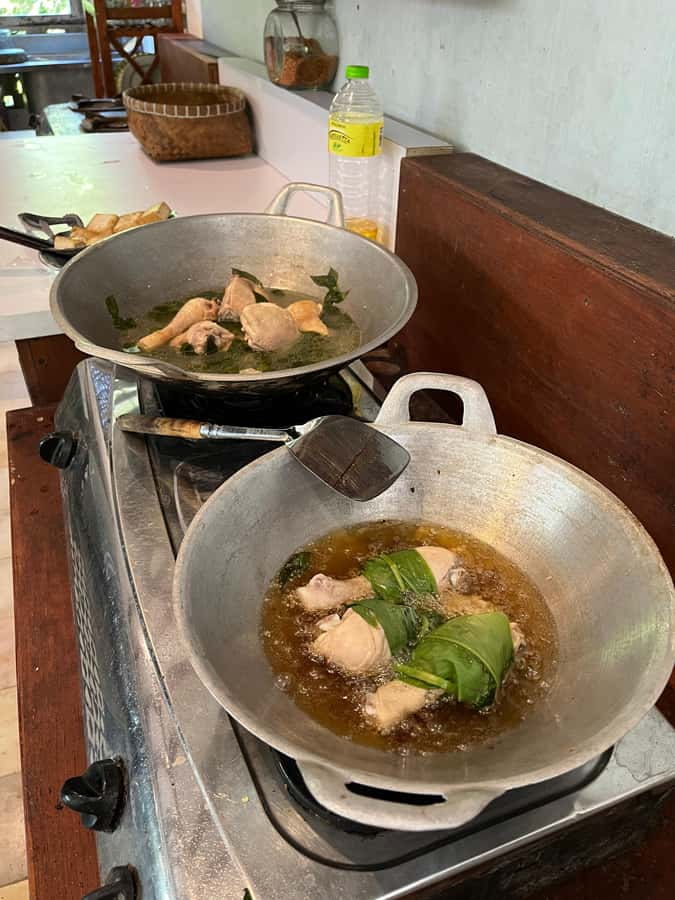
The class combines garden harvesting, ingredient preparation, cooking, and lunch across about five hours. The order may not feel like a restaurant kitchen where each dish moves neatly from raw ingredients to finished plate.
Several parts of different recipes can be prepared at the same time. That keeps a large meal moving, but it can make the cooking path harder to follow. If you want to understand each dish clearly, ask Endah to explain which ingredients belong to which recipe as you work.
This is the main area where expectations matter. If you want a technical lesson with precise measurements, written steps at every stage, and a separate workstation for each recipe, this may feel informal. If you prefer to work alongside a local cook and learn by doing, the relaxed approach is a strength.
I would take notes when a spice mixture or sauce is prepared. Photos of the ingredients can also help later, especially if several dishes are being assembled together. You receive the recipes after the class, which makes the experience more useful once you return home.
The class is not air-conditioned. That detail deserves attention, especially if you are visiting during a hot part of the day. Wear light clothes, drink the provided refreshments, and consider bringing a small personal fan. The setting is comfortable in spirit, but not a cool professional kitchen.
A few more cooking classes around Indonesia worth a look
- From Ubud: Authentic Cooking Class in a Local Village
★ 4.9 · 1,325 reviews - Ubud: Cooking Class with Transfers and Optional Market Visit
★ 4.9 · 824 reviews - Balinese Ubud cooking school (9 Dish Cooking and Market Tour)
★ 5.0 · 540 reviews - Ubud: Balinese Cooking Class and Market Tour
★ 4.8 · 531 reviews
The Meal You Earn Together
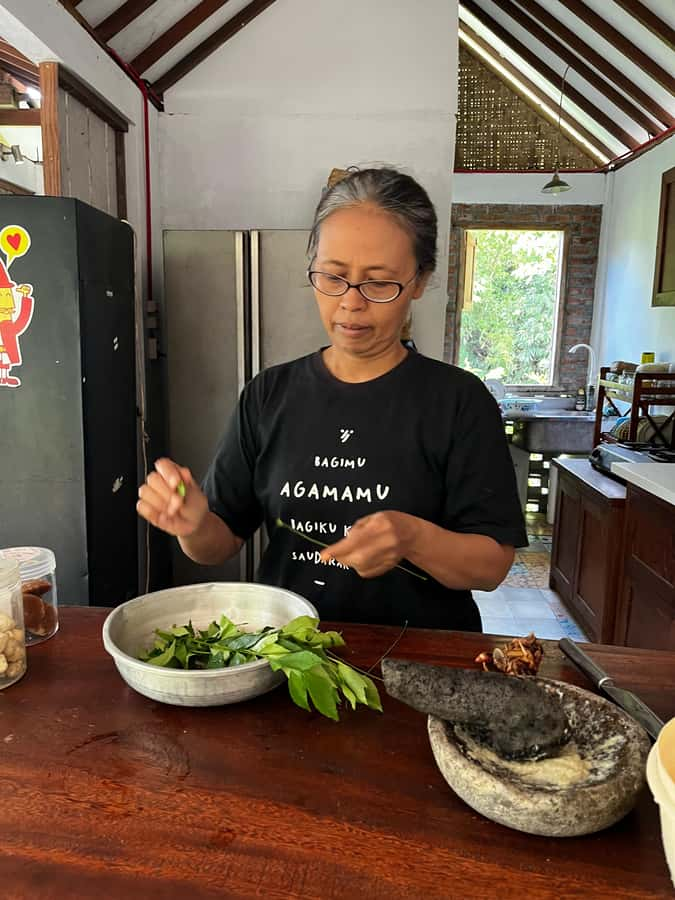
At the end, you eat what you have prepared. This is not a token tasting with one small plate. The portions are described as generous, and it is possible to have more food than two people can finish.
That makes the $46 price easier to judge. You are paying for five hours of instruction and cultural exchange, but also for a full meal, drinks, a welcome beverage, fresh ingredients, cooking equipment, and follow-up recipes. For a private class, the value is good, especially if you want both lunch and a practical activity.
The meal also changes the mood of the class. You are not rushing out after the final pan is turned off. You sit down with Endah and her family, talk, laugh, and try the dishes together. That family contact is one of the experience’s strongest features.
You may even hear music during the meal. Air Supply sing-alongs have been part of one cheerful session, which gives you a fair warning that this is a home gathering, not a silent tasting menu. If you like conversation and a bit of personality, that is a plus. If you want a formal culinary lecture, choose your expectations carefully.
Why the Family Setting Matters
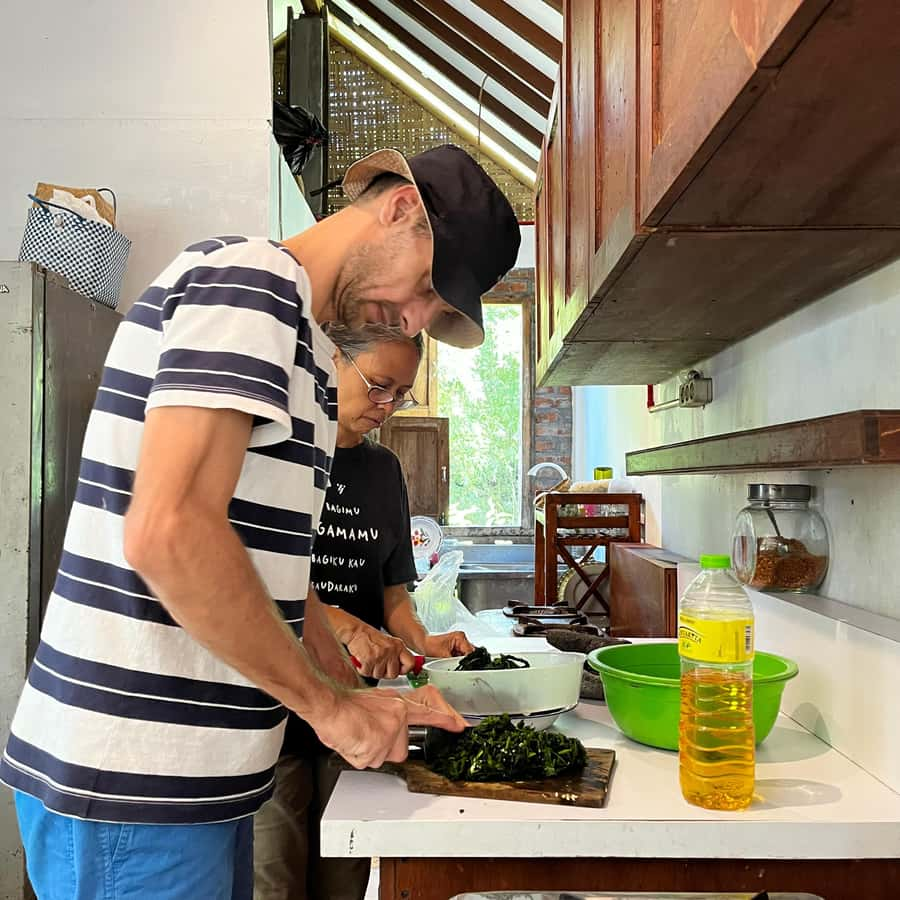
Many food experiences show you what a place eats. This one also shows you how food fits into a household. Meeting Endah’s family, seeing the garden, and sharing a table gives the cooking a human scale.
The cultural exchange is not presented as a separate lecture. It happens while you prepare vegetables, discuss ingredients, adjust seasoning, and sit down for lunch. You can ask about food customs and household cooking as the work continues.
I especially like this for visitors who want more than a restaurant meal. Yogyakarta has plenty of excellent places to eat, but a dish on a menu rarely explains who buys the ingredients, how a sauce is balanced, or why a particular herb matters. Here, the process is part of the meal.
The private group format also helps. You are not trying to hear an instructor across a crowded room. The pace can be more personal, and Endah can take your preferences into account. Wheelchair access is listed as available, though you should still confirm the exact physical setup when booking if you have specific mobility needs.
Getting There and Planning the Day
Hotel shuttle service is not included, so you need to arrange your own way to the class and back. Personal expenses and tips are also separate. One session ended with Endah helping arrange a taxi, but you should not treat that as a guaranteed transfer service.
Allow the full five hours. This is not a quick morning lesson followed by a rushed lunch. The garden walk, ingredient preparation, cooking, discussion, and meal all form one connected experience.
Starting times vary, so check availability when choosing your date. A private class can work well as a central activity on a day when you do not want to pack in several sights. After five hours of food preparation and eating, you may prefer a quiet afternoon.
The activity is available in English and is wheelchair accessible. It is not suitable for children under five or people over 70, according to the stated restrictions. Those limits may reflect the length of the class, the hands-on kitchen work, or the warm conditions.
Cancellation is flexible up to 24 hours before the start time for a full refund. You can also reserve and pay later, useful if your Yogyakarta plans are still taking shape.
Who Will Enjoy This Most
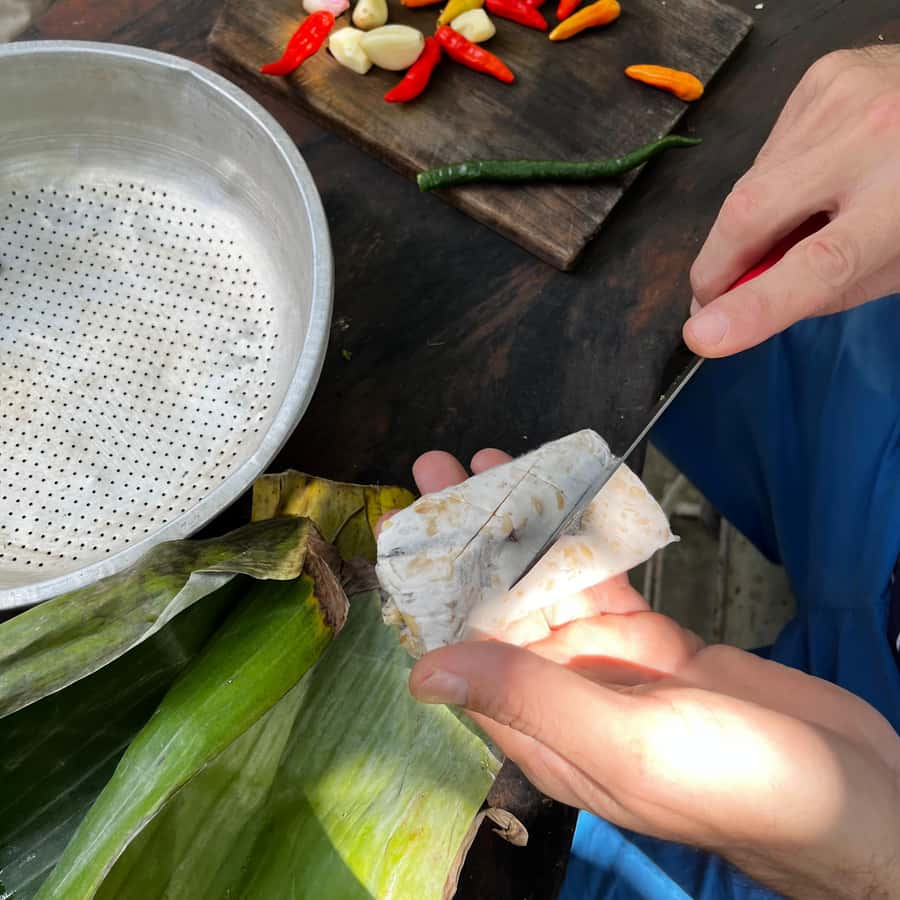
I would recommend the class to you if you enjoy food as a way to meet people. It suits couples, small private groups, and anyone who wants a relaxed local connection rather than a polished cooking show.
It is also a good match for vegetarians who want tofu, tempeh, rujak, and sauces to receive proper attention. The standard menu includes chicken, but menu choices are sent after booking, so ask about suitable options before you commit.
Families with very young children should choose another activity because children under five are not accepted. Older participants may also find the five-hour session demanding, particularly in warm weather.
You should also think about your learning style. This class is best for hands-on cooks who enjoy some improvisation. It is less ideal for someone who wants every ingredient laid out by dish, a precise timetable, and a fully air-conditioned kitchen.
Is the $46 Price Worth It?
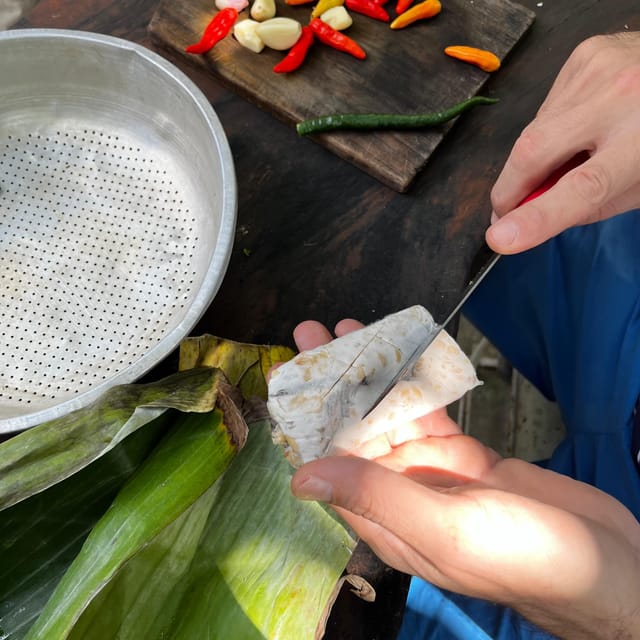
For me, the value is strong. A five-hour private class with lunch would already be reasonable at $46, and this includes the garden harvest, drinks, ingredients, equipment, cultural conversation, and recipes afterward.
The recipes matter. They turn the class from a one-day activity into something you can revisit at home. You may not find every Indonesian ingredient easily, but you will understand the method and flavor combinations better after making them yourself.
The best value comes if you participate fully. If you only want to watch, the price feels less attractive. Go ready to chop, stir, taste, ask questions, and help with the meal.
Should You Book Endah’s Garden-to-Table Class?
Book it if you want a personal, food-centered introduction to Yogyakarta with a real household feel. The garden harvest, generous lunch, adaptable menus, and friendly time with Endah and her family make this more than a standard recipe lesson.
Skip it if you need air-conditioning, hotel pickup, or a highly structured professional kitchen. Also check the menu choices in advance if one specific dish is your priority.
For most food-minded visitors, I would book it. Come hungry, prepare for warmth, and ask questions as each dish comes together. You will leave with a full meal, recipes to try again, and a better understanding of how Indonesian ingredients move from garden to table.
FAQ
How long does the Indonesian cooking class last?
The class lasts five hours, including the garden harvest, ingredient preparation, cooking, cultural discussion, and meal.
How much does the experience cost?
The listed price is $46 per person.
What dishes will I prepare?
The standard menu includes vegetable rujak with peanut sauce, fried chicken with curry leaves, fried or boiled tofu, tempeh, Balinese lemongrass chili sauce, and local fruit rujak.
Can I choose the menu?
Yes. The available menu range is sent after booking so you can choose your dishes. The menu may include several options, and private groups may receive customized choices.
Is lunch included?
Yes. You eat the dishes prepared during the class, and the experience includes a meal and drinks.
What welcome drinks are available?
You can choose tamarind turmeric, tamarind sugar, or lemongrass tea.
Is the class taught in English?
Yes. English is the listed teaching language.
Is transportation from my hotel included?
No. Hotel shuttle service is not included. Personal expenses and tips are also separate.
Just added around Indonesia
- Pure Bali Village Experience, Cooking & Jamu Class+VIP Transfer★ 5.0 · 16 reviews
- Spice Garden, Jamu & Cooking Class in Bali Village★ 5.0 · 5 reviews
- The Authentic Balinese Cooking Experience★ 5.0 · 4 reviews
- Seminyak : cooking class traditional food bali★ 5.0 · 5 reviews
- Seminyak: Vegetarian Cooking Class★ 5.0 · 3 reviews
- Quad ride, waterfalls & aunthentic cooking class in munduk★ 4.9 · 53 reviews
- Pure Bali Village Experience Cooking & Jamu Class, Transfer★ 4.8 · 5 reviews
- Ubud: Organic Farm Harvest, Bali Cooking Class by Pemulan★ 4.8 · 12 reviews
Balinese & Indonesian Cooking Classes, compared.
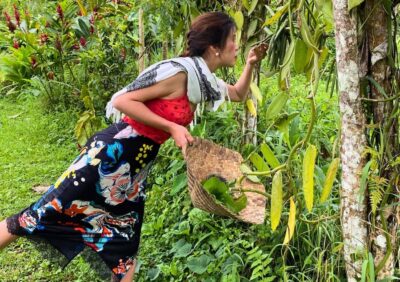
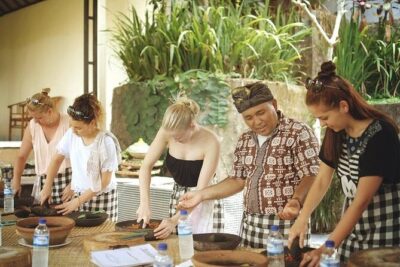
PRIVATE Authentic Balinese Cooking Class in Ubud at Putu’s Home
Read our review →
Balinese Ubud cooking school (9 Dish Cooking and Market Tour)
Read our review →
Learn to cook Indonesian food at Gili Cooking Classes Trawangan
Read our review →Lists this class appears in