
REVIEW · BALI, INDONESIA
Cooking Class 3 Courses Balinese Dishes
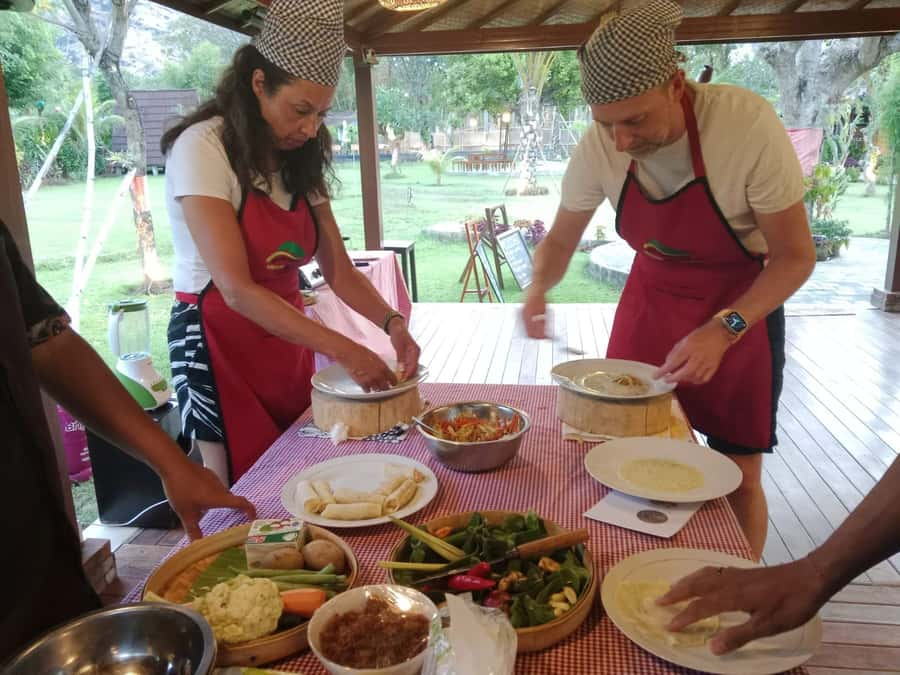
Cook lunch, then eat it. This two-hour Balinese cooking class pairs fresh garden ingredients with patient local instruction, giving you a useful taste of everyday food culture. I like the backyard organic farm visit, and I like that you sit down to eat the meal you prepared. The setting beside a small hotel is calm and attractive, far removed from a rushed restaurant kitchen.
The main consideration is time. Two hours moves quickly, and some ingredients may already be cut before you arrive. The menu is also fixed: vegetable spring rolls, chicken curry, and Dadar Bali dessert. That keeps the class manageable, but it offers less choice for vegetarians or anyone hoping to cook a wider range of Balinese dishes.
Key points to know before booking
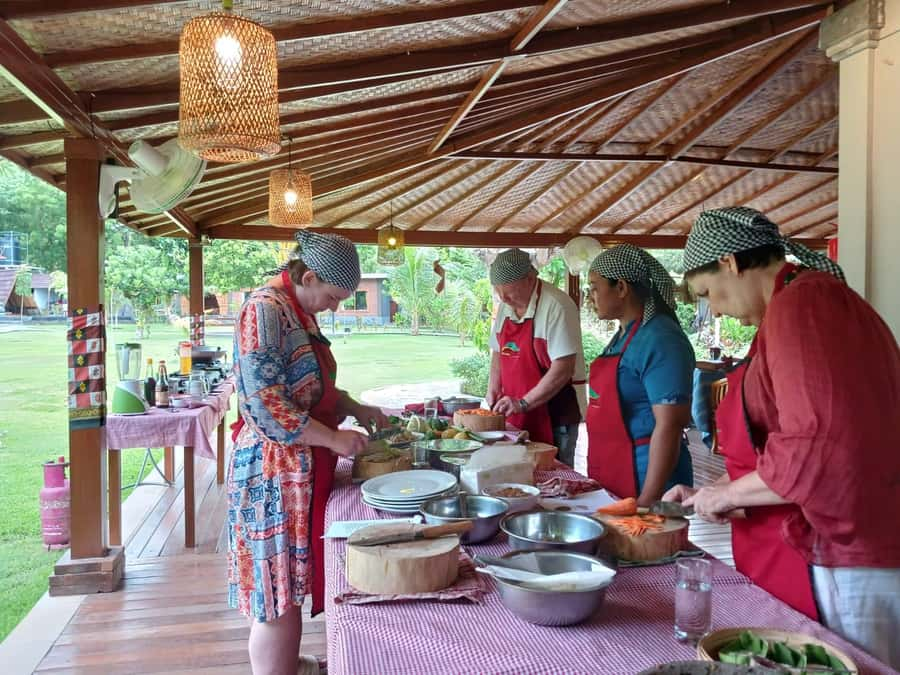
- Three-course menu: Prepare vegetable spring rolls, chicken curry, and Dadar Bali, a Balinese sweet pancake dessert.
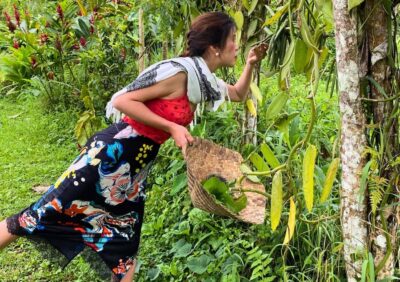
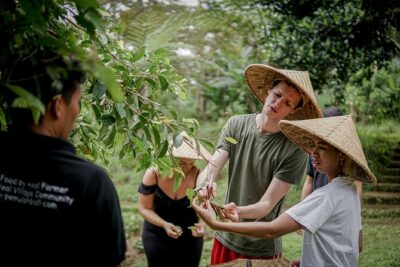
- Garden-to-kitchen start: Walk through the backyard organic farm and pick some of the herbs and produce used in the kitchen.
- Friendly English instruction: Local chefs guide you through the recipes, with Dewi and Melai praised for their patience and care.
- A meal is included: You eat the food you cooked, which makes the $24 price cover both a class and a substantial meal.
- Hotel pickup is included: Wait in your hotel lobby or villa 10 minutes before the scheduled pickup time.
- Useful take-home material: A printed recipe book helps you make the dishes again after returning home.
A gentle start in the garden
The class begins at 11:00 a.m. for lunch or 5:00 p.m. for dinner. Pickup is included, so you should wait in your hotel lobby or villa 10 minutes before the arranged time. The exact pickup area is not stated, so check availability and booking details carefully before you rely on this service.
Once you arrive, the first stop is the organic farm behind the restaurant and accommodation. This is a small but worthwhile part of the experience. Instead of meeting the ingredients only as bowls on a worktable, you get to see where some of the kitchen produce comes from and pick fresh items for the class.
I like this opening because it gives the cooking a sense of place. Bali’s food is built around fresh herbs, spices, vegetables, coconut, and strong pastes, so seeing the ingredients before they are chopped helps you understand what you are about to cook. It also makes for a pleasant break from Bali’s busy roads and packed sightseeing stops.
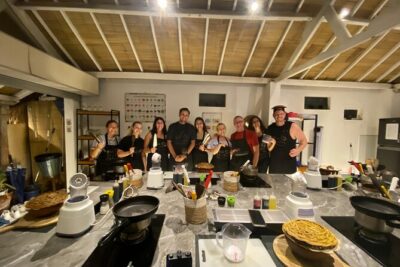
The garden is not presented as a major farm visit. Think of it as a short introduction before the cooking begins. The activity takes place beside a small hotel, with an outdoor kitchen and a garden setting. That combination gives the class a relaxed feel, though you should wear comfortable clothes suitable for warm weather and outdoor cooking.
More Balinese Cooking Classes in Indonesia:
- Ubud: Balinese Cooking Class at an Organic Farm
★ 5.0 · 1,786 reviews - Ubud Cooking Class Bali with Balinese Chef
★ 5.0 · 1,609 reviews - PRIVATE Authentic Balinese Cooking Class in Ubud at Putu’s Home
★ 5.0 · 644 reviews
Learning the herbs and spices before cooking
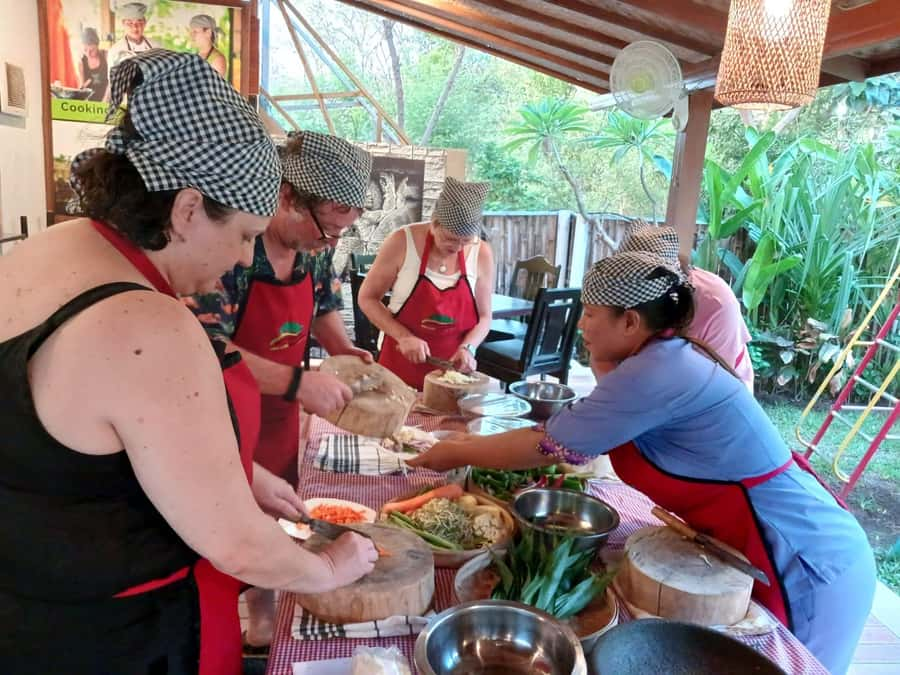
After the garden walk, the chef introduces the herbs and spices used in the recipes. This is one of the more useful parts for anyone who wants to cook Balinese food at home. You learn not only what goes into the dishes, but also how the ingredients fit into the local cooking style.
The class is taught in English. The available information does not give a full list of the spices, so you should not expect a technical lesson on every ingredient. Still, the introduction helps you recognize the building blocks of the meal before you start mixing and cooking.
Dewi and Melai are named as the two instructors in the class, and their teaching style receives especially strong praise. You can expect kind, patient help rather than a demanding professional kitchen lesson. That matters if you are not confident with a knife, unfamiliar with the ingredients, or cooking with children.
The preparation is organized from one dish to the next. One detailed account says the ingredients were already cut and ready to use, which kept the class moving. This is useful when you have only two hours, but it also means you may not practice every stage of preparation yourself. If chopping and ingredient preparation are important to you, ask how much hands-on work is planned when you arrive.
Making vegetable spring rolls first
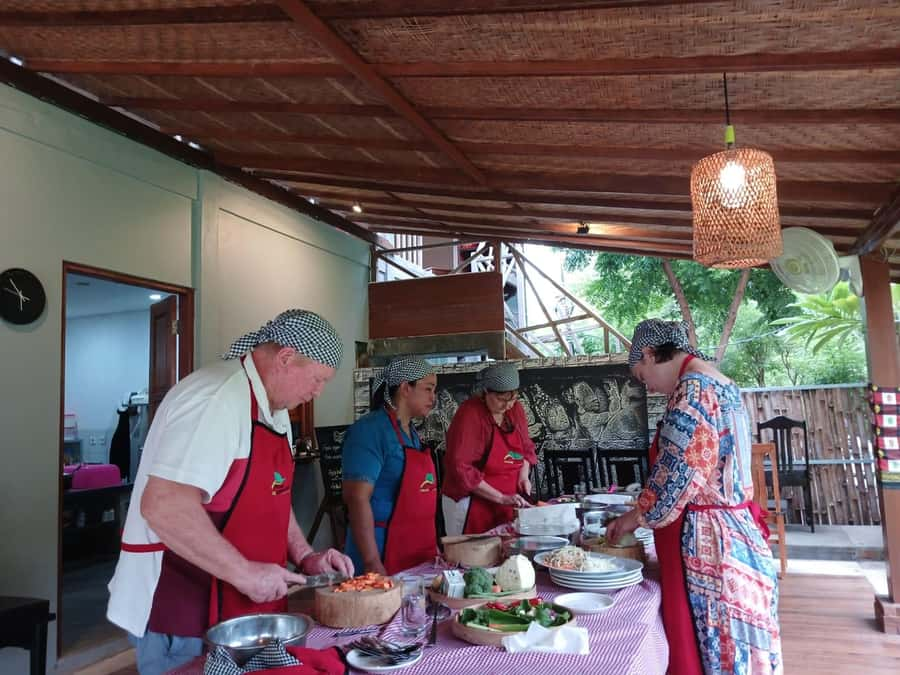
The appetizer is a vegetable spring roll. This is a sensible first dish because it lets you begin with a straightforward preparation before moving to the stronger flavors of the main course.
You can expect to work with vegetables and the provided herbs and spices, then prepare the rolls for cooking. The available details do not specify whether the spring rolls are fried, baked, or cooked another way, so you should ask the chef if that technique matters to you.
This first course also gives the instructors a chance to see your cooking level. If you are new to cooking, Dewi and Melai can guide you through the process. If you already cook often, the spring rolls may feel familiar, but the local seasoning and method can still make the dish useful to repeat at home.
The class is not designed as a competition. The friendly atmosphere is a major part of its appeal. One family booking found the instructors welcoming and organized, and a child left excited to try the recipes again at home. That makes the activity a practical choice for parents looking for something more hands-on than another sightseeing stop.
Preparing chicken curry as the main course
The main course is chicken curry. This is the heart of the meal and the dish most likely to show how Balinese herbs and spices shape flavor.
The local chef supervises each stage, so you do not need to arrive with advanced cooking skills. The instruction is in English, and the class is set up with the cooking equipment and ingredients already provided. You get to practice the process instead of simply watching a demonstration.
The recipe uses chicken meat, vegetables, herbs, and spices. The supplied details do not identify the curry’s exact spice mix, heat level, or side dishes, so you should ask about those points if you have a low tolerance for spice or specific dietary needs. The menu should not be treated as automatically vegetarian, vegan, gluten-free, or allergy-safe.
I like that the curry gives the class a clear local focus. A cooking activity has more value when it teaches you a dish you can remember and repeat, rather than a generic meal found anywhere. The printed recipe book adds to that value, especially if you want to recreate the class after you return home.
The organization also appears to be a strength. One participant described the instructors as having everything prepared and moving through the dishes in order. That structure is helpful in a short class. You spend your time cooking and learning, not waiting for equipment or ingredients.
A few more cooking classes around Indonesia worth a look
- From Ubud: Authentic Cooking Class in a Local Village
★ 4.9 · 1,325 reviews - Ubud: Cooking Class with Transfers and Optional Market Visit
★ 4.9 · 824 reviews - Balinese Ubud cooking school (9 Dish Cooking and Market Tour)
★ 5.0 · 540 reviews - Ubud: Balinese Cooking Class and Market Tour
★ 4.8 · 531 reviews
Finishing with Dadar Bali
Dessert is Dadar Bali, a traditional Balinese sweet pancake. It rounds out the class with something different from the savory spring rolls and curry.
The available information does not give the full dessert recipe, so the chef will explain the ingredients and method on the day. You can expect this course to offer a change in technique and flavor from the first two dishes, which gives the meal a better balance than preparing three similar recipes.
Because Dadar Bali is less familiar to many visitors than a standard Western dessert, it is also a useful part of the cultural side of the class. The point is not only to fill the plate. You are learning the names and forms of local food in a setting where you can ask questions as you cook.
The three dishes are a sensible amount for a two-hour session. You get an appetizer, main course, and dessert without the activity becoming an all-day commitment. The tradeoff is that you should not expect a long culinary workshop or a large selection of alternative recipes.
Eating what you prepared
At the end, you sit down and enjoy the three courses you cooked. This is one of the strongest reasons to book the class. The meal is not an extra purchase after the activity, so the $24 price includes both instruction and lunch or dinner.
Eating your own work also gives the class a clear payoff. You can taste how the herbs and spices came together, compare the courses, and ask the chef about any flavor you would change at home. Cooking mistakes are less serious when the final result becomes part of a relaxed meal.
The setting adds to the meal. The cooking takes place in an outdoor kitchen near a small hotel with a beautiful garden. Several detailed accounts describe the atmosphere as peaceful, pretty, and unhurried. That is a useful contrast to a standard restaurant meal, where you receive Balinese food but do not see how it is made.
Mineral water is included. Other drinks are not specified, so do not assume that coffee, tea, soft drinks, or alcohol are part of the price.
What the $24 price really covers
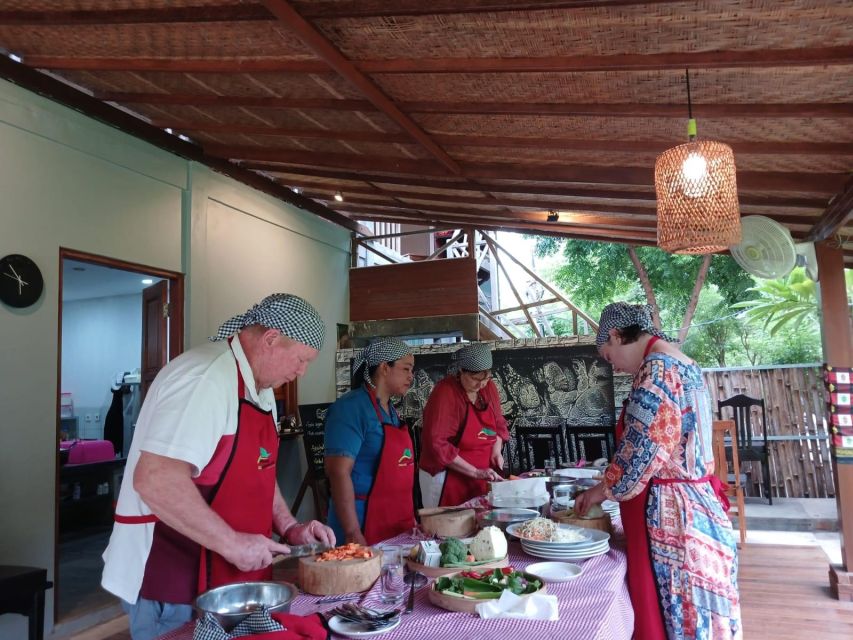
At $24 per person, this is good value if you want more than a meal. The price covers the chicken, vegetables, herbs, spices, cooking equipment, mineral water, local chef, recipe book, and the food you eat at the end.
Hotel pickup is another useful inclusion. Transport can make a short activity feel much easier, especially when you are staying somewhere unfamiliar. The details confirm pickup, while a detailed account also describes a return to the hotel. Since return arrangements can depend on the booking, confirm them rather than assuming they are included everywhere.
The class also saves you the cost of a separate lunch or dinner. One parent specifically appreciated ending with a full meal, and that is a fair way to judge the price. You are paying for instruction, ingredients, food, transport support, and a cultural activity in one package.
The value is less clear if you want a very advanced cooking lesson. With prepared ingredients and a fixed menu, you may not learn every preparation skill from start to finish. This is best seen as a friendly introduction to Balinese cooking, not professional chef training.
Who will enjoy this Balinese class most
I would recommend this class to you if you want a relaxed cultural activity with food at its center. It suits couples, families, first-time cooks, and anyone who likes taking recipes home from a trip.
It is also a good option for a rainy-day plan or a break from temples, beaches, and long drives. The class gives you something active to do, but it is not physically demanding. Comfortable clothes are all you need, along with a camera if you want to record the garden and cooking session.
Families should note that babies under one year are not suitable for the activity. Older children may enjoy the hands-on format, though the supplied information does not set a minimum age beyond that restriction.
You may want to choose another activity if you need a fully customized menu. The listed dishes include chicken, and there is no stated promise of substitutions for allergies, religious restrictions, vegetarian diets, or food sensitivities. Ask before booking if those details affect your decision.
The class has a very strong 4.9 rating from 10 reviews, with repeated praise for the patient chefs, attractive setting, organized preparation, tasty food, and included transport. That pattern is more useful than the rating alone because it tells you what the experience does best: personal instruction in a pleasant place.
Practical details for a smooth visit
Choose the 11:00 a.m. start if you want to prepare lunch, or the 5:00 p.m. start for dinner. Check the available date and starting time before booking, since the class lasts about two hours.
Wait in your hotel lobby or villa 10 minutes before pickup. Wear comfortable clothing for cooking in an outdoor setting, and bring a camera if you want photos of the garden and meal.
The chef teaches in English. The class includes a recipe book, so keep it in your luggage rather than leaving it behind with other papers. It is the part of the activity most likely to help you continue the experience at home.
Free cancellation is available up to 24 hours before the activity for a full refund. You can also reserve now and pay later, which helps if your Bali schedule is still changing.
FAQ
How long does the Balinese cooking class last?
The class lasts two hours.
What time does the class start?
You can choose an 11:00 a.m. start for lunch preparation or a 5:00 p.m. start for dinner preparation, subject to availability.
What dishes will I cook?
The menu includes vegetable spring rolls as an appetizer, chicken curry as the main course, and Dadar Bali for dessert.
Is hotel pickup included?
Yes. Pickup is included. Wait in your hotel lobby or villa 10 minutes before the scheduled pickup time.
What language is the class taught in?
The instruction is in English.
Are the ingredients and cooking equipment provided?
Yes. Chicken, vegetables, herbs, spices, and cooking equipment are included.
Is a recipe book included?
Yes. A recipe book is included so you can refer to the dishes later.
Can I cancel for a full refund?
Yes. You can cancel up to 24 hours in advance for a full refund.
Should you book this cooking class?
Book it if you want a reasonably priced, friendly introduction to Balinese food, especially if you value local contact more than a highly technical lesson. The garden visit, English-speaking chefs, printed recipes, included meal, and hotel pickup make the $24 cost easy to justify.
Go in knowing that the session is short, the menu is fixed, and some ingredients may already be prepared. For most visitors, those limits help the class run smoothly. If you want a relaxed afternoon or evening, a tasty meal, and recipes you can try again at home, this is a strong choice.
Just added around Indonesia
- Pure Bali Village Experience, Cooking & Jamu Class+VIP Transfer★ 5.0 · 16 reviews
- Spice Garden, Jamu & Cooking Class in Bali Village★ 5.0 · 5 reviews
- The Authentic Balinese Cooking Experience★ 5.0 · 4 reviews
- Seminyak : cooking class traditional food bali★ 5.0 · 5 reviews
- Seminyak: Vegetarian Cooking Class★ 5.0 · 3 reviews
- Quad ride, waterfalls & aunthentic cooking class in munduk★ 4.9 · 53 reviews
- Pure Bali Village Experience Cooking & Jamu Class, Transfer★ 4.8 · 5 reviews
- Ubud: Organic Farm Harvest, Bali Cooking Class by Pemulan★ 4.8 · 12 reviews
Balinese & Indonesian Cooking Classes, compared.
PRIVATE Authentic Balinese Cooking Class in Ubud at Putu’s Home
Read our review →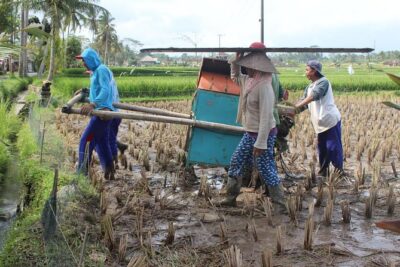
Balinese Ubud cooking school (9 Dish Cooking and Market Tour)
Read our review →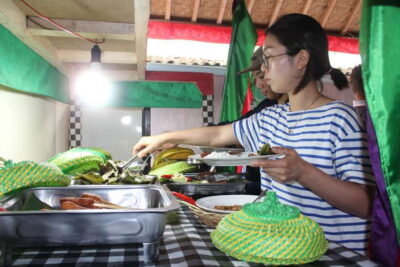
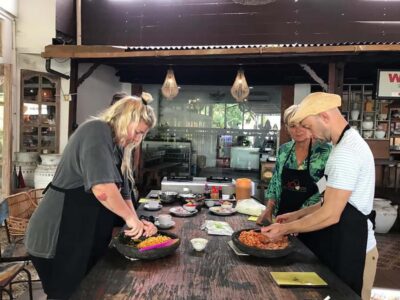
Learn to cook Indonesian food at Gili Cooking Classes Trawangan
Read our review →Lists this class appears in