
REVIEW · VALENCIA, SPAIN
Valencian Paella Cooking Class, Tapas & Sangria – Evening
Come hungry and ready to stir. This three-hour evening class gives you a tasty introduction to Valencia through its most famous dish, with paella, tapas, sangria, wine, dessert, and local customs all folded into one social night. I especially like the fresh ingredients linked to Ruzafa Market and the warm, playful teaching style often provided by hosts such as José, Ana, Lily, and Guillermo.
The other big plus is the generous food and drink. You start with tapas and sangria, help prepare a traditional Valencian paella with chicken, rabbit, and vegetables, then sit down for the finished meal. The main thing to consider is the size of the cooking group: some participants expected to cook in small teams but found themselves assisting the chef in a larger group instead.
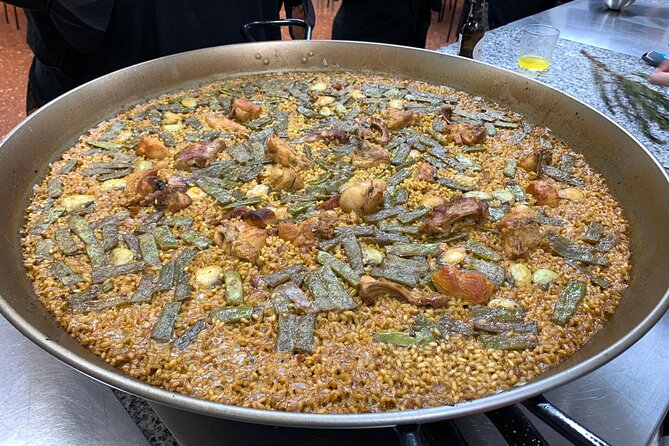
- Traditional Valencian recipe: Learn the local version made with rice, chicken, rabbit, and vegetables.
- A full evening meal: Tapas, paella, tomato salad, fruit, Valencian cake, wine, sweet wine, coffee, and drinks are included.
- Sangria workshop first: The class begins with a practical lesson in making sangria while snacks are served.
- Social atmosphere: The maximum group size is 20, making this a good choice for solo visitors and families with older children.
- Useful cultural context: The cooking comes with explanations of Valencian customs, ingredients, pans, and paella traditions.
- Good value at $78.64: Three hours of food, alcohol, instruction, and entertainment makes the price reasonable for Valencia.
Why paella is the right way to meet Valencia
Paella is not simply a Spanish dish to tick off a menu. It is especially tied to Valencia, and the class focuses on the local version rather than a generic seafood rice dish. The recipe here uses rice with chicken, rabbit, and vegetables, giving you a better sense of what Valencians regard as traditional.
I like that the lesson connects the ingredients to local shopping. The vegetables and other fresh ingredients are bought at Ruzafa Market, a Valencia market known for its food stalls and neighborhood character. You do not just hear a list of ingredients. You learn what goes into the pan and why the cooking method matters.
The class also gives you a chance to ask questions. Several instructors are praised for encouraging discussion, explaining small but important details, and using humor to keep the lesson relaxed. Ana, José, Lily, Mariana, Cristina, Anna, Guillermo, and other members of the teaching team have all been singled out for making people feel welcome.
That variety suggests that your exact instructor may differ from the person you expect. The teaching style appears to be a major part of the experience, but the staff lineup can change.
Arriving for the 5:00 pm start
The meeting point is at Carrer del Penyagolosa, 5, in the Quatre Carreres district of Valencia. The class starts at 5:00 pm and ends back at the same location after roughly three hours.
The location is near public transportation, which helps, but you should allow extra time to find the entrance. One useful warning is that the kitchen can be a little difficult to locate. I would not arrive at 4:59 pm and hope for the best. Give yourself enough time to check the address carefully and get settled before the cooking begins.
The evening timing works well for a food-focused day in Valencia. You can spend the afternoon seeing the city, then head to the kitchen for a meal that carries you through the evening. Since alcohol is served, the fixed location and return to the meeting point are also convenient.
The class is offered in English, though it may be operated by a multilingual guide. Children must be accompanied by an adult. The maximum group size is 20 people, so you should expect a shared class rather than a private lesson.
More Paella and Spanish Classes in Spain:
- Barcelona: Paella Cooking Experience & Boqueria Market Tour
★ 4.8 · 3,661 reviews - Barcelona Paella Cooking Class with Market Visit, Tapas & Sangria
★ 5.0 · 2,531 reviews - Barcelona Interactive Spanish Cooking Experience
★ 4.5 · 2,155 reviews
Sangria, tapas, and an easy start
The first part of the evening is a sangria workshop. This gives the class a gentle beginning, since you are learning a simple local drink before tackling the more technical paella.
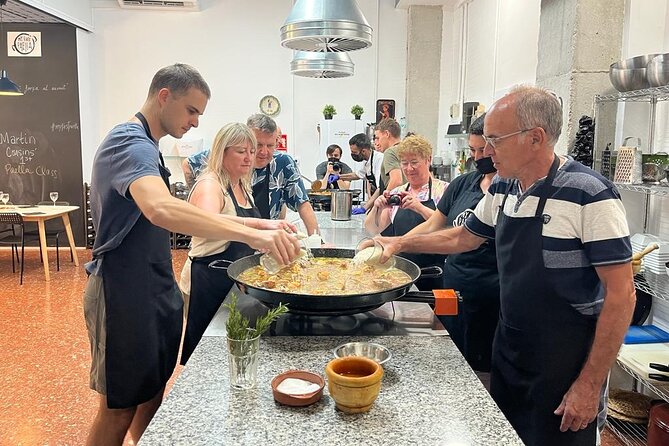
Sangria is served alongside freshly prepared tapas and other drinks. The sample spread includes:
- Patatas bravas
- Jamón serrano
- Manchego cheese
- Steamed mussels
- Olives
This is more than a few crackers to keep you busy. The food gives you something to eat while the group gets comfortable, and it helps create the friendly, informal mood that runs through the evening.
The drinks are part of the appeal. Sangria is described as plentiful, and the class also includes soft drinks and alcoholic beverages. Later, Valencia wine accompanies the paella, and sweet wine is served with dessert. If you do not drink alcohol, the included soft drinks are useful, but the experience clearly has a strong social drinking element.
You should also pace yourself. A glass of sangria at the start, wine with dinner, and sweet wine afterward can add up quickly. The meal is filling, and the class is meant to be enjoyed at a relaxed pace rather than treated like a race through the drinks menu.
Cooking Valencian paella with the group
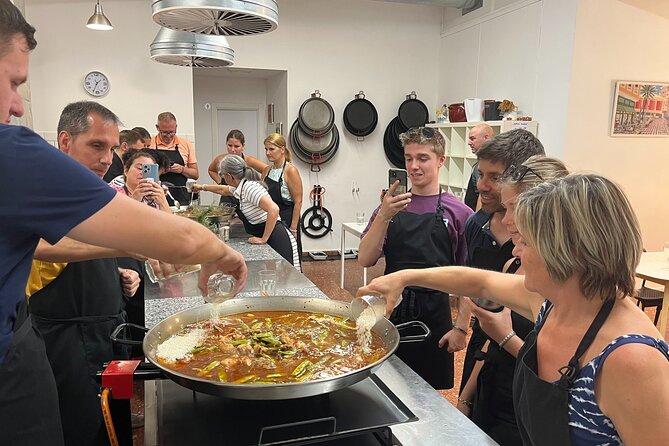
After the opening tapas and sangria, the group turns to paella. The chef explains the required ingredients and the steps involved in making the dish, then divides the participants into groups for the workshop.
The most important point is that this is a participatory class, but it may not be a fully individual cooking lesson. Some people describe taking part in the cooking and finding the instructions easy to follow. Others expected groups of about four and instead found that a larger group, possibly around 12 people, worked around one paella while the chef led the process.
That difference matters. If you want to prepare your own separate pan from start to finish, this may not meet your expectations. If you are happy to stir, assist, ask questions, watch the chef, and contribute to a shared pan, the format should suit you well.
The class covers the practical details that make paella different from ordinary rice dishes. You learn about the ingredients, the pan, the cooking process, and the small choices that help produce a more authentic result. One particularly useful feature is the attention to details that even people who have made paella at home for years found worthwhile.
The instruction is not presented as a stiff demonstration. The hosts use humor, invite questions, and keep the group involved. José is repeatedly described as energetic and engaging, while Guillermo is praised for explaining the history of the dish, the techniques involved, and what to consider when making paella at home.
You also hear about Valencian customs and food culture while the rice cooks. That context matters because the class is not only teaching a recipe. It is showing you why paella has such a strong place in local life.
What you actually eat at the end
Once the paella is ready, everyone sits down to eat. The main dish is accompanied by a Valencian tomato salad, which provides a fresh contrast to the rice.
The menu includes:
- Valencian paella with chicken, rabbit, and vegetables
- Valencian tomato salad
- Seasonal fruit
- Valencian sponge cake
- Sweet wine
- Coffee
- Valencia wine with the main meal
The food is one of the strongest parts of the evening. The paella is generally described as delicious, and the meal is substantial enough that you should arrive with a moderate appetite rather than having a full dinner beforehand.
The tapas deserve special attention. Patatas bravas, ham, cheese, olives, and mussels make the opening course varied, and the steamed mussels receive particularly warm praise. If you enjoy trying several small dishes before a main course, this menu gives you plenty to look forward to.
Dessert is simple and local rather than elaborate. The Valencian sponge cake, seasonal fruit, sweet wine, and coffee provide a traditional finish. That suits the class well. You are here for local cooking and shared conversation, not restaurant-style presentation.
More Evening Classes in Spain:
- Evening Spanish Tapas Cooking Class with Live Guitar Music
★ 4.5 · 20 reviews - Barcelona Evening Cooking Class: 5-Course, 3 Paellas & Cava
★ 3.8 · 5 reviews - Alicante:Evening Spanish Tapas Cooking Class with Live Music
★ 4.6 · 3 reviews - Chiang Mai: Evening Cooking Class and Local Market Visit
★ 4.9 · 648 reviews
The social side, from solo visits to family nights
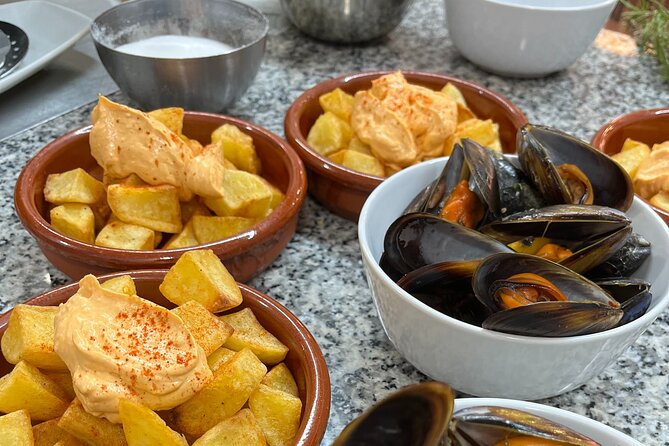
This class works especially well if you want an evening that combines food with conversation. The instructors make an effort to include everyone, and the shared table gives you a natural chance to meet people from different places.
Solo visitors should feel comfortable booking. The hosts are praised for quickly making people feel part of the group, and the class has enough structure to prevent an awkward evening of standing around alone. Families can also enjoy it, provided children are accompanied by an adult and are happy with a food lesson that includes alcohol around them.
Couples and friends will find plenty to enjoy, too. The atmosphere is lively and informal, with jokes, questions, cooking, and a meal at the end. Several people describe the evening as a good way to meet new friends, and that social value is part of what you are paying for.
The group size can reach 20, so do not expect a quiet, intimate class. The larger setting creates energy, but it can also mean less personal time with the chef and fewer chances to handle every step yourself.
How good is the value at $78.64?
At $78.64 per person, this is not the cheapest meal in Valencia. It is also more than the cost of buying paella at a casual restaurant. The price makes better sense when you count everything included: a three-hour activity, a cooking lesson, tapas, paella, salad, dessert, sangria, soft drinks, wine, sweet wine, and coffee.
You are paying for an evening program rather than just food. The hosts provide instruction, ingredients, kitchen space, cultural background, and entertainment. For visitors who want a ready-made night out, that package is fairly priced.
The value is strongest if you enjoy social experiences and want to learn something you can try again at home. It is less compelling if you only want to eat paella, since Valencia has many places where you can order the dish without spending three hours in a class.
The class also gives you more than a recipe. You learn about the correct local ingredients and the customs around paella, which can help you judge the dish more carefully during the rest of your stay in Valencia.
What to know before you book
The most important expectation to set is the level of hands-on cooking. The class encourages participation, but the group may work together around a shared pan. If you want a quiet, small-group lesson where every person makes an individual paella, ask for clarification before booking.
You should also plan for a full meal and regular drinks. The food is generous, and sangria is served freely during the cooking. Anyone avoiding alcohol should mention that when appropriate and make use of the included soft drinks.
The meeting point deserves practical attention. Because the address can be difficult to find, check it before leaving and arrive early. The class starts at 5:00 pm, and late arrival could mean missing the sangria workshop or the opening explanations.
The experience requires a minimum number of participants. If that minimum is not met and the class is canceled, you are offered another date or experience, or a full refund. You can cancel for a full refund if you do so at least 24 hours before the start time. Changes or cancellations made less than 24 hours before the class are not accepted for a refund.
The experience has a perfect 5.0 rating from 303 ratings, with 100 percent recommending it. That is unusually consistent, but the small complaint about limited hands-on time is worth taking seriously because it concerns the class format, not a minor detail.
Who should book this evening class?
I would recommend it to you if you want:
- A friendly night out instead of a formal cooking school
- A clear introduction to traditional Valencian paella
- Plenty of food and included drinks
- A way to meet people while visiting Valencia
- A cultural activity suitable for solo visitors, couples, and families
- Cooking advice you can use at home
I would think twice if you want:
- A private or very small cooking group
- To prepare your own individual paella
- A completely alcohol-free activity
- A short meal with no extended instruction
- A quiet, formal dining experience
The hosts are the heart of the class. The strongest praise goes to their humor, warmth, ability to include everyone, and talent for explaining food without making the lesson feel like school. The evening succeeds because it treats paella as both a recipe and a reason to gather around a table.
Should you book the Valencian Paella Cooking Class?
Yes, if you want an entertaining introduction to Valencia through food. The combination of local ingredients, a traditional chicken and rabbit paella, generous tapas, sangria, wine, dessert, and friendly instruction gives you good value for a full evening.
Book it with realistic expectations about the cooking. You will take part, but you may not control your own small pan from beginning to end. If that sounds acceptable, this is a fun and filling way to learn why paella matters in Valencia, and you will leave with both a meal and a better understanding of the dish.
FAQ
Where does the Valencian paella class meet?
The class meets at Carrer del Penyagolosa, 5, Quatre Carreres, 46004 València, Valencia, Spain.
What time does the experience start?
The experience starts at 5:00 pm and lasts approximately three hours.
What food is included?
The experience includes tapas, Valencian paella, Valencian tomato salad, dessert, seasonal fruit, Valencian sponge cake, sweet wine, and coffee.
Are drinks included?
Yes. Sangria, soft drinks, alcoholic drinks, and Valencia wine are included.
What ingredients are used in the paella?
The Valencian paella uses rice, chicken, rabbit, and vegetables. The fresh ingredients are bought at Ruzafa Market.
Is the class offered in English?
Yes. The experience is offered in English, and it may be operated by a multilingual guide.
What is the cancellation policy?
You can cancel at least 24 hours before the start time for a full refund. Cancellations or changes made less than 24 hours before the start time are not accepted for a refund.
Just added around Spain
- Basque Pintxos and Tapas Cooking Class in Bilbao★ 5.0 · 73 reviews
- Paella and Burnt Basque Cheesecake Cooking Class (in Bilbao)★ 5.0 · 46 reviews
- Small-group Immersive Basque Cooking Class in Bilbao with Open Bar★ 5.0 · 65 reviews
- Pintxos and Tapas Cooking Class in Bilbao★ 5.0 · 38 reviews
- Rooftop Paella Seafood Cooking Class Experience in Barcelona★ 5.0 · 59 reviews
- Private Authentic Paella Cooking Class in Barcelona with Josh★ 5.0 · 3 reviews
- Private Barcelona Market Tour & Paella Cooking Class with Josh★ 5.0 · 4 reviews
- Premium Paella & Tapas Feast: Unlimited Wine & Rambla Views★ 5.0 · 13 reviews
Spanish & Paella Cooking Classes, compared.
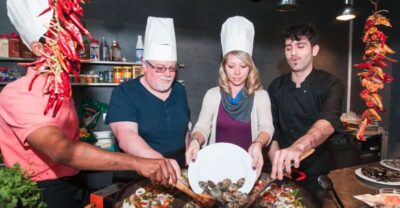
Paella Cooking Experience & Boqueria Market Tour
Read our review →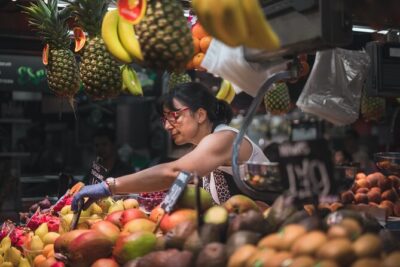
Barcelona Paella Cooking Class with Market Visit, Tapas & Sangria
Read our review →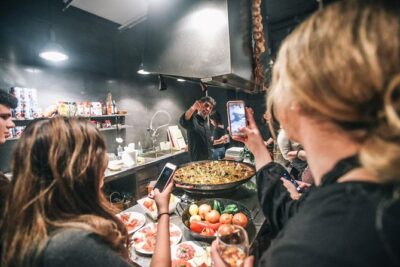
Barcelona Interactive Spanish Cooking Experience
Read our review →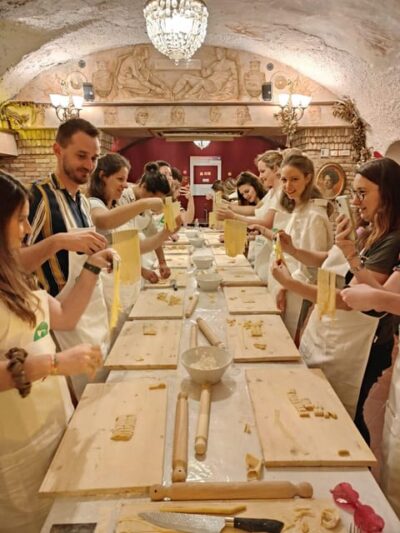
Pasta & Tiramisu Cooking Class near the Spanish Steps
Read our review →
Spanish Cooking Class Paella Tapas and Sangria in Madrid
Read our review →
Paella Cooking Class, Wine Tasting & Central Market in Valencia
Read our review →
Paella Cooking Class in Madrid with Bottomless Wine Pairing
Read our review →
Lists this class appears in