
REVIEW · BILBAO, SPAIN
Basque Pintxos and Tapas Cooking Class in Bilbao
Bilbao tastes best when you cook it yourself. This small-group class gives you two things I especially like: hands-on time at the stove and a generous chance to sample local wines and drinks while learning. The main drawback is that the 6 p.m. start and 2.5-hour length make it a full evening commitment, so it may not fit neatly before another dinner plan.
I also like the compact group size, capped at 12 people, and the chance to work with ingredients tied closely to Basque cooking, including cod, local peppers, prawns, potatoes, and mushrooms. Chef Mikel receives especially warm praise for his humor, practical instruction, and willingness to share cooking tips. If you want a quiet demonstration where you simply watch, this is not the right choice. You will be expected to take part.
Key points at a glance
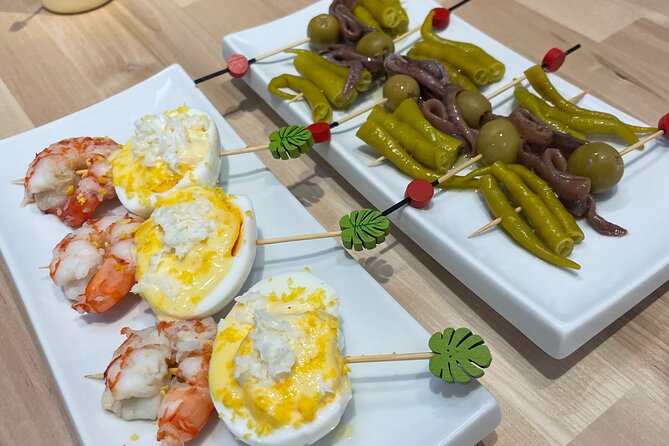
- Four Basque pintxos to prepare: Work with dishes such as Bilbainito, La Gilda, cod brandada, and spicy garlic mushrooms.
- A local drink included: The class features an open bar of local wines and drinks throughout the evening.
- Chef Mikel leads the class: His friendly teaching style combines recipes, food traditions, personal stories, and useful kitchen advice.
- Small group setting: A maximum of 12 people keeps the class more personal and gives you room to follow along.
- Basque Toast for dessert: Torrijas, described here as Basque Toast, finishes the meal and has become a highlight for many people.
- A meal as well as a lesson: You prepare and eat the food, with a charcuterie board included.
What the Bilbao cooking class is really like
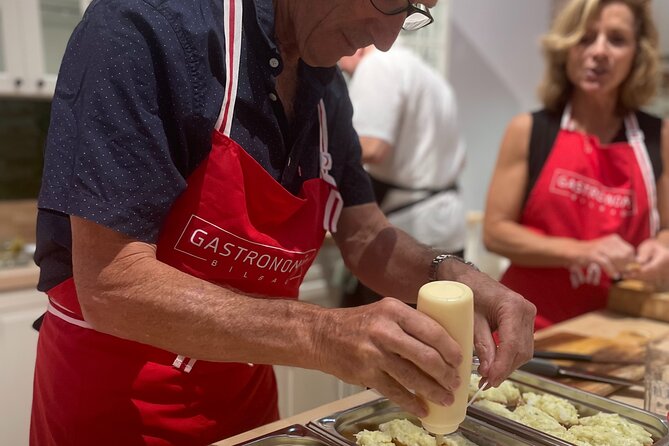
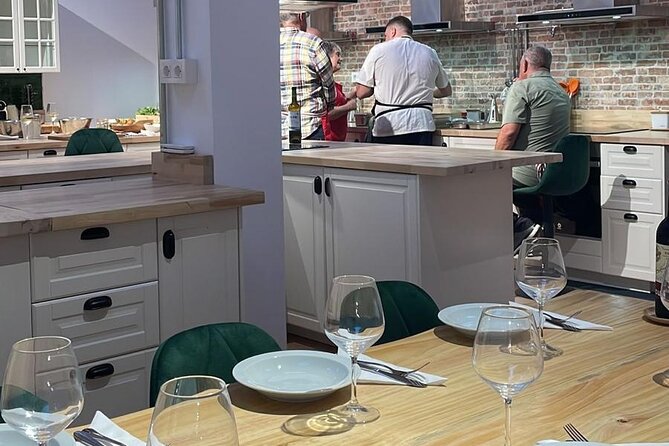
This is not a quick market stop followed by a cooking demonstration. It is a 100% hands-on cooking class held at a recently opened cooking school in Bilbao. You arrive at 6 p.m. at Salbe pl., 6, and the activity finishes at the same address roughly two and a half hours later.
The setup suits people who want food to be the main event of an evening. You cook traditional and modern pintxos from the Basque Country, hear why seasonal ingredients matter, and sit down to enjoy what you have made. Because the class runs into the evening, it can replace dinner rather than simply precede it.
The group limit of 12 matters here. Cooking becomes less enjoyable when you are fighting for a cutting board or trying to see over a crowd. A dozen people is still enough for a social atmosphere, but small enough for Mikel to keep the class moving and offer help.
The tone appears friendly rather than formal. Mikel is praised for keeping everyone on track without making the lesson feel stiff. That is useful if you are a first-time cook, traveling alone, or simply want a relaxed night with other food-minded people.
More Paella and Spanish Classes in Spain:
- Barcelona: Paella Cooking Experience & Boqueria Market Tour
★ 4.8 · 3,661 reviews - Barcelona Paella Cooking Class with Market Visit, Tapas & Sangria
★ 5.0 · 2,531 reviews - Barcelona Interactive Spanish Cooking Experience
★ 4.5 · 2,155 reviews
Starting with Basque ingredients and local drinks
The evening includes an open bar of local wines and drinks, which gives the class a social start. You can expect the drink service to be part of the experience, not an afterthought. One attendee specifically praised the generous wine pours, so this is worth keeping in mind when deciding how much food or drink you want to schedule afterward.
The class also introduces the meaning of local and seasonal ingredients. That context is one of its best features. Pintxos can look small and simple on a bar counter, but their appeal often comes from the way a few ingredients are balanced: salty anchovy, sharp pepper, rich mayonnaise, earthy mushroom, or mild potato.
The food is not presented as anonymous tapas. You are shown how Basque ingredients fit together and why these combinations matter. Mikel also brings in practical kitchen advice beyond the listed recipes, which makes the lesson more useful once you return home.
A charcuterie board adds something to the opening spread. It gives you food to enjoy while the class gets underway and makes the meal feel more complete. The exact contents are not specified, so you should think of it as a supporting part of the evening rather than a separate tasting menu.
Bilbainito: egg, prawns, and homemade mayonnaise
The first listed starter is Bilbainito, made with boiled egg, fresh prawns, and homemade mayonnaise. This is a good introduction because it combines familiar ingredients with a distinctly pintxos-style presentation.
The dish also gives you a chance to see how a simple sauce can shape a small bite. Homemade mayonnaise brings richness, while the prawns add a lighter seafood note and the egg makes the dish more substantial. You are not just assembling ingredients. You are learning how to make a compact bite feel like a proper course.
For beginners, this may be one of the more approachable recipes. It uses ingredients you may already know, but the lesson can show you how to handle them in a Basque format. If seafood is not your favorite, remember that prawns feature directly in this starter.
La Gilda and the character of Basque pintxos
La Gilda is one of the clearest examples of the pintxos idea: olives, local peppers, and anchovies brought together in one small serving. It is salty, sharp, and designed to be eaten in a few bites.
This dish is valuable because it shows how little food is needed to create a strong flavor. The ingredients do not hide behind complicated technique. Instead, the class helps you understand how preserved and pickled flavors can work together.
The local peppers are an important detail. They connect the recipe to Basque cooking rather than making it a generic tapas lesson. If you like bold, salty foods, this may be one of your favorites. If anchovies or peppers are not for you, it could be the least appealing part of the menu.
A few more cooking classes around Spain worth a look
- Spanish Cooking Class Paella Tapas and Sangria in Madrid
★ 5.0 · 1,340 reviews - Paella Cooking Class, Wine Tasting & Central Market in Valencia
★ 5.0 · 1,150 reviews - Paella Cooking Class in Madrid with Bottomless Wine Pairing
★ 5.0 · 985 reviews - Seville: Spanish Cooking Class with Dinner
★ 4.9 · 900 reviews
Cod brandada with bread and Basque potato
Cod brandada brings more cooking technique into the evening. The version here uses fresh bread, local Basque potato, and desalted grilled cod.
Cod is a major part of Basque cooking, and this dish gives you a better sense of how the ingredient can be turned into a soft, spreadable preparation rather than served as a plain fillet. The potato adds body, while the bread provides a practical way to eat it as a pintxo.
The desalted cod detail matters. Salted cod needs careful preparation before cooking, and working with it helps explain why the ingredient appears so often in regional food. The dish is also likely to be satisfying enough to anchor the meal, especially alongside the other small plates.
This is the kind of recipe that can be useful at home because it is flexible. You learn a preparation that can be served on bread and adapted for a casual meal or a larger spread.
Spicy garlic mushrooms made with Txampis
The class also includes spicy garlic mushrooms, made with the local Basque mushrooms known as Txampis. This course brings an earthy, savory element to a menu otherwise shaped by seafood, anchovies, egg, and cod.
Garlic and spice give the mushrooms a strong character. The dish demonstrates how Basque cooking can make vegetables and mushrooms feel central rather than secondary. You also get to work with a local ingredient that may not appear in the same form on a standard tapas menu at home.
Mushrooms can be a useful lesson for new cooks because timing matters. You want flavor from the garlic and spice without losing the texture of the mushrooms. The class description does not specify the exact cooking method, so I would treat this as a chance to learn Mikel’s approach rather than expect a fixed recipe in advance.
Torrijas, the Basque Toast finale
Dessert is Torrijas, presented as Basque Toast. This has become one of the most praised parts of the meal, with one person calling it the best dessert they had eaten in years.
That praise makes sense as a closing course. After several savory pintxos, a warm, sweet toast-style dessert provides a clear change of pace. It also gives the class a memorable finish instead of ending with the last salty bite.
The name may sound familiar if you know Spanish torrijas, but the Basque presentation or recipe may offer something different from the version you have tried elsewhere. The available details do not list the full ingredients or method, so you should expect to learn that in the room.
If you enjoy taking recipes home, pay close attention here. The provider even encourages people to surprise family and friends with the dish later. It is the sort of simple dessert that can become a useful travel souvenir in recipe form.
Mikel’s teaching style and the social side
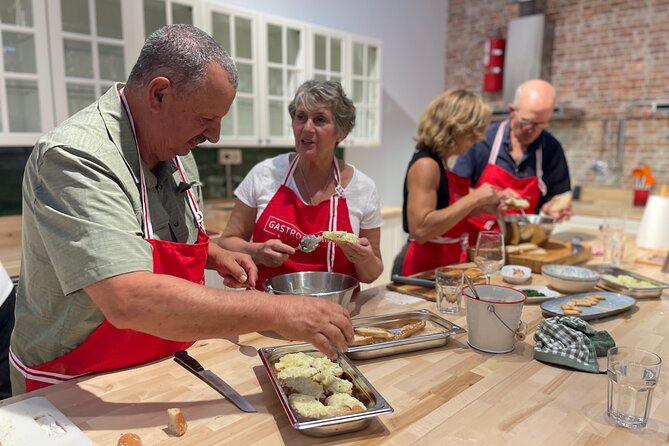
Mikel is the central personality of the class. He is described as friendly, conversational, and skilled at keeping the group moving. He also shares stories about his path toward becoming a chef and about other chefs he has worked with.
That storytelling adds context without replacing the cooking. You get a sense of the person behind the food, but the lesson remains practical. Mikel is also praised for sharing recipes and general cooking tips, not just instructions for the four pintxos on the menu.
The class should work well for solo visitors. A small group, shared work, and a meal at the end make it easier to meet people without having to force conversation. It also suits couples and families who want an activity with more substance than a standard restaurant meal.
The atmosphere is not described as strictly professional or silent. Expect laughter, conversation, and an instructor who interacts with the group. That is a strength for most people, but if you prefer a quiet culinary lecture, you may find the social style distracting.
I also like that the school receives praise for its kitchen. The space is described as top-notch and spectacular, though the supplied information does not give a full equipment list or a detailed layout. You can expect a purpose-built setting, but not a specific promise about every appliance or station.
Is $96.54 a fair price?
At $96.54 per person, this is more expensive than simply ordering pintxos in Bilbao. You could eat small plates cheaply at a bar, especially if you are careful with drinks. The value here comes from combining dinner, instruction, drinks, and a memorable activity.
You are not paying only for four recipes. The price includes a 2.5-hour class, an open bar of local wines and drinks, a charcuterie board, the food you prepare, and guidance from a chef. For a visitor who already planned to eat out that evening, the cost becomes easier to justify.
The class is also a better value if you use the recipes later. Bilbainito, La Gilda, cod brandada, spicy garlic mushrooms, and Torrijas give you several ideas to recreate at home. The cooking tips and ingredient explanations add value beyond the meal itself.
Still, I would not recommend it to someone mainly seeking the cheapest dinner in Bilbao. The price reflects the teaching and social experience. If you would rather spend the evening moving from bar to bar, a cooking class will feel less flexible and possibly less economical.
Timing, location, and practical planning
The meeting point is Salbe pl., 6, 48007 Bilbao, Spain. The activity ends at the same location, which keeps the evening simple and avoids arranging a separate return point. The address is near public transportation, a useful detail for reaching the class and continuing your night afterward.
The start time is 6 p.m. Plan to arrive ready to begin rather than treating the meeting time as a loose suggestion. Since the class lasts approximately two hours and 30 minutes, the finish will be around 8:30 p.m., though the exact end may vary slightly.
The class is offered in English. That makes it practical for English-speaking visitors who want the food instruction and cultural context without relying on translation. Confirmation is provided at booking, and the experience can be booked with a mobile ticket.
It is booked on average 24 days ahead, which suggests you should not leave it until the last minute if the date matters to you. The group is limited to 12 people, and the class requires a minimum number of participants. If that minimum is not reached and the activity is canceled, you are offered another date or experience, or a full refund.
Free cancellation is available if you cancel at least 24 hours before the local start time. Changes or cancellations inside that 24-hour window are not accepted for a refund, so check your plans before booking.
Who should book this pintxos class?
I would choose this class if you want a social evening built around food and prefer learning by doing. It is especially suitable for first-time visitors to Bilbao, couples, solo visitors, and anyone who enjoys taking cooking ideas home from a trip.
It also makes sense if you want a structured introduction to Basque food. The menu covers seafood, preserved fish, vegetables, mushrooms, potatoes, bread, and dessert, so you get a broad sample within one evening.
You may want to skip it if you dislike group activities, do not drink wine or other local drinks, or want complete control over your dinner schedule. The class moves as a group and includes ingredients you may not enjoy, especially anchovies, prawns, and cod.
Should you book the Bilbao pintxos cooking class?
I would book it if the $96.54 price fits your budget and you want more than a meal. The strongest reasons are Mikel’s warm, practical instruction, the small group, the open bar, and the chance to make food that reflects Basque cooking rather than generic tapas.
Book it several weeks ahead if your Bilbao dates are fixed. Arrive at Salbe pl., 6 before the 6 p.m. start, plan for the class to replace dinner, and leave room for an evening that mixes cooking, conversation, wine, and a very appealing Basque Toast.
FAQ
Where does the Basque pintxos cooking class meet?
The class meets at Salbe pl., 6, 48007 Bilbao, Bizkaia, Spain.
What time does the class start?
The class starts at 6 p.m.
How long does the experience last?
The activity lasts approximately two hours and 30 minutes.
Where does the experience finish?
It finishes back at the meeting point at Salbe pl., 6.
Is the class offered in English?
Yes. The experience is offered in English.
How many people can join the class?
The maximum group size is 12 travelers.
What food will I prepare?
The sample menu includes Bilbainito, La Gilda, cod brandada, spicy garlic mushrooms made with Txampis, and Torrijas, also described as Basque Toast.
Are drinks included?
Yes. The class includes an open bar of local wines and drinks.
Can I cancel for a full refund?
Yes, if you cancel at least 24 hours before the experience start time. Cancellations or changes made less than 24 hours before the start are not refunded.
Just added around Spain
- Paella and Burnt Basque Cheesecake Cooking Class (in Bilbao)★ 5.0 · 46 reviews
- Small-group Immersive Basque Cooking Class in Bilbao with Open Bar★ 5.0 · 65 reviews
- Pintxos and Tapas Cooking Class in Bilbao★ 5.0 · 38 reviews
- Rooftop Paella Seafood Cooking Class Experience in Barcelona★ 5.0 · 59 reviews
- Private Authentic Paella Cooking Class in Barcelona with Josh★ 5.0 · 3 reviews
- Private Barcelona Market Tour & Paella Cooking Class with Josh★ 5.0 · 4 reviews
- Premium Paella & Tapas Feast: Unlimited Wine & Rambla Views★ 5.0 · 13 reviews
- Premium Cooking Class in Designer Loft: Paella & Spanish Tapas★ 5.0 · 18 reviews
Spanish & Paella Cooking Classes, compared.
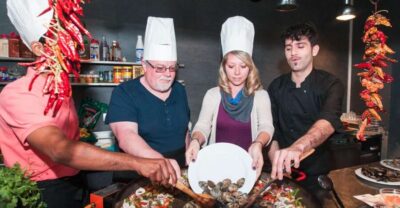
Paella Cooking Experience & Boqueria Market Tour
Read our review →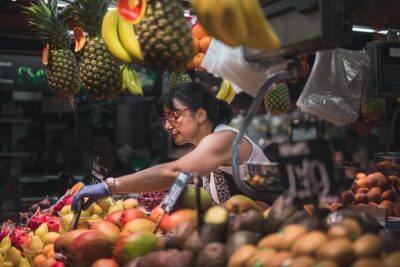
Barcelona Paella Cooking Class with Market Visit, Tapas & Sangria
Read our review →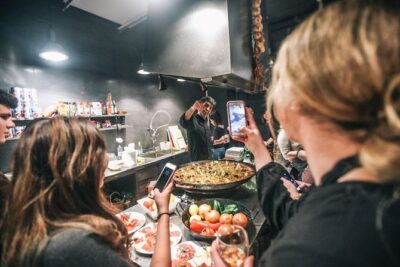
Barcelona Interactive Spanish Cooking Experience
Read our review →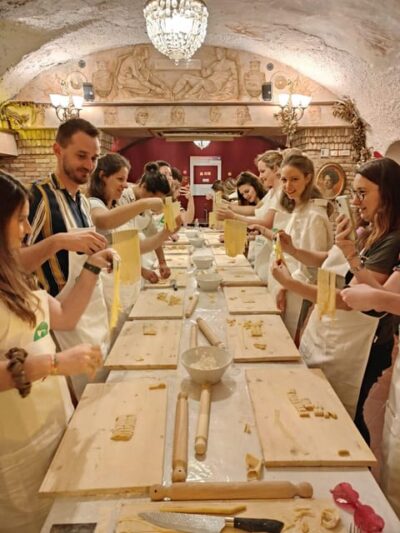
Pasta & Tiramisu Cooking Class near the Spanish Steps
Read our review →
Spanish Cooking Class Paella Tapas and Sangria in Madrid
Read our review →
Paella Cooking Class, Wine Tasting & Central Market in Valencia
Read our review →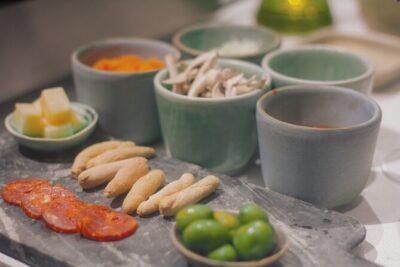
Paella Cooking Class in Madrid with Bottomless Wine Pairing
Read our review →
Lists this class appears in