
REVIEW · CAPE TOWN, SOUTH AFRICA
Private Authentic Cape Malay Cooking Class in Manenberg with Locals
Spices tell Cape Town’s story. This private class brings you into Ruth’s home in Manenberg, where sisters Ruth and Colleen teach family recipes passed down through generations. You cook a full three-course meal, then sit down with your hosts to eat it.
I like the one-to-one instruction, especially if you want more than a quick demonstration. I also like the warm, personal setting: this is a home kitchen, not a restaurant classroom. The main consideration is location. You must make your own way to Manenberg, and the class begins at 10:00 am, so plan your Uber or other transport carefully.
Key points to know before booking
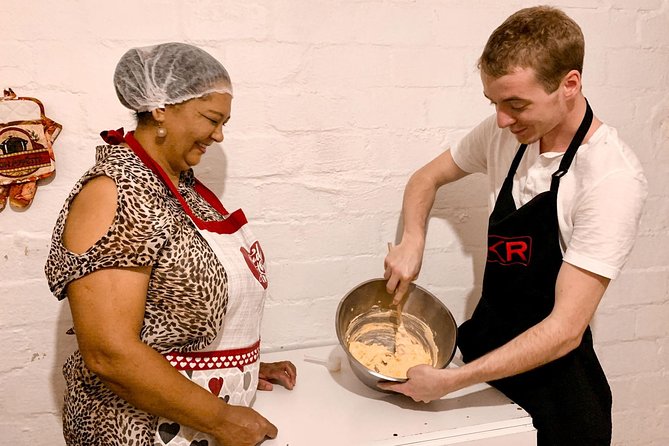
- Cook a complete Cape Malay meal: You prepare samosas, tomato bredie, yellow rice, and dessert rather than making one small sample dish.
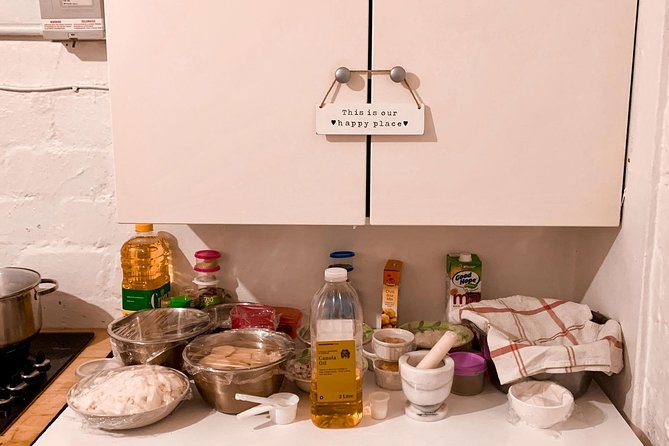
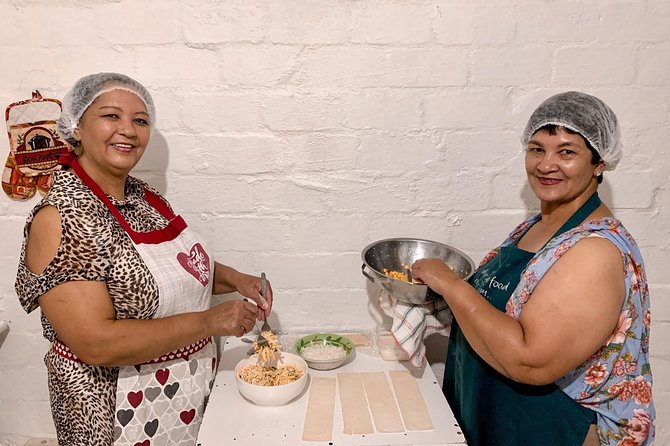
- Meet Ruth and Colleen at home: The lesson takes place in Ruth’s home kitchen in Manenberg, giving the class a personal family feel.
- Private means personal attention: Only your group takes part, so you can ask questions and follow demonstrations at your own pace.
- Taste the food you make: The meal includes pastry starters, a slow-cooked meat and vegetable stew, rice, dessert, and alcoholic drinks.
- Allow about four and a half hours: Around two hours are spent cooking, followed by time to share the meal and talk with your hosts.
- Budget $92 per person: The price includes the private class, alcoholic beverages, and gratuities, but not transport.
Why this class offers more than a recipe lesson
Cape Malay food is not simply a collection of spicy dishes. It reflects the cooking traditions of Cape Town’s Cape Malay community, where sweet, sour, and savory tastes often sit together on one plate. Warm spices give the food its character, but balance matters just as much.
That makes this class useful for anyone who wants to understand how a dish comes together. You are not only handed a plate and told what is in it. You learn techniques and tips while preparing food with recipes that belong to Ruth and Colleen’s family.
The setting matters. A cooking school can teach you the mechanics of folding a samosa or building a stew, but a local home adds a different layer. You get a direct connection to the people who cook these dishes as part of family life. The experience feels more personal and less polished in the best sense.
The private format is another strong point. If you are cooking with a partner, family, or a small group of friends, Colleen can focus on your questions rather than splitting attention among a large class. Solo visitors also have a good reason to consider it. One person who attended alone found the experience friendly from beginning to end and said the hosts made it feel like spending time with friends.
More Private Cooking Classes in South Africa:
- Private Cape Malay Cooking Class in Cape Town with a Local Family
★ 5.0 · 24 reviews - PRIVATE Authentic Balinese Cooking Class in Ubud at Putu’s Home
★ 5.0 · 644 reviews - Rome: Pasta Making Class with Tiramisu & Wine PRIVATE OPTION
★ 4.8 · 404 reviews
Arriving in Manenberg for the 10:00 am start
The meeting point is in Manenberg, Cape Town, postal code 7767. You meet Ruth and Colleen at Ruth’s home, and the activity finishes back at the same meeting point.
Hotel pickup and drop-off are not included. You need to arrange your own transport to and from Manenberg. An Uber was used successfully by a solo participant, so ride-hailing may be a practical option, but you should still allow enough time for the morning journey. The start time is fixed at 10:00 am, and late arrival could cut into the cooking period.
This is one of the few parts of the experience that requires extra thought. The tour does not begin from a central Cape Town hotel or a famous visitor site. You are heading to a residential neighborhood, which is part of the appeal but also means you should check your route in advance.
A useful approach is to arrange your ride before the morning gets busy and save the address clearly. Since the class ends where it begins, you can book your return trip after the meal. The activity is listed as allowing service animals.
The first lesson: family recipes and Cape Malay flavor
The hands-on cooking portion lasts about two hours. During this time, you learn to prepare a three-course Cape Malay meal with guidance from your host.
The lesson covers the basic ideas behind Cape Malay cooking, including the use of bold flavors and warming spices. You also learn the tips and methods connected to each dish. Since the class is private, you can stop to ask about a technique, check your progress, or request another explanation without worrying about holding up a large group.
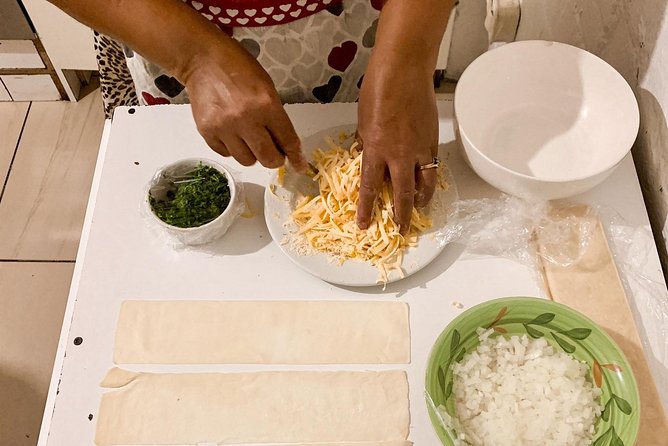
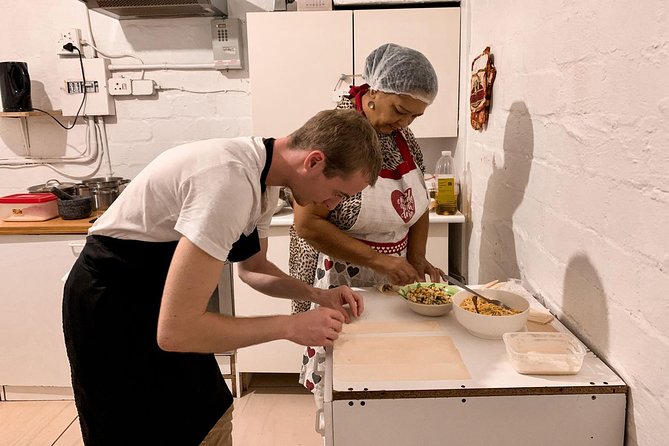
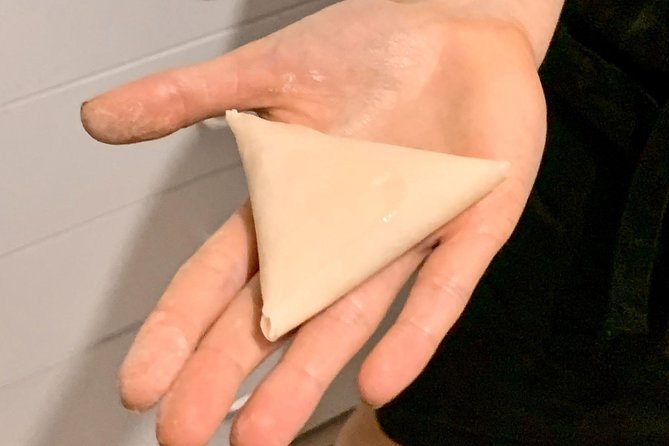
That matters most with the pastries. Samosas, half-moons, and fried spring rolls all require care when filling and preparing them. The class gives you a chance to work with the food rather than simply watch someone else cook. You should expect to use your hands and take part in the preparation, not sit at a counter while a host does everything.
The recipe details are family-based, and the tomato bredie uses a secret family recipe. You will learn how the meal is prepared, but you should not expect to leave with every private measurement or family shortcut written down. If you enjoy collecting food memories rather than only collecting recipe cards, that personal touch adds value.
Making the pastry platter
Your starter is a platter of Cape Malay pastries. It includes samosas, half-moons, and fried spring rolls, served with a traditional dhanya dipping sauce made with coriander.
This is a good introduction to the style of the meal. The pastries provide crisp textures and savory fillings, while the coriander sauce adds a fresh, herbal note. The variety also makes the first course more interesting than a single starter.
You will get to see how these pastries are prepared and how the pieces fit into the wider meal. Because the class is private, you can pay attention to the details that interest you most, such as shaping, filling, or handling the pastry. The supplied information does not specify the exact fillings or cooking equipment, so you should expect instruction in the dish rather than a formal professional-kitchen demonstration.
The platter is also designed for sharing. It gives you time to sit with Ruth and Colleen after the cooking and enjoy several small bites before the main course arrives.
A few more cooking classes around South Africa worth a look
- Cape Town: Malay Cooking Class and Lunch in Bo-Kaap
★ 4.8 · 515 reviews - Authentic African Cuisine Cooking Experience
★ 5.0 · 236 reviews - Cape Town: Cape Malay Cooking Class in Bo-Kaap
★ 4.8 · 120 reviews - Cape Town: Bo-Kapp Walking Tour and Malay Cooking Class
★ 4.7 · 105 reviews
Preparing tomato bredie and yellow rice
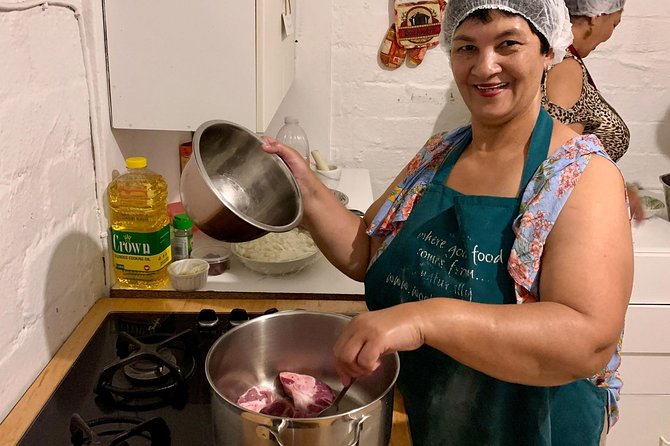
The main course is Cape Malay tomato bredie, a South African stew made with slow-cooked meat and vegetables. It is served with yellow rice prepared from a family recipe.
Tomato bredie is a useful dish for learning how patience affects flavor. The stew is slow cooked, so the meat, vegetables, and tomato base have time to work together. You learn a central part of Cape Malay home cooking: bold flavor does not always come from adding more spice at the last moment. It can come from giving the ingredients time.
The yellow rice provides a fitting partner for the stew. Its color and seasoning help set it apart from plain rice, and it gives you another family method to learn. The exact meat and vegetable choices are not specified, so the final dish may follow the hosts’ recipe for the day.
For me, this is likely the strongest part of the class for cooks who want something practical to repeat at home. Pastries are fun, but a good stew and rice combination can become part of your regular cooking. You may leave with a better sense of how to build a comforting meal from simple components.
Finishing with dessert and drinks
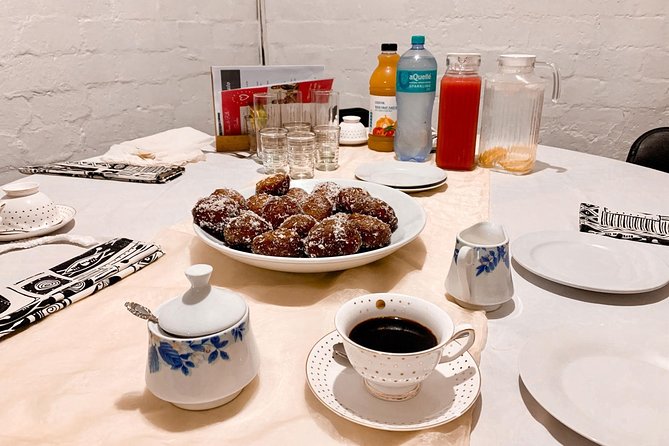
Dessert completes the three-course meal. The exact dessert is not named, so you should not book this expecting a particular sweet dish. What is clear is that the meal includes a starter, a main course, and dessert, along with alcoholic beverages.
The drinks help turn the class into a shared meal rather than a lesson that ends as soon as the stove is switched off. You sit at the table with your hosts and eat the food you helped prepare. That time is important because it gives you a chance to talk with Ruth and Colleen and hear more about the family cooking behind the recipes.
Gratuities are included in the price. That makes the stated cost easier to understand because you do not need to calculate an additional tip at the end. The alcoholic beverages are also included, though the provided information does not identify the type or amount of drinks. If you do not drink alcohol, you may want to confirm what alternatives are available before booking.
What the private format is really worth
The price is $92 per person. That is not the cheapest way to eat in Cape Town, but the comparison is not really with an ordinary restaurant meal. You are paying for a private four-and-a-half-hour activity, hands-on instruction, a full meal, drinks, and time with two local hosts.
A restaurant can serve you Cape Malay food. This experience lets you help prepare it and ask how the dishes are made. That difference is the main reason the price can make sense.
The value is strongest for a small group that will use the private format. You get undivided attention, and the activity can feel more relaxed than a large class. Group discounts are available, which may improve the value for families or friends booking together.
The value is less clear if you mainly want a quick meal or a short cooking demonstration. About four and a half hours is a large part of a Cape Town day, and you also pay for your own transport. If your schedule is tight, you should decide if the personal connection and full meal justify the time.
A personal setting with a few practical limits
The home setting is the heart of this experience. You are welcomed into Ruth’s home kitchen, and the recipes come from the sisters’ family. That gives the class a sense of place that is hard to reproduce in a hotel or commercial studio.
At the same time, a home kitchen may not offer the space, equipment, or polished setup of a professional cooking school. The available information does not describe the kitchen size, seating, or exact cooking facilities. If you need a highly structured class with a printed recipe booklet or professional workstations, confirm those details before booking.
The class is private, but the exact maximum group size is not stated. You know that only your group participates, which gives you privacy, but you should not assume the group is limited to a particular number unless the provider confirms it.
The setting also asks you to approach the experience with respect. You are entering someone’s home and learning from family food traditions. The reward is a more direct meeting with local hosts, not a staged performance designed only for quick photographs.
Who will enjoy this Manenberg cooking class
I would recommend this experience to you if you enjoy food, conversation, and a slower morning. It suits couples, families, friends, and solo visitors who prefer a private activity over a large group tour.
It is especially useful if you want to:
- Learn how several Cape Malay dishes fit into one meal
- Meet local hosts in a home setting
- Ask plenty of questions while cooking
- Share food and drinks after the lesson
- Spend time on an activity that connects cuisine with family tradition
You may want to skip it if you dislike cooking, need hotel pickup, or have only a few hours available. It may also be a poor match if you need a fully specified menu, since the exact dessert, meat, vegetables, and drinks are not listed.
The private format makes this a good choice for a special food-focused morning. It is less suited to someone who wants a quick sightseeing stop between major Cape Town attractions.
Booking, cancellation, and timing advice
Confirmation is sent within 48 hours of booking, subject to availability. Since the class takes place in a private home, it is wise to wait for confirmation before treating the appointment as final.
Free cancellation is available if you cancel at least 24 hours before the 10:00 am start time. If you cancel within 24 hours, you will not receive a refund, and changes made inside that period are not accepted. The cut-off follows local Cape Town time.
The activity uses a mobile ticket. Keep the booking details accessible on your phone, and arrange transport with the meeting address ready. Since there is no hotel pickup, these small preparations matter more than they would on a standard city excursion.
Should you book it?
Book this class if you want a private food experience with real personal contact, not simply a plate of Cape Malay food. The strongest reasons are the family recipes, the home setting, the full meal, and the chance to cook with direct guidance from Colleen and Ruth.
The main drawbacks are the need to arrange your own transport, the four-and-a-half-hour commitment, and the limited menu details for dessert, drinks, and some ingredients. Still, at $92 per person, the package offers fair value if you will take part fully and appreciate the time spent around the table.
If your ideal Cape Town morning includes bold food, local conversation, and a meal you helped make, this is a strong choice. If you only want a fast introduction to the cuisine, order the food elsewhere and save the time.
FAQ
Where does the cooking class take place?
The class takes place at Ruth’s home in Manenberg, Cape Town, South Africa. The meeting point is in Manenberg, postal code 7767.
What time does the experience start?
The class starts at 10:00 am.
How long does the experience last?
The full activity lasts approximately four hours and 30 minutes. The hands-on cooking portion lasts about two hours, followed by the shared meal and time with the hosts.
Is this a private activity?
Yes. Only your group participates in the cooking class.
Who hosts the cooking class?
You meet hosts Colleen and Ruth at Ruth’s home. The class is described as a private cooking lesson with Colleen, with both sisters involved in the home experience.
What dishes will I prepare?
You prepare a three-course Cape Malay meal including samosas, tomato bredie, yellow rice, and dessert. The starter platter also includes half-moons and fried spring rolls with a traditional dhanya dipping sauce.
Are drinks included?
Yes. Alcoholic beverages are included.
Is transportation included?
No. Hotel pickup and drop-off are not included. You must make your own way to the Manenberg meeting point and return from there.
Are gratuities included?
Yes. Gratuities are included in the price.
Can I cancel for a refund?
Yes, if you cancel at least 24 hours before the experience start time. Cancellations made less than 24 hours before the start are not refundable, and changes within that period are not accepted.
Just added around South Africa
- Private Cape Malay Cooking Class in Cape Town with a Local Family★ 5.0 · 24 reviews
- Langa Township and Bokaap Cooking Class Half Day Tour★ 5.0 · 4 reviews
- South African Cooking in Cape Town with Local Chef Richard★ 4.5 · 10 reviews
- Cape Town Shore Excursion| South African Cooking & Port Transfers★ 5.0 · 3 reviews
- South African Cooking Class in Cape Town with a Local Family★ 5.0 · 2 reviews
- Cape Malay/Creole Cooking Class and Local Shopping in Salt River★ 5.0 · 2 reviews
- Johannesburg: Pan-African Cooking & Dinning Experience★ 4.5 · 6 reviews
- GQ: City Walking Tour & African Cuisine Cooking Class★ 4.6 · 11 reviews
Private Cooking Classes, compared.
PRIVATE Authentic Balinese Cooking Class in Ubud at Putu’s Home
Read our review →
Pasta Making Class with Tiramisu & Wine PRIVATE OPTION
Read our review →
Private Market Tour & Cooking Class in Puerto Vallarta with Manu
Read our review →
Private Cooking Class with 5 dishes of your choice
Read our review →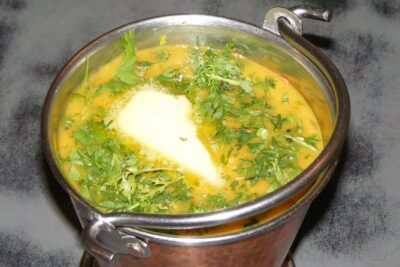
Veg and Non veg : Private Cooking Class in Delhi home (7 meal)
Read our review →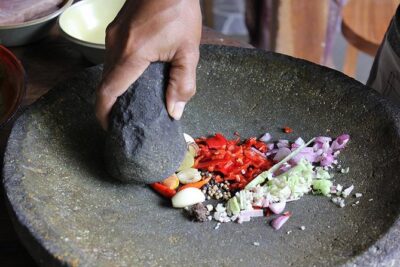
PRIVATE Balinese Cooking Class in Ubud with Dewa with Transfers
Read our review →
VIP Mekong Delta Adventure Cycling & Kayaking – Private Day Trip
Read our review →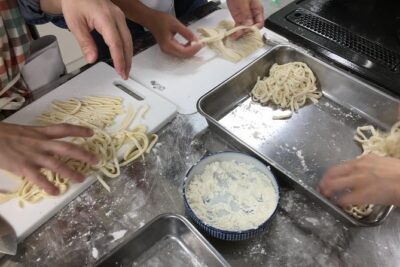
Private Home Cooking in Yanaka – Local Flavors in a Warm Setting
Read our review →Lists this class appears in