REVIEW · BALI, INDONESIA
Spice Garden, Jamu & Cooking Class in Bali Village
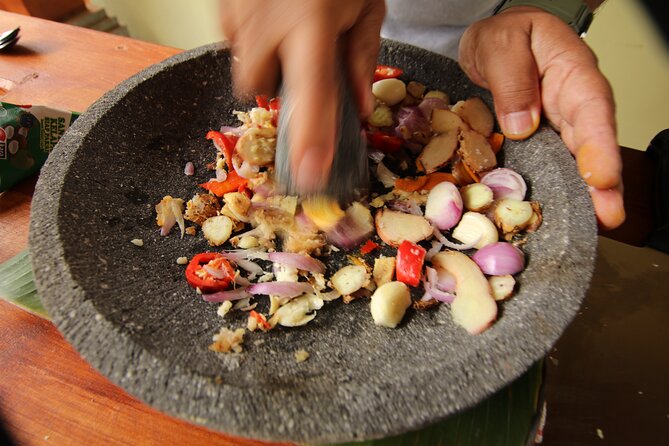
Bali tastes better when you help make lunch. This four-and-a-half-hour visit near Mt. Batukaru combines a spice garden walk with village cooking, Jamu drinks, rice-terrace views, farm animals, and a family-run open-air kitchen. I like the way the day connects food with ordinary village life, rather than treating Balinese cuisine as a quick demonstration. I also like the small group limit of 12 people, which should leave room for hands-on help and conversation.
The main consideration is location. You meet at BalikaruBelulang Bali in Mengesta, in the Tabanan region, rather than at a central resort area. You will also spend about 30 minutes walking downhill, so this is not the best pick if you want a seated cooking lesson with no outdoor activity. Modest clothing is required, and the optional hot-spring bath means you may want to bring suitable swimwear.
What makes this day different
- Jamu is part of the cooking lesson: You prepare two types of Indonesia’s traditional herbal drink, then taste Jamu and fruit.
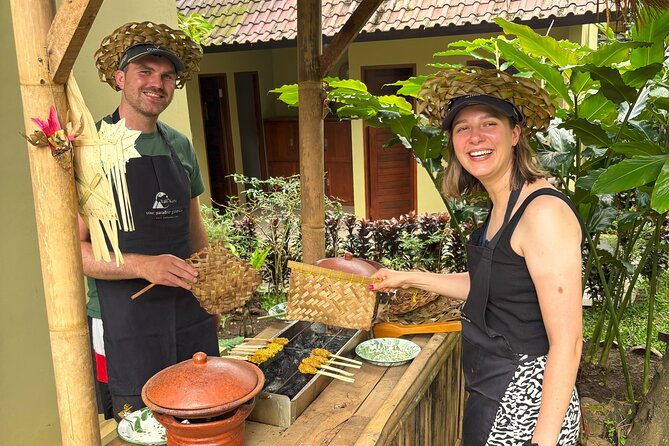
- Cooking happens over bamboo and clay: You make Sate Lilit on a live bamboo grill and Lak Lak dessert in a clay pot.
- The meal is genuinely your own work: Lunch includes Nasi Campur Tumpeng and dessert prepared during the class.
- Village life is part of the setting: You walk through rice terraces, meet farmers, visit a Balinese compound, and may help plant rice.
- Nature is close at hand: The Balikaru farm includes animals, a cow named Manis, and Trigona stingless-bee hives.
- The day ends with flexibility: You can bathe at Belulang Hot Spring, or simply enjoy the cultural and food activities without taking the optional bath.
A 9 a.m. start near Mt. Batukaru
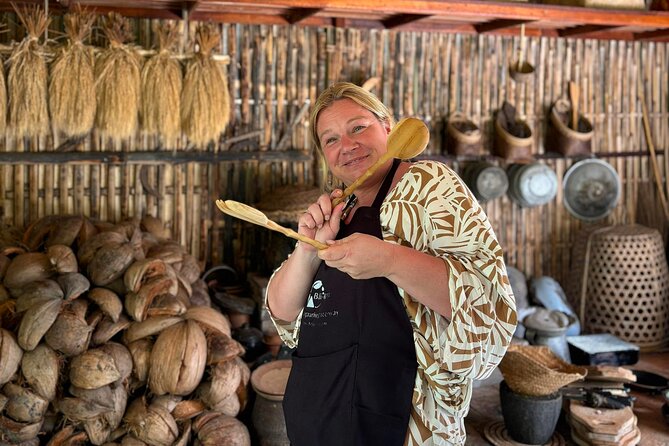
The day begins at 9 a.m. at BalikaruBelulang Bali, in Belulang, Mengesta, within Bali’s Tabanan region. The setting matters. This is not a resort kitchen dressed up as a village. The activity takes place among families from the surrounding community, with the mountain, farms, gardens, and village compounds forming the backdrop.
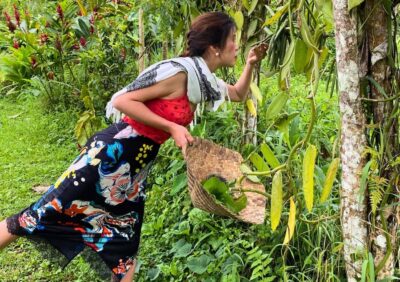
You receive a welcome drink before walking through the herb and spice garden. That first stop gives you a useful frame for the cooking class. Instead of seeing ingredients only after they have been chopped and mixed, you can connect them with the plants that supply the kitchen.
Fresh herbs are picked from the garden, and the visit includes fruit tasting. Mangosteen is specifically mentioned as one of the fruits served, along with another local fruit. If you have not spent time in Bali outside its hotel districts, this is a pleasant way to start the morning.
The meeting point is worth checking carefully before booking. The activity ends back there, and no hotel transfer is listed. You should plan your own way to BalikaruBelulang Bali and allow enough time to reach the mountain village for the 9 a.m. start.
More Farm Cooking Classes in Indonesia
- Ubud: Balinese Cooking Class at an Organic Farm
★ 5.0 · 1,786 reviews - From Ubud: Authentic Cooking Class in a Local Village
★ 4.9 · 1,325 reviews - Balinese Farm Cooking Class by Pemulan Bali
★ 5.0 · 410 reviews
Rice terraces, farmers, and the sound of Rindik
A short walk through the rice terraces brings you closer to the working side of Bali. You may meet farmers and help with rice planting, rather than simply stopping at a viewpoint for a photograph. That small task gives the countryside more meaning. Rice is not just scenery here. It is part of the daily work and food system that supports the community.
The walk also includes mountain views and a soft trek of about 30 minutes downhill. The wording is important: downhill walking can still be tiring, particularly on uneven village paths or in warm weather. Wear shoes with a secure sole, and do not arrive expecting a completely indoor activity.
Before cooking, you learn to play the Rindik, a traditional bamboo instrument associated with farmers. This is a nice cultural touch because it breaks up the food lesson and introduces a part of village life you might otherwise miss. The activity is not presented as a formal concert. It is a chance to try the instrument and share a light moment with the hosts.
Jamu: an herbal drink with a place in daily life
The Jamu session is one of the most distinctive parts of the morning. Jamu is an Indonesian herbal drink, and you prepare two kinds yourself. The class also includes Jamu and fruit tasting, so you can compare the fresh flavors before sitting down to lunch.
I like this part because it shows that Balinese food culture is not limited to famous dishes. Drinks, herbs, roots, and garden plants also carry practical value. You get to handle the ingredients and see how they fit into everyday cooking and wellness traditions.
Keep your expectations sensible. This is a cultural food lesson, not a medical consultation. The description presents Jamu as a healthy traditional drink, but it does not provide medical claims, ingredient lists, or guidance for treating illness. Enjoy the flavors and the process, and ask the guide about ingredients if you have allergies or dietary concerns.
Cooking in Paon Bali, an open-air village kitchen
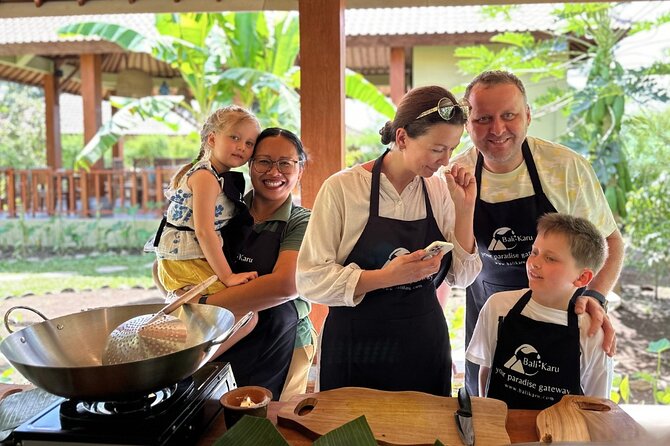
The central cooking session takes place in Paon Bali, an open-air kitchen guided by a chef. The format is hands-on, with the team helping you prepare a broad selection of Balinese dishes. You are not just watching someone cook lunch while standing behind a counter.
The open-air setting makes the meal feel connected to the farm and village around you. You may hear nature and family conversation while working, and the cooking takes place at a relaxed pace. The small maximum group of 12 is helpful here. It should be easier to see what is happening, ask questions, and receive help than in a large commercial class.
One featured dish is Sate Lilit, a Balinese preparation cooked at Gerobak, the live bamboo grill. Another is Lak Lak, a traditional Balinese dessert cooked in a clay pot. These details give the session a nice range of techniques and textures. You are not making only one simple dish and calling it a class.
Lunch is Nasi Campur Tumpeng with dessert, all prepared during the cooking session. The menu gives you a substantial midday meal rather than a token tasting. One practical warning comes from the format itself: you prepare a large variety of food, so arrive hungry but not so hungry that you rush through the garden and cultural activities.
The cooking team has been praised for being friendly, patient, and eager to help. That matters more than fancy equipment in a class like this. A warm teacher can turn unfamiliar ingredients and unfamiliar methods into something you feel confident trying at home. The team also receives praise for making the session funny, informative, and easy to enjoy.
More Balinese Cooking Classes in Indonesia:
- Ubud Cooking Class Bali with Balinese Chef
★ 5.0 · 1,609 reviews - PRIVATE Authentic Balinese Cooking Class in Ubud at Putu’s Home
★ 5.0 · 644 reviews - Balinese Ubud cooking school (9 Dish Cooking and Market Tour)
★ 5.0 · 540 reviews - Ubud: Balinese Cooking Class and Market Tour
★ 4.8 · 531 reviews
Lunch, family stories, and time to slow down
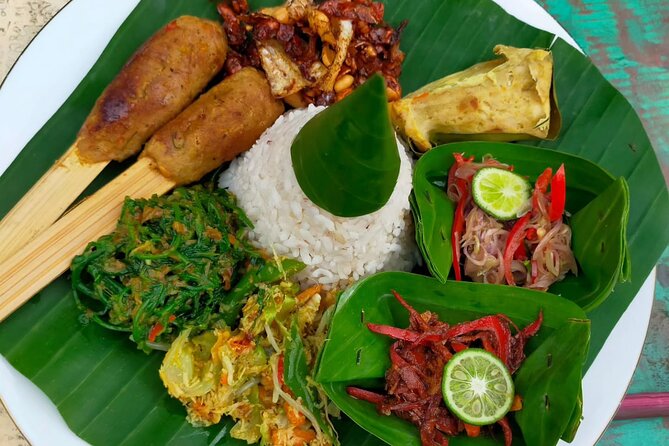
Once the food is ready, you eat what you made. That simple arrangement is a strong point. You see the ingredients in the garden, handle them in the kitchen, and then taste the finished meal in the same village setting.
The meal also creates space for conversation with the family hosts. The day is built around sharing stories, laughing, and learning how food fits into local life. If you prefer a fast class with a recipe demonstration and an immediate return to your hotel, this may feel too leisurely. If you want a human connection, the slower rhythm is part of the value.
The hosts come from nearby families and use the activity to support their village community. You should not treat this as a guarantee that every moment will feel private or informal, since the class is still organized for paying visitors. But the family connection gives the food lesson a more personal setting than a standard restaurant class.
Balikaru farm, Manis, and stingless bees
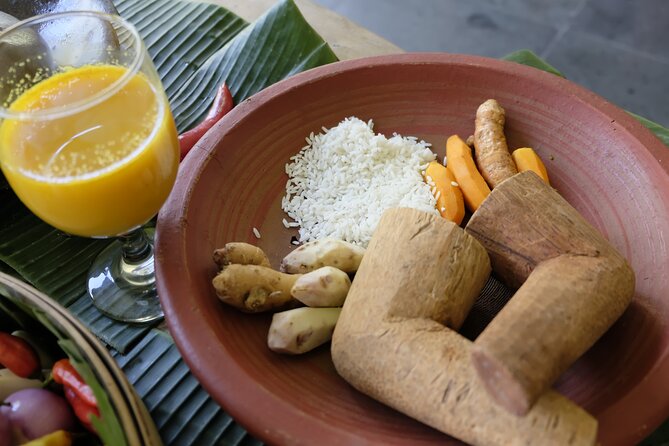
After lunch, the activity continues at Balikaru farm. You can visit the animals, feed Manis the cow, and see Trigona bee hives. Trigona bees are stingless bees, and their honey is described as rare and healthy.
This farm visit adds useful variety after the cooking. You are seeing where some of the village’s food and agricultural interests connect, rather than spending the whole four and a half hours around a chopping board. Children and animal lovers may especially enjoy this section, although the provided details do not specify how much direct animal contact is available beyond feeding the cow.
The beehives are another appealing detail for anyone interested in local food production. You get a glimpse of a small-scale practice that does not usually appear on a standard Bali sightseeing day. As with the Jamu, enjoy the honey as a local product, but do not read broad health promises into the description.
A Balinese compound and Belulang Hot Spring
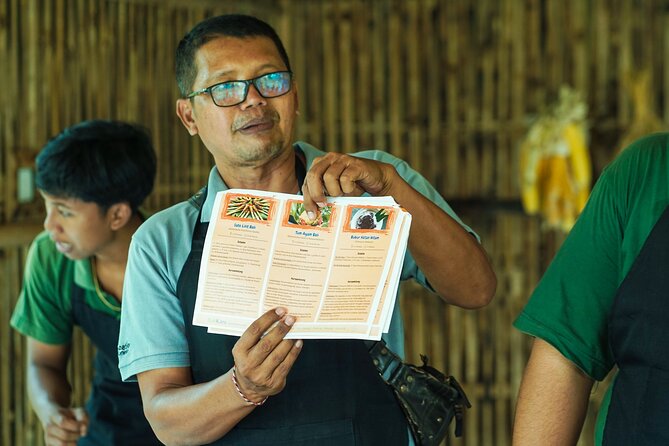
The day includes a visit to an authentic Balinese compound in the mountain village. This gives you a look at the domestic side of village life, beyond temples and major tourist sights. The visit is most valuable when approached respectfully. Wear appropriate clothing and follow the guide’s directions about where to walk and what to photograph.
Belulang Hot Spring is also included, with an optional bath. You can treat it as a relaxing final stop, but bathing is not required to enjoy the rest of the day. Bring what you need if you plan to use the spring, though the supplied details do not state whether towels, changing rooms, or bathing facilities are provided.
The clothing rules are clear. This is a traditional village, so topless clothing and beachwear are considered offensive. Shirts, pants, and slippers are acceptable according to the supplied guidance. I would still choose comfortable, modest clothes and practical footwear because of the garden walk and downhill trek.
What the $55 price really buys
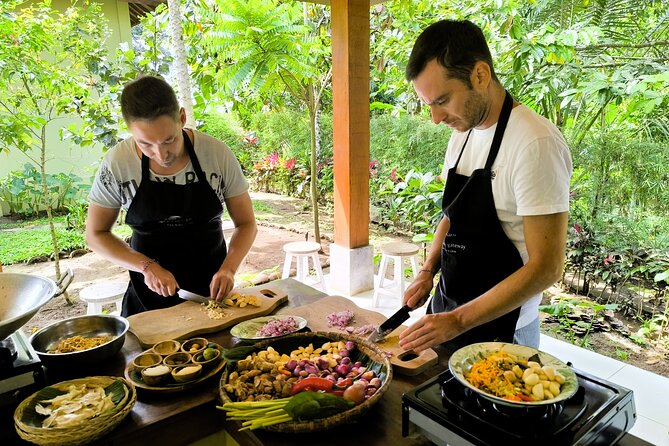
At $55 per person, this is more than a basic cooking class. The price includes the welcome drink, herb and spice garden tour, English-speaking guide, Rindik lesson, two Jamu preparations, fruit tasting, chef-led cooking, lunch, dessert, the farm visit, animals, bee hives, rice-planting help, the village compound, the downhill walk, optional hot spring visit, and a farewell gift.
You also receive a personal cooking-class certificate and a recipe book by email after the activity. The recipe book gives the day some value beyond the afternoon, since you can try to recreate the dishes later. Tips, drinks, and personal expenses are extra, and other guide languages cost more.
The strongest value comes from the range. You are paying for food, instruction, cultural contact, countryside time, and a farm visit in one half-day. If you only want to learn a few recipes, a shorter class may be cheaper and more focused. If you would otherwise book several separate activities, this package combines them in a practical way.
Group discounts may be available, which can improve the price for families or friends. The group limit of 12 keeps the activity from feeling like a large bus excursion, though the exact number on your date is not stated.
Who will enjoy it most
I would recommend this day to you if you want to understand Bali through food and ordinary village life. It fits people who enjoy cooking with guidance, tasting unfamiliar herbs and fruit, walking outdoors, and meeting local families.
It is also a good choice for families and small groups, especially if you like having several types of activity in one outing. The farm animals, bamboo music, rice planting, cooking, and hot spring option give the day more variety than a class limited to the kitchen.
You may want to choose something else if you dislike walking, need a fully accessible route, or want a quiet luxury-style food experience. The activity includes a downhill trek, outdoor areas, a live grill, farm visits, and a village setting. Accessibility details beyond service animals being allowed are not provided, so ask before booking if mobility is a concern.
Vegetarian dietary needs can be accommodated, but you should state your requirements when booking. The food description includes Sate Lilit, yet no specific meat or seafood details are provided, so ask the operator what substitutions are available.
Practical details before you book
The tour lasts about four hours and 30 minutes and ends at the meeting point. Confirmation is sent at booking, and the activity is available with a mobile ticket. English guiding is included; other languages may be arranged for an added charge.
The experience depends on good weather. If poor weather causes cancellation, you are offered another date or a full refund. You can cancel for a full refund up to 24 hours before the start time, but changes or cancellations inside that window are not accepted.
Bring comfortable clothes for walking, modest clothing for the village, and anything you need for an optional hot-spring bath. Plan for extra drinks or personal purchases, since those are not included. Most of all, arrive ready to participate. The best parts of this day are not the moments when you stand back and watch.
Should you book the Balikaru village cooking class?
Book it if you want a hands-on cultural day rather than a single cooking demonstration. The combination of Jamu, Rindik, rice terraces, garden ingredients, open-fire cooking, farm animals, stingless bees, and a homemade Balinese lunch gives you a fuller picture of village life near Mt. Batukaru.
Skip it if the Tabanan location is inconvenient, if you need a highly accessible route, or if you would rather spend four hours in a polished kitchen. For the price, though, the activity offers a lot of contact with local food and community life. Wear proper clothes, bring an appetite, and expect a little mud, smoke, and very good food.
FAQ
Where does the activity begin?
It begins at BalikaruBelulang Bali, Mengesta, in the Tabanan region of Bali.
What time does the experience start?
The start time is 9 a.m.
How long does the cooking and village experience last?
It lasts approximately four hours and 30 minutes.
Where does the activity end?
It ends back at the meeting point.
Is lunch included?
Yes. Lunch includes Nasi Campur Tumpeng and dessert prepared during the cooking class.
Is the cooking class conducted in English?
Yes. An English-speaking guide is included. Other languages may be available for an additional charge.
Can vegetarian dietary needs be accommodated?
Yes. Vegetarian needs can be accommodated, but you should provide your dietary requirements when booking.
Is the Belulang Hot Spring visit compulsory?
No. The hot spring visit includes an optional bath.
What happens if bad weather cancels the experience?
If poor weather causes cancellation, you can choose another date or receive a full refund.
Just added around Indonesia
- Pure Bali Village Experience, Cooking & Jamu Class+VIP Transfer★ 5.0 · 16 reviews
- The Authentic Balinese Cooking Experience★ 5.0 · 4 reviews
- Seminyak : cooking class traditional food bali★ 5.0 · 5 reviews
- Seminyak: Vegetarian Cooking Class★ 5.0 · 3 reviews
- Quad ride, waterfalls & aunthentic cooking class in munduk★ 4.9 · 53 reviews
- Pure Bali Village Experience Cooking & Jamu Class, Transfer★ 4.8 · 5 reviews
- Ubud: Organic Farm Harvest, Bali Cooking Class by Pemulan★ 4.8 · 12 reviews
- packages cooking class and romantic dinner in a local home★ 5.0 · 4 reviews
Farm & Countryside Cooking Classes, compared.

Half-Day Thai Cooking Class at Organic Farm in Chiang Mai
Read our review →
Cooking Class and Lunch at a Tuscan Farmhouse with Local Market Tour from Florence
Read our review →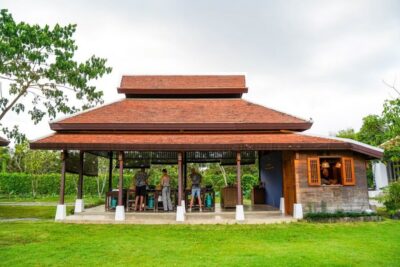
Authentic Cooking Class with Market & Farm Visit
Read our review →