
REVIEW · ARUSHA, TANZANIA
Arusha: Traditional Tanzania Cooking Class & Food Market Tour
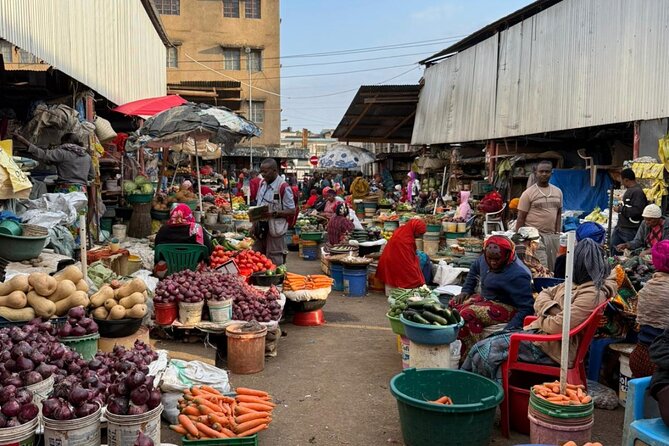
Come hungry, leave with a story. This four-hour Arusha experience links a central food market with a hands-on cooking lesson, so you see where local ingredients come from before sitting down to eat them. I like the market visit because it gives you a quick look at daily food shopping in Tanzania, and I like the chance to choose two dishes for your own lesson rather than simply watching a chef work.
The strongest appeal is its ordinary local setting. You may ride public transport to Sanawari, cook with charcoal burners and basic utensils, and eat what you helped prepare. The main consideration is comfort: this is not a polished cooking studio, and the class may feel basic if you expect modern counters, sinks, or restaurant-style equipment.
Key points to know before booking
- A central market visit comes first: You spend about 30 minutes seeing fresh produce, meat, and other local foods with a guide.
- You choose two dishes: Your guide explains the available local foods, then you select two for the cooking lesson.
- The kitchen is deliberately simple: Expect a low table, basic tools, tubs, charcoal burners, and a gas burner rather than a Western-style kitchen.
- Sanawari adds a local transport element: The route from the market includes a common form of public transport used in Arusha.
- Lunch or dinner is included: You eat the food prepared during the class, and takeaway food may be available.
- The $42 price covers a lot: Pickup, return transport near central Arusha, market shopping, instruction, ingredients, and the cooked meal are included.
Why this Arusha food experience works
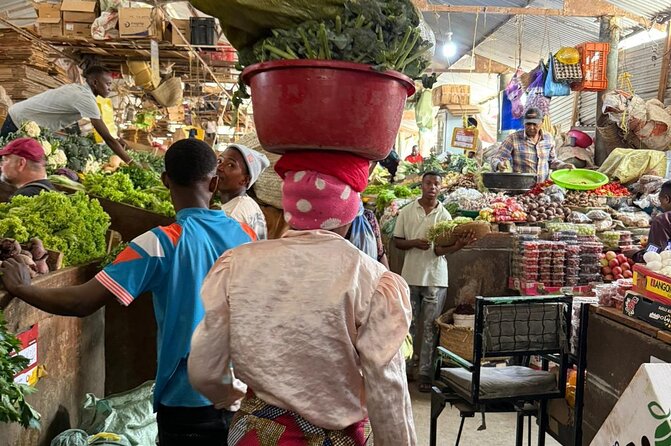
Many food classes begin with ingredients already arranged on a clean counter. This one begins earlier, at the point where food enters the household. That small change matters. You see produce at the central market, hear how ingredients are used, and take part in the shopping before cooking begins.
I like that the class is built around everyday food rather than a formal restaurant menu. The experience is meant to show how meals are prepared in a local home setting. You are not just handed a recipe. You see the tools, fuel, pace, and working methods that shape the meal.
The experience has received a five-star rating from 34 submitted ratings, with a 100 percent recommendation rate. Several praised the guides by name, including Israel, James, Jack, Lameck, Bariki, Magret, and Fen. That suggests the guide can make a major difference, especially during the market portion, where clear explanations help you understand what you are seeing.
Still, keep your expectations in the right place. The point is not kitchen comfort or culinary precision. The point is contact with daily life in Arusha, followed by a meal you helped make.
More Cooking Classes with a Market Tour in Tanzania:
- Arusha: Traditional Tanzania Cooking class& Food Market Tour
★ 4.9 · 12 reviews - Hanoi Cooking Class: Culture, Local Market & Meaning CSR Impact
★ 5.0 · 5,147 reviews - 5 Traditional Dishes Hanoi Cooking Class with Market Trip
★ 5.0 · 4,890 reviews
Starting at Arusha Central Market
Pickup is offered from hotels near Arusha city center. Once you meet your guide, the first stop is the central food market, usually for about 30 minutes. That is a short visit, but it gives you a useful introduction before the cooking class.
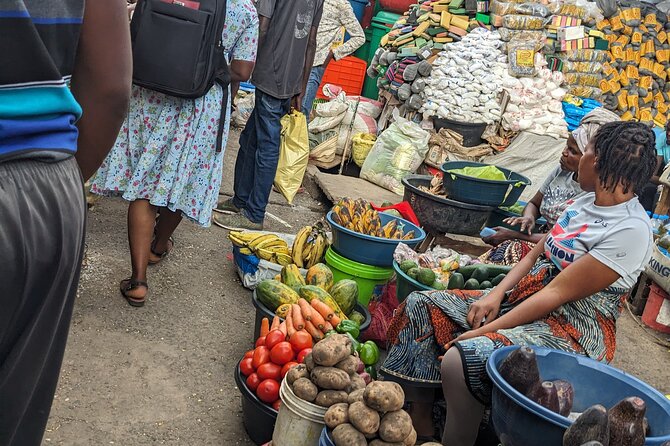
You can expect to see local produce, fresh meat, and other foods sold for everyday cooking. Much of the food is sourced within Tanzania, although some items come from outside the country. Your guide explains what different ingredients are called, how people use them, and which foods are suitable for the class.
This is where the experience becomes more than a standard cooking demonstration. You are seeing food in its buying place, not just on a plate. The guide also helps you move through the market and interact with local sellers. The people are described as friendly and welcoming, but you should still follow normal market manners: ask before taking close-up photographs and allow sellers room to work.
The market portion is not a long guided food crawl. Do not expect a series of tastings or a full morning spent browsing every stall. It is a compact orientation, followed by shopping for the ingredients you will cook.
That short length can be a benefit. If you are adding this activity before a safari or another Arusha tour, 30 minutes at the market gives you a taste of local life without using half your day. If you want a detailed market study, you may find the visit too brief.
Choosing two Tanzanian dishes
After your guide explains the available foods, you select two for the lesson. The exact choices depend on what is offered that day, but the supplied information and visitor comments specifically mention dishes such as ugali and ndizi.
This choice gives you some control over the activity. You can select foods that interest you instead of being assigned a fixed menu. It also means the lesson can vary from one departure to another, which is useful if you like food experiences that reflect what is available locally.
Your guide then shops for fresh ingredients. The cost of those ingredients is included in the tour price. Spice bought separately from the market is not included, so budget a little extra if you want to purchase spices to take home.
I would ask your guide early in the visit what the dish options are and how much hands-on work each requires. The activity description says you select two dishes, but it does not promise a fixed recipe list or a set level of difficulty. That is part of its local character, but it also means you should not book expecting a standardized cooking syllabus.
Riding to Sanawari by local transport
The cooking lesson takes place in Sanawari, a short distance from the central market. The journey includes a form of public transport commonly used by local people. This is a useful part of the experience because you are not moved from one tourist stop to another in a sealed vehicle the entire time.
The transfer also gives you a small look at how the city connects its neighborhoods. The exact vehicle, travel time, and traffic conditions are not specified, so you should allow some flexibility. Arusha traffic can affect the pace of any city activity, and the advertised four-hour duration is approximate.
Pickup and drop-off are included if your hotel is near the city center. If you are staying farther out, confirm the pickup area before booking. The tour is also near public transportation, which may help if you need to reach the meeting point independently.
More Food and Drink Trips in Tanzania:
- Local Tanzanian Food Cooking Class by Kingstone Asilia (Arusha)
★ 5.0 · 2 reviews - Dar es Salaam: Taste of Tanzania Cooking Class and Food Tour
★ 3.6 · 2 reviews - Small Group Cooking Class & Market Food Tour in Florence
★ 5.0 · 1,574 reviews - Pasta Making & Wine Tasting with Dinner in Frascati from Rome
★ 5.0 · 1,326 reviews
Cooking in a real local kitchen
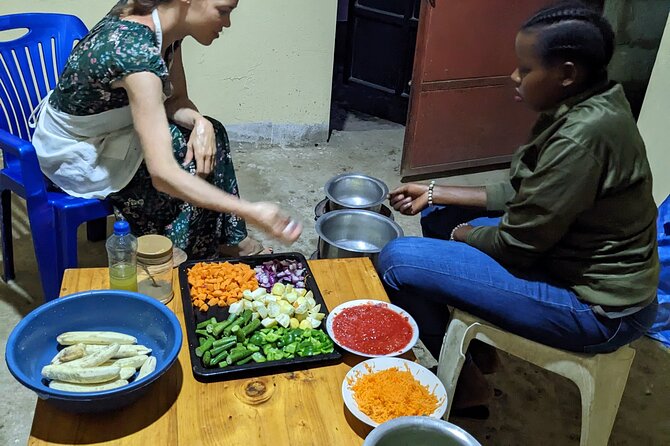
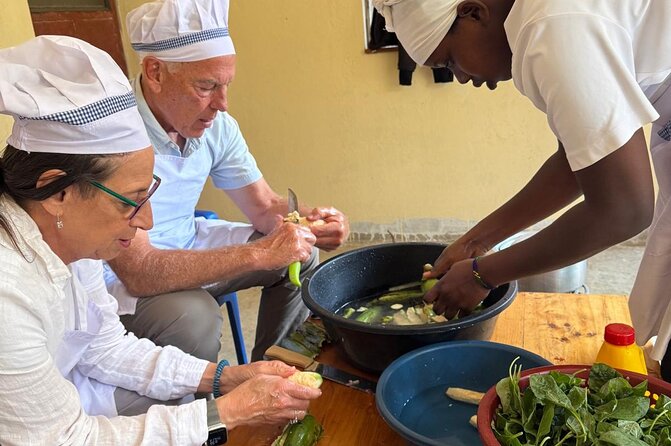
The class lasts about 90 minutes, though the full experience takes around four hours with pickup, market time, shopping, transport, and the meal. The kitchen is intentionally simple. One detailed account describes a low table, two charcoal burners, one gas burner, large tubs, and basic cooking implements.
That setup is important to understand. You may not have a conventional stove, full-height work surfaces, or a sink like the one at home. You might prepare food while seated or working close to the floor. The equipment is part of the lesson, showing how daily cooking can be done with modest tools.
I see this as the heart of the experience, but it is also the point most likely to divide opinion. If you enjoy practical cultural activities, the basic kitchen will make the lesson feel honest and memorable. If you have mobility limits, dislike smoke, or need modern cooking facilities, ask questions before booking.
The chef leads the preparation and explains how the food is made. The guide may also help connect the cooking steps with Tanzanian customs and daily life. The class is designed to be interactive, so you are expected to take part rather than sit back and watch.
Because the class uses charcoal and a gas burner, wear comfortable clothes that you do not mind wearing around cooking smells. The supplied information does not state that protective clothing or specialized equipment is provided, so bring the same practical attitude you would use in a simple home kitchen.
Eating what you prepare
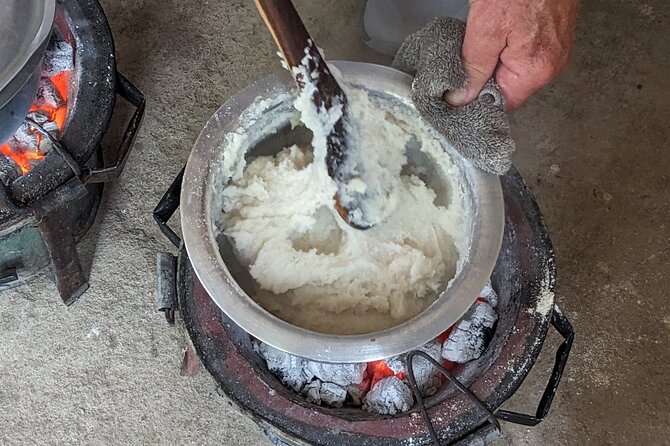
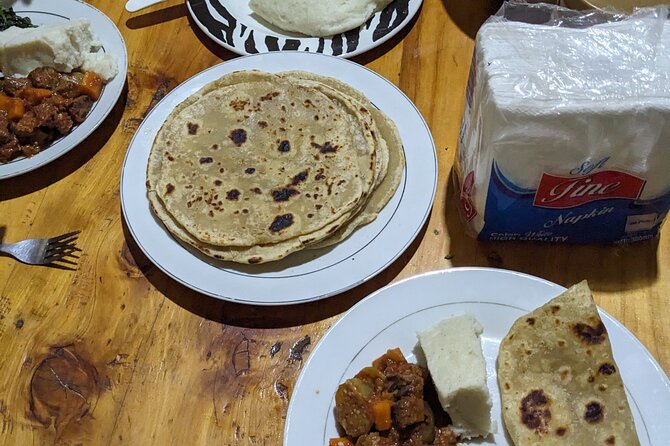
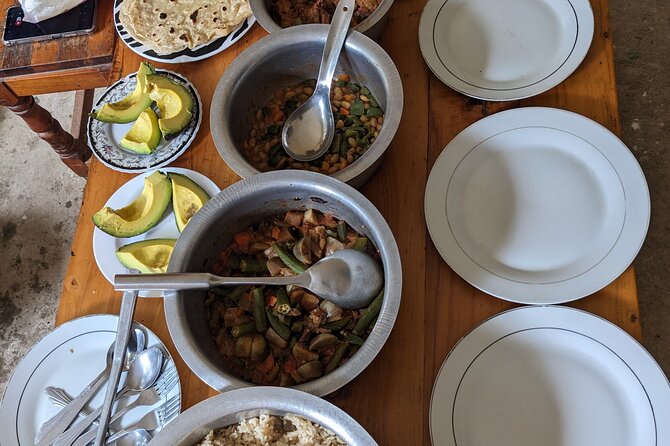
The best reward comes at the end: you eat the food made during the lesson. The meal is included for the people taking part, and it may be served as lunch or dinner depending on your start time.
This gives the class a satisfying shape. You see the ingredients in the market, help buy them, prepare the meal, and then sit down to eat. The food is not an unrelated restaurant meal added at the end. It is the result of your work.
The experience does not include drinks. Water, soda, or beer can be purchased along the way, so bring money if you want something with your meal. Since you are cooking and eating local food, going hungry is a sensible plan, though do not assume there will be extra courses beyond what you prepare.
You may also have the option of taking food away. That depends on the day and the amount prepared, so treat it as a possibility rather than a guaranteed takeaway meal.
What the $42 price really covers
At $42 per person, this is a fair-value activity if you want several small experiences joined together. The fee covers hotel pickup and return near central Arusha, a guided market visit, the ingredients bought at the market, cooking instruction, local kitchen use, transport between the market and Sanawari, and the meal.
That is more useful than comparing the price with a cooking class alone. You are also paying for a city introduction and a guide who explains the food and helps you navigate the market. If you booked transport, a market guide, ingredients, and a meal separately, the total would likely be less convenient even if you found a cheaper cooking lesson.
The value depends on your idea of comfort. You are not paying for a fancy venue or a long formal lesson. You are paying for access to a local setting and for help making sense of it. The experience is strongest for someone who values contact with ordinary food culture over polished presentation.
The tour may accept as many as 200 people, according to the supplied details. That is a large maximum, even though the class may operate with fewer participants. If group size matters to you, ask before booking. A small group would make market explanations and hands-on cooking easier, while a large group could limit how much you personally do.
The guides make the difference
The guide is central to the quality of the day. At the market, you need someone who can explain unfamiliar foods without rushing you. During transport and cooking, you need clear direction and an easy way to ask questions.
Several guide names appear in the tour feedback. Israel is praised for a positive manner and strong explanations of Tanzania and the surrounding area. James is described as warm and passionate about local food. Jack is noted for a friendly welcome, while Lameck is praised for polite and thoughtful service. Magret, Fen, and Bariki are also named in connection with good market and food explanations.
You may not be assigned one of these guides, but the pattern is useful: expect the guide to be the bridge between you and the activity. Ask questions. If you want to know the local name for an ingredient, how it is normally cooked, or why a certain food matters, this is the time to ask.
The cooking team also shapes the experience. The chef does not simply prepare food in front of you. The goal is for you to participate and understand the process.
Practical limits and small drawbacks
The main drawback is the lack of fixed detail. The exact dishes, start time, transport type, and group size are not fully specified. That flexibility supports a more local experience, but it may frustrate you if you prefer a firm schedule and a published menu.
The market visit is also short at about 30 minutes. You will get an introduction, not an exhaustive tour. The cooking class is listed at about 90 minutes, so much of the total four-hour duration is used by pickup, shopping, transfers, and eating.
Drinks and market spices cost extra. Tips are optional, not required, and can reflect your satisfaction with the guide and chef. The experience requires good weather. If poor weather cancels it, you are offered another date or a full refund.
Most people can take part, and the tour is near public transportation. However, the simple kitchen and local transport may not suit everyone. If you need a specific level of physical comfort or assistance, confirm the details before paying.
Cancellation is free up to 24 hours before the start time. Changes or cancellations made within 24 hours are not refunded, and the cutoff uses local time.
Who should book this class?
I would recommend it to you if you want a practical introduction to Arusha and enjoy food as a way to understand daily life. It suits couples, solo visitors, families with older children, and anyone who would rather cook in a modest local setting than attend a polished demonstration.
It is especially useful early in an Arusha stay. The market gives you a first look at the city, while the guide can help you recognize foods you may encounter elsewhere in Tanzania.
I would hesitate if you want advanced cooking instruction, a fixed menu, restaurant-level comfort, or a long market tour. The experience is about participation and setting, not technical chef training.
Should you book it?
Book this tour if you want to shop, cook, and eat in one connected experience. The $42 price is reasonable because it includes transport near central Arusha, ingredients, instruction, and the meal, not just a short demonstration.
Skip it if the thought of charcoal cooking, basic equipment, public transport, or an uncertain dish list sounds inconvenient. For the right person, though, the rough edges are the point. You leave with more than a recipe. You get a clearer sense of how food moves from market stall to household table in Tanzania.
FAQ
How long does the Arusha cooking class and market tour last?
The experience lasts approximately four hours. The market visit takes about 30 minutes, and the cooking lesson takes about one hour and 30 minutes, with the remaining time used for pickup, shopping, transport, and eating.
Is hotel pickup included?
Yes. Pickup and drop-off are included for hotels near Arusha city center.
What happens at the central food market?
Your guide leads you through the market, explains local foods and traditional uses, and helps you see fresh ingredients sold in Arusha. You also shop for the ingredients used in the cooking lesson.
Can I choose what to cook?
Yes. Your guide explains the available local foods, and you select two dishes for the cooking lesson. Examples mentioned for the experience include ugali and ndizi.
Is the meal included?
Yes. The food prepared during the class is included for the people taking part, and it can be served for lunch or dinner depending on the tour time.
Are drinks included?
No. Water, soda, and beer are not included, but you can buy them along the way.
Can I cancel for a full refund?
Yes, if you cancel at least 24 hours before the experience starts. Cancellations or changes made less than 24 hours before the start time are not refunded. If poor weather causes the tour to be canceled, you are offered another date or a full refund.
More Food Trips in Tanzania
- Athens: Food Market Visit and Cooking Class with Wine
★ 4.9 · 1,087 reviews - Undiscovered Charleston: Half Day Food, Wine & History Tour with Cooking Class
★ 5.0 · 948 reviews - Vietnamese Food Cooking Class in Hanoi with Market Experience
★ 5.0 · 778 reviews - Milan: Italian Cooking Class with Food and Wine
★ 4.7 · 509 reviews
Just added around Tanzania
- NGO Lifted Strong – Traditional Tanzanian Cooking Class★ 5.0 · 39 reviews
- Cooking and Sewing & Jewelry Workshops in Arusha★ 5.0 · 14 reviews
- Local Tanzanian Food Cooking Class by Kingstone Asilia (Arusha)★ 5.0 · 2 reviews
- Cooking Class Tour, Stone Town Tour, Horseback Riding★ 5.0 · 2 reviews
- Dar es Salaam: Taste of Tanzania Cooking Class and Food Tour★ 3.6 · 2 reviews
- Arusha: Local Tanzanian Cooking Class by Kingstone Asilia★ 5.0 · 3 reviews
- Arusha: Traditional Tanzania Cooking class& Food Market Tour★ 4.9 · 12 reviews
- Zanzibar Cooking Class & Spice Tour★ 4.5 · 77 reviews
Cooking Classes with a Market Tour, compared.

Hanoi Cooking Class: Culture, Local Market & Meaning CSR Impact
Read our review →
5 Traditional Dishes Hanoi Cooking Class with Market Trip
Read our review →
Cooking Class and Lunch at a Tuscan Farmhouse with Local Market Tour from Florence
Read our review →
Cooking Class, Market & Thai Herbs Garden Tour
Read our review →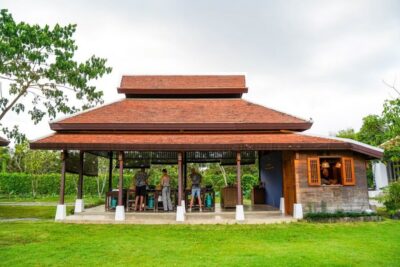
Authentic Cooking Class with Market & Farm Visit
Read our review →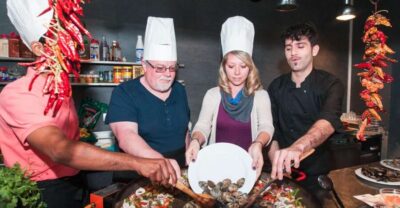
Paella Cooking Experience & Boqueria Market Tour
Read our review →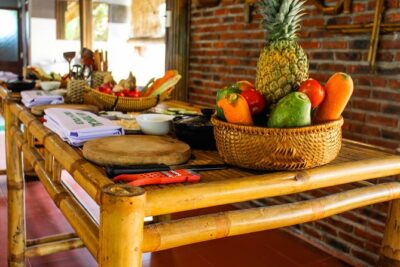
Cooking Class Hoi An:Local Market, Basket Boat, Fishing & Cooking
Read our review →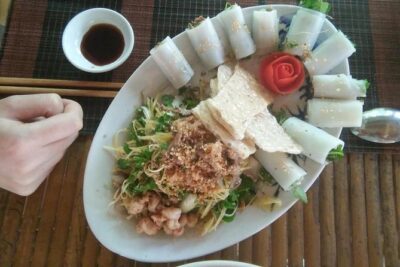
Hoi An Cooking Class(Market,BasketBoat Crabfishing&Cooking Class)
Read our review →Lists this class appears in