
REVIEW · HONSHU, JAPAN
Osaka: Roll and Authentic Sushi Making Class in Dotonbori
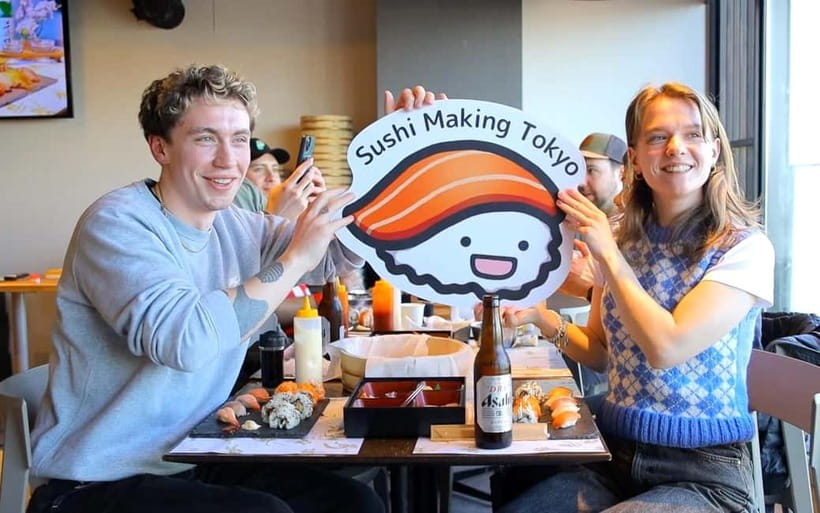
Your lunch becomes the souvenir. This 100-minute class in Dotonbori and Shinsaibashi combines a short sushi-history quiz with hands-on lessons in maki rolls and nigiri. I like the friendly English-speaking instructors, including hosts such as Shoki, Yui, Takara, and Fujiko, and I like that you eat what you make rather than watching a chef do all the work. The main drawback is timing: several people found the final eating period a little rushed.
The class costs $45 per person, a fair price in central Osaka for instruction, ingredients, and a full plate of sushi. You do not need cooking experience, and solo visitors, couples, families, and small groups can all join. Just arrange any dietary change at least three days ahead, since same-day requests cannot be handled.
Key points to know before booking
- Two sushi styles in one class: You make maki rolls and nigiri, learning different techniques for shaping and serving each type.
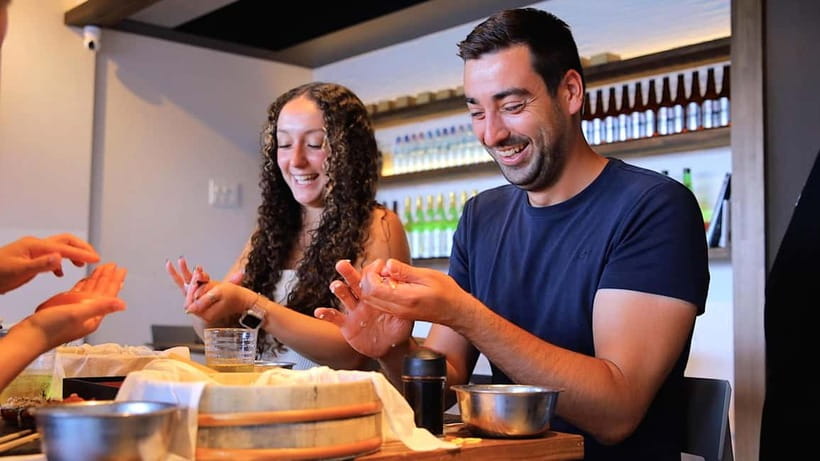
- A cheerful teaching style: Instructors use demonstrations, jokes, conversation, and the occasional Hoi Hoi Hoi cheer to keep the room lively.
- A useful Osaka location: The class meets on the third floor of the Galleria Acca Building, about five minutes from Shinsaibashi Station and close to Dotonbori.
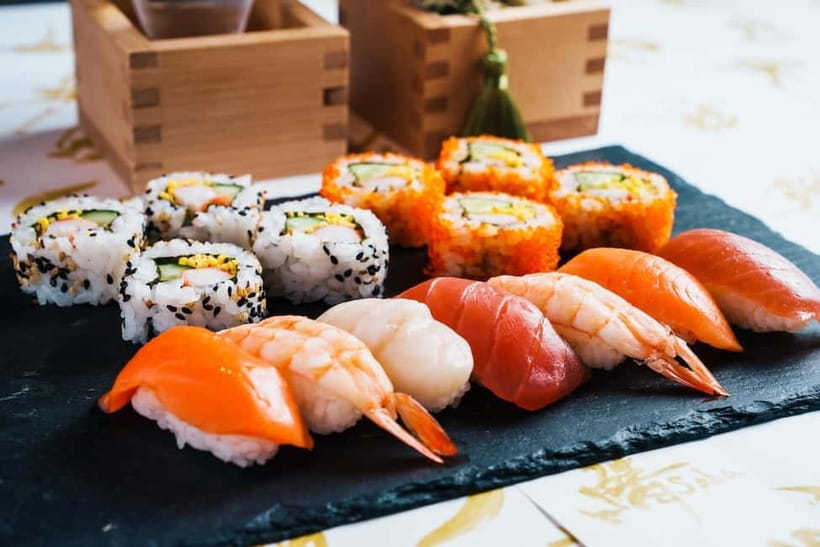
- A meal as well as a lesson: The prepared ingredients turn into lunch, with one detailed account describing six maki pieces and six nigiri pieces.
- Dietary requests are possible: Vegan, vegetarian, gluten-free, halal, and allergy-friendly menus can be arranged in advance.
- Allow time to find the entrance: The building entrance can be easy to miss, and one class account notes that the elevator does not reach the workshop floor.
Why this sushi class works well in Osaka
Osaka is famous for eating, but food culture means more than finding the right restaurant. A cooking class gives you a little context, a few practical skills, and a meal you had a hand in making. That is the appeal here.
The setting helps. You are not heading out to a distant suburb for a formal culinary school. You meet in central Osaka, near Shinsaibashi and Dotonbori, where you can easily pair the class with a walk through the city’s best-known food district. The class itself is indoors, organized, and focused, so it makes a useful break from crowded streets, summer heat, or rainy weather.
I especially like the mix of explanation and action. The session begins with an interactive quiz about sushi history. It is light rather than academic, but it gives meaning to the food in front of you. You are not simply pressing rice into a shape. You learn that sushi has different forms and traditions, then try two of them yourself.
The staff also give the class its character. Shoki is described as upbeat and funny, while Yui, Takara, Reika, Fujiko, Fuko, Miho, Serai, and others are praised for patient instruction and warm conversation. The names of the instructors may change, but the pattern is clear: you can expect an English-speaking local host who keeps an eye on technique while making the room feel social.
More Sushi and Japanese Classes in Osaka:
- Sushi Making Osaka! Popular Sushi Class in Japan!
★ 5.0 · 500 reviews - Osaka: Ramen and Gyoza Cooking Class in Dotonbori
★ 5.0 · 378 reviews - Osaka Cooking Class: Okonomiyaki &Japanese cuisines experience
★ 5.0 · 261 reviews
Finding the class near Shinsaibashi
The meeting point is the third floor of the Galleria Acca Building, roughly five minutes on foot from Shinsaibashi Station. It is also close to Dotonbori, so you can fit the activity into a day of sightseeing without making a special cross-city trip.
Give yourself extra time to find the entrance. One account describes the building as a concrete structure with a somewhat hidden entrance. That may appeal to architecture fans, but it is not the kind of place where you want to arrive at the last second with rice already being shaped upstairs.
The class is listed as wheelchair accessible. At the same time, one detailed account says the building has an elevator but that it does not reach the workshop floor. If you use a wheelchair or need step-free access, contact the provider before booking and confirm the exact route. That small check is more useful than relying on a general accessibility label.
There is no hotel pickup or drop-off. That is not a serious weakness for this activity, since the meeting point is central and public transport is the natural way to reach it. Still, you are responsible for getting to the building and locating the correct floor.
The opening quiz makes sushi history easy to remember
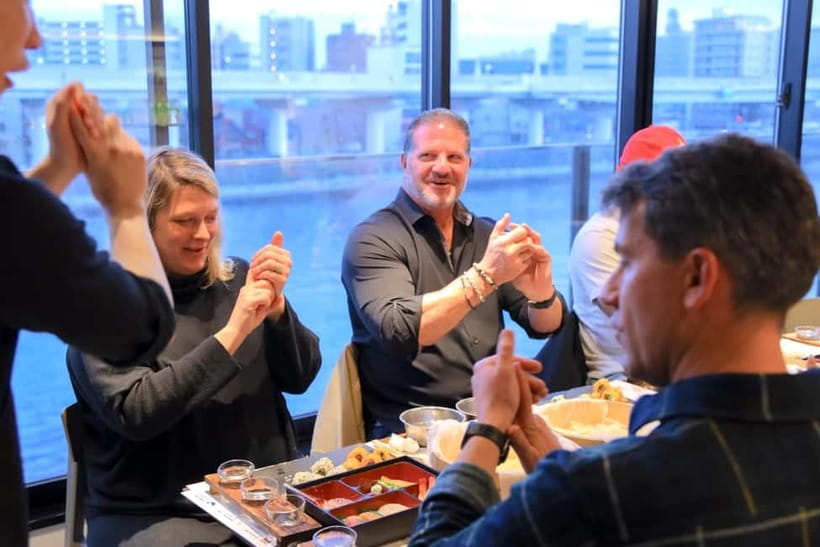
The history section is short and interactive. Instead of a long lecture, you take part in a quiz that introduces sushi in a playful way. This is a good choice for a mixed group because food experts and complete beginners can both follow it.
The point is not to turn you into a sushi scholar. It is to help you understand the difference between the forms you will make and to give the hands-on work a little context. Several people valued learning about sushi before beginning the practical portion, and one instructor was praised for explaining the background in a clear, engaging way.
This is also when the social side begins. Instructors ask where you are from and start conversations about food and travel. That matters if you arrive alone. You are not left at a workstation with a silent recipe sheet.
The tone can be energetic. Expect jokes, cheerful demonstrations, and the class catchphrase Hoi Hoi Hoi. If you prefer a quiet, highly formal lesson, this may feel a little loud. For most people, though, the humor helps take pressure off the technique. You can make an imperfect roll without feeling like you have failed an exam.
Making maki rolls, one careful step at a time
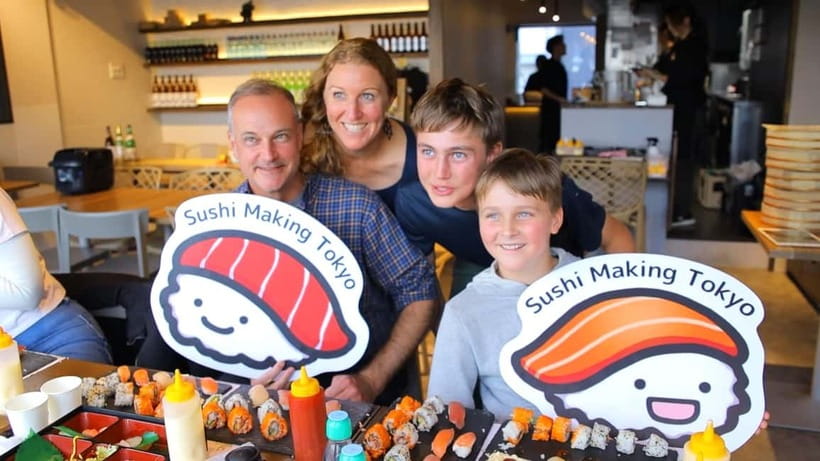
The first practical skill is maki, the rolled form of sushi. The class supplies the ingredients and shows you how to assemble them. You then make the roll yourself, rather than simply observing a demonstration.
This is where the value of a guided class becomes clear. Sushi looks simple when a trained chef does it quickly. At home, rice placement, filling amounts, and pressure can be surprisingly awkward. A live instructor can show you how to handle the ingredients and correct your approach before the roll falls apart.
The class uses demonstrations and visual explanations, including a video and real-life examples. That is useful because you can watch the movement first, then copy it with your own ingredients. The instructions are designed for beginners, and several people without much cooking experience found them easy to follow.
One account describes making six maki pieces. The exact amount may depend on the class setup, but you should expect enough food for a proper snack or light lunch rather than one tiny sample. Ingredients are prepared for you, so this is not a market-shopping or knife-skills workshop. The focus is assembly, technique, and learning how the pieces fit together.
That also means you should keep your expectations realistic. You are not learning every part of sushi production from the ground up. The rice and ingredients are prepared in advance, which keeps the class within 100 minutes and makes it suitable for first-time cooks.
Same place, a different thing to cook:
- Ramen and Gyoza Cooking Class in Osaka
★ 5.0 · 202 reviews - Osaka Sake Tasting with Takoyaki Cooking
★ 5.0 · 156 reviews - Osaka: Cooking Class Ramen & Gyoza Course in Nanba
★ 4.9 · 86 reviews - Osaka: Gluten-Free Ramen and Gyoza Cooking Class
★ 5.0 · 42 reviews
Shaping nigiri and learning to handle rice gently
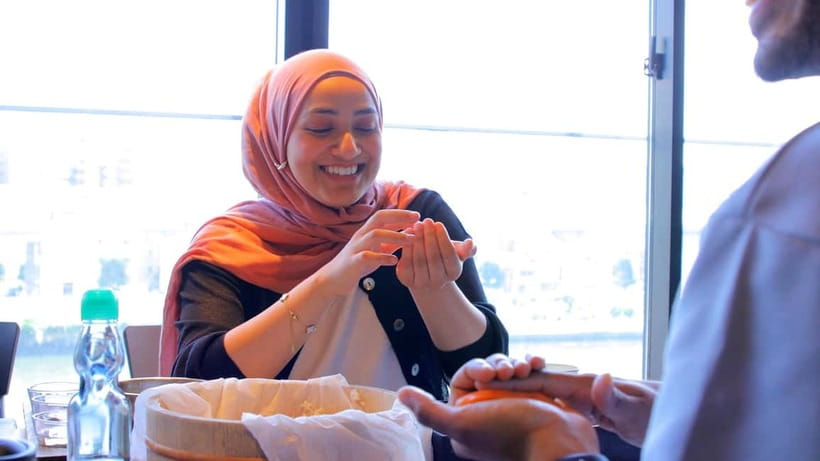
The second technique is nigiri, the hand-formed sushi with a small mound of rice and a topping. This feels different from rolling maki. You must shape the rice without crushing it, then place the topping neatly.
The instructors demonstrate the process and guide you through it step by step. One useful lesson repeated by the teaching style is to be kind to your sushi. That sounds silly, but it captures an important technique: sushi rice needs a light touch. Press too hard and you lose the texture that makes the piece pleasant to eat.
One account describes making six nigiri pieces in addition to six maki pieces. That is a generous amount for a short class, and it helps explain why the activity feels like a meal as well as a lesson. You get enough repetition to understand the method instead of shaping one piece and stopping just as you begin to get comfortable.
The instructors also explain the difference between the types of sushi you make. This makes the class useful after you leave Osaka. You may not become a sushi chef at home, but you will have a better sense of how a roll differs from hand-shaped sushi and why each one requires a different approach.
Eating your own work is part of the lesson
The best reward comes at the table. You eat the sushi you have made, which gives the class a satisfying finish and lets you judge the results immediately.
The food is described as tasty, with good-quality ingredients and a generous selection. Dietary options are available for vegan, vegetarian, gluten-free, halal, and allergy needs, but you must request them when booking or at least three days before the class. The provider says it cannot respond to changes on the day and does not accept ingredient specifications, so do not assume every individual substitution can be arranged.
This is an important distinction. A suitable menu can be prepared for broad dietary categories, but the class is not promising unlimited customization. If you have a serious allergy or a strict religious diet, contact the provider before paying and explain your needs clearly.
The one practical complaint concerns the clock. Some people felt rushed while finishing the sushi or eating it. One person wished for another ten minutes, while another said the ingredient tray seemed to be collected before everyone had finished. The total session lasts 100 minutes, so the class has to keep moving.
My advice is simple: listen closely during the demonstration, work steadily, and do not spend too long trying to make every piece perfect. Your sushi does not need to look like a chef’s display to taste good. Also, keep any ginger or wasabi you want on your plate before the ingredients are cleared.
How the $45 price compares in practical value
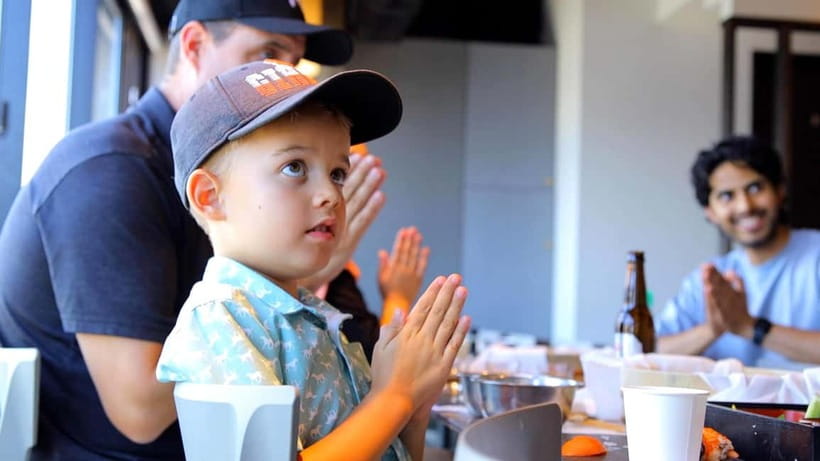
At $45, this is not the cheapest meal you can find in Osaka. You can eat sushi for less, especially if you choose a casual restaurant or supermarket. The question is what you are buying.
The price includes the cooking class, ingredients, and instructor. You also get an English-language cultural activity, a central location, and enough sushi to function as lunch for many people. That makes the cost reasonable for anyone who values participation rather than simply ordering food.
I see especially good value for couples and families. You share the process, take photos of your creations, and leave with a recipe idea you can try later. It also suits solo visitors because the instructors make an effort to start conversations and include people in the room.
The value is lower if you already have advanced sushi-making skills or want a serious chef-training course. The ingredients are prepared, the class is designed for beginners, and the mood is social. It is a fun introduction, not professional certification.
Who should book, and who may want another activity
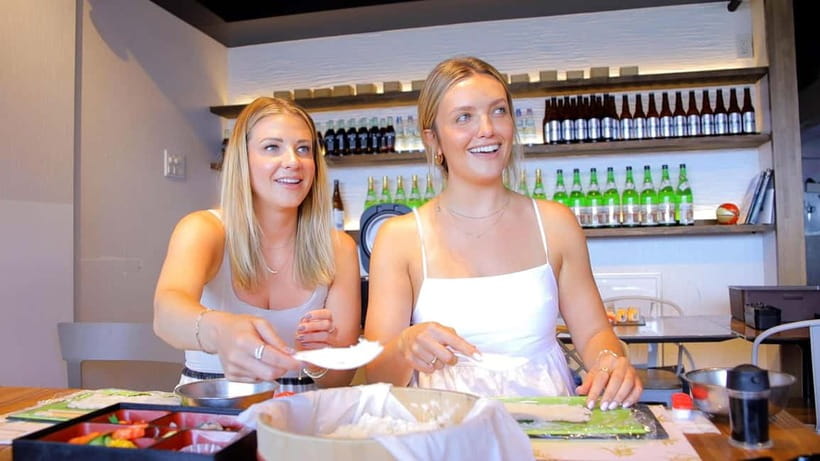
You should consider this class if you want:
- A hands-on food activity near Osaka’s main shopping and dining areas
- A beginner-friendly introduction to maki and nigiri
- An English-speaking class with a friendly, informal mood
- A meal that you prepare yourself
- An activity suitable for couples, families, groups, or solo visitors
- A way to learn about sushi without committing to a full-day cooking course
You might choose something else if you want a quiet, advanced lesson, extensive knife practice, or a long meal with plenty of time between courses. The lively instruction is part of the appeal, but it can feel energetic rather than serene.
The class is also not ideal for a last-minute dietary request. The three-day deadline is firm. Plan ahead, especially for halal, vegan, gluten-free, or allergy-friendly food.
Booking advice for a smoother 100 minutes
Book a time that leaves room afterward. The class may finish on schedule, but the eating portion can feel tight, and you will probably want a little time to enjoy the result rather than rush straight into another appointment.
Arrive early enough to find the building entrance and reach the third floor. Shinsaibashi is easy to connect with, but central Osaka streets and building entrances can be confusing when you are watching the clock.
Keep your expectations focused on fun, food, and basic technique. You will learn real methods and make a satisfying amount of sushi, but the class does not cover every part of the craft. Its strength is that it turns a complex-looking food into something you can attempt yourself.
Should you book the Osaka sushi-making class?
Yes, if you want an easy-to-fit Osaka activity with a real meal at the end. The strongest reasons are the warm English-speaking instructors, the chance to make both maki and nigiri, and the central location near Dotonbori and Shinsaibashi.
I would book it for a first sushi lesson, a family outing, a couple’s activity, or a rainy-day plan. I would hesitate only if you need extensive dietary customization, require guaranteed step-free access without prior confirmation, or prefer a slower class with more time to eat.
For $45, you get more than sushi. You get a short cultural lesson, hands-on practice, plenty of food, and a skill you can try again after Japan. Just arrive prepared, make your dietary requests early, and work at a steady pace.
FAQ
How long does the sushi-making class last?
The class lasts 100 minutes. It includes the instruction, ingredients, sushi-making activities, and time to eat what you prepare.
Where does the class meet?
The meeting point is on the third floor of the Galleria Acca Building, about a five-minute walk from Shinsaibashi Station. It is near Dotonbori and Shinsaibashi.
Which types of sushi will I make?
You will make two types: maki sushi rolls and authentic Japanese sushi in the nigiri style. The class explains the different techniques for each.
Is the class taught in English?
Yes. The instructor language is English, and the local staff guide you through the class in English.
Can I request a special menu?
Yes. Vegan, vegetarian, gluten-free, halal, and allergy-friendly menus are available. You must request a menu change at least three days in advance, and the provider cannot handle changes on the day.
Is the activity wheelchair accessible?
The activity is listed as wheelchair accessible. However, one account notes that the building elevator does not reach the workshop floor, so contact the provider before booking to confirm the route for your needs.
Just added around Osaka
- Osaka Sake Tasting with Takoyaki Cooking★ 5.0 · 156 reviews
- Okonomiyaki&Takoyaki for Families:Osaka Street Food Festival★ 5.0 · 4 reviews
- Osaka Okonomiyaki Cooking Experience for Families & Groups★ 4.9 · 8 reviews
- Osaka: Sashiko Japanese Craftsmanship Workshop★ 5.0 · 31 reviews
- Osaka : Exclusive Tea Ceremony & Wagashi Cooking★ 5.0 · 2 reviews
- Osaka: Okonomiyaki Cooking Class with Beer or Soft Drink★ 4.9 · 9 reviews
- Osaka: Cooking Class & Sake Tasting with Local Market Visit★ 4.8 · 31 reviews
- Osaka: Gluten-Free Ramen and Gyoza Cooking Class★ 5.0 · 42 reviews
Japanese & Sushi Cooking Classes, compared.
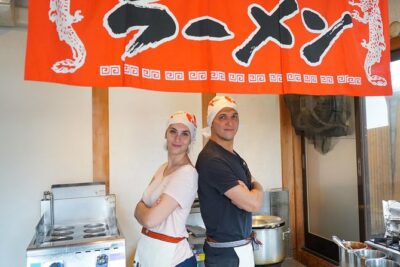
Ramen Cooking Class at Ramen Factory in Kyoto
Read our review →
Ramen & Gyoza Cooking Class in Tokyo with Local Supermarket Visit
Read our review →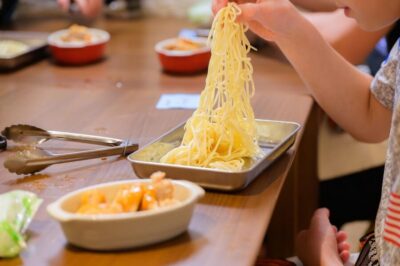
Ramen Cooking Class at a Ramen Factory with Souvenir
Read our review →
Sushi Making Osaka! Popular Sushi Class in Japan!
Read our review →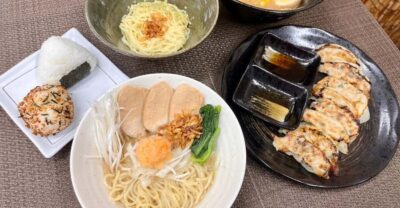
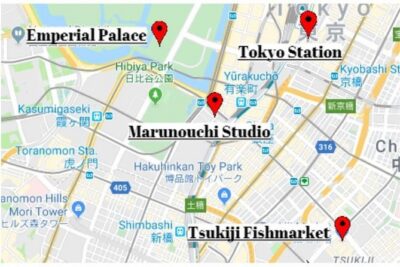
Tokyo Tsukiji Fish Market Tour and Sushi Making Lesson
Read our review →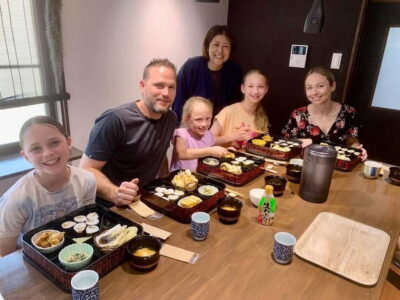
Japanese Washoku Bento Small Group Cooking Class
Read our review →
Lists this class appears in