
REVIEW · KANSAI REGION, JAPAN
Osaka : Exclusive Tea Ceremony & Wagashi Cooking
Tea here comes with a handmade sweet. This two-hour experience in Izumisano pairs a traditional Japanese tea ceremony with wagashi cooking, giving you something to do with your hands before you sit down for tea. I especially like the small group of six and the chance to learn from a family whose business has lasted for more than a century. I also like that the session welcomes vegetarians and vegans with advance notice.
The main consideration is location. You will need to reach Izumisano, rather than simply walk in from central Osaka. At $98 per person, the price is fair if you value personal instruction, ingredients, a guide, and a family-run setting, but it is not a quick, low-cost tea tasting. Insurance is not included, and kimono wear costs extra.
Key points to know before booking
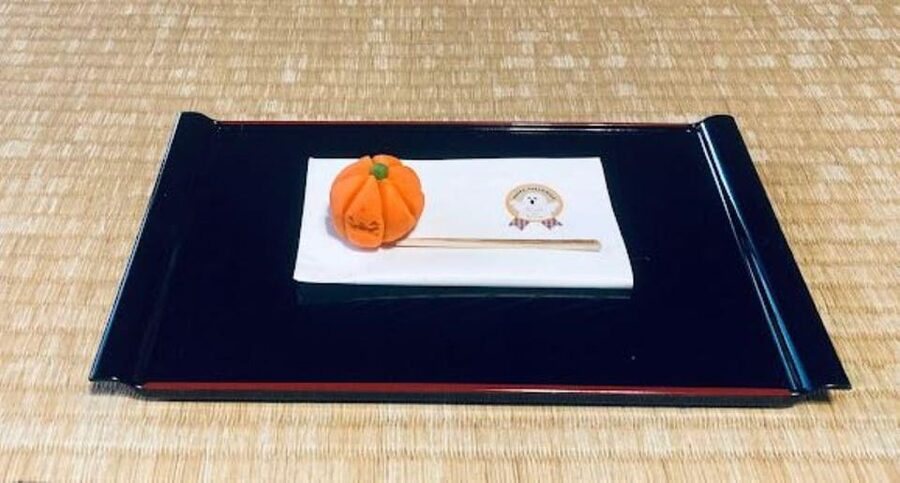
- You make the wagashi yourself, then serve it with the green tea prepared during the ceremony.
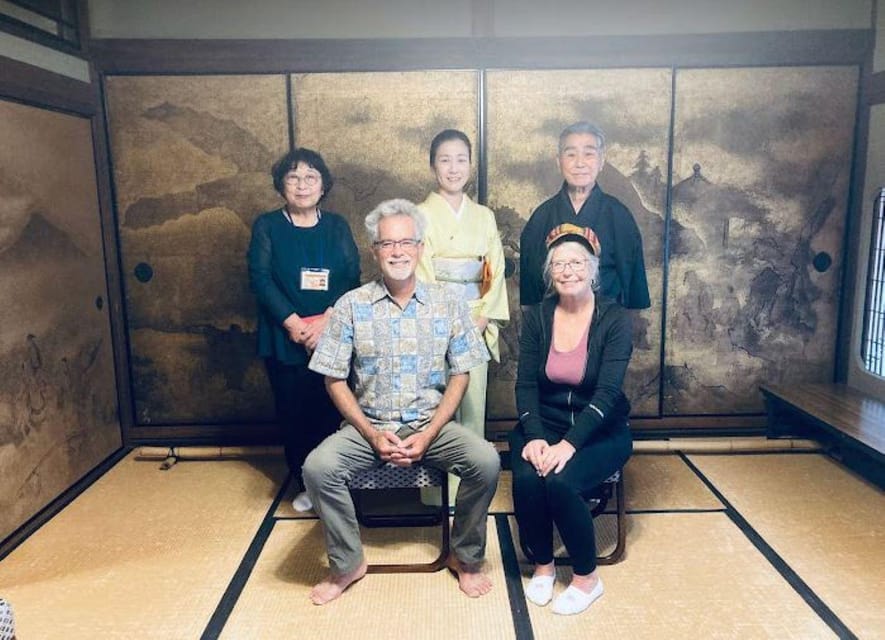
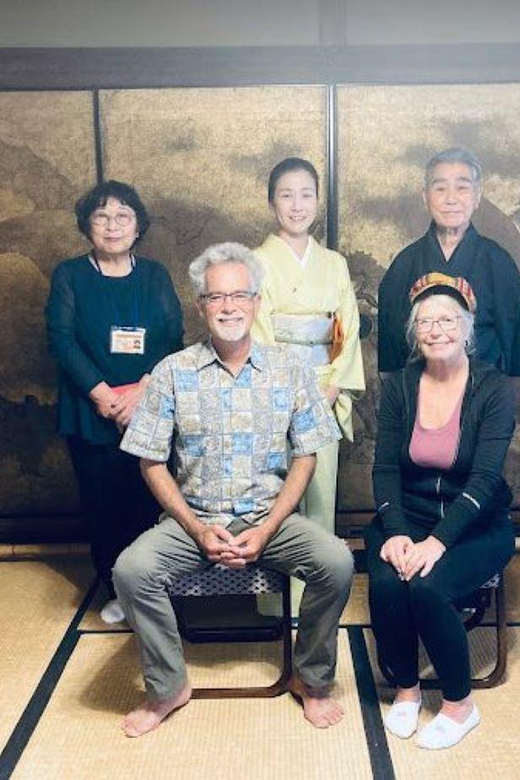
- The setting is a historic family home, Furusato Machiya-Kan, formerly the Shinkawa family residence.
- The group is limited to six people, which gives the class a quieter, more personal feel.
- A three-generation family keeps the tradition alive, with a business history stretching back more than 100 years.
- Vegetarian and vegan participants are welcome, but you should share dietary restrictions before the activity.
- Kimono photos are available as an add-on, along with a look at Nishijin textiles from Kyoto.
Why this tea ceremony feels more personal
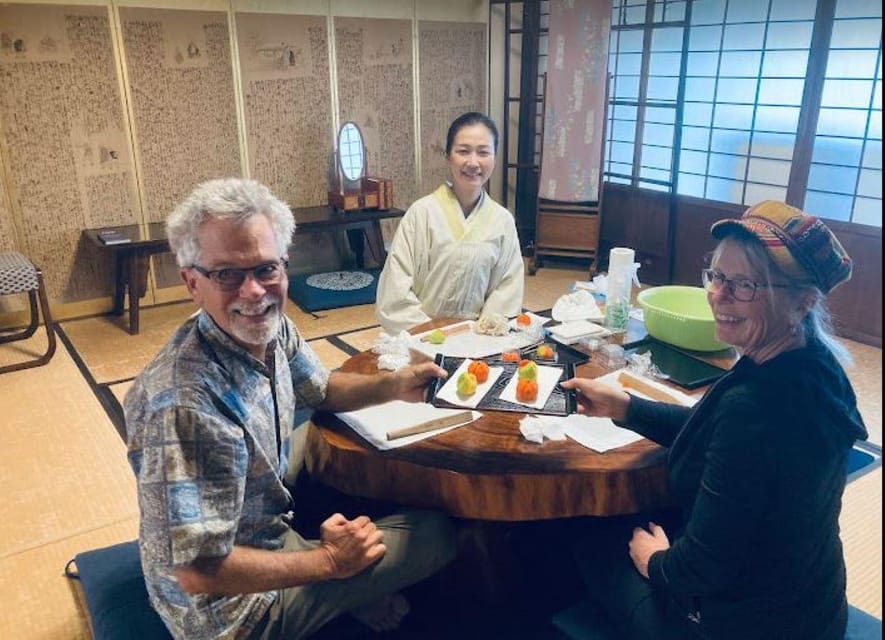
Many visitors to Japan drink matcha or buy wagashi, but far fewer learn how the two fit together in a formal tea setting. This experience gives you both sides of the custom. You prepare a Japanese sweet, learn how tea is made according to ceremony rules, and then use your own work during the tea gathering.
That order matters. Wagashi is not just a snack placed beside the tea. Its sweetness balances the bitter green tea, and its shape can reflect the season or the mood of the gathering. You may not leave knowing every rule of tea ceremony, but you will understand why the sweet and tea are served together.
The activity also has a human side that a larger cultural demonstration often lacks. A three-generation family hosts the experience, and the family business has been operating for more than a century. That does not mean every moment is a formal historical lecture. It means you are spending time in a setting tied to a living family tradition, with room to ask questions and watch the process at close range.
The class is led in English, and an English interpreter accompanies you if you book that option. Since the supplied details do not name the guide, do not choose this activity expecting a particular instructor. Choose it for the format, the small size, and the family setting.
More Sushi and Japanese Classes in Osaka:
- Sushi Making Osaka! Popular Sushi Class in Japan!
★ 5.0 · 500 reviews - Osaka: Ramen and Gyoza Cooking Class in Dotonbori
★ 5.0 · 378 reviews - Osaka Cooking Class: Okonomiyaki &Japanese cuisines experience
★ 5.0 · 261 reviews
Reaching Furusato Machiya-Kan from Izumisano Station
The meeting point is Furusato Machiya-Kan, also known as the former Shinkawa family residence, in Izumisano. From the exit of Nankai Izumisano Station, go right toward Tsubasadouri shopping district. Turn left at Uniform Noguchi, then right at the next corner. The historic house is where the pickup takes place.
This route is simple on paper, but allow yourself time to get oriented. A station exit can feel less obvious when you are carrying luggage or reading signs in an unfamiliar script. I would arrive early, confirm the exact exit, and keep the meeting instructions handy.
Izumisano gives the experience a different feel from a central Osaka attraction. You are not joining a fast-moving city sightseeing circuit. You are going to a specific family property for a focused class. That makes the extra train ride worthwhile for people who want a quieter cultural activity, but it may feel inconvenient if your schedule is packed with Osaka highlights.
The activity information says the experience finishes at the meeting point, while the itinerary also names くらふとや as the final stop. Check the final confirmation for the exact end location before arranging your next train or reservation. Do not plan a tight connection immediately afterward.
A historic home sets the tone
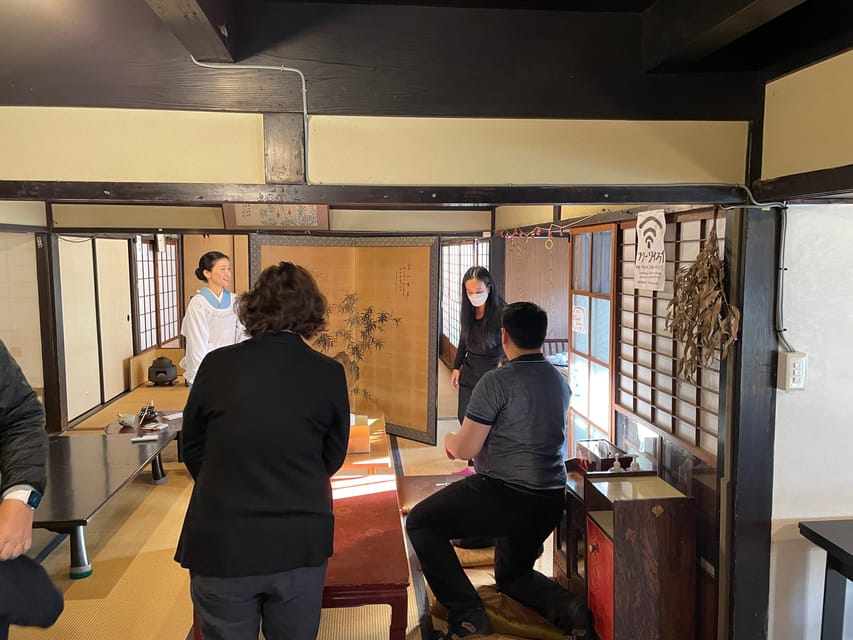
The first stop, Furusato Machiya-Kan, is more than a place to gather. It is a former residence with a connection to the family hosting the activity. The setting helps the ceremony feel attached to daily life rather than staged in a generic classroom.
You can expect a short walk and class-based format rather than a bus tour. The total activity lasts two hours, so the session has enough time for instruction, preparation, tea, and questions, but not enough time for a long neighborhood tour or an extended museum visit.
One especially nice extra is the small museum area connected with the family business. It contains different artifacts and can be visited without an additional charge. The details do not specify a full museum program, so think of it as a useful part of the setting rather than a separate attraction that will occupy the whole afternoon.
The family connection is one of the strongest reasons to choose this experience. A century-old business gives the class a sense of continuity. You are not only learning what to do with a tea bowl. You are also seeing how a local family has kept a craft and hospitality tradition in use across generations.
Making wagashi before the tea
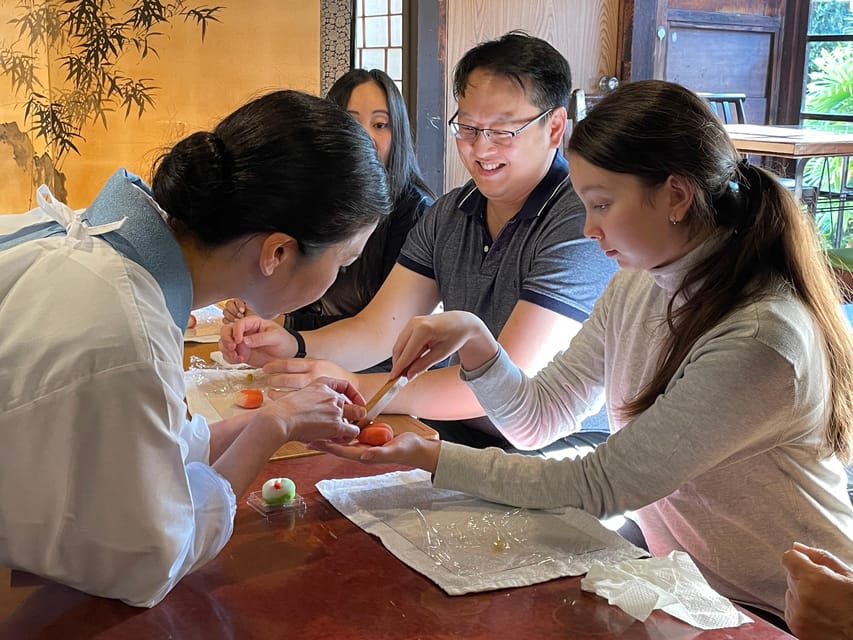
The wagashi lesson is the hands-on part of the session. You will work with the supplied ingredients and seasonings to make a Japanese confectionery. The exact sweet can vary, and the activity details do not promise a particular design or recipe, so keep your expectations open.
That uncertainty is not a problem. Wagashi is often valued for appearance as much as taste, and the pleasure comes from shaping and finishing the sweet yourself. You will have a clear reason to pay attention: the confection you make becomes part of your tea experience later.
All cooking ingredients and seasonings are included, as are fees, taxes, and the guide. You are not expected to bring a shopping list or buy supplies on site. The price also covers the tea ceremony instruction, so you are paying for a connected activity rather than two unrelated demonstrations.
If you have dietary restrictions, contact the provider in advance. Vegetarians are welcome, and the session is also described as vegan-friendly, but advance notice is still important. Do not wait until you arrive and assume substitutions can be made instantly.
A few more cooking classes around Osaka worth a look
- Ramen and Gyoza Cooking Class in Osaka
★ 5.0 · 202 reviews - Osaka Sake Tasting with Takoyaki Cooking
★ 5.0 · 156 reviews - Osaka: Cooking Class Ramen & Gyoza Course in Nanba
★ 4.9 · 86 reviews - Osaka: Gluten-Free Ramen and Gyoza Cooking Class
★ 5.0 · 42 reviews
Learning tea ceremony rules without rushing
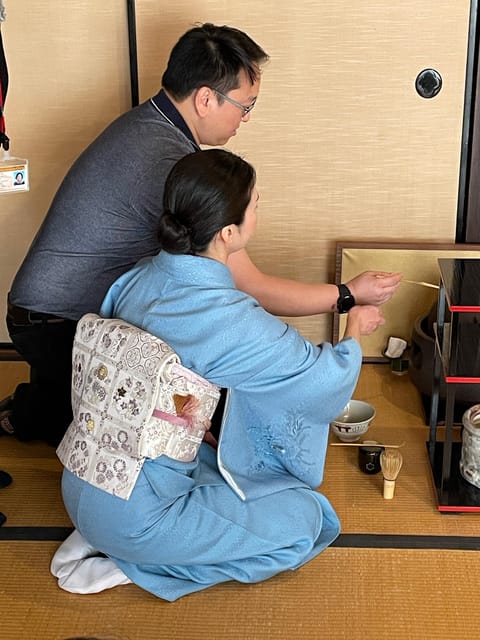
After the wagashi preparation, you learn about the history and spirit of the tea ceremony. The emphasis is not only on making green tea. You also learn how the ceremony’s rules shape the movement, order, and respect within the gathering.
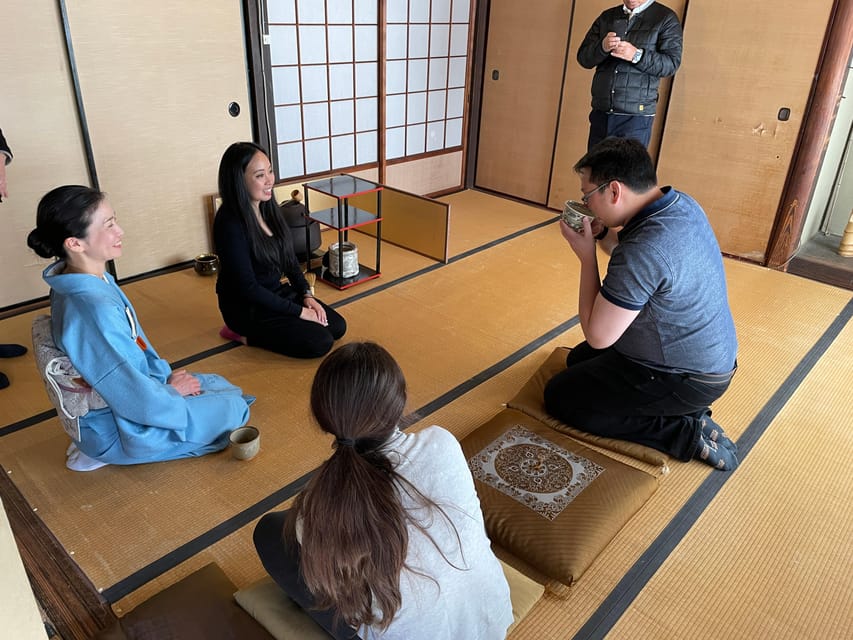
You will have a chance to make tea according to those rules, then experience the ceremony with the confection you prepared. This gives the lesson a satisfying rhythm: learn, make, sit, and taste. It also helps explain why the tea ceremony can feel calm even though it involves a surprising number of small actions.
The experience is suitable for someone with no prior knowledge. You do not need to memorize every gesture or worry about getting each movement perfect. The point is to understand the spirit of the ceremony and take part with care.
Still, a formal tea ceremony may not suit someone looking for a casual cup of tea and a quick photograph. The rules are part of the appeal. If you dislike sitting through instruction or following a set order, you may find the pace more deliberate than expected.
Tea and sweets make a better lesson together
The wagashi and tea are strongest as a pair. The sweet gives you something to notice in the tea setting, while the tea gives the confection a clear purpose. Instead of simply eating a Japanese dessert in isolation, you learn how it works within a traditional social ritual.
I also like the fact that your own preparation remains part of the experience. You are not only watching a craftsperson produce a perfect sweet. Your finished wagashi may be simple, but it gives you a personal connection to the ceremony.
The supplied information describes the desserts as delicious, and the overall experience received a top score from two published ratings. Those ratings form a small sample, so I would not treat them as proof that every person will have the same reaction. They do point to the food and warm hosting as major strengths.
The family also operates a shop or craft setting with artifacts on display. You can look around at no extra cost once the ceremony is over. This adds value without turning the activity into a shopping obligation.
Kimono photos and Kyoto textiles after the ceremony
When the ceremony ends, you can take photographs and see examples of kimonos and woven textiles made in Kyoto’s Nishijin district. This is a pleasant final stage because it lets you look back on the visual side of the tradition after learning its practical side.
Kimono wear is optional and must be selected as an add-on during booking. It is not part of the $98 base price. If wearing traditional clothing is important to you, choose the add-on before arrival rather than assuming it will be available on the day.
The textile display also gives you another way to connect tea culture with Japanese craft. Tea ceremony is not only about the bowl and the tea. Clothing, sweets, architecture, and textiles all help shape the setting. The experience offers a brief view of that wider world without claiming to be a full kimono or textile workshop.
If you prefer a strictly hands-on cooking lesson, these photo and textile portions may feel secondary. If you want a lasting visual record of the day, they make the ending more useful.
Is $98 a fair price for two hours?
At $98 per person, this is not the cheapest way to drink green tea in the Osaka area. The value comes from the combination of several services: a guide, ingredients, cooking instruction, tea ceremony instruction, a small group, and access to the family’s artifact display.
The maximum group size is six. That matters because cooking and tea instruction can become frustrating when you are one person in a crowd. A small group should give you more opportunity to see the process, ask questions, and receive help with the wagashi.
You also avoid separate charges for cooking ingredients, seasonings, guide fees, and taxes. Insurance is excluded, and the kimono option costs extra, so include those points in your budget.
I would consider the price good value for someone who wants a personal cultural activity and does not mind traveling to Izumisano. It is weaker value if you only want a short tea sample, already have several craft workshops booked, or need a central Osaka location.
The provider allows free cancellation up to 24 hours before the activity for a full refund. You can also reserve now and pay later, which helps if your schedule is still shifting.
Who will enjoy this experience most?
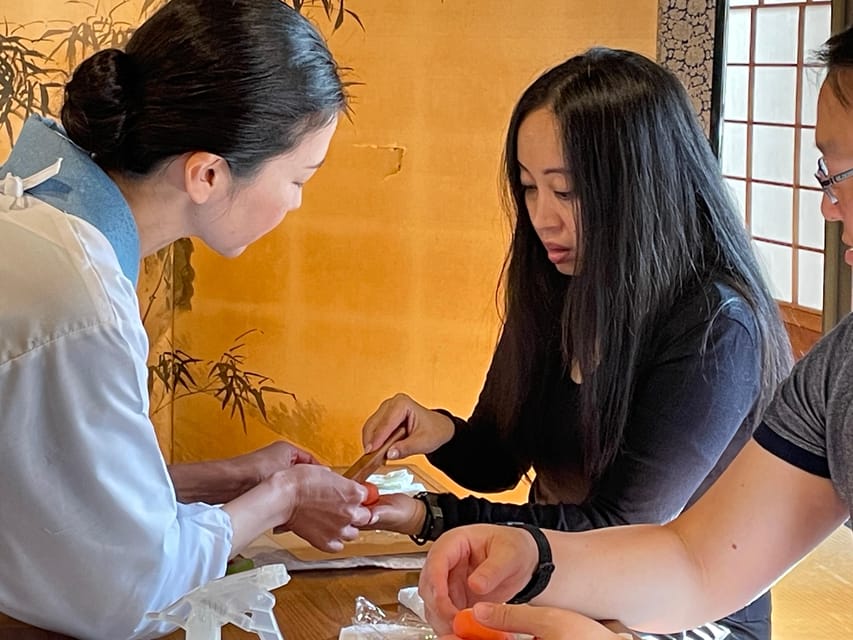
You should consider booking if you want to:
- Learn by doing rather than only watching
- Understand why wagashi is served with green tea
- Spend time with a family connected to a century-old business
- Join a group limited to six people
- Add a kimono photo option to a cultural afternoon
- Find an activity suitable for vegetarian or vegan participants with advance notice
- Enjoy a slower cultural visit outside central Osaka
Families and first-time visitors may find the format approachable because the experience combines cooking, storytelling, tea, and photos. The two-hour length is also manageable for a day with other plans.
The activity may be less suitable if you want nightlife, a broad sightseeing tour, or a large-scale performance. It is also not designed as a museum visit, though the artifact display is a welcome extra. The listed information says it is not suitable for people with altitude sickness, although Izumisano itself is not described here in detail, so raise any health concern with the provider before booking.
The venue is wheelchair accessible. Alcohol and drugs are not allowed. These points are simple, but they are worth knowing before you arrive.
My recommendation for this Izumisano tea experience
I would book this if you want a personal introduction to Japanese tea culture with a real activity at its center. Making wagashi, preparing tea, and then sitting down with both gives the two-hour visit a clear purpose. The family hosting it, the small group, and the century-long business history add a human touch that a standard demonstration may lack.
I would skip it if your Osaka schedule cannot spare the trip to Izumisano or if $98 feels too high for a two-hour class. Also remember that the kimono is an extra, dietary needs require advance notice, and the exact finish point should be confirmed.
For the right visitor, this is a thoughtful cultural stop: modest in scale, practical in format, and built around the simple pleasure of making something before enjoying it.
FAQ
Where does the tea ceremony and wagashi class begin?
It begins at Furusato Machiya-Kan, the former Shinkawa family residence, in Izumisano.
How do I reach the meeting point from Nankai Izumisano Station?
Exit the station and go right toward Tsubasadouri shopping district. Turn left at Uniform Noguchi, then right at the next corner. Furusato Machiya-Kan is there for pickup.
How long does the activity last?
The experience lasts two hours. Starting times depend on availability.
What does the $98 price include?
The price includes cooking ingredients and seasonings, all fees and taxes, and the guide fee.
Is the tea ceremony conducted in English?
English is the listed tour language. If you book the English interpreter option, an interpreter accompanies you.
Can vegetarians and vegans join?
Yes. Vegetarians are welcome, and the activity is described as vegan-friendly. Tell the provider about dietary restrictions in advance.
Is wearing a kimono included?
No. Kimono wear is an optional add-on selected during booking. You can take photos and see kimono and Nishijin woven textiles after the ceremony.
Can I cancel the activity for a refund?
You can cancel up to 24 hours in advance for a full refund. The activity also offers reserve-now, pay-later booking.
Just added around Osaka
- Osaka Sake Tasting with Takoyaki Cooking★ 5.0 · 156 reviews
- Okonomiyaki&Takoyaki for Families:Osaka Street Food Festival★ 5.0 · 4 reviews
- Osaka: Sashiko Japanese Craftsmanship Workshop★ 5.0 · 31 reviews
- Osaka Okonomiyaki Cooking Experience for Families & Groups★ 4.9 · 8 reviews
- Osaka: Okonomiyaki Cooking Class with Beer or Soft Drink★ 4.9 · 9 reviews
- Osaka: Cooking Class & Sake Tasting with Local Market Visit★ 4.8 · 31 reviews
- Osaka: Gluten-Free Ramen and Gyoza Cooking Class★ 5.0 · 42 reviews
- Osaka: Japanese Cooking Class with Matcha Experience★ 5.0 · 4 reviews
Japanese & Sushi Cooking Classes, compared.
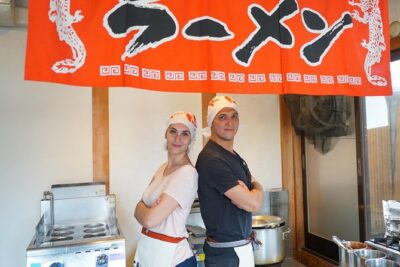
Ramen Cooking Class at Ramen Factory in Kyoto
Read our review →
Ramen & Gyoza Cooking Class in Tokyo with Local Supermarket Visit
Read our review →
Ramen Cooking Class at a Ramen Factory with Souvenir
Read our review →
Sushi Making Osaka! Popular Sushi Class in Japan!
Read our review →
Tokyo Tsukiji Fish Market Tour and Sushi Making Lesson
Read our review →
Japanese Washoku Bento Small Group Cooking Class
Read our review →
Lists this class appears in