
REVIEW · HONSHU, JAPAN
Osaka: Japanese Cooking Class with Matcha Experience
Good food makes Osaka feel local. This two-hour cooking class gives you a practical way to learn Japanese dishes and prepare matcha with a local chef, rather than simply eating another restaurant meal. I like the choice of home-cooked dishes, okonomiyaki, or bento, and I like the warm help promised from an Osaka mom, especially if you are not confident in the kitchen. The main consideration is that the class is not suitable for wheelchair users or people with food allergies.
The setting also works well for a sightseeing day. You can reach it in about seven minutes on foot from Morinomiya Station, with easy access from Shinsaibashi, Namba, and the Osaka Castle area. The small group limit of 10 should keep the class personal, though the available information does not promise that every dish can be adapted for dietary needs.
Key points to know before booking
- Three Japanese dishes to choose from: Pick home-cooked dishes, okonomiyaki, or bento, depending on the class option available for your date.
- Matcha is part of the experience: You do more than cook food, with a hands-on matcha-making session included.
- A local Osaka mom provides support: This is useful for beginners, families, and anyone who wants patient guidance in the kitchen.
- Convenient Morinomiya location: The venue is a seven-minute walk from Morinomiya Station and one JR station from Osaka Castle Station.
- Small groups keep things manageable: The class accepts up to 10 participants and is offered in English and Japanese.
- Strong appeal for families: Children have enjoyed the class, and the friendly teaching style has been praised by families and couples.
Why this Osaka cooking class is worth your time
Osaka is famous for eating, but cooking gives you a better sense of how everyday food fits into local life. This class focuses on dishes commonly enjoyed in Japanese homes and in Osaka, so you get more than a restaurant-style presentation.
I especially like the choice between three formats. Home-cooked dishes are the best fit if you want a general introduction to Japanese family food. Okonomiyaki is the obvious Osaka choice, a good pick if you want a dish closely tied to the city. Bento gives you a look at the careful arrangement and variety found in a Japanese packed meal.
The experience lasts two hours. That is long enough for a proper activity without taking over your day. You can fit it before or after Osaka Castle, or use it as a planned stop while moving between the central Osaka areas and Morinomiya.
The included matcha session adds a second layer. You are not only working with food, but also learning about a familiar Japanese drink through a hands-on activity. The details of the matcha preparation are not specified, so you should think of this as an included cultural experience rather than a formal tea ceremony.
More Sushi and Japanese Classes in Osaka:
- Sushi Making Osaka! Popular Sushi Class in Japan!
★ 5.0 · 500 reviews - Osaka: Ramen and Gyoza Cooking Class in Dotonbori
★ 5.0 · 378 reviews - Osaka Cooking Class: Okonomiyaki &Japanese cuisines experience
★ 5.0 · 261 reviews
Choosing between home cooking, okonomiyaki, and bento
Your dish choice will shape the feel of the class.
Home-cooked dishes make sense if you want useful recipes to repeat after your Japan trip. This option is likely the broadest introduction to common Japanese food, though the exact menu is not stated. If you are choosing for a family with mixed tastes, ask what dishes are available before confirming your selection.
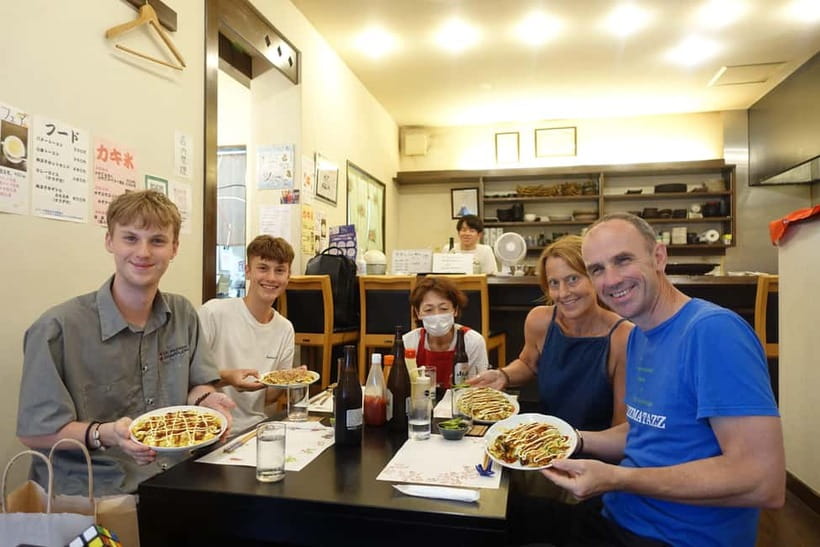
Okonomiyaki is the most distinctly Osaka-flavored option. The dish is commonly associated with the city and offers an easy connection between what you see on local menus and what you prepare in class. It is a natural choice if you want your cooking activity to reflect Osaka itself.
Bento is appealing if presentation matters to you. A bento brings several components together in one organized meal, so the class may suit anyone interested in how Japanese food is arranged as well as how it is cooked. The exact contents are not provided, so check the current choice before booking.
You are told to select one dish from these three options. The ingredients for the selected dish are included, although the preparation notes also say to bring ingredients. That wording is unclear. I would confirm with the provider before arrival, especially if you want to know whether the class expects any extra items from you.
What the two-hour class should feel like
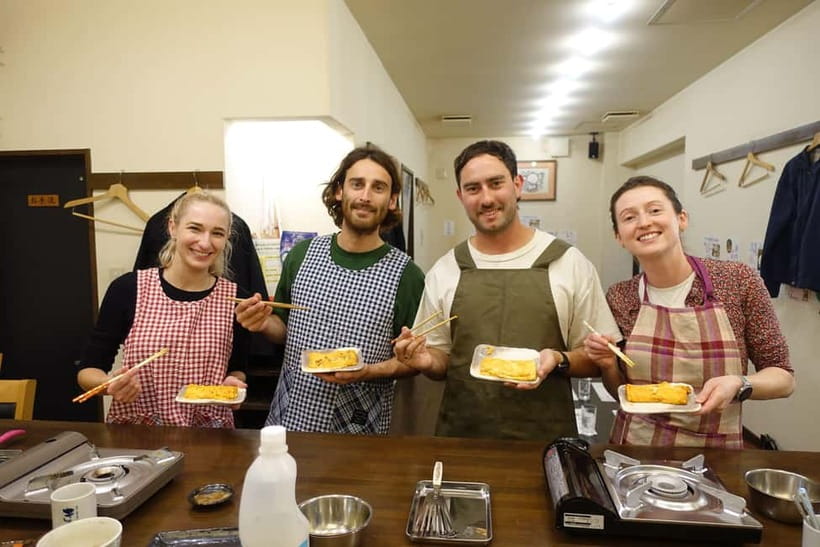
The class is taught by a local chef, with English and Japanese support available. You should expect instruction, hands-on preparation, and time to make the selected food rather than simply watch a demonstration.
The support from an Osaka mom is one of the most appealing details. Cooking classes can become awkward when instructions move quickly or when you are unsure how much help to ask for. Here, beginners are specifically welcomed, and that personal assistance should make the activity easier for children and first-time cooks.
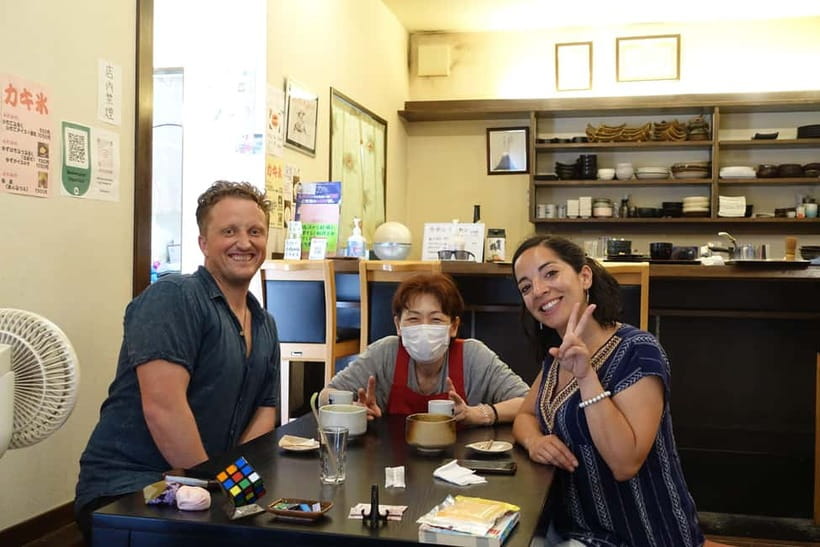
The teaching style also seems important. Ikuko is described as lovely and welcoming, with an ability to make people feel at home. Another highly praised teacher is described as enthusiastic, happy, and clearly fond of teaching and cooking. Those details suggest a class built around encouragement rather than strict technique.
You should still keep your expectations sensible. There is no detailed menu, cooking schedule, or description of the kitchen equipment. The value comes from taking part, learning basic preparation, and sharing the task with your group, not from receiving a professional culinary qualification.
Why families and couples may enjoy it most
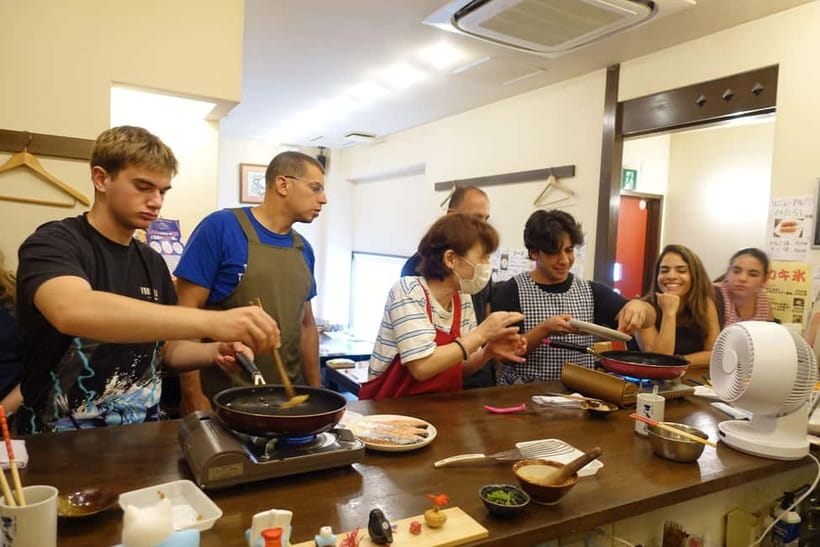
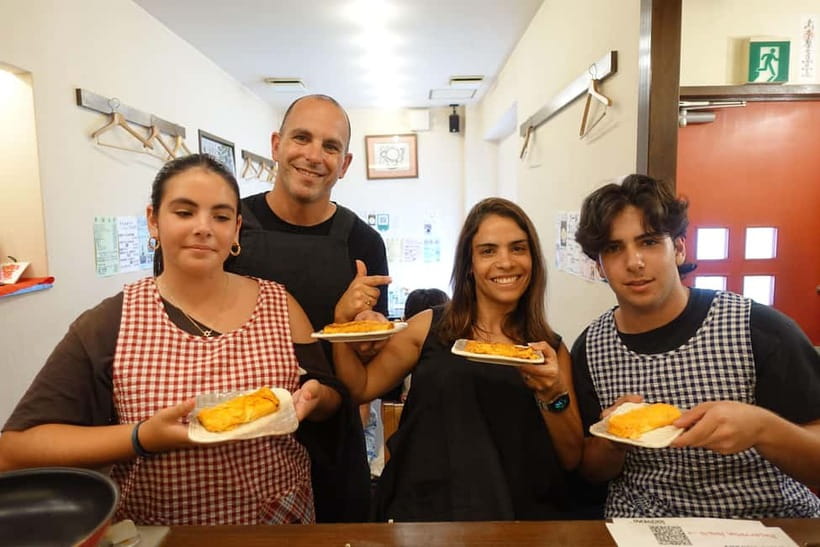
This class has strong family appeal. Children have enjoyed the activity, and a family booking described the experience as a hit for two girls. That points to an activity with enough movement and participation to hold younger attention better than a long cultural lecture.
Cooking also gives families a shared task. You can divide up simple jobs, help one another, and sit down with something you made together. The class may be especially useful on a rainy day or when you want a break from temples, museums, and shopping.
Couples and friends can use it in the same way. The activity creates a natural reason to talk and work together, and you leave with recipes that can be recreated at home. One booking specifically noted that the recipes were delicious and practical enough to make again.
The small group limit of 10 helps here. It is not a private lesson, but it should be less crowded than a large workshop. If you are booking as a family, check the age and participation needs of your children directly with the provider, since no minimum age is given.
A few more cooking classes around Osaka worth a look
- Ramen and Gyoza Cooking Class in Osaka
★ 5.0 · 202 reviews - Osaka Sake Tasting with Takoyaki Cooking
★ 5.0 · 156 reviews - Osaka: Cooking Class Ramen & Gyoza Course in Nanba
★ 4.9 · 86 reviews - Osaka: Gluten-Free Ramen and Gyoza Cooking Class
★ 5.0 · 42 reviews
The matcha session adds a useful Japanese touch
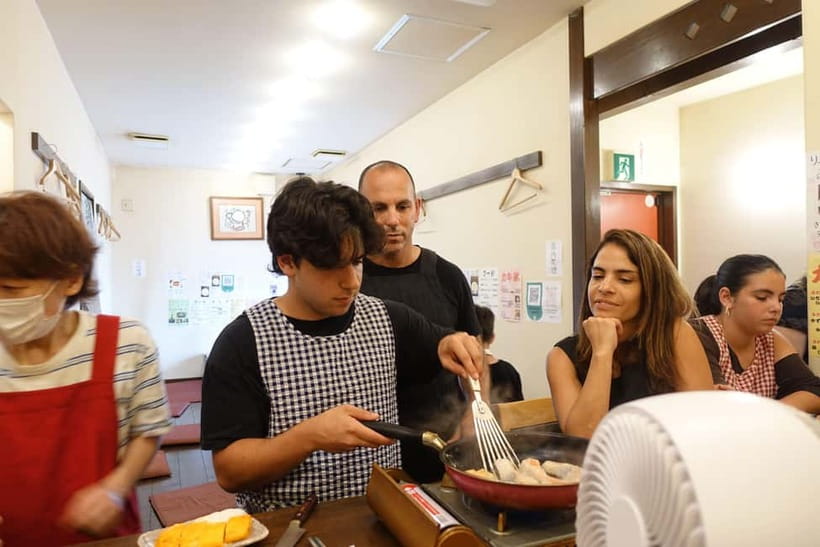
Matcha is easy to encounter in Japan, but making it yourself gives the experience more meaning than ordering a matcha drink in a café. This session is included in the price and gives you another activity after or alongside the cooking.
The supplied information does not explain the exact method, length, or whether you drink the matcha with the meal. I would not book this expecting a full tea ceremony. Instead, think of it as a simple, hands-on introduction that rounds out the food lesson.
That balance suits a short class. You get two different activities without needing a separate tea experience. If your schedule is tight, this is an efficient way to combine food preparation with a small cultural lesson.
Getting to the venue from Osaka Castle and central Osaka
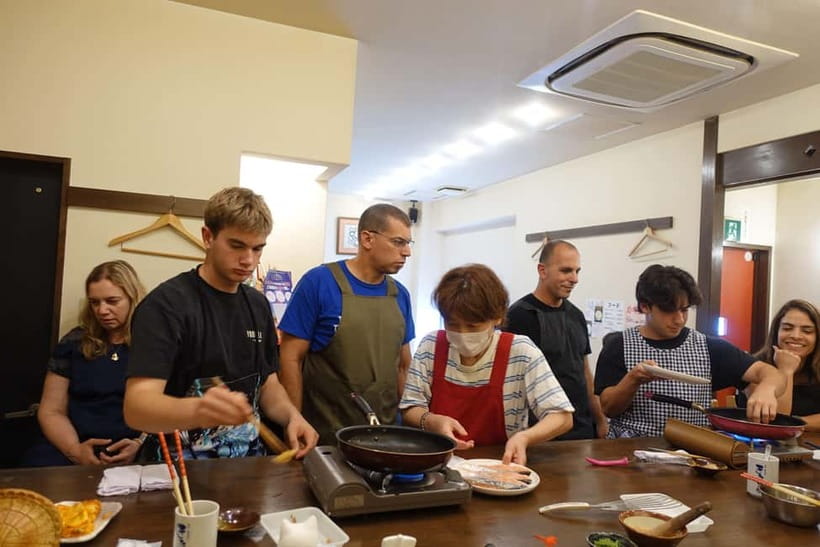
The location is one of the class’s practical strengths. It is about a seven-minute walk from Morinomiya Station, and the venue is one JR station from Osaka Castle Station. That makes it easy to pair with Osaka Castle sightseeing.
You can also reach the area from Shinsaibashi and Namba, both major parts of an Osaka visit. The class works well as a stop before or after exploring those districts, though you should allow enough time to find the meeting point. The instructions say there is a sign, but no fuller landmark description is provided.
Transportation to and from the activity is not included. You pay for your own train fare and make your own way to the meeting point. This is normal for a city activity, but remember to build that cost and travel time into your day.
Wear comfortable shoes and comfortable clothes. Cooking is a hands-on activity, so restrictive clothing or uncomfortable footwear will make the two hours less pleasant. The class information also lists ingredients among the things to bring, despite saying ingredients are included, so confirm this detail before you go.
Is $64 a fair price?
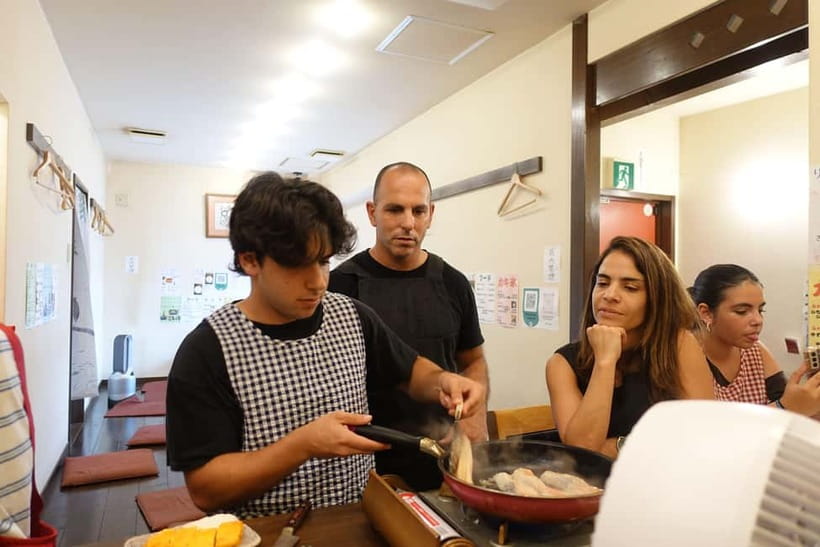
At $64 per person, the class is not the cheapest way to eat in Osaka. It is also not simply a meal. Your price covers the cooking instruction, ingredients for the selected dish, and the matcha-making experience.
The value is strongest if you want to learn recipes you can use again. A restaurant meal disappears quickly, while a successful home-cooked dish or bento can become part of your own cooking routine. The friendly guidance matters too, particularly if you are new to Japanese ingredients or cooking methods.
Families should calculate the total carefully because the price is per person. If every member of the group participates, the cost rises quickly. Still, a two-hour shared activity may be worthwhile when you want a break from sightseeing and a memory that involves everyone.
The price is less attractive if you only want to eat okonomiyaki or try matcha. Osaka offers many cheaper food options. Book this class for the teaching, participation, and social time, not just for the food itself.
What the teaching style means for beginners
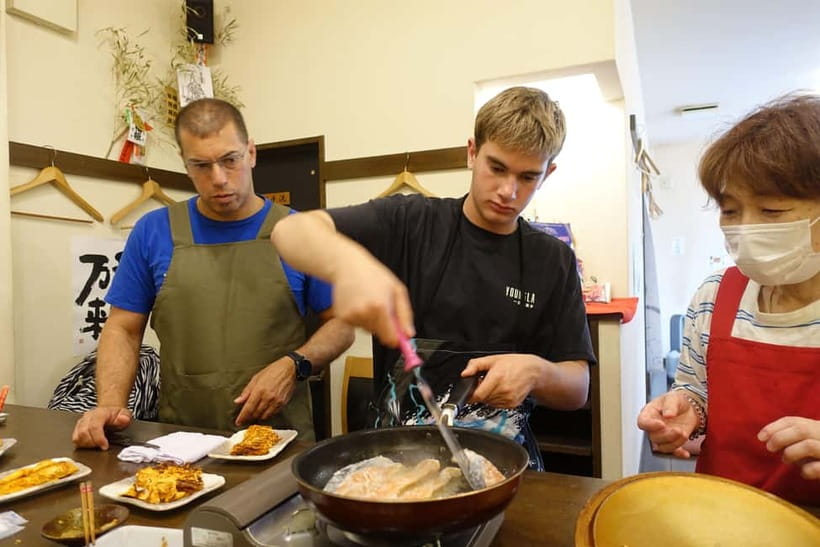
You do not need to be a confident cook to consider this class. The presence of an Osaka mom for support is specifically intended to help people who are unfamiliar with cooking.
That matters in a group setting. You can follow along without feeling that everyone else knows what to do, and you have a named style of personal support rather than a purely formal demonstration. The available teaching languages are English and Japanese, so you should have a reasonable chance of following the instructions if you speak one of those languages.
The strongest praise has focused on the teachers. One instructor, Ikuko, helped create a welcoming atmosphere. Another teacher was described as enthusiastic and effective, with techniques that came across clearly. For a cooking class, that is more important than fancy surroundings.
Still, language support is not the same as guaranteed fluency in every cooking term. If you have questions about ingredients, techniques, or allergies, ask them before the class begins.
Important limits for allergies and mobility
The class is listed as unsuitable for people with food allergies. You are also asked to report allergies or dietary restrictions in advance, but that does not mean the kitchen can accommodate them.
If you have any allergy, contact the provider before booking and get a clear answer. Do not assume that removing one ingredient will make the dish safe. Cross-contact details are not provided, and the activity is explicitly not recommended for people with food allergies.
The experience is also not suitable for wheelchair users. No further accessibility information is given, so you should not rely on the seven-minute walk or station access as proof that the cooking space itself is accessible.
For everyone else, comfortable shoes and clothes are the sensible preparation. Personal expenses and transportation are separate from the class price.
Cancellation and booking flexibility
You can cancel up to 24 hours before the activity for a full refund. A reserve-now, pay-later option is also offered, which helps if your Osaka schedule is still changing.
The class has a small capacity of up to 10 people, so available starting times may matter during busy travel periods. Check the date and start time carefully, then plan your train route to Morinomiya Station.
The host or greeter speaks English and Japanese. At the meeting point, look for the sign and allow a few extra minutes to get oriented.
Who should book this experience?
I would recommend this class most strongly to:
- Families looking for a shared activity that children can join
- Couples and friends who prefer doing something together over watching a demonstration
- First-time visitors who want a local food experience near Osaka Castle
- Beginners who appreciate patient cooking support
- Anyone who wants recipes they can try again at home
- Visitors with time to connect Osaka Castle, Morinomiya, Shinsaibashi, or Namba
I would be more cautious if you have a food allergy, use a wheelchair, or only want a quick meal. The class also may not suit you if you need a fully specified menu before booking, since the exact dishes and matcha format are not provided.
Should you book the Osaka cooking and matcha class?
Book it if you want a friendly, hands-on activity with a local chef, especially if you are traveling with children or people who do not cook often. The choice of home-cooked dishes, okonomiyaki, or bento gives you some control, while the matcha session adds a second Japanese experience for the $64 price.
I would choose okonomiyaki for the strongest Osaka connection, home cooking for recipes you hope to repeat, and bento if you care about arrangement and presentation. Confirm the ingredient instructions and any dietary concerns before paying.
For a convenient two-hour break from sightseeing, this is a sound choice. It is practical, social, and focused on food you can remember after the plate is gone.
FAQ
How long does the cooking class last?
The experience lasts two hours.
How much does the class cost?
The price is $64 per person.
Which dishes can I choose to make?
You can choose from home-cooked dishes, okonomiyaki, or bento. The exact available dish may depend on the class option or date.
Is matcha included?
Yes. A matcha-making experience is included with the cooking class.
Where is the class located?
The venue is about a seven-minute walk from Morinomiya Station. It is also one JR station from Osaka Castle Station and accessible from Shinsaibashi and Namba.
Is the class available in English?
Yes. The host or greeter can provide support in English and Japanese.
How many people are in the group?
The class is a small-group experience limited to 10 participants.
Can people with food allergies join?
The activity is listed as unsuitable for people with food allergies. You should report any allergies or dietary restrictions in advance, but you should not assume that the class can safely accommodate them.
Just added around Osaka
- Osaka Sake Tasting with Takoyaki Cooking★ 5.0 · 156 reviews
- Okonomiyaki&Takoyaki for Families:Osaka Street Food Festival★ 5.0 · 4 reviews
- Osaka Okonomiyaki Cooking Experience for Families & Groups★ 4.9 · 8 reviews
- Osaka: Sashiko Japanese Craftsmanship Workshop★ 5.0 · 31 reviews
- Osaka : Exclusive Tea Ceremony & Wagashi Cooking★ 5.0 · 2 reviews
- Osaka: Okonomiyaki Cooking Class with Beer or Soft Drink★ 4.9 · 9 reviews
- Osaka: Gluten-Free Ramen and Gyoza Cooking Class★ 5.0 · 42 reviews
- Osaka: Cooking Class & Sake Tasting with Local Market Visit★ 4.8 · 31 reviews
Japanese & Sushi Cooking Classes, compared.
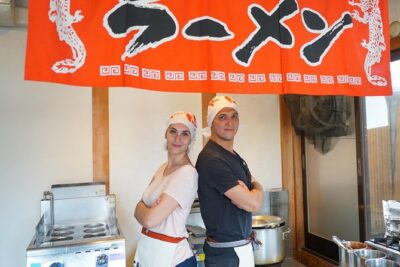
Ramen Cooking Class at Ramen Factory in Kyoto
Read our review →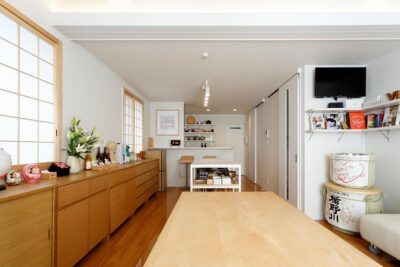
Ramen & Gyoza Cooking Class in Tokyo with Local Supermarket Visit
Read our review →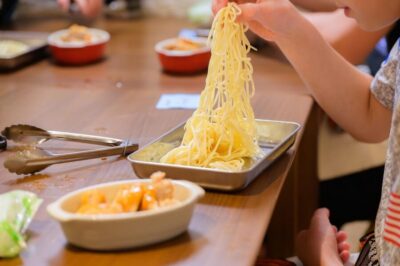
Ramen Cooking Class at a Ramen Factory with Souvenir
Read our review →
Sushi Making Osaka! Popular Sushi Class in Japan!
Read our review →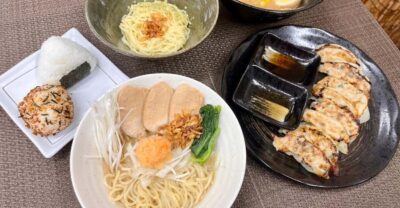
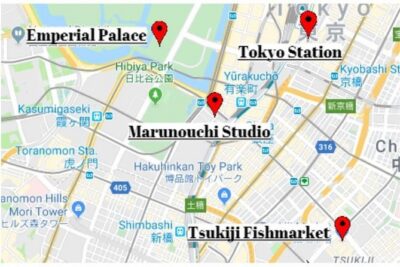
Tokyo Tsukiji Fish Market Tour and Sushi Making Lesson
Read our review →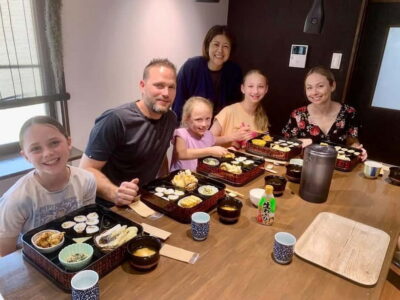
Japanese Washoku Bento Small Group Cooking Class
Read our review →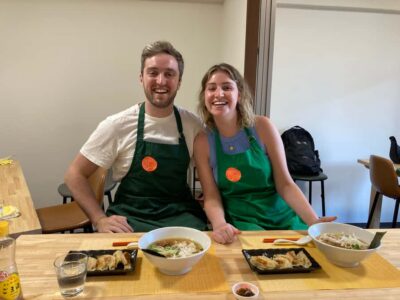
Lists this class appears in