
REVIEW · WEST NUSA TENGGARA, INDONESIA
Lombok Traditional Pottery Experience and Village life
Clay tells a local story. I like the hands-on pottery lesson and the rare chance to cook with a Sasak family in their village home, rather than simply watch a demonstration. The main catch is practical: your pottery needs two days to dry and fire, so you cannot always carry it away on the day.
I also like the gentle pace. You make several pieces, share coffee and snacks, and have time for conversation instead of rushing from one activity to the next. The meeting point can take a little care to find, since Dawa Pottery Studio is on Dusun Adong, across from the Alfamart alley, but the Dawa Pottery sign helps.
Five useful things to know before you go
- You make more than one piece: Depending on your pace, you may shape two, three, or even four small pottery items.
- The meal is part of the cultural exchange: You help prepare local food and then eat it with the family in a warm village setting.
- Dein is a welcoming host: He and his family provide the personal touch that makes this feel like a home visit, not only a craft lesson.
- Your pottery takes time: Pieces require about two days for drying and firing, with shipping available or direct collection arranged.
- The class suits beginners: No previous pottery skill is needed, and children can join with parental guidance.
- Bring clothes for clay and cooking: Comfortable clothing is best, and you should expect a little mess.
Arriving at Dawa Pottery Studio in Dusun Adong
The experience begins at Dawa Pottery Studio in a traditional pottery village in West Nusa Tenggara. The meeting point is across from the Alfamart alley, and you should look for the sign marked Dawa Pottery.
Hotel pickup and drop-off are not included, so you need to arrange your own way there. That is worth noting when you plan your day in Lombok. Allow enough time to locate the studio, especially if you are unfamiliar with Dusun Adong.
The setting matters. You are not entering a polished tourist attraction built around a quick photo opportunity. You are arriving at a working village pottery space, where local craft and family life are tied together.
The class is offered in English, with Indonesian also used in the workshop. Some of the local helpers may speak little English, but the practical nature of pottery helps bridge that gap. Hands, smiles, demonstrations, and shared laughter do plenty of work.
Dein is described as a warm host, and his family plays a central role in the welcome. You may start with Lombok coffee, tea, and snacks before working with clay. That opening gives you time to settle in and learn a little about the family and the village.
More Farm Cooking Classes in Indonesia
- Ubud: Balinese Cooking Class at an Organic Farm
★ 5.0 · 1,786 reviews - From Ubud: Authentic Cooking Class in a Local Village
★ 4.9 · 1,325 reviews - Balinese Farm Cooking Class by Pemulan Bali
★ 5.0 · 410 reviews
Learning Sasak pottery with simple tools
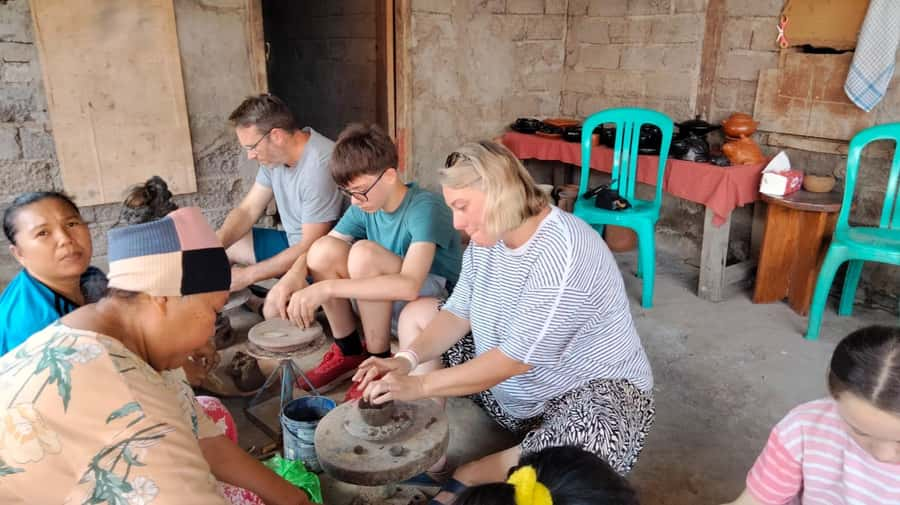
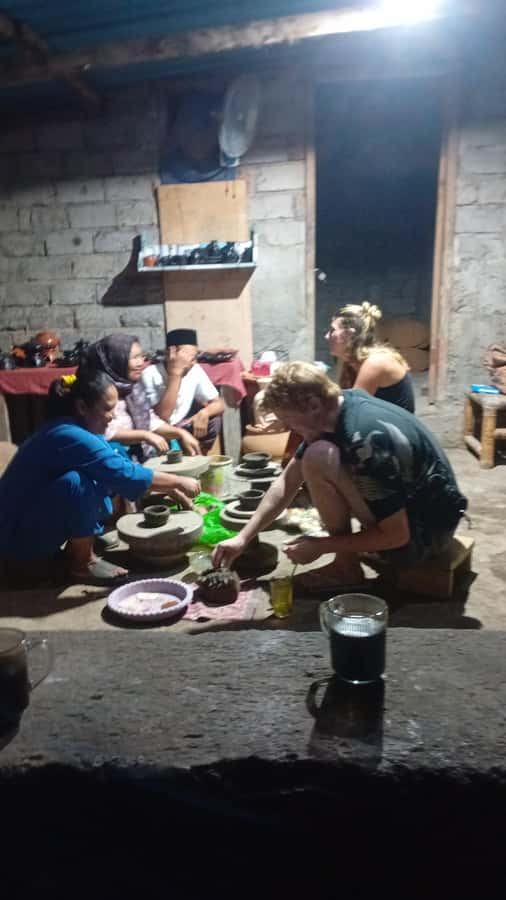
The pottery lesson is the heart of the visit. Local artisans guide you through the basic steps: shaping the clay, smoothing the surface, and adding simple designs.
This is not a formal art course. You should expect practical instruction aimed at beginners, not a technical lecture on ceramics. That is part of the appeal. You get to work with the clay yourself, make mistakes, adjust your shape, and see how much patience traditional pottery requires.
The process uses simple tools and methods passed down through generations. You will learn by watching and doing. The instructor can show you how to form the clay, then help correct your technique as your piece takes shape.
I like that the activity allows you to make several objects rather than limiting you to one carefully managed souvenir. Some visitors create two or three pieces, while a faster group may make four. Your results will depend on your pace and the guidance you need.
Do not expect every piece to look perfectly symmetrical. That is not a flaw here. The uneven edges and fingerprints show that you made it by hand. If you want a factory-perfect bowl, buy one in a shop. If you want a souvenir connected to your own time in Lombok, this is much better.
The work can get messy, so wear clothes that can handle clay. Comfortable clothing also helps because you will be moving your hands and concentrating on small details.
Why making the pottery matters
A pottery demonstration can be interesting for ten minutes. Making your own piece gives you a better sense of the skill involved.
You feel how quickly clay changes under pressure. Push too hard and the shape collapses. Work too lightly and it may not form properly. Even a small object demands care. That simple lesson helps you see local pottery as a living craft, not just a decorative product.
The class also gives you a reason to talk with the people teaching you. You are not only taking photographs of village life from the outside. You are working beside local makers, asking for help, and sharing the small comedy of a piece that refuses to behave.
The experience is especially good for families and mixed-age groups. Children can take part with parental guidance, and teenagers have a clear task rather than being asked to sit quietly through a cultural talk. The activity suits art lovers, but you do not need to think of yourself as creative.
Wheelchair accessibility is listed for the experience. Since the supplied information does not describe the exact surfaces or facilities at the village studio, you may want to confirm any particular access needs before booking.
Cooking with the family after the clay work
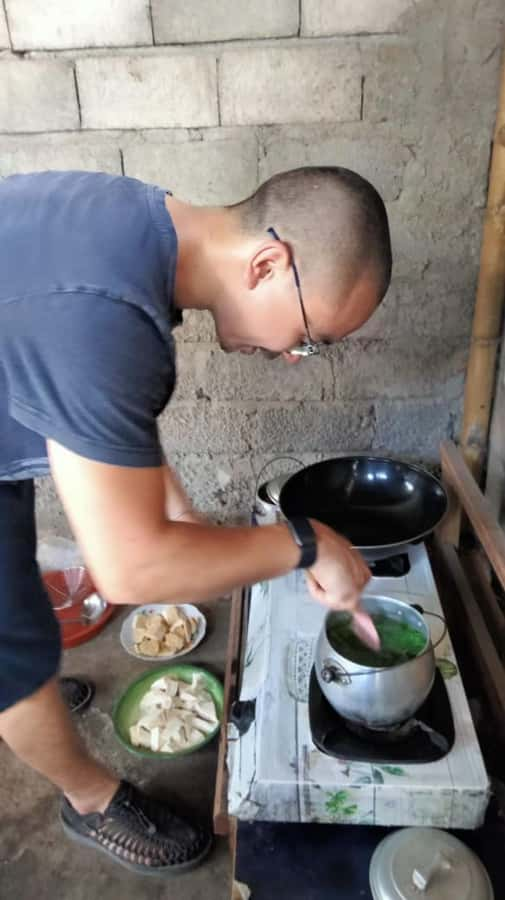
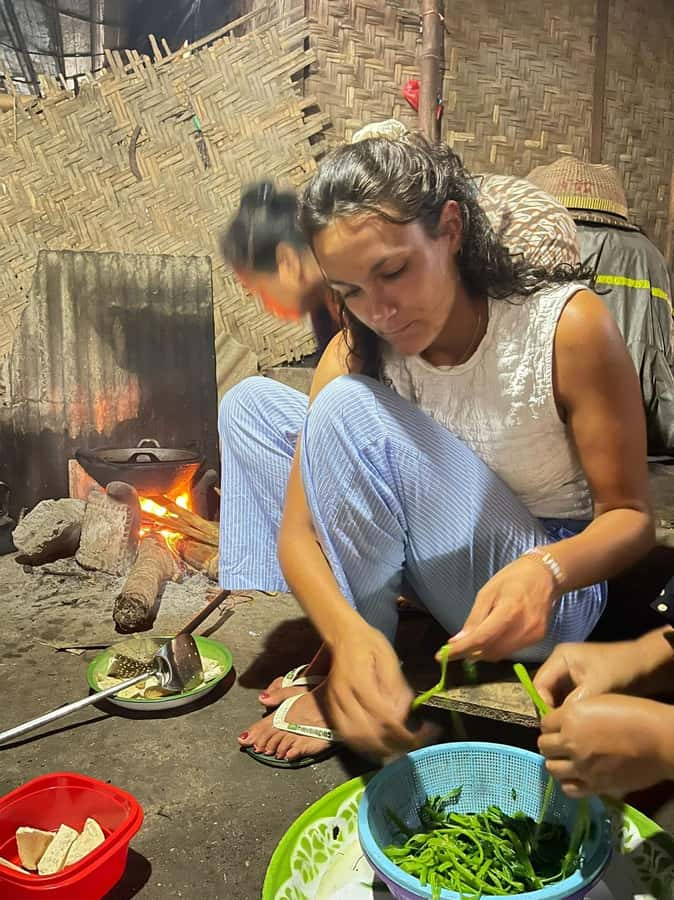
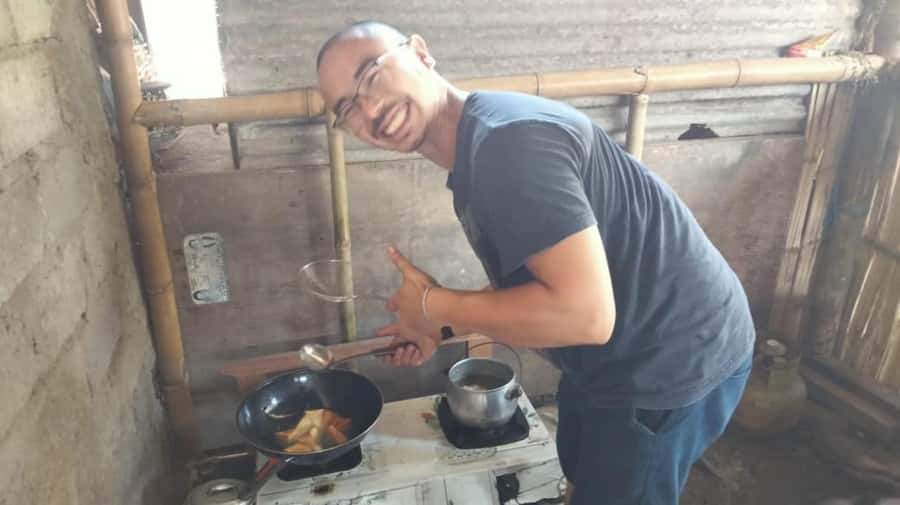
After the pottery session, the visit turns toward food. You are taken to the kitchen and help prepare a local meal with members of the family and village.
This is a useful change of pace. Clay asks for quiet attention, while cooking creates a more social rhythm. You may chop, mix, or prepare ingredients under guidance, depending on the day’s menu and the tasks available.
The ingredients are described as fresh and local. Vegetarian food can be arranged if requested, so mention this when you book. Additional food or drinks outside the class are not included, but the shared meal prepared during the experience is a central part of the visit.
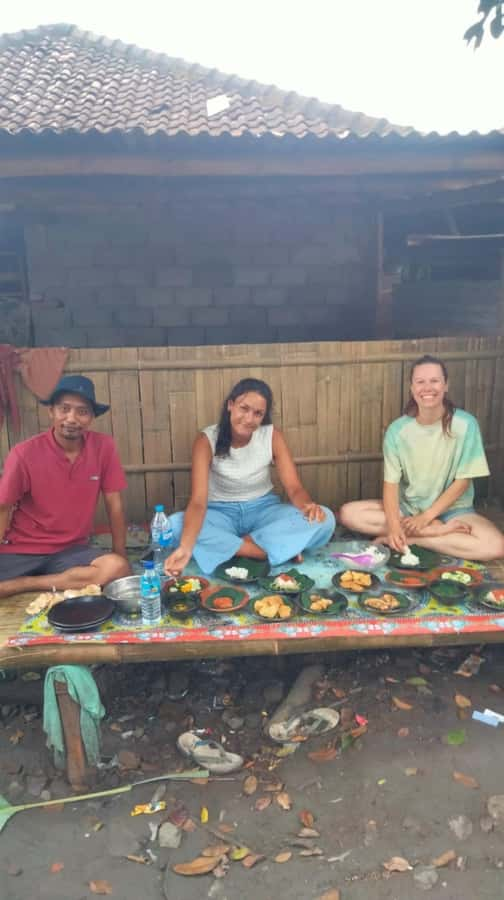
The meal is served in a friendly family atmosphere. Eating with your hands is part of the experience, adding a simple local touch that makes the meal feel less formal. You are not sitting in a restaurant with a menu and a waiter. You are sharing food connected to the work you have just done together.
A useful detail from the visit is the homemade perkedel jagung, or corn fritters, which may be prepared for you to take away. That kind gesture captures the tone of the experience. The food is not just a scheduled box to tick. It becomes another way for the family to welcome you.
You may also share more coffee, tea, snacks, and conversation before leaving. If you enjoy talking with local people and learning through ordinary household activities, this part may matter as much as the pottery itself.
Same place, a different thing to cook:
- Ubud Cooking Class Bali with Balinese Chef
★ 5.0 · 1,609 reviews - Ubud: Cooking Class with Transfers and Optional Market Visit
★ 4.9 · 824 reviews - PRIVATE Authentic Balinese Cooking Class in Ubud at Putu’s Home
★ 5.0 · 644 reviews - Balinese Ubud cooking school (9 Dish Cooking and Market Tour)
★ 5.0 · 540 reviews
The welcome is the real strength
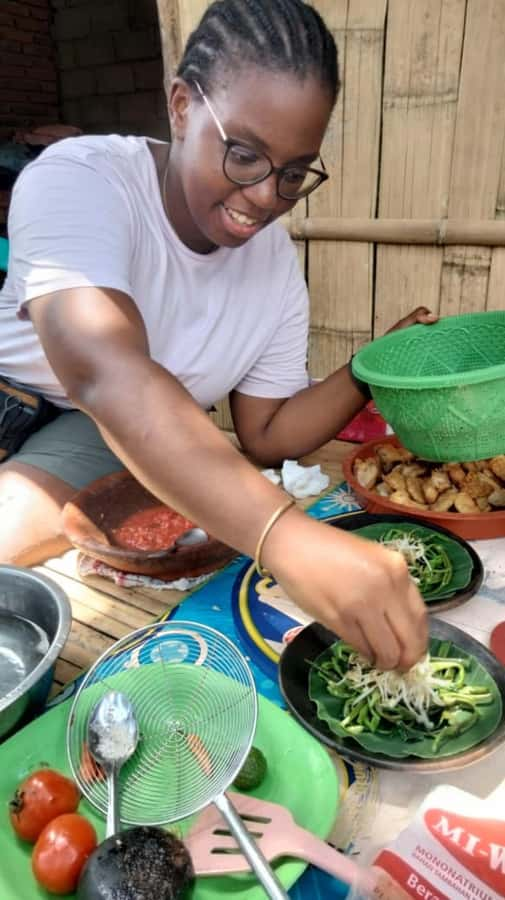
The craft is good, but the human contact is the reason I would recommend this experience.
Dein and his family make the visit feel personal. You may meet several members of the household, walk around the village, and learn about local pottery traditions in a relaxed way. One account also mentions a bonus taste of fresh mangoes, a small detail that shows how easily a village visit can become more spontaneous than a fixed tour schedule.
The atmosphere is warm rather than theatrical. You are not being asked to watch a staged performance of village life. You are invited into a family setting, given refreshments, shown the craft, and included in the cooking.
Language may occasionally be limited. Not every person helping with the activity speaks English, so conversations may rely on gestures and simple explanations. I would treat that as a minor limitation, not a serious problem. Pottery and cooking are both easy to demonstrate, and the shared work gives you plenty of ways to connect.
The strongest value here comes from that welcome. You get a closer look at daily life in a Sasak village without needing a long cultural lecture. The experience is friendly, active, and grounded in ordinary skills.
Collecting or receiving your finished pottery
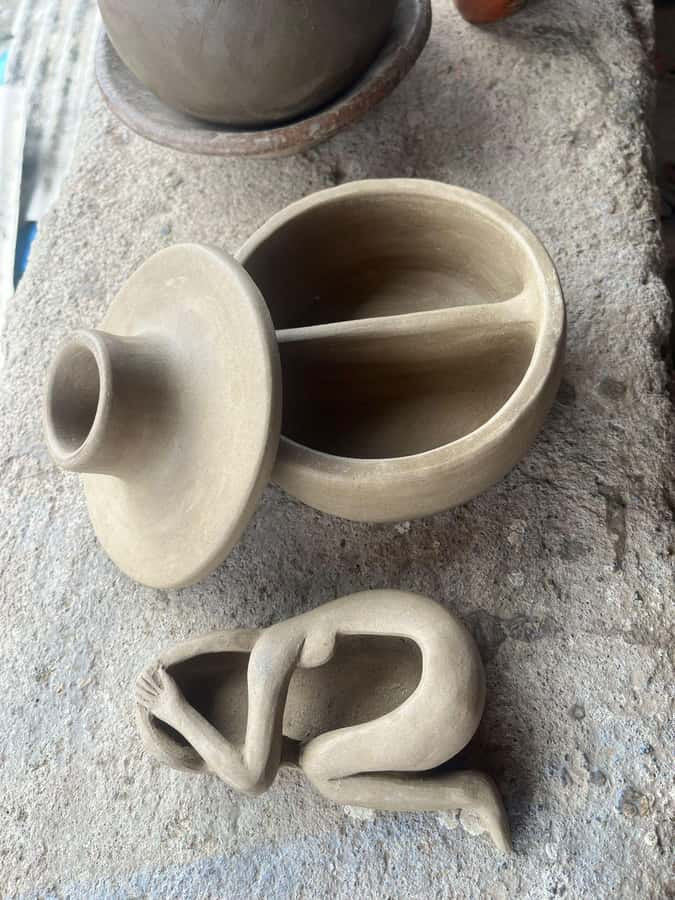
Your handmade pottery is not ready to use immediately. Pieces need around two days to dry and fire before they can be taken home safely.
The provider offers shipping, and pieces may also be taken home directly once they are ready. Ask about the exact collection or delivery arrangement before you leave, particularly if you are moving to another part of Lombok soon.
This timing is the one drawback you should plan around. If you are flying out the next morning, your pottery cannot simply be wrapped and placed in your luggage after the class. You will need to allow time for the firing process or use the shipping option.
The wait also makes sense. Clay must dry properly before firing, and rushing that process could damage the piece. Think of the pottery as a souvenir that arrives later, rather than something you carry away instantly.
Is $21 a good price?
At $21 per person, the value is strong if you take part in both the craft and the cooking.
You receive instruction from local artisans, all pottery tools and materials, refreshments such as coffee, tea, and snacks, a cooking session, and a shared meal prepared with the family. You also get the chance to make several pottery pieces rather than only one.
The price does not include hotel transport, travel insurance, or extra food and drinks outside the class. Those exclusions are normal, but transport can affect the real cost if you are staying far from Dusun Adong.
For me, the best value is not the amount of clay or food included. It is the time spent in a family setting. Many cultural activities give you a short demonstration and a souvenir. This one gives you something to do, people to meet, and a meal to share.
The five-star rating from six verified bookings suggests very strong satisfaction, though the sample is small. I would use that as a positive signal rather than a guarantee that every visit will feel identical. Village activities can vary with the family, the pace of the group, and the day’s cooking tasks.
Who should book this experience?
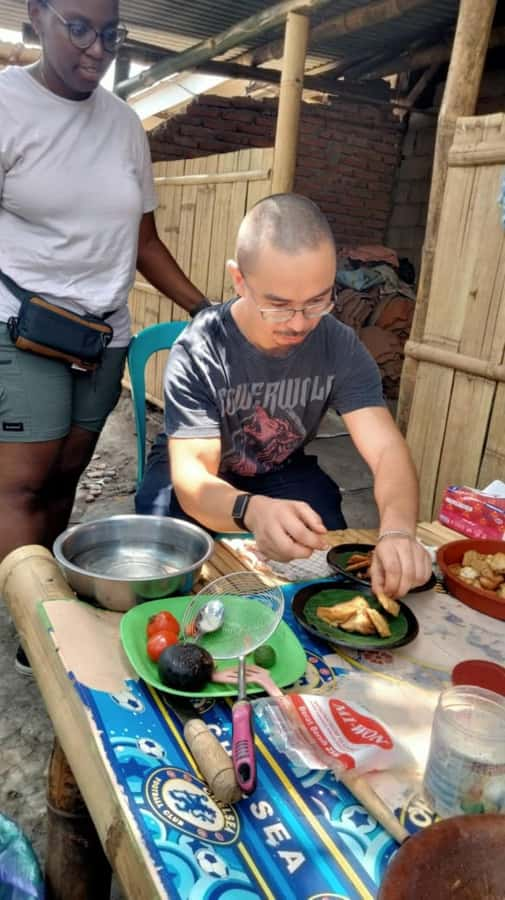
I would choose this for anyone who wants a slower, more personal cultural activity in Lombok.
It suits:
- Couples who enjoy learning a craft together
- Families with children who can follow parental guidance
- Teenagers who prefer practical activities to sightseeing
- Art lovers and beginners
- People interested in Sasak village life and local food
- Anyone who wants a handmade souvenir with a personal connection
It may be less suitable if you want a tightly timed sightseeing tour or a polished studio class with advanced ceramic equipment. The charm comes from the village setting and the family welcome, so some parts may feel informal.
You should also wear old or washable clothing. Clay and cooking can both leave marks. People who have been scuba diving within the previous 24 hours are not considered suitable for this activity, so factor that restriction into your plans.
Free cancellation is available up to 24 hours before the start time, and you can reserve now and pay later. Those terms help if your Lombok schedule is still changing, but they do not remove the need to plan for transport and the two-day pottery wait.
Final call: book it for connection, not speed
Book this experience if you want to make something, eat something, and spend time with a local family.
The strongest parts are the personal welcome from Dein and his family, the chance to make several pottery pieces, and the cooking session that ends with a shared meal. The experience feels generous without being expensive.
Skip it only if you need a finished souvenir immediately or prefer a formal, highly structured workshop. For most people, the two-day drying and firing period is a minor inconvenience. Your pottery may arrive later, but the memory of shaping it in a Sasak village begins right away.
FAQ
How long does the Lombok pottery experience last?
The experience lasts two hours. Starting times vary, so check availability when choosing a date.
Where is the meeting point?
Meet at Dawa Pottery Studio on Dusun Adong, across from the Alfamart alley. Look for the sign marked Dawa Pottery.
Do I need previous pottery experience?
No. The activity is designed for beginners, and local artisans guide you through shaping, smoothing, and decorating the clay.
Can I take my pottery home the same day?
Usually not. Your pottery needs about two days to dry and fire. Shipping is available, or you can take the pieces home directly once they are ready.
Is food included?
The experience includes cooking and sharing a meal prepared with the family. Extra food or drinks outside the class are not included. Vegetarian options are available if requested.
What should I wear?
Wear comfortable clothes that can get dirty. You may get clay on your clothing during pottery making and may also get messy while cooking.
Just added around Indonesia
- Pure Bali Village Experience, Cooking & Jamu Class+VIP Transfer★ 5.0 · 16 reviews
- Spice Garden, Jamu & Cooking Class in Bali Village★ 5.0 · 5 reviews
- The Authentic Balinese Cooking Experience★ 5.0 · 4 reviews
- Seminyak : cooking class traditional food bali★ 5.0 · 5 reviews
- Seminyak: Vegetarian Cooking Class★ 5.0 · 3 reviews
- Quad ride, waterfalls & aunthentic cooking class in munduk★ 4.9 · 53 reviews
- Pure Bali Village Experience Cooking & Jamu Class, Transfer★ 4.8 · 5 reviews
- Ubud: Organic Farm Harvest, Bali Cooking Class by Pemulan★ 4.8 · 12 reviews
Farm & Countryside Cooking Classes, compared.

Half-Day Thai Cooking Class at Organic Farm in Chiang Mai
Read our review →
Cooking Class and Lunch at a Tuscan Farmhouse with Local Market Tour from Florence
Read our review →
Authentic Cooking Class with Market & Farm Visit
Read our review →



Hands-On Cooking Class & Farmhouse Tour on the Amalfi Coast
Read our review →Lists this class appears in