
REVIEW · LISBON DISTRICT, PORTUGAL
Lisbon: Pastel de Nata Baking Class
Lisbon tastes better straight from the oven. This two-hour pastel de nata class turns Portugal’s famous custard tart into a hands-on cultural experience, with chefs guiding you through the dough, custard, shaping, baking, and tasting. I especially like the friendly teaching style and the chance to sample local drinks, including Porto wine and ginginha. The main point to consider is location: Homecooking Lisbon HUB is not right in central Lisbon, so you may want to allow extra time for a taxi or bus.
The class costs $64 per person, which is fair if you value instruction, food, and a social activity rather than simply buying a pastry at a bakery. You will work with the ingredients, not just watch a demonstration, though some ingredients are measured in advance and the staff handle the oven. The final tasting can also feel a little rushed if the class runs tightly to time.
What Makes This Pastel de Nata Class Special
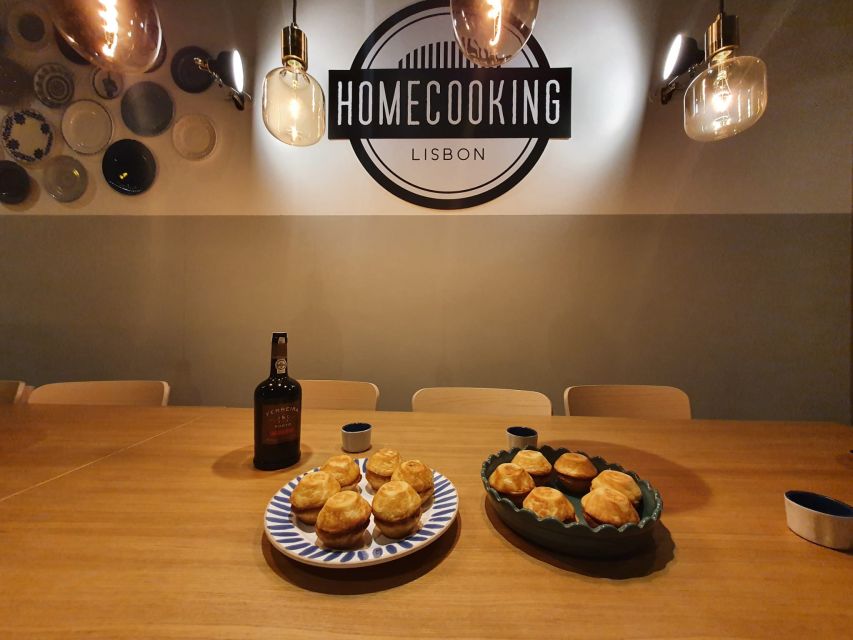
- You make the pastry yourself: Shape the dough, prepare the custard, fill the tins, and see how the famous flaky shell comes together.
- The class explains the culture behind the tart: Your instructor shares the origins and traditional importance of pastel de nata in Portuguese food life.
- Local drinks are part of the experience: Homemade juice, coffee, water, Porto wine, and a ginginha tasting are included.
- You work in a small, social group: A group of around 12 people has enough energy for conversation without making the class feel anonymous.
- Fresh pastries are the reward: You eat your own warm tarts and may have some left to take away.
- Patient instruction suits beginners: Hosts such as Marta, Beatrice, Miyuki, Miguel, and Bea are praised for clear explanations and hands-on help.
Entering the Homecooking Lisbon HUB
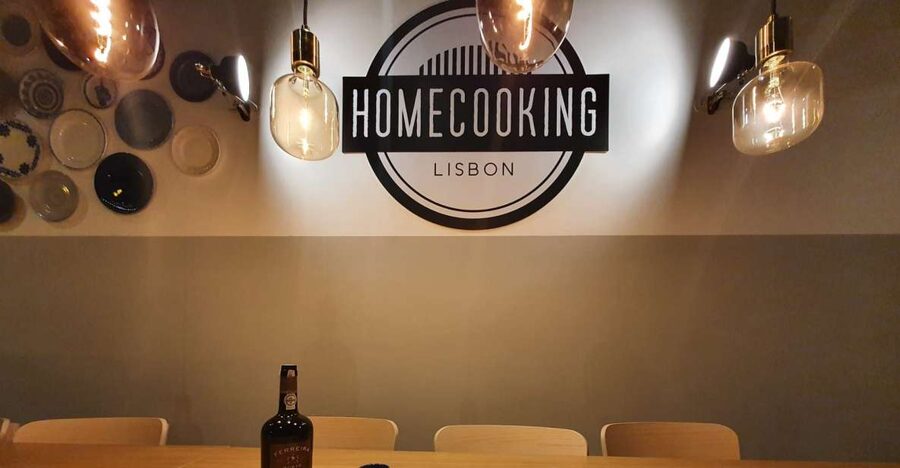
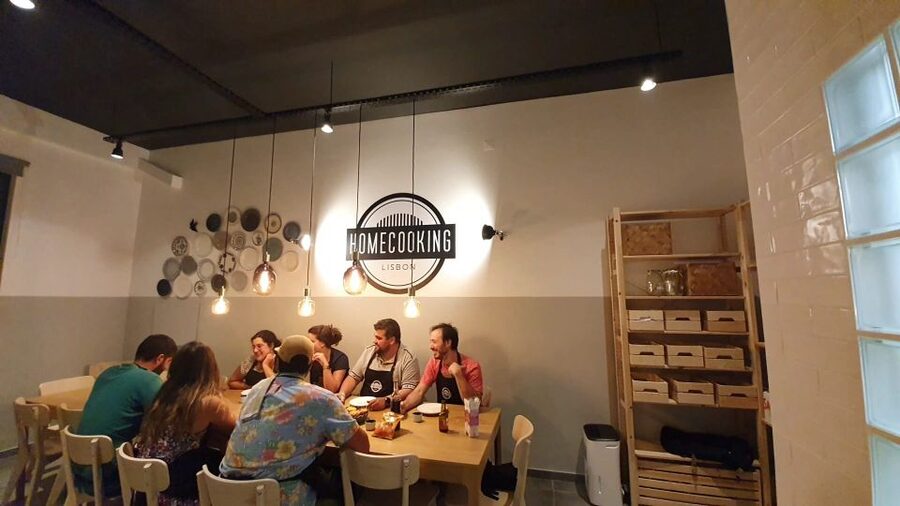
The meeting point is the Homecooking Lisbon HUB, a clean and welcoming cooking space. The room has modern facilities and is set up for group instruction, so you can get to work without waiting for equipment or ingredients to appear.
Finding the location deserves a little planning. It is outside the most central parts of Lisbon, and one participant found a taxi to be a convenient and inexpensive way to reach it. Another noted that a bus stop sits directly outside. A location change caused confusion for one last-minute booking when the usual site was under construction, so check the meeting information carefully before setting out.
This is not a hotel pickup experience. You make your own way to the kitchen, and the $64 price does not include transport. That is not a serious drawback, but it matters when you are planning a busy sightseeing day.
The space works well for a cooking class because the surroundings are practical rather than formal. You are there to handle pastry, listen to instructions, and chat with the people beside you. Several instructors are mentioned by name in the feedback, including Marta, Beatrice, Bea, Miyuki, Miguel, Pedro, and Rachel. The names vary by session, but the teaching style is consistent: friendly, patient, and ready to step in when a fold or filling goes wrong.
More Baking Classes in Lisbon:
- Pasteis de Nata Baking Class from Lisbon
★ 5.0 · 248 reviews - Lisbon: Pasteis de Nata Baking Class
★ 5.0 · 134 reviews - Paris Croissant Small-Group Baking Class with a Chef
★ 5.0 · 910 reviews
The First Lesson: Why Pastel de Nata Matters
Before you get too deep into the recipe, the instructor explains what makes pastel de nata such an important Portuguese food. You learn about its origins, traditional methods, and place in Portuguese gastronomy.
That short cultural lesson gives the baking a purpose. You are not simply making a sweet tart from a recipe card. You are learning why the pastry has such a strong connection to Lisbon and why the contrast between crisp pastry and soft custard matters.
The instructors use clear English, which makes the class accessible if you have little baking experience. The pace is deliberately approachable. Hosts explain each stage, show you what the mixture should look like, and answer questions as you go.
I like this balance. The class gives you enough background to understand the food without turning into a long lecture. You spend most of the two hours doing something with your hands.
Preparing the Dough and Custard
The central pleasure of the class is working with the pastry. You feel the soft dough between your fingers and learn how it is shaped into the tart shells. Folding and forming pastry can sound intimidating, but the instructors break it into manageable steps.
You may work in pairs, which is useful if you are traveling with a partner or friend. Solo participants are paired with someone else, so this is also an easy activity for meeting people. One solo participant described being paired with another person and still feeling fully included, thanks to the instructor’s attention.
The ingredients are pre-measured. That means you will not spend time weighing flour, sugar, and other items, but it also means the class is not a full lesson in recipe preparation from the very first gram. The reason for the advance preparation is explained, and you still take part in the important stages.
You prepare the custard and learn how the filling works with the pastry. The instructors focus on traditional methods rather than treating the tart as a shortcut dessert. That is valuable if you hope to recreate the recipe at home, though you should keep your expectations realistic. A guided class makes the process feel simple, but producing bakery-level pastry alone may take practice.
The staff are hands-on when needed. Marta is praised for making sure everyone felt involved, while Bea is noted for showing the steps carefully and keeping the class moving. Miguel is described as enthusiastic and generous with tips. These small differences between instructors may shape the mood of your session, but the practical help is the important part.
Shaping, Filling, and Baking the Tarts
Once the dough and custard are ready, you shape the pastry into the tins and fill each shell. This is where the recipe starts to look like the pastel de nata you have seen in Lisbon bakeries.
The shaping stage is more satisfying than simply watching a chef do it. You learn how the pastry sits in the tin and how the filling is added. The staff remain nearby to correct mistakes before they become disasters. That makes the class suitable for beginners, families with older children, and anyone who has never made puff pastry before.
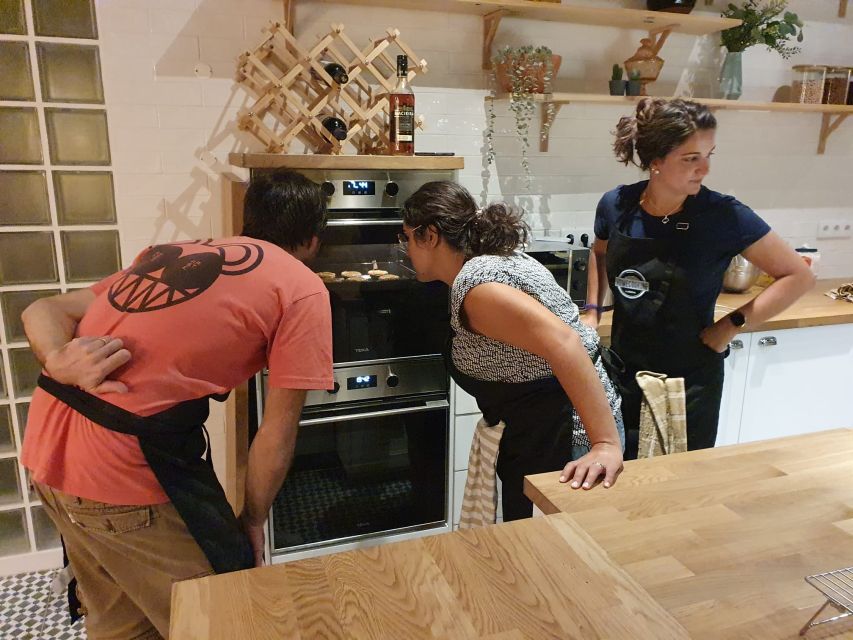
The oven work is handled by the team. This is worth noting if you want a completely independent baking lesson. You prepare the tarts, but the instructors put them in the oven and manage that stage. It keeps the two-hour schedule under control and avoids a room full of nervous first-time bakers arguing with an oven.
While the pastries bake, the experience shifts into a social tasting session. Drinks may include homemade juice, coffee, and water, along with Porto wine and a taste of ginginha, Portugal’s cherry liqueur. One person noted that wine was not available during their session, so the exact drink selection may vary. Ginginha was specifically praised as a welcome local touch.
Same place, a different thing to cook:
- Lisbon: Traditional Portuguese Cooking Class
★ 4.9 · 592 reviews - Lisbon: 2-Hour Pastel de Nata Cooking Class
★ 4.8 · 461 reviews - Lisbon Portuguese Cooking Class with 3-Course Dinner
★ 5.0 · 445 reviews - Traditional Portuguese Cooking Class in Lisbon
★ 5.0 · 287 reviews
Fresh Pastéis de Nata, Right Out of the Oven
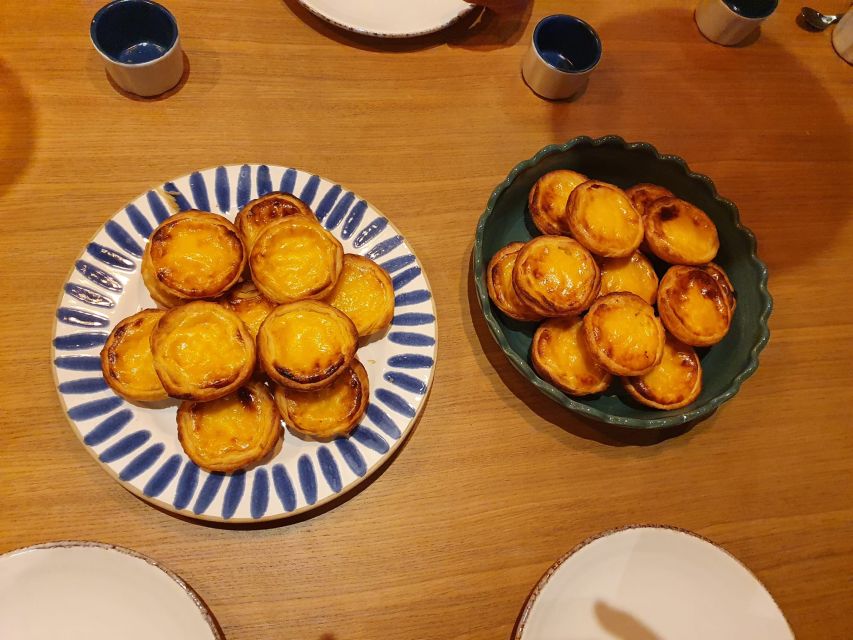
The best part comes when the tarts are ready. You sit down with your own pastel de nata and taste the result while it is fresh. The crisp pastry and warm custard make a clear case for baking instead of simply buying one from a bakery counter.
You may have enough to take some back to your hotel. One family said they had extra tarts for the rest of their trip, while another participant took pastries away but found them eaten very quickly. That is a practical reminder: these are fragile, fresh pastries, not a sturdy souvenir.
The final few minutes can feel compressed. One participant wished for more time to eat, chat, and enjoy the result. If your class is running on schedule, you will still get the tasting, but you may not have a long leisurely coffee afterward.
That small limitation does not take away from the main reward. You leave with a better understanding of a Portuguese staple and the confidence to attempt it again. You also get the memory of eating something you helped make, which is more lasting than another photograph of a pastry behind glass.
Is $64 a Fair Price?
At $64 per person, this is not the cheapest way to eat pastel de nata in Lisbon. You can buy a tart from a bakery for a small amount. The value here comes from the full package: two hours of instruction, ingredients, utensils, chef support, drinks, cultural context, insurance, and the pastries you make.
I think the price is reasonable for a special activity, especially if you are traveling as a couple, with friends, or with older children. It is also a good choice for a rainy afternoon or for a break from museums and tiled churches.
The price is harder to justify if you only want a quick taste of the dessert. It also may not suit you if you are an experienced baker looking for advanced pastry technique. The class is designed to be friendly and accessible, not highly technical.
The cooking space, included drinks, and guidance add real value. You do not need to buy ingredients, bring equipment, or worry about making a kitchen mess in your accommodation. You also gain a recipe and the basic method to try again at home.
Who Will Enjoy the Class Most?
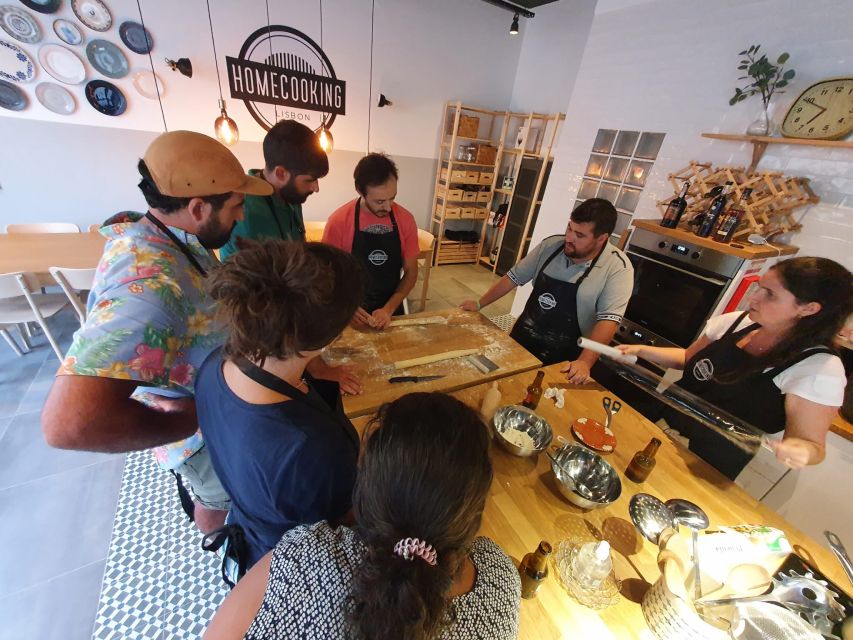
I would recommend this experience to couples looking for a shared activity. It gives you something to do together, and working in pairs makes the preparation feel cooperative rather than like a formal lesson.
Families can also enjoy it, but pay attention to the age rule. Children under six are not suitable for the activity. Older children and teenagers have done well in the class, with one family reporting that children aged 7, 9, and 12 could follow the process. Another family brought two teenagers and found the class engaging.
Solo participants should not worry about arriving alone. You may be paired with another participant, and the group setting makes conversation easy. The class can be a pleasant way to meet people from different countries without signing up for a large sightseeing group.
It is less suitable for anyone with mobility impairments, since that limitation is stated in the activity information. You should also avoid scheduling it immediately before an important reservation elsewhere in Lisbon. The class lasts two hours, but transport to and from the venue needs to be added to your plan.
Practical Tips for a Better Visit
Arrive with enough time to find the Homecooking Lisbon HUB. The venue is easy to reach by taxi, and a bus stop is reported directly outside, but it is not in the heart of central Lisbon.
Wear clothes that you do not mind using in a kitchen. The class is hands-on, and you will work with dough and custard. The supplied information does not specify an apron policy, so do not assume formal cooking clothes or personal protective equipment will be provided.
If you are traveling alone, expect to work with a partner. That is usually a social benefit, but it is worth knowing in advance. If you want to buy baking tins at the venue, bring cash, since one participant noted that tins were available for cash purchase only.
Keep your schedule flexible at the end. The official duration is two hours, but the tasting and conversation may feel short if the class finishes tightly on time. The best approach is to treat the class as the main event, not as a quick stop squeezed between two timed attractions.
You can cancel up to 24 hours before the start for a full refund, and you can reserve now while paying later. Those options are useful if your Lisbon plans are still shifting.
Should You Book This Pastel de Nata Class?
Book it if you want more than a bakery snack. The class gives you a clear introduction to Portuguese pastry, a friendly social setting, local drinks, and warm tarts that you helped prepare. Its strongest feature is the teaching: instructors such as Marta, Bea, Beatrice, Miyuki, and Miguel are praised for patience, humor, clear English, and practical help.
Skip it if you want a quiet tasting, advanced baking instruction, or a venue in central Lisbon. The location requires planning, the oven work is handled by the staff, and the final tasting may not be as relaxed as you hope.
For most first-time visitors, I think the $64 is well spent. You get a useful cooking lesson, a taste of Portuguese culture, and a dessert memory you can try to recreate long after your trip.
FAQ
How long does the pastel de nata class last?
The class lasts two hours.
How much does the class cost?
The price is $64 per person.
Where does the class take place?
The meeting point is Homecooking Lisbon HUB in the Lisbon District.
Is the class taught in English?
Yes. The instructor language is English.
What drinks are included?
Included drinks may include homemade juice, coffee, water, Porto wine, and a ginginha tasting. The exact selection can vary by session.
Are ingredients and cooking equipment provided?
Yes. All ingredients and cooking utensils are included.
Do I get to eat the pastries I make?
Yes. You taste your homemade pastel de nata during the experience, and some sessions provide enough pastries for you to take extras away.
Can children join the class?
Children under six are not suitable for the activity. Older children have taken part successfully, including children aged 7, 9, and 12.
Is transport to the cooking venue included?
No. Hotel pickup and drop-off are not included. You need to make your own way to Homecooking Lisbon HUB.
Just added around Lisbon
- Lisbon: Traditional Portuguese Cooking Class★ 5.0 · 41 reviews
- Lisbon: Portuguese street food cooking class with Drinks★ 4.9 · 37 reviews
- Lisbon: Setúbal Market and Wine tour with Cooking class★ 5.0 · 4 reviews
- Lisbon: Portuguese Petiscos Cooking Class★ 4.7 · 6 reviews
- Lisbon: Portuguese Cooking Class with Wine Tasting★ 5.0 · 4 reviews
- Lisbon: Pasteis de Nata Baking Class★ 5.0 · 134 reviews
- Lisbon: Portuguese Cooking Class for Beginners★ 4.9 · 78 reviews
- Private Traditional Portuguese Cooking Class in Lisbon with Paula★ 5.0 · 50 reviews
Baking & Bread Classes, compared.
Paris Croissant Small-Group Baking Class with a Chef
Read our review →

Paris Macarons Small-Group Baking Class with a Chef
Read our review →

Paris French Baking Class Baguettes and Croissants in a Bakery
Read our review →Lists this class appears in