
REVIEW · LISBON, PORTUGAL
Traditional Portuguese Cooking Class in Lisbon
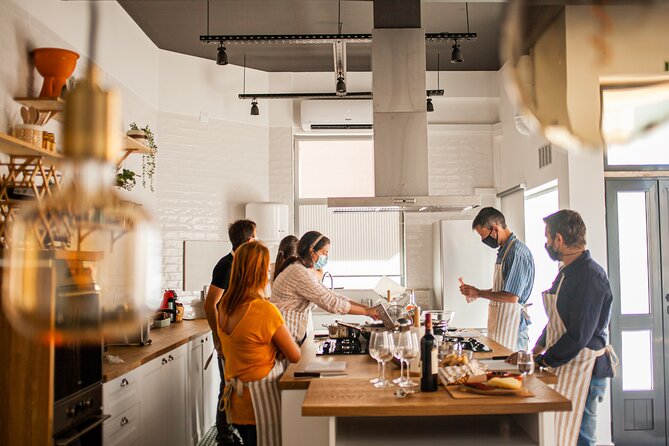
Come hungry, leave with recipes. This three-hour class gives you a friendly way to meet Portuguese food beyond the usual restaurant menu, with hands-on work, shared dishes, and plenty of conversation. I especially like the small group of no more than 10 people, which gives you a fair chance to chop, stir, shape, and ask questions. The included Portuguese wine, beer, snacks, and soft drinks also make the $102.84 price easier to justify.
I also like that the menu changes with the seasons. You are more likely to cook with ingredients that make sense for the time of year, rather than being handed a fixed tourist menu. The main consideration is that this is a relaxed, family-style class, not a formal chef-training session. You may help prepare only part of a dish, and two groups using the same space can make things noisy.
Key points to know before booking
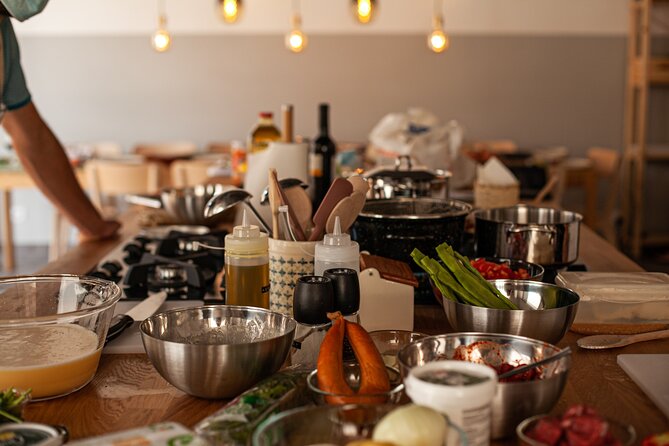
- You prepare a four-course Portuguese meal: Expect a starter, more than one main dish to share, and dessert, with the exact menu changing by season.
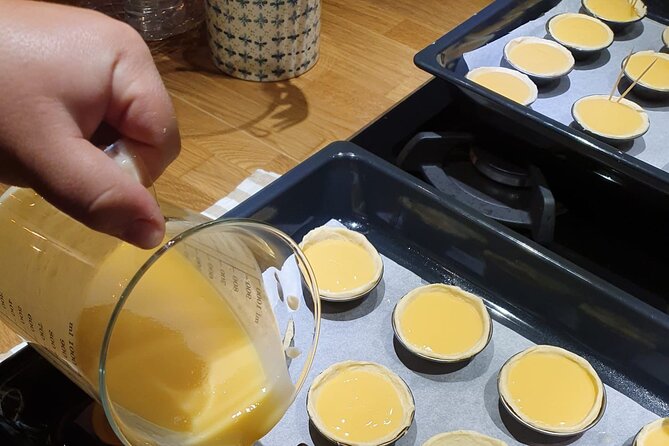
- Pastel de nata is part of the fun: You prepare and bake the famous custard tart using pre-prepared puff pastry.
- The class is social as well as culinary: Wine, beer, snacks, and group cooking help solo visitors and couples meet other people.
- Morning and evening times are available: A morning class can work as lunch, while an evening session feels more like a relaxed dinner gathering.
- The kitchen is outside Lisbon’s central tourist core: The meeting point is R. Aliança Operária 54, and you should confirm the exact location before setting out.
- It suits beginners and families: Children aged 10 and 12 have enjoyed the class, and no previous cooking skill is required.
What the three-hour Lisbon class is really like

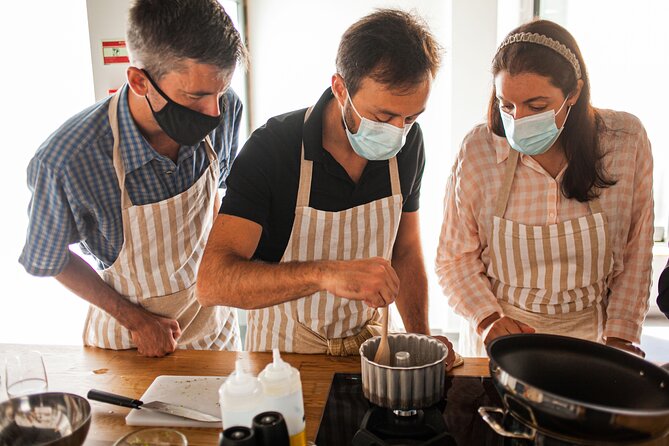
This is not a demonstration where you sit and watch a chef do everything. The instructors guide you through the work step by step, then divide tasks among the group. You might prepare one part of a dish while another person handles a different recipe, with everyone eventually sitting down to eat the finished meal together.
That format creates a friendly, communal mood. It also means you should not expect to personally cook every course from start to finish. One participant found the family-style approach a little chaotic at first, but also liked that it encouraged people to work together and talk.
The class lasts about three hours, which gives the cooking enough time to feel unhurried. You are offered finger foods and drinks along the way, so you are not waiting for dinner with an empty stomach. Portuguese wine and beer are included for adults, while participants under 18 receive water, juice, or tea instead.
The instructors named in the feedback include Miguel, Pedro, Beatriz, Teresa, and Rita. Their teaching styles vary, but the common thread is a warm, relaxed approach. Miguel is praised for making steps easy to follow and for welcoming solo participants. Beatriz adds family stories and cultural notes, while Teresa makes a point of keeping everyone involved.
A few more cooking classes around Lisbon worth a look
- Lisbon: Traditional Portuguese Cooking Class
★ 4.9 · 592 reviews - Lisbon: 2-Hour Pastel de Nata Cooking Class
★ 4.8 · 461 reviews - Lisbon Portuguese Cooking Class with 3-Course Dinner
★ 5.0 · 445 reviews
From caldo verde to pica-pau: the opening dishes
The sample menus begin with traditional small dishes rather than jumping straight to a large main course. Caldo verde, the familiar Portuguese potato and kale soup, offers a simple introduction to the country’s home cooking. It is comforting, rustic food, and a useful reminder that Portuguese cuisine often relies on a few good ingredients handled well.
Pica-pau is another possible starter. This dish usually features small pieces of meat with a savory sauce, served in a way that suits sharing. Amêijoas à Bulhão Pato, clams cooked in the classic garlic, olive oil, and herb style, may also appear when the seasonal menu allows.
These starters are valuable because they show different sides of Portuguese cooking. You get soup, meat, and shellfish rather than one narrow version of national cuisine. The menu is not fixed, so you should treat these dishes as examples, not promises for your particular date.
The shared preparation also keeps the class moving. You may be measuring, cleaning, seasoning, or helping with a pot while the instructor explains why a dish is made in a certain way. This is a better fit for you if you like learning through participation rather than taking detailed notes from a cooking lecture.
The main course brings cod to the table
Cod is central to Portuguese food culture, and the class may feature Bacalhau à Brás or pataniscas de bacalhau. Bacalhau à Brás combines salt cod with potatoes and egg in a soft, savory dish. Pataniscas are cod fritters, giving you a crispier preparation and a different texture.
The sample menu may also include carne de porco com amêijoas, pork with clams, or migas with pork ribs. These dishes show the broad reach of Portuguese cooking, from the sea to the countryside. The pork and clam combination is especially useful for understanding how Portuguese cooks bring land and coastal ingredients together in one meal.
You will not necessarily prepare every main dish yourself. The food is served family style, and the group shares the completed meal. That is part of the social appeal, but it is worth knowing if your goal is to leave with exact practice in every recipe.
The recipes are provided afterward by link, which helps make up for the shared format. You can revisit the dishes at home instead of trying to remember ingredient amounts over a glass of wine.
Pastel de nata is the sweet finish
For many people, the pastry course is the main event. You prepare and bake pastel de nata, Portugal’s famous custard tart, using puff pastry that has already been prepared. That last point matters: you are learning the filling and baking process, but this is not a full pastry-making lesson from flour to finished dough.
Still, making the tarts gives the class a satisfying finish. You have already worked through savory dishes, and now you get to see a recognizable Portuguese favorite come from the kitchen. The sample menu may also include arroz doce, a Portuguese rice pudding, or torta de laranja, an orange roll.
The dessert choices again depend on the season and the class plan. If pastel de nata is the dish you most want to make, it is wise to confirm the current menu before booking. It is listed as part of the experience, but the wider menu changes.
Same place, a different thing to cook:
- Lisbon: Pastel de Nata Baking Class
★ 4.9 · 2,106 reviews - Pasteis de Nata Baking Class from Lisbon
★ 5.0 · 248 reviews - Lisbon: Pasteis de Nata Baking Class
★ 5.0 · 134 reviews - Lisbon Market and Food Tour with Cooking Class and Lunch
★ 5.0 · 117 reviews
Seasonal cooking makes the menu more useful
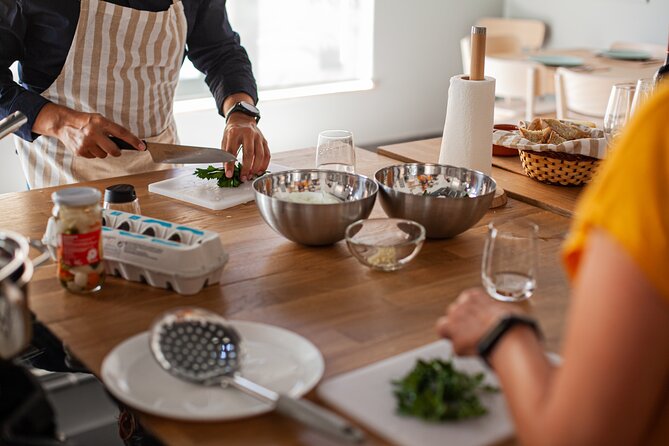
The changing menu is more than a marketing detail. Portuguese food varies with the season, and a fixed menu could easily feel out of place during hot weather. The class specifically avoids serving heavy feijoada Transmontana, a bean and chorizo stew, at the height of summer.
That approach gives you a better sense of how food works in Portugal. You are not simply collecting famous dishes. You are seeing how cooks choose ingredients and recipes according to the time of year.
The tradeoff is predictability. If you have your heart set on a particular cod dish, stew, or dessert, you may not get it. I would book this class for the chance to learn a group of traditional recipes, not for a guaranteed menu.
Small groups, social cooking, and the class atmosphere
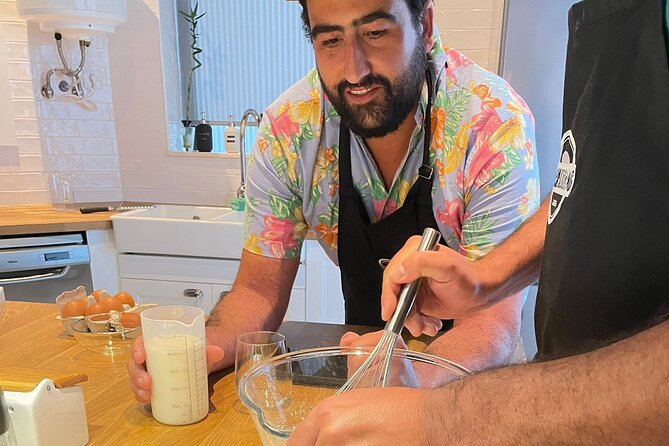
The maximum group size is 10 people, and that is one of the experience’s strongest features. A small kitchen group makes it easier to hear instructions, take a turn, and ask about unfamiliar ingredients. Several classes have had around seven people, which leaves enough room for participation without making the lesson feel private.
The room is described as modern, clean, spacious, and inviting. The kitchen and dining area are set up for cooking and eating in the same session, so you do not feel as if the meal is an afterthought.
You should expect a communal atmosphere rather than quiet concentration. Two groups may use the same space, and one person found it loud. If you enjoy meeting people over food, this is a plus. If you want a calm, highly structured cooking lesson, it may feel loose.
This format works especially well if you are traveling alone. You are given practical tasks, seated with other people, and included in the meal. Couples, families, and groups of friends also fit naturally into the class. Children have enjoyed it, though adults should judge their child’s comfort with shared kitchen tasks.
Morning lunch or evening dinner
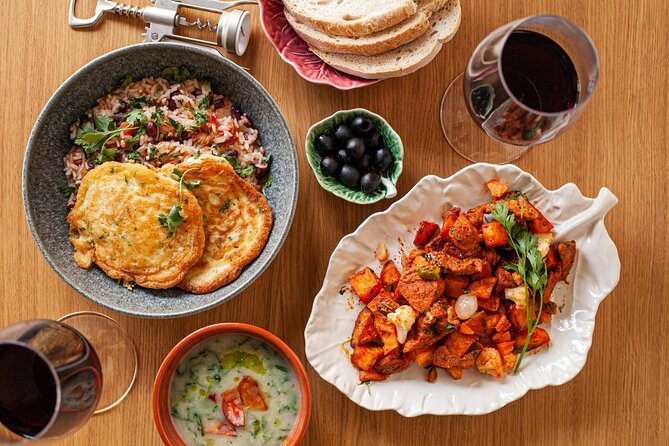
You can choose a morning or evening start. The morning class can lead into a shared lunch, which may fit neatly into a sightseeing day. The evening option gives you a more leisurely dinner activity, especially if you want a break from restaurant hopping.
Both options last about three hours, so allow time for the full session rather than trying to squeeze in another appointment immediately afterward. Cooking, eating, conversation, and dessert take longer than a simple meal.
The class begins and ends at R. Aliança Operária 54, 1300-049 Lisbon. It is near public transportation, but the venue is not in the central tourist area. One person used a taxi to reach the kitchen and a bus to return to the center, finding both simple enough.
A useful practical tip: confirm the meeting address with Homecooking Lisbon before you go. One booking showed an incorrect one of two possible locations, causing confusion. It was resolved, but checking the address ahead of time is easy insurance.
Is $102.84 good value?
At $102.84 per person, this is not a cheap meal. You can eat Portuguese food for much less in Lisbon, especially if you choose a neighborhood café or a simple tascas-style restaurant.
The value comes from what is included beyond dinner. You receive about three hours of instruction, prepare several traditional dishes, eat the food you help make, and receive drinks throughout the session. Portuguese wine and beer are included for adults, along with non-alcoholic options, finger foods, and recipes afterward.
The small group also matters. You are paying for access to an instructor and a hands-on role, not just a seat at a table. If you enjoy food, cooking, and conversation, the price is reasonable for a special evening or lunch.
If your main goal is to learn every recipe in precise detail, the value is less clear. Family-style cooking means your own hands may not touch every dish. A serious home cook may prefer a more technical class with individual workstations and a fixed menu.
Who should book this Portuguese cooking class?
I would recommend it to first-time visitors who want a friendly introduction to Portuguese food. You get cultural context, practical cooking, and a meal in one activity. It is also a good choice if you want restaurant suggestions, since instructors such as Miguel have shared local dining advice during the class.
Families should consider it, especially with older children who can follow basic instructions. The class has worked well for children aged 10 and 12, and the relaxed approach helps keep it from feeling like school.
Solo visitors can book with confidence. The shared tasks and dining table make it easier to meet people than on a standard food tour. Couples and friends will enjoy it too, especially if they like eating together and do not mind sharing kitchen duties.
You may want to skip it if you need a completely fixed menu, a quiet room, or advanced culinary training. The class is social and practical, but it is not designed to turn you into a Portuguese chef in three hours.
Booking, cancellation, and age details
Confirmation is normally sent at booking. If you book within 12 hours of the start time, confirmation is provided as soon as possible and depends on availability.
Free cancellation is available up to 24 hours before the start time for a full refund. Changes or cancellations inside that 24-hour window are not accepted for a refund. The experience may also be canceled if the minimum group size is not reached or if poor weather affects the activity. In those cases, you are offered another date or a refund.
Alcohol is not served to anyone under 18. Water, juice, or tea are available instead.
FAQ
How long does the Portuguese cooking class last?
The class lasts approximately three hours, including the cooking, shared meal, drinks, and dessert.
Where does the class meet?
The meeting point is R. Aliança Operária 54, 1300-049 Lisbon, Portugal. The activity ends at the same location.
Is the menu fixed?
No. The menu changes with the seasons. Sample dishes include caldo verde, pica-pau, clams Bulhão Pato style, cod dishes, pork with clams, rice pudding, orange roll, and pastel de nata.
Is pastel de nata included?
Yes. The class includes preparing and baking pastel de nata with pre-prepared puff pastry.
Are drinks included?
Yes. Portuguese wine and beer are included for participants aged 18 and older. Water, juice, and tea are available as non-alcoholic choices.
How many people can join the class?
The maximum group size is 10 people. The class requires a minimum number of participants to operate.
Should you book it?
Book this class if you want a relaxed, social introduction to Portuguese food, especially if you enjoy cooking as much as eating. The strongest reasons are the small group, capable instructors, seasonal recipes, included drinks, and chance to make pastel de nata.
I would confirm the meeting address and current menu before paying. If you accept that the meal is prepared family style and that you may not cook every dish yourself, this offers a pleasant and useful way to spend three hours in Lisbon. At $102.84, it is best viewed as a cooking lesson, cultural activity, and shared meal rolled into one.
Just added around Lisbon
- Lisbon: Traditional Portuguese Cooking Class★ 5.0 · 41 reviews
- Lisbon: Portuguese street food cooking class with Drinks★ 4.9 · 37 reviews
- Lisbon: Setúbal Market and Wine tour with Cooking class★ 5.0 · 4 reviews
- Lisbon: Portuguese Petiscos Cooking Class★ 4.7 · 6 reviews
- Lisbon: Portuguese Cooking Class with Wine Tasting★ 5.0 · 4 reviews
- Lisbon: Pasteis de Nata Baking Class★ 5.0 · 134 reviews
- Lisbon: Portuguese Cooking Class for Beginners★ 4.9 · 78 reviews
- Private Traditional Portuguese Cooking Class in Lisbon with Paula★ 5.0 · 50 reviews
Cooking Classes, compared.
Half-Day Thai Cooking Class at Organic Farm in Chiang Mai
Read our review →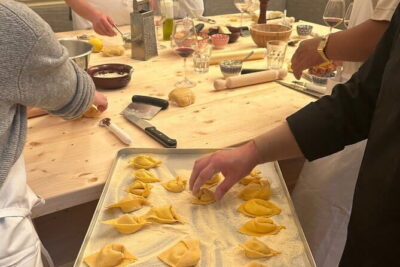
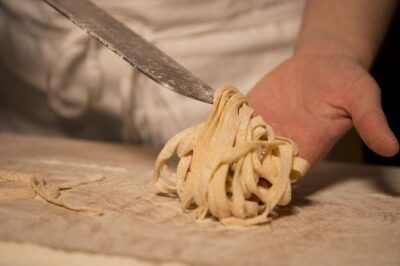
3 in 1 Cooking Class near Navona: Fettuccine, Ravioli & Tiramisu
Read our review →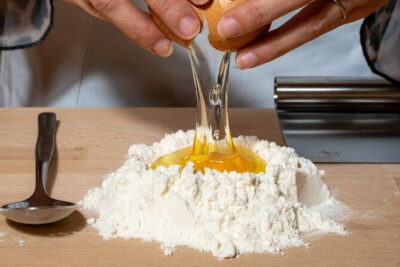
Pasta & Tiramisu Cooking Class with Unlimited Wine
Read our review →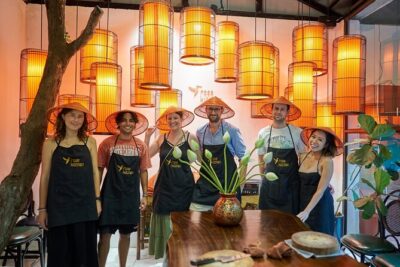
Hanoi Cooking Class: Culture, Local Market & Meaning CSR Impact
Read our review →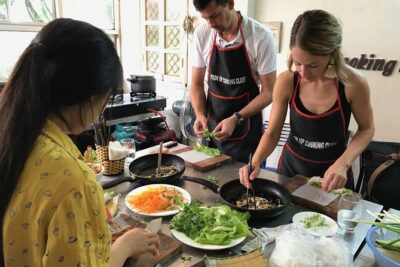
5 Traditional Dishes Hanoi Cooking Class with Market Trip
Read our review →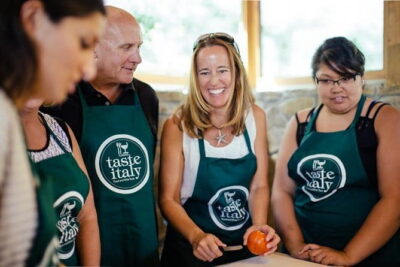
Cooking Class and Lunch at a Tuscan Farmhouse with Local Market Tour from Florence
Read our review →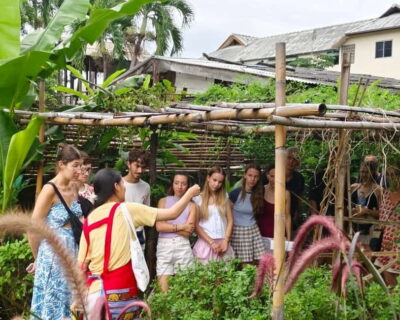
Cooking Class, Market & Thai Herbs Garden Tour
Read our review →Lists this class appears in