
REVIEW · LISBON DISTRICT, PORTUGAL
Lisbon: 2-Hour Pastel de Nata Cooking Class
Pastry, history, and a little kitchen fun. This two-hour class gives you a practical introduction to pastel de nata, Portugal’s famous custard tart, while adding a second traditional recipe and a shared tasting at the end. I like the friendly teaching style, especially the clear guidance from Anna and Marta, and I like that you leave with recipes you can make at home.
The class also gives you more than a bakery stop. You hear how the tart grew from 19th-century monastic kitchens into a national symbol, then make your own version from pastry to custard. The main consideration is that this is a light baking workshop, not a full chef’s course. Some of the dough is prepared in advance, and the class involves standing for about 1 hour and 20 minutes.
The setting is a clean, modern kitchen run by Compadre Cooking School, with equipment and ingredients supplied. At $64 per person, the value depends on how much you want to take part: you are paying for instruction, food, recipes, and a social activity, not simply for a plate of pastries.
Key points at a glance
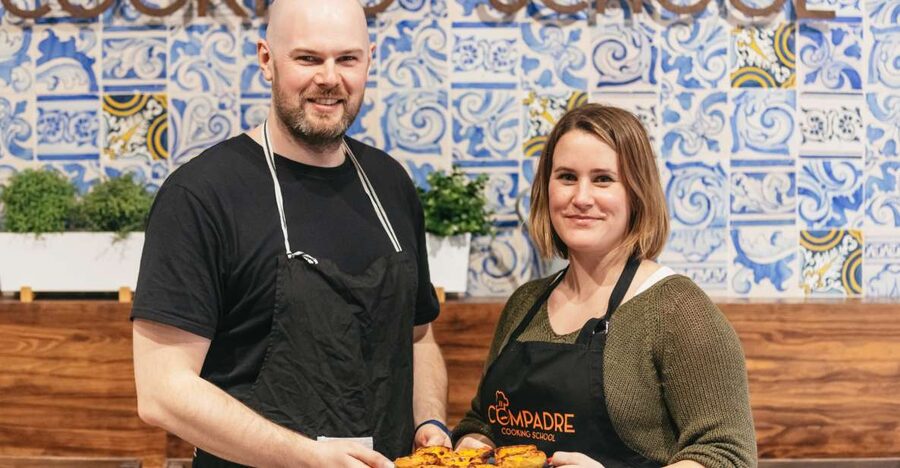
- Two Portuguese treats in two hours: You make pastel de nata and a second local recipe, which has included farófios, cod fritters, or another dessert in different sessions.
- Anna and Marta lead the class: Their energetic, friendly teaching style receives especially warm praise, with clear instructions for beginners.
- The pastry is the main event: You learn useful tricks for shaping the pastry and preparing the simple custard filling.
- A social meal follows the cooking: Tea is included, and you sit down with the group to taste what you made.
- Take-home value: You receive two recipes, and bags are available for any pasteis you do not eat on the spot.
- Plan for standing: The class is not recommended if you have back problems, and vegan visitors should contact the school in advance.
Why pastel de nata makes a good Lisbon class
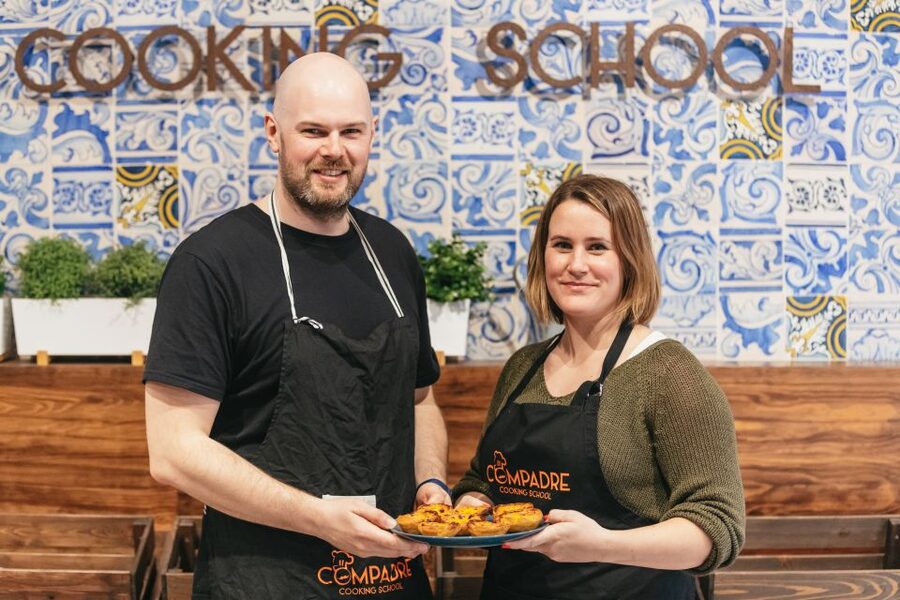
Portugal’s custard tart is easy to recognize but harder to make well. A good pastel de nata has crisp, layered pastry, a soft custard center, and a browned top that looks almost singed. The contrast is the whole point.
The pastry has a strong connection to Portuguese food culture. It was created in 19th-century monasteries, and its popularity later spread far beyond Portugal. In this class, that background is folded into the cooking rather than treated as a long history lecture. You learn why the tart matters, then put the information to work with flour, custard, and small baking tins.
I like this approach because it gives your Lisbon food experience some context. You are not only sampling a pastry at a bakery counter. You are learning a small part of the country’s culinary story and gaining a recipe you can try after the holiday.
The recipe itself is also approachable. The custard is described as very simple, which is good news for beginners. The pastry takes more care, especially when shaping it into the tins, but the instructors break the process into manageable steps. You do not need advanced baking skills to take part.
More Two-Hour Classes in Lisbon:
- Cooking Class 2 Hour Spanish Steps – Fettucine and Tiramisù
★ 5.0 · 298 reviews - 2 Hour Florence Pizza and Gelato Small Group Guided Cooking Class
★ 5.0 · 54 reviews - Cooking Class and 2 hours Camel Ride
★ 5.0 · 7 reviews
Arriving at the Compadre Cooking School kitchen
You meet at the local partner’s kitchen in Lisbon. There is no hotel pickup or drop-off, so you need to make your own way there and confirm that your booking address lists Lisbon as the city.
The school supplies the cooking equipment, utensils, and ingredients. That makes the class easy to fit into a sightseeing day because you do not need to shop for supplies or bring special tools. Wear comfortable shoes, since much of the session takes place on your feet.
The kitchen has been praised for being clean, modern, and well equipped. One useful detail for summer visits is that the room has air conditioning. That matters in Lisbon’s warmer months, especially when you are working around an oven and standing for most of the practical section.
The welcome may be fairly simple. Water is available, but tea and coffee have not always been offered at the start despite being included in the activity details. I would not book this expecting a welcome drink or a full refreshment service. The food and tea belong mainly to the sit-down portion after cooking.
The first 20 minutes: stories behind the tart
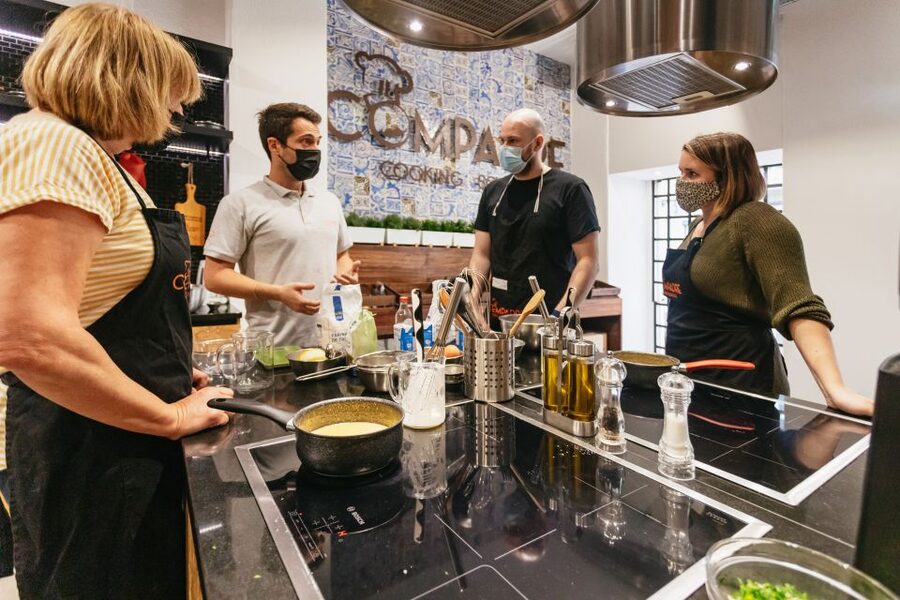
The class begins with an introduction to pastel de nata and its place in Portuguese culture. Anna is especially good at turning the background into a story, while both Anna and Marta are praised for keeping the explanations easy to follow.
This part is short enough to hold your attention. You learn about the tart’s monastic origins and how it became one of Portugal’s best-known foods. The historical detail is useful because it gives you something to listen for when you visit Lisbon bakeries later.
Some people may prefer to get straight to the cooking. If you already know the story of pastel de nata, this opening could feel familiar. For most first-time visitors, though, the context adds meaning without taking over the class.
The instructors also share practical advice for finding good pasteis in Lisbon. That can be a helpful extra, since tasting different versions around the city is part of the fun. One class participant even felt inspired to visit Belém the next day after learning more about the pastry.
Shaping the pastry: the most hands-on stage
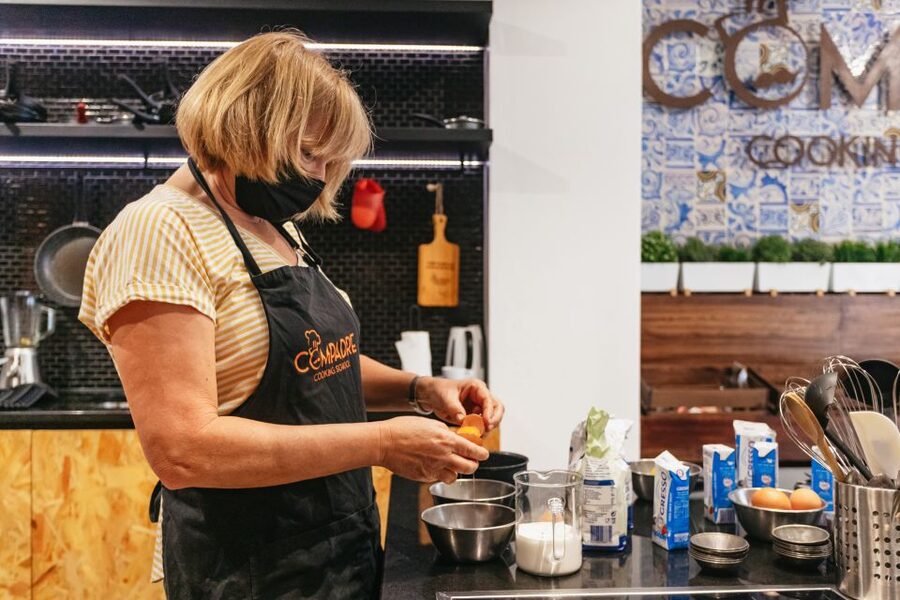
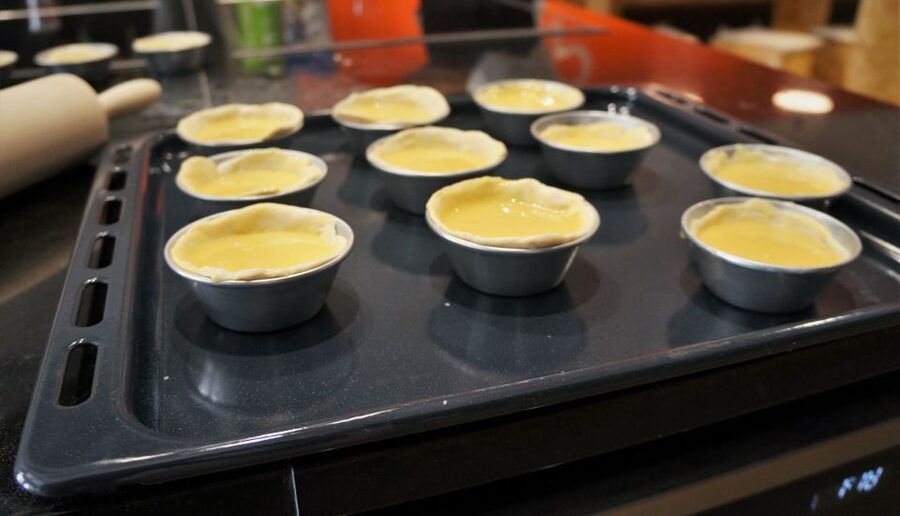
The pastry work is where you get the clearest sense of how pastel de nata is made. You work with the dough and shape it into the small tins used for the tarts. The teachers explain the technique step by step and offer small corrections as you go.
You should set realistic expectations here. This is not a class in which you prepare every element from the very beginning. The dough is pre-made, according to one detailed account, so you are learning the shaping and handling rather than mixing and laminating the pastry yourself.
That is a drawback if you want a full professional pastry lesson. It is also a sensible choice for a two-hour tourist class. Preparing laminated dough from scratch takes time, and it would leave less room for the second recipe, the history, and the shared meal.
The useful part is that you learn the tricks that affect the final tart. You practice getting the pastry into the tin, leaving room for the custard, and creating the shape that helps produce crisp layers. These are the details that can make your home batch better than a rushed first attempt.
A few more cooking classes around Lisbon worth a look
- Lisbon: Traditional Portuguese Cooking Class
★ 4.9 · 592 reviews - Lisbon Portuguese Cooking Class with 3-Course Dinner
★ 5.0 · 445 reviews - Traditional Portuguese Cooking Class in Lisbon
★ 5.0 · 287 reviews - Lisbon Market and Food Tour with Cooking Class and Lunch
★ 5.0 · 117 reviews
Making the custard and the second Portuguese recipe
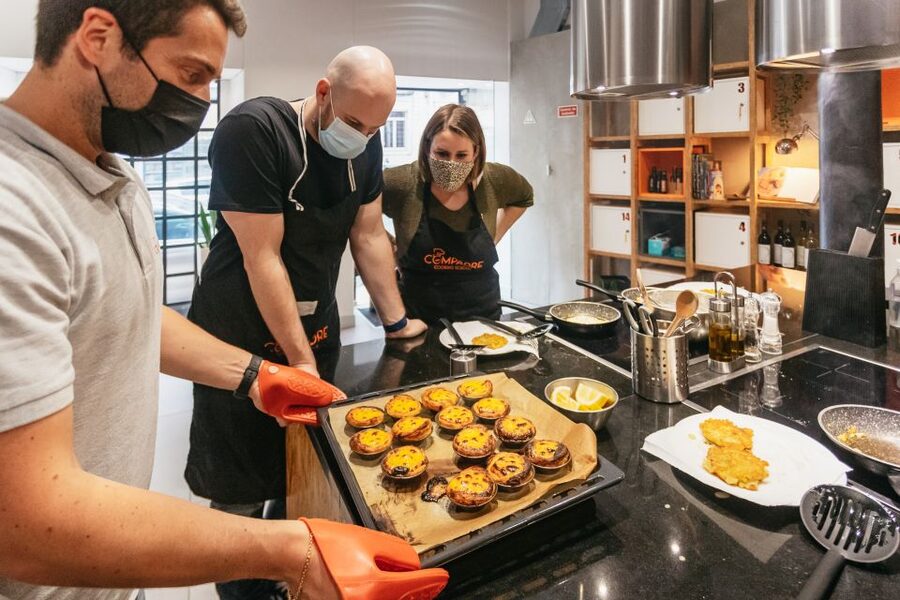
The custard filling is much less complicated than its rich flavor suggests. The instructors explain the basic process clearly, and the simplicity makes this recipe a good choice for families, first-time bakers, and people who want something they can repeat at home.
The second recipe gives the session extra value. It is not always the same item in the details provided, but examples have included farófios, a traditional dessert, meringue with custard, and cod fritters. This means you get a broader taste of Portuguese cooking than the title alone suggests.
That variety is worth noting when you plan your day. If you are expecting a savory dish as part of your particular session, check with the school before booking. The class is centered on pastel de nata, and the additional recipe can change.
I like the second recipe because it keeps the class from feeling like a one-item demonstration. You make two different Portuguese treats, learn two recipes, and see how Portuguese cooking can move from delicate pastry to a more substantial local dish.
The recipes are deliberately manageable. You are not being asked to prepare a complicated restaurant menu in a short time. Instead, you learn techniques that can be repeated in an ordinary home kitchen.
Sitting down to eat what you made
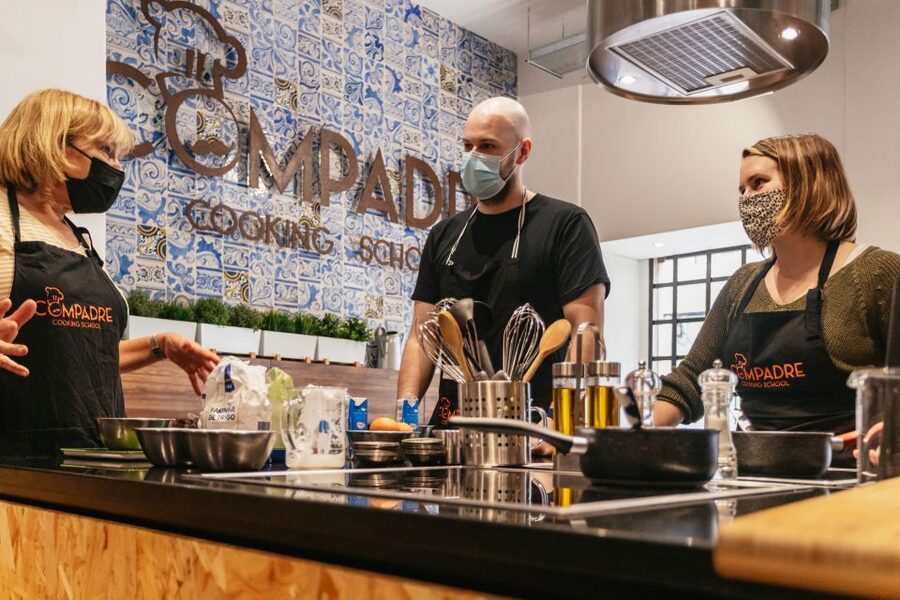
After the cooking, the group sits together to taste the food. Tea is included, and the session is intended to include a light meal to share. In practice, the main food is the pastry and second recipe made during class, so you should not treat this as a replacement for lunch.
That distinction matters. If you book the class around midday, plan another meal afterward, particularly if you have a large appetite. The food is satisfying as a tasting and a snack, but it may not be enough for a full lunch.
The shared table is one of the nicest parts of the experience. You get to compare results, chat with people from different places, and enjoy the relaxed atmosphere after the practical work is finished. The group tends to include different ages and a mix of people looking for an activity beyond standard sightseeing.
There are bags available for taking pastries away. My practical advice is to save at least one tart for later if you can resist eating them all at the table. Freshly baked pasteis are exactly the kind of food that mysteriously disappear before you have even sat down.
How much cooking do you really do?
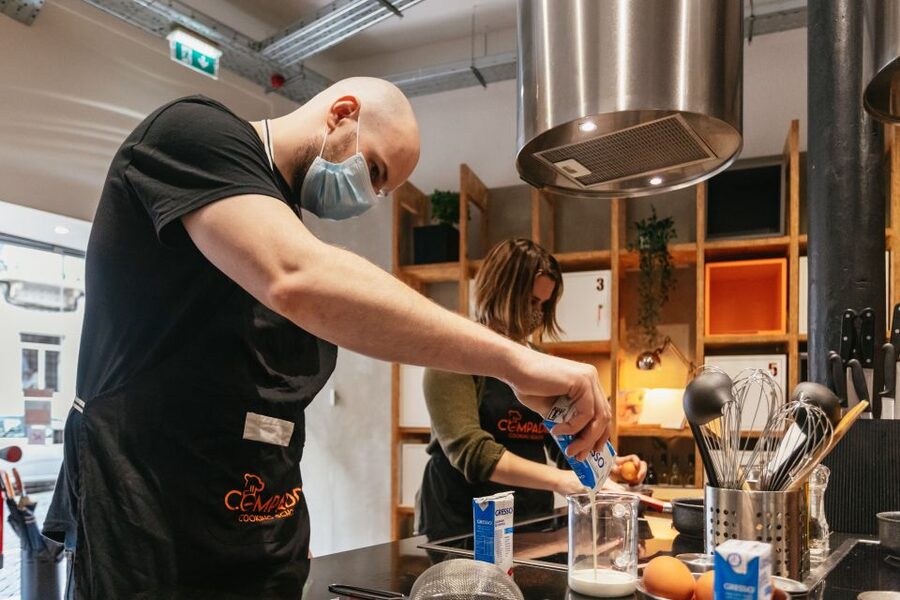
This class is hands-on, but it is not an intensive culinary course. You take part in shaping the pastry, preparing the filling, and making the second recipe, yet some preparation is completed before you arrive.
That balance works well for most visitors. The instructions move at a comfortable pace, the equipment is ready, and the teachers keep the process organized. People with little cooking experience can follow along without feeling left behind.
If you are an experienced baker, you may find the custard and pre-made dough too basic. You will still pick up useful shaping tips and Portuguese food context, but you should not expect advanced pastry science.
The strongest benefit is confidence. Several class details point to the same result: beginners can make good-looking, tasty pasteis with clear instruction. That makes the workshop more useful than a passive cooking demonstration.
The teaching style of Anna and Marta
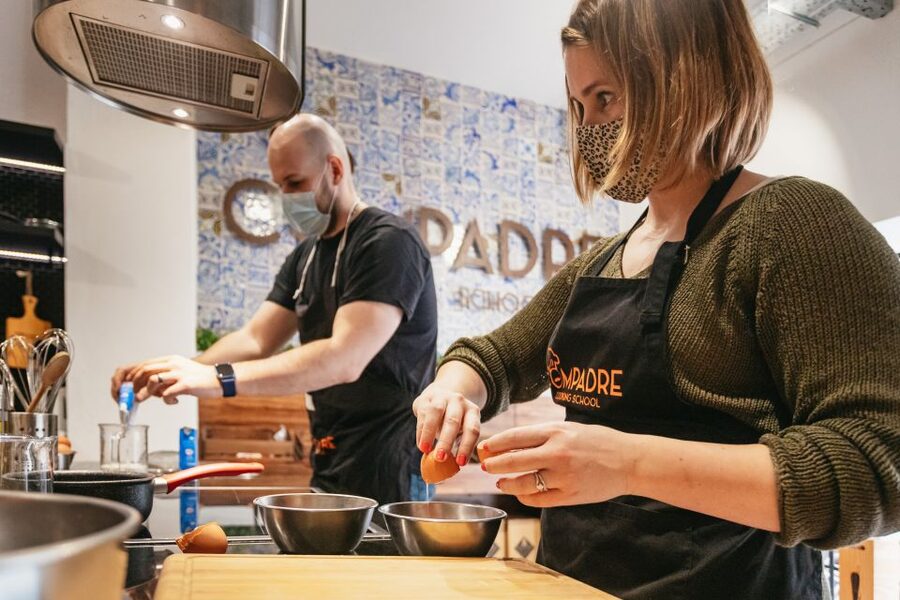
The instructors are a major reason this class receives such strong praise. Anna is described as energetic, funny, and a good storyteller. Marta is also praised for her calm guidance and practical help. Together, they keep the mood light while still explaining the steps carefully.
You can expect English instruction throughout. The teachers explain the food’s background as well as the method, which helps the class feel connected to Lisbon rather than like a generic baking lesson.
The tone is informal. You are encouraged to work, ask questions, and enjoy the process rather than worry about making a perfect tart on the first try. That is especially helpful for families and solo visitors. A solo participant was able to book the class and join in without needing a partner.
The class also works for families with older children. An eight-year-old took part in one session with a parent, and the simple steps made the activity manageable. Children still need to follow kitchen safety instructions, but the format gives them something clear to do with their hands.
Is $64 a fair price?
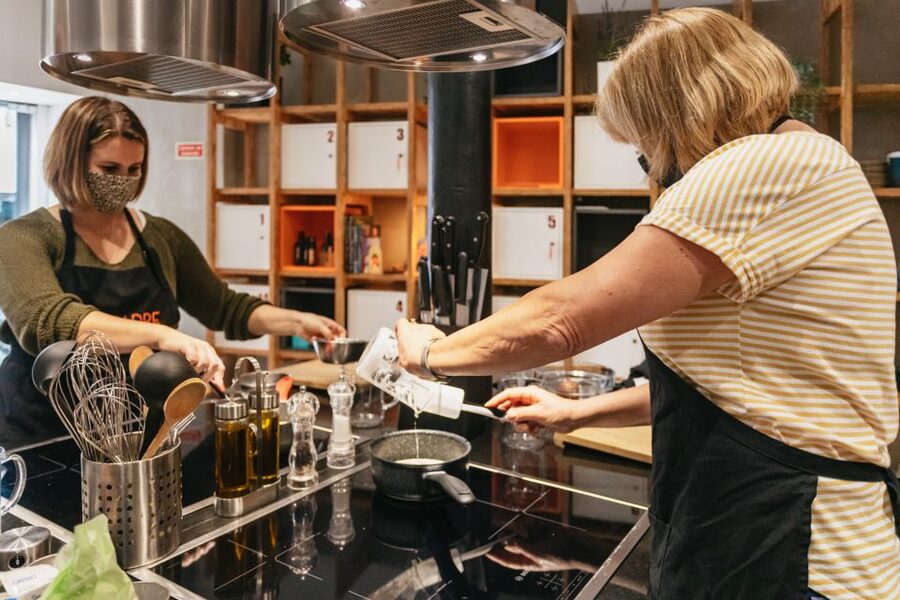
At $64 per person, this is not the cheapest way to eat pastel de nata in Lisbon. You can buy a tart for far less at a bakery. The price makes sense only if you want instruction, a cultural explanation, a second recipe, and a social activity along with the food.
The package includes the instructor, equipment, utensils, ingredients, insurance, tea, and two recipes. You also eat what you prepare, and you may take leftovers away. Those extras make the cost easier to justify for someone who values an activity rather than a simple snack.
The value is strongest for couples, families, solo visitors, and food-focused people who want a practical souvenir. You bring home a skill instead of only a photograph or a list of restaurant recommendations.
The value is weaker if you need a substantial meal, want a complete pastry course, or dislike standing in a kitchen. The description of a light meal should be read literally. Water may be available, but beverages beyond those listed are not included.
Who should book this Lisbon cooking class?
I would recommend it to you if you enjoy local food, want a break from walking tours, or like learning by doing. It is especially suited to beginners because the teachers keep the recipes simple and the directions clear.
It is also a smart rainy-day or hot-weather plan. The indoor kitchen gives you a change of pace, and air conditioning has been a welcome feature during warm visits. Families and solo visitors can fit in comfortably, provided everyone is happy to stand and take part.
You should think twice if you have back problems. The class involves standing for about 1 hour and 20 minutes and is specifically not recommended for people with back issues.
Vegan visitors should contact the local supplier before booking. Portuguese cuisine is not especially vegan-friendly, and the class may need advance planning. Vegetarian needs have been accommodated successfully, but you should still explain your diet before arrival rather than assume changes will be possible.
The no-pets and no-smoking rules are straightforward. Comfortable shoes are the only item specifically recommended to bring.
Booking, timing, and cancellation tips
The activity lasts two hours, but the available starting times can vary, so check the schedule before you build it into a day of sightseeing. Leave yourself enough time to arrive at the Lisbon kitchen without rushing.
There is no pickup service. You arrange your own transport to the meeting point, and the address should identify Lisbon as the city. Keep the rest of your day flexible enough to enjoy the shared tasting rather than rushing off immediately.
You can reserve now and pay later, which helps if your plans are still changing. Cancellation is free up to 24 hours in advance for a full refund. These policies make the class easier to fit into a Lisbon visit planned around weather, museum times, or day trips.
Should you book the pastel de nata class?
Book it if you want to understand Portugal through one of its best-known foods, make two treats with friendly instructors, and leave with recipes you can use at home. The strongest reasons are the clear teaching, the relaxed group meal, and the chance to learn practical pastry tricks from Anna and Marta.
Do not book it expecting a full restaurant meal or a from-scratch pastry apprenticeship. Some dough preparation is done ahead of time, tea and coffee may not be available at the beginning, and the class requires a fair amount of standing.
For most visitors, the combination of food, culture, and hands-on work makes $64 reasonable. I would schedule it earlier in your Lisbon stay, so you still have time to test the bakery recommendations and compare your homemade pasteis with the city’s professionals.
FAQ
How long does the Lisbon pastel de nata cooking class last?
The class lasts two hours.
What language is the class taught in?
The class is taught in English.
What food will I make?
You will make pastel de nata and another traditional Portuguese recipe. The additional recipe can vary and has included items such as farófios, meringue with custard, and cod fritters.
Are equipment and ingredients included?
Yes. Cooking equipment, utensils, ingredients, and an instructor are included.
Is a meal included?
A light meal to share is included, along with tea. The food is mainly what you prepare during the class, so you should not rely on it as a full lunch.
What should I bring?
Wear comfortable shoes. You do not need to bring cooking equipment or ingredients.
Is the class suitable for people with back problems or vegan diets?
The class is not recommended for people with back problems because you stand for about 1 hour and 20 minutes. Portuguese cuisine is not very vegan-friendly, so vegan participants should contact the local supplier before booking.
Just added around Lisbon
- Lisbon: Traditional Portuguese Cooking Class★ 5.0 · 41 reviews
- Lisbon: Portuguese street food cooking class with Drinks★ 4.9 · 37 reviews
- Lisbon: Setúbal Market and Wine tour with Cooking class★ 5.0 · 4 reviews
- Lisbon: Portuguese Petiscos Cooking Class★ 4.7 · 6 reviews
- Lisbon: Portuguese Cooking Class with Wine Tasting★ 5.0 · 4 reviews
- Lisbon: Pasteis de Nata Baking Class★ 5.0 · 134 reviews
- Lisbon: Portuguese Cooking Class for Beginners★ 4.9 · 78 reviews
- Private Traditional Portuguese Cooking Class in Lisbon with Paula★ 5.0 · 50 reviews
Cooking Classes, compared.
Half-Day Thai Cooking Class at Organic Farm in Chiang Mai
Read our review →
3 in 1 Cooking Class near Navona: Fettuccine, Ravioli & Tiramisu
Read our review →
Pasta & Tiramisu Cooking Class with Unlimited Wine
Read our review →
Hanoi Cooking Class: Culture, Local Market & Meaning CSR Impact
Read our review →
5 Traditional Dishes Hanoi Cooking Class with Market Trip
Read our review →
Cooking Class and Lunch at a Tuscan Farmhouse with Local Market Tour from Florence
Read our review →
Cooking Class, Market & Thai Herbs Garden Tour
Read our review →Lists this class appears in