
REVIEW · HONSHU, JAPAN
Kyoto: Wagashi (Japanese sweets) Cooking near Fushimiinari
Sweet-making beats sightseeing fatigue. Near Fushimi Inari, this 150-minute wagashi class brings you into an authentic Japanese home, where you prepare about three sweets, then eat them with matcha in a room facing the garden. I especially like the small group limit of six and the warm, personal teaching from Miho, whose English is clear and whose cultural tips add real value.
I also like that this is genuinely hands-on, not a cooking demonstration where you stand around watching someone else work. The main consideration is that the class is not suitable for children under six or wheelchair users, and the seasonal menu may change.
Five details worth knowing before you book
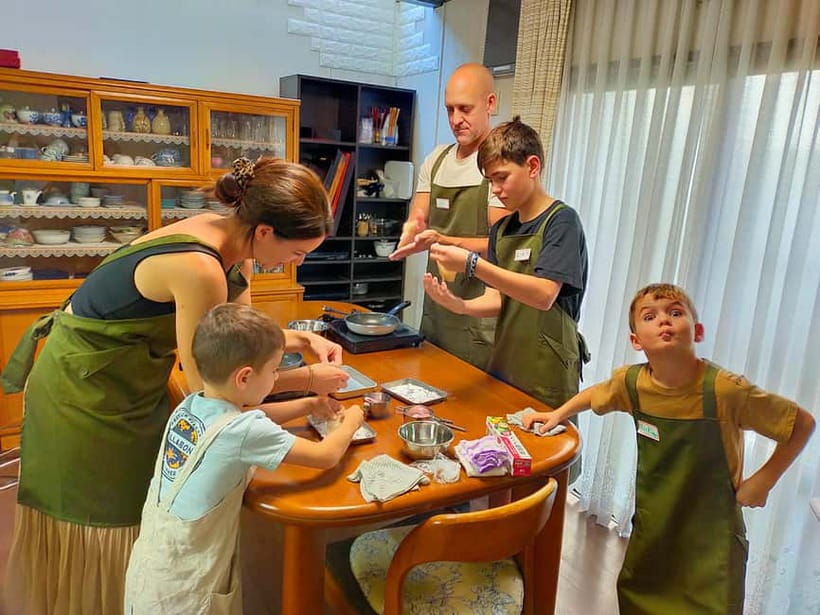
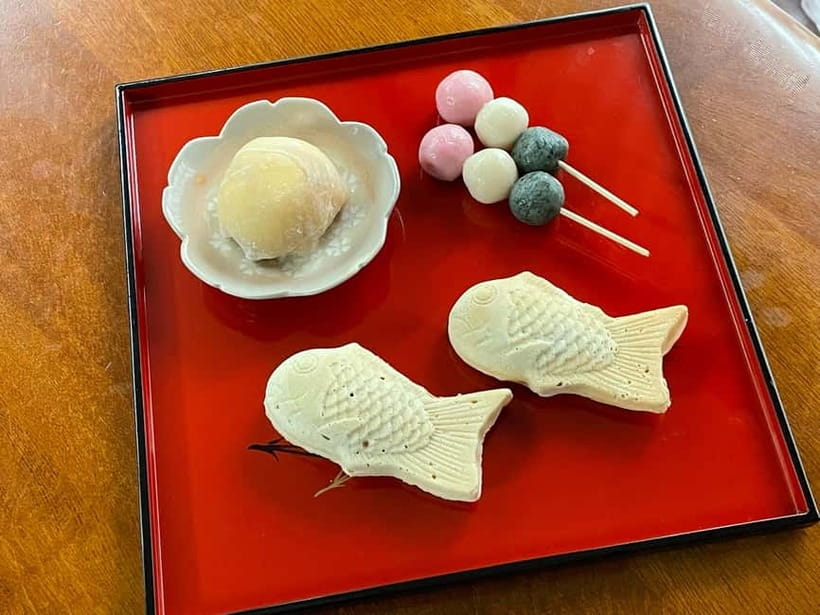
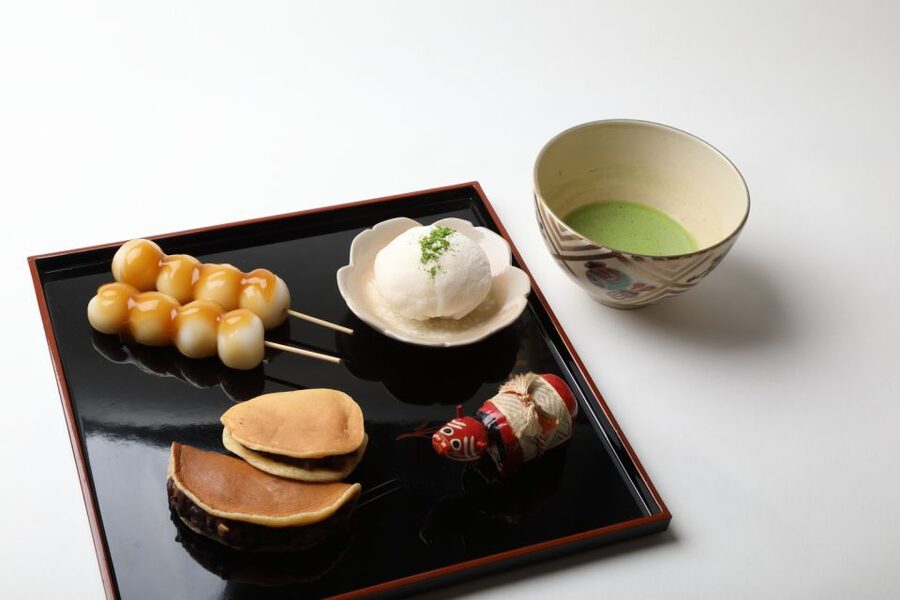
- You make about three sweets yourself: Expect practical work rather than a simple tasting session, with examples including mochi, dango, and dorayaki.
- Miho teaches in clear English: She explains ingredients, methods, Japanese customs, and matcha preparation in a friendly, patient way.
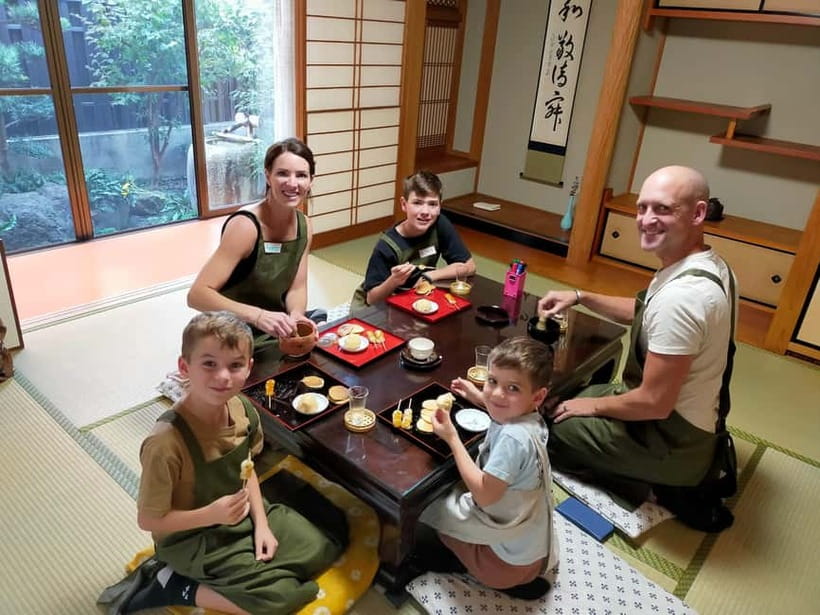
- The setting is part of the experience: You cook in a traditional Japanese room and finish your sweets while looking onto a garden.
- The group is capped at six: A small class gives you room to ask questions and work at your own pace.
- You may take sweets home: The portions can be generous enough to leave you with a takeaway, depending on what you make.
- It suits vegetarians and vegans: Tell the host about food restrictions in advance, since the menu changes by season.
A sweet break near Fushimi Inari
Fushimi Inari is one of Kyoto’s most visited sights, and it can be a busy, energetic place. This cooking class offers a different kind of nearby experience. Instead of moving from shrine gate to shrine gate, you settle into a traditional Japanese room, slow down, and learn how familiar sweets are made.
The setting matters. You are not in a bright commercial cooking school designed to process large groups. You enter a home with traditional rooms and garden views, then spend time with an English-speaking instructor who can answer questions as they come up. The atmosphere is closer to being invited in for tea than attending a formal lesson.
I would plan this class as a change of pace during a Kyoto day. It works well after sightseeing, when you want to sit down and do something creative. It also gives you a way to connect Japanese food with the everyday culture behind it.
More Tiramisu and Dessert Classes in Kyoto:
- 3 in 1 Cooking Class near Navona: Fettuccine, Ravioli & Tiramisu
★ 5.0 · 7,376 reviews - Florence: Pasta & Tiramisu Cooking Class with Unlimited Wine
★ 4.9 · 6,708 reviews - Rome: Pasta Making Class with Wine, Limoncello, and Dessert
★ 4.9 · 3,177 reviews
What the 150-minute class feels like
The class begins with time to relax in a traditional Japanese room. This opening pause is useful because it lets you take in the setting before the practical work starts. Depending on the day, you may be welcomed with tea and a small sweet or sweet potato, as one participant experienced.
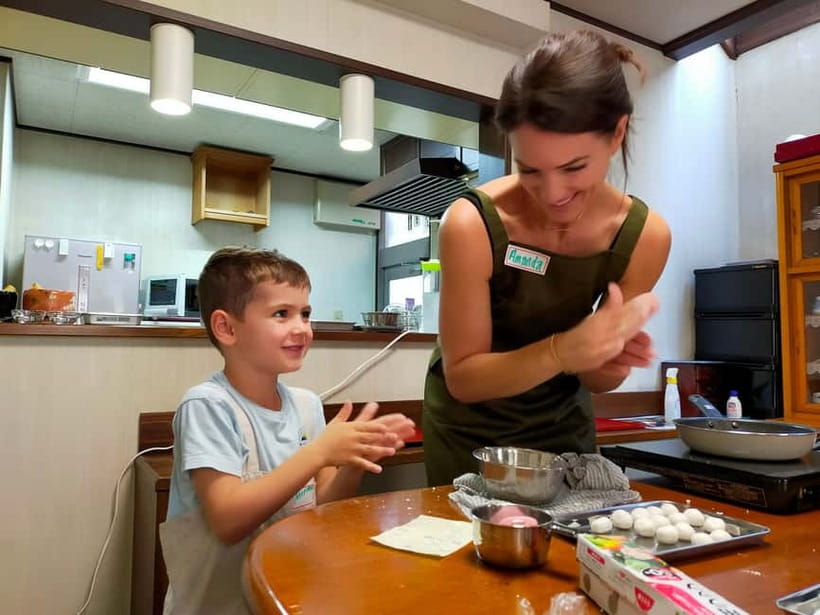
Miho then introduces the sweets and demonstrates the main steps in front of you. The point is not to copy a finished product without understanding it. You watch, ask questions, and then prepare the items yourself or with a partner.
The class commonly includes around three varieties of wagashi. Examples from the cooking sessions include mochi, dango, and dorayaki, though the exact menu depends on the season. You might also prepare mochi ice cream, which was a favorite for one family, but you should not assume that every item will appear at every session.
The hands-on format is the real strength here. You mix, shape, cook, and assemble the sweets with guidance from the instructor. If you are nervous about making something look right, Miho gives you clear steps and helps you adjust your technique. If you already enjoy cooking, you can ask about ingredient choices and ways to repeat the recipes at home.
The pace also seems flexible. A solo participant received what became a private lesson, while a group of five had enough work for everyone to take part. With no more than six people, you are unlikely to spend the session waiting for a turn.
Why the wagashi lesson is more than a dessert class
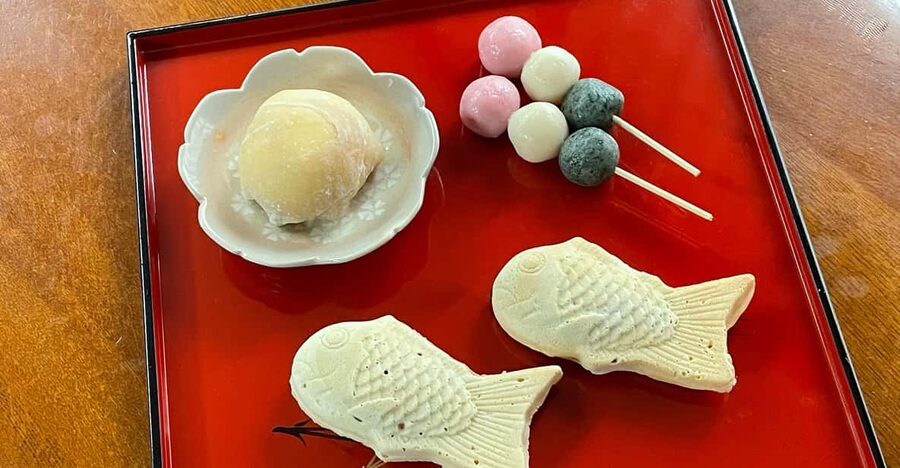
Japanese sweets are often small and carefully shaped, but this class helps explain the work behind that appearance. You learn about the ingredients and methods, not just the names of the finished sweets. The shaping process also gives you a better sense of why wagashi can look so neat in shops and tea settings.
Miho adds cultural context while you work. You can ask about Japanese food customs, the sweets you may have seen in manga or anime, and where to find ingredients for making them at home. She has also offered suggestions about places to visit in Kyoto based on personal interests, which can make the class useful beyond its scheduled 150 minutes.
I like that the recipes are described as practical to repeat, especially if you have access to an Asian supermarket. You should not expect to leave with professional confectionery skills, but you can leave with techniques you understand and a better idea of which ingredients matter.
The lesson also has an appealing balance between precision and fun. Wagashi can look formal, yet the process is accessible. You do not need to be an expert cook. The instructor explains each step, and the results are edible even if your shapes are not worthy of a Kyoto shop window.
Tea, matcha, and the garden-view finish
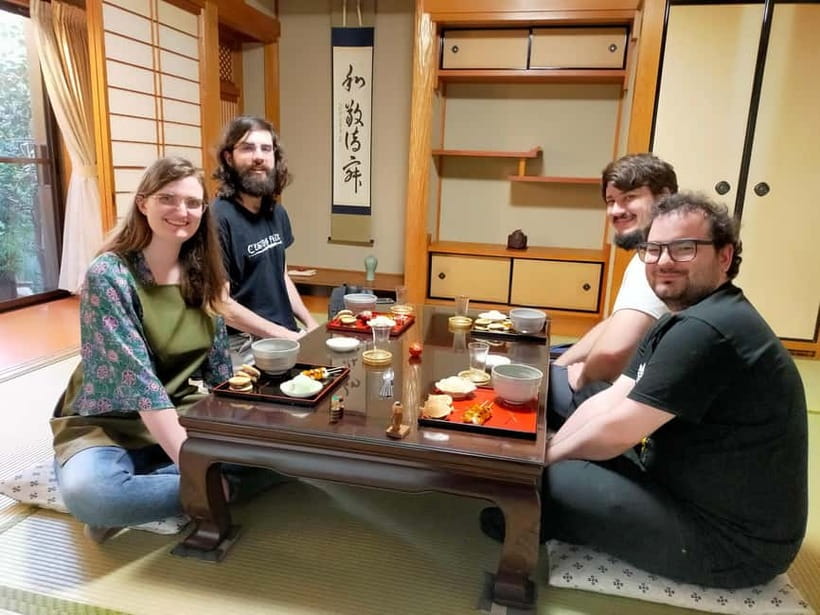
After the cooking, you sit together in the traditional room and eat what you made with tea. This is one of the best parts of the experience because the class does not end when the cooking is finished. You get time to appreciate the result in the setting that gives the sweets their cultural context.
The tea service may include a matcha lesson. Participants have learned how to whisk matcha themselves, and Miho has also prepared matcha for them. That small addition gives the final tasting a more complete shape. You are not simply eating sweets at a counter. You are arranging them with tea and taking time to enjoy them in a Japanese room facing the garden.
The garden view is not a separate sightseeing stop, and you should not book this as a garden tour. Still, it adds quiet beauty to the closing part of the class. Looking outside while drinking matcha makes the final tasting feel calm and deliberate.
You may have sweets left over to take away. The amount depends on the menu and what you prepare, but several participants found they had enough to bring some with them. Pack carefully and follow the instructor’s advice about keeping them, since the activity details do not promise a specific shelf life.
More Sushi and Japanese Classes in Kyoto:
- Ramen Cooking Class at Ramen Factory in Kyoto
★ 5.0 · 1,937 reviews - Kyoto: Ramen Cooking Class at a Ramen Factory with Souvenir
★ 4.9 · 532 reviews - Kyoto: Ramen, Gyoza, and Onigiri Cooking Class
★ 5.0 · 445 reviews - Kyoto: Japanese Washoku Bento Small Group Cooking Class
★ 5.0 · 380 reviews
Miho’s teaching style and the English-language format
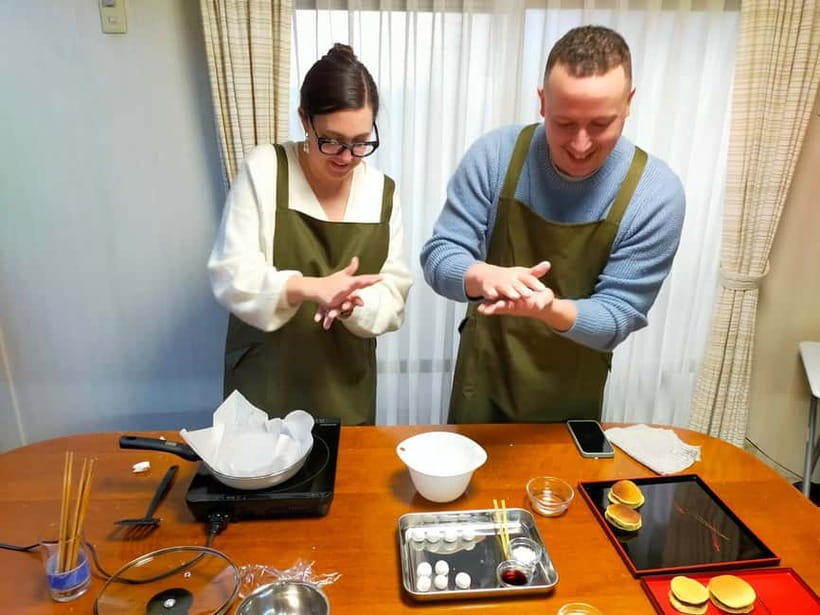
The class is conducted in English, and the instructor is a licensed guide interpreter. That matters for a lesson built around small steps and unfamiliar ingredients. You can ask why a method is used, not just what to do next.
Miho receives particularly strong praise for her patience, friendliness, organization, and personal attention. She has taught adults, families, couples, solo participants, and small groups. Her approach appears to shift with the people in front of her, which is useful if one person in your group is confident in the kitchen and another is not.
The English is also important for the cultural side of the class. You can ask about Japanese sweets, matcha, ingredients, or Kyoto recommendations without relying on gestures or a translation app. The experience is open to non-English speakers as well, but the supplied activity information identifies English as the teaching language, so clarify your needs before booking if you require another language.
If you are the only person booked for your time, you may receive a private class. That is not guaranteed, but the small maximum group means the class should still feel personal when several people attend.
Who will enjoy this Kyoto activity most
I would recommend this class to anyone who likes food, craft, or small cultural experiences. It is especially good for you if you want to learn something you can try again at home instead of collecting another short-lived photo opportunity.
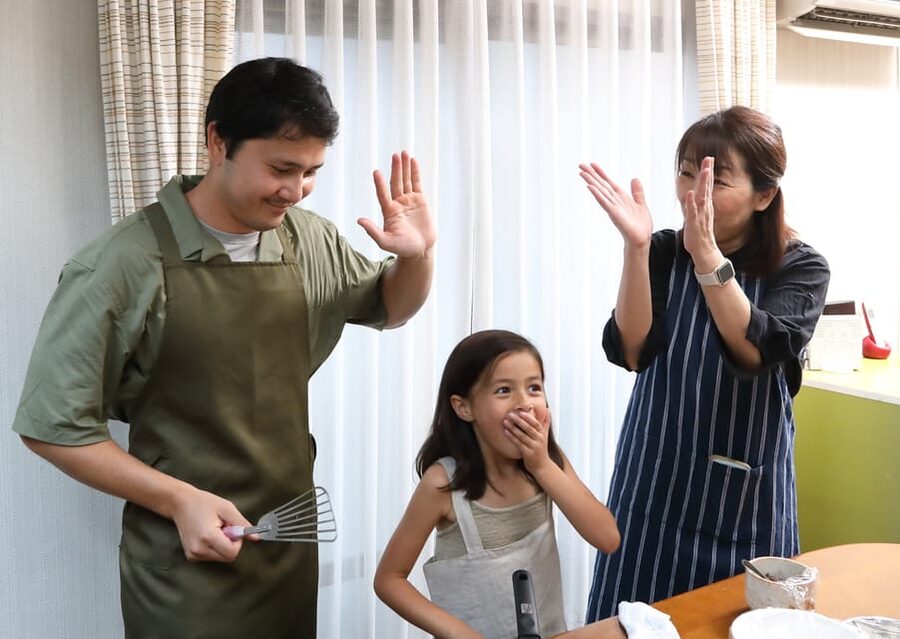
Families can also enjoy it, with some limits. Children aged 12 and below must participate with a guardian, and children under six cannot take part. Families with children aged eight, ten, and twelve have found the hands-on tasks enjoyable, but you should consider your child’s patience and ability to follow food preparation instructions.
Couples and parent-child pairs have a natural advantage because you can work together and compare your results. Solo visitors should not worry about feeling out of place. A small class makes conversation easier, and a low booking level may turn the experience into a private lesson.
Vegetarians and vegans are welcome, but you need to give advance notice about food restrictions. Since the menu may change by season, ask about the planned sweets if you have allergies or strict dietary needs. The provided information does not promise an allergen-free kitchen, so specific questions are sensible.
The class is not suitable for wheelchair users. That limitation is important because the experience takes place in a traditional Japanese home, where access arrangements may not meet every mobility need.
Is $84 good value for 150 minutes?
At $84 per person, this is not the cheapest way to eat Japanese sweets in Kyoto. You could buy wagashi and tea for far less. The value comes from the instruction, the ingredients, the small group, the traditional home setting, and the chance to make the food yourself.
The price includes all cooking ingredients and seasonings, tea, an English-speaking instructor, and fees and taxes. You do not need to purchase a separate tasting or pay extra for the matcha service described in the activity. Hotel pickup and drop-off are not included, so you need to make your own way there.
I consider the price reasonable if you value personal teaching and cultural context. You are paying for time with an instructor, not simply three desserts. The private-class possibility can make the cost feel especially fair for a solo booking, though you should book for the lesson itself rather than count on being alone.
The class also offers good value for a family or small group that wants one shared activity. Everyone can participate, and the sweets you make may provide a takeaway as well as the tasting at the end. Still, if you mainly want a snack near Fushimi Inari, buy wagashi from a shop instead.
Timing, group size, and practical limits
The activity lasts 150 minutes, so allow a little extra time around it for finding the home and continuing your day. The supplied information does not give a specific meeting point or transport route, so check the booking details carefully rather than assuming the class begins inside the shrine grounds.
A maximum of six participants is a strong feature. You should have enough access to the work area and enough time to ask questions. It also keeps the social side comfortable. You can chat with the other participants without the class turning into a noisy workshop.
The menu changes with the seasons. That is a positive if you return to Kyoto at another time, but it means you should not book with one exact sweet in mind. If making mochi, dango, or dorayaki is your priority, ask whether it is planned for your date.
Cancellation is flexible up to 24 hours before the activity for a full refund, and you can reserve now and pay later. Those terms help if your Kyoto schedule depends on weather, shrine visits, or changing train plans.
The parts I would keep in mind
The class has a strong personal feel, but that will not suit everyone. If you prefer a large professional kitchen, fixed recipes, and a fast pace, you may find the home setting too relaxed. The experience is built around conversation and guidance, not production-line cooking.
The menu is another small unknown. Seasonal changes are normal in Japanese food, yet some people book specifically to make one favorite sweet. Confirm in advance if that detail matters to you.
You should also be comfortable sitting in a traditional Japanese room and working in a home environment. The activity information does not describe the exact seating arrangement, but the traditional setting is central to the experience.
Finally, the class is not designed as a full meal. Wagashi can be filling, but you should plan other food during your day if you need lunch or dinner. Think of this as a cultural snack, cooking lesson, and tea experience combined.
Should you book the wagashi class near Fushimi Inari?
I would book it if you want a small, hands-on Kyoto activity with a personal host and a calm finish. It is particularly well suited to couples, families with older children, solo visitors, and anyone curious about the sweets seen in Japanese popular culture.
The strongest reasons are Miho’s patient English teaching, the chance to prepare three sweets yourself, and the traditional room where you finish with matcha and a garden view. You also get useful ideas for recreating the recipes at home.
Skip it if you only want a quick tasting, need wheelchair access, have children under six, or dislike flexible seasonal menus. For everyone else, $84 buys more than dessert. It buys a quiet afternoon, a practical skill, and a pleasant look at Japanese hospitality near one of Kyoto’s major sights.
FAQ
Where does the wagashi cooking class take place?
The class takes place near Fushimi Inari in Kyoto, in a home with authentic Japanese rooms and garden views.
How long does the activity last?
The cooking class lasts 150 minutes.
How many people can join the class?
It is a small-group activity limited to six participants.
Is the class taught in English?
Yes. The class is conducted in English by an English-speaking instructor who is also a licensed guide interpreter.
Which Japanese sweets will I make?
You prepare about three types of wagashi. Examples include mochi, dango, and dorayaki, but the menu may change depending on the season.
Is the class suitable for vegetarians and vegans?
Yes. Vegetarians are welcome, and the class is vegan friendly. Tell the host about food restrictions in advance.
Can children join the activity?
Children aged 12 and below must participate with a guardian. Children under six are not permitted to join.
Is hotel pickup and drop-off included?
No. Hotel pickup and drop-off are not included.
Is matcha included?
Tea is included, and the experience includes enjoying the sweets with tea in the traditional room. A matcha preparation lesson or matcha served by the instructor may also be part of the session.
Can I cancel for a refund?
You can cancel up to 24 hours in advance for a full refund. You can also reserve now and pay later.
Just added around Kyoto
- Kyoto Udon & Tempura Cooking Class with Professional Chefs★ 3.8 · 3 reviews
- Kyoto: Morning Japanese Bento Cooking Class★ 5.0 · 149 reviews
- Kyoto Home Cooking Class &Supermarket tour near Fushimiinari★ 5.0 · 31 reviews
- Kyoto: Cooking class, learning how to make authentic sushi★ 4.2 · 9 reviews
- Kyoto: Authentic Sushi Making Cooking Lesson★ 5.0 · 103 reviews
- Authentic Japanese Cooking Experience at Izakaya restaurant★ 4.2 · 5 reviews
- Gyoza Cooking Class in Kyoto: Traditional Japanese Dumplings★ 5.0 · 12 reviews
- Private Plant-Based Japanese Cooking Class – Kyoto Edition★ 5.0 · 15 reviews
Tiramisu & Dessert Classes, compared.

3 in 1 Cooking Class near Navona: Fettuccine, Ravioli & Tiramisu
Read our review →
Pasta & Tiramisu Cooking Class with Unlimited Wine
Read our review →
Pasta Making Class with Wine, Limoncello, and Dessert
Read our review →
3-in-1 Fettuccine, Ravioli, and Tiramisu Cooking Class
Read our review →
Cooking Class Pasta & Tiramisu Making Unlimited Wine
Read our review →
Fettuccine & Tiramisù: Cooking Class with Wine & Limoncello
Read our review →
Florence Cooking Class The Art of Making Gelato & Authentic Pizza
Read our review →
Pasta & Tiramisu Cooking Class near the Spanish Steps
Read our review →Lists this class appears in