
REVIEW · GAUTENG, SOUTH AFRICA
Johannesburg: Pan-African Cooking & Dinning Experience
Food opens doors. This Johannesburg experience takes you from a local market to a private home, where you shop for ingredients, cook with a chef, and sit down to a shared Pan-African meal. I like the personal setting and the chance to learn about food through conversation, not just a demonstration. I also like that you can choose between a vegan organic menu and a meat option.
The experience costs $102 per person and lasts about three and a half to four hours. That is a serious price for a cooking class, but it includes pickup and drop-off within the stated service area, cooking supplies, a chef, a welcome bottle of wine to share, and the meal itself. The main concern is timing and consistency: one recent booking involved a long pickup delay, and the market visit can be quite modest depending on the day.
Key points at a glance
- You shop before you cook: Begin with a guided visit to an open-air market or supermarket, with explanations of ingredients and their cultural role.
- The class takes place in a real home: This is a social meal in a local setting, not a polished restaurant kitchen.
- Choose vegan or meat: The organic vegan option suits plant-based diners, while the meat option may include grilled dishes.
- Storytelling is part of the meal: The chef shares a personal culinary journey, and you are invited to share your own stories.
- Pickup is included from Sandton: Service covers locations within 10 kilometers of the city center, with Sandton specifically included.
- The market stop can vary: You might see a useful ingredient tour at a supermarket, or a small open-air market that feels less substantial than expected.
From Sandton to the shopping stop

The experience begins with pickup in Sandton, making it handy if you are staying in or near Johannesburg’s main hotel and business district. The stated pickup area covers locations within 10 kilometers of the city center, and Sandton is included. You should confirm your exact pickup point before setting out, especially if you are staying farther from central Johannesburg.
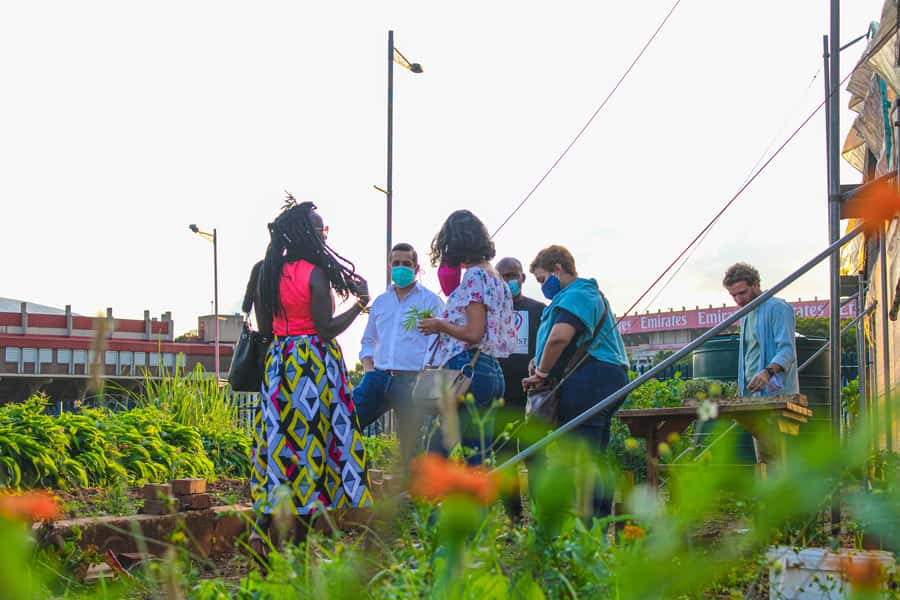
The first scheduled portion includes the market visit and welcome refreshments, lasting about 30 minutes. Depending on the day, the chef may take you to an open-air market or a supermarket. That variation matters. A supermarket can offer a more reliable selection of ingredients, while a small market may give you a closer look at local buying habits but less room for a full food tour.
The best way to approach this stop is as ingredient orientation rather than a grand market expedition. You may learn how certain produce, spices, and staple foods fit into everyday cooking and African food traditions. If you are hoping for a large market filled with dozens of stalls, keep expectations modest.
One recent pickup account raises a practical concern. The vehicle arrived much later than the planned start time, and communication during the wait was limited. That does not erase the warm hospitality reported later, but it means you should keep some flexibility in your Johannesburg schedule. I would not book this experience immediately before a flight, show, or dinner reservation.
A few more cooking classes around South Africa worth a look
- Cape Town: Malay Cooking Class and Lunch in Bo-Kaap
★ 4.8 · 515 reviews - Authentic African Cuisine Cooking Experience
★ 5.0 · 236 reviews - Cape Town: Cape Malay Cooking Class in Bo-Kaap
★ 4.8 · 120 reviews
A welcome drink in a local home
After shopping, you return to a local home for the cooking session. You are welcomed with a glass of locally produced wine or juice, and the included bottle of wine is intended to be shared. Alcoholic drinks beyond that are not included, so plan to pay separately if you want more.
The welcome refreshments can be a small but memorable part of the evening. Past menus have included lemon and papaya infused water, homemade hibiscus tea with ginger, wine, and juice. These details help set a relaxed tone before the cooking begins, and they give you an early taste of flavors outside the standard restaurant menu.
The host then gives you a short tour of the home, explains a few house rules, and assigns practical tasks. This is a hands-on format. You are not simply sitting at a counter while someone else prepares the food. Expect to wash, chop, stir, season, and help bring the meal together.
That home setting is the experience’s strongest feature. It creates the feeling of being welcomed into someone’s daily life, which is very different from attending a formal cooking school. It also means the surroundings and pace may be more informal. If you prefer exact measurements, polished workstations, and a tightly timed lesson, this may feel loose.
Cooking across the African continent
The cooking theme is Pan-African, so the goal is to show that African food is not one single cuisine. The chef introduces dishes and methods connected with different parts of the continent, then focuses the session on a particular country or culinary tradition with the help of a guest chef.
The menu includes a starter and a main course, though the precise dishes depend on the day and the selected vegan or meat option. Past sessions have included several cooked dishes, outdoor grilling, vegetables, meat, a native welcome drink, and dessert. Another account described food prepared over wood fires in a concrete oven and on a long grill, with several pots cooking at once.
Those details suggest a meal with plenty of activity and variety, rather than a narrow lesson built around one recipe. You may see how vegetables, meat, sauces, and staple ingredients work together in a home setting. The discussion also covers nutrition, healthy eating, and home-grown food, which adds useful context beyond taste.
The teaching style can vary. One highly praised session with Noni Godole focused on fresh ingredients, spices, and the history behind the meal. Chef Tee was also praised for making the setting feel welcoming and for explaining South African food clearly. If a particular chef is available when you book, asking for Noni or Chef Tee may be worthwhile, though availability is not guaranteed.
You should also know that not every session will feel like a specialist spice workshop. One recent experience used store-bought curry mix packets and offered less detail about the individual spices. If your main goal is to master complex spice blending, ask in advance how the menu is planned and what techniques you will learn.
The vegan and meat choices
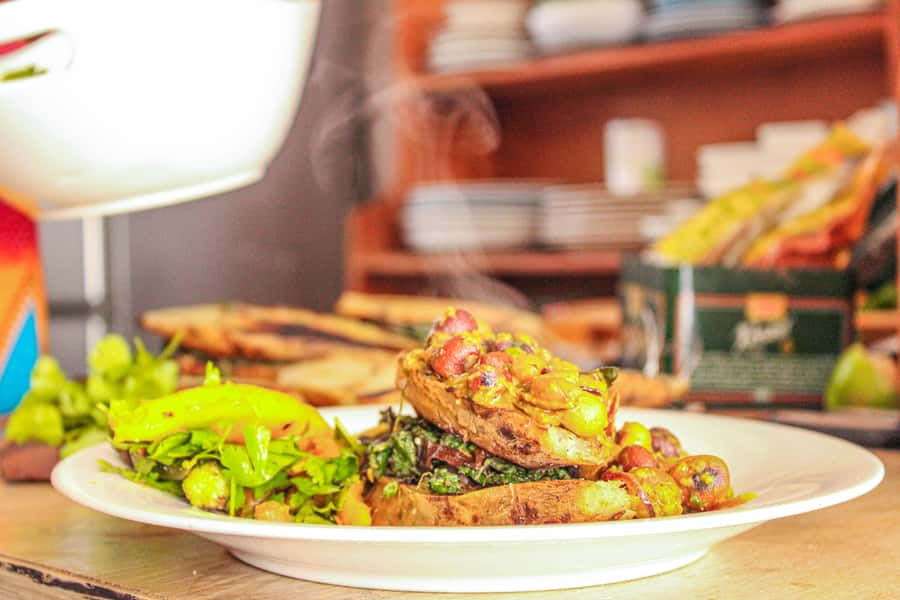
The choice between an organic vegan menu and a meat menu is useful, especially for a shared meal. You can select the style that fits your diet instead of treating vegetarian food as an afterthought.
The vegan option is described as organic, with discussion of healthy eating and home-grown food. That makes it more than a simple substitution. You can expect the class to explore how vegetables and plant-based ingredients form the center of a meal.
The meat option may include grilled dishes. One particularly successful meal featured three meat dishes prepared outdoors after several dishes were made in the kitchen. That sounds ideal for someone who enjoys a generous, social meal with food prepared over fire.
Because menus can change, you should confirm the details if you have allergies or strict dietary needs. The available information confirms vegan and meat choices, but it does not provide a full allergy policy or a fixed menu.
Same place, a different thing to cook:
- Cape Town: Bo-Kapp Walking Tour and Malay Cooking Class
★ 4.7 · 105 reviews - Cape Town: Authentic African Cuisine Cooking Experience
★ 4.9 · 31 reviews - Private Cape Malay Cooking Class in Cape Town with a Local Family
★ 5.0 · 24 reviews - GQ: City Walking Tour & African Cuisine Cooking Class
★ 4.6 · 11 reviews
Sitting down for the meal
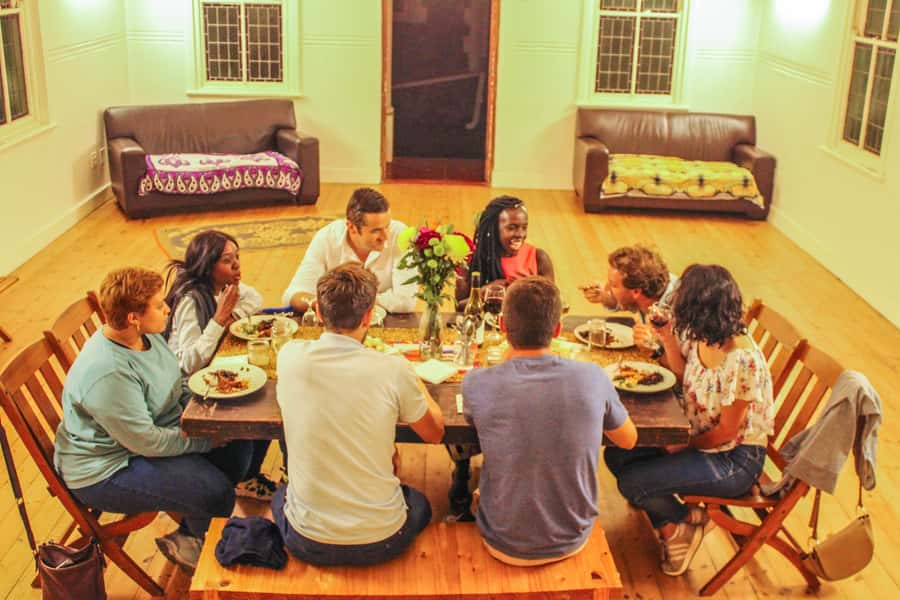
Once the cooking is finished, everyone gathers around the table to eat. Local wine and beer may accompany the meal, with extra alcoholic drinks available at your own cost. The emphasis is on sharing food and conversation, not rushing through a tasting menu.
Storytelling is built into the evening. The chef shares a personal story and culinary journey, and you can talk about your own background if you wish. You do not have to perform or speak at length. The format is meant to create an easy exchange around the table.
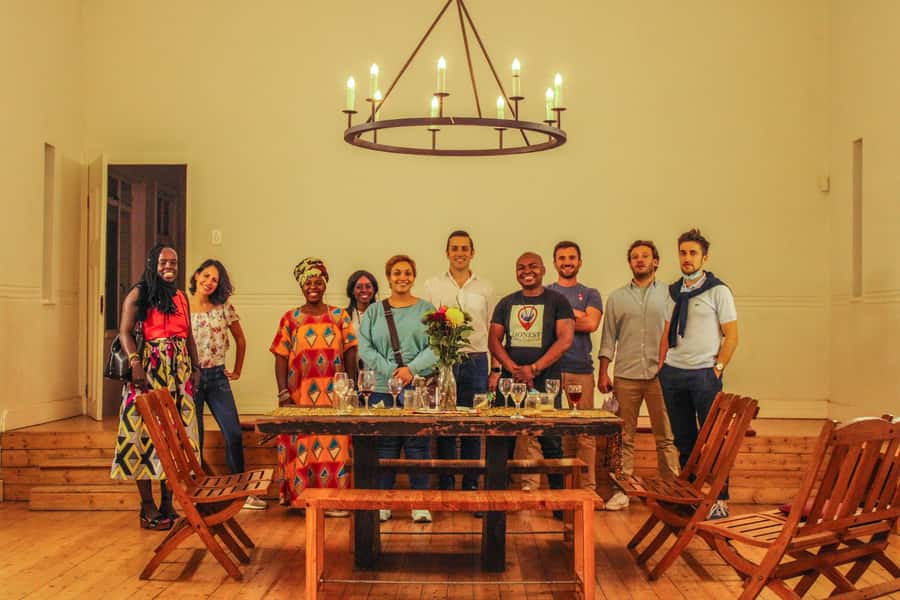
This part gives the experience its human value. You are not just collecting recipes. You are learning why food matters in family life, how cooking passes along tradition, and how a meal can bring strangers together. One memorable session ended at a candlelit kitchen table, with conversation continuing after the cooking was complete.
The social side suits solo visitors especially well. A solo booking was described as comfortable, friendly, and welcoming from pickup through the meal. Couples can treat it as an unusual date, while families and small friend groups get a shared project rather than another restaurant meal.
Still, the social format is not for everyone. If you want to keep to yourself, the storytelling portion may feel more interactive than expected. If you enjoy meeting people and learning through conversation, it is likely to be the evening’s highlight.
What the $102 price really covers
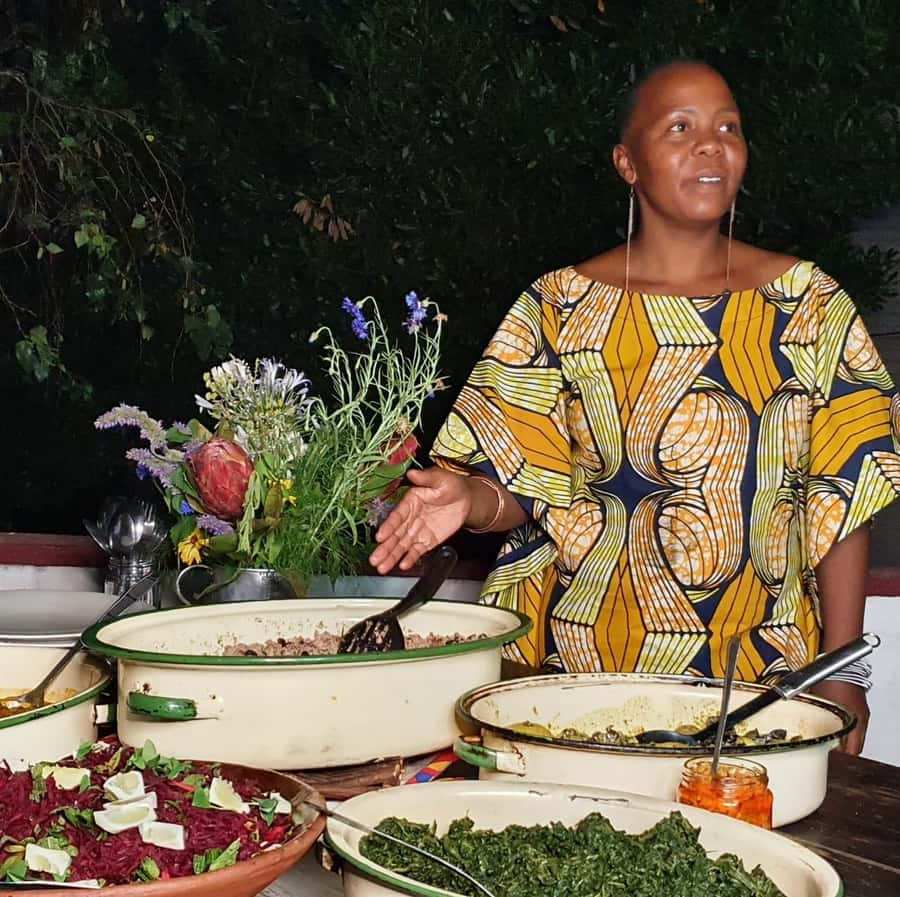
At $102 per person, this is not a bargain cooking lesson. You are paying for more than ingredients and instruction. The price includes transport, welcome refreshments, cooking materials, a chef, the meal, and a bottle of wine to share.
Pickup adds real value in Johannesburg, where arranging transport can take time and money. The home setting also gives you something a standard restaurant meal cannot provide. You are buying an activity, a meal, and a cultural exchange in one package.
The value depends on your priorities. I would call it worthwhile if you want direct contact with a local host, enjoy cooking with other people, and care about the story behind the food. It is harder to justify if you mainly want a polished market tour or advanced culinary training.
The quality can also depend on planning. A well-run session with clear communication, fresh ingredients, and a strong chef can feel like one of your most memorable Johannesburg evenings. A delayed pickup and loosely planned menu can make the price feel high.
Timing, group size, and comfort
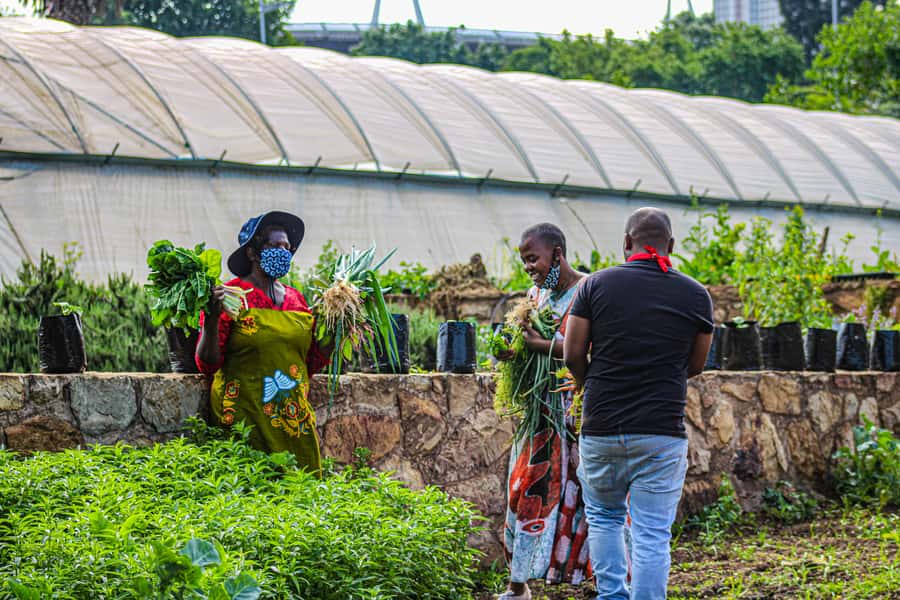
The stated duration is 210 minutes to four hours. That gives enough time for shopping, cooking, eating, and conversation, but the actual length may depend on pickup, group size, and the pace of the meal.
Small groups are available, which is worth requesting if you want more time with the chef. A smaller setting should also make it easier to take part in the cooking and ask questions. The experience is wheelchair accessible, though you should still confirm the exact pickup and home arrangements for your needs.
Instruction is available in English and French. The format is suitable for solo visitors, couples, families, and friends. You should come hungry, but not so hungry that you expect the first part to move quickly. Shopping and introductions come before the main meal.
The no-alcohol-and-drugs rule is clear. Alcohol may be served as part of the experience, but illegal drugs are not allowed, and additional alcoholic drinks are not included.
Strengths and weak spots
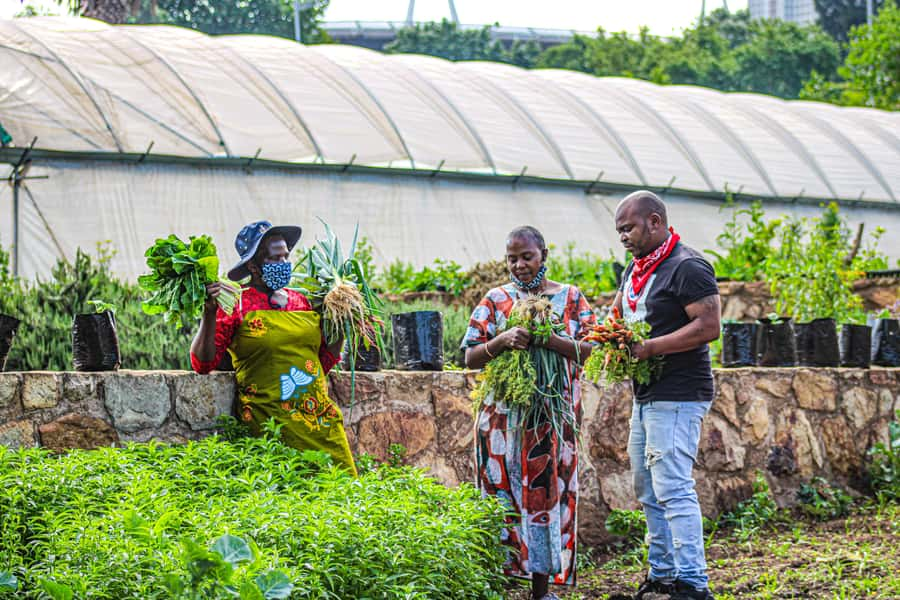
The strongest part is the sense of welcome. Several sessions have been praised for warm hosting, generous food, and a relaxed atmosphere. That feeling matters because a cooking class in a private home depends heavily on the people leading it.
The meal itself can also be excellent. One account called it the best meal of a Johannesburg stay, with multiple cooked dishes and grilled meats. Another praised the fresh ingredients, outdoor wood-fire cooking, native drinks, dessert, and the way food history was explained.
The main weakness is uneven execution. Pickup communication has not always been reliable, and the market visit may be smaller and darker than you imagine. The menu can also vary from carefully explained fresh spices to prepared curry mixes.
I would treat this as a warm cultural meal with cooking rather than a formal culinary course. That distinction will help you book with the right expectations.
Who should book this experience?

I recommend it most for solo visitors who want an easy way to meet people, couples looking for a memorable evening, and families or friends who enjoy cooking together. It is also a good fit if you want to learn about South African and Pan-African food from a local host rather than only reading about it on a menu.
The vegan option makes it accessible to plant-based diners, and the French and English instruction widens its appeal. Pickup from Sandton is another advantage if you are based in that part of Johannesburg.
I would hesitate if you need exact start times, have a tight evening schedule, or want a highly technical cooking lesson. I would also ask about the day’s menu before booking if individual spices, market variety, or specific dishes are central to your plans.
Should you book it?
Book this experience if you value hospitality, conversation, and a home-cooked meal more than polish. At its best, it gives you a generous evening of cooking, grilling, storytelling, and food traditions that are difficult to encounter through ordinary sightseeing.
Go in with flexible timing and realistic expectations about the market stop. Confirm your pickup details, choose vegan or meat in advance, and ask what dishes and cooking methods are planned. If you can accept a little informality, the chance to eat around a local kitchen table may be worth the $102 price.
FAQ
Where does the Pan-African cooking experience take place?
The experience starts with pickup in Sandton, includes a market or supermarket visit in Johannesburg, and continues at a local home where the cooking and dining take place.
How long does the experience last?
The stated duration is 210 minutes to four hours, depending on the available starting time and the pace of the activity.
Is pickup included?
Yes. Pickup and drop-off are included. Service covers locations within 10 kilometers of the city center, and Sandton is included.
What food options are available?
You can choose between a vegan organic option and a meat option.
Is the meal included in the price?
Yes. The cooking materials, chef, dining experience, and a shared welcome bottle of wine are included.
Are extra alcoholic drinks included?
No. Extra alcoholic drinks are not included in the price.
What languages are available?
Instruction is available in English and French.
Is the experience wheelchair accessible?
Yes. The activity is listed as wheelchair accessible.
Can I join a small group?
Yes. A small-group option is available.
What happens during the market visit?
You visit a local open-air market or supermarket with the chef, learn about the ingredients, and discuss their cultural connection to African food and traditions.
Can I cancel for a refund?
You can cancel up to 24 hours in advance for a full refund. You can also reserve now and pay later.
Just added around South Africa
- Private Cape Malay Cooking Class in Cape Town with a Local Family★ 5.0 · 24 reviews
- Langa Township and Bokaap Cooking Class Half Day Tour★ 5.0 · 4 reviews
- South African Cooking in Cape Town with Local Chef Richard★ 4.5 · 10 reviews
- Cape Town Shore Excursion| South African Cooking & Port Transfers★ 5.0 · 3 reviews
- Private Authentic Cape Malay Cooking Class in Manenberg with Locals★ 5.0 · 5 reviews
- South African Cooking Class in Cape Town with a Local Family★ 5.0 · 2 reviews
- Cape Malay/Creole Cooking Class and Local Shopping in Salt River★ 5.0 · 2 reviews
- GQ: City Walking Tour & African Cuisine Cooking Class★ 4.6 · 11 reviews
Cooking Classes, compared.

Half-Day Thai Cooking Class at Organic Farm in Chiang Mai
Read our review →

3 in 1 Cooking Class near Navona: Fettuccine, Ravioli & Tiramisu
Read our review →
Pasta & Tiramisu Cooking Class with Unlimited Wine
Read our review →
Hanoi Cooking Class: Culture, Local Market & Meaning CSR Impact
Read our review →
5 Traditional Dishes Hanoi Cooking Class with Market Trip
Read our review →
Cooking Class and Lunch at a Tuscan Farmhouse with Local Market Tour from Florence
Read our review →
Cooking Class, Market & Thai Herbs Garden Tour
Read our review →Lists this class appears in