
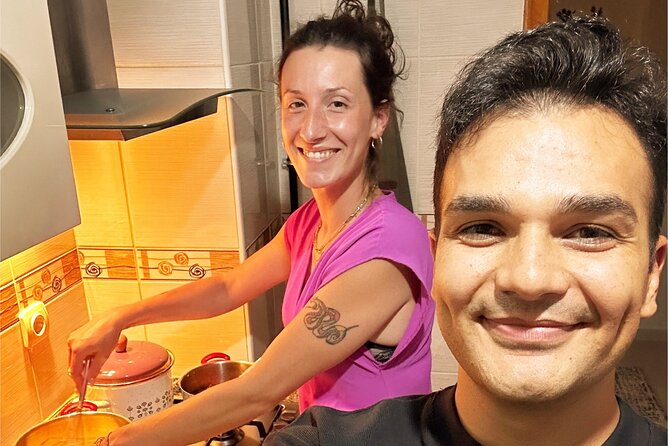
REVIEW · ANKARA, TURKEY
Turkish Cuisine Cooking Class at Local Home with Family
Dinner begins at a family table. This Ankara cooking class gives you hands-on time in a local home, with Sercan guiding you through Turkish dishes and everyday food traditions. I like the warm, personal setting, and I like the small group limit of six, which leaves room for real conversation. The main consideration is that the menu may not suit every palate.
At $70 per person for about three hours, the experience costs more than a simple restaurant meal, but it includes instruction, ingredients, a full homemade feast, and time with Sercan, Hatice, and their son. You should also plan around the fixed 5:30 pm start in Çankaya and allow for an evening that may run longer than expected.
Key reasons to consider this Ankara cooking class
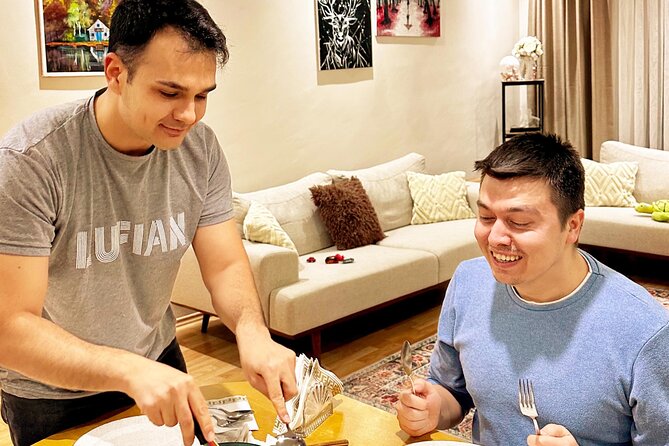
- You cook inside a real family home: Sercan and his family provide a personal look at daily Turkish life, not just a formal demonstration.
- The group is capped at six people: This is small enough for questions, shared tasks, and relaxed conversation.
- The menu can include Turkish classics: Possible dishes include lentil soup, lahmacun, hünkar beğendi, karnıyarık, cold dishes, and Turkish desserts.
- The meal is part of the lesson: You sit down to eat what you helped prepare, with Turkish tea or ayran.
- Cultural details go beyond recipes: You may hear stories about regional food, try Turkish coffee, or take part in Turkish tea leaf reading.
- The location works well for an evening in Çankaya: The meeting point is near public transportation, and the activity ends where it begins.
Cooking Turkish food inside Sercan’s home
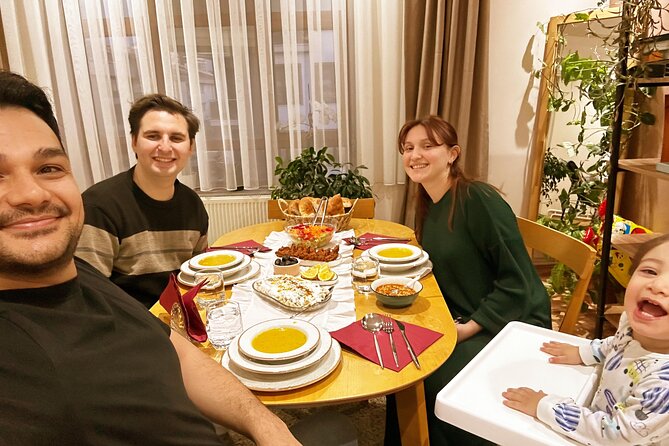
Ankara can be a serious sightseeing city. You may spend the day at Anıtkabir or the Museum of Anatolian Civilizations, then wonder where ordinary local life fits into the schedule. This cooking class answers that question in a simple way: you enter a family home, help prepare dinner, and spend an evening talking over food.
Sercan is the host and cook. His role is not limited to handing you a recipe and watching from the side. He welcomes you into the home, explains the dishes, and shares stories about Turkish food culture and daily routines. His wife Hatice and their son may also be part of the evening, adding the sense that you are visiting a household rather than attending a staged culinary show.
That difference matters. A restaurant can give you a polished plate. A cooking class lets you see how a dish comes together, why certain ingredients are used, and how food fits into family life. You will not simply eat lahmacun or eggplant. You will help make it, then taste the result with the people who prepared it alongside you.
The group limit is six people. I consider that one of the strongest features. A larger class can turn cooking into a crowded demonstration, with some people stuck watching from the back. Six people gives you a better chance to take part, ask questions, and speak with the host without having to compete for attention.
More Home Cooking Classes in Turkey
- Traditional Home Cooking with a Local in İstanbul City Center
★ 5.0 · 82 reviews - Traditional Home Cooking with a Local in İstanbul Center
★ 4.9 · 78 reviews - Authentic Turkish Cooking at a Local’s Home in Istanbul
★ 4.9 · 24 reviews
What the 5:30 pm start means for your day
The class begins at 5:30 pm at Dayanışma Caddesi, İlkadım, in Çankaya, Ankara. The activity ends back at the meeting point. It is near public transportation, which makes it easier to fit into an evening plan, though you should still allow enough time to reach the address without rushing.
The listed itinerary includes Anıtkabir and Ankara, but the main experience described is the cooking session in the central Ankara area. Treat the class as an evening at a local home rather than a sightseeing tour with a long list of stops. If you want a full visit to Anıtkabir, schedule that separately and arrive at the cooking meeting point on time.
The timing suits a day of sightseeing. You can visit major Ankara attractions earlier, rest or have a light lunch, then head to the class. Since the meal comes later, avoid eating a heavy dinner before arrival. You want room for soup, the main dish, cold food, dessert, and the drinks served with the meal.
The activity is advertised at about three hours. In practice, the evening may feel less rigid than a standard timed tour. One family group stayed longer than expected because the conversation and meal were so enjoyable. That can be a plus if you like slow social experiences. It can be a problem if you have a firm evening appointment afterward.
Lentil soup starts the meal in familiar Turkish fashion
The sample menu begins with lentil soup, a smooth dish made with red lentils, onions, and carrots. It is a useful introduction to Turkish home cooking because the ingredients are simple, but the finished soup is comforting and full of flavor.
You should expect the class to focus on preparation rather than on a fixed restaurant-style menu. The exact dishes can vary. Along with lentil soup, the menu may include a cold dish and a Turkish dessert, giving you several different styles of food in one sitting.
A cold dish adds variety before the main course. Turkish meals often make room for vegetables, pulses, grains, yogurt, and seasoned sauces, not just meat. The sample information does not specify the exact cold dish or dessert, so do not book expecting one particular plate every time.
That flexibility can work in your favor. Sercan has prepared different regional foods for different sessions. One evening included eksili pilav, a dish from eastern Turkey made with tender beef, broken chickpeas, saffron, and a tangy sauce. It finished with homemade helva and Turkish coffee. That kind of regional detail gives the class more depth than a standard lesson built around the same two recipes every night.
Lahmacun brings the hands-on cooking
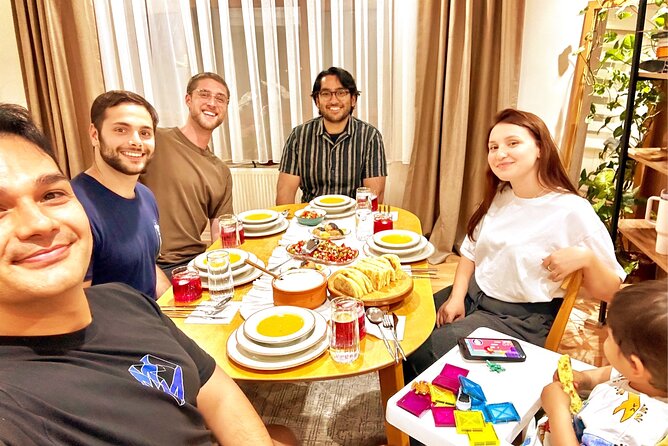
Lahmacun is the clearest example of a dish that benefits from a cooking lesson. It uses a thin round of dough spread with seasoned ground meat, then cooked until the base is crisp and the topping is fragrant.
Making it yourself helps you understand the balance between dough, topping, and heat. The dish is not a thick pizza, and the texture depends on keeping the base thin. You will learn by doing, with Sercan guiding the process and explaining the food as you work.
The sample menu lists lahmacun as the main course, but other sessions may feature a different centerpiece. You might prepare hünkar beğendi, slow-cooked lamb served over a creamy eggplant purée, or karnıyarık, an eggplant filled with minced meat and spices.
These dishes also show why Turkish home cooking is worth exploring. Hünkar beğendi pairs soft lamb with smoky, creamy eggplant. Karnıyarık uses eggplant as the main structure for a seasoned meat filling. Neither dish is just a quick snack. Both ask you to pay attention to texture, timing, and the way vegetables and meat work together.
If you do not enjoy eggplant, lamb, or strongly seasoned meat, check your preferences before booking. One person found the food less suited to their taste, even while enjoying the class itself. That is a fair warning. The cultural experience may be excellent, but Turkish home food is still a matter of personal taste.
Same place, a different thing to cook:
- Farmers Market visit & Turkish Cooking Class
★ 5.0 · 60 reviews - Bodrum: Market Visit and Cooking Class
★ 4.9 · 41 reviews - Cooking Class in Authentic Etrim Village
★ 4.5 · 23 reviews - Istanbul: Turkish Cooking Class with a Professional Chef
★ 4.8 · 23 reviews
Conversation, Turkish tea, and the slower part of dinner
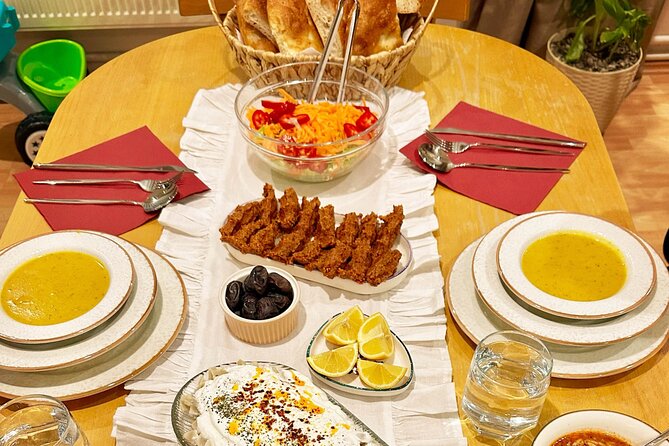
The meal is not rushed. Once the cooking is finished, you sit down and eat together with Turkish tea or ayran. Ayran is a savory yogurt drink, while Turkish tea provides the more familiar warm finish to a meal.
The social side is a major reason to choose this class. Sercan and his family have been praised for making people feel welcome, including a parent who attended with two children. The family setting also works well for couples and solo visitors who want more contact with local people during an Ankara stay.
One especially unusual detail is Turkish tea leaf reading. Depending on the evening, you may have the chance to take part in this lighthearted tradition after drinking tea. Another session included Turkish coffee, which paired with homemade helva at the end of the meal.
These details are not guaranteed menu items, so think of them as possible extras rather than promises. Still, they show how the class can move beyond cooking technique. Food opens the door to stories, customs, family life, and the small rituals that make an evening memorable.
I would choose this experience for the conversation as much as the recipes. If you want to race through three dishes and leave with a printed list of ingredients, a formal culinary school may be a better match. If you enjoy learning around a table, this home setting makes more sense.
Why a group of six changes the experience
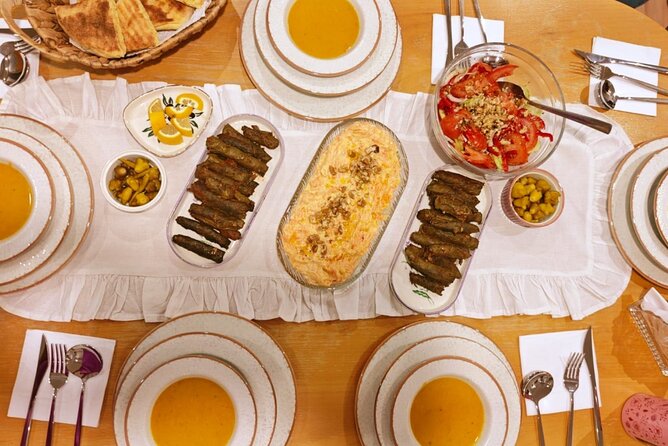
The maximum group size is six people. That number is small enough to keep the atmosphere personal, but large enough to create a shared dinner rather than a private meal with only the host.
For you, the practical benefit is access. You can watch a technique closely, take a turn with the preparation, and ask about ingredients or Turkish food customs. You also have a better chance to speak with the family and with the other people in the group.
The experience can be booked with group discounts, though the available discount is not specified. If you are traveling with friends or family, check the price for your party before booking. A small group may also make this a good choice for a couple that prefers a quiet evening over a large culinary event.
The family atmosphere may not suit someone who wants a completely private class. Although the group is limited to six, the class is not described as an exclusive booking for every reservation. If privacy is essential, confirm the arrangement before you pay.
Is $70 good value in Ankara?
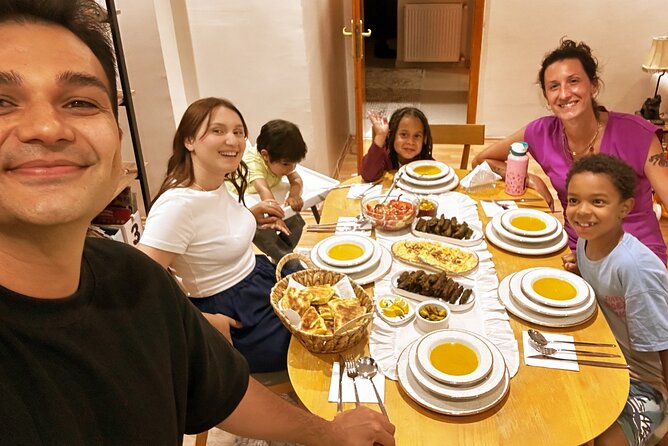
At $70 per person, this is not the cheapest way to eat in Ankara. You could order a filling Turkish meal for much less. The value here comes from the combination of food, instruction, hosting, and cultural contact.
You are paying for about three hours, fresh locally sourced ingredients, several courses, and the chance to cook with a local family. You also get a meal at the end, plus tea or ayran. That makes the price easier to justify for someone who would otherwise spend money on both dinner and a separate cultural activity.
The value is strongest if you take part fully. Ask questions. Help with the preparation. Pay attention to the differences between dishes. If you sit back and treat it as dinner delivery in a private home, you will get less from the price.
For a solo visitor, the cost may feel high compared with an ordinary meal, but the small group and social contact can be worth it. For a couple, the experience offers a shared activity with a clear cultural focus. For families, the welcoming approach and cooking tasks can make the evening more engaging than another restaurant meal.
Who will enjoy this most?
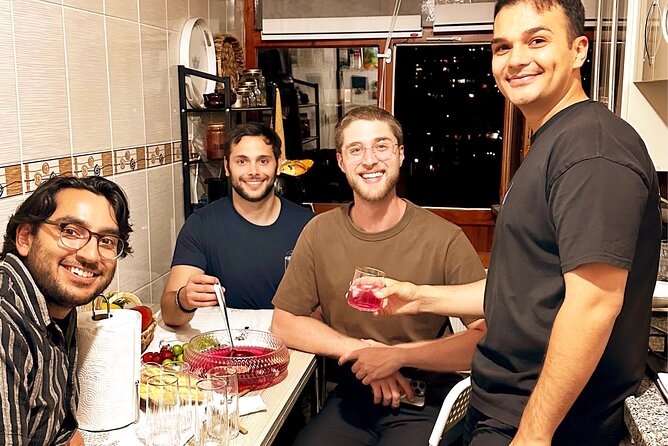
I would recommend the class to food lovers, couples, solo visitors, and cultural travelers who prefer personal encounters to large group tours. It also suits people who want to understand Ankara through daily life, not only through monuments.
It is a strong choice if you enjoy:
- Learning by preparing food yourself
- Trying dishes that may vary by region
- Eating in a family home
- Spending an evening in conversation
- Small groups with a relaxed pace
- Turkish tea, coffee, ayran, and dessert
You should think twice if you need a guaranteed menu, dislike eggplant or meat-based dishes, or have a strict schedule after 8:30 pm. The menu can change, and the evening may last longer when conversation is flowing.
The experience is offered in English, which helps if you want explanations about the food and culture while cooking. Confirmation is provided when you book. Free cancellation is available until 24 hours before the 5:30 pm start time. Changes or cancellations inside that window are not accepted for a refund.
Practical booking advice for Çankaya
Book ahead if this is important to your Ankara plans. The activity is booked about 14 days in advance on average, and the group size is limited to six. That combination suggests that last-minute availability may be less certain than at a standard restaurant.
Use the exact meeting address: Dayanışma Caddesi, İlkadım, Dayanışma Cad., 06450 Çankaya, Ankara, Türkiye. Since the activity ends there, you can plan your onward transport from the same area.
Wear something comfortable for an evening of cooking, though no special clothing requirement is provided. More important, arrive hungry and on time. The class begins at 5:30 pm, and arriving late would cut into the shared preparation that gives the activity its value.
You may also want to tell the provider about food restrictions before booking, but the available information does not confirm special menus or substitutions. Do not assume that every dish can be changed.
Should you book this Ankara home cooking class?
Book it if you want a personal evening with Turkish food and a family, not simply another meal in a restaurant. Sercan, Hatice, and their son create the kind of setting where recipes lead naturally to conversation, and the best moments may come between the formal cooking steps.
At $70, it is best viewed as dinner plus a small cultural visit. The class earns its price through the intimate group, hands-on work, regional dishes, and generous hosting. Just keep your menu expectations flexible and allow the evening some breathing room.
If your Ankara plans already include Anıtkabir and the city’s museums, this class adds a different side of the capital. You will leave with food memories, practical cooking knowledge, and a better sense of how Turkish hospitality works at home.
FAQ
Where does the Turkish cooking class begin?
It begins at Dayanışma Caddesi, İlkadım, Dayanışma Cad., 06450 Çankaya, Ankara, Türkiye.
What time does the class start?
The class starts at 5:30 pm.
How long does the experience last?
The stated duration is approximately three hours. The evening may run longer if conversation and the meal continue beyond the planned schedule.
What food might be included?
The sample menu includes lentil soup, lahmacun, a cold dish, and a Turkish dessert. Other sessions may include hünkar beğendi, karnıyarık, or eksili pilav.
How many people can join?
The activity has a maximum of six travelers.
Can I cancel for a full refund?
Yes. You can cancel at least 24 hours before the local start time for a full refund. Cancellations or changes made less than 24 hours before the start are not accepted for a refund.
Just added around Turkey
- Bodrum Cooking Class★ 5.0 · 3 reviews
- Bodrum Cooking Class with Local Couple★ 5.0 · 6 reviews
- Farmers Market visit & Turkish Cooking Class★ 5.0 · 60 reviews
- Cooking Class in Authentic Etrim Village★ 4.5 · 23 reviews
- Istanbul: Turkish Baklava Cooking Class with a Local Host★ 5.0 · 3 reviews
- Istanbul: Traditional Cooking Class with a Local Mom★ 5.0 · 2 reviews
- Istanbul: Vegan/Vegetarian Cooking Class with Locals at Home★ 5.0 · 8 reviews
- Istanbul: Turkish Cooking Class with a Professional Chef★ 4.8 · 23 reviews
Home Cooking Classes, compared.
Khmer Cooking Class at a Local’s Home in Krong Siem Reap
Read our review →
Local Home Korean Cooking Class & Market Adventure in Seoul
Read our review →
Mexican Cooking from Scratch in a Local Home in Tulum
Read our review →
Pastamama, Home Cooking Classes at Grace’s Home
Read our review →
Traditional Cooking Class & meal with Local Family
Read our review →
Lists this class appears in