
REVIEW · BODRUM, TURKEY
Cooking Class in Authentic Etrim Village
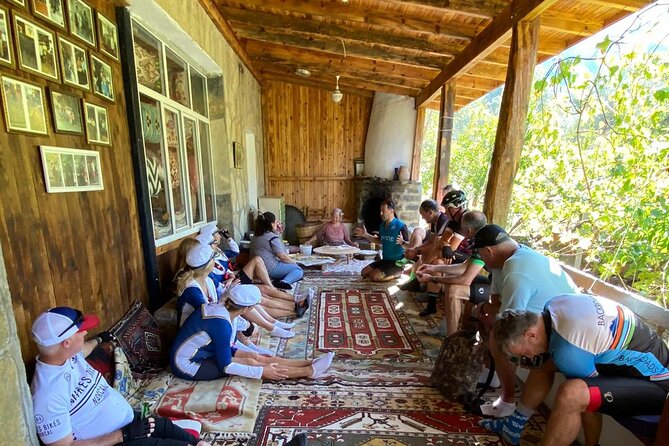
Trade the resort for a village kitchen. This six-hour outing takes you from Bodrum to Etrim, where local cooks work with olive oil, herbs, vegetables, grape leaves, figs, and wood-fire bread. I like the warm village welcome and the chance to eat food prepared in an authentic home setting. I also like that the local guide comes from Etrim and can explain the village beyond the kitchen.
The main thing to understand is that this is not a formal cooking school. You may roll grape leaves, shape dough, grate vegetables, or stir a pot, but you may not prepare every dish from start to finish. If you want recipes, measurements, and constant English instruction, this experience may feel loose. If you want a friendly look at village food and a very good lunch, it makes more sense.
Key points at a glance
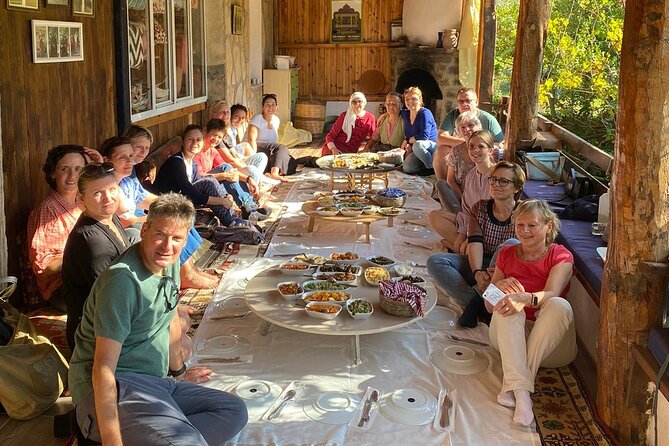
- Etrim village setting: Leave Bodrum’s resort strip behind for a small Aegean village with local homes, gardens, carpet traditions, and a mosque.
- Wood-fire cooking: Help with bread and dough prepared near a wood fire, a simple detail that gives the meal a real village character.
- Seasonal Turkish food: Expect mezes, stuffed peppers, vegetable dishes, grape leaves, bread, and other foods based on what is fresh.
- English support varies: Guide Tony has been praised for fluent English, but the guide may not remain beside you during every kitchen task.
- A feast more than a lesson: The food is a major strength, but hands-on cooking can be limited and some dishes you help prepare may not appear on your plate.
- Good value for food and culture: At $59.64 per person, the price covers about six hours, transport by air-conditioned vehicle, lunch, drinks such as tea and soft drinks, and a village visit.
Leaving Bodrum for Etrim village
The tour begins at the Bodrum Tour office at Umurca, Üçkuyular Cd. No. 7 D:1b. The activity returns to this same meeting point. The experience is described as including a local driver and guide plus an air-conditioned vehicle, while private transportation is listed as not included, so check the pickup arrangement carefully when you book.
The drive matters because Etrim offers a sharp change from Bodrum’s beaches, marinas, and holiday hotels. Here, the focus shifts to village homes, food production, old household customs, and the people who still prepare meals in traditional ways. You are not simply sitting in a restaurant kitchen. You are seeing how food fits into daily village life.
The outing lasts about six hours, so it takes a good part of your day. That is useful if you want more than a quick market stop, though it may feel long if your main aim is to learn two or three exact recipes. The tour is offered in English and is described as a private activity for your group, although parts of the meal and village visit can have a communal feel.
More Farm Cooking Classes in Turkey:
- Half-Day Thai Cooking Class at Organic Farm in Chiang Mai
★ 5.0 · 19,087 reviews - Cooking Class and Lunch at a Tuscan Farmhouse with Local Market Tour from Florence
★ 5.0 · 4,831 reviews - Chiang Mai: Authentic Cooking Class with Market & Farm Visit
★ 4.9 · 4,546 reviews
A walk through village life before cooking
The Etrim visit begins with more than food. You may see the village mosque, local houses, and displays connected with traditional carpets. One account describes being invited into homes to see how people in the village lived in earlier times and how they live now. That context helps explain why the cooking feels different from a polished demonstration in Bodrum.
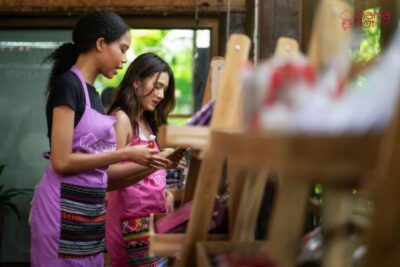
The carpet connection is a useful extra. Turkish carpets are not just decorative souvenirs, and village weaving has long been tied to household skill and local identity. You may meet carpet makers and see another side of village work before heading to the kitchen.
The village tour also gives you a chance to meet local people. One particularly warm experience included meeting an older grandmother a few houses away. Encounters like this cannot be guaranteed, but they show the kind of personal contact the outing aims for.
I would treat this part as a cultural visit with food at its center. The details can vary with village activity, holidays, and the group’s pace. On a busy holiday, the hosts may be handling many tasks at once, which can make the day feel less organized but also gives you a more honest view of a working village.
What you actually do in the kitchen
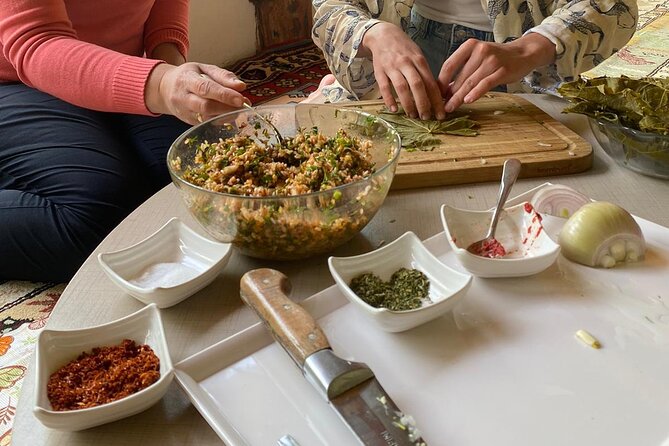
The cooking portion is hands-on, but not in the way many people imagine when they hear cooking class. You may grate carrots, stir a pot, roll cheese pastries, cut squash, shape bread dough, and roll grape leaves. Some participants have made large quantities of dolma, with around 100 grape leaves prepared for two people.
That number tells you something important. You are helping with production rather than following a small, carefully measured class recipe. The work can be fun for families and groups because everyone has a task. It is less satisfying if you want to learn the precise technique behind each dish.
Grape-leaf rolling is a likely highlight. You may be shown how to place filling inside the leaf and roll it tightly. The filling may already be prepared, though its ingredients can be explained when the guide is present. The local cook may demonstrate the motion, but language can become a problem if the English-speaking guide steps away.
This is where expectations matter most. A local cook may know exactly how the dough or leaf should feel, yet have no English words to explain why your roll is too loose or too thick. You may need to watch closely and copy the movement. That can be part of the charm, but it is not the same as instruction from a bilingual chef.
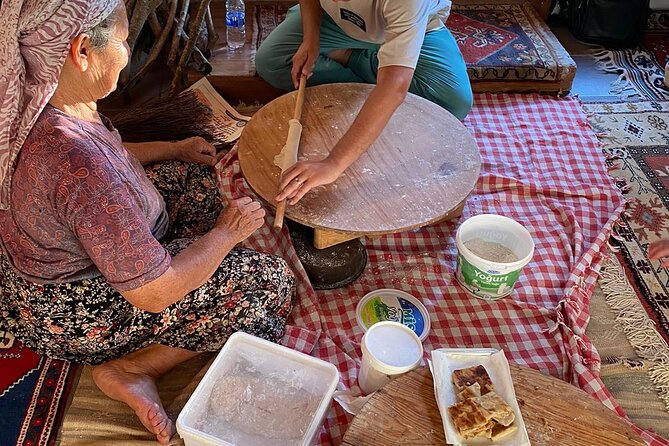
The bread work sounds more satisfying for many people. You may roll dough and see it cooked near a wood fire. Bread made this way gives the day a strong sense of place, especially when compared with a standard restaurant lunch. Still, you may only take part for a short time, and the bread you handle may not be the exact bread served later.
Mezes, stuffed peppers, and the village feast
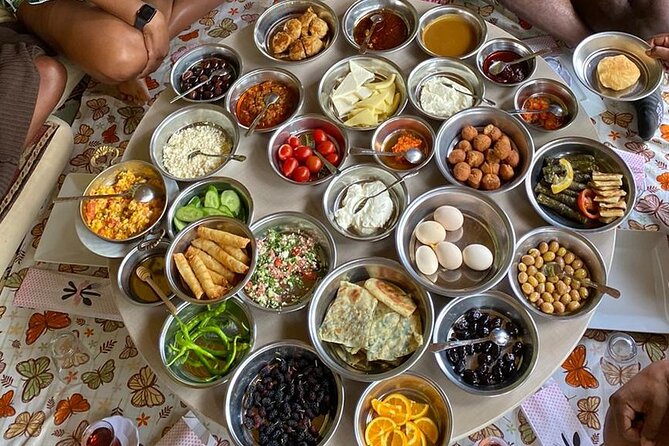
The sample menu begins with four or five mezes. These Turkish small plates work much like tapas, with several vegetable, herb, and olive-oil preparations brought to the table together. This is a good match for the Aegean region, where fresh produce, olive oil, herbs, and vegetables play a central role.
The main dishes listed include stuffed peppers and vegetable pie. You may also encounter grape leaves, bread, squash preparations, and other seasonal foods. The exact spread can change because the village cooks use what is fresh and available.
The strongest part of the experience is the meal itself. Food is served family-style, and portions are generous. The meal may include dishes you helped with, but you should not assume that every item you prepared will appear on your plate. In some cases, the hosts may serve food that was prepared earlier, especially when they are feeding a larger group or working around a holiday schedule.
That is not necessarily a problem. The purpose is partly to show you village cooking and partly to feed you well. The food has been praised for its freshness and variety, and the setting adds something a restaurant cannot provide. You are eating in an authentic village environment, surrounded by the people who prepared the meal.
Vegetarians are welcome, and the menu can be adjusted for a wide range of diets. Tell the provider about your needs in advance. The experience lists bottled water, coffee or tea, soda, and lunch as included. Alcoholic drinks are not included, though the description says local wine or beer may be served with lunch, so confirm what is available and what carries an extra charge.
A few more cooking classes around Turkey worth a look
- Traditional Home Cooking with a Local in İstanbul City Center
★ 5.0 · 82 reviews - Traditional Home Cooking with a Local in İstanbul Center
★ 4.9 · 78 reviews - Farmers Market visit & Turkish Cooking Class
★ 5.0 · 60 reviews - Bodrum: Market Visit and Cooking Class
★ 4.9 · 41 reviews
Why the local guide matters
The guide can make or break the day. Tony has been praised for fluent English, a welcoming manner, and detailed stories about Bodrum, Etrim, and Turkey. A strong guide can connect the mosque, homes, carpets, ingredients, and cooking techniques into one clear picture.
The guide also acts as interpreter between you and the village cooks. That role is essential because some of the kitchen staff do not speak English. When the guide stays nearby, you can ask what is in the filling, why a dish is prepared a certain way, and how to correct your technique.
The weak point is that the guide may move in and out of the kitchen. If you are left working beside cooks who cannot explain each step in English, you may spend part of the class watching rather than learning. I would ask at the start of the day when the guide will be available for translation and request ingredient explanations while the guide is present.
That small step can improve the experience. It also helps to tell the guide if you want more cooking and less observation. The hosts are friendly, but you may need to speak up about what you hope to learn.
The price and what you receive for $59.64
At $59.64 per person, this is reasonably priced for a half-day cultural outing that includes transport in an air-conditioned vehicle, a local driver and guide, lunch, bottled water, tea or coffee, and soft drinks. You are paying for the village access and meal as much as for the cooking instruction.
The value is strongest if you want several experiences in one day: a countryside visit, local food, a family-style meal, village homes, a mosque, carpet traditions, and contact with local residents. Booking about 40 days ahead is common, so plan early if your Bodrum dates are fixed.
The value is weaker if you are comparing it with a professional culinary workshop. You will probably not receive a printed recipe packet, exact measurements, or a structured lesson lasting from preparation through plating. The class may feel more like helping local cooks prepare a meal.
For families, that relaxed format can work well. Children and adults can share simple jobs such as rolling dough or grape leaves. Food lovers who want to understand Aegean ingredients may also enjoy it, especially if they ask questions and take notes.
Who should book this Etrim experience?
I would recommend it to you if you want to see a less polished side of Bodrum. It suits people who enjoy village life, home cooking, local families, and meals built around vegetables, herbs, olive oil, and bread.
It is also a good choice for vegetarians. The menu already centers on vegetable dishes and mezes, and dietary needs can be discussed in advance. Families may appreciate the shared tasks, while solo visitors can still have a meaningful day if the guide remains involved.
I would be more cautious if your main goal is technical cooking instruction. You may grate, roll, cut, and stir without learning every recipe. The work can feel repetitive, particularly when a small group is asked to prepare a very large number of grape leaves.
The experience is also better for flexible people. Village cooking does not always run on a classroom timetable. A holiday, a busy kitchen, or a large meal may change the order of activities. You get a more local day, but less control over the schedule.
Practical advice before you go
Wear clothes you do not mind cooking in and shoes suitable for walking around a village. The day includes movement beyond the kitchen, though the supplied details do not specify the amount of walking.
Bring patience and curiosity. Watch how the cooks handle dough and grape leaves, and ask the guide to translate ingredients before the guide moves elsewhere. If you want to recreate a dish at home, write down what you can and take mental notes about texture, not just ingredients.
The tour is available in English, and most people can participate. Confirmation is provided when you book. Free cancellation is available up to 24 hours before the start time, but changes or cancellations inside that window are not accepted. The experience requires a minimum number of participants, so a cancellation for that reason may lead to another date, another experience, or a full refund.
Should you book it?
Book this tour if you want a generous village meal and real contact with Etrim, not a polished chef-led workshop. The warm hosts, fresh food, wood-fire bread, and local setting give the day its value.
Skip it if you need exact recipes, constant English translation, or a tightly managed cooking lesson. For everyone else, this is a pleasant way to trade Bodrum’s resort routine for a table filled with Aegean food and a village community that welcomes you into its kitchen.
FAQ
Where does the cooking experience begin?
It begins at Bodrum Tour, Boat Tours, Yacht Tours, Private Boat Tours, at Umurca, Üçkuyular Cd. No. 7 D:1b, 48400 Bodrum, Muğla, Türkiye.
Where does the experience end?
The activity ends back at the same meeting point in Bodrum.
How long does the tour last?
The experience lasts approximately six hours.
What is included in the price?
The price includes a local driver and guide, bottled water, coffee or tea, lunch, soda or soft drinks, and an air-conditioned vehicle.
Are alcoholic drinks included?
No. Alcoholic beverages are not included in the stated price.
Is the experience offered in English?
Yes. The activity is offered in English.
Are vegetarians welcome?
Yes. Vegetarians are welcome, and the menu can be tailored for a range of dietary needs.
Is this a private activity?
Yes. The activity is described as private, with only your group participating.
Can I cancel for a full refund?
Yes. You can cancel at least 24 hours before the start time for a full refund. Cancellations or changes made less than 24 hours before the start time are not accepted.
Just added around Turkey
- Bodrum Cooking Class★ 5.0 · 3 reviews
- Bodrum Cooking Class with Local Couple★ 5.0 · 6 reviews
- Farmers Market visit & Turkish Cooking Class★ 5.0 · 60 reviews
- Turkish Cuisine Cooking Class at Local Home with Family★ 5.0 · 9 reviews
- Istanbul: Traditional Cooking Class with a Local Mom★ 5.0 · 2 reviews
- Istanbul: Vegan/Vegetarian Cooking Class with Locals at Home★ 5.0 · 8 reviews
- Istanbul: Turkish Baklava Cooking Class with a Local Host★ 5.0 · 3 reviews
- Istanbul: Turkish Cooking Class with a Professional Chef★ 4.8 · 23 reviews
Farm & Countryside Cooking Classes, compared.

Half-Day Thai Cooking Class at Organic Farm in Chiang Mai
Read our review →
Cooking Class and Lunch at a Tuscan Farmhouse with Local Market Tour from Florence
Read our review →
Authentic Cooking Class with Market & Farm Visit
Read our review →
Hands-On Cooking Class & Farmhouse Tour on the Amalfi Coast
Read our review →Lists this class appears in