
REVIEW · MARMARA REGION, TURKEY
Istanbul: Turkish Baklava Cooking Class with a Local Host
Baklava tastes better when you make it. This three-hour Istanbul cooking class brings you into host Rojda’s cozy apartment to prepare traditional Turkish baklava from scratch. I like the small group of up to six people, which gives the class a personal feel, and I like that you make the dough yourself instead of simply folding store-bought pastry.
The hands-on work is the real draw. You roll paper-thin layers, prepare a walnut filling, and pour warm syrup over the baked pastry. I also like the chance to share tea and baklava with Rojda and her family, but keep in mind that this is a home-based experience, not a polished restaurant class with a formal kitchen or a packed sightseeing schedule.
The price is $142 per person, so this is not a budget dessert stop. Still, the value improves if you care about food, conversation, and a personal look at Turkish family cooking. You also leave with baklava to share at home, which makes the experience feel like more than a three-hour tasting.
Key Points Before You Book
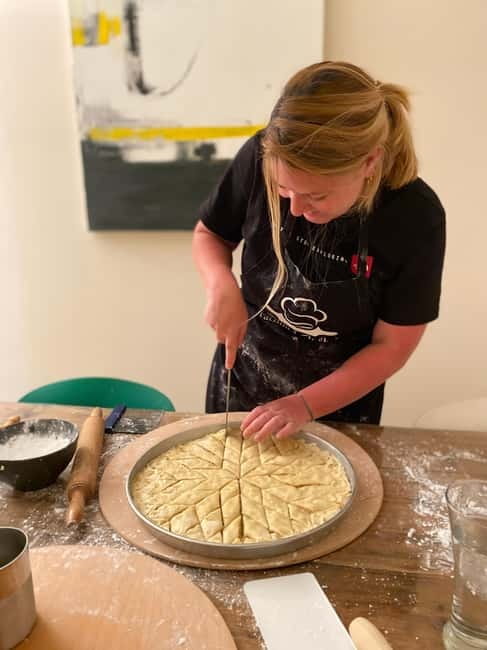
- Rojda teaches a family recipe: She learned the craft from her grandmother and passes on a home tradition rather than a generic pastry demonstration.
- You make the dough from scratch: The class covers kneading and rolling, with as many as forty delicate layers.
- The group is limited to six: This keeps the lesson intimate and gives you more room to ask questions and work with the ingredients.
- Tea and baklava are part of the visit: You taste your finished pastry with Turkish tea in the apartment.
- You take baklava home: Some of your work travels with you, giving you something to share with loved ones.
- The class is a cultural meeting as well as a cooking lesson: Food, family, and hospitality are central to the experience.
Entering Rojda’s Istanbul Kitchen
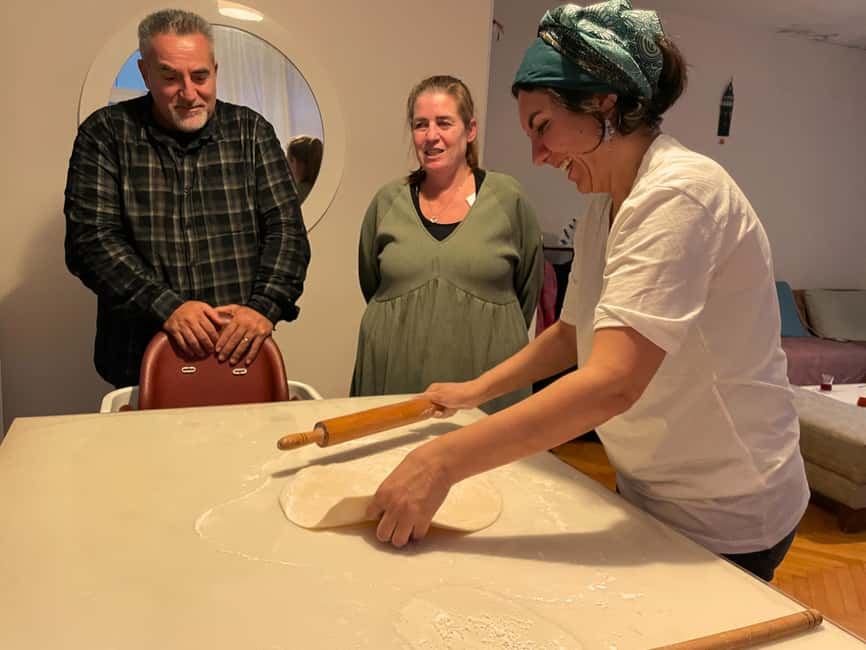
The setting shapes the whole class. You meet Rojda at her home, where the smell of butter and warm syrup sets the tone before the cooking begins. This is not a large culinary studio filled with rows of strangers. With only six participants, the experience has the feel of being welcomed into someone’s kitchen.
That personal setting matters because baklava is tied to family occasions and hospitality in Turkey. Rojda learned the method from her grandmother, so the class carries a story along with the ingredients. You are not only learning how to assemble a dessert. You are seeing how a recipe can travel from one generation to the next.
One especially appealing part is the chance for conversation. The class is offered in English and Turkish, and the small group gives you time to ask about the food as you work. The atmosphere may feel more relaxed and social than a formal cooking school, which suits you if you prefer meeting a local host to sitting through a demonstration.
The tradeoff is that a private apartment can vary from one person’s idea of comfortable to another’s. If you want a restaurant-style setting, professional workstations, or a full menu of dishes, this class may feel simple. Its strength is the home environment, not production value.
More Greek Cooking Classes in Turkey:
- Greek Cuisine Cooking Class in Santorini with Recipes and Wine
★ 5.0 · 969 reviews - Greek Cooking Class in Athens Including Rooftop Dinner with Acropolis View
★ 5.0 · 826 reviews - Greek Small-Group Athens Cooking Class & Dinner
★ 5.0 · 574 reviews
Rolling Dough Into Forty Thin Layers
The first major task is making the baklava dough. You prepare it from scratch, knead it, and roll it out until the pieces become very thin. The process can involve as many as forty layers, so the class gives you a useful sense of why good baklava takes patience.
This is also where the workshop offers more than a basic recipe card. Many visitors know baklava as a finished sweet from a pastry shop. Fewer get to see the work behind the crisp layers, butter, nuts, and syrup. Rolling the dough yourself connects the final taste to the time and care required to make it.
You should expect flour, handling, and repeated rolling rather than a quick assembly job. The physical work is part of the point. If you enjoy learning by doing, you will likely find this section satisfying. If you want a relaxed food tasting with very little effort, three hours of pastry preparation may feel long.
Rojda’s instruction also gives the class a personal angle. The recipe comes from her grandmother, so the techniques are presented as part of a family practice. That can be more useful than a highly technical lecture because you see how a home cook approaches the pastry and how the steps fit together.
The information does not specify every tool or the exact dough recipe, so you should not expect a printed list of precise measurements unless Rojda provides one during the class. The clear promise is that you make the baklava from scratch and learn the main stages directly.
Preparing the Walnut Filling
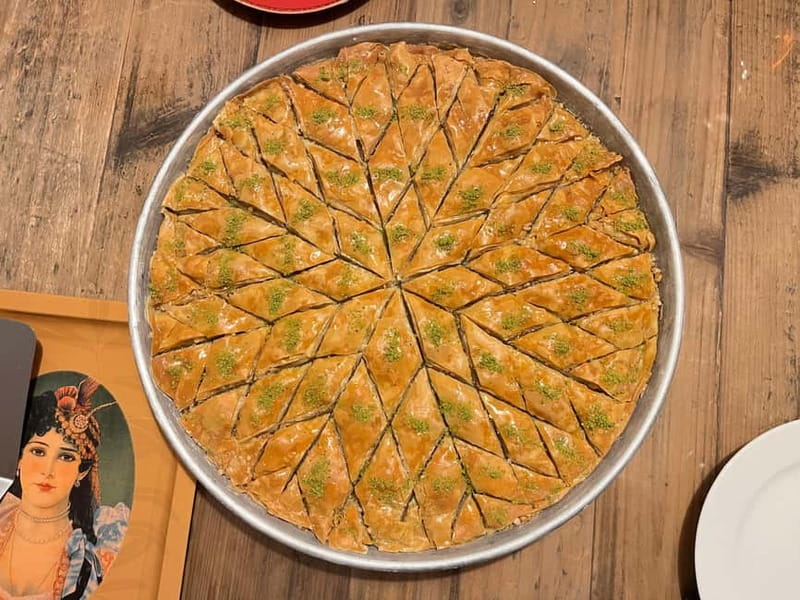
Once the dough is ready, you prepare the sweet walnut filling. This step brings texture and flavor to the pastry, and it helps you understand that baklava is not just layers of dough soaked in syrup. The nuts provide a contrast to the crisp pastry and sweetness.
The walnut filling is also one of the easiest parts to take into your own cooking at home. You can see how it is spread between the layers and how much filling is used in relation to the pastry. Those choices affect the final bite, so watching the process closely is worthwhile.
I would pay attention to how Rojda handles the balance between filling and dough. The class description does not give a precise quantity of walnuts or sugar, so the useful lesson is the method rather than a guaranteed formula. Ask questions as you work, especially if you hope to recreate the dish later.
The cooking class makes room for more than technique. Food in a Turkish home often carries family meaning, and Rojda’s approach connects the walnuts and pastry to the people who taught her. That personal link is one of the strongest reasons to choose this activity over buying a tray from a bakery.
Watching the Syrup Transform the Pastry
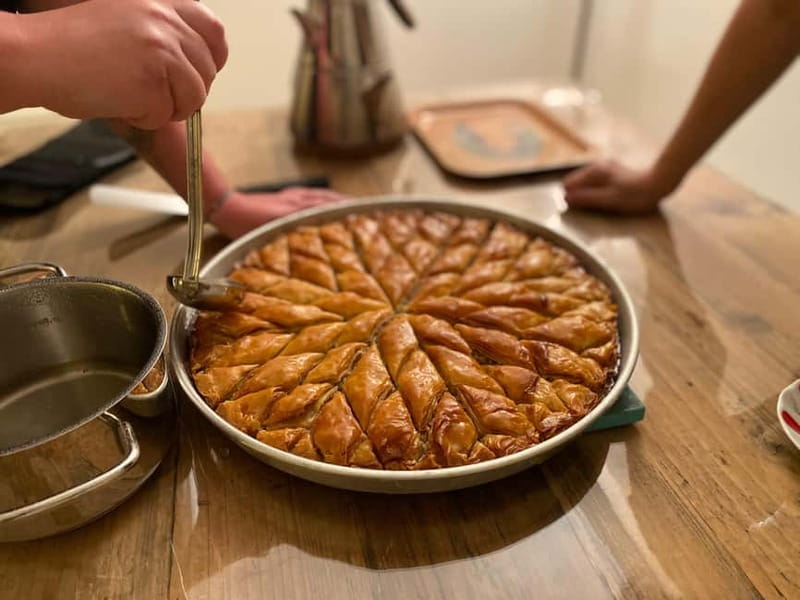
After the baklava is baked, you pour warm syrup over it. This is the moment when the crisp pastry takes on its familiar sweetness and moist texture. The timing matters, and seeing it happen in front of you helps explain why baklava tastes different from an ordinary nut pastry.
The warm syrup also makes the experience sensory. You have the smell of butter, the crackle of baked layers, and the glossy finish that develops after the syrup is added. It is a simple step, but it gives the class a clear beginning, middle, and end.
You should remember that the baklava needs time to bake and absorb the syrup. That leaves room for tea, conversation, and possibly extra hospitality while you wait. One especially memorable part of the experience can be the social time during this pause. Isabelle, who attended the class, was invited to join Rojda’s family and friend for dinner while the baklava baked. That invitation was not presented as a guaranteed part of every booking, so treat it as a possible act of hospitality rather than a scheduled course feature.
The class does include tea and baklava, so you will have a chance to taste the finished result. It also includes baklava to take home, which gives you a second tasting later and lets you share the result with someone who did not attend.
A few more cooking classes around Turkey worth a look
- Traditional Home Cooking with a Local in İstanbul City Center
★ 5.0 · 82 reviews - Traditional Home Cooking with a Local in İstanbul Center
★ 4.9 · 78 reviews - Farmers Market visit & Turkish Cooking Class
★ 5.0 · 60 reviews - Bodrum: Market Visit and Cooking Class
★ 4.9 · 41 reviews
Turkish Tea and a Homemade Reward
Eating the baklava with Turkish tea is a fitting end to the lesson. You can taste the result while the steps are still fresh in your mind, from the homemade dough to the walnut layer and syrup. This makes the final snack more meaningful than simply ordering dessert at a cafe.
The tea also creates time to talk. The experience is built around a local host, not just a series of cooking instructions, so the conversation is part of the value. You may learn more about Turkish food customs through informal discussion than through a scripted cultural talk.
I especially like that the class does not end when you finish your first piece. You receive baklava to take home, which changes the value calculation. At $142 per person, you are paying for instruction, ingredients, the home setting, tea, the tasting, and a take-home portion. You are not paying only for the amount of dessert you eat during the class.
Still, the price is high if your only goal is to sample baklava. Istanbul has many places where you can buy a piece for far less. This experience makes sense when you want the process, the personal connection, and the chance to make a traditional dessert with guidance.
Why the Small Group Matters
The maximum group size is six people. For a cooking class, that limit is useful because rolling pastry and assembling layers require room and attention. A very large group could turn the activity into a demonstration where only a few people touch the dough.
With six or fewer, you have a better chance to follow each stage and ask Rojda for help. You can also see how other people handle the dough, which may make the class more social and less intimidating if you are new to baking.
The small size does not guarantee a private class. You may share the kitchen with other participants, and the level of conversation will depend on the group. Still, the limit points toward a quieter, more personal setting than a mass-market food tour.
The class lasts three hours. That is enough time for the dough, filling, assembly, baking, syrup, and tasting without forcing every step into a rushed demonstration. It also means you should reserve a real block of time in your Istanbul plans. Do not place a major timed attraction immediately afterward unless you have plenty of room.
Language, Meeting Point, and Planning Notes
Rojda teaches in English and Turkish. That makes the class suitable for English-speaking participants, though the experience remains centered on cooking and conversation rather than a formal language lesson.
The meeting point is Rojda’s home. Since the activity takes place in a private apartment, read the confirmed meeting information carefully before you go and allow enough time to reach it. The supplied details do not provide a public landmark or neighborhood, so you should rely on the booking information for the exact location rather than guessing from the general Istanbul description.
Starting times depend on availability. This gives you some flexibility, but you still need to check the date and time that work with your sightseeing plans. A three-hour home cooking class fits well on a day when you want a slower experience, rather than on a day packed with museums, ferries, and major monuments.
Cancellation is flexible up to 24 hours in advance for a full refund. You can also reserve now and pay later, which is useful if you are arranging a longer Istanbul itinerary and do not want to commit the full cost immediately.
Who Will Enjoy This Baklava Class
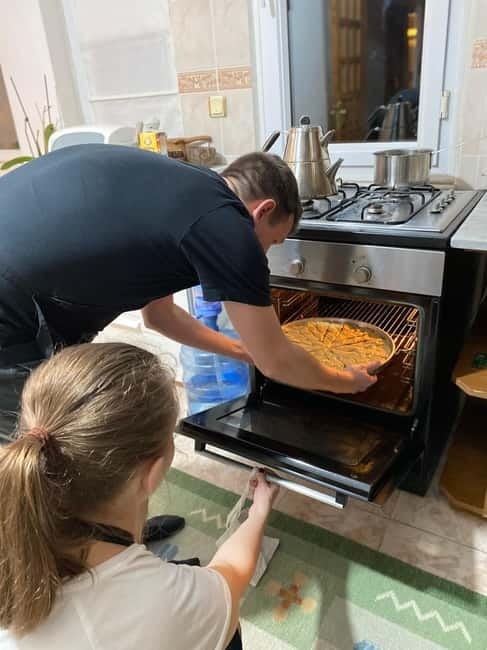
I would recommend this experience most strongly to you if food is one of the main ways you connect with a place. It suits curious cooks, couples, solo visitors who enjoy small groups, and anyone who prefers a local home to a commercial kitchen.
It is also a good choice if you have made baklava before but have never prepared the dough. Isabelle had baked baklava in the past and still found value in learning the from-scratch method and seeing more authentic aspects of the process. That is an important point: the class is not only for complete beginners.
Families may enjoy the activity, though the supplied information does not give an age requirement. If you are considering bringing children, confirm suitability before booking. The dough work and syrup step require attention, and the three-hour duration may not suit every child.
You may want to skip it if you dislike home-based activities, have limited time, or only want to taste Turkish sweets. The class does not cover a full Turkish meal or a broad set of recipes. Its focus is narrow and clear: traditional baklava, tea, and the social experience around making it.
Is $142 a Fair Price?
At $142 per person, this is a premium food activity. The cost is easiest to justify when you count the full package: three hours of instruction, ingredients, hands-on preparation, tea, baklava to eat, and a portion to take home.
You are also paying for access to Rojda’s family method and home hospitality. That is harder to measure than a museum ticket, but it is the main reason the class can be worth more than a bakery visit. If the family connection feels important to you, the price may seem reasonable.
I would compare it with your own priorities. If you would happily pay for a private-feeling cultural activity and a memorable meal-related story, book it. If you are watching every dollar or have no interest in baking, spend less on a pastry shop visit and use the rest of your budget elsewhere.
Should You Book Rojda’s Baklava Class?
Book this class if you want to slow down, work with your hands, and meet a local host in her own home. The strongest features are the from-scratch dough, the family recipe passed down by Rojda’s grandmother, the small group, and the warm hospitality around the baking.
I would also book it if you have tried baklava before and want to understand the pastry rather than simply eat it. The take-home portion adds a practical reward, and the tea gives the class a relaxed finish.
Skip it if you want a cheap dessert tasting, a formal cooking school, or a fast activity between major sights. For the right person, though, this is a thoughtful Istanbul experience: focused, social, and sweet without pretending to be something it is not.
FAQ
Where does the baklava cooking class take place?
The workshop takes place in Rojda’s home, a cozy Istanbul apartment. The meeting point is her home.
How long does the activity last?
The class lasts three hours.
How much does the experience cost?
The listed price is $142 per person.
How many people can join the class?
The activity is limited to six participants.
What language is the class offered in?
Instruction is available in English and Turkish.
Do participants make the baklava from scratch?
Yes. You prepare the dough, knead it, and roll it into thin layers before adding the walnut filling and syrup.
What is included in the price?
The experience includes the baklava workshop, ingredients, tea, baklava to eat, and baklava to take home.
Can I cancel for a full refund?
Yes. You can cancel up to 24 hours in advance for a full refund.
Do I have to pay when I reserve?
No. The activity offers a reserve now and pay later option, so you can book your place without paying immediately.
Just added around Turkey
- Bodrum Cooking Class★ 5.0 · 3 reviews
- Bodrum Cooking Class with Local Couple★ 5.0 · 6 reviews
- Farmers Market visit & Turkish Cooking Class★ 5.0 · 60 reviews
- Cooking Class in Authentic Etrim Village★ 4.5 · 23 reviews
- Turkish Cuisine Cooking Class at Local Home with Family★ 5.0 · 9 reviews
- Istanbul: Traditional Cooking Class with a Local Mom★ 5.0 · 2 reviews
- Istanbul: Vegan/Vegetarian Cooking Class with Locals at Home★ 5.0 · 8 reviews
- Istanbul: Turkish Cooking Class with a Professional Chef★ 4.8 · 23 reviews
Greek Cooking Classes, compared.
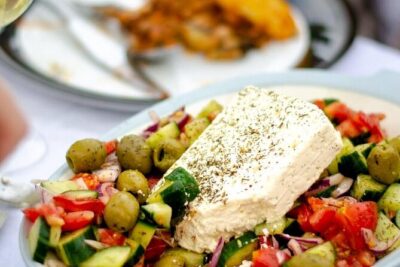
Greek Cuisine Cooking Class in Santorini with Recipes and Wine
Read our review →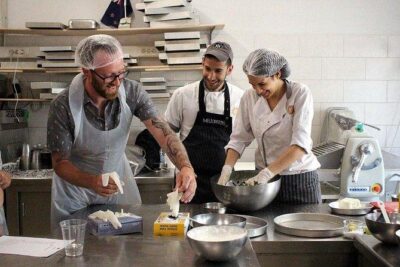
Greek Cooking Class in Athens Including Rooftop Dinner with Acropolis View
Read our review →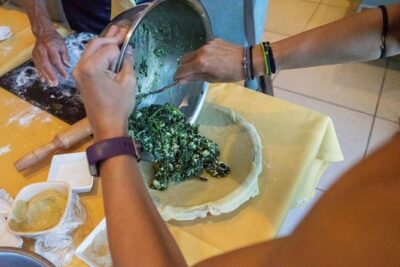
Greek Small-Group Athens Cooking Class & Dinner
Read our review →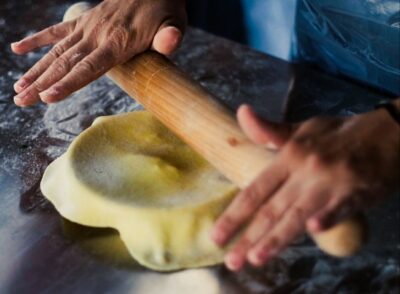
Greek Cuisine Cooking Class and 3-Course Dinner
Read our review →
Traditional Greek cooking class and lunch or dinner with an Acropolis view
Read our review →
Greek Cooking Class with a Local Chef, Wine, & Meal in Drios
Read our review →
Half-Day Greek Cooking Class of Zakynthian Culture with Lunch
Read our review →Lists this class appears in