
REVIEW · EAST CHINA, CHINA
Shanghai: Authentic Chinese Cooking Class with Master Chef
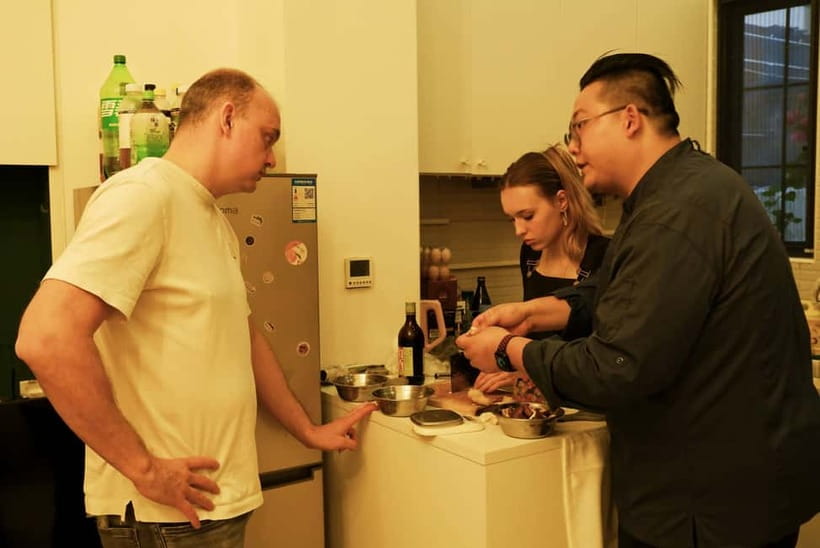
Fresh food tells the story. This 3.5-hour private cooking class begins at a Shanghai wet market, then moves into hands-on work with dumplings, wok cooking, and classic Chinese dishes. I like the market visit because it gives you a look at everyday food culture before you start cooking. I also like that Chef Li teaches by involving you, rather than doing all the work himself.
The price is $269 for up to two people, so it makes the most sense for a couple or two friends who want a private lesson. The main consideration is time: three and a half hours is a serious chunk of a Shanghai day, and some of your time will be spent shopping and preparing rather than sitting down to eat.
Key Points
- Meet Chef Li at West Nanjing Road Metro Station: Pickup is at Exit 8, giving you a clear starting point in central Shanghai.
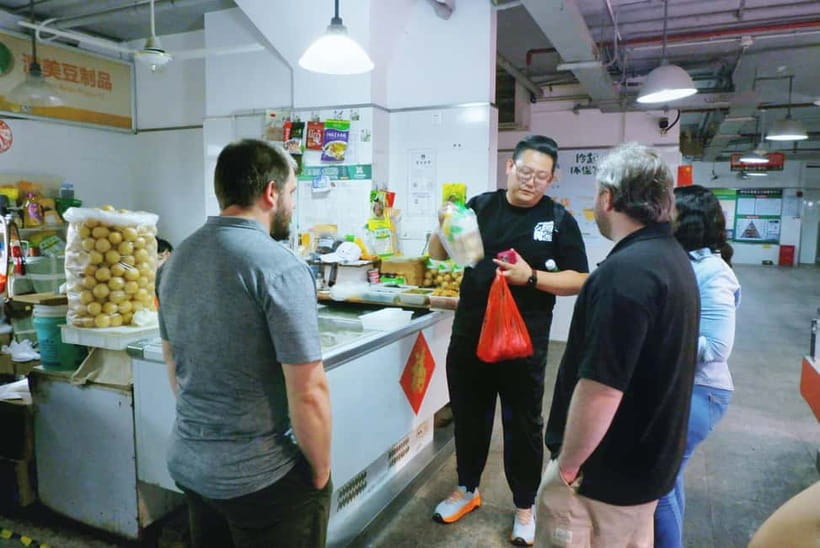
- Shop at a local wet market: You see the ingredients before they become lunch, with the chef explaining what to choose and why.
- Fold two kinds of Chinese dumplings: You work with the dough and fillings yourself, then learn how different shapes and methods come together.
- Practice wok cooking: The class teaches the heat, timing, and movement behind Chinese stir-frying.
- Cook classic dishes with stories: Chef Li connects the recipes to Chinese food culture instead of treating them as anonymous menu items.
- Leave with recipes and gifts: You can try to repeat the dishes at home, with drinks included during the lesson.
A Shanghai Food Experience That Begins at the Market
The meeting point is West Nanjing Road Metro Station, Exit 8. That detail matters. Shanghai is huge, and a precise metro exit keeps the start simple. The chef picks you up there, so you do not need to find an unfamiliar apartment, restaurant, or cooking studio on your own.
From the station, the experience begins with a visit to a local wet market. This is more than a quick ingredient stop. You get to see the shopping side of Chinese cooking, where freshness, season, and appearance guide what goes into the basket.
I like this part because it puts the recipes in context. Instead of arriving at a prepared kitchen with ingredients lined up like a school demonstration, you see where the meal starts. Chef Li can show you the ingredients being selected, then use them during the lesson.
The market may feel crowded and active, and that is part of the point. It is a working food market, not a polished attraction built for visitors. If you enjoy seeing how people shop for everyday meals, this gives you a useful glimpse of local life. If markets are not your thing, you may find this portion less comfortable than the cooking itself.
The experience description does not provide a fixed market name or a detailed list of ingredients. That means you should expect a genuine market visit, but not a scripted tour with a published stop-by-stop commentary. The value comes from following the chef and seeing how the shopping connects to the recipes.
More Chinese Cooking Classes in China:
- Flavors of Beijing: Eat Like A Real Chinese
★ 5.0 · 78 reviews - Online Cooking Class Beijing Dumplings and Cuisine by Sunflowerli Renowned Chef
★ 5.0 · 65 reviews - Shanghai-Cooking Dumpling & Meal in Local Family-w/Vegan
★ 4.9 · 36 reviews
From Raw Ingredients to Two Kinds of Dumplings
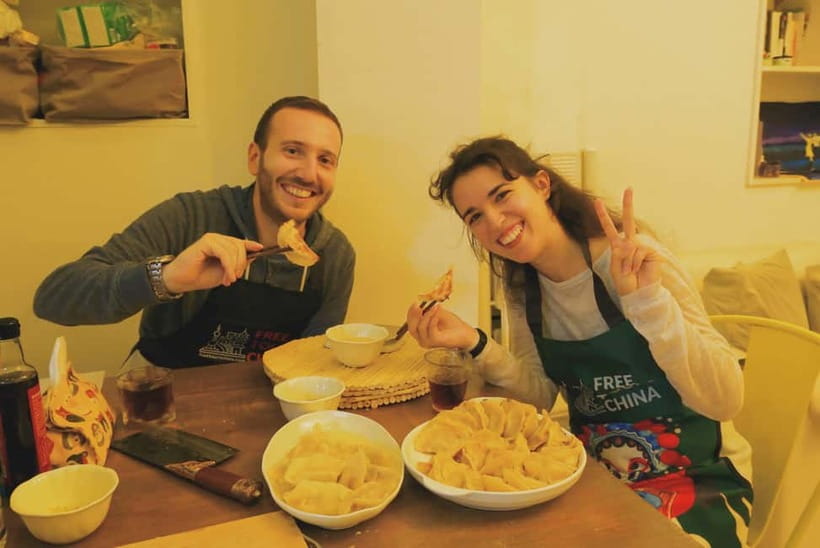
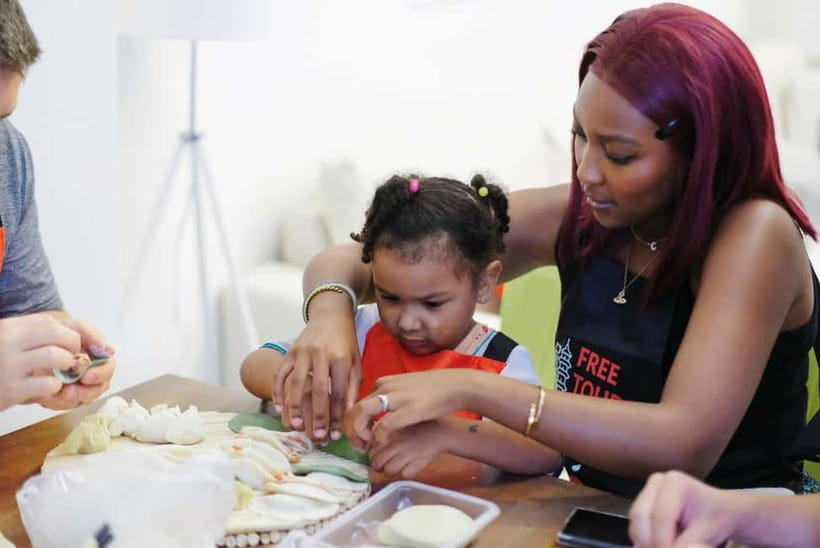
Dumplings are one of the best choices for a cooking class because you can see the process from start to finish. You handle the dough, add the filling, and learn how to shape the dumplings before they are cooked.
This class includes two traditional types of Chinese dumplings. That gives you a useful comparison. Different dumplings can vary in shape, folding method, and cooking style, and those small changes affect the final bite. You are not simply watching Chef Li make a few perfect examples while you take photographs.
The hands-on format is important here. Dumpling folding takes practice, and your first few may not look like the chef’s. That is normal. The point is to learn the method well enough to repeat it at home. Chef Li has more than a decade of professional cooking experience, so he can show you the small corrections that printed recipes often miss.
You should also expect the work to be social. A private group of up to two means you can ask questions without competing with a large class. For two people, the setup is especially appealing: you can work together, compare your shapes, and share the meal afterward.
The class may suit families or friends who enjoy active food experiences, but the booking format is priced for up to two people. If your group is larger, confirm how the provider handles it before booking rather than assuming several separate pairs can join together.
Learning What Makes a Wok Work
Stir-frying looks fast and easy when you watch an experienced cook. In practice, it depends on preparation, timing, and control of heat. This class gives you a chance to work with a Chinese wok and understand why the cooking moves so quickly.
You prepare the ingredients before the pan gets hot, then work through the cooking steps with Chef Li’s direction. The lesson is not only about memorizing a recipe. It helps you understand the order in which ingredients should go into the wok and why a dish can turn out differently when the timing is off.
That is one of the most useful parts of the class for home cooks. A recipe can tell you to stir-fry for a certain number of minutes, but a chef can point out what the food should look and smell like along the way. Those visual and practical cues are often what you remember later.
The class includes two classic Chinese dishes, each presented with its own story. The exact dish names are not provided, so you should not book expecting a particular regional specialty unless the provider confirms it in advance. What you can expect is a lesson built around traditional recipes, not a generic Western interpretation of Chinese food.
You also get drinks, with tea, juice, or beer available. That makes the cooking session feel more like a shared meal than a strict lesson. Still, remember that the main value is participation. If you want a long restaurant-style lunch with plenty of time at the table, this is not designed around that.
Chef Li’s Teaching Style
Chef Li is the sort of guide who gives this experience its personality. He has more than ten years of professional cooking experience, and the class is taught in English. That makes it easier for you to ask about ingredients, cooking methods, and the stories behind the dishes.
The strongest part of his approach is participation. You should expect to do real work, not just watch a demonstration. You may chop, fold, stir, and follow the recipes step by step while Chef Li corrects your technique and keeps the pace moving.
That format works well for curious beginners. You do not need to arrive with professional knife skills or previous dumpling experience. The chef’s job is to guide you through the process, while your job is to pay attention and take part.
It also suits cooks who already know some Chinese food. You can ask more focused questions about wok heat, dumpling texture, or ingredient choices. Because the group is private, the class can feel more personal than a large demonstration.
The experience has a playful side, too. Cooking is messy and hands-on, and dumpling folding rarely goes perfectly on the first try. I would choose this class for people who enjoy learning by doing, not for anyone who wants a formal lecture or a passive food tour.
A few more cooking classes around China worth a look
- Half-Day Chengdu Cooking Class with a Local Market Visit
★ 5.0 · 465 reviews - Chengdu: Cooking Class with Fresh Market Half Day Experience
★ 5.0 · 42 reviews - Private Cooking Class: Make Your Own Dim Sum In Shanghai
★ 5.0 · 27 reviews - Half-Day steamed Buns Cooking Class with a Local Market Visit
★ 5.0 · 26 reviews
What the $269 Price Really Covers
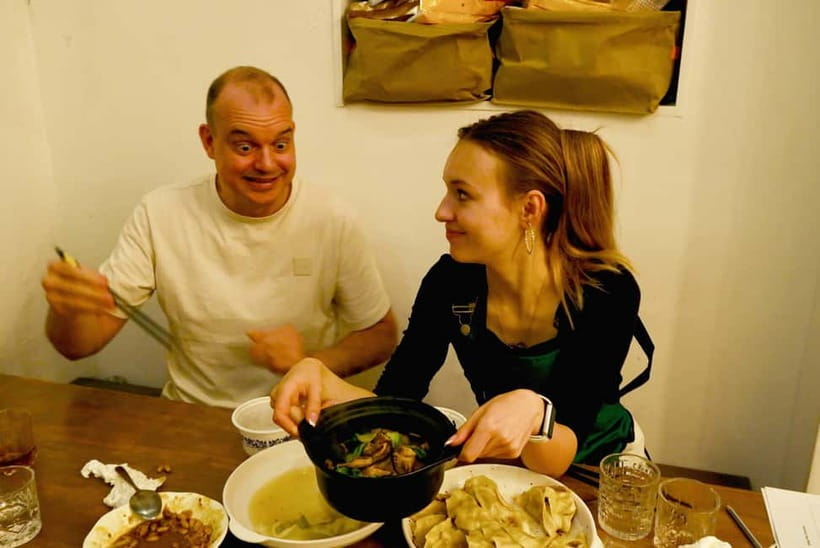
At $269 per group of up to two, this is not a low-cost meal. The price works out best when two people share it, since you are paying for a private experience rather than two individual seats in a large class.
You are paying for several parts at once:
- A local wet market visit
- A private English-language lesson
- All food materials and ingredients
- Instruction in dumpling making and wok cooking
- Two classic Chinese dishes
- Tea, juice, or beer
- Recipes to take home
- Special gifts from the experience
For a couple, the value is strongest if you want an activity with personal instruction and a meal attached. You receive more than food on a plate. You get a practical skill, a market visit, and recipes you can use again.
The value is weaker if you mainly want the cheapest way to eat in Shanghai. Local restaurants will cost much less, and a standard food tour may cover more locations. This class earns its price through private attention and active participation.
I would also consider the opportunity cost. Three and a half hours could cover several Shanghai sights, so you should choose this on purpose. It makes sense on a day when you want to slow down and focus on food rather than rush from one landmark to another.
Recipes, Stories, and Take-Home Memories
A good cooking class should continue after the meal. This one includes secret recipes to bring home, along with special gifts. The recipes are especially useful because they give you a chance to repeat the dumplings and cooked dishes once you are back in your own kitchen.
The recipes may not reproduce every part of the experience. Ingredients available in Shanghai may be harder to find at home, and your stove may not reach the same heat as a professional cooking setup. Still, the notes give you a starting point, and Chef Li’s tips can help you adapt.
Pay attention when he explains the dishes. The food stories add context that a recipe card cannot provide. You learn not only what to do, but why the dish matters and how it fits into Chinese cooking traditions.
The included drinks help keep the lesson relaxed. Tea is a natural match for the food, while juice and beer give you other choices. If you have dietary restrictions, tell the provider when booking. Vegetarian, vegan, and allergy-related adjustments can be made to the recipes, but advance notice is important.
Who Will Enjoy This Class Most
I would recommend this experience to you if you fit one or more of these descriptions:
- You want a private activity for two people.
- You enjoy cooking more than simply watching a demonstration.
- You want to visit a local food market with a chef.
- You are curious about dumplings and wok cooking.
- You want English-language instruction.
- You would like recipes you can use after your trip.
- You prefer a food experience with cultural context.
It is also a good rainy-day option, assuming the market visit and class arrangements still suit the weather. The cooking gives you a clear focus and a warm meal at the end.
You may want to skip it if you dislike markets, have very limited time in Shanghai, or prefer a short tasting tour. It is also not the best match if you expect a fixed menu with named dishes announced in advance. The available information promises two classic dishes, but it does not specify their names.
The class is wheelchair accessible, which makes it available to more people than many market-and-kitchen activities. You should still share any mobility needs when booking so the provider can prepare appropriately.
Booking Details That Matter
The full experience lasts 3.5 hours, with starting times based on availability. Plan enough room around it so you are not rushing to an afternoon train, museum reservation, or flight.
The chef meets you at West Nanjing Road Metro Station, Exit 8. Arrive with enough time to locate the correct exit, since large metro stations can have several entrances and long underground passages.
English is the listed language. The group is private, with a maximum of two people under the stated price. All food materials, ingredients, and drinks are included.
You can cancel up to 24 hours ahead for a full refund, and the reserve-now-pay-later option gives you some flexibility while planning your Shanghai schedule. Those terms are useful if your itinerary is still changing, but check the final booking conditions before paying.
Should You Book the Shanghai Cooking Class?
Book this class if you want to understand Chinese food by making it yourself. The market visit, Chef Li’s direct instruction, two styles of dumplings, wok practice, and take-home recipes make it more substantial than a meal alone.
I especially like it for two people who want a private, useful memory of Shanghai. The main caution is price and time. At $269 per group, it is a special-activity purchase, not a budget meal, and three and a half hours is a meaningful part of your day.
If you are happy to spend that time cooking, asking questions, and eating what you helped prepare, this is a strong choice. If you want a fast overview of Shanghai food or a cheaper lunch, choose something else.
FAQ
Where does the cooking experience begin?
The chef picks you up at West Nanjing Road Metro Station, Exit 8.
How long does the experience last?
The experience lasts 3.5 hours.
How much does the experience cost?
The price is $269 per private group of up to two people.
Is the cooking class taught in English?
Yes. English is the listed instruction language.
What food will I learn to prepare?
You will learn to make two traditional types of Chinese dumplings and prepare two classic Chinese dishes.
Are ingredients and drinks included?
Yes. Food materials, ingredients, and drinks are included. Drink choices include tea, juice, or beer.
Can the recipes be adapted for dietary needs?
Yes. Vegetarian, vegan, and allergy-related requests can be accommodated when you provide those details during booking.
Just added around China
- Private Panda Tour with Cooking Class One-day Trip★ 5.0 · 11 reviews
- Half-day Dandan Noodles Cooking Class with a Local Market Visit★ 5.0 · 8 reviews
- Half-Day Private Hot-Pot Cooking Class with a Local Market Visit★ 5.0 · 3 reviews
- Half-day Chengdu Handmade Tofu Making and Mapo Tofu Cooking Class★ 5.0 · 3 reviews
- Chengdu Dujiangyan Leshan Buddha Tea Plantation and Sichuan Cooking 3 Days★ 5.0 · 2 reviews
- Half day Chengdu Dumpling Class: Make from Scratch★ 5.0 · 8 reviews
- Half-Day Sichuan Cooking Class Experience in Chengdu★ 4.0 · 17 reviews
- Beijing: Private Dumpling Cooking Class in Local Family★ 5.0 · 3 reviews
Chinese Cooking Classes, compared.

Warsaw’s No 1 cooking class-Polish dumplings with liqueur tasting
Read our review →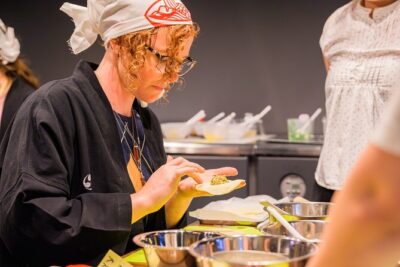
Gyoza Cooking Class in Kyoto: Traditional Japanese Dumplings
Read our review →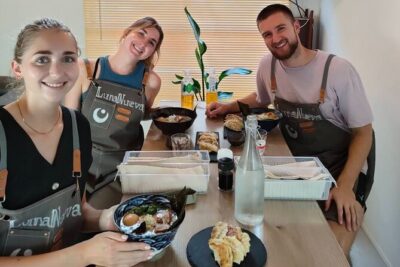
Ramen & Dumpling Cooking in Tokyo with Chef/Vegan possible
Read our review →
Online Cooking Class Beijing Dumplings and Cuisine by Sunflowerli Renowned Chef
Read our review →
Private Cooking Class: Make Your Own Dim Sum In Shanghai
Read our review →
Melbourne: Chinese Dumpling Cooking Class with a Drink
Read our review →Lists this class appears in