
REVIEW · BAGMATI ZONE, NEPAL
Kathmandu: About 3-hour Cooking Class Experience near Thamel
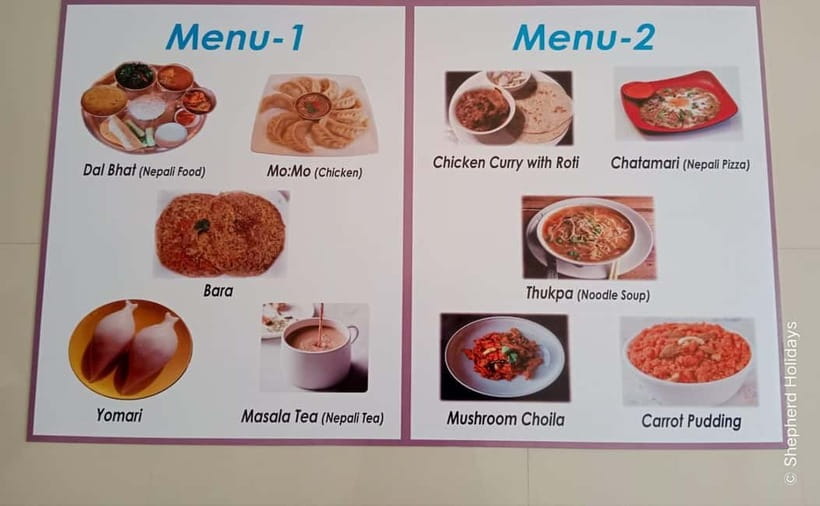
Come hungry, leave with recipes. This three-hour Kathmandu cooking class near Thamel gives you a practical way to understand Nepali food, not just eat it. I especially like the hands-on format, where you chop, season, shape, and cook your own dishes, and I like the choice of three items from a menu that ranges from dal bhat and momos to yomari and carrot pudding.
The main consideration is that the class takes place in the same building as the Shepherd Holidays office, so you should expect a straightforward teaching kitchen rather than a polished culinary school. Still, the $32 price includes ingredients, equipment, instruction, and the food you prepare, which makes it a strong value for a three-hour activity close to Thamel.
Five Things to Know Before You Book
- Choose three Nepali dishes: Select from dal bhat, chicken or vegetable momos, bara, yomari, chicken curry with roti, chatamari, thukpa, mushroom choila, and carrot pudding.
- Learn by doing: You take part in chopping, stirring, seasoning, shaping, and cooking instead of simply watching a demonstration.
- Start near Thamel: Shepherd Holidays is in the same building as its office, within walking distance of Kathmandu’s main tourist area.
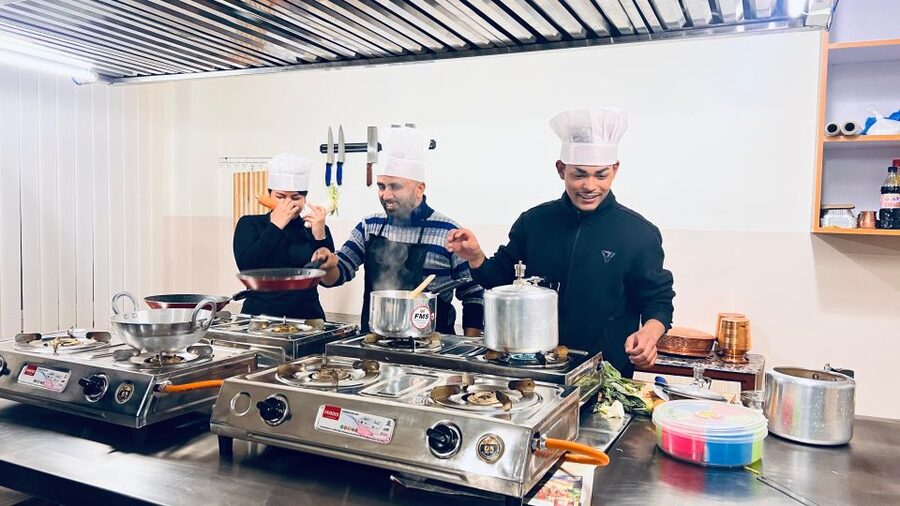
- Meet local instructors: The class is taught in English by local chefs and helpers, with Bikram and Kamal praised for clear, friendly instruction.
- Expect a flexible session: The class is planned for three hours, but the exact feel may change with the number of participants. One solo booking still received a full menu and large portions.
Why This Kathmandu Cooking Class Works
Kathmandu has plenty of restaurants serving Nepali food, but a cooking class gives you something a menu cannot. You learn what goes into the food, how the dishes are assembled, and why certain combinations appear again and again at Nepali tables.
This class focuses on familiar national and regional favorites. Dal bhat introduces the everyday foundation of Nepali dining. Momos show the craft of filling and folding dumplings. Chatamari gives you a taste of Newari cooking, while bara and yomari reveal two different sides of lentil-based and sweet Nepali food.
I like that you can choose three dishes rather than being locked into one fixed menu. If you want the essentials, choose dal bhat, momos, and chatamari. If you have already tried those, you can use the class to explore yomari, bara, thukpa, mushroom choila, or carrot pudding.
The menu also lets you balance a meal. You might pick one main dish, one snack, and one sweet. Or you can focus on technique by choosing three dishes that require different methods. The staff prepares the ingredients for you, so your three hours can concentrate on cooking rather than shopping or measuring every item from scratch.
More Three-Hour Classes in Kathmandu:
- Marrakech: 3-Hour Open-Air Moroccan Cooking Course
★ 4.9 · 74 reviews - 3-Hour Cooking Class overlooking the Blue City
★ 5.0 · 36 reviews - 3-hour Tuscan Cooking Class with Wine & Oil Tasting
★ 4.5 · 36 reviews
Starting Near Thamel at Shepherd Holidays
The activity begins at Shepherd Holidays, in the same building as the company office. That makes the meeting point easier to find than a separate kitchen hidden somewhere across Kathmandu, though you should still check the exact starting time and directions before setting out.
The location is near Thamel, the city’s main tourist hub. If you are staying in the area, walking is the simplest plan. If you are staying elsewhere, hotel pickup and drop-off can be arranged for an extra charge. That option is useful in Kathmandu, where a short distance on a map can take longer than expected by road.
You receive tea or coffee when you arrive. It is a small touch, but a welcome one after walking through the city. The class then moves into the kitchen, where the staff helps you select three dishes and lays out the ingredients and equipment.
The meeting point and end point are the same. That keeps the activity simple and means you do not need to arrange a separate ride after your meal.
Cooking Three Dishes in Three Hours
The class lasts about three hours, which is enough time to cook, eat, and hear some background about the food without turning the session into an all-day commitment. You should expect a relaxed pace, but the amount of practical work will depend on your selections and the size of the group.
The instruction is in English. Local chefs guide you through the dishes, and a helper is also included. You are not left to guess how much seasoning to use or when something is ready. The teaching includes cultural stories and food traditions, so the class offers more than a list of steps.
A useful point to understand is that the staff prepares the ingredients after you make your selections. This saves time and keeps the session focused, but it also means you may not take part in every stage of preparation from the raw starting point. If you are looking for a full kitchen apprenticeship, this is not that. If you want to learn practical home-style dishes during a short visit, the format makes good sense.
The strongest part of the experience is the final meal. You sit down and eat what you have made, rather than watching someone else plate the result. The food and drinks prepared during the class are included, though additional beverages are not.
Dal Bhat: Nepal’s Everyday Plate
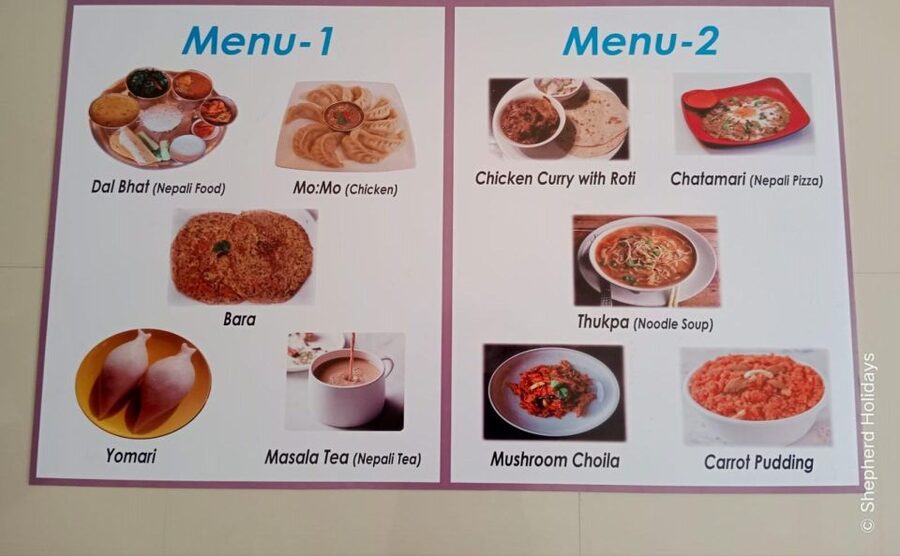
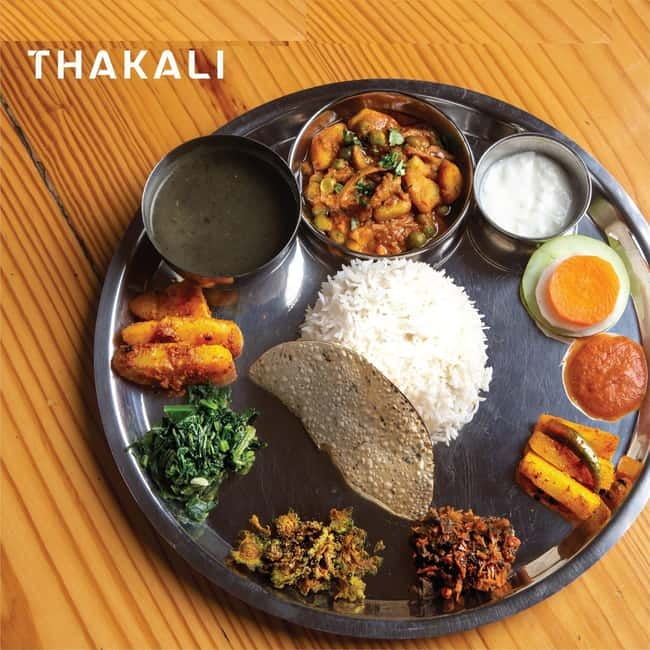
Dal bhat is the most important choice for understanding Nepali food. It combines lentil soup and rice, often with accompanying flavors and textures that make the plate feel complete rather than plain.
The class teaches you how to prepare this central dish and helps explain why it matters. Dal bhat is not merely a famous item for visitors to photograph. It is a core part of daily dining in Nepal, and learning to make it gives you a useful reference point for meals throughout the rest of your trip.
I would choose dal bhat if you want the class to connect most closely with everyday Nepali life. It is also a sensible option for anyone who wants to recreate a filling meal at home. One participant later planned to make dal bhat again, which says something about its practical appeal.
A few more cooking classes around Kathmandu worth a look
- Half day cooking class in Thamel kathmandu
★ 5.0 · 607 reviews - Kathmandu: Local Women-Led Nepali Cooking & Momo Class
★ 4.9 · 360 reviews - Kathmandu: Local Lead Nepali Cooking & Momo-Making Class
★ 5.0 · 212 reviews - Local Women Lead Nepali Cooking Class
★ 5.0 · 125 reviews
Momo Magic, With Chicken or Vegetables
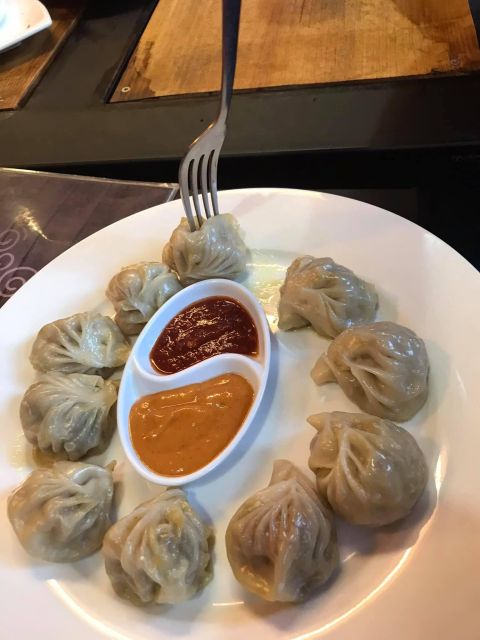
Momos are Nepal’s best-known dumplings, and shaping them is likely to be one of the most enjoyable parts of the class. You can choose chicken or vegetable filling, making this option suitable for different diets.
The appeal here is tactile. You work with the filling, dough, and folding technique, then cook the dumplings and eat them fresh. The class format gives you a chance to learn the method behind a dish that can otherwise seem simple when it arrives at a restaurant table.
Choose vegetable momos if you want a meat-free menu. Choose chicken momos if you want a fuller plate and do not mind pairing them with another substantial dish. Since the class includes three selections, momos work well alongside dal bhat or a lighter item such as yomari.
Chatamari and the Newari Side of Kathmandu
Chatamari is often called Nepali pizza, though the comparison only goes so far. It is a distinctive flatbread with toppings, and its preparation introduces you to flavors associated with the Kathmandu Valley.
This is one of the more interesting choices because it moves beyond the dishes most visitors already recognize. You still get the comfort of a flatbread, but the ingredients and cooking style point toward Nepal’s own food traditions rather than an imported version of pizza.
I would choose chatamari if you want something that feels especially connected to the Kathmandu Valley. It also offers a useful contrast to momos and dal bhat, giving your three-item meal a wider range of textures and techniques.
Bara, Yomari, and Other Menu Choices
Bara is a lentil patty that is crisp outside and tender within. It works as a snack, but it can also add variety to a meal built around softer dishes such as dal bhat and curry.
Yomari takes the menu in a sweet direction. This dumpling is filled with jaggery and sesame seeds, and preparing it lets you see how Nepali food handles dessert through dough, shaping, and a simple but distinctive filling. I would choose yomari if you enjoy learning the food traditions behind sweets, not just making another savory dish.
Chicken curry with roti offers a familiar format with Nepali seasoning. It may suit you if you want a hearty main course and prefer bread to rice. Thukpa, a warming noodle soup with Tibetan roots, shows how Nepal’s food culture includes influences from across the Himalayas.
Mushroom choila brings bold spice and marinated flavor without meat. Carrot pudding provides another dessert option and gives the class a gentler finish than the jaggery and sesame filling of yomari.
Because the selection is broad, it is worth deciding what kind of meal you want before arrival. Three heavy dishes may be more food than you need. A main, a snack, and a sweet will give you a better spread of Nepali cooking.
What the Reviews Tell You About the Teaching
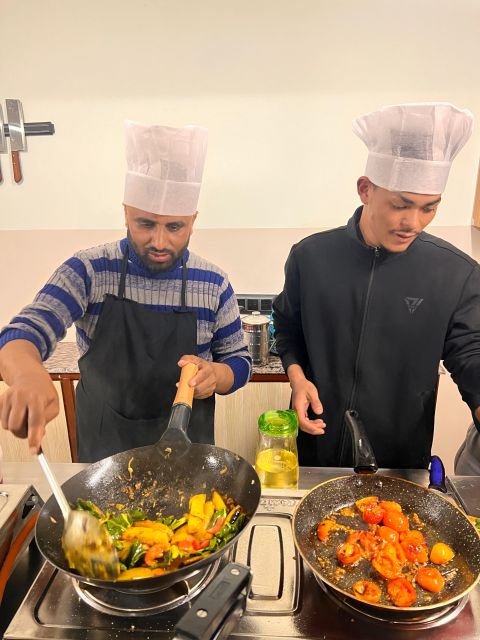
The available feedback is small in number, but it is consistently positive. The highest praise goes to the food, the teaching, and the generous portions.
Bikram and Kamal are specifically praised for teaching participants how to make delicious Nepali food. That detail matters because a good cooking class depends on patient guidance, especially when shaping momos or balancing spices. You will be working with local instructors rather than following a generic international cooking script.
One booking was made at short notice, and the participant was the only person in the class. The full menu was still prepared, the portions were large, and the kitchen was considered clean. You should not assume every session will be private or that every class will include more than the stated three selections, but this does suggest some flexibility when the group is small.
Recipes are available for a small extra fee. If you want to repeat the dishes at home, ask about them during the session. That small cost may be worthwhile, especially for dal bhat, momos, or chatamari, where technique and proportions matter.
Price, Value, and What Is Included
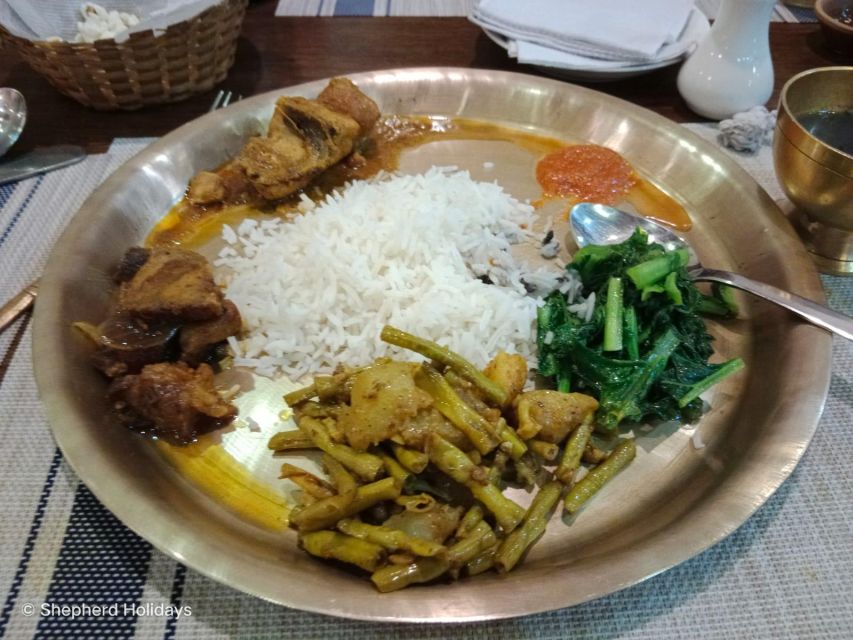
At $32 per person, the class is priced fairly for a three-hour activity in central Kathmandu. You receive the ingredients, cooking equipment, an instructor, a helper, and the food and drink prepared during the session.
The value is strongest if you want more than a meal. A restaurant dinner would likely cost less if all you want is to taste one or two Nepali dishes. This class gives you instruction, a cultural explanation, a hands-on activity, and enough food to count as a substantial meal.
The price does not include accommodation, personal expenses, extra beverages, or transportation. Pickup and drop-off are available for an additional charge if you are staying outside Thamel. If you are already near the class, walking will keep the total cost down.
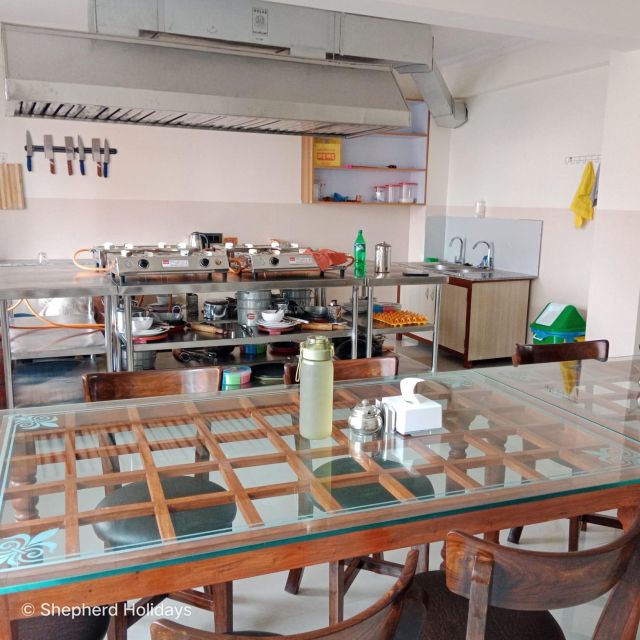
A small point to keep in mind is the kitchen setting. The space is described as clean, but it is part of an office building rather than a luxury cooking studio. That is not a problem for most people, and it may actually suit you if you prefer a simple local setting over a staged tourist presentation.
Who Should Take This Class
I would recommend this experience to first-time visitors who want a clear introduction to Nepali food. It also suits couples, solo visitors, and small groups who prefer an activity with a meal built in.
Food lovers will appreciate the range of choices. Families may enjoy the hands-on work, especially the dumplings and sweet dishes, though the available information does not specify a minimum age or child arrangements. Vegetarians have several choices, including vegetable momos, bara, mushroom choila, chatamari depending on toppings, and carrot pudding.
This class is less suitable if you want an advanced professional cooking course, a large market visit, or a long culinary tour around Kathmandu. The activity stays in one location and lasts three hours. Its strength is focus and convenience.
The English instruction makes it accessible to international visitors. If you need another language, this experience may not be the right fit because English is the stated teaching language.
Practical Details Before You Go
The class runs at scheduled starting times, so check availability before booking. You can cancel up to 24 hours in advance for a full refund, and the reserve-now, pay-later option lets you keep your plans flexible.
Wear something comfortable for kitchen work. The class supplies the equipment and ingredients, but you will be chopping, stirring, shaping, and handling food, so practical clothing makes sense.
Think about your three selections ahead of time. For the broadest introduction, I would choose dal bhat, chicken or vegetable momos, and chatamari. For a more varied meal, choose one savory main, one snack, and one dessert.
If you are unsure, ask the instructors for advice. The menu includes enough variety that local guidance can help you avoid ordering three dishes with similar textures or flavors.
Should You Book the Kathmandu Cooking Class?
Book it if you want a friendly, affordable introduction to Nepali food within easy reach of Thamel. The strongest reasons are the hands-on instruction, the large menu of choices, and the chance to eat the food you prepare.
I would be especially keen to book with Bikram and Kamal if their session is available, since their teaching received the clearest praise. Solo visitors should also feel comfortable booking, as one solo participant still received a complete and generous cooking experience.
Skip it if you want a high-end studio, a market tour, or a full-day culinary program. For most visitors, though, the simple kitchen setting is part of the appeal. At $32, this is a practical way to spend three hours, learn dishes you can make again, and taste Kathmandu through its food.
FAQ
How long does the Kathmandu cooking class last?
The class lasts about three hours. Starting times vary, so you should check availability when booking.
Where does the cooking class begin?
The class begins at Shepherd Holidays, in the same building as the company office near Thamel.
Which dishes can I learn to cook?
The menu includes dal bhat, chicken or vegetable momos, bara, yomari, chicken curry with roti, chatamari, thukpa, mushroom choila, and carrot pudding.
How many dishes do I choose?
You choose three dishes from the available menu.
Is the class taught in English?
Yes. English is the stated language for the instructor and class.
Are ingredients and cooking equipment included?
Yes. Ingredients and all equipment needed to prepare the food are included, along with an instructor and helper.
Is transportation included?
No. Pickup and drop-off are available for an extra charge. The class ends back at the meeting point.
Just added around Kathmandu
- Kathmandu: 3-Hours of Cooking Class with Meals★ 5.0 · 10 reviews
- Local Women Led Nepali Cooking Class★ 5.0 · 6 reviews
- Kathmandu: Women-Led Cooking Class & Momo Making-Local Taste★ 4.8 · 15 reviews
- Kathmandu: Nepali Cooking Class with Hotel Pickup★ 4.1 · 5 reviews
- Kathmandu: Local Women-Lead Nepali Cooking & Momo Class★ 4.9 · 45 reviews
- Cook with Lisha: Nepali and Newari Cooking Class★ 5.0 · 2 reviews
- Kathmandu: Local Lead Nepali Cooking & Momo Making Class★ 4.9 · 40 reviews
- Kathmandu: Cooking Class in Nepal★ 5.0 · 2 reviews
Cooking Classes, compared.

Half-Day Thai Cooking Class at Organic Farm in Chiang Mai
Read our review →

3 in 1 Cooking Class near Navona: Fettuccine, Ravioli & Tiramisu
Read our review →
Pasta & Tiramisu Cooking Class with Unlimited Wine
Read our review →
Hanoi Cooking Class: Culture, Local Market & Meaning CSR Impact
Read our review →
5 Traditional Dishes Hanoi Cooking Class with Market Trip
Read our review →
Cooking Class and Lunch at a Tuscan Farmhouse with Local Market Tour from Florence
Read our review →
Cooking Class, Market & Thai Herbs Garden Tour
Read our review →Lists this class appears in