
REVIEW · BAGMATI ZONE, NEPAL
Kathmandu: Local Women-Led Nepali Cooking & Momo Class
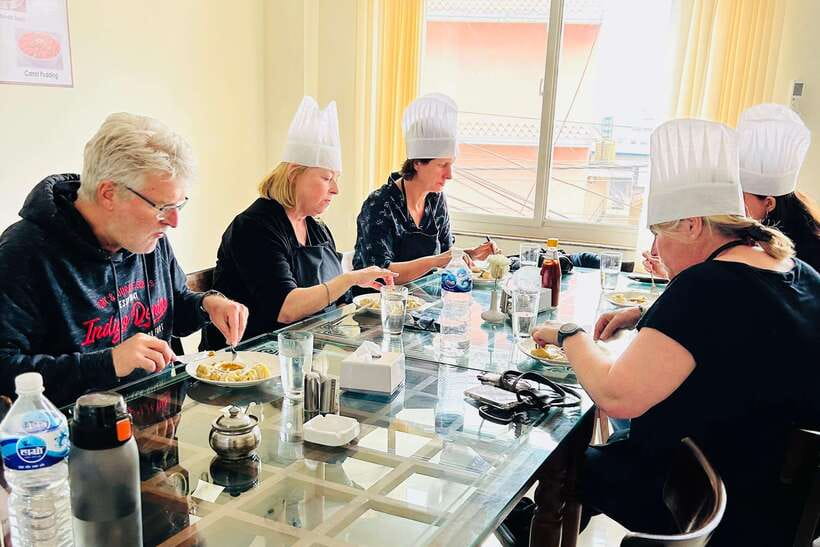
Come hungry, leave inspired. This Kathmandu cooking class combines a local market visit with hands-on lessons in momo, dal bhat, and other Nepali dishes, so you learn more than a recipe. You get a useful look at the ingredients, cooking methods, and food customs behind the meal.
I especially like the friendly teaching style of Nishma, often called Nish, and the way the class lets you help from the first chopping board to the final plate. The choice of vegetarian and meat dishes is another strong point. The main consideration is that the class usually centers on momo and dal bhat, so you should check the available menu if you have your heart set on a less common dish.
The class takes about three hours, though the available booking times describe the experience as lasting two to four hours. It takes place in Thamel, with optional pickup and drop-off within Kathmandu. The price listed is only $4 per person, which makes this remarkable value if that rate is available for your chosen date and option. Just arrive 15 minutes early, wear comfortable clothes, and leave room for a very large meal.
Key points to know before booking
- The market visit comes first: You help choose vegetables, spices, meat, and other ingredients before cooking.
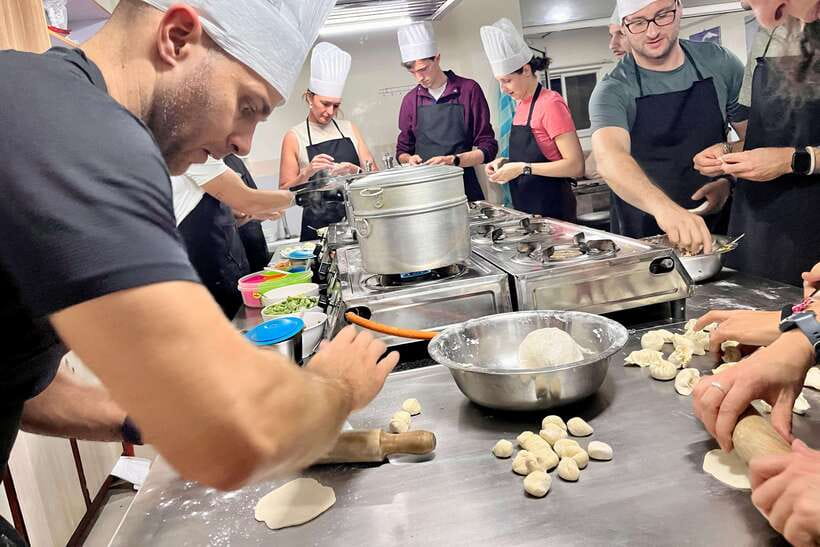
- Momo is the main event: You make the filling, dough, dumplings, and dipping sauce from scratch.
- Nishma leads with warmth and patience: She has been praised for clear instructions, humor, and making sure nobody feels rushed.
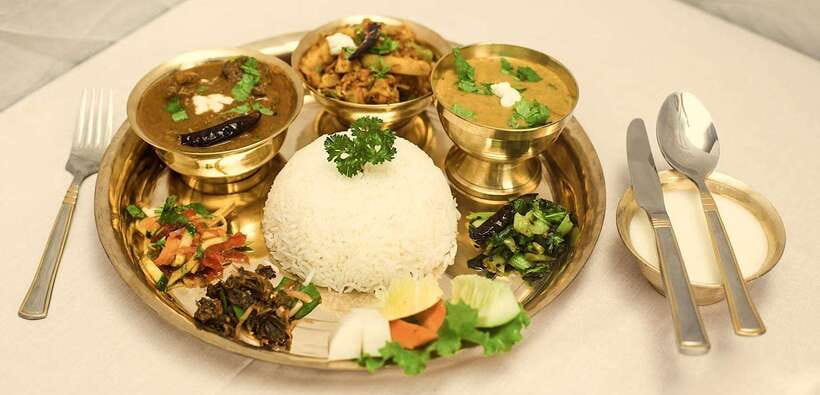
- You can cook a full meal: Depending on your selection, dishes may include dal bhat, chatamari, bara, yomari, curry, roti, thukpa, or dessert.
- The class is small and hands-on: You are given a job instead of watching a chef do all the work.
- The meal is included: You eat what you prepare, with masala tea served during the lesson.
Why this cooking class works so well in Kathmandu
Kathmandu has plenty of food tours, but a cooking class gives you something more useful than a quick taste. You learn how familiar dishes are put together, then you have a chance to repeat them at home.
This class is especially good for that reason. Momo can look simple on a restaurant plate, but making good dumplings takes practice. You prepare the filling, mix or work with the dough, shape the wrappers, fold the momos, and make the sauce. By the end, you should have a better sense of why the folds, filling size, and cooking time matter.
The instructors keep the mood relaxed. Nishma is repeatedly praised for being patient, funny, and easy to talk with. Bikram, also spelled Vikram in some booking details, helps with instruction and food preparation. The teaching team appears comfortable with questions, which matters when you are trying a new technique and do not yet know what the dough should feel like.
You will not need advanced cooking skills. The class suits first-time cooks, couples, families, solo visitors, and people who already enjoy making food but want a Nepali angle. The small-group setup also gives you a natural way to talk with other people while you work.
One useful detail is that the class is not limited to one fixed plate in every case. You may be able to choose additional dishes from the available menu. Past menus have included vegetarian and chicken momos, buffalo momos, chatamari, bara, yomari, carrot pudding, kheer, aloo chop, and other local foods.
A few more cooking classes around Kathmandu worth a look
- Half day cooking class in Thamel kathmandu
★ 5.0 · 607 reviews - Kathmandu: Local Lead Nepali Cooking & Momo-Making Class
★ 5.0 · 212 reviews - Local Women Lead Nepali Cooking Class
★ 5.0 · 125 reviews
The market walk gives the meal some context
The experience begins with a short walk to a local market or shop to buy the ingredients needed for the selected dishes. This part is important because it puts names and colors to the food you later cook.
You may see the vegetables, spices, lentils, meat, and other basic supplies before they are chopped and seasoned. That makes the cooking lesson easier to follow. Instead of hearing a long list of unfamiliar ingredients, you can recognize what went into your plate.
The market stop is also a chance to ask about Nepali food habits. You can learn how the ingredients are selected and which items are used for a particular dish. The class information promises a tour to buy the important ingredients, but the amount of market explanation may depend on the group and the instructors. If you want more detail, ask questions rather than simply following the shopping basket.
That is one minor limitation. The market visit is part of the experience, but it may not be a formal food-history tour. One person wanted more explanation about the different foods at the market. I would treat this stop as a practical shopping trip with cultural value, not as a full market tour.
Allow time for a little walking and wear shoes you can manage on Kathmandu streets. If you use hotel pickup, the arrangements depend on the option you book. Otherwise, the meeting point is in or near Thamel, and some people have found it easy to reach on foot from nearby hotels.
What you actually cook in the kitchen
The class focuses on momo and dal bhat, with extra dishes available depending on the menu you select. This is a sensible pairing because the two dishes show different sides of Nepali home cooking.
Momo
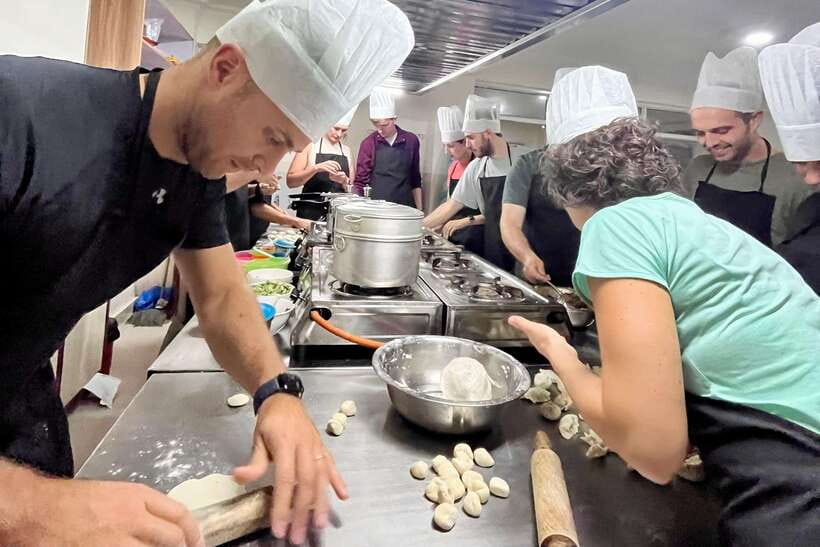
Momo is the clear star. You work through the entire process rather than simply folding one prepared dumpling for a photograph.
The class can include making the filling, preparing the dough, shaping the wrappers, and mixing the dipping sauce. You may work with vegetable, chicken, or another available filling. One participant with a vegan and gluten-free diet was accommodated using millet flour, but you should still share allergies or dietary needs before the class.
The folding lesson is practical. Nishma has received especially strong praise for her momo technique and patient demonstrations. You may not produce perfect little parcels on your first try, but that is part of the fun. The finished dumplings are cooked and served during the meal, and portions appear generous enough that arriving hungry is wise.
Same place, a different thing to cook:
- Kathmandu: Local Women-Lead Nepali Cooking & Momo Class
★ 4.9 · 45 reviews - Kathmandu: Local Lead Nepali Cooking & Momo Making Class
★ 4.9 · 40 reviews - Kathmandu: Women-Led Cooking Class & Momo Making-Local Taste
★ 4.8 · 15 reviews - Kathmandu: 3-Hours of Cooking Class with Meals
★ 5.0 · 10 reviews
Dal bhat
Dal bhat is the classic rice, lentil, and curry combination associated with everyday Nepali dining. Learning it gives you a better understanding of how a Nepali meal is built, rather than treating each curry as a separate restaurant dish.
The ingredients and exact sides can vary. The important lesson is the balance between rice, lentils, vegetables, spices, and curry. It is filling, familiar, and easier to recreate at home than some of the more specialized dishes.
Chatamari
Chatamari is sometimes called Nepali pizza, though the comparison only goes so far. It is a flatbread with toppings, and it offers a different cooking method from steamed momo.
You might make a version with vegetables, meat, or other available toppings. It is a good choice if you want a dish that looks different from the usual dumpling and rice plates. Several people have enjoyed making chatamari alongside momo.
Bara and aloo chop
Bara is a fried lentil patty with a crisp outside and soft center. It is a useful introduction to lentil-based snacks and to the effect of soaking, grinding, and frying ingredients.
Aloo chop provides another snack option, built around potato and seasoning. It has received particular praise for its flavor. These dishes add variety to the session and help you see that Nepali cooking is not only curry and rice.
Yomari and carrot pudding
Yomari is a sweet dumpling filled with jaggery and sesame seeds. It gives the class a chance to show the sweeter side of Nepali cooking, while also using the same broad idea of shaping a filled dough item.
Carrot pudding, along with kheer on some menus, may finish the meal. These desserts are useful choices if you want to learn something less familiar than momo. Ask what is available on the day because the menu can change with your chosen option.
Curry, roti, thukpa, and mushroom choila
The wider menu can include chicken curry with roti, thukpa, and mushroom choila. Chicken curry and roti focus on spice and bread, while thukpa brings a Tibetan-style noodle soup into the Nepali food scene.
Mushroom choila is a spicy marinated dish with bold seasoning. It is a good vegetarian option for someone who wants something more assertive than a plain vegetable curry. The full menu is not promised for every session, so think of these as possible additions rather than guaranteed dishes.
The meal at the end is part of the lesson
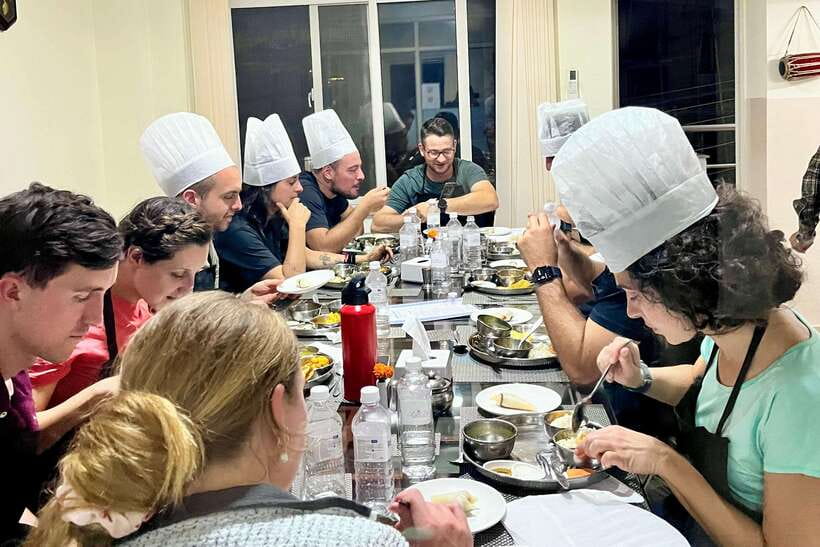
At the end, you sit down to eat what you prepared. This sounds simple, but it changes the class from a demonstration into a shared meal.
You can taste the effect of your own choices, including the seasoning, the texture of the dough, and the balance of the dipping sauce. If one momo is folded too tightly or another is a little uneven, nobody expects restaurant perfection. That makes the experience friendly for beginners.
The food is usually plentiful. People have described leaving full after making several dishes, and one participant took leftover momos away in a bag. The class also includes Nepali masala tea, a warm drink made with black tea and spices. Some sessions may include small extras such as peanut sadeko or another local bite.
I like that the meal creates time to talk. You can compare folding styles, ask about Nepali food, and chat with the instructors and other people in the group. It feels more social than a standard restaurant meal, without requiring you to spend a whole day on the activity.
The instructors are the main reason to book
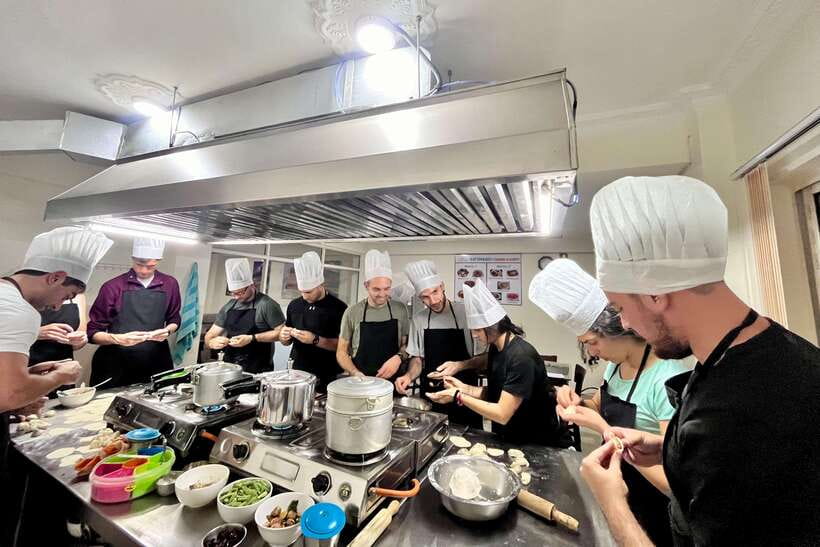
The strongest feature here is the teaching. Nishma is frequently praised for being warm, clear, patient, and lively. Several people specifically appreciated that she did not rush the momo lesson and made sure everyone could follow.
Bikram, Vikram, and other members of the academy team assist with preparation and instruction. The class appears to work well because different tasks can be shared across the group. In a larger session, everyone may be assigned a job, which keeps the class active instead of leaving some people standing around.
The English instruction is a practical advantage. You can ask about ingredients, cooking methods, and food traditions in English. The tone is informal, with plenty of room for questions and jokes.
The women-led element also gives the class a useful local connection. You are supporting a Nepali cooking business led by local women while learning dishes that are commonly prepared and enjoyed in Nepal. It is not just a lesson adapted for visitors. The warmth of the hosts is central to the experience.
How the timing and location affect your day
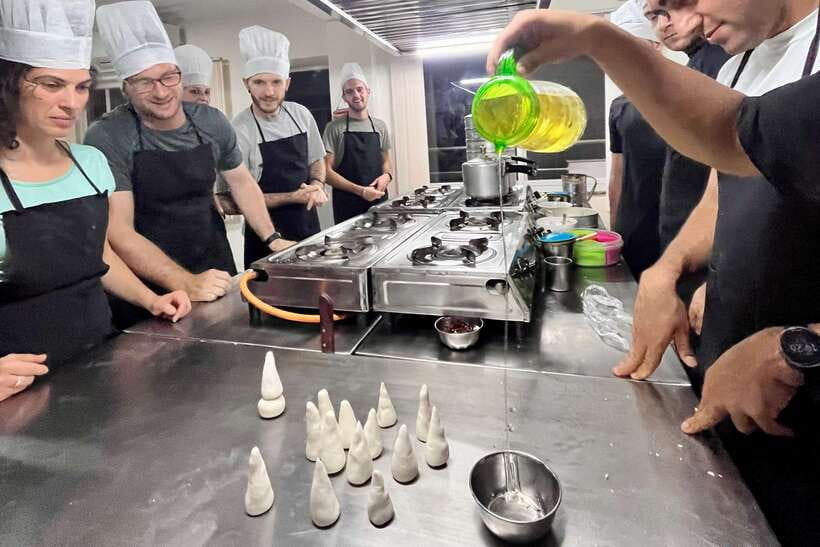
The main session takes about three hours, including the market walk, cooking, and meal. The broader duration range is two to four hours, so check the starting time and selected option before building it into a busy sightseeing day.
Thamel is a practical location. If you are staying nearby, the cooking academy may be within walking distance. One person found it easy to reach from a hotel in Thamel, while another noted stairs and a steep approach depending on the route suggested by Google Maps.
That detail matters if you have limited mobility or heavy bags. The experience is not suitable for wheelchair users or people with visual impairments. Pickup and drop-off can be selected for locations within Kathmandu, but you need to provide hotel details when booking.
Arrive 15 minutes early. The class needs to begin with the group together, especially if the market visit comes first. Comfortable clothes are a good idea, and aprons and cooking equipment are provided.
Is the $4 price really good value?
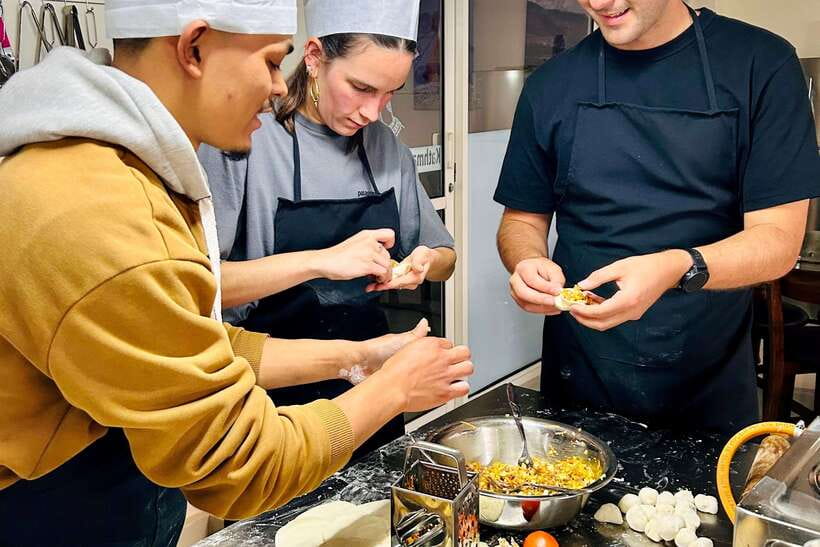
At the listed $4 per person, this is exceptional value. The fee covers the market visit, instruction, kitchen equipment, ingredients, masala tea, and the food you prepare and eat. Even if the class costs more for a different date, the structure offers more than a standard meal because you receive a skill as well as dinner.
The value is strongest for people who take notes, ask questions, and plan to cook at home. A recipe PDF is available by WhatsApp after the class if you request it. Physical recipe books cost extra, so do not expect a printed book to be included.
Specialty and alcoholic drinks are not included. That is a small point, since the class already provides tea and a substantial meal, but budget for anything beyond the included food and drink.
The 4.9 rating from 360 ratings supports the idea that the class is consistently well received. I would still set realistic expectations: this is a friendly cooking lesson, not a professional chef school or a long, formal study of Nepali cuisine.
Who should book this Kathmandu cooking class?
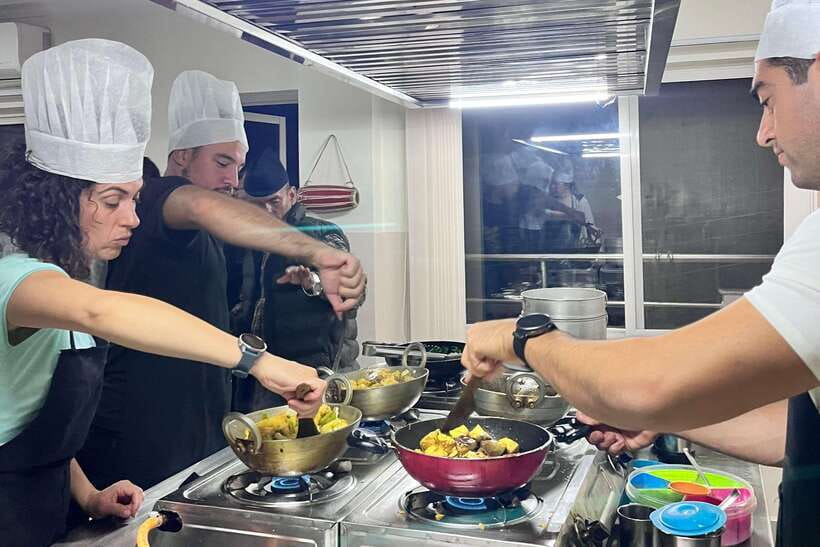
I would recommend it to you if you:
- Want a hands-on activity in Thamel
- Enjoy eating momos and want to learn the technique
- Prefer meeting local people through food
- Need a flexible activity lasting about three hours
- Want vegetarian or meat choices
- Like social small-group experiences
- Hope to recreate Nepali food at home
- Are comfortable with stairs and a non-wheelchair-accessible setting
It is less suitable if you want a quiet private lesson, a formal market lecture, or a fixed menu of every dish named in the description. The exact food selection can vary, and momo and dal bhat remain the core focus.
Tell the provider about allergies, medical conditions, or dietary preferences in advance. The team has handled unusual needs, including vegan and gluten-free cooking, but advance notice gives them a fair chance to prepare.
Should you book it?
Yes, I would book this if you have a few free hours in Kathmandu and enjoy food with a little work attached. The market-to-table format, patient teachers, and generous meal make it a stronger choice than a simple restaurant tasting.
Book it especially if you want to learn momo properly. Nishma and the cooking team have earned praise for making beginners feel capable, and the recipe support afterward gives you a real chance to continue the experience at home.
Just confirm the menu, pickup choice, and accessibility details before paying. If you arrive hungry, ask questions at the market, and accept that your first momo may look slightly lopsided, you are likely to have one of the most enjoyable food activities in Thamel.
FAQ
How long does the Kathmandu cooking class last?
The experience lasts about three hours, including the market visit, cooking session, and meal tasting. Available options describe the total duration as two to four hours.
What dishes will I learn to cook?
Momo and dal bhat are the main dishes. Depending on the selected menu, you may also cook chatamari, bara, yomari, chicken curry, roti, thukpa, mushroom choila, carrot pudding, kheer, or aloo chop.
Are vegetarian and meat options available?
Yes. The class offers vegetarian and meat choices, including vegetarian and chicken momo. Tell the provider about dietary restrictions or preferences before the class.
Is hotel pickup available?
Pickup and drop-off are available if you select that option. The service is offered from locations within Kathmandu, and you need to provide your hotel details when booking.
What is included in the price?
The class includes step-by-step instruction, an experienced chef and instructor, the market or shop visit, cooking equipment, ingredients for the selected dishes, the food you prepare, and Nepali masala tea. Specialty and alcoholic drinks are not included.
Can I get the recipes after the class?
Yes. You can request a PDF recipe book through WhatsApp after the class. Physical recipe books are available for an additional cost.
Just added around Kathmandu
- Kathmandu: 3-Hours of Cooking Class with Meals★ 5.0 · 10 reviews
- Local Women Led Nepali Cooking Class★ 5.0 · 6 reviews
- Kathmandu: Women-Led Cooking Class & Momo Making-Local Taste★ 4.8 · 15 reviews
- Kathmandu: Nepali Cooking Class with Hotel Pickup★ 4.1 · 5 reviews
- Kathmandu: Local Women-Lead Nepali Cooking & Momo Class★ 4.9 · 45 reviews
- Cook with Lisha: Nepali and Newari Cooking Class★ 5.0 · 2 reviews
- Kathmandu: Local Lead Nepali Cooking & Momo Making Class★ 4.9 · 40 reviews
- Kathmandu: Cooking Class in Nepal★ 5.0 · 2 reviews
Cooking Classes, compared.
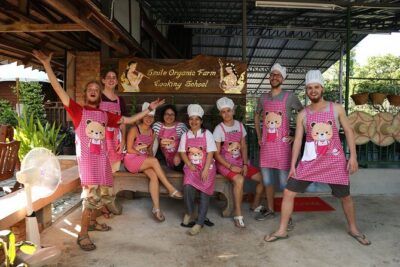
Half-Day Thai Cooking Class at Organic Farm in Chiang Mai
Read our review →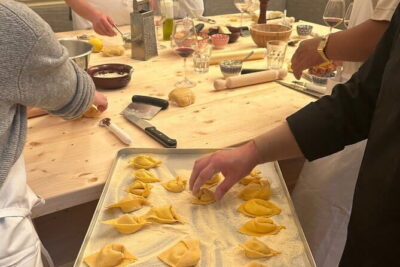
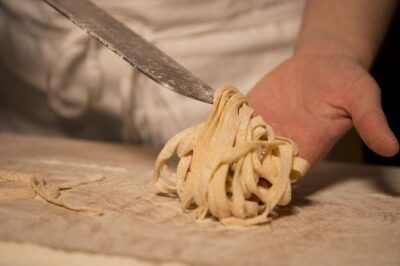
3 in 1 Cooking Class near Navona: Fettuccine, Ravioli & Tiramisu
Read our review →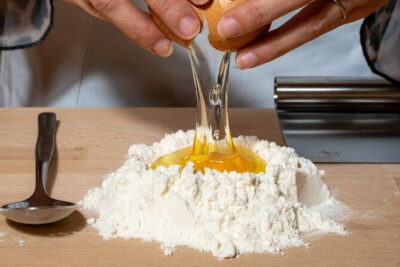
Pasta & Tiramisu Cooking Class with Unlimited Wine
Read our review →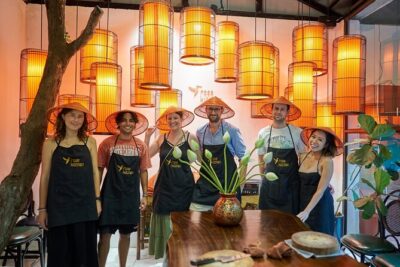
Hanoi Cooking Class: Culture, Local Market & Meaning CSR Impact
Read our review →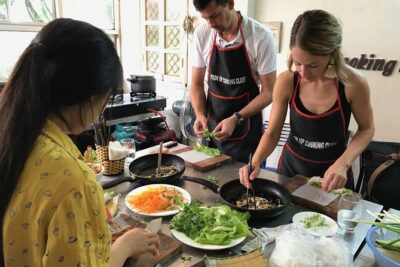
5 Traditional Dishes Hanoi Cooking Class with Market Trip
Read our review →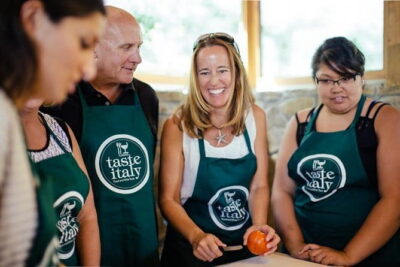
Cooking Class and Lunch at a Tuscan Farmhouse with Local Market Tour from Florence
Read our review →
Cooking Class, Market & Thai Herbs Garden Tour
Read our review →Lists this class appears in