
REVIEW · BAGMATI ZONE, NEPAL
Kathmandu: Local Women-Lead Nepali Cooking & Momo Class
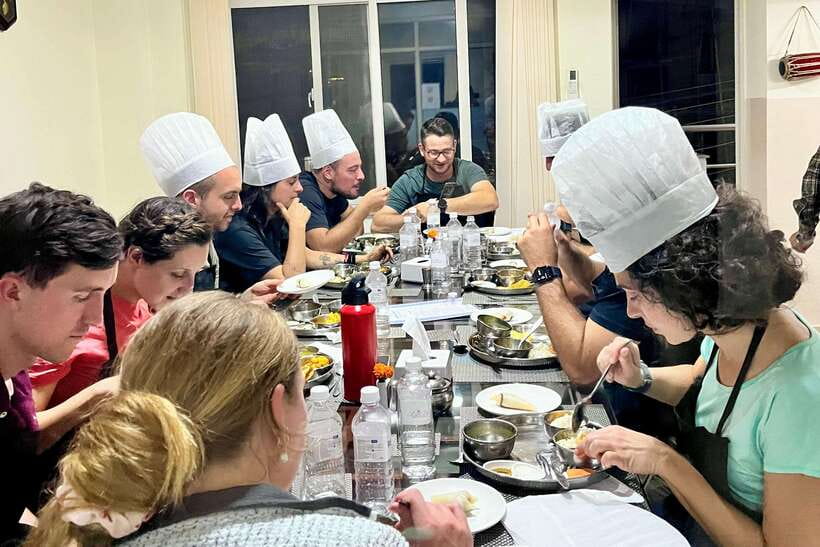
Come hungry, leave with recipes. This small-group class in Thamel gives you two things I value in a Kathmandu activity: a hands-on lesson with a local chef and a short market visit where you help choose fresh ingredients. I also like the chance to cook several dishes, not just watch a demonstration. The main point to clarify is the menu: the group may choose the dishes together, so momo is not always guaranteed unless everyone agrees.
The class lasts about three to four hours and includes cooking equipment, masala tea, and a full tasting of what you prepare. At only $5 per person as advertised, it offers remarkable value, though pickup and drop-off depend on the option you book, and Kathmandu traffic can make transport run late.
What Makes This Kathmandu Class Worth Your Time
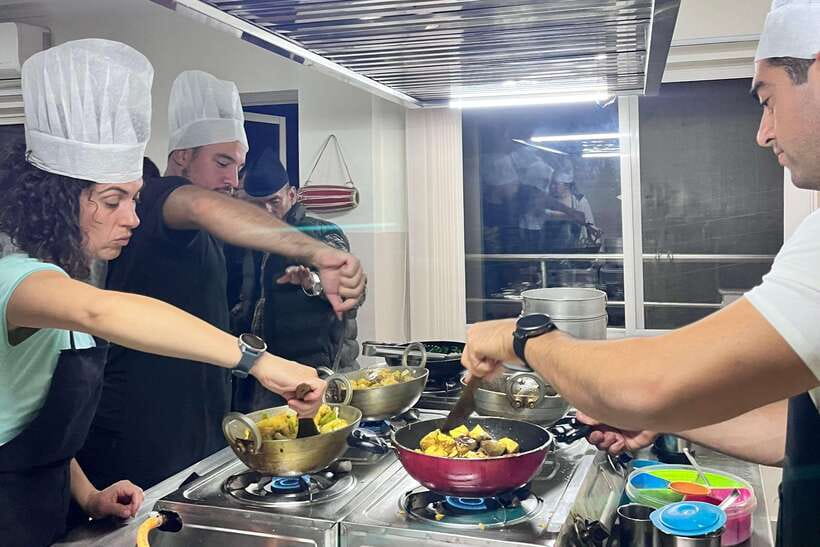
- Momo making is genuinely hands-on: You prepare the filling, work with the dough, and learn the basic shaping technique instead of simply eating a plate of dumplings.
- The market visit adds useful context: You help select ingredients before cooking, which connects the finished meal to everyday Nepali food shopping.
- You can usually choose several dishes: Past class menus have included momo, dal bhat, aloo chop, barra, mushroom choila, starters, mains, and desserts.
- Small groups keep the lesson personal: The stated limit is 10 people, and solo participants may find themselves in a small class or even a private lesson.
- The food is filling: Several people have noted that the portions are generous, so plan this as a meal rather than a light snack.
- Recipes can come home with you: A PDF of the dishes may be sent afterward, and a printed cookbook has been available for 400 NPR.
Starting in Thamel and Finding the Cooking Academy
The class takes place at Kathmandu Cooking Academy in Thamel, a convenient base if you are staying in central Kathmandu. The meeting point is available on Google Maps, and you should arrive at least 15 minutes before the scheduled start.
You can make your own way to the academy, or select hotel pickup and drop-off from a location within Kathmandu Valley. I would choose pickup if you are staying somewhere unfamiliar or do not enjoy negotiating Kathmandu traffic. If you are already in Thamel, walking or taking a short local ride may be simpler.
The venue is described as being in the middle of Thamel, which makes it easy to pair the class with a morning of sightseeing or an evening walk through the district. Keep in mind that the class itself is active. Wear comfortable clothing, and avoid arriving in anything you would hate to splash with oil, sauce, or flour.
The advertised cost is unusually low at $5 per person. At that price, the value is hard to question if the class runs as described. You receive instruction, ingredients, equipment, a market visit, tea, and a cooked meal. Check the final booking details carefully for the exact price, pickup choice, and available start time, since the listing offers different options.
A few more cooking classes around Kathmandu worth a look
- Half day cooking class in Thamel kathmandu
★ 5.0 · 607 reviews - Kathmandu: Local Women-Led Nepali Cooking & Momo Class
★ 4.9 · 360 reviews - Kathmandu: Local Lead Nepali Cooking & Momo-Making Class
★ 5.0 · 212 reviews
A Short Market Visit Before the Knives Come Out
The first useful part of the experience is the shop or market visit. You help buy the important ingredients for the dishes you will prepare, rather than entering a classroom with every item already measured and waiting.
That small step matters. It lets you see how the meal begins, and it gives the chef a chance to explain the ingredients in practical terms. You are not just copying a recipe. You are learning what goes into a Nepali meal and how the ingredients are selected.
The market is described as being close to the cooking school, so this is not a long sightseeing walk. That is good news for the schedule. The class has only three to four hours, and most of that time needs to be spent preparing, cooking, eating, and asking questions.
Bring a camera if you like recording food and market scenes, but keep your hands free enough to participate. This is a working visit, not a formal market tour with a long lecture.
Choosing the Menu: Momo, Dal Bhat, and More
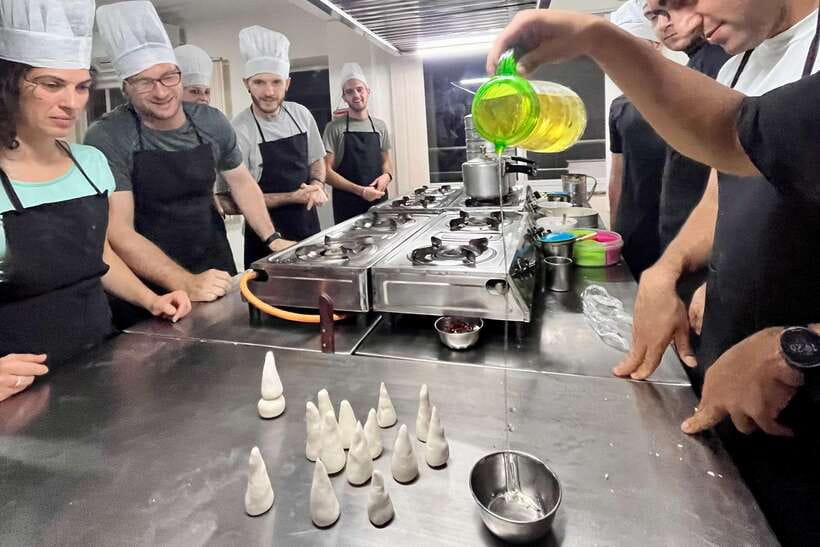
The food is the heart of the class, and the menu gives you more variety than the basic description first suggests. The main focus is momo and dal bhat, two central Nepali dishes, with an additional dish or a choice of starter, main course, and dessert.
The exact setup can depend on the group. One person expected to cook momo but learned that the participants had to agree on the menu. Fortunately, the small group wanted momo too. If momo is the reason you are booking, say so early and confirm the menu with the instructor.
Past combinations have included:
- Chicken momo
- Dal bhat
- Aloo chop, made from spiced mashed potatoes
- Mushroom choila
- Barra
- Other starters, main dishes, and desserts selected by the group
This group decision can be a strength or a minor annoyance. It gives everyone some control and can produce a varied meal. It also means you may not cook every dish shown in the promotional description. Ask what the group plans to make before the cooking starts.
Vegetarian needs and spice preferences can be handled when mentioned in advance. One participant had vegetarian preferences and a preferred spice level adjusted without trouble. I would still contact the provider before the class rather than waiting until ingredients have been purchased.
Learning to Make Momo by Hand
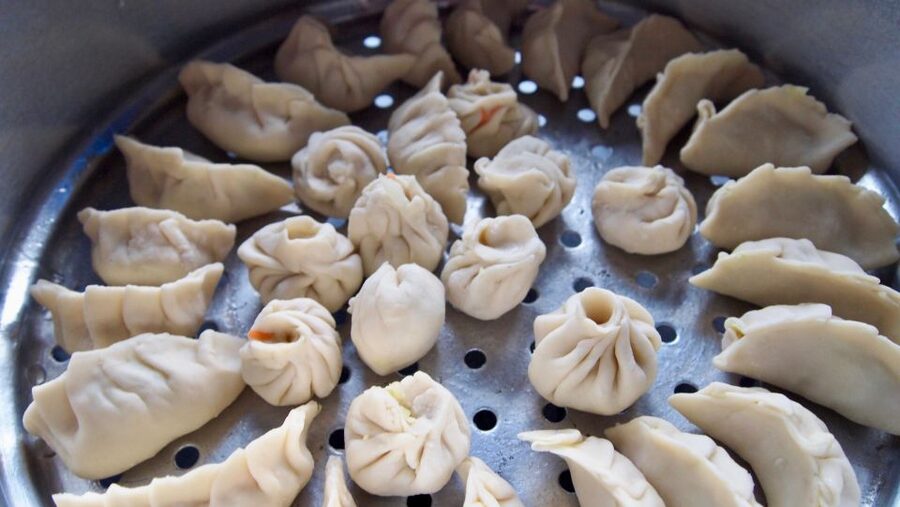
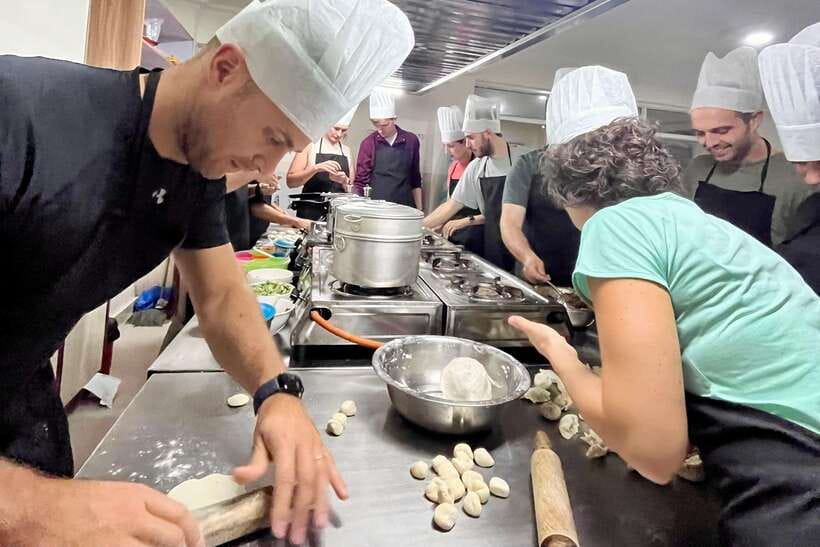
Momo is the dish most people will have in mind when they book this class. These Nepali dumplings look simple on the plate, but shaping them neatly takes practice.
The lesson is step by step. You help prepare the filling, work with the dough, and learn how to form the dumplings. The instructor demonstrates the technique and lets you repeat it, which is the right format for a dish that depends on hand movement more than written instructions.
Do not worry if your first momo looks lopsided. One participant with limited kitchen skills found the chef patient and clear. That is useful information for beginners. You do not need advanced cooking ability to take part.
The class also gives you a chance to understand the work behind a dish that often arrives at restaurants as a quick order. You see how much preparation goes into a plate of momo, then eat the results while they are fresh.
If momo is your priority, this is the part where the class earns its keep. Just remember the menu is shared, not always individually selected. A private or very small group makes it easier to steer the meal toward your preferred dish.
Same place, a different thing to cook:
- Local Women Lead Nepali Cooking Class
★ 5.0 · 125 reviews - Kathmandu: Local Lead Nepali Cooking & Momo Making Class
★ 4.9 · 40 reviews - Kathmandu: Women-Led Cooking Class & Momo Making-Local Taste
★ 4.8 · 15 reviews - Kathmandu: 3-Hours of Cooking Class with Meals
★ 5.0 · 10 reviews
Dal Bhat and the Shape of a Nepali Meal
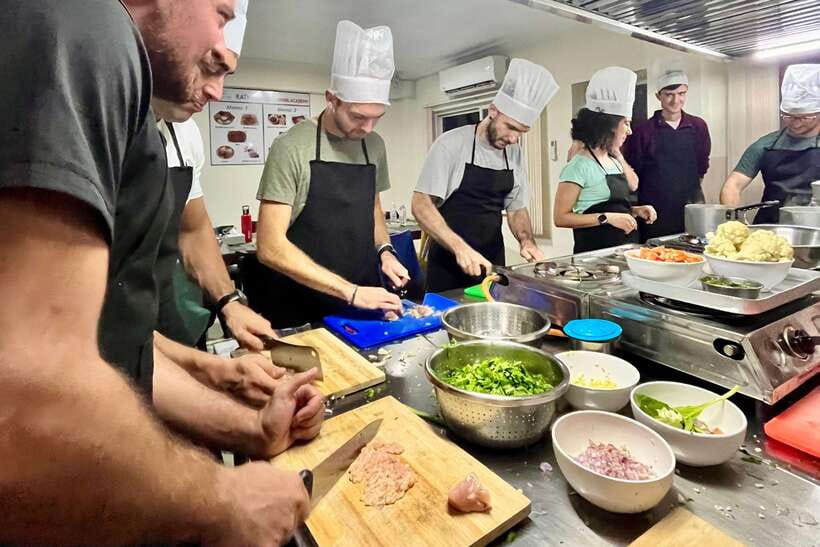
Dal bhat is Nepal’s staple meal, and learning it alongside momo gives the class a better balance. Momo is the famous snack-style dish, while dal bhat helps you understand the everyday side of Nepali food.
The experience teaches you to prepare dal bhat from scratch, with the chef explaining the steps as you work. The meal is not treated as a quick tasting. You sit down afterward and eat what the class has made, often with several dishes on the table.
This is also where the generous portions become important. Several participants found the food filling, and one person specifically advised arriving hungry. A three-hour class followed by a full meal is not ideal immediately before another large dinner.
Masala tea is served during the lesson. It adds a pleasant pause while food is cooking and gives you another familiar Nepali flavor without requiring a separate drink purchase. Specialty and alcoholic drinks are not included, so bring or buy anything extra yourself.
The Instructor Makes the Difference
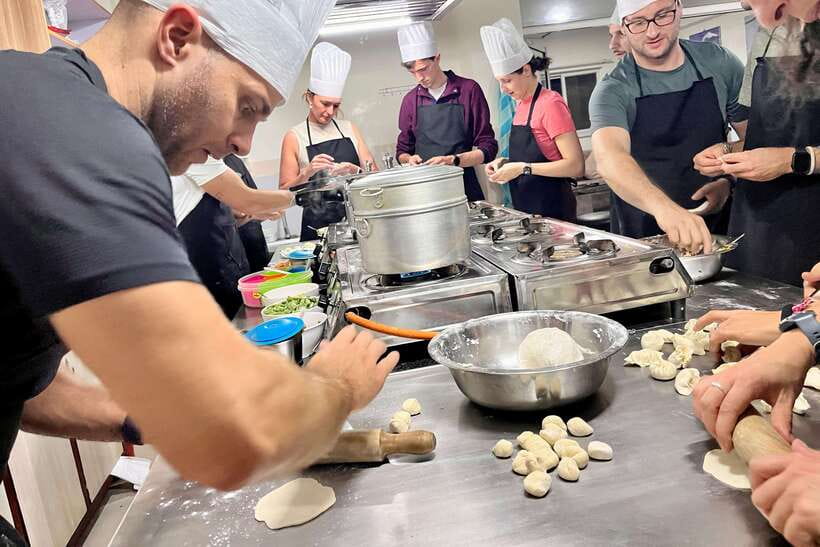
The strongest part of the class is the teaching. Nish was praised for being thorough, informative, and patient, while Nishma was described as friendly, clear, and excellent in English. Other sessions have been led by chefs who explained the dishes and their background with humor.
That matters because a cooking class can easily become a rushed sequence of instructions. Here, the format allows time to ask questions, correct your technique, and understand why you are doing each step.
The class is conducted in English. That makes it accessible to international visitors, though the pace may still depend on the size of the group and the menu chosen.
Solo participation is also practical. One person joined a group of three and had a good time, while another solo participant received what felt like a private lesson when no other students arrived. The minimum may be two participants, but the school has sometimes run a session for a single booked student.
There is one small social point to keep in mind. A solo participant felt slightly separate when eating apart from the staff. That may not happen in every class, but if you are looking for a highly social shared meal, a session with several participants may suit you better.
Eating What You Cooked
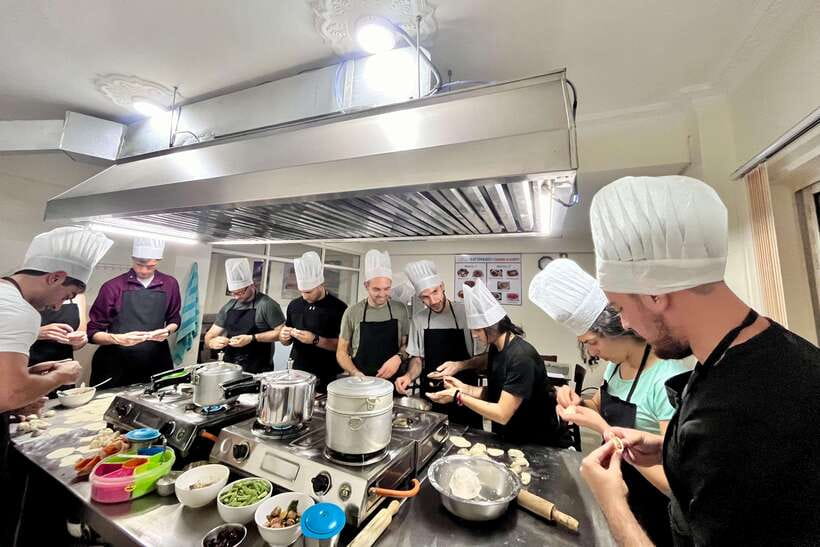
The final meal is not an afterthought. You taste the dishes you helped prepare, including the momo, dal bhat, and any extra courses selected by the group.
This makes the class feel useful rather than merely entertaining. You can judge the spice, texture, and seasoning while the instructions are still fresh in your mind. If something came out differently from what you expected, the chef can explain why.
Past meals have been described as delicious and substantial. Some sessions produced three dishes, while others included four different meals. The menu can vary, so think of the class as a chance to build a Nepali meal rather than a fixed restaurant menu.
If you want to repeat the food at home, ask about the recipe material. A PDF of the prepared dishes may be sent after the class. A printed cookbook has also been available for 400 NPR, which is a useful low-cost souvenir if you want more than photographs.
Timing, Transport, and Group Size
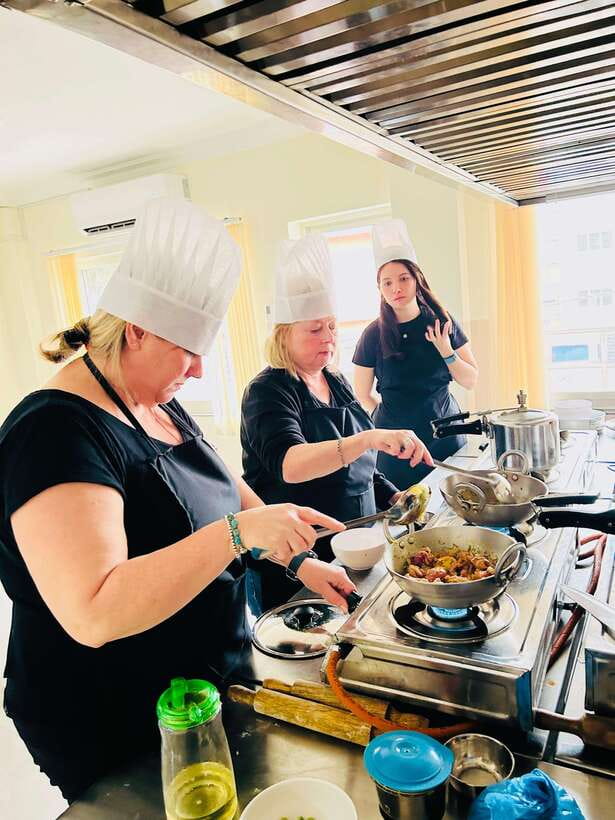
Plan on about three hours for the market visit, preparation, cooking, and meal, although the full experience may take three to four hours. A class that includes shopping and several dishes needs more time than a basic cooking demonstration.
The group limit is 10 participants. That is small enough for direct instruction, though the experience will feel different with two people than with a full group. A smaller class gives you more freedom to ask questions and influence the menu.
Pickup and drop-off are optional, not automatic. If you select the transport option, service is available from locations within Kathmandu Valley. One participant experienced late pickup and drop-off, though Kathmandu traffic was the obvious complication. Give yourself extra time after the class if you have a flight, bus, or fixed appointment.
Free cancellation is available up to 24 hours in advance, and the reserve-now, pay-later option can help if your Kathmandu plans are still moving around. Children over seven may participate with adult supervision. The activity is not suitable for children under five or people over 95.
The class is listed as wheelchair accessible. If you need specific assistance, confirm the details before booking, since cooking spaces can require hands-on movement even when the venue itself is accessible.
Who Will Enjoy This Class Most
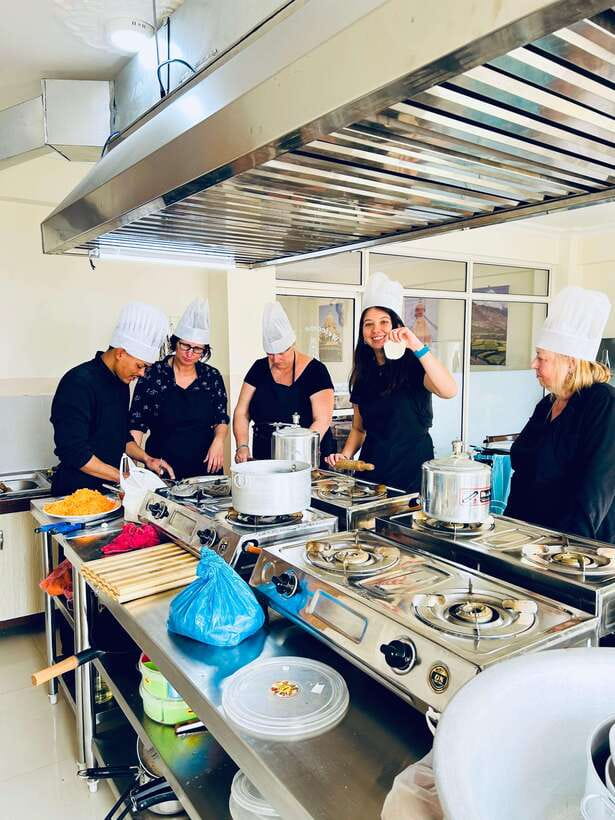
I would recommend this experience to you if food is one of your main reasons for visiting Nepal, or if you want an activity that gives structure to a free afternoon in Kathmandu.
It suits:
- First-time cooks who want patient instruction
- Solo visitors who are comfortable joining a small group
- Families with children over seven and adult supervision
- Vegetarian participants who notify the school in advance
- Visitors who want recipes they can try at home
- Anyone who prefers taking part to watching a cooking show
It may be less suitable if you need a fixed menu, dislike group decisions, or want a quiet restaurant meal with no preparation. You also need to be comfortable spending several hours standing, handling ingredients, and eating a full meal.
The women-led local format adds a personal community connection to the experience, while the English-speaking instructors and small class size keep it accessible to international visitors. The cooking school has also been associated with support for a local charity, which may matter to you when comparing activities.
Should You Book the Kathmandu Cooking Class?
Yes, if you want a low-cost, practical way to connect with Nepali food. The strongest reasons are the market stop, the chance to make momo by hand, the patient English instruction, and the full meal at the end.
Book it with two points in mind. First, confirm that the group plans to make momo if that is your priority. Second, allow extra time around pickup and drop-off because Kathmandu traffic can be slow.
At $5 per person, the class offers excellent value if the advertised rate is available for your chosen option. It is especially appealing near the end of a Nepal trip, when you already know which dishes you love and want to understand how to make them. You leave with a full stomach, useful cooking skills, and possibly a recipe PDF or cookbook to keep the meal going at home.
FAQ
How long does the Kathmandu cooking class last?
The activity lasts about three to four hours. This includes the market visit, ingredient preparation, cooking, and tasting the meal.
Where does the class take place?
The class takes place at Kathmandu Cooking Academy in Thamel. The meeting point can be found on Google Maps.
Is hotel pickup included?
Hotel pickup and drop-off are available only when you select that option during booking. Pickup is offered from locations within Kathmandu Valley.
What dishes will I cook?
The main dishes are momo and dal bhat, with an additional dish or a choice of starter, main course, and dessert. The exact menu can depend on the group.
Is momo guaranteed?
Momo is a central focus, but the participants may choose the menu together. If momo is important to you, confirm the group’s choice at the beginning of the class.
Is the class taught in English?
Yes. English is the listed language for the instructor.
Are ingredients and cooking equipment provided?
Yes. The class includes the ingredients purchased during the market or shop visit, cooking equipment, and accessories needed for the lesson.
Is food included after the cooking lesson?
Yes. You taste the food you prepare during the class, and the meal can be quite filling.
Can vegetarians or people with spice preferences participate?
Yes, dietary restrictions and allergies should be shared in advance. The menu and spice level can be adjusted when possible.
Can children attend the class?
Children over seven may attend with adult supervision. The activity is not suitable for children under five.
What should I bring?
Bring a camera if you want photos, arrive at least 15 minutes early, and wear comfortable clothing suitable for active cooking.
Can I cancel the booking?
You can cancel up to 24 hours before the activity for a full refund. A reserve-now, pay-later option is also available.
Just added around Kathmandu
- Kathmandu: 3-Hours of Cooking Class with Meals★ 5.0 · 10 reviews
- Local Women Led Nepali Cooking Class★ 5.0 · 6 reviews
- Kathmandu: Women-Led Cooking Class & Momo Making-Local Taste★ 4.8 · 15 reviews
- Kathmandu: Nepali Cooking Class with Hotel Pickup★ 4.1 · 5 reviews
- Cook with Lisha: Nepali and Newari Cooking Class★ 5.0 · 2 reviews
- Kathmandu: Local Lead Nepali Cooking & Momo Making Class★ 4.9 · 40 reviews
- Kathmandu: Cooking Class in Nepal★ 5.0 · 2 reviews
- Kathmandu: About 3-hour Cooking Class Experience near Thamel★ 5.0 · 3 reviews
Cooking Classes, compared.

Half-Day Thai Cooking Class at Organic Farm in Chiang Mai
Read our review →

3 in 1 Cooking Class near Navona: Fettuccine, Ravioli & Tiramisu
Read our review →
Pasta & Tiramisu Cooking Class with Unlimited Wine
Read our review →
Hanoi Cooking Class: Culture, Local Market & Meaning CSR Impact
Read our review →
5 Traditional Dishes Hanoi Cooking Class with Market Trip
Read our review →
Cooking Class and Lunch at a Tuscan Farmhouse with Local Market Tour from Florence
Read our review →
Cooking Class, Market & Thai Herbs Garden Tour
Read our review →Lists this class appears in