
REVIEW · ANTALYA PROVINCE, TURKEY
Antalya: Kunefe Cooking Class with Local Chef in Old Town
Sweetness comes with a lesson here. This 90-minute kunefe class gives you more than a dessert tasting: you prepare the dish yourself, learn why it matters in Turkish food culture, and eat it warm with tea in a central Antalya kitchen. I especially like the small group limit of six and the chance to cook over a traditional round tray, rather than simply watching a demonstration. The chef’s friendly, passionate teaching is another strong point, as several participants praised the warmth and enthusiasm of the people leading the experience.
The main consideration is the price. At $65 per person, this is not the cheapest way to eat kunefe in Antalya, especially since you must arrange your own transportation to the workshop. Still, the fee makes better sense if you value personal instruction, cultural background, and a dessert you prepare from start to finish.
What Makes This Kunefe Class Worth Your Time
- You cook over a traditional round tray: Learn how to rotate the tray and manage a low flame so the pastry browns evenly.
- The group is limited to six people: The small size should allow for direct help with layering, buttering, and cooking.
- You learn the role of each ingredient: Kadayıf, cheese, clarified butter, syrup, and pistachios all affect the final texture and flavor.
- The setting is a cozy kitchen in central Old Town Antalya: This is a more personal experience than a restaurant meal.
- The class ends with warm kunefe and Turkish tea: You eat the dessert while talking with the chef and the other participants.
- Instruction is offered in English and Turkish: That makes the class practical for international visitors.
Starting With Tea in Central Antalya
The class begins in a welcoming kitchen in central Antalya’s Old Town area. Since transportation is not included, you need to make your own way there, but the location is central rather than outside the city. Check the available start times carefully when booking, especially if you are fitting this around sightseeing.
A traditional Turkish tea starts the session. This is a small detail, but it sets the tone well. You are not rushed straight toward the cooking station. Instead, you have a moment to meet the local host, settle in, and hear what the class will cover.
The experience is taught in English and Turkish. The instructor has years of experience preparing and teaching Turkish sweets, and the strongest praise has focused on the chef’s friendly manner and clear passion for the subject. That matters in a cooking class. A complicated recipe becomes far easier when the person teaching you can explain not only what to do, but why it matters.
The small group format is another practical advantage. With no more than six participants, you should have a better chance to ask questions and receive help when handling the delicate pastry. This is especially useful when you begin shaping and layering the kadayıf, since the texture can be difficult to judge from a distance.
A few more cooking classes around Turkey worth a look
- Traditional Home Cooking with a Local in İstanbul City Center
★ 5.0 · 82 reviews - Traditional Home Cooking with a Local in İstanbul Center
★ 4.9 · 78 reviews - Farmers Market visit & Turkish Cooking Class
★ 5.0 · 60 reviews
Why Kunefe Matters in Turkish Food Culture
Before you cook, the chef explains where kunefe comes from, how it changes across different regions, and why it has such a firm place in Turkish culinary life. The session presents kunefe as more than a sweet ending to a meal. It is a dish tied to hospitality, local ingredients, technique, and the pleasure of sharing food.
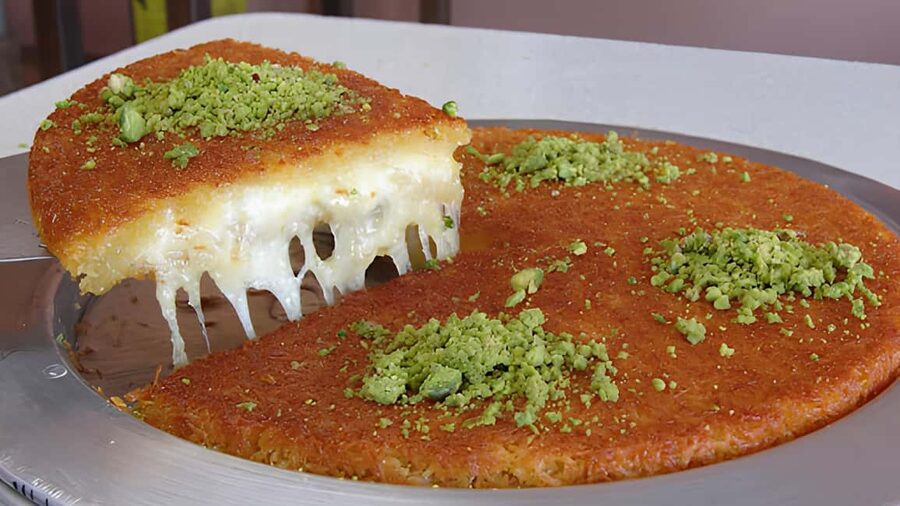
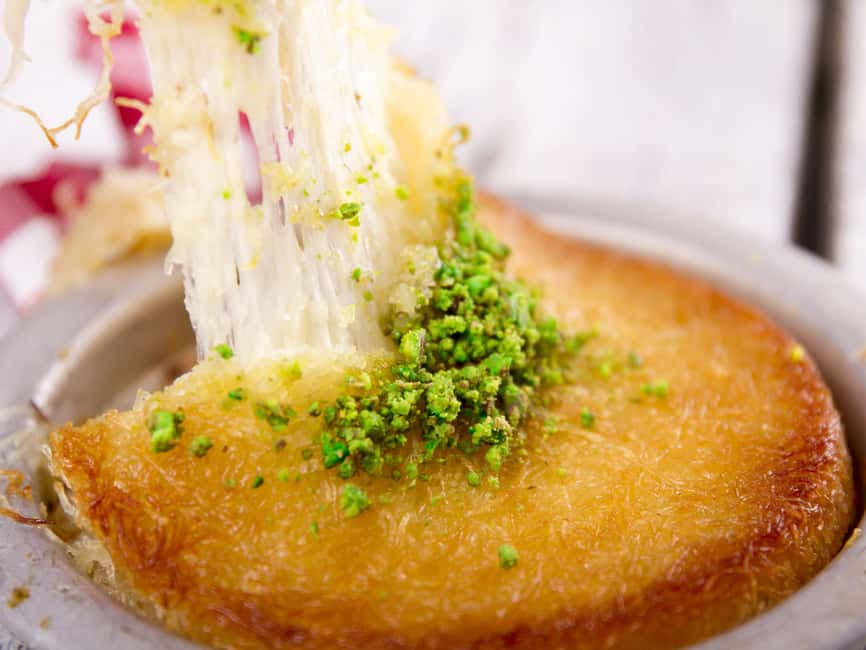
Kunefe is made with fine strands of kadayıf pastry, a soft cheese filling, butter, and warm syrup. The top is usually finished with pistachios. The contrast is the key: crisp pastry outside, soft melted cheese inside, and syrup that brings everything together.
Regional differences are part of the lesson. The exact cheese, level of sweetness, cooking style, and finishing touches can vary. You also learn how the ingredients work together, which gives you a better understanding of why restaurant kunefe tastes the way it does.
I like this cultural section because it keeps the class from becoming a simple recipe demonstration. You are given a reason to care about the dish before you start working with it. That makes the final serving feel less like a snack and more like the result of a small piece of Turkish food tradition.
Handling Kadayıf, Cheese, and Clarified Butter
The hands-on portion begins with the ingredients. You learn about high-quality kadayıf, the fine shredded pastry that gives kunefe its distinctive texture. It needs to be buttered properly so it cooks into a crisp, even layer rather than drying out in patches.
The chef also explains the type of cheese used inside the dessert and how you might substitute it outside Turkey. That information is useful if you hope to recreate the dish at home, since the right cheese is not always easy to find in another country.
Clarified butter, called tereyağı, is another important component. It helps produce the rich flavor and crisp surface associated with good kunefe. The class shows you how butter affects the pastry, rather than treating it as an afterthought.
You will work through the basic sequence:
- Prepare and butter the kadayıf.
- Layer the pastry carefully.
- Add the cheese filling.
- Cover it with another layer of pastry.
- Cook it slowly on a traditional round tray.
- Add warm syrup once the pastry is browned.
- Finish with pistachios.
The value here is practical. You are not just told that kunefe must be crisp on top and soft in the middle. You are shown how the butter, heat, and layering create that contrast.
Cooking Kunefe Over a Low Flame
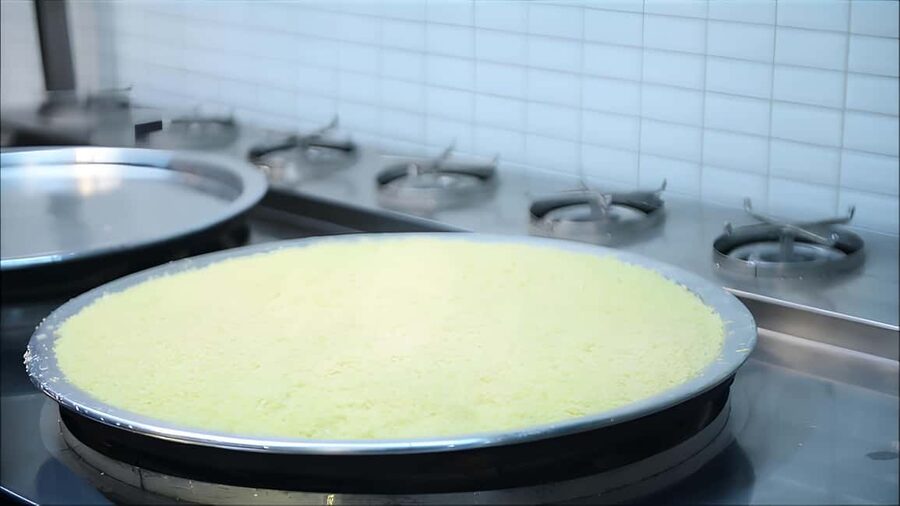
The most interesting technical part of the class is the cooking. Instead of putting the tray into a modern oven and waiting for a timer, you cook the kunefe over a low flame on a traditional round tray.
This requires attention. You learn how to rotate the tray so the pastry cooks evenly, and how to control the heat without burning the bottom. The low flame gives you time to understand what is happening, but it also leaves room for mistakes. If the heat is too strong, the outer pastry may brown before the cheese softens. If it is too weak, you may not get the crisp texture you want.
That small element of risk makes the class more engaging. You have a clear job to do, and the chef can guide you through it. The cooking method also gives you a better sense of why kunefe is a skill-based dessert. The ingredients are fairly simple, but timing and heat control make a real difference.
For me, this is the strongest part of the experience. A restaurant serving can be delicious, but cooking the dessert yourself helps you understand the work behind it. You leave knowing that the crackly surface does not happen by accident.
Same place, a different thing to cook:
- Bodrum: Market Visit and Cooking Class
★ 4.9 · 41 reviews - Authentic Turkish Cooking at a Local’s Home in Istanbul
★ 4.9 · 24 reviews - Cooking Class in Authentic Etrim Village
★ 4.5 · 23 reviews - Istanbul: Turkish Cooking Class with a Professional Chef
★ 4.8 · 23 reviews
Warm Syrup, Pistachios, and the First Bite
When the kunefe is cooked, the chef pours warm syrup over it. This is done after the pastry has browned, allowing the syrup to soak in while the exterior retains some crispness. Pistachios go on top, adding color, nuttiness, and a little texture.
You then sit down to eat the kunefe with Turkish tea. The food is served warm, which is important. Kunefe is at its best when the cheese is soft and the pastry still has some bite.
The tea also balances the richness of the dessert. Kunefe is buttery, sweet, and filling, so the plain, hot drink gives the meal a lighter finish. The final table conversation is part of the experience, too. You can ask more questions, compare results, and talk with the chef and other participants.
The strongest praise for this class has focused on this human element. The chef and the accompanying women were described as passionate and eager to share what they know. That warmth appears to be a central reason the class feels memorable, rather than just instructional.
How the $65 Price Measures Up
At $65 per person, the class costs more than buying a plate of kunefe at a café. You are paying for the instruction, the ingredients, the use of the kitchen, the tea, and the small group format. You are also paying for the chance to prepare the dessert yourself instead of receiving a finished portion at a restaurant.
The price is easier to justify if you enjoy food-focused activities. It includes a cultural introduction, guidance through each stage, and time to eat what you make. A group limit of six is valuable because the instructor can offer more direct help than in a large class.
It may feel less worthwhile if you only want to taste kunefe or have a tight budget. In that case, a restaurant meal will be cheaper and faster. You should also remember that transportation to the workshop is not included, so your total cost will be slightly higher if you need a taxi or other local transport.
The booking terms add some flexibility. You can reserve now and pay later, and cancellation is allowed up to 24 hours in advance for a full refund. That is useful if your Antalya schedule is still changing.
Who Will Enjoy This Experience Most
I would recommend this class to anyone who likes to connect food with local culture. It works particularly well for couples, friends, solo visitors, and small groups who want a calm activity with plenty of conversation.
It is also a good choice if you have already seen Antalya’s major sights and want something more personal. The class takes place in a kitchen, not at a large attraction, so the focus is on people, food, and technique.
You do not need professional cooking skills. The chef guides you through the process, and the small group should make it easier to get help. Still, you need to be willing to take part. This is not a passive tasting where someone else does all the work.
Children under 10 are not permitted, so families with younger children will need another food activity. Older children may enjoy it if they are interested in cooking, but the provided information does not promise a separate children’s format.
The class is also a good fit for anyone curious about Turkish sweets beyond the finished plate. You learn about substitutions, pastry handling, syrup, heat, and the place of kunefe in Turkish cuisine.
Practical Details Before You Book
Plan on 1.5 hours for the full activity. That is long enough for an introduction, cooking, and eating without taking over your entire day.
The instructor speaks English and Turkish. The class is limited to six participants, which is one of the best features for anyone who wants to ask questions or receive help with the tray.
You must arrange transportation to the kitchen. The activity takes place in central Antalya, in the Old Town area, but the exact meeting instructions and starting times should be checked before you go.
Alcohol and drugs are not allowed. The class is centered on cooking, tea, and conversation, so it is best approached as a relaxed cultural activity rather than a party.
The available information does not specify dietary alternatives, so ask about the cheese and other ingredients before booking if you have allergies or follow a restricted diet. Since cheese and butter are central to kunefe, this is not an easy dish to adapt without changing the recipe.
Should You Book the Antalya Kunefe Class?
Book it if you want more than a dessert tasting. The class offers a small setting, direct instruction, a useful look at Turkish food culture, and the pleasure of eating a warm kunefe you helped prepare.
I especially like the combination of traditional cooking technique and friendly conversation. The chef’s passion has been one of the most praised parts of the experience, and the chance to learn over tea gives the class a personal feel.
Skip it if you are looking for the cheapest kunefe in Antalya, need transportation included, or prefer a quick restaurant meal. At $65, the value comes from participation and cultural exchange, not from the food alone.
For food lovers with 90 minutes to spare in Old Town, this is a sweet, focused way to spend part of your Antalya visit.
FAQ
Where does the kunefe cooking class take place?
The class takes place in a cozy kitchen in central Antalya’s Old Town area.
How long does the experience last?
The activity lasts 1.5 hours.
How much does the class cost?
The price is $65 per person.
What is included in the experience?
The class includes traditional Turkish tea, an introduction to kunefe’s origins, hands-on preparation, cooking the dessert on a traditional round tray, and kunefe served with tea and conversation.
Is transportation included?
No. Transportation to the workshop is not included.
What languages does the instructor speak?
Instruction is available in English and Turkish.
How many people can join the class?
This is a small-group activity limited to six participants.
Are children allowed to attend?
Children under 10 are not permitted to join the activity.
Can I cancel the booking?
Yes. You can cancel up to 24 hours in advance for a full refund. You can also reserve now and pay later.
Just added around Turkey
- Bodrum Cooking Class with Local Couple★ 5.0 · 6 reviews
- Farmers Market visit & Turkish Cooking Class★ 5.0 · 60 reviews
- Bodrum Cooking Class★ 5.0 · 3 reviews
- Cooking Class in Authentic Etrim Village★ 4.5 · 23 reviews
- Turkish Cuisine Cooking Class at Local Home with Family★ 5.0 · 9 reviews
- Istanbul: Traditional Cooking Class with a Local Mom★ 5.0 · 2 reviews
- Istanbul: Vegan/Vegetarian Cooking Class with Locals at Home★ 5.0 · 8 reviews
- Istanbul: Turkish Baklava Cooking Class with a Local Host★ 5.0 · 3 reviews
Cooking Classes, compared.

Half-Day Thai Cooking Class at Organic Farm in Chiang Mai
Read our review →

3 in 1 Cooking Class near Navona: Fettuccine, Ravioli & Tiramisu
Read our review →
Pasta & Tiramisu Cooking Class with Unlimited Wine
Read our review →
Hanoi Cooking Class: Culture, Local Market & Meaning CSR Impact
Read our review →
5 Traditional Dishes Hanoi Cooking Class with Market Trip
Read our review →
Cooking Class and Lunch at a Tuscan Farmhouse with Local Market Tour from Florence
Read our review →
Cooking Class, Market & Thai Herbs Garden Tour
Read our review →Lists this class appears in